
Principles of Lasers Module 1 6 of Course

- Slides: 42
Principles of Lasers Module 1 -6 of Course 1, Fundamentals of Light and Lasers www. op-tec. org 1
© 2018 University of Central Florida This text was developed by the National Center for Optics and Photonics Education (OP-TEC), University of Central Florida, under NSF ATE grant 1303732. Any opinions, findings, and conclusions or recommendations expressed in this material are those of the author(s) and do not necessarily reflect the views of the National Science Foundation. Published and distributed by OP-TEC University of Central Florida http: //www. op-tec. org Permission to copy and distribute This work is licensed under the Creative Commons Attribution-Non. Commercial-No. Derivatives 4. 0 International License. http: //creativecommons. org/licenses/by-nc-nd/4. 0. Individuals and organizations may copy and distribute this material for non-commercial purposes. Appropriate credit to the University of Central Florida & the National Science Foundation shall be displayed, by retaining the statements on this page. 2
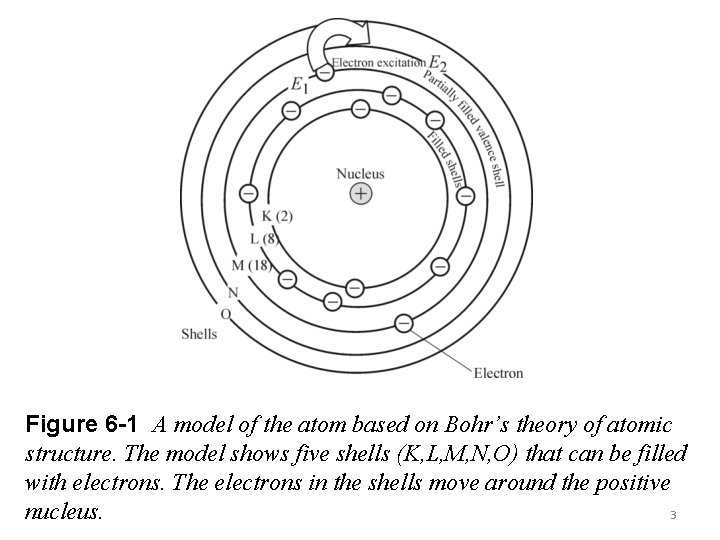
Figure 6 -1 A model of the atom based on Bohr’s theory of atomic structure. The model shows five shells (K, L, M, N, O) that can be filled with electrons. The electrons in the shells move around the positive nucleus. 3
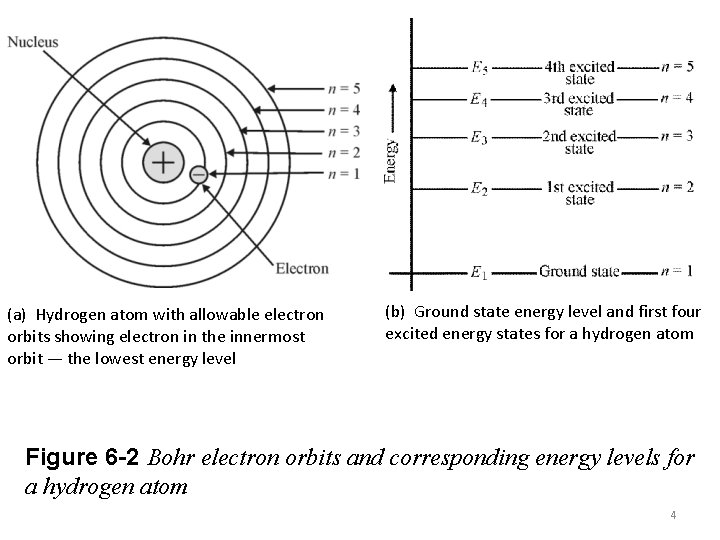
(a) Hydrogen atom with allowable electron orbits showing electron in the innermost orbit ― the lowest energy level (b) Ground state energy level and first four excited energy states for a hydrogen atom Figure 6 -2 Bohr electron orbits and corresponding energy levels for a hydrogen atom 4
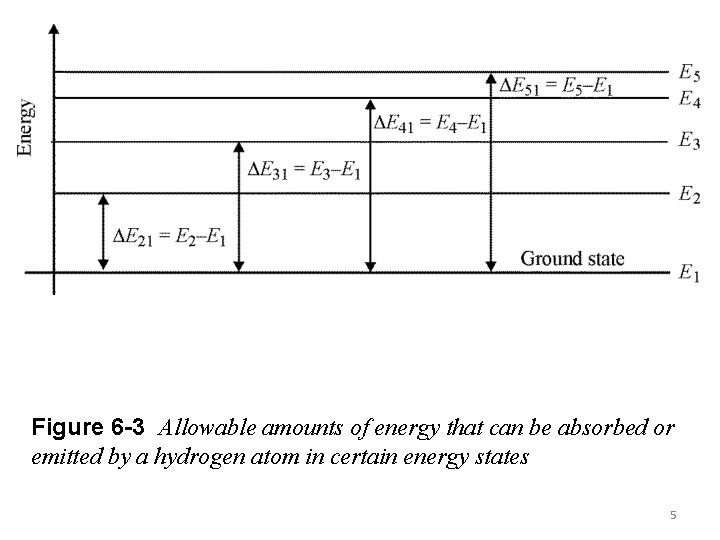
Figure 6 -3 Allowable amounts of energy that can be absorbed or emitted by a hydrogen atom in certain energy states 5
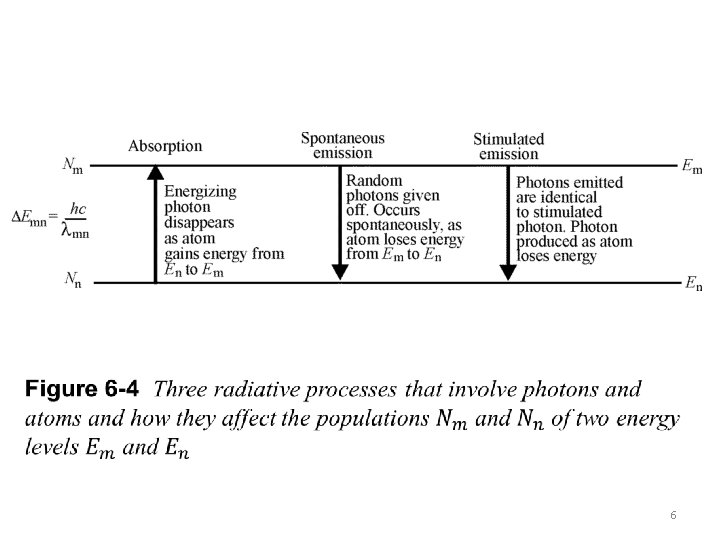
6
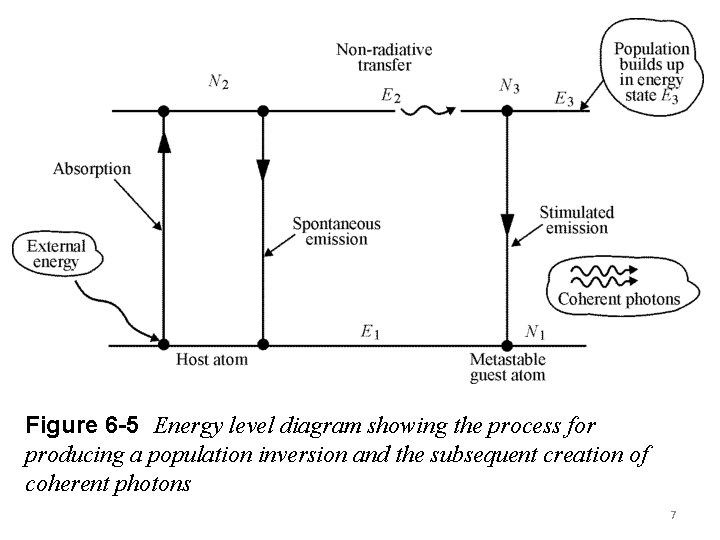
Figure 6 -5 Energy level diagram showing the process for producing a population inversion and the subsequent creation of coherent photons 7
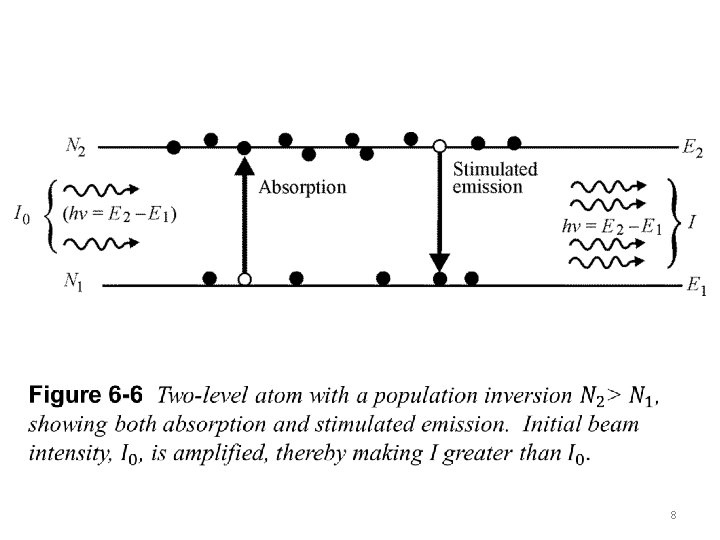
8
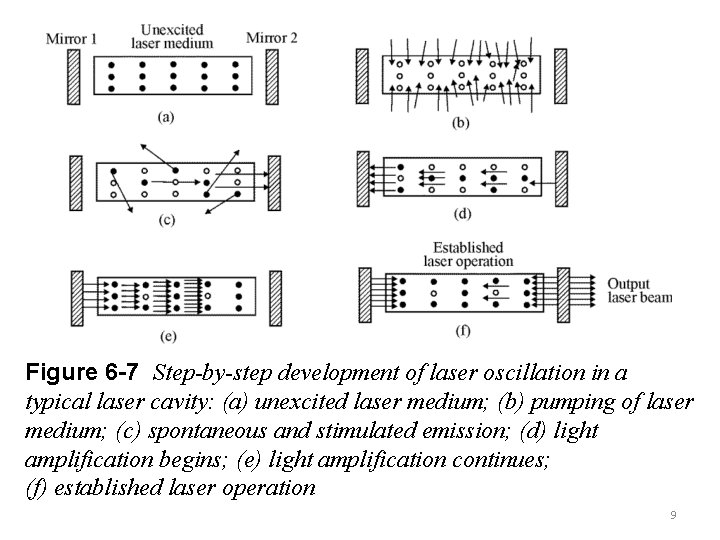
Figure 6 -7 Step-by-step development of laser oscillation in a typical laser cavity: (a) unexcited laser medium; (b) pumping of laser medium; (c) spontaneous and stimulated emission; (d) light amplification begins; (e) light amplification continues; (f) established laser operation 9
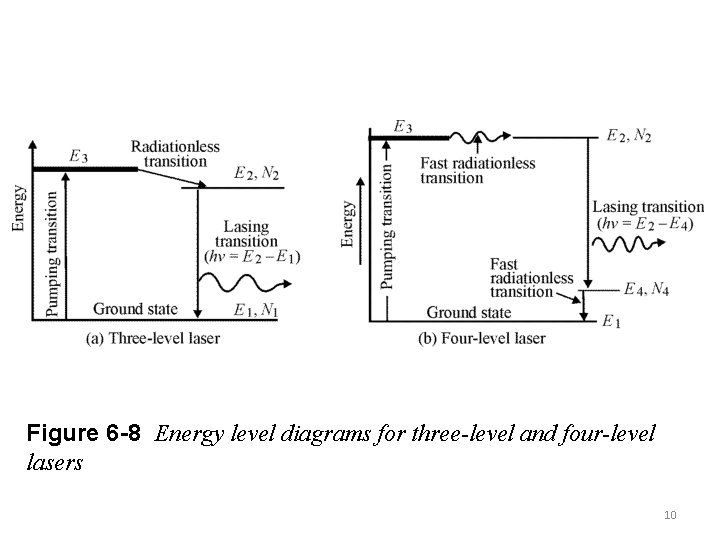
Figure 6 -8 Energy level diagrams for three-level and four-level lasers 10
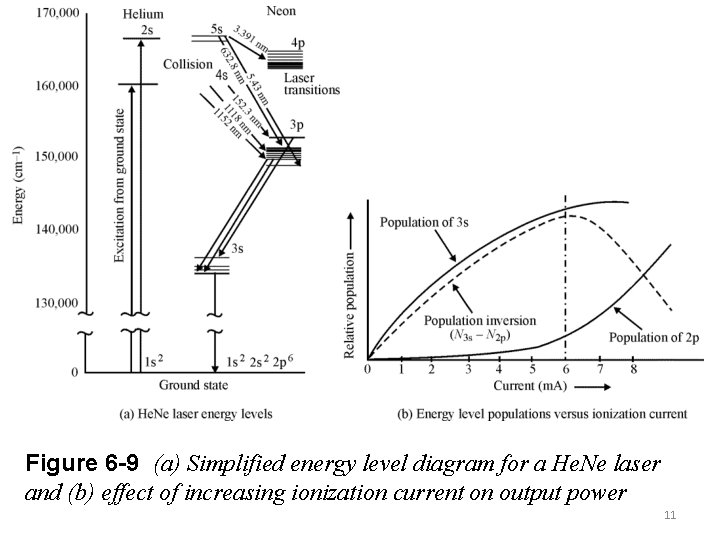
Figure 6 -9 (a) Simplified energy level diagram for a He. Ne laser and (b) effect of increasing ionization current on output power 11
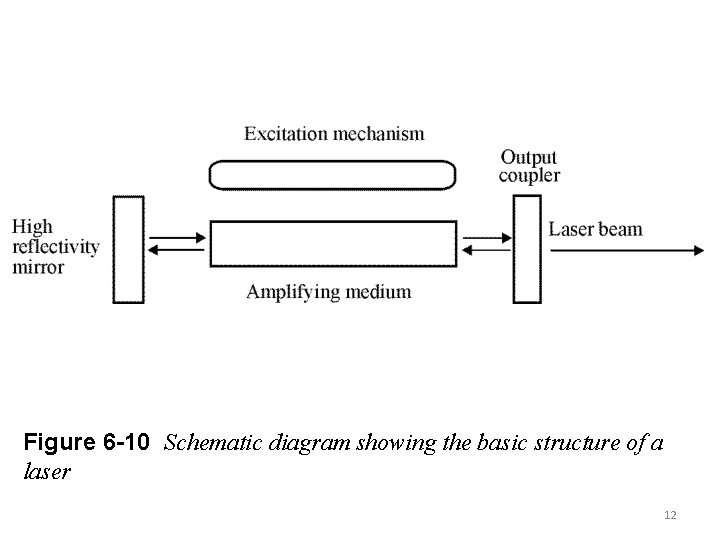
Figure 6 -10 Schematic diagram showing the basic structure of a laser 12
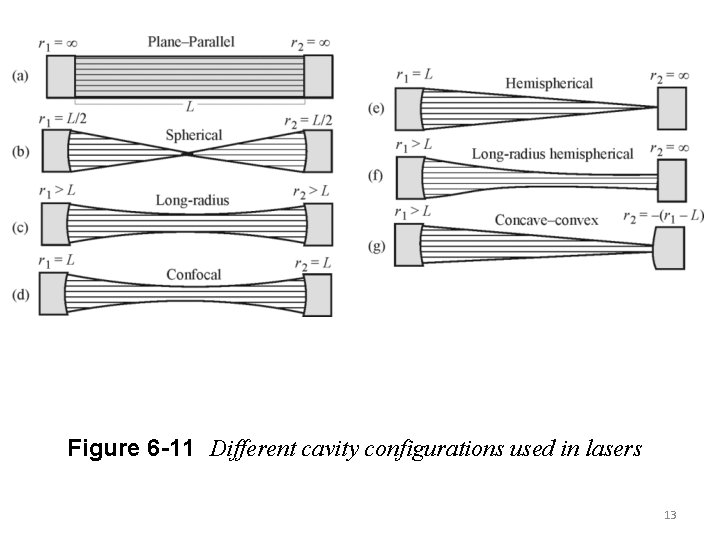
Figure 6 -11 Different cavity configurations used in lasers 13
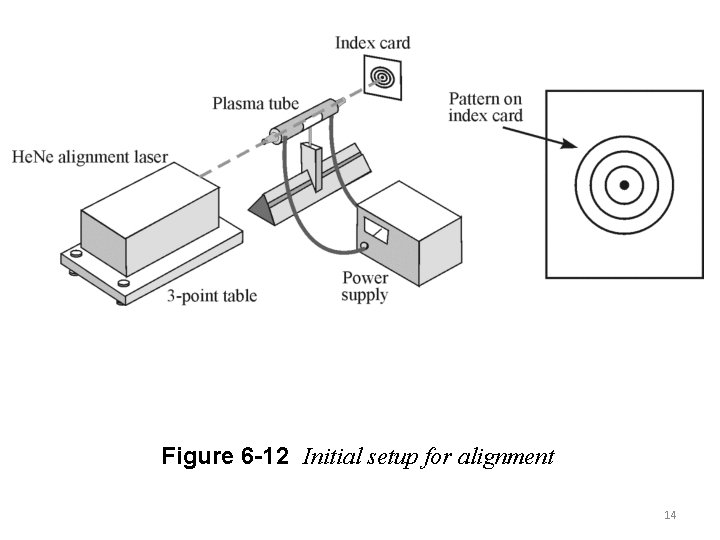
Figure 6 -12 Initial setup for alignment 14
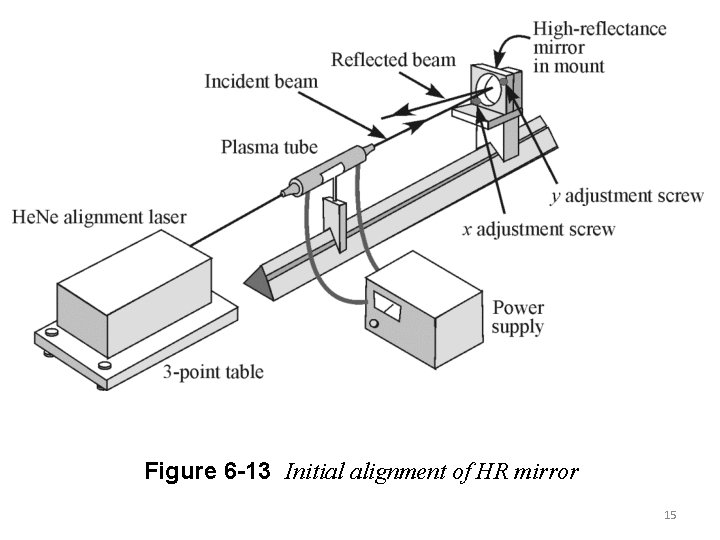
Figure 6 -13 Initial alignment of HR mirror 15
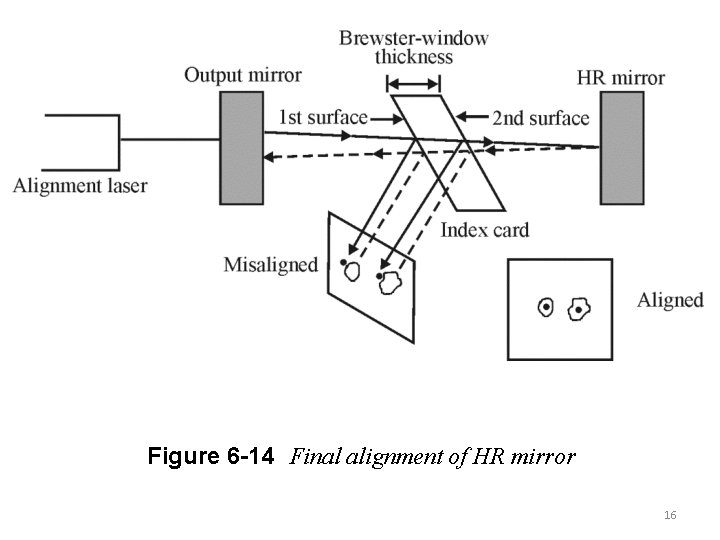
Figure 6 -14 Final alignment of HR mirror 16
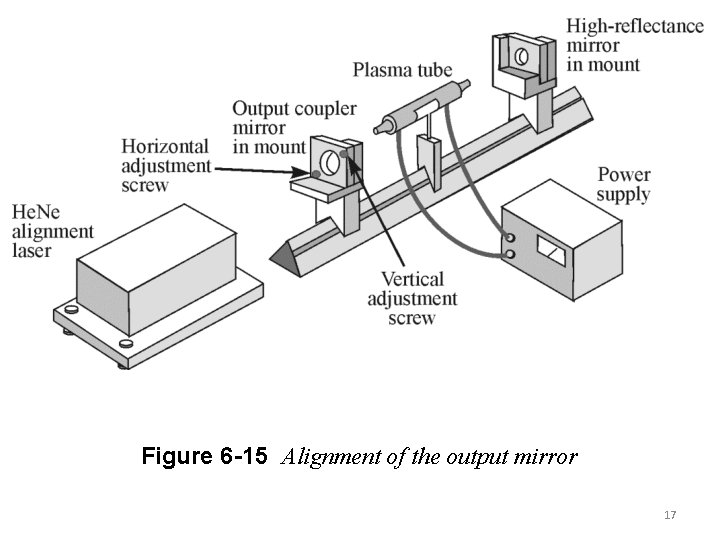
Figure 6 -15 Alignment of the output mirror 17
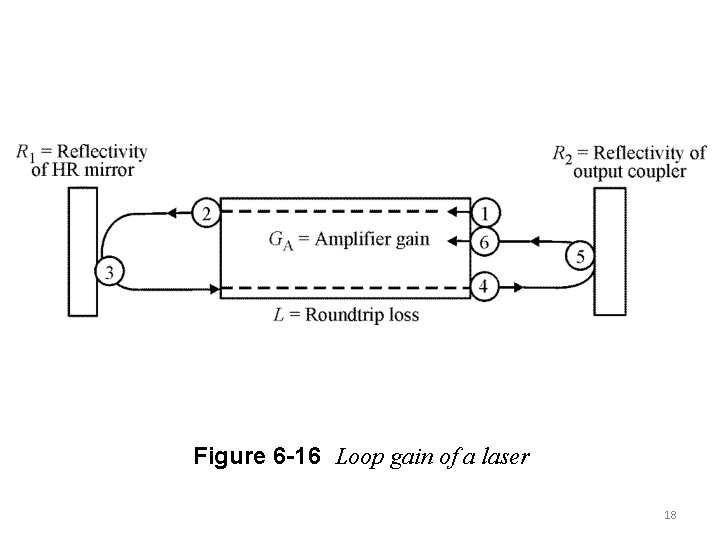
Figure 6 -16 Loop gain of a laser 18
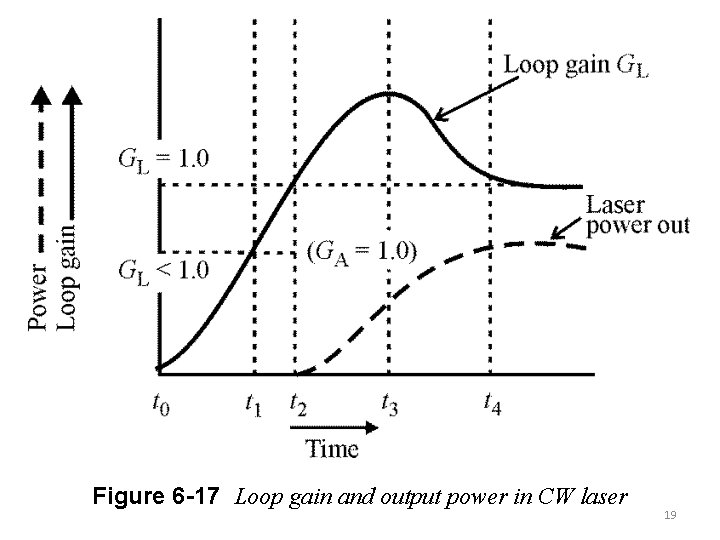
Figure 6 -17 Loop gain and output power in CW laser 19
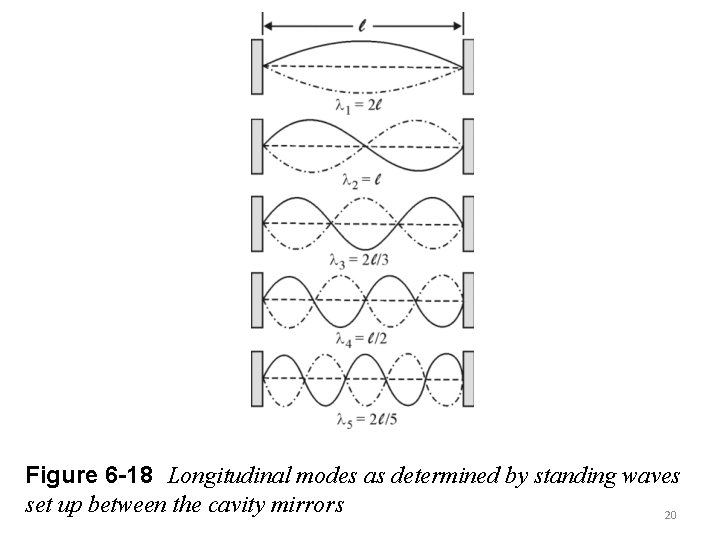
Figure 6 -18 Longitudinal modes as determined by standing waves set up between the cavity mirrors 20
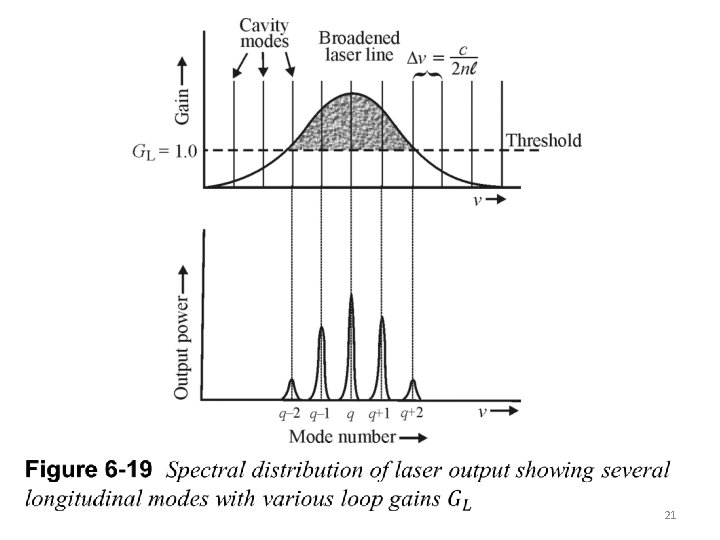
21
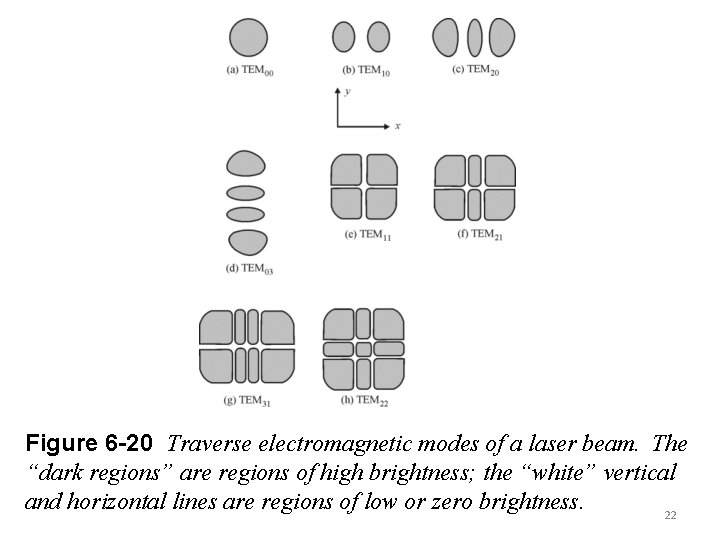
Figure 6 -20 Traverse electromagnetic modes of a laser beam. The “dark regions” are regions of high brightness; the “white” vertical and horizontal lines are regions of low or zero brightness. 22
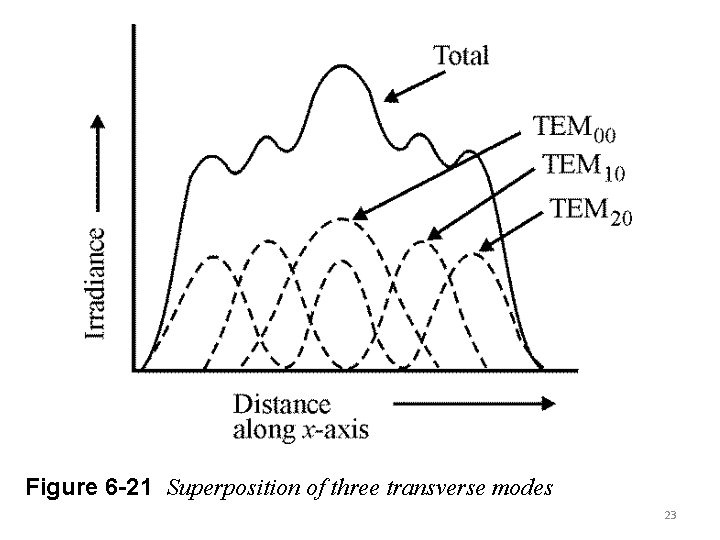
Figure 6 -21 Superposition of three transverse modes 23
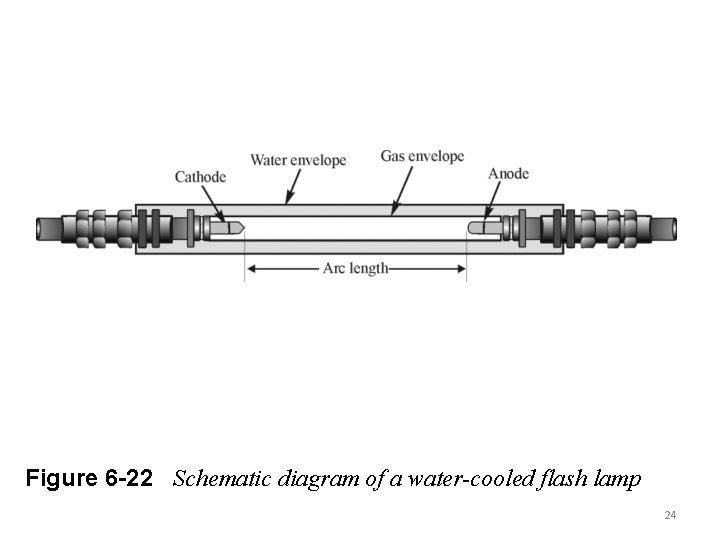
Figure 6 -22 Schematic diagram of a water-cooled flash lamp 24
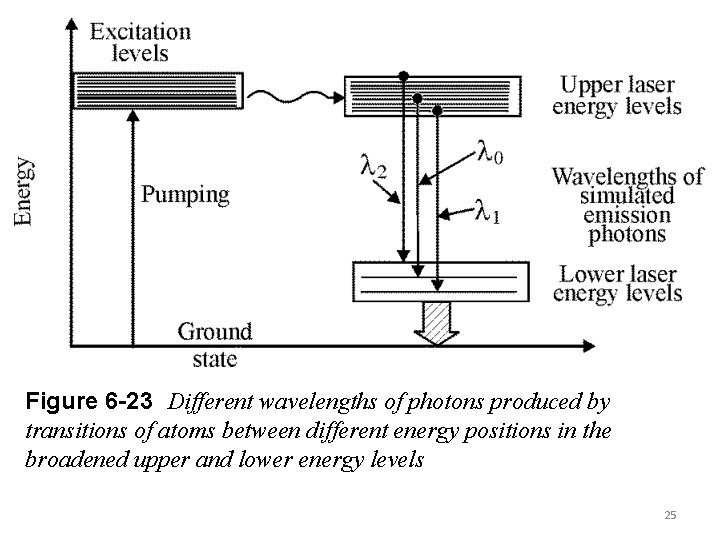
Figure 6 -23 Different wavelengths of photons produced by transitions of atoms between different energy positions in the broadened upper and lower energy levels 25
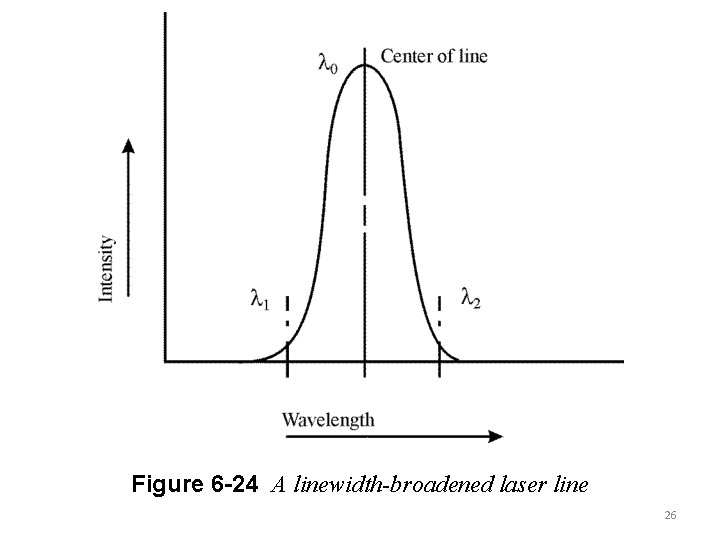
Figure 6 -24 A linewidth-broadened laser line 26
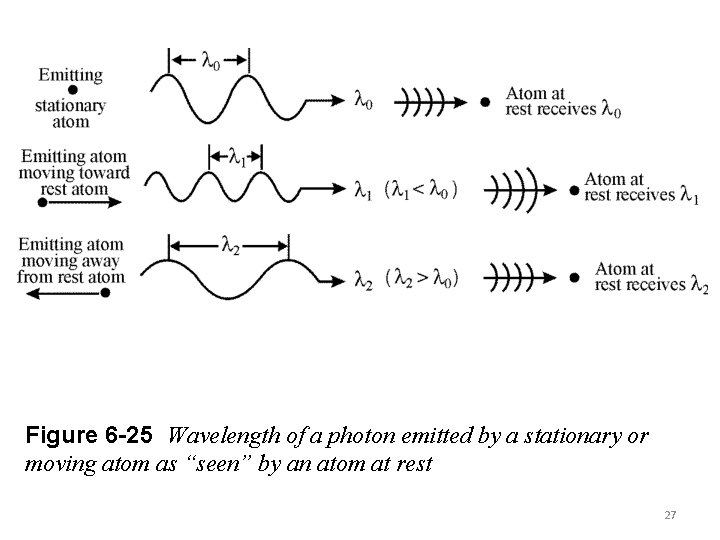
Figure 6 -25 Wavelength of a photon emitted by a stationary or moving atom as “seen” by an atom at rest 27
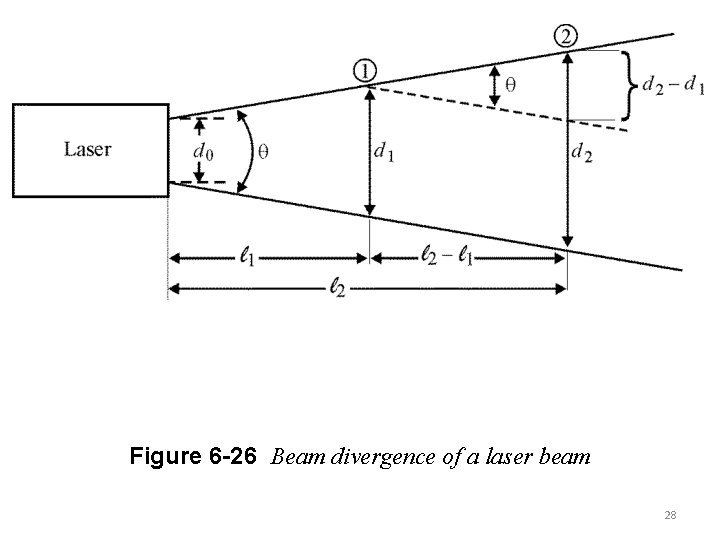
Figure 6 -26 Beam divergence of a laser beam 28
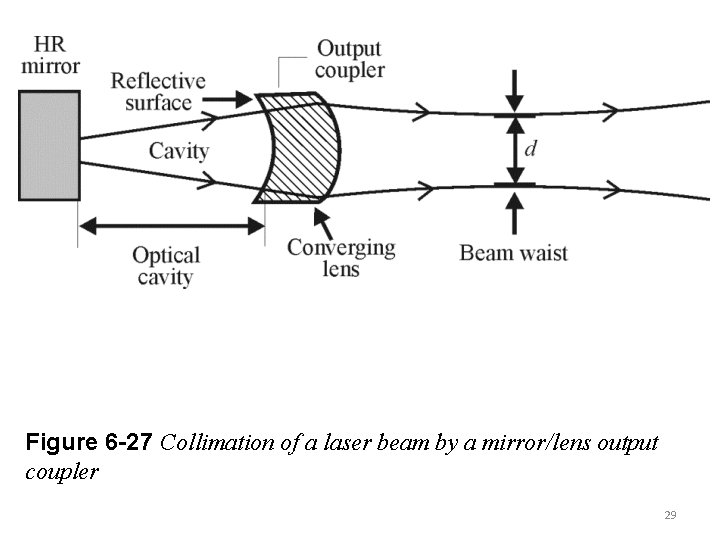
Figure 6 -27 Collimation of a laser beam by a mirror/lens output coupler 29
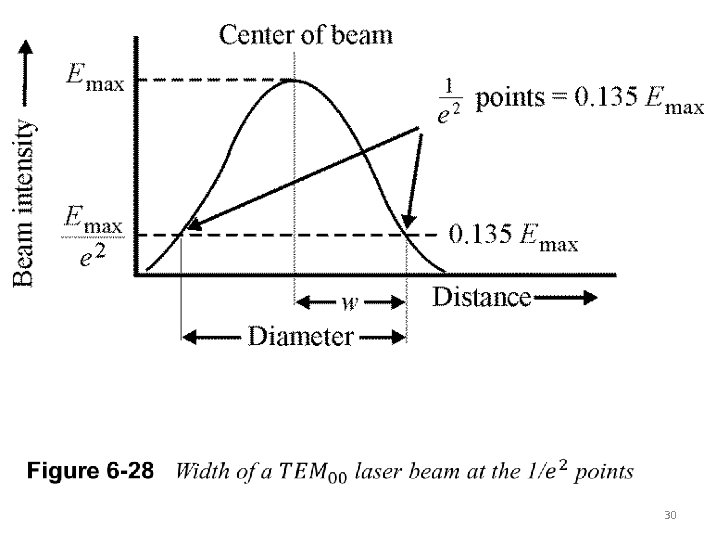
30
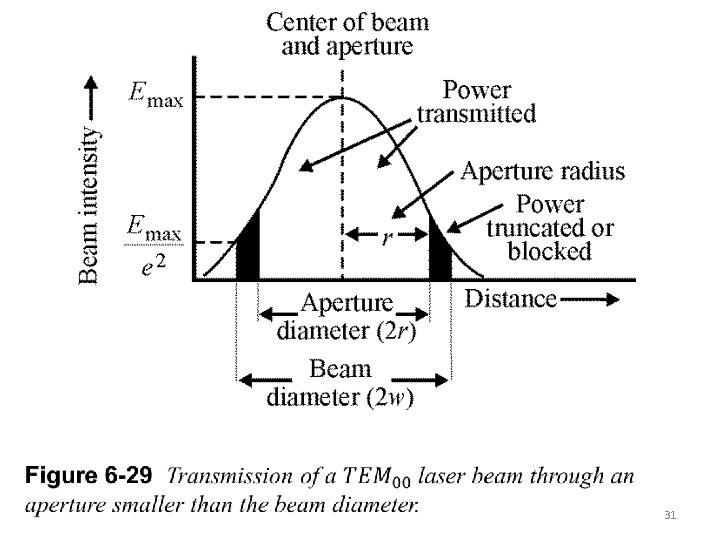
31
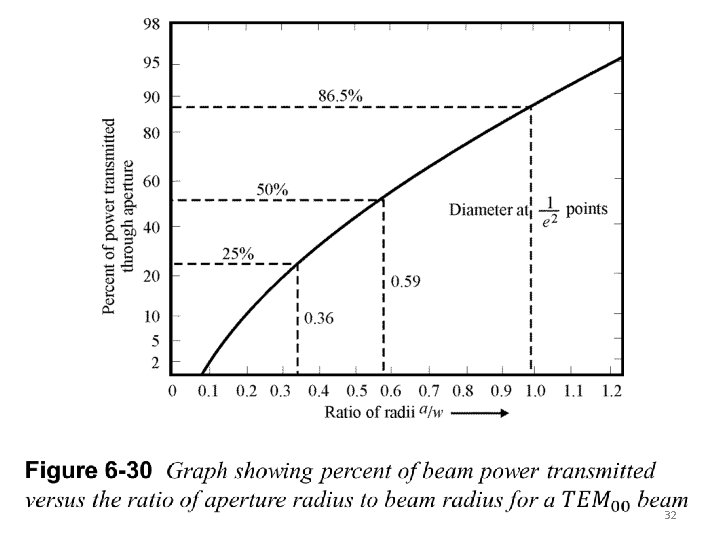
32
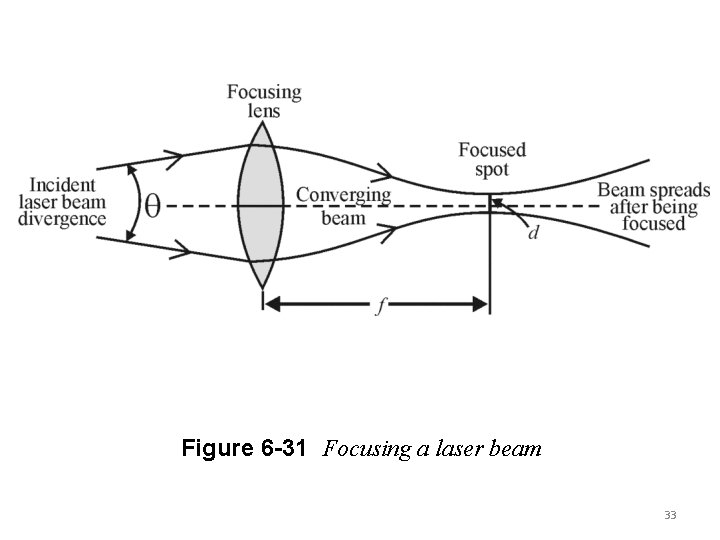
Figure 6 -31 Focusing a laser beam 33
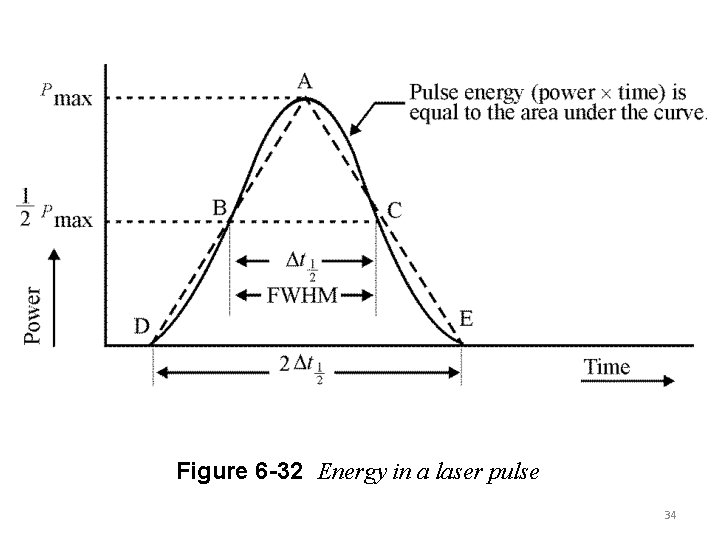
Figure 6 -32 Energy in a laser pulse 34
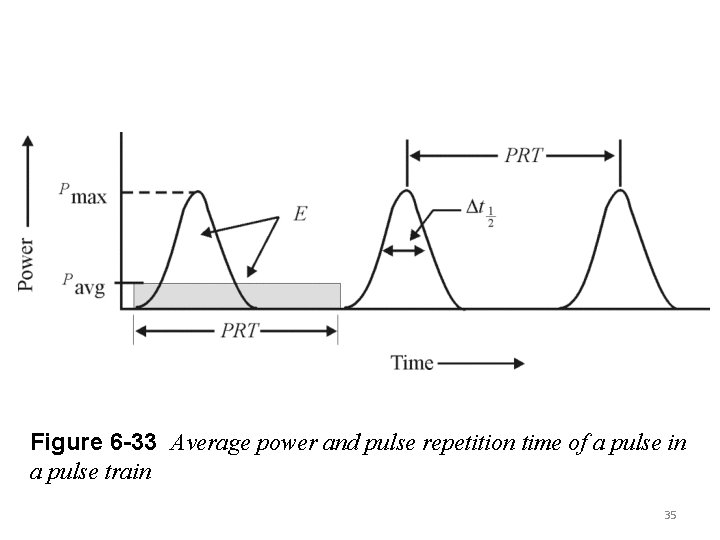
Figure 6 -33 Average power and pulse repetition time of a pulse in a pulse train 35
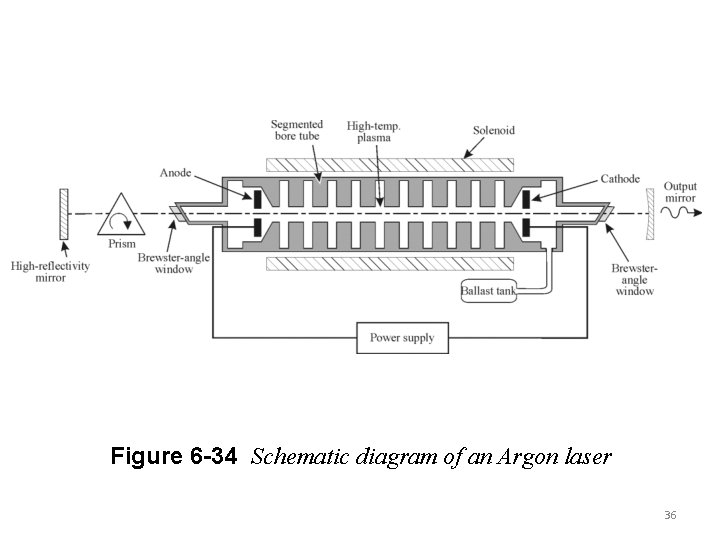
Figure 6 -34 Schematic diagram of an Argon laser 36
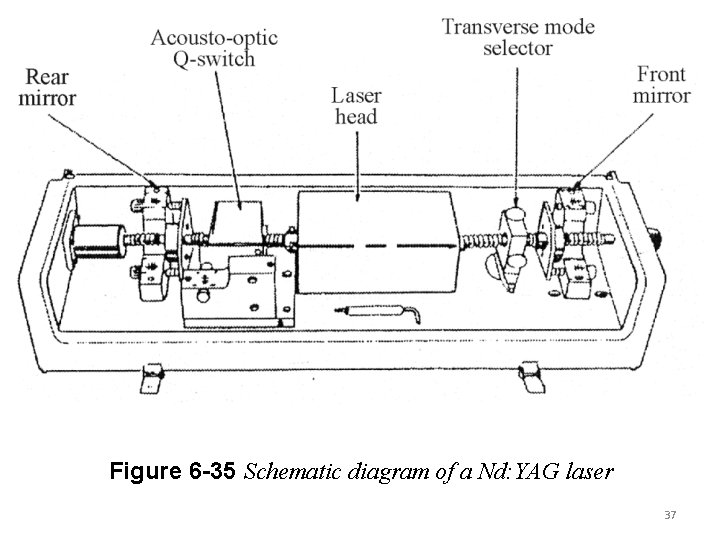
Figure 6 -35 Schematic diagram of a Nd: YAG laser 37
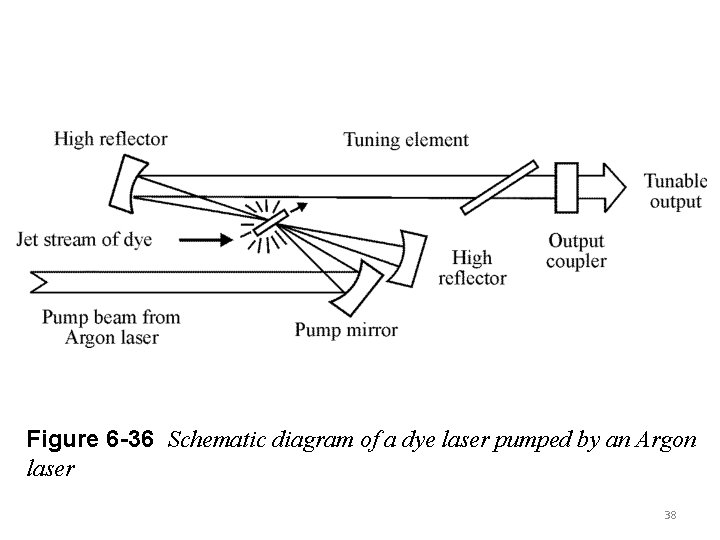
Figure 6 -36 Schematic diagram of a dye laser pumped by an Argon laser 38
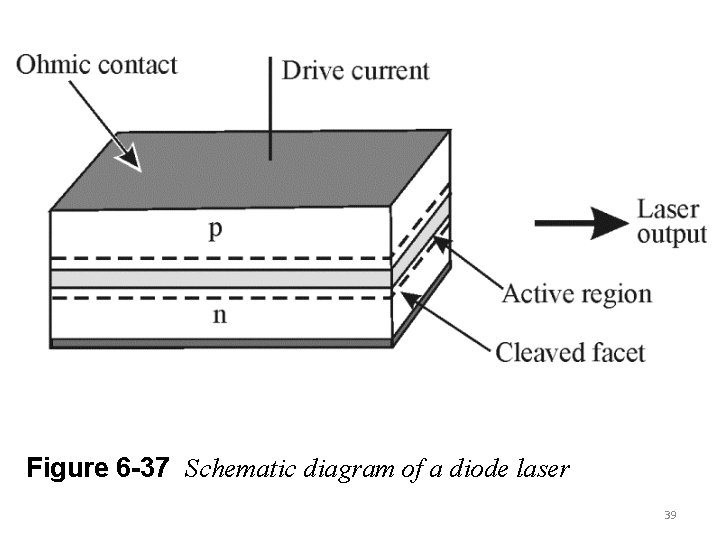
Figure 6 -37 Schematic diagram of a diode laser 39
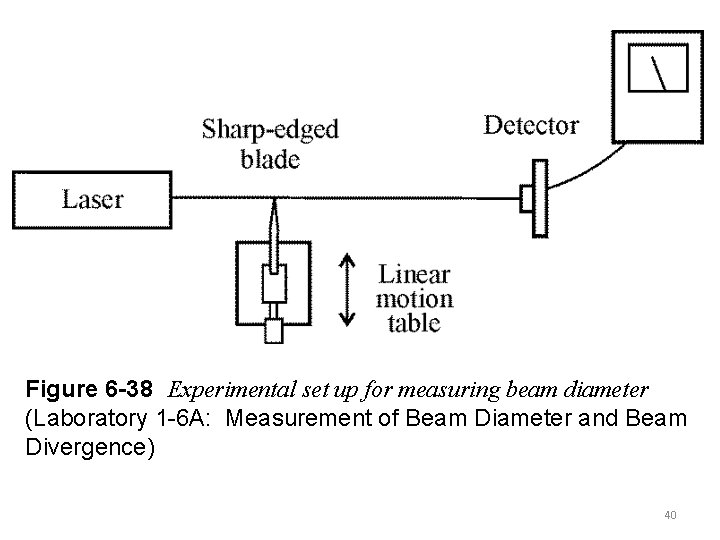
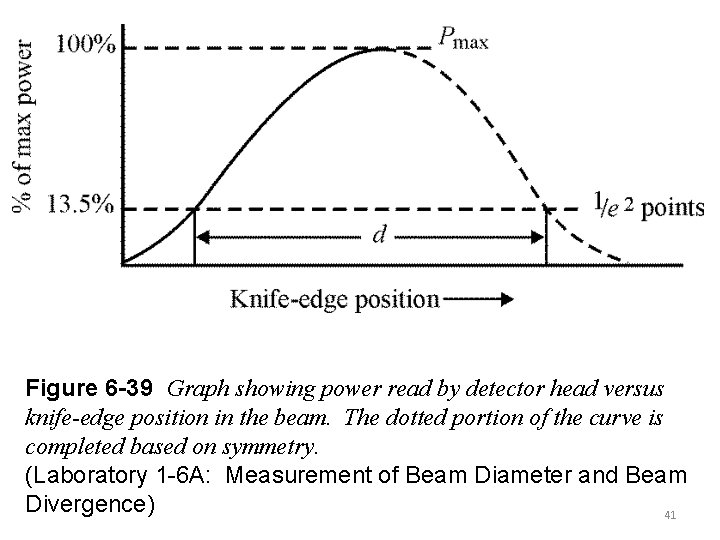
Figure 6 -38 Experimental set up for measuring beam diameter (Laboratory 1 -6 A: Measurement of Beam Diameter and Beam Divergence) 40
Figure 6 -39 Graph showing power read by detector head versus knife-edge position in the beam. The dotted portion of the curve is completed based on symmetry. (Laboratory 1 -6 A: Measurement of Beam Diameter and Beam Divergence) 41
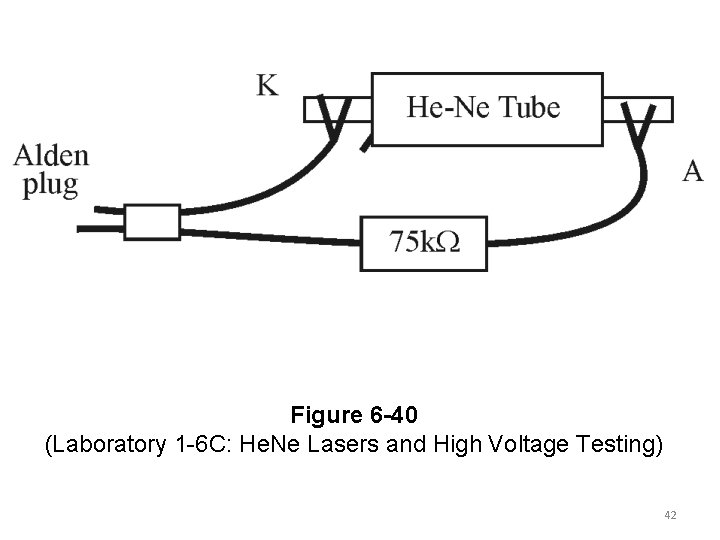
Figure 6 -40 (Laboratory 1 -6 C: He. Ne Lasers and High Voltage Testing) 42