
Principles of Foam Two types of foam Chemical
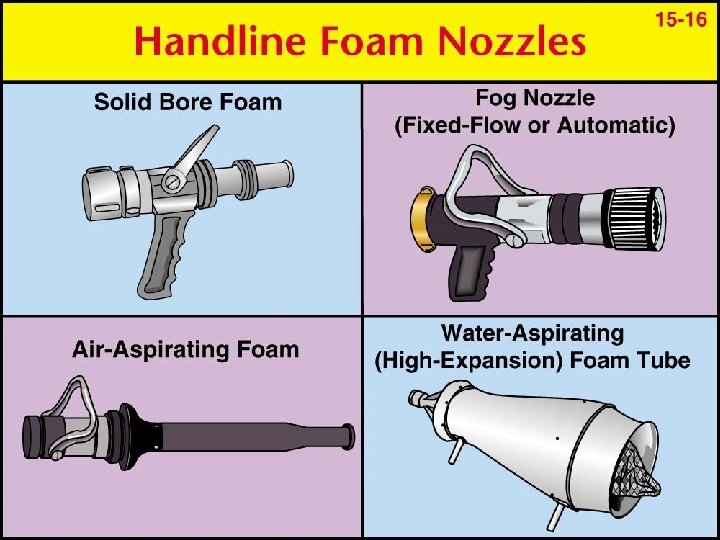
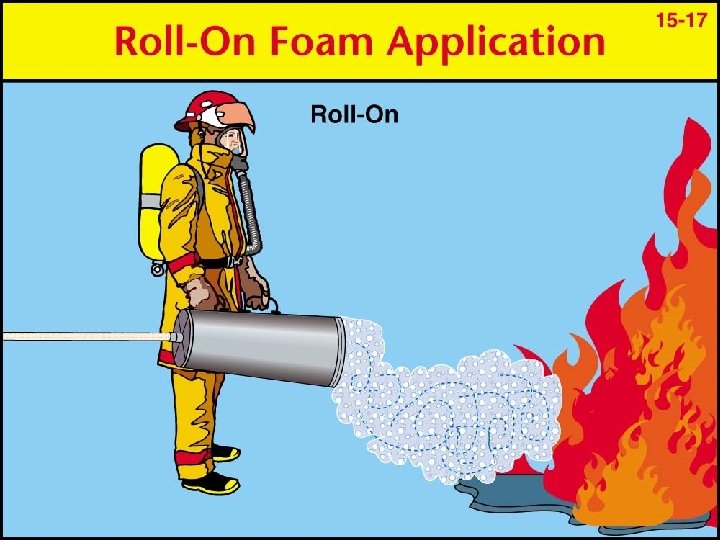
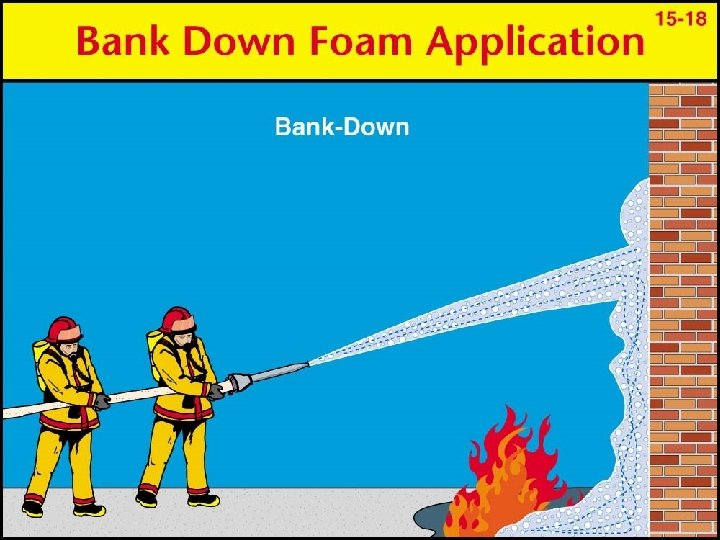
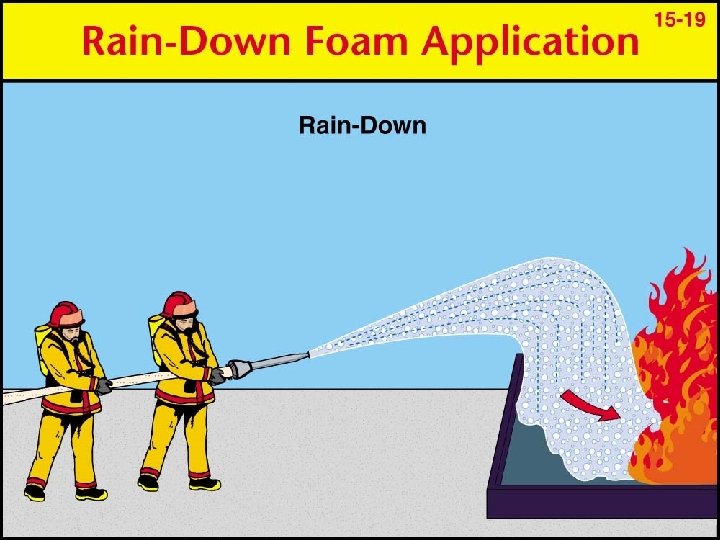


- Slides: 35
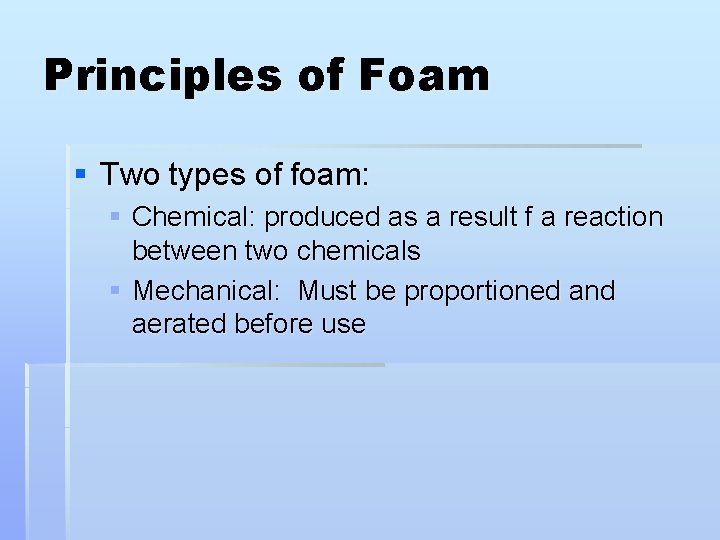
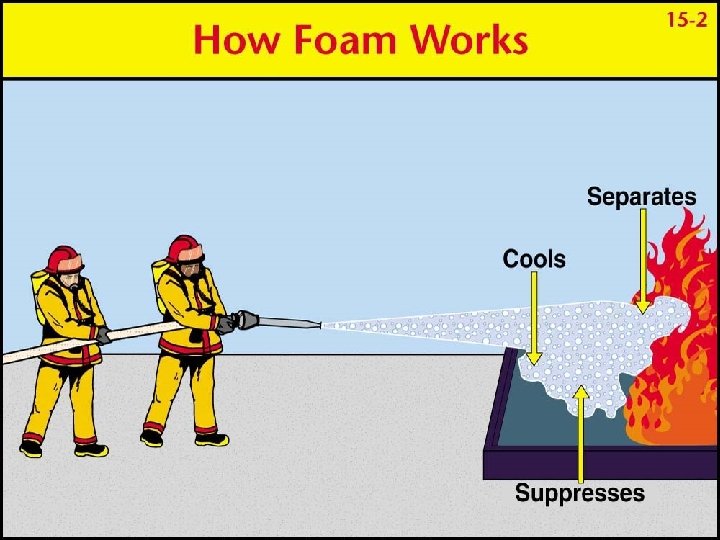
Principles of Foam § Two types of foam: § Chemical: produced as a result f a reaction between two chemicals § Mechanical: Must be proportioned and aerated before use
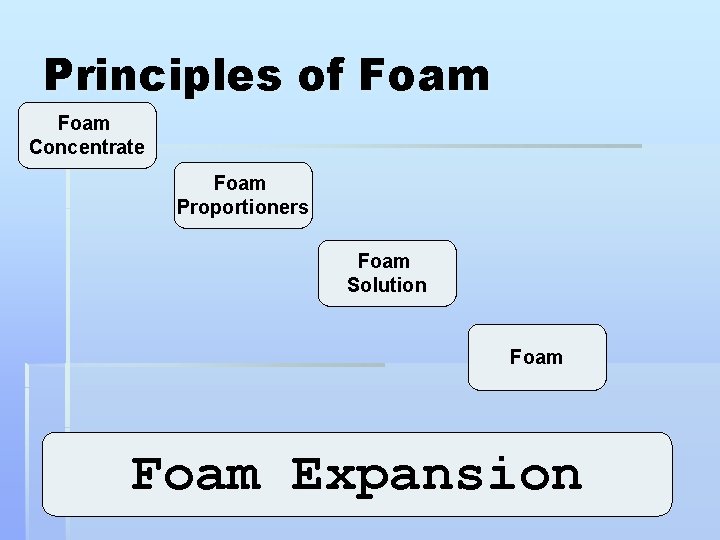
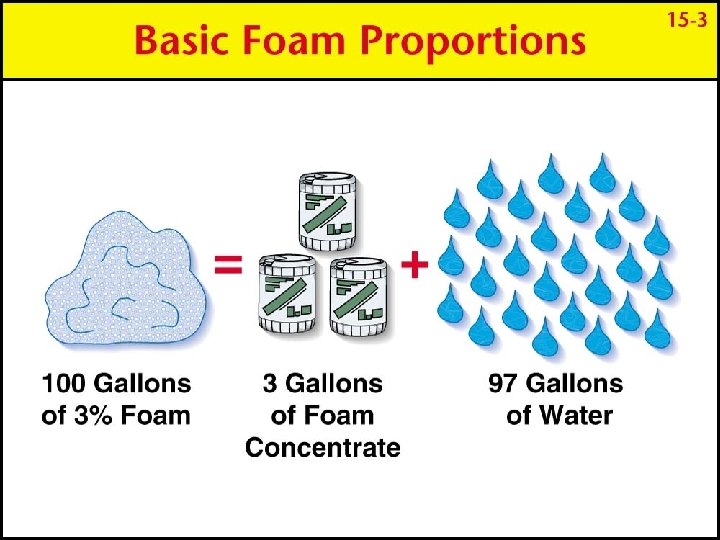
Principles of Foam Concentrate Foam Proportioners Foam Solution Foam Expansion
4 Methods to Proportion Foam § Induction- stream flows through eductor § Injection- external pump or head pressure forces foam concentrate into fire stream § Batch mixing- foam concentrate is poured directly into the tank § Premixing- pre-measured portions of water and foam concentrate are mixed in a container
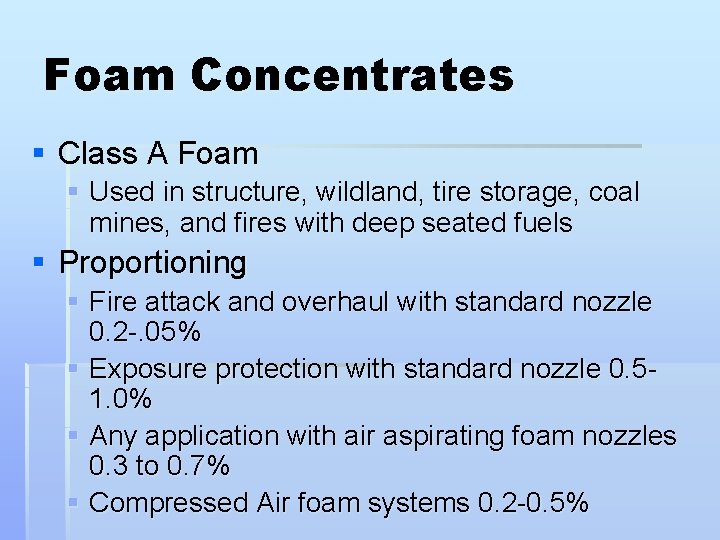
Foam Concentrates § Class A Foam § Used in structure, wildland, tire storage, coal mines, and fires with deep seated fuels § Proportioning § Fire attack and overhaul with standard nozzle 0. 2 -. 05% § Exposure protection with standard nozzle 0. 51. 0% § Any application with air aspirating foam nozzles 0. 3 to 0. 7% § Compressed Air foam systems 0. 2 -0. 5%
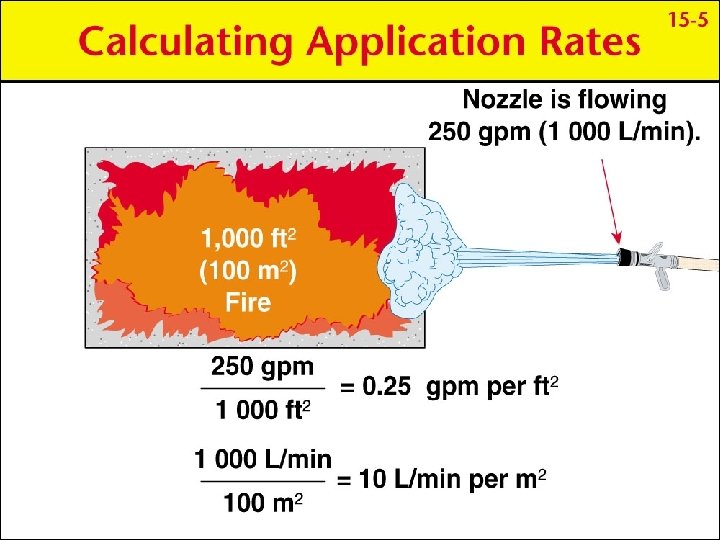
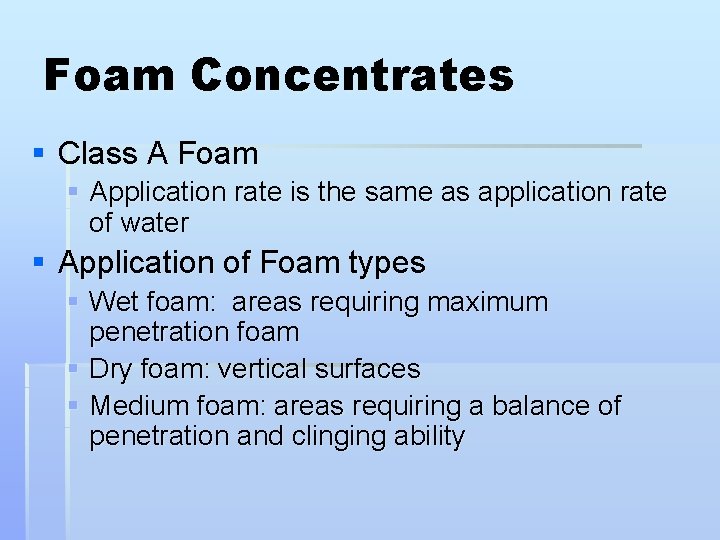
Foam Concentrates § Class A Foam § Application rate is the same as application rate of water § Application of Foam types § Wet foam: areas requiring maximum penetration foam § Dry foam: vertical surfaces § Medium foam: areas requiring a balance of penetration and clinging ability
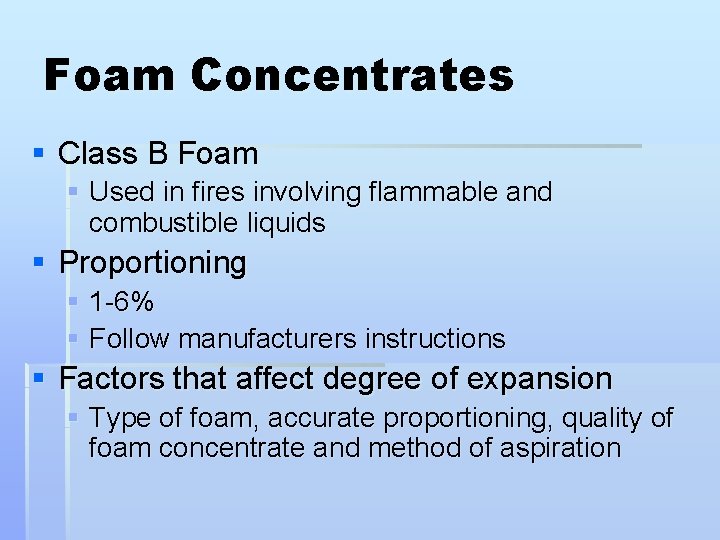
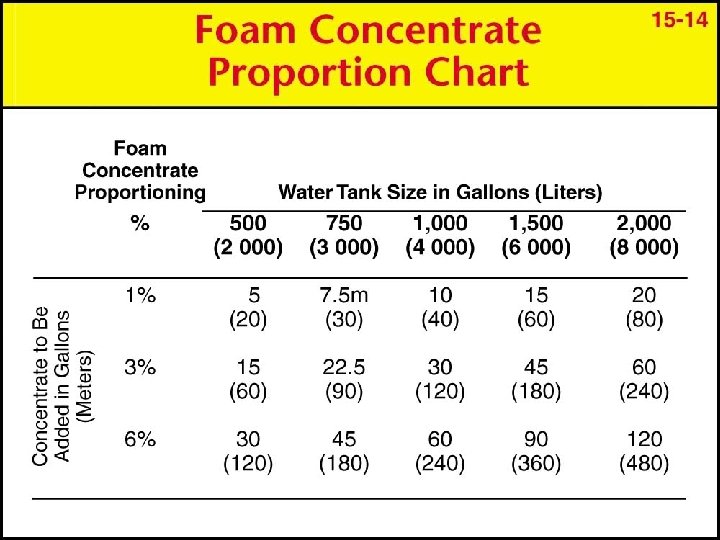
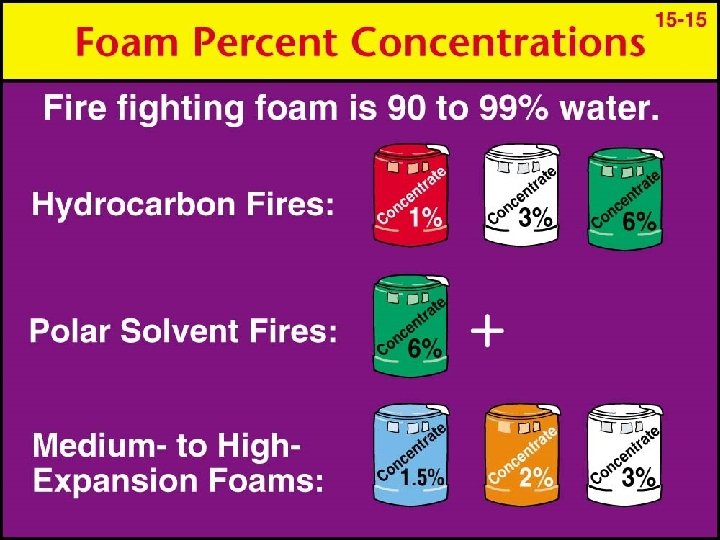
Foam Concentrates § Class B Foam § Used in fires involving flammable and combustible liquids § Proportioning § 1 -6% § Follow manufacturers instructions § Factors that affect degree of expansion § Type of foam, accurate proportioning, quality of foam concentrate and method of aspiration
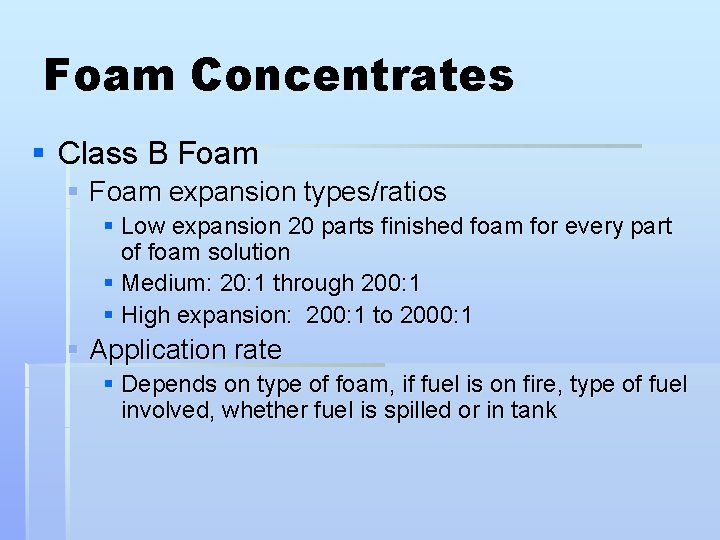
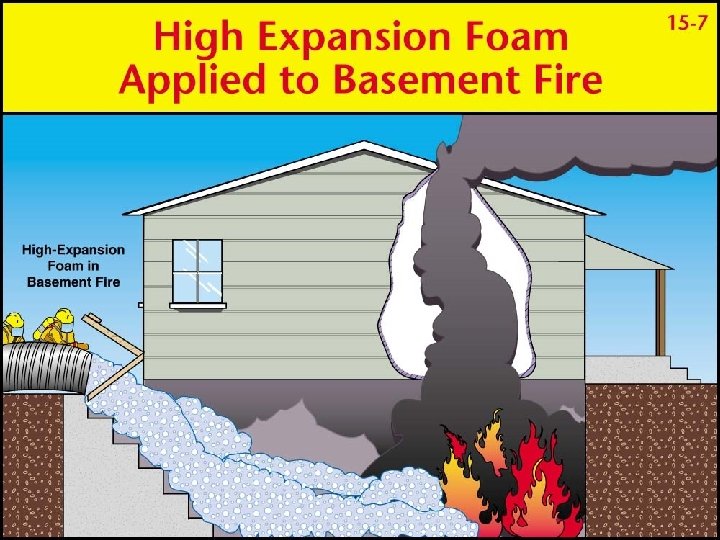
Foam Concentrates § Class B Foam § Foam expansion types/ratios § Low expansion 20 parts finished foam for every part of foam solution § Medium: 20: 1 through 200: 1 § High expansion: 200: 1 to 2000: 1 § Application rate § Depends on type of foam, if fuel is on fire, type of fuel involved, whether fuel is spilled or in tank
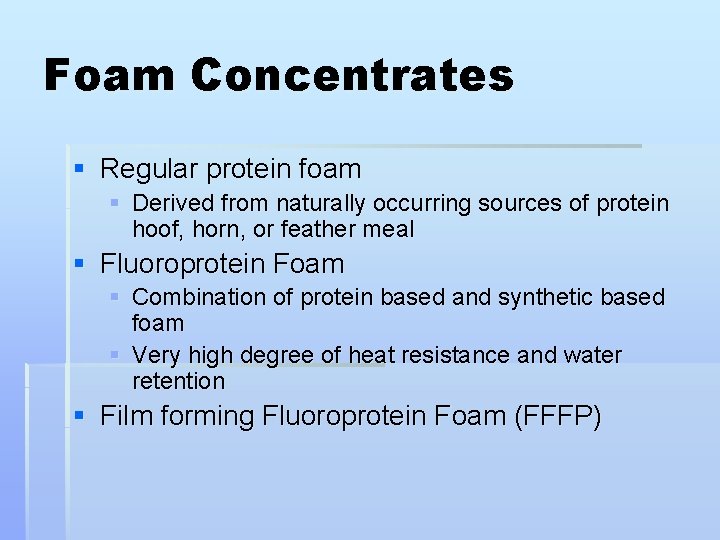
Foam Concentrates § Regular protein foam § Derived from naturally occurring sources of protein hoof, horn, or feather meal § Fluoroprotein Foam § Combination of protein based and synthetic based foam § Very high degree of heat resistance and water retention § Film forming Fluoroprotein Foam (FFFP)
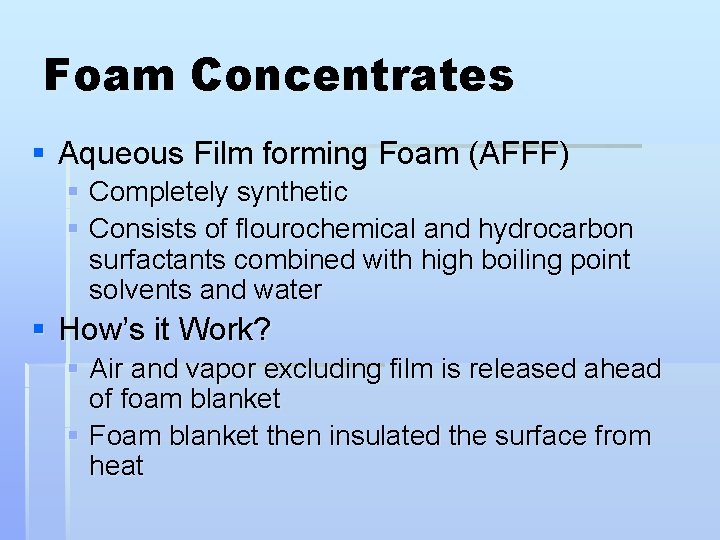
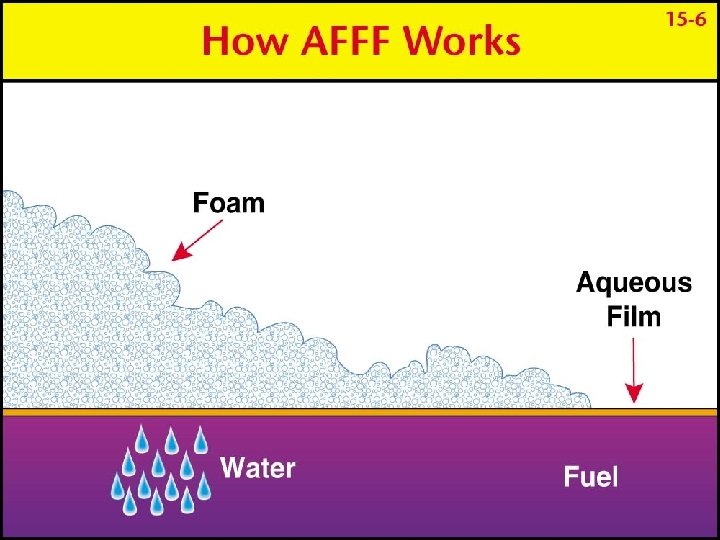
Foam Concentrates § Aqueous Film forming Foam (AFFF) § Completely synthetic § Consists of flourochemical and hydrocarbon surfactants combined with high boiling point solvents and water § How’s it Work? § Air and vapor excluding film is released ahead of foam blanket § Foam blanket then insulated the surface from heat
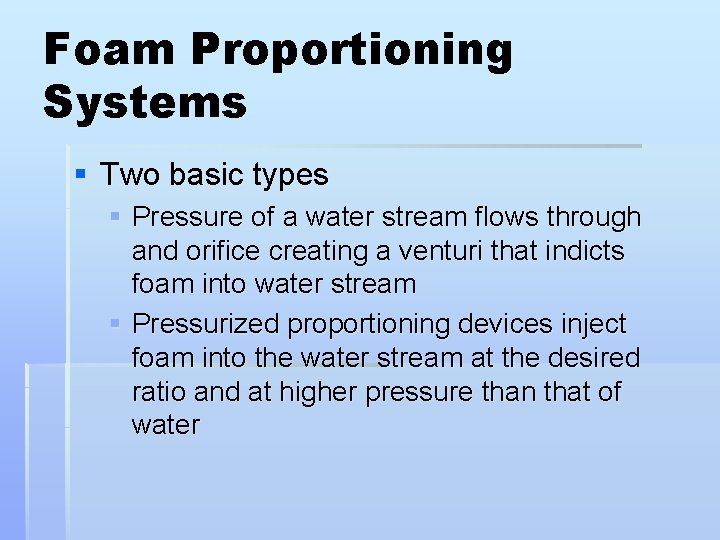
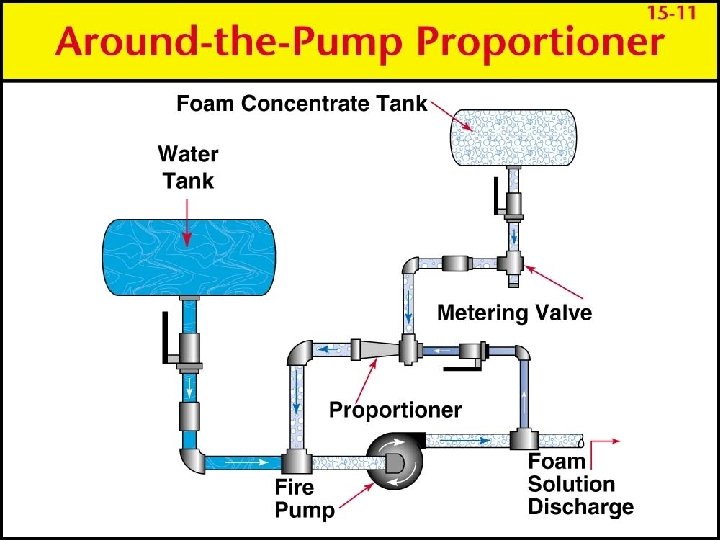
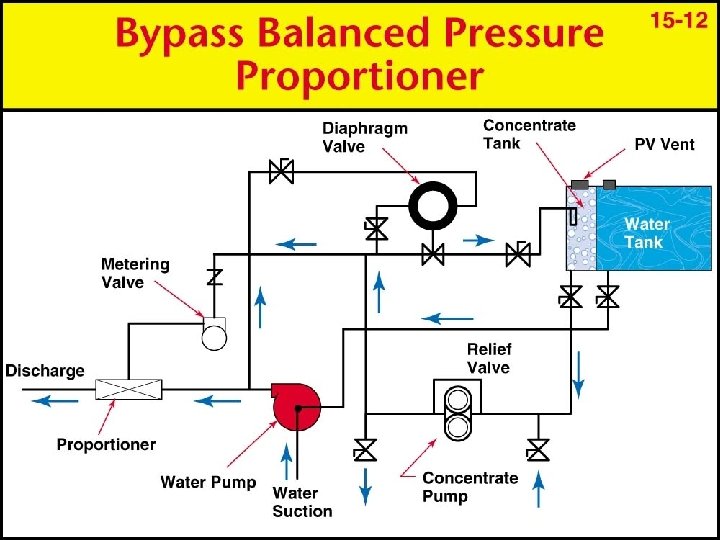
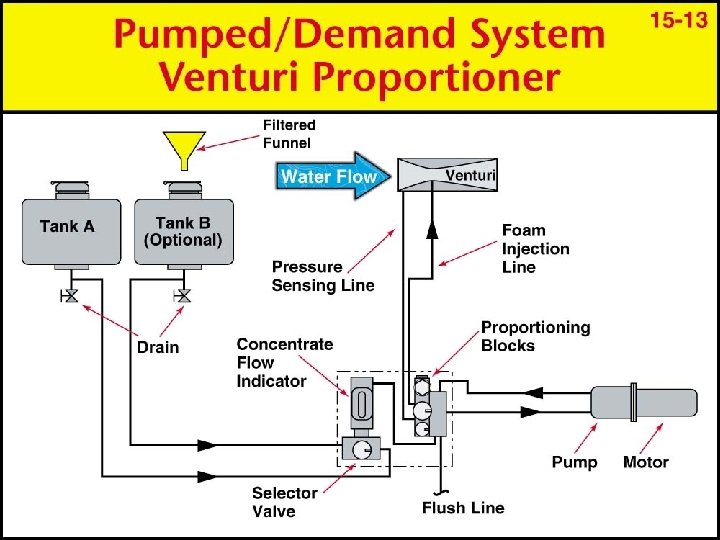
Foam Proportioning Systems § Two basic types § Pressure of a water stream flows through and orifice creating a venturi that indicts foam into water stream § Pressurized proportioning devices inject foam into the water stream at the desired ratio and at higher pressure than that of water
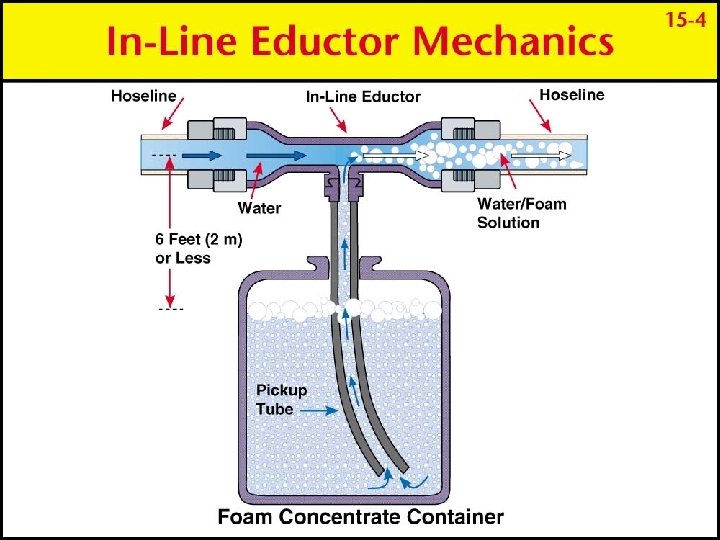
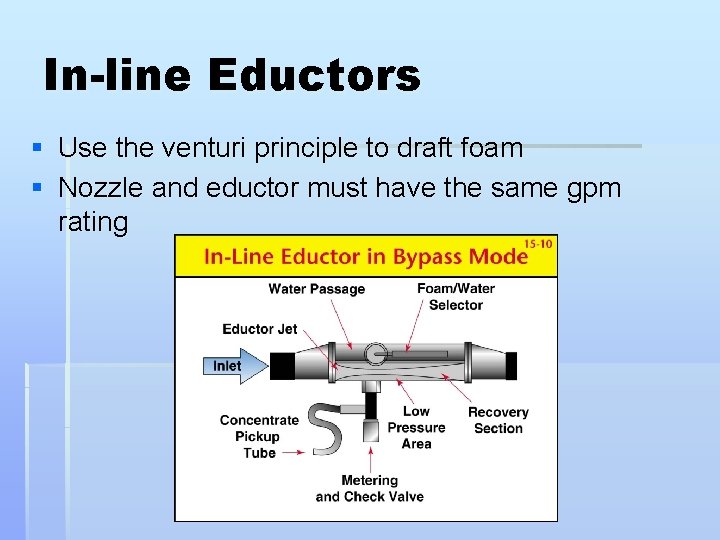
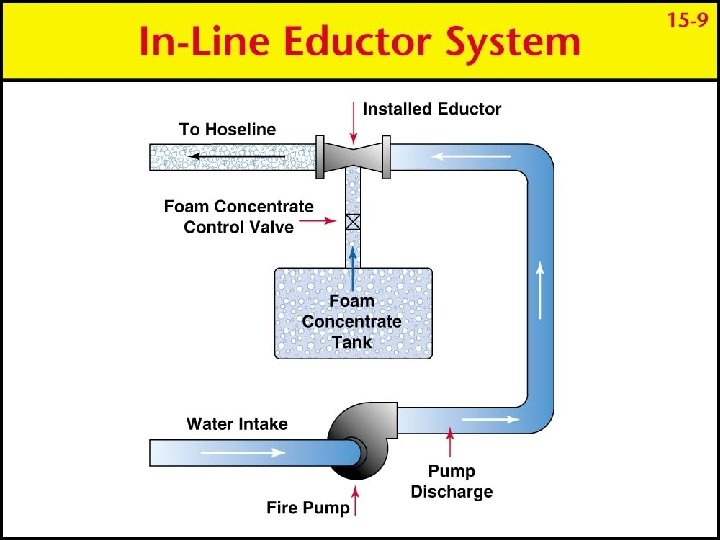
In-line Eductors § Use the venturi principle to draft foam § Nozzle and eductor must have the same gpm rating
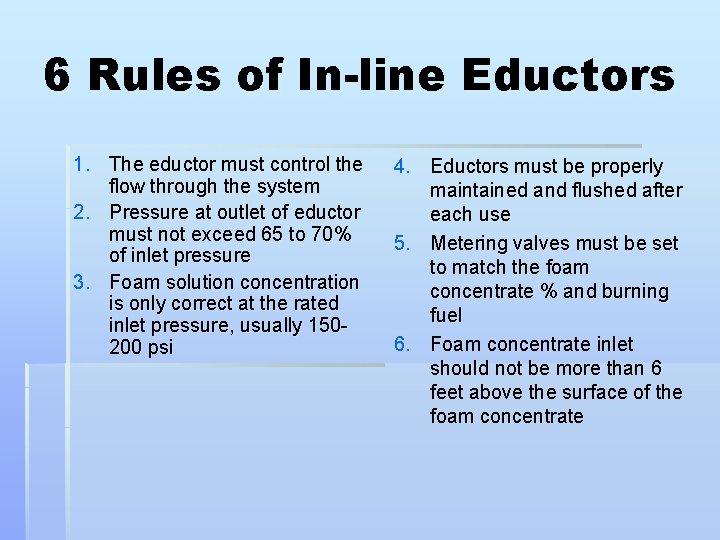
6 Rules of In-line Eductors 1. The eductor must control the flow through the system 2. Pressure at outlet of eductor must not exceed 65 to 70% of inlet pressure 3. Foam solution concentration is only correct at the rated inlet pressure, usually 150200 psi 4. Eductors must be properly maintained and flushed after each use 5. Metering valves must be set to match the foam concentrate % and burning fuel 6. Foam concentrate inlet should not be more than 6 feet above the surface of the foam concentrate
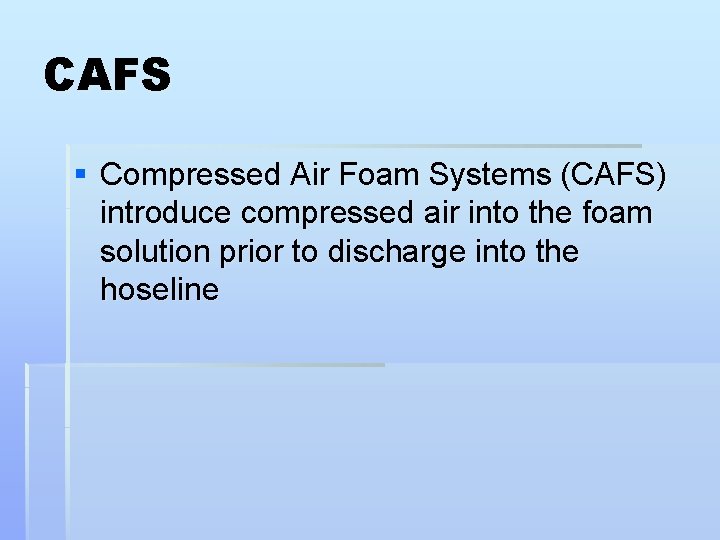
CAFS § Compressed Air Foam Systems (CAFS) introduce compressed air into the foam solution prior to discharge into the hoseline
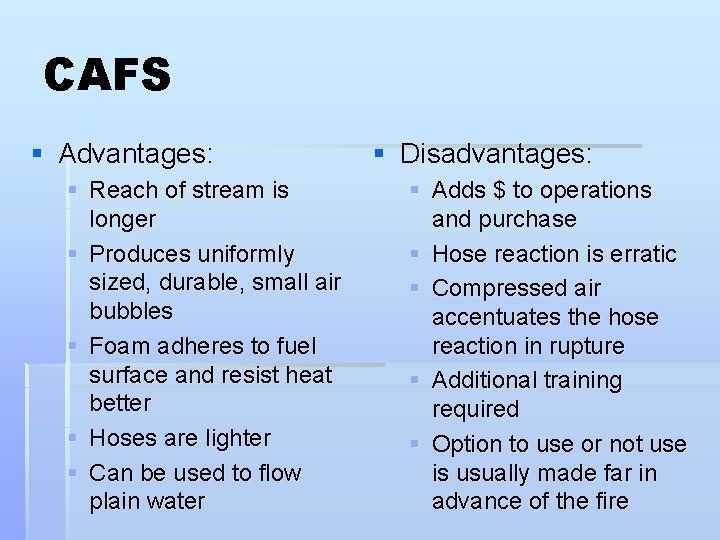
CAFS § Advantages: § Reach of stream is longer § Produces uniformly sized, durable, small air bubbles § Foam adheres to fuel surface and resist heat better § Hoses are lighter § Can be used to flow plain water § Disadvantages: § Adds $ to operations and purchase § Hose reaction is erratic § Compressed air accentuates the hose reaction in rupture § Additional training required § Option to use or not use is usually made far in advance of the fire
Practical Skill Assignment Review Foam Operations Directions For this scenario firefighers can utilize a mix of dish soap and water in a bucket for inline educators, or walk through the steps without flowing foam. The goal of this training session is to review the operations of foam equipment on your apparatus and ensure you can properly assemble a functioning foam attack line. Ensure firefighter safety at all times during this training evolution. Before proceeding with live fire training evolutions, read and adhere to NFPA 1403 ®, Standard on Live Fire Training Evolutions. Have students repeat this exercise, rotating the hoseline duties so that each student has a chance to perform on the nozzle. Equipment & Materials Full protective clothing and SCBA for all firefighters Optional: Flammable gas cylinder fire prop set up and monitored according to NFPA 1403®. The NFPA® does not indicate the minimum size or number of fires involving this type of fire Adequate hand lines to achieve all objectives Attack line (separate water source) Back-up line (separate water source) Handheld radios Dish soap, bucket and foam equipment
Skills Evaluation Checklist Objective 8: Control a pressurized flammable gas container fire. Task Steps 1. Confirm order with officer to extinguish fire. 2. Size up incident scene for hazards. a. Fire conditions b. Type of fuel c. Integrity of container d. Wind conditions e. Escape route and safe haven 3. Verify foam type and concentration are appropriate for fuel and fire conditions. a. Bleed air from hoselines. b. Ensure adequate hoseline to reach container. 4. Cool cylinder or storage tank. a. Apply straight stream to container. 5. Extend hoselines to isolate control valve. a. Approach upwind and uphill. b. Approach container from the side. c. Push flame away from valve with fog stream (30 degree pattern). 6. Maintain situational awareness. 7. Close control valve. a. Shut valve completely. b. Report to officer that control valve is closed. 8. Cool container from safe distance. a. Withdraw hoselines. b. Apply straight stream to container. 9. Report to officer completion of assigned task. Yes No