
Principles of evolution our heritage and The Origins















- Slides: 98
Principles of evolution , our heritage and The Origins of Life What was life like a long time ago How did we come into being?
Evolutionary History • Darwin did not come up with his theories all by himself. • Malthus and others set up a foundation that would allow Darwin to think as he did. • Others came up with the same theory Independently
The “species problem” • Why do populations of organisms change over time? • If an organism is present in a particular area, it must be perfect for that area, so why then do exotic species pose a threat?
Evolution vocabulary words • Evolution: Change in lines of descent over time. • Microevolution: series of changes that give rise to a new species (population). • Macroevolution: major large scale patterns of change in groups of living organisms. • Population: a group of individuals of the same species
• Populations evolve not individuals. • Populations exhibit great variability. When this variability changes over time is when we get new species. (micro evolution) • Sources of variation within a population – mutations create new alleles – crossing over during meiosis leads to new combinations of alleles – independent assortment mixes alleles
Microevolution Processes • • • Mutation Natural selection Genetic Drift Gene flow Reproductive isolation
Mutation • Any heritable change in DNA sequence. • Three types – lethal mutation – neutral mutation – beneficial • The vast majority of mutations are probably invisible or harmful.
Natural selection • Is the major process to produce populations that have different characteristics. • First described by Darwin – if a trait is more adaptive it improves the chances of producing offspring (adaptation) – it gives more of its alleles to the following generation (greater fitness)
Genetic drift • Random fluctuation of allele frequencies over time • Works better in small populations • Influenced by who starts a population – Bottleneck effect – Founder effect
Gene Flow • Genes flow with the individuals of a population • Physical flow tends to minimize genetic variation, like shuffling the deck.
Reproductive Isolation and speciation • Species: are populations of individuals that can interbreed. • When separated by 10, 000 or more generations many species can no longer interbreed. • Types of isolation – geographic, behavioral, biochemical
Rates of evolutionary change • Gradualism: Evolution is a slow and methodical process • Punctuated equilibrium: Evolution occurs in rapid bursts followed by long periods without change
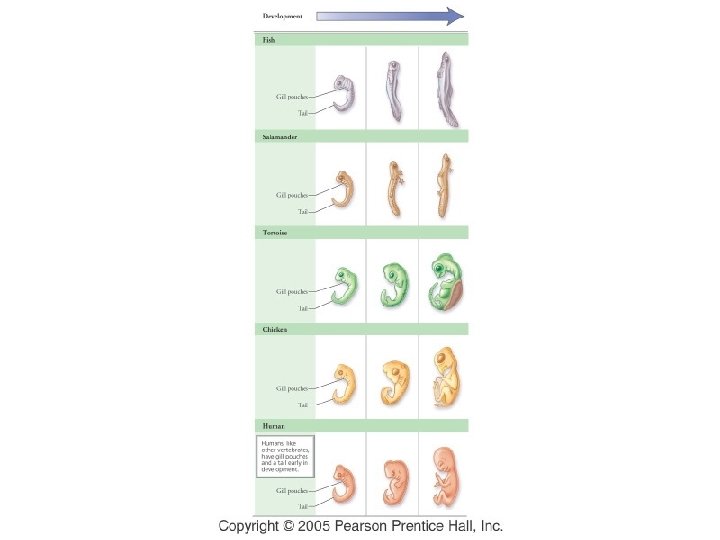
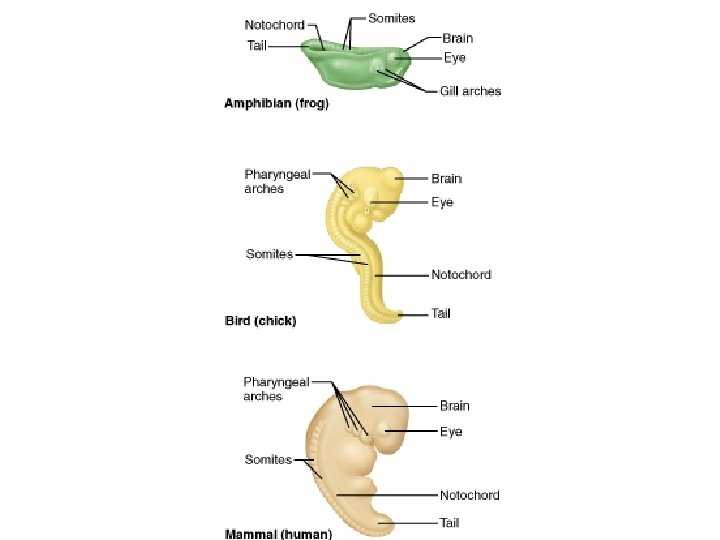
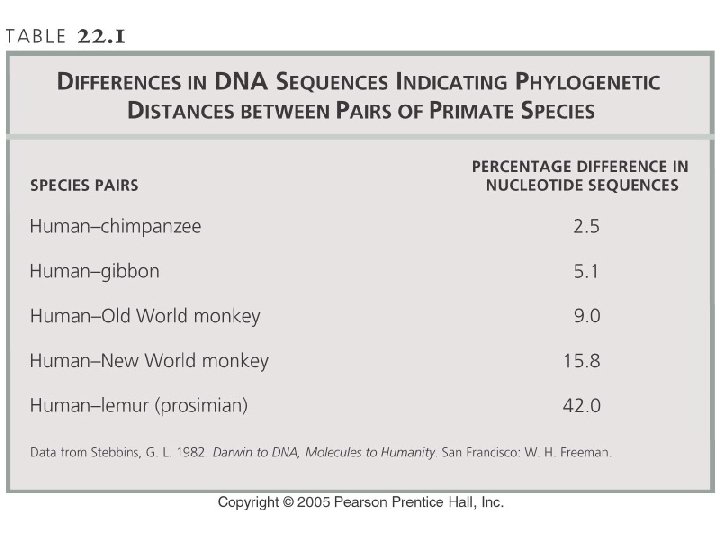
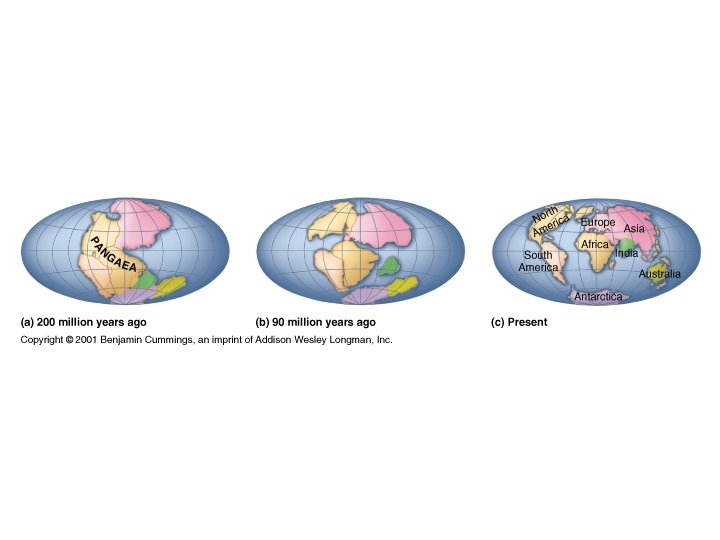
Evidence for Microevolution • Biogeography • Fossil record • Comparative morphology • Comparative biochemistry
Life Evolved on the Earth about 3. 8 Billion Years Ago • Small organic molecules joined to form larger molecules • Genetic material originated • Organic molecules aggregated into droplets – Figure 22. 4 (p. 514)
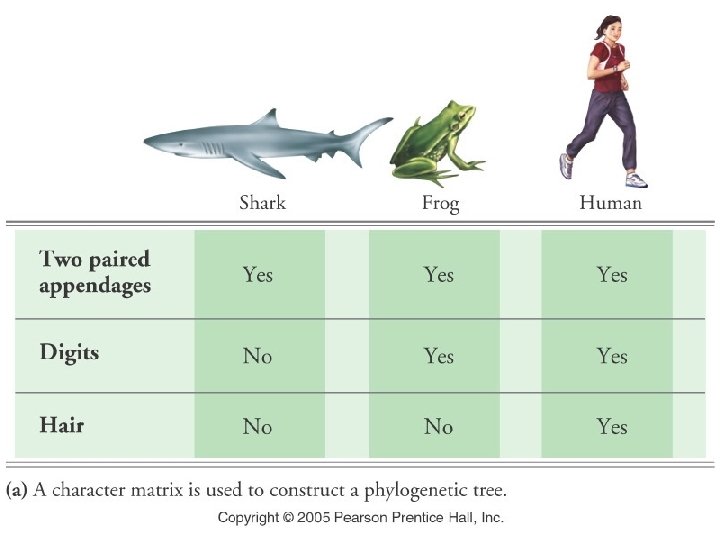
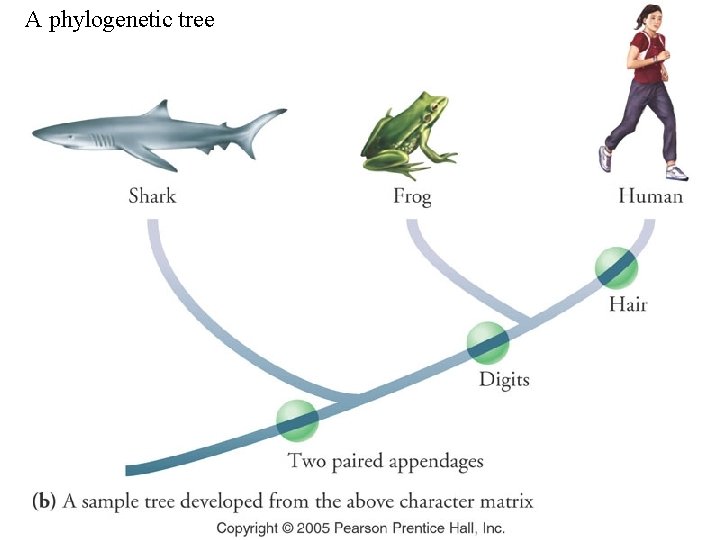
A phylogenetic tree
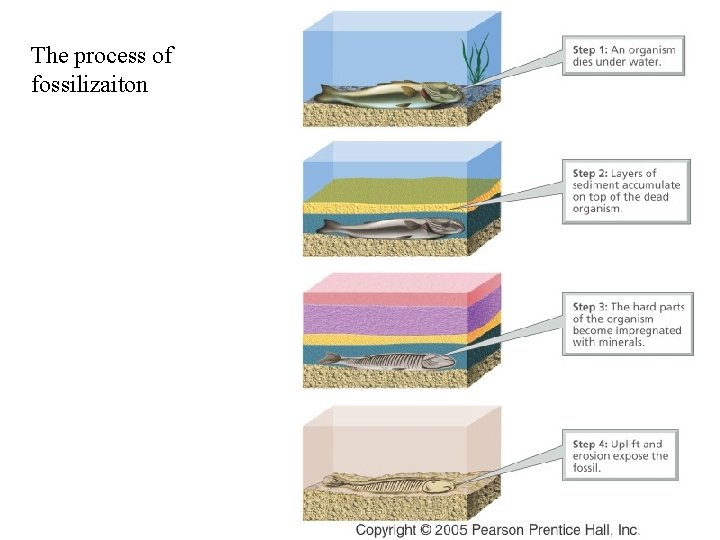
The process of fossilizaiton
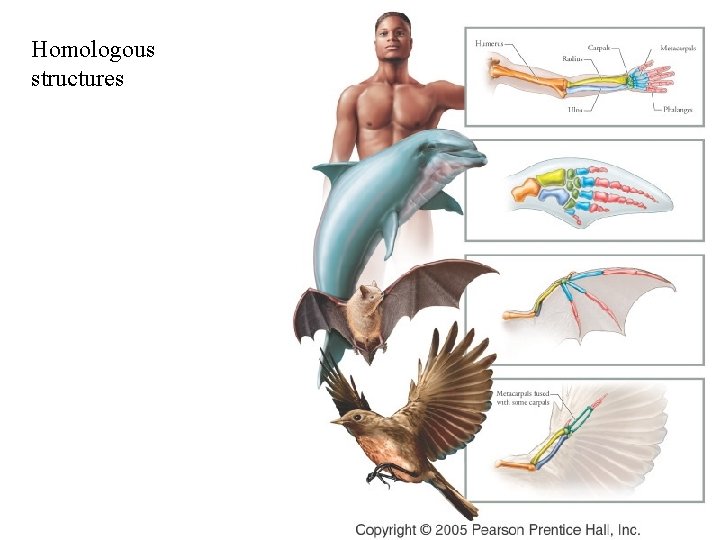
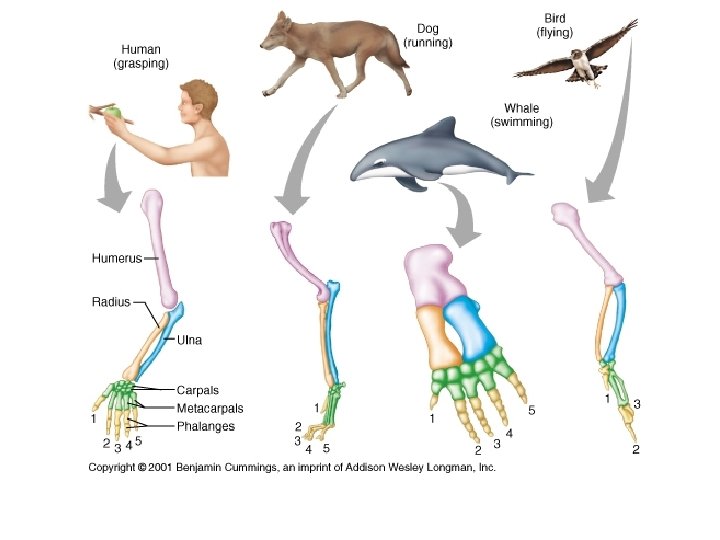
Homologous structures
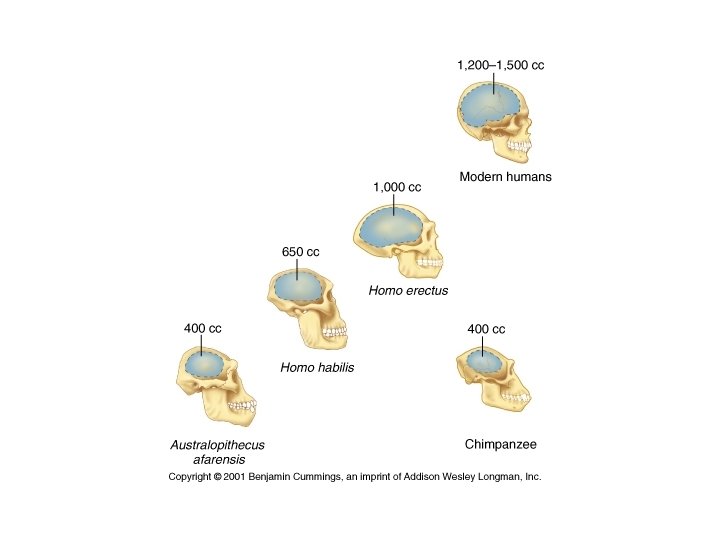
Human evolution We are a class of organisms called Mammals
Mammals are vertebrates • Nerve cord • Vertebrae (backbone) • Brain
Mammals • Hair • Long infancy (comparatively) • Flexibility in responses due to large brain • Produce milk (mammary glands)
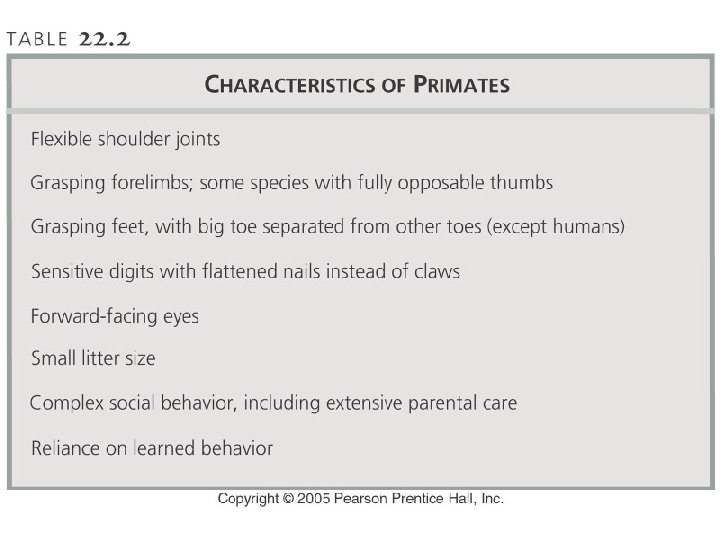
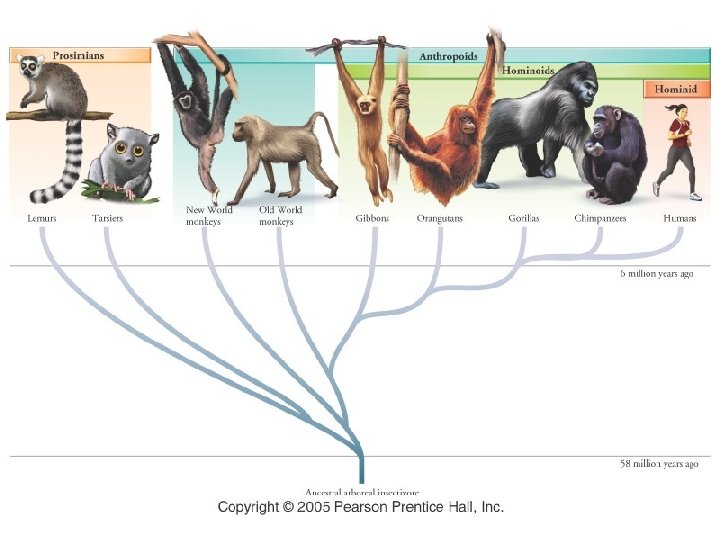
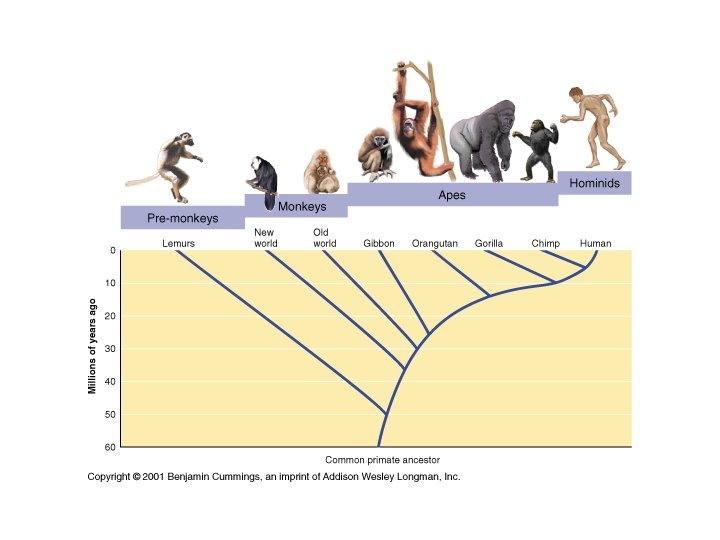
Primates • Monkeys & Apes Physically and Biochemical similar
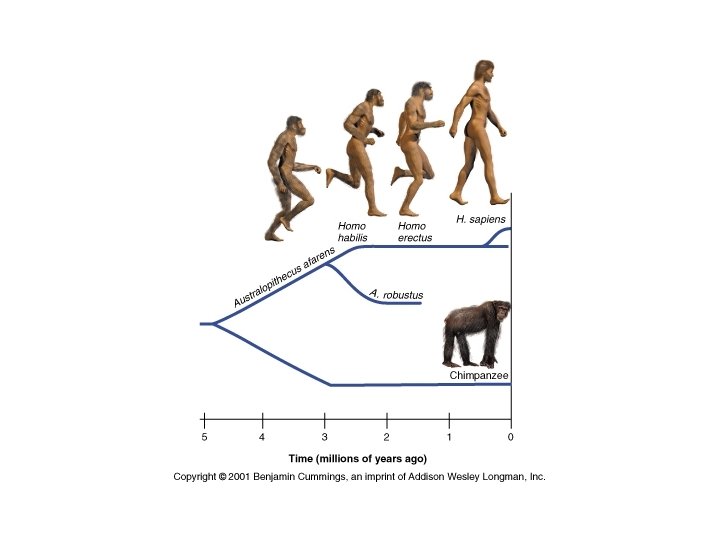
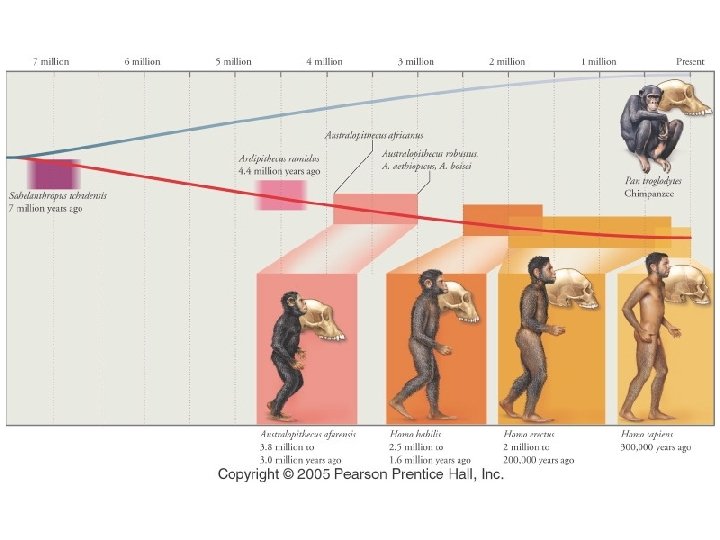
Hominoids: • Chimps and Man – Common ancestor about 5 million years ago
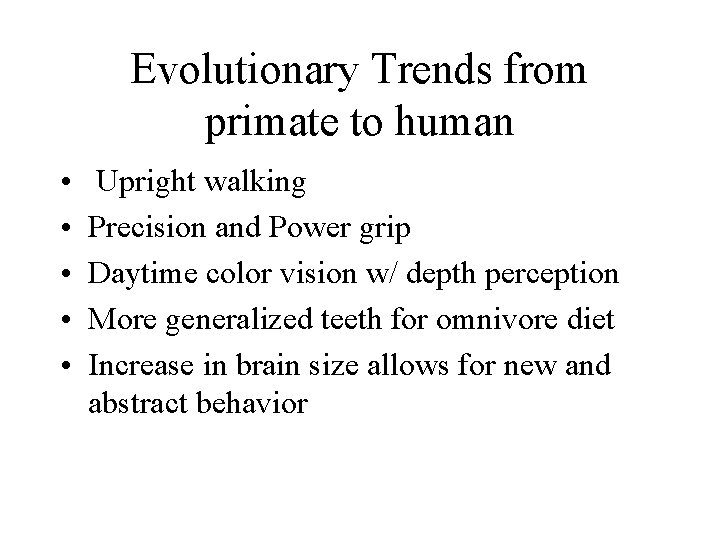
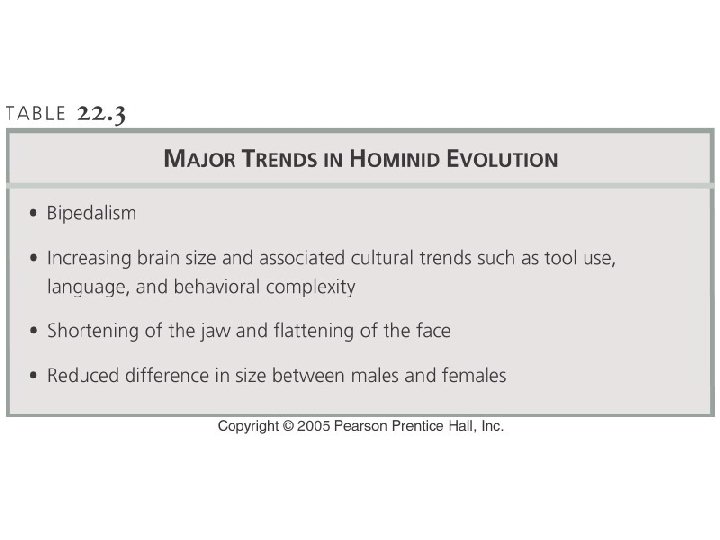
Evolutionary Trends from primate to human • • • Upright walking Precision and Power grip Daytime color vision w/ depth perception More generalized teeth for omnivore diet Increase in brain size allows for new and abstract behavior
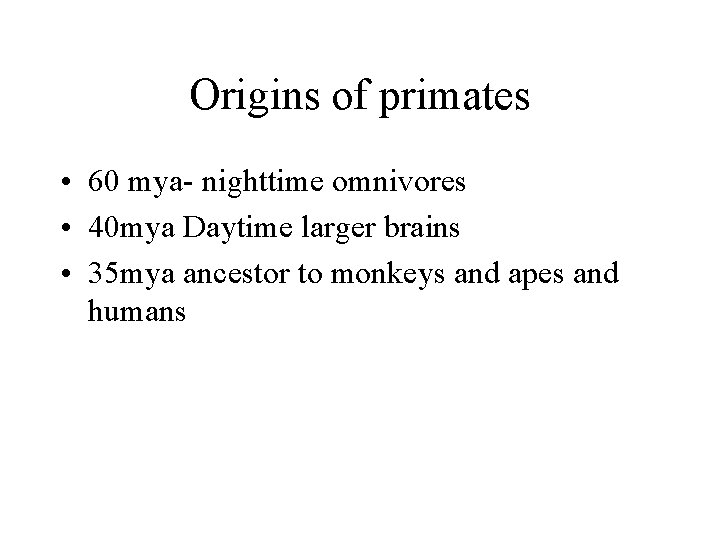
Origins of primates • 60 mya- nighttime omnivores • 40 mya Daytime larger brains • 35 mya ancestor to monkeys and apes and humans
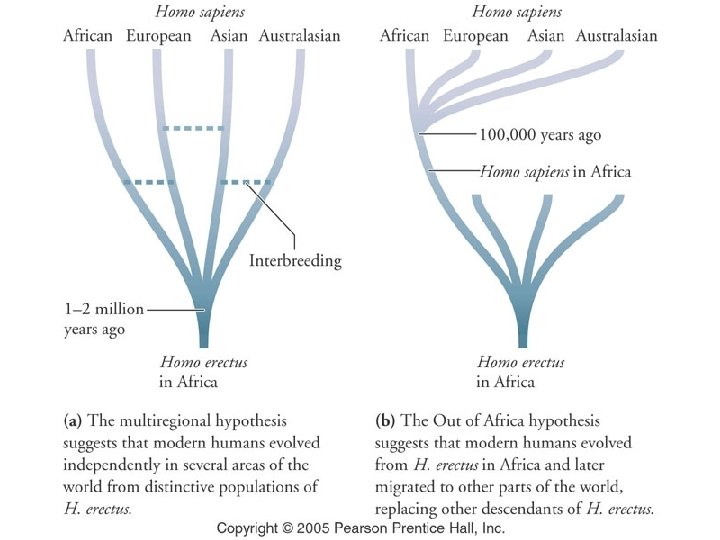
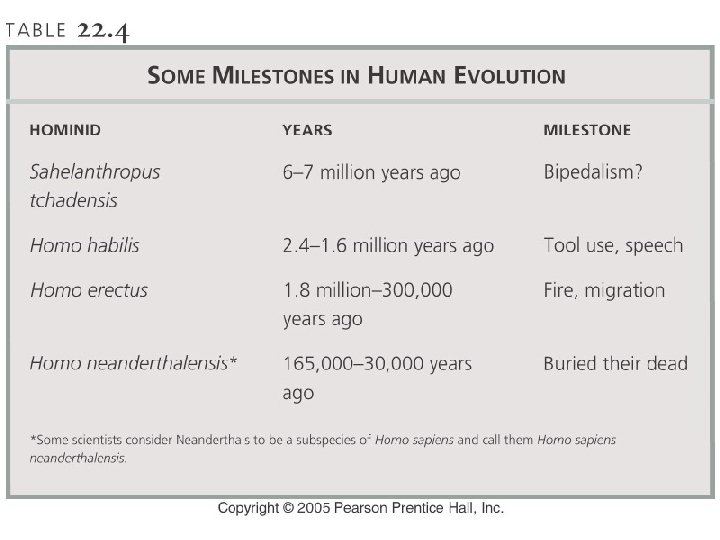
Humans • Roughly 200, 000 years old (from H. erectus) • 15, 000 years in the Americas • 35, 000 years in Asia decline of Neanderthal • 2 modes – Multiregional hypothesis (humans from independent evolution in europe, asia, africa and Australia – Out of Africa, one ancestor
We are evolving now • Our evolution is cultural not morphological
Topic Ecosystems Biosphere: the portion of the earth that supports life: land, air water
Ecology: • The study of the interactions of organisms with each other and the environment.
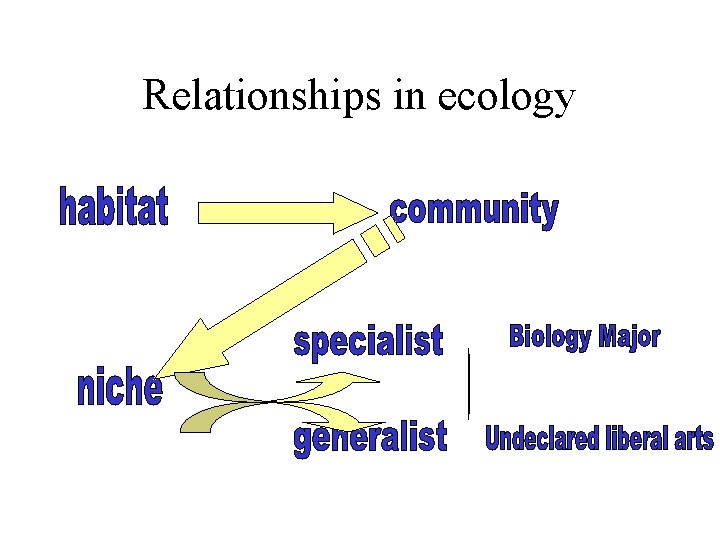
More words: • Habitat: The place an organism lives • Community: collections of populations in a habitat. • Niche: physical and biological conditions under which a species can live (an organisms role) • specialist: has very narrow growth conditions • generalist: will grow under a wide range of conditions
Relationships in ecology
Ecosystem • One or more communities interacting with one another and with the physical environment.
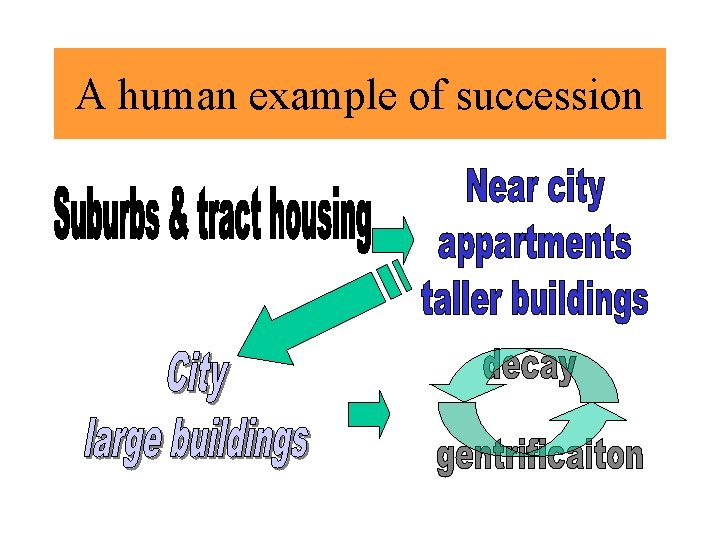
Ecosystems will change over time in a process called: • Primary succession: life moves onto an area that previously had no life. Like on a new volcanic island. • Secondary succession: When man, fire, floods disturb a community, a progression of different forms of life inhabit the area for a while
A human example of succession
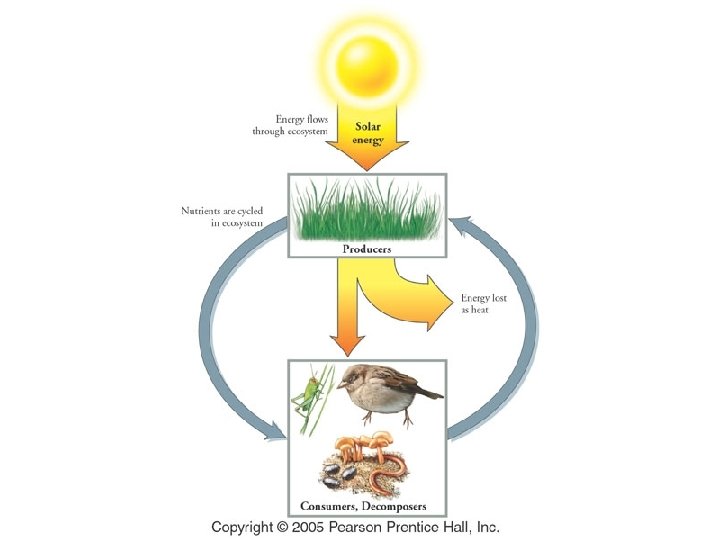
The ecosystem organization Energy from the sun passes through the ecosystem
The two major classes of life • Autotrophs: (producers) – capture sunlight energy and incorporate it into organic compounds (sugar, Fa, Na, Aa) • Heterotrophs: – feed on the tissue products of autotrophs – Humans and all omnivores and carnivores
The major types of consumers • Herbivores eat plants • Carnivores eat animals • Parasites reside in or on living hosts and extract energy • Omnivores eat a variety of organisms • Detritivores: feed on partially decomposed organic mater • Decomposers: reduce waste and dead bodies to their chemical components
Players in the Ecosystem
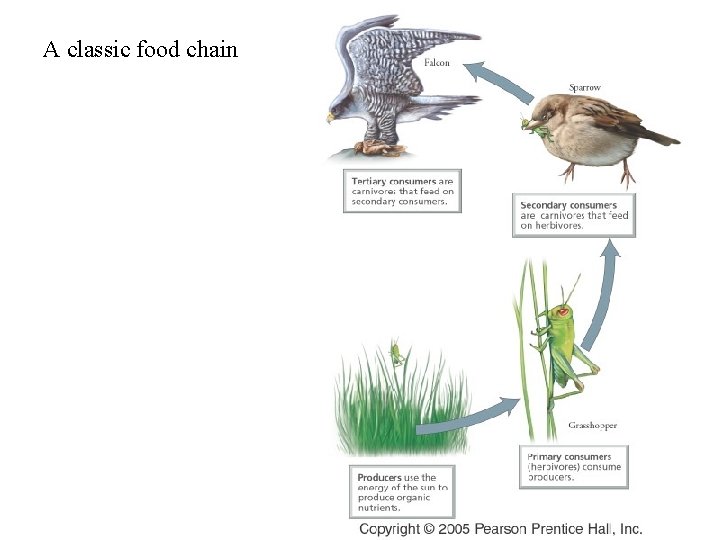
A classic food chain
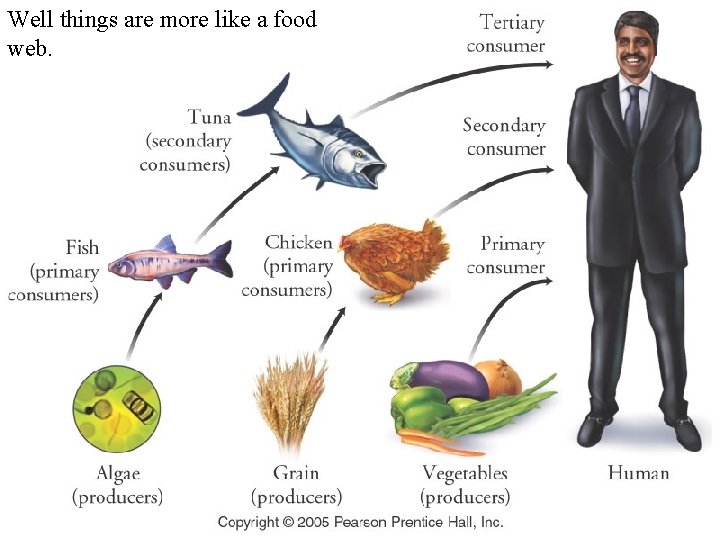
Well things are more like a food web.
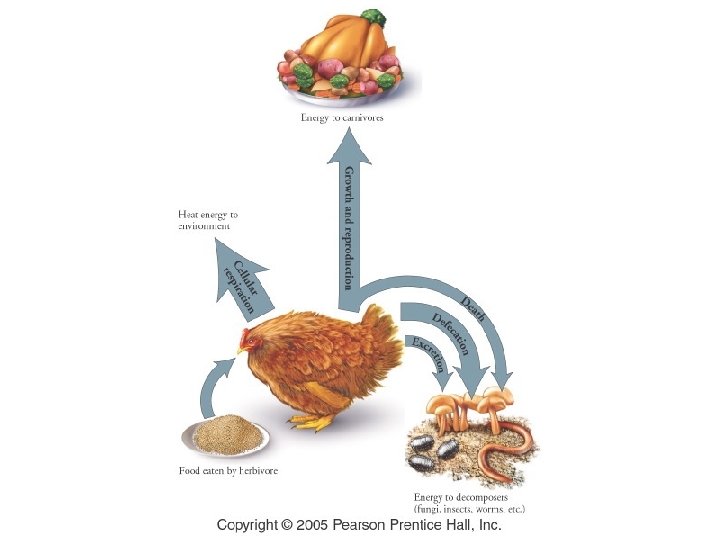
Recycling • Ecosystems require energy and nutrients they lose energy and give off nutrients
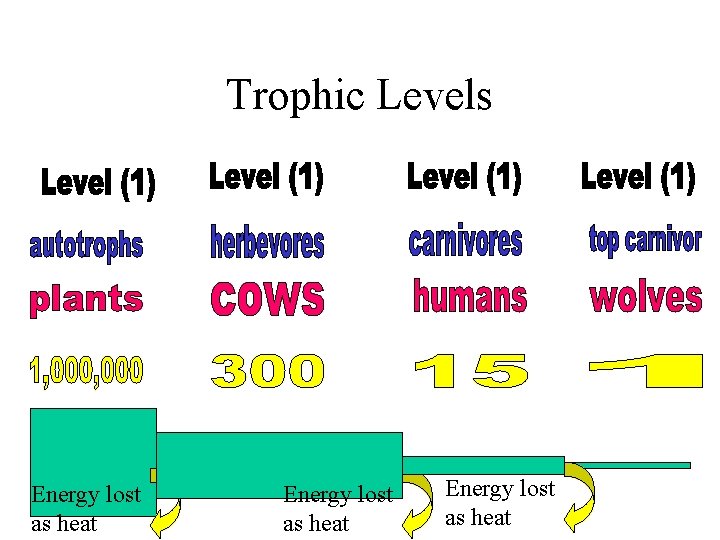
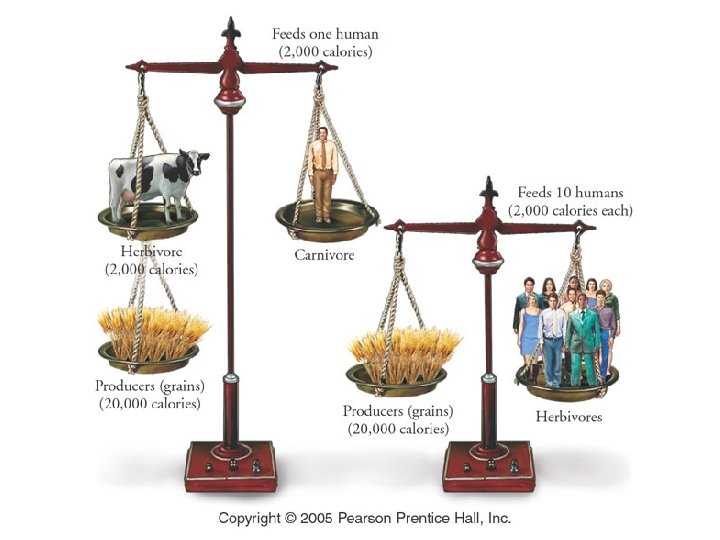
Recycling of components again • Unlike physical matter energy cannot be recycled – energy that is not passed on to the next tropic level is lost in the form of heat. • Trophic levels: A hierarchy of energy transfers – each level feeds on the lower level.
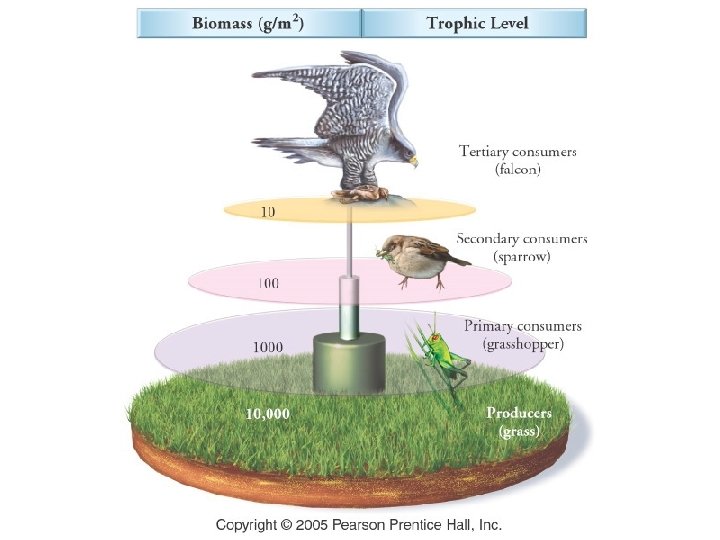
Trophic Levels Energy lost as heat
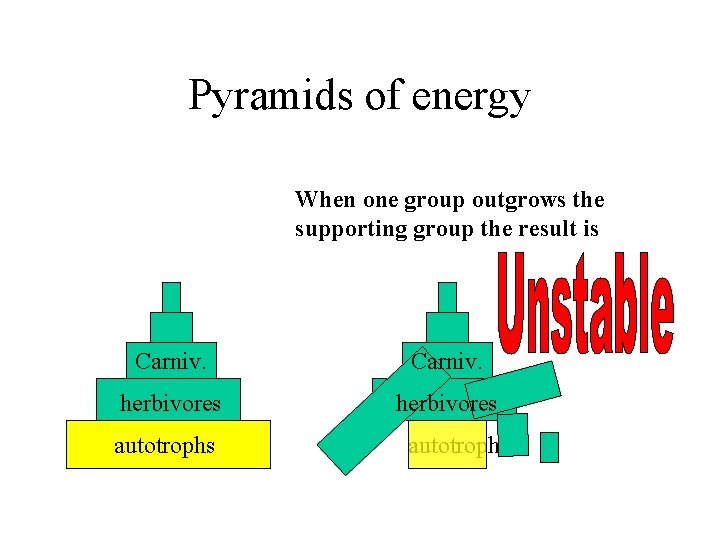
Pyramids of energy When one group outgrows the supporting group the result is Carniv. herbivores autotrophs
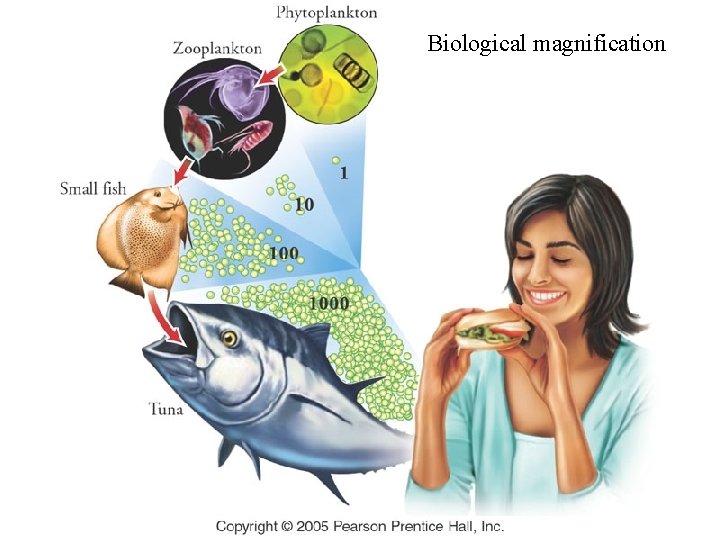
Biological magnification
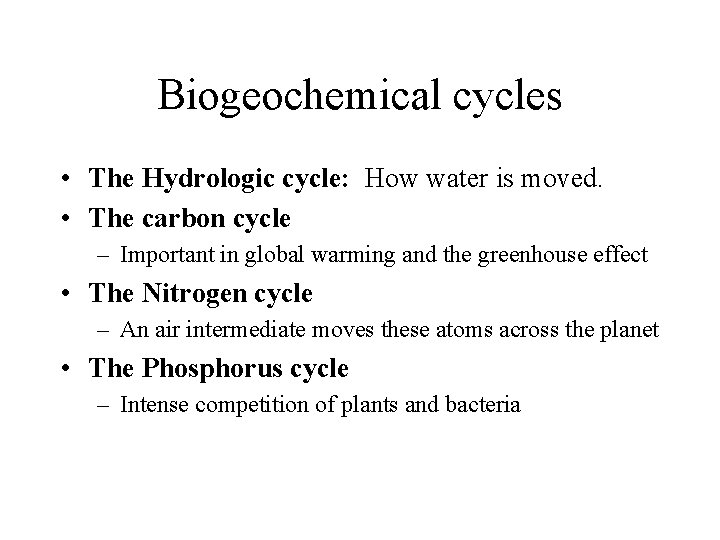
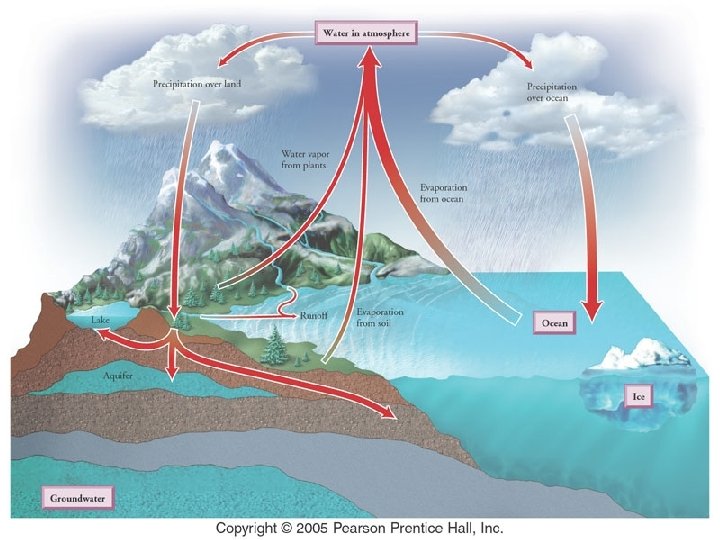
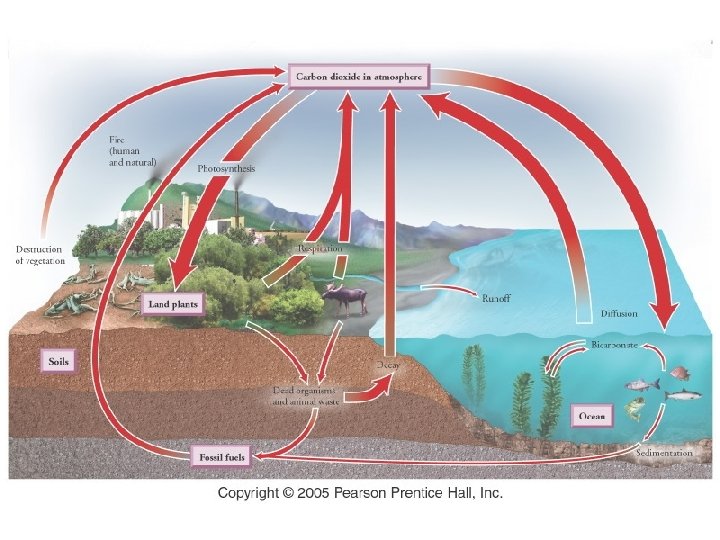
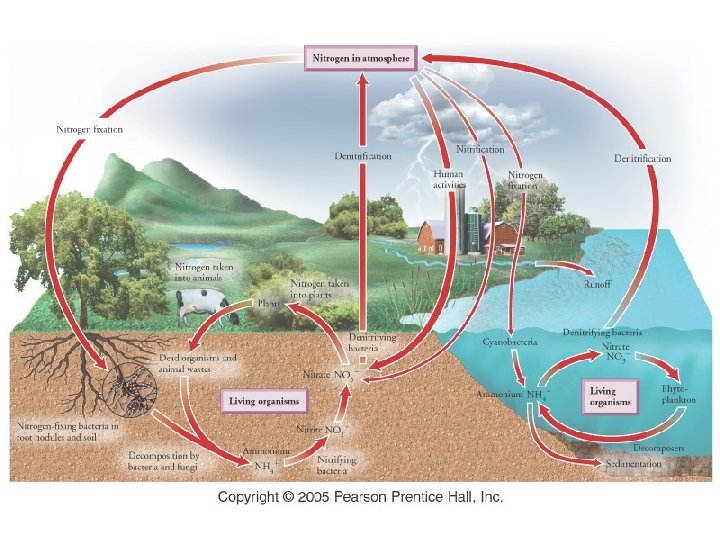
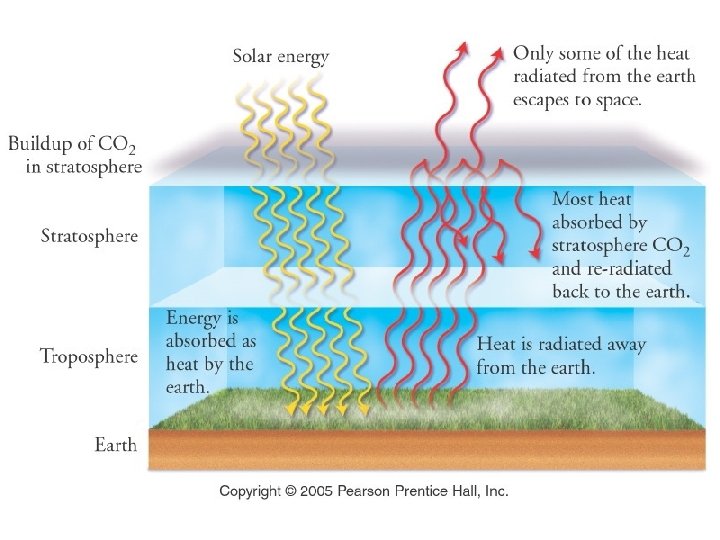
Biogeochemical cycles • The Hydrologic cycle: How water is moved. • The carbon cycle – Important in global warming and the greenhouse effect • The Nitrogen cycle – An air intermediate moves these atoms across the planet • The Phosphorus cycle – Intense competition of plants and bacteria
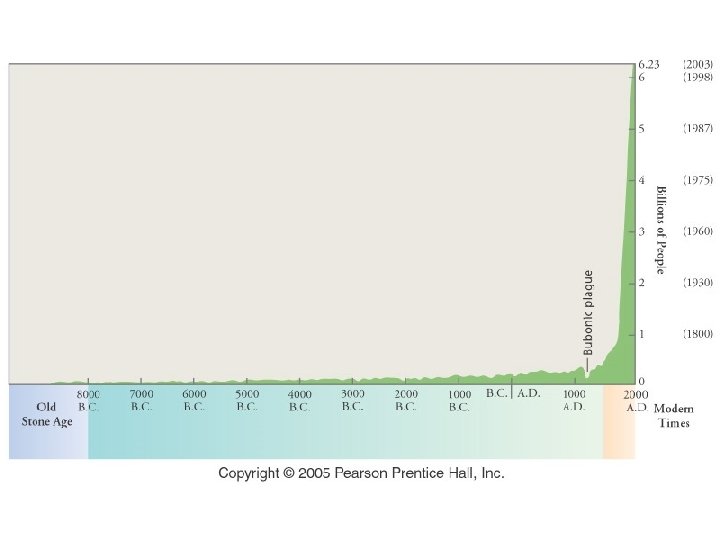
Impacts of Human Populations • Increasing #’s. The worlds population is still growing. – Birth control programs have not been successful
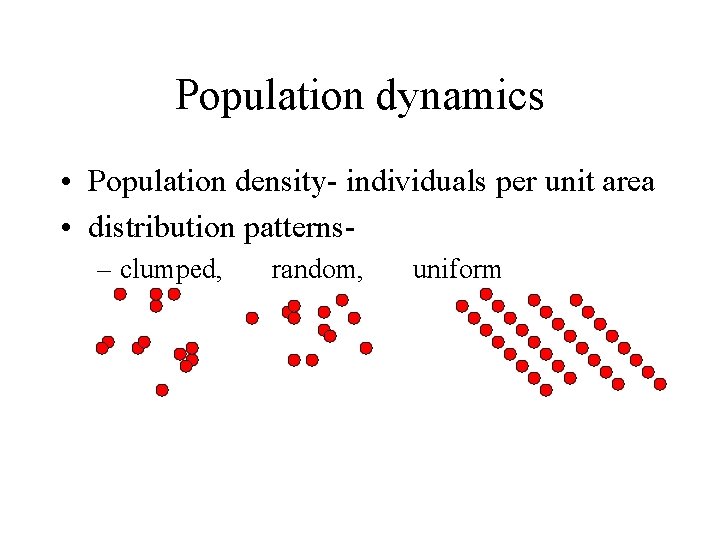
Population dynamics • Population density- individuals per unit area • distribution patterns– clumped, random, uniform
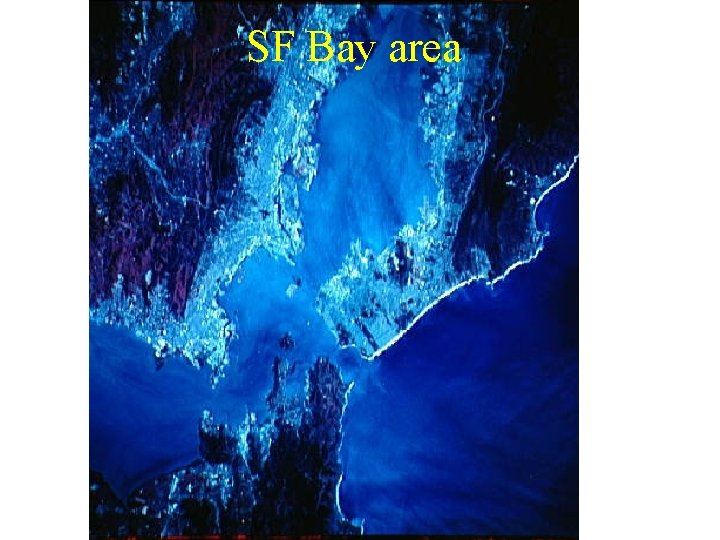
SF Bay area
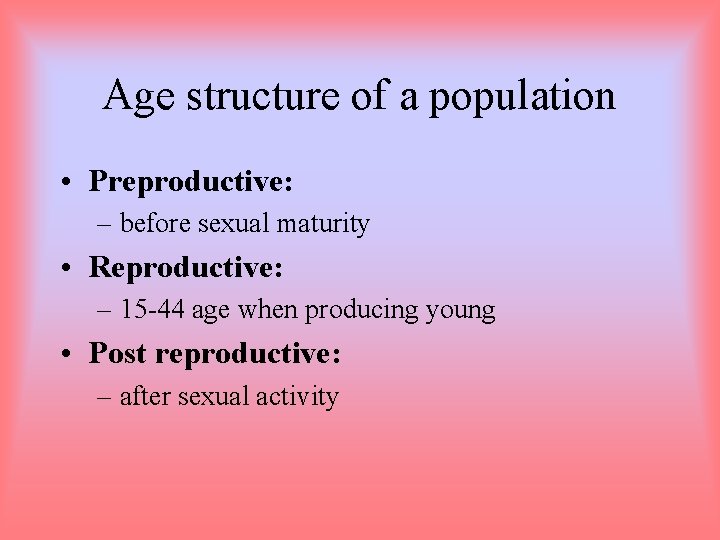
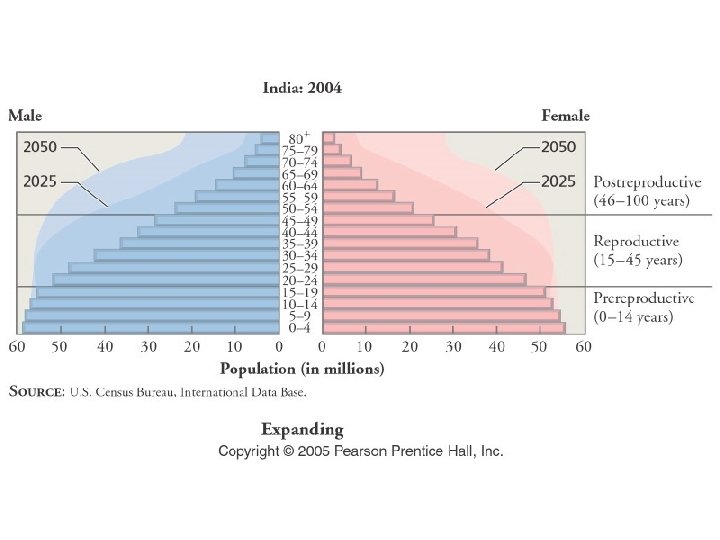
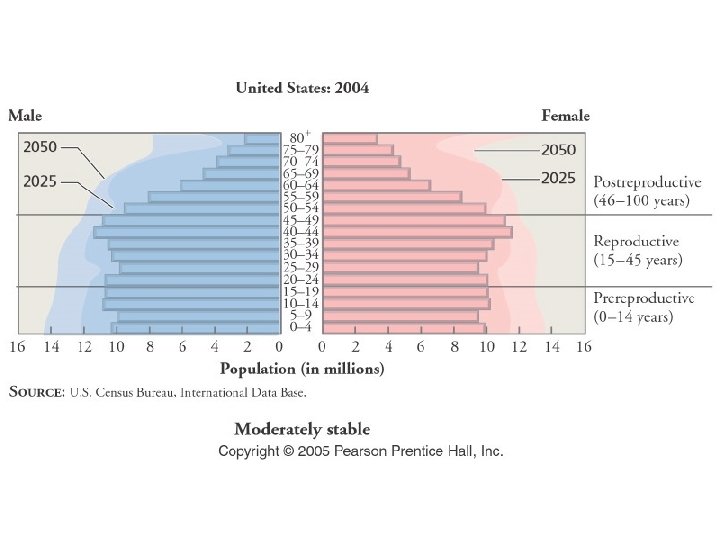
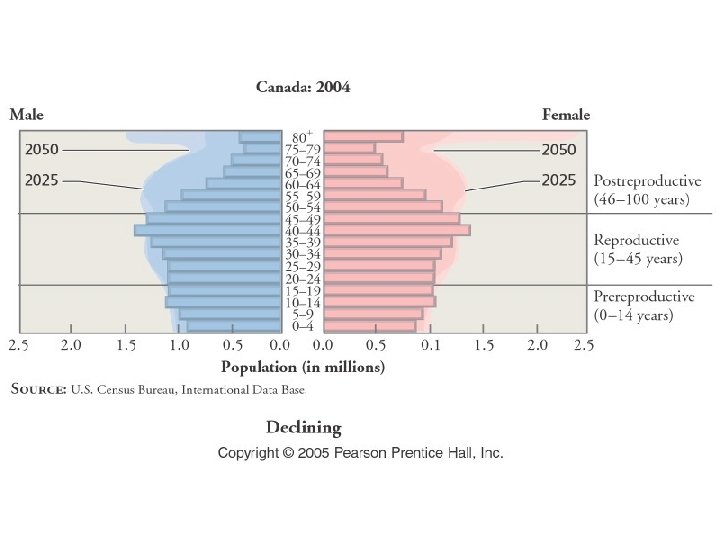
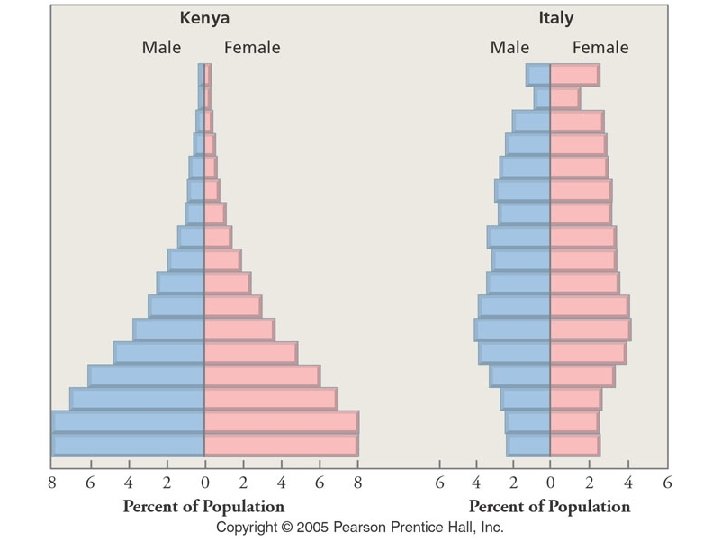
Age structure of a population • Preproductive: – before sexual maturity • Reproductive: – 15 -44 age when producing young • Post reproductive: – after sexual activity
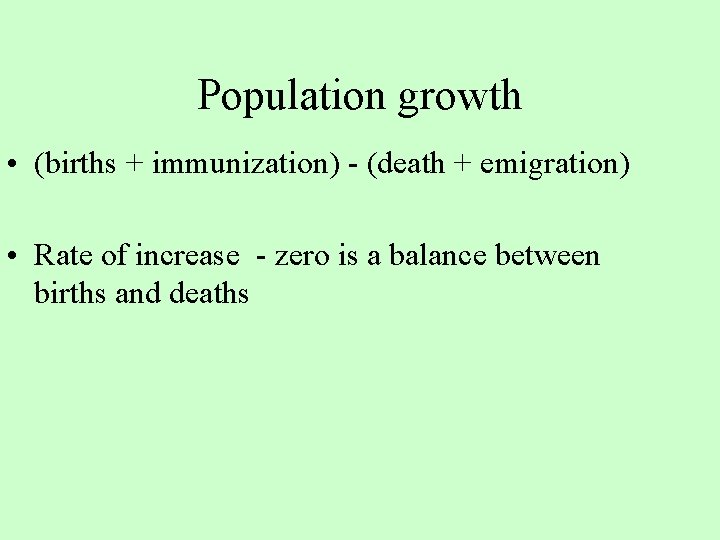
Population growth • (births + immunization) - (death + emigration) • Rate of increase - zero is a balance between births and deaths
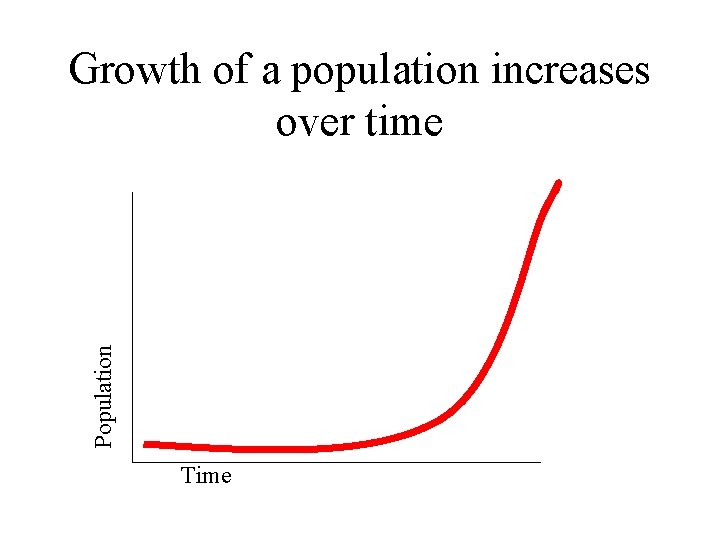
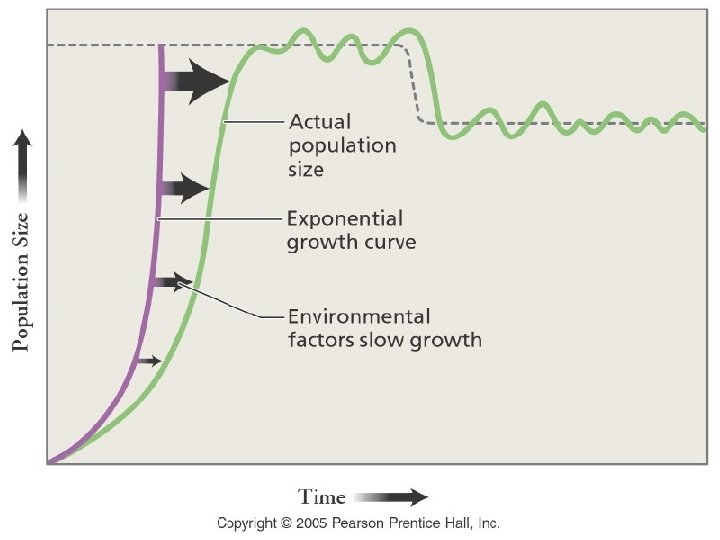
Population Growth of a population increases over time Time
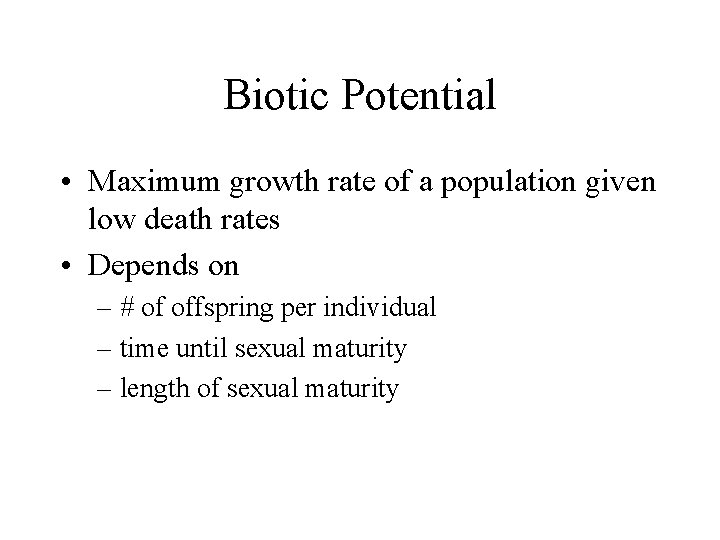
Biotic Potential • Maximum growth rate of a population given low death rates • Depends on – # of offspring per individual – time until sexual maturity – length of sexual maturity
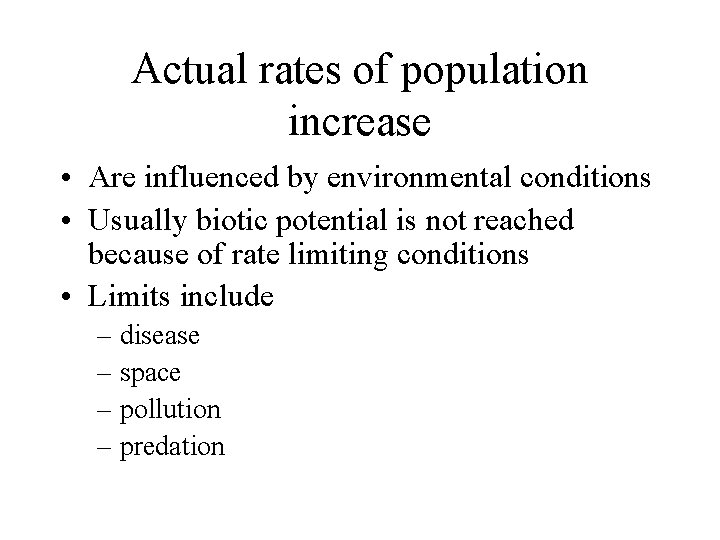
Actual rates of population increase • Are influenced by environmental conditions • Usually biotic potential is not reached because of rate limiting conditions • Limits include – disease – space – pollution – predation
Carrying capacity • The number of individuals that a given area can support • Mankind has been very effective in increasing the carrying capacity of the earth.
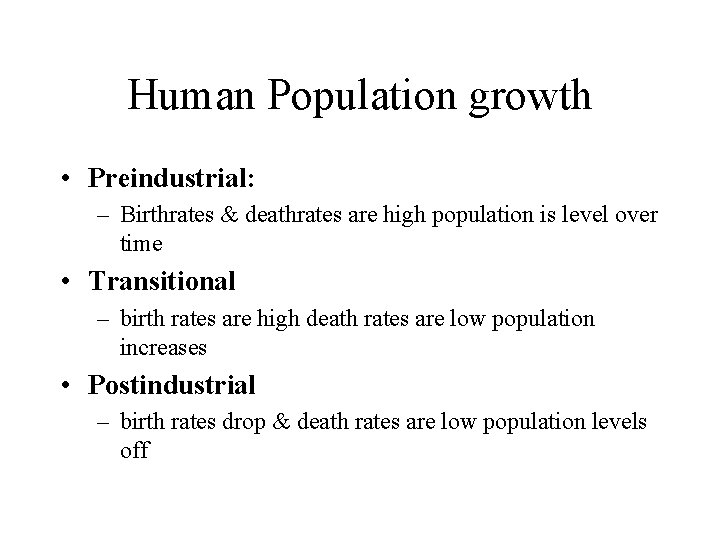
Human Population growth • Preindustrial: – Birthrates & deathrates are high population is level over time • Transitional – birth rates are high death rates are low population increases • Postindustrial – birth rates drop & death rates are low population levels off
Things that will affect our future
Effects of air pollution • • Industrial Grey smog Brown automotive smog Acid deposition Damage to ozone
Water scarcity and pollution • 1/3 of food is from irrigated fields – irrigation causes salt buildup – increase in human population causes an increase in waste, insecticides, chemicals and pollution
Coping with solid waste • Loosing places to store waste (recycle) • Desertification is caused by overusing marginal lands
We often times put limits on ourselves
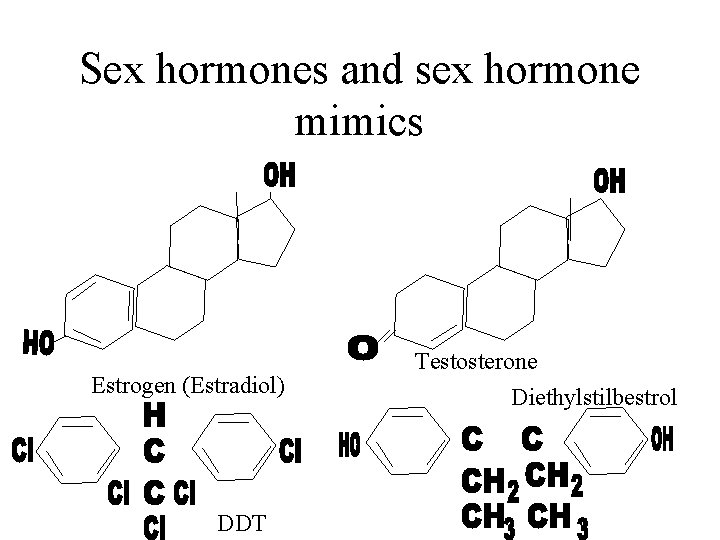
Sex hormones and sex hormone mimics Estrogen (Estradiol) DDT Testosterone Diethylstilbestrol
Our Future Depends on the Decisions We Make Today
Good luck on your final Exam