
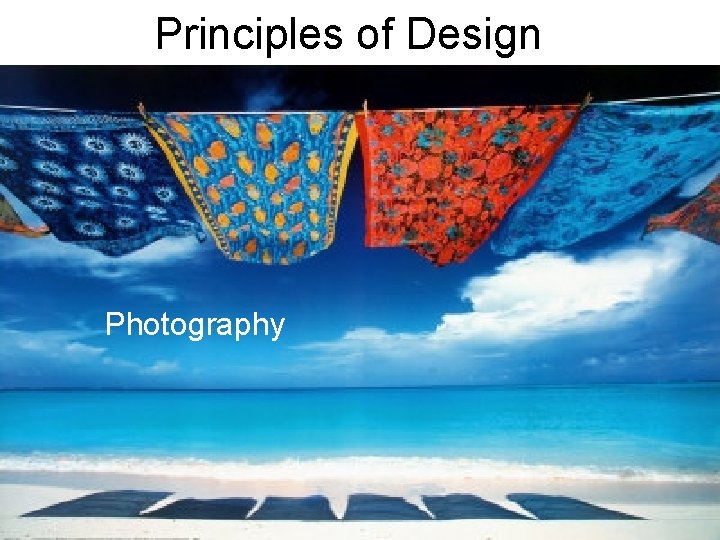
Principles of Design Photography What are the Principles






- Slides: 30
Principles of Design Photography
What are the Principles? • • Contrast Rhythm Unity Movement Pattern Emphasis Balance
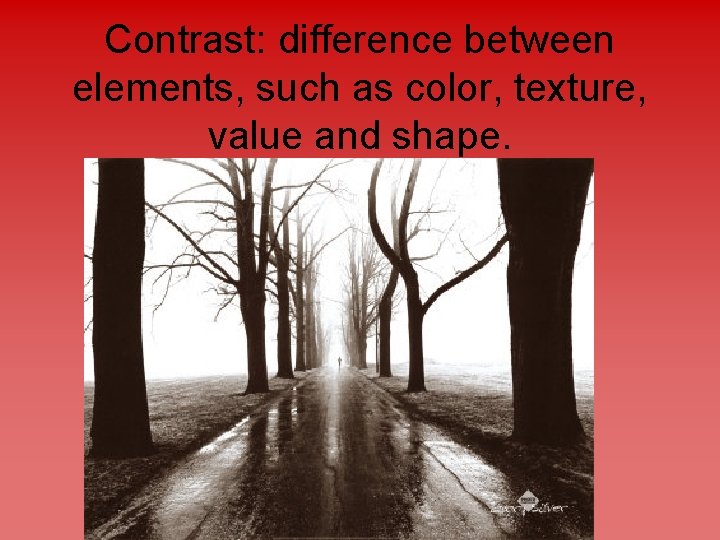
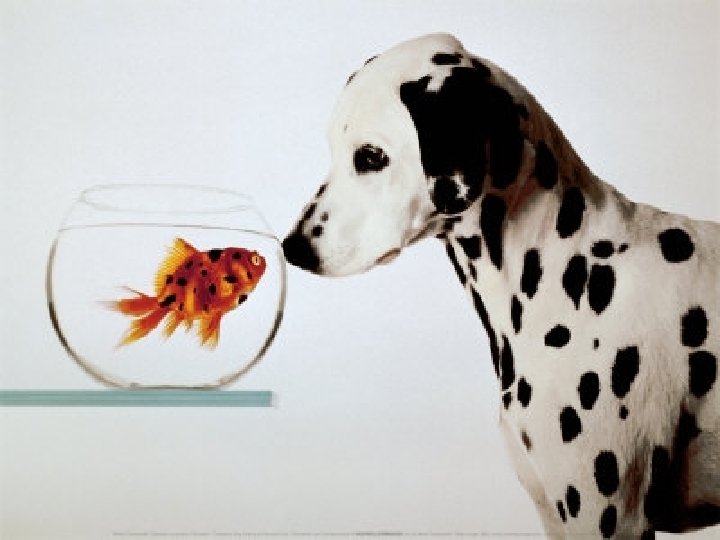
Contrast: difference between elements, such as color, texture, value and shape.
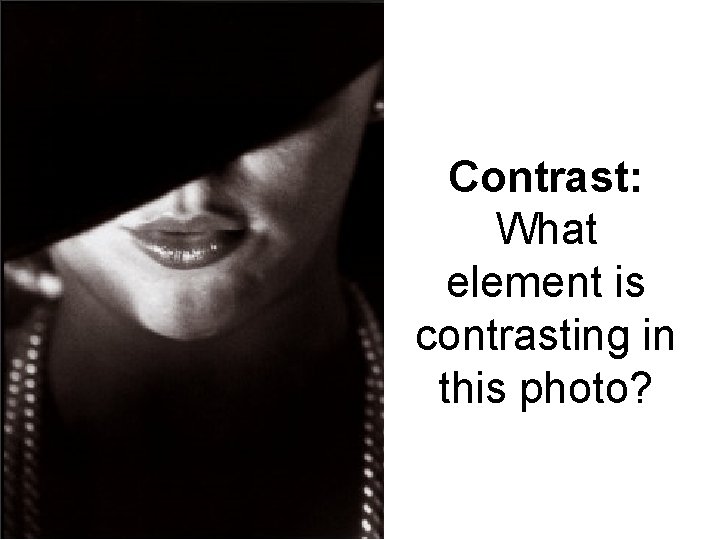
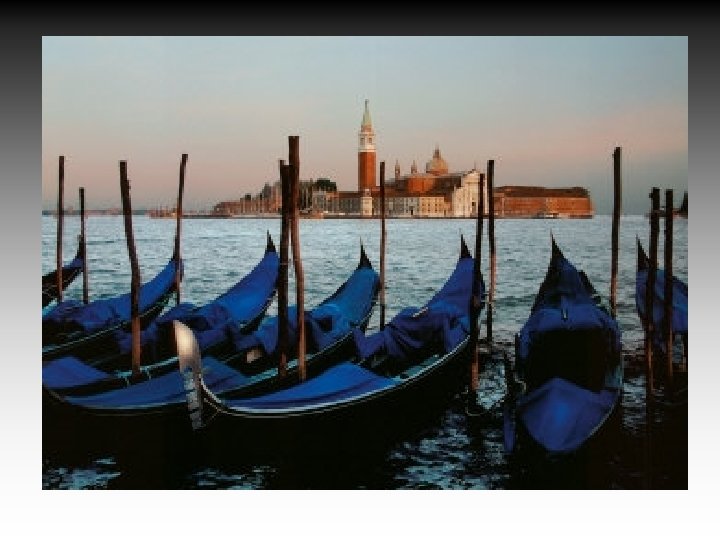
Contrast: What element is contrasting in this photo?
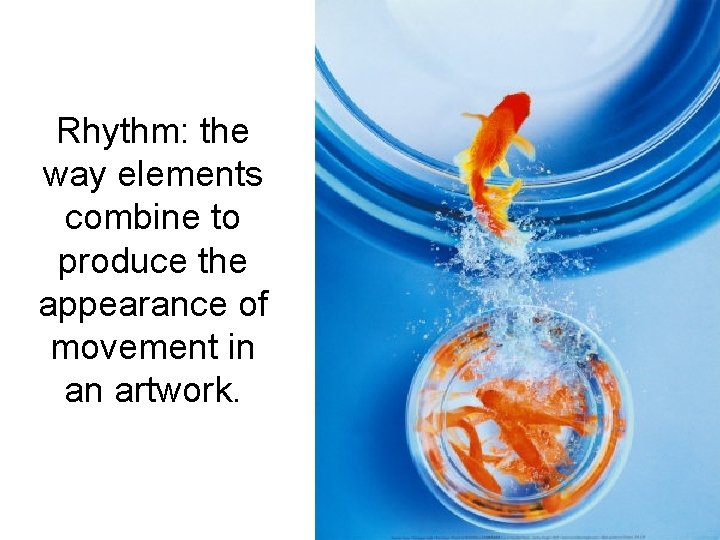
Rhythm: the way elements combine to produce the appearance of movement in an artwork.
Describe how this shows rhythm…
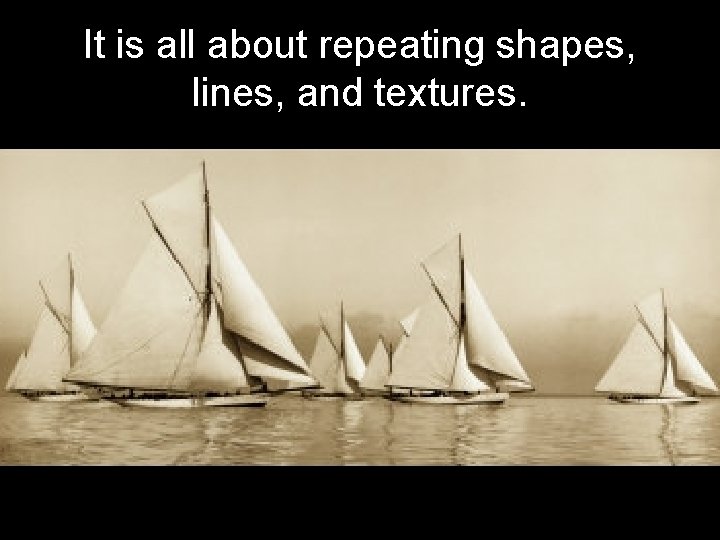
It is all about repeating shapes, lines, and textures.
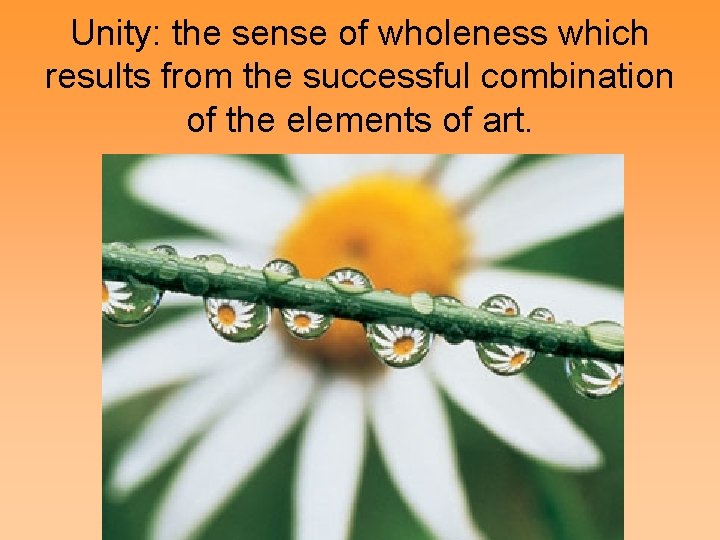
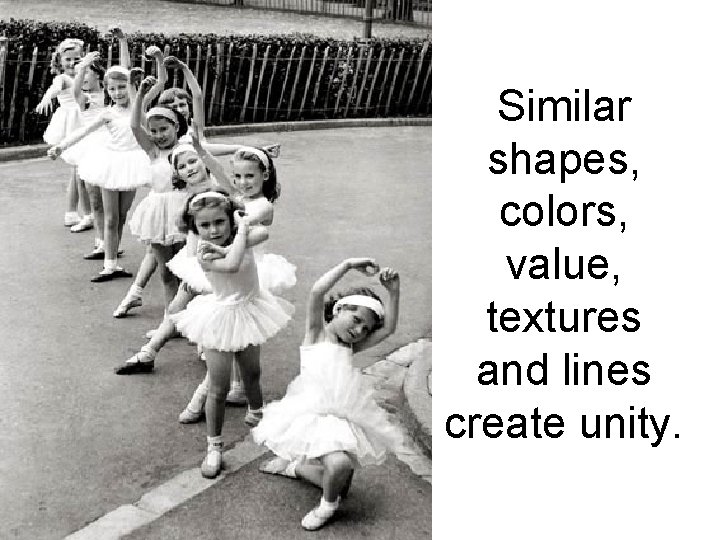
Unity: the sense of wholeness which results from the successful combination of the elements of art.
Similar shapes, colors, value, textures and lines create unity.
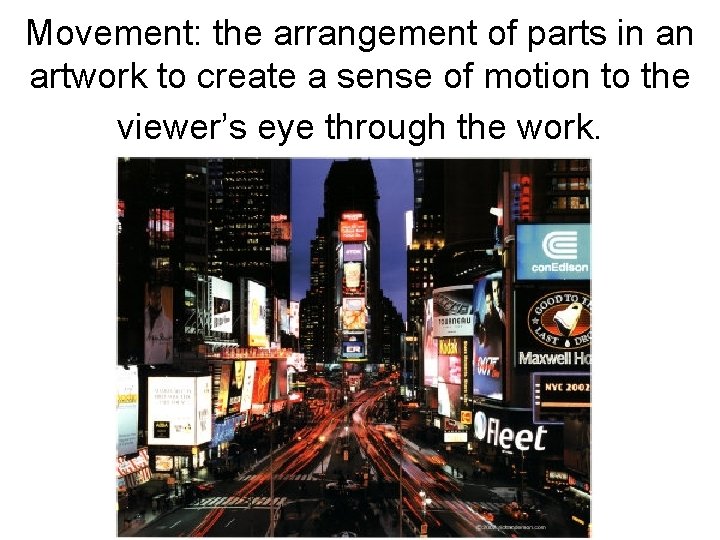
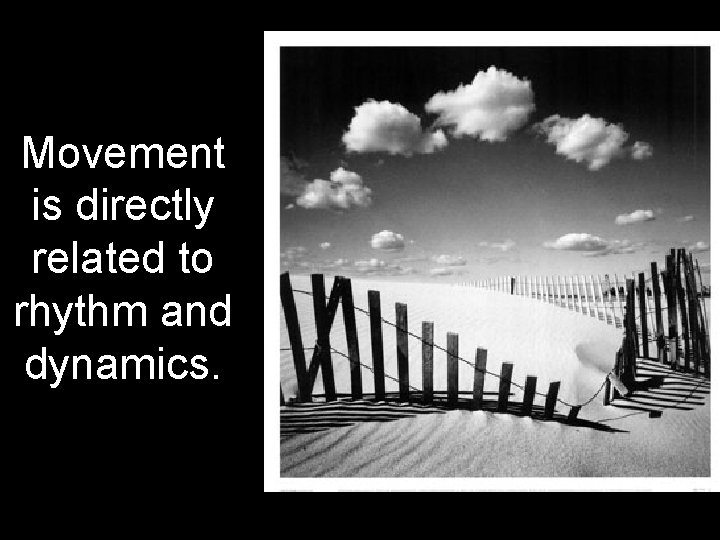
Movement: the arrangement of parts in an artwork to create a sense of motion to the viewer’s eye through the work.
Movement is directly related to rhythm and dynamics.
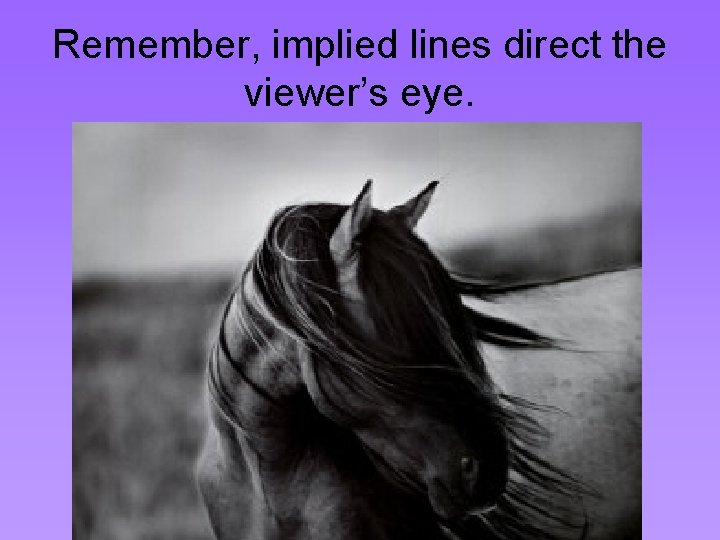
Remember, implied lines direct the viewer’s eye.
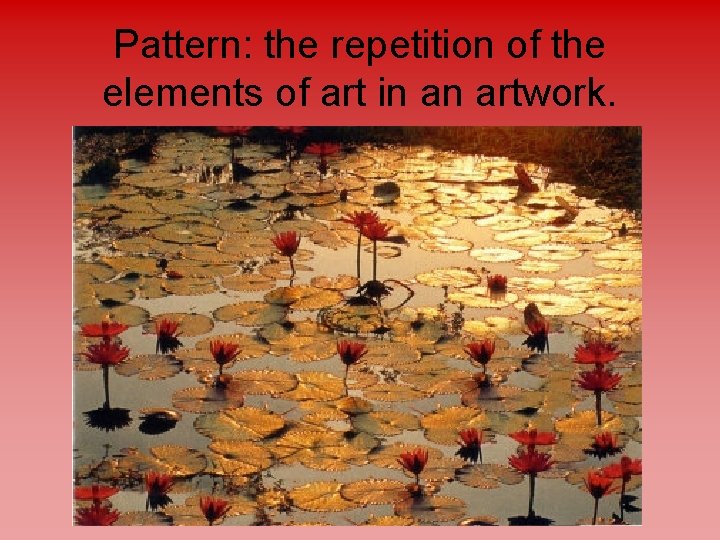
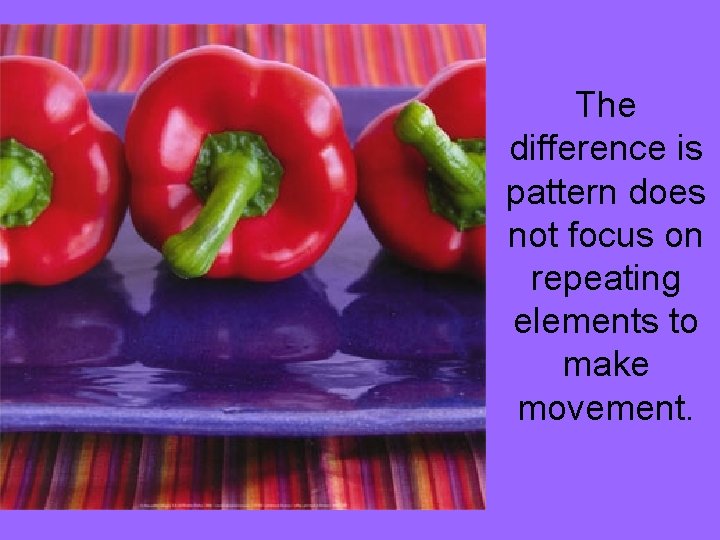
Pattern: the repetition of the elements of art in an artwork.
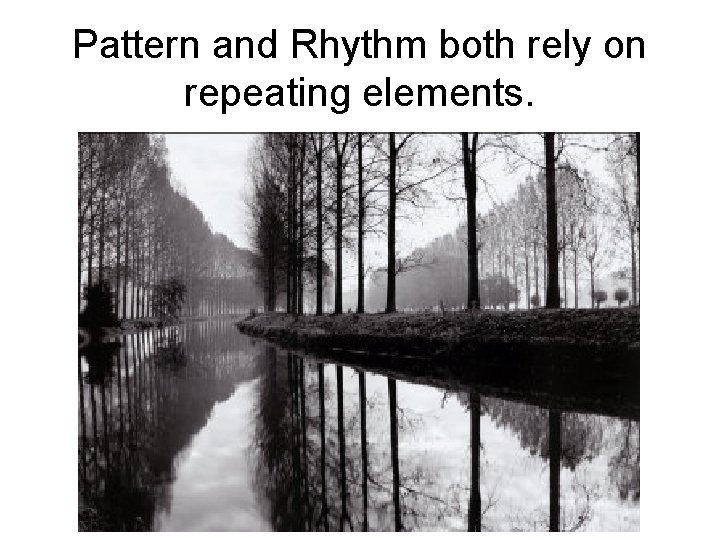
Pattern and Rhythm both rely on repeating elements.
The difference is pattern does not focus on repeating elements to make movement.
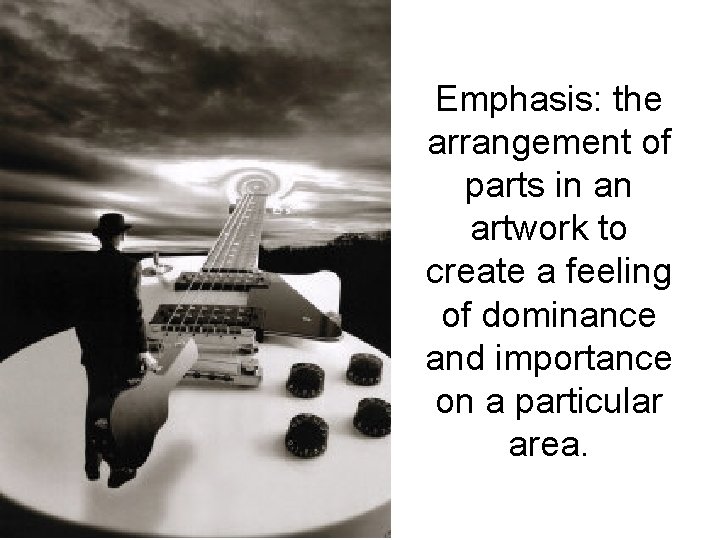
Emphasis: the arrangement of parts in an artwork to create a feeling of dominance and importance on a particular area.
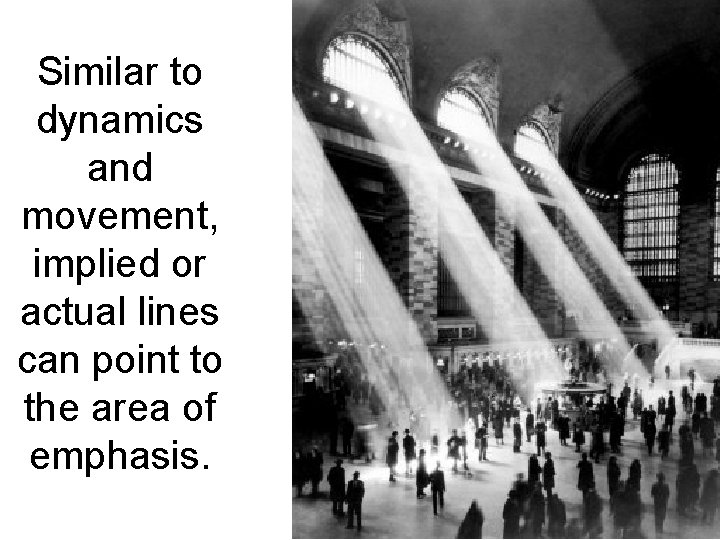
Similar to dynamics and movement, implied or actual lines can point to the area of emphasis.
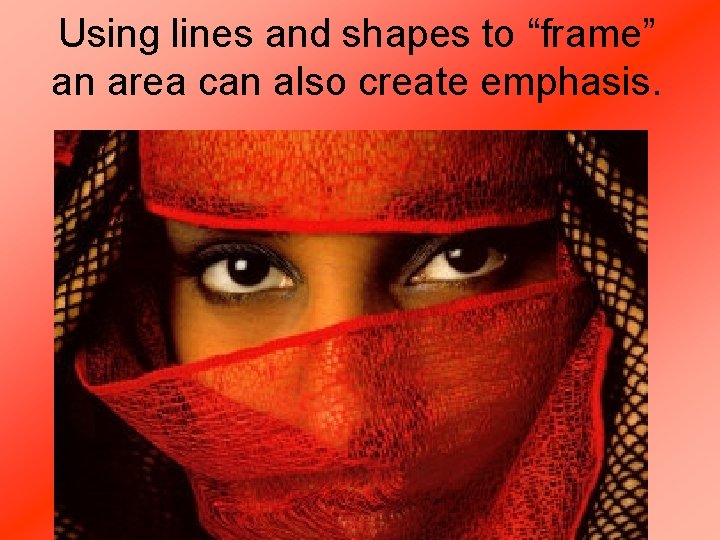
Using lines and shapes to “frame” an area can also create emphasis.
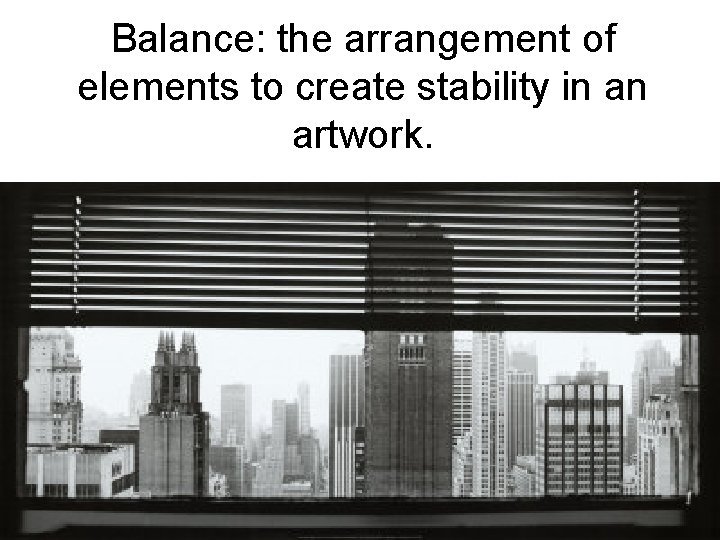
Balance: the arrangement of elements to create stability in an artwork.
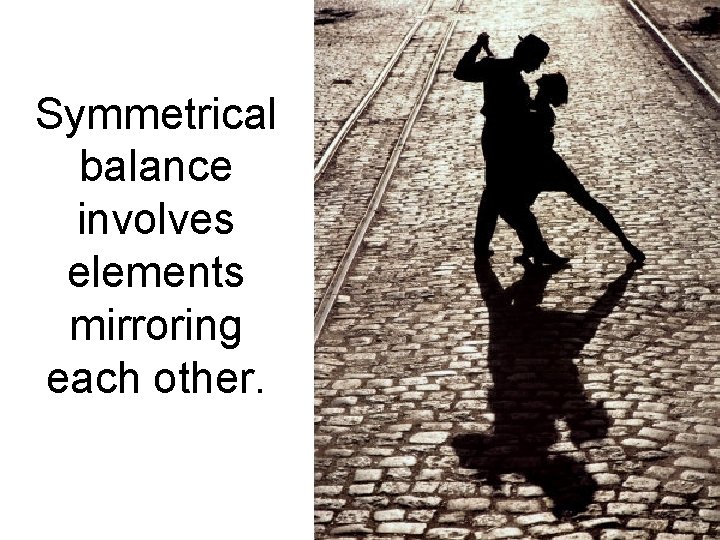
Symmetrical balance involves elements mirroring each other.
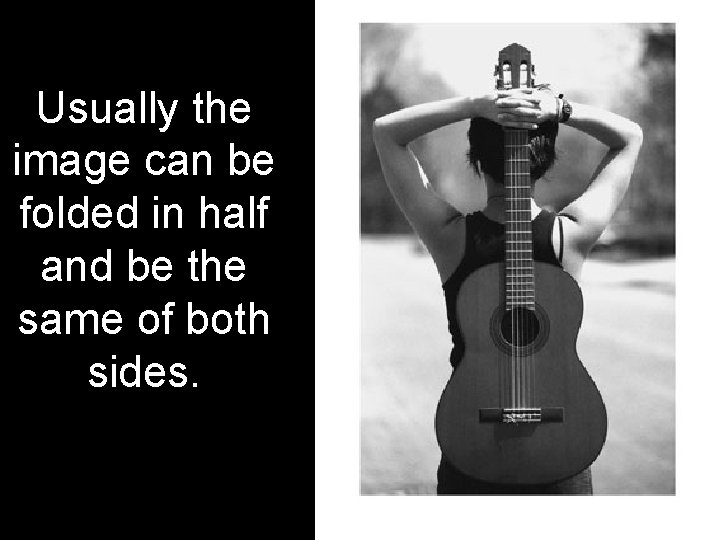
Usually the image can be folded in half and be the same of both sides.
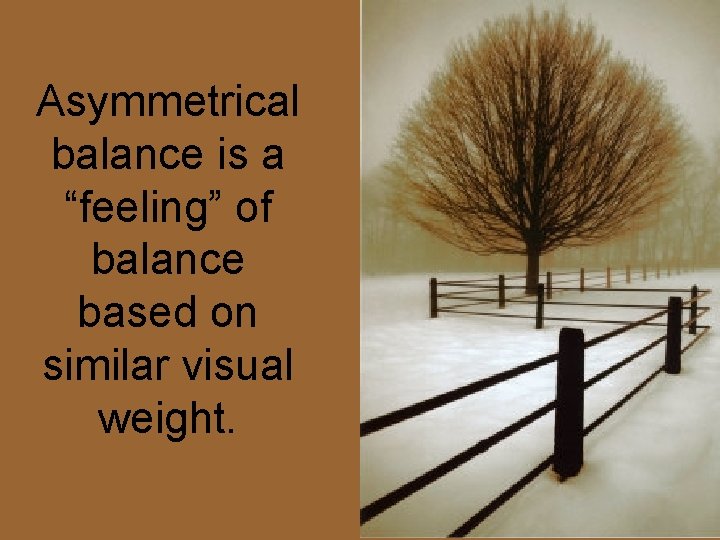
Asymmetrical balance is a “feeling” of balance based on similar visual weight.