
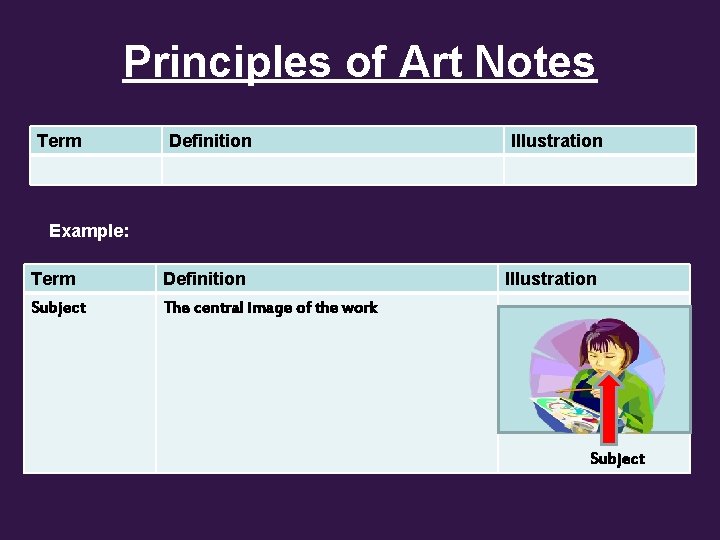
Principles of Art Notes Term Definition Illustration Example



- Slides: 40
Principles of Art Notes Term Definition Illustration Example: Term Definition Subject The central image of the work Illustration Subject
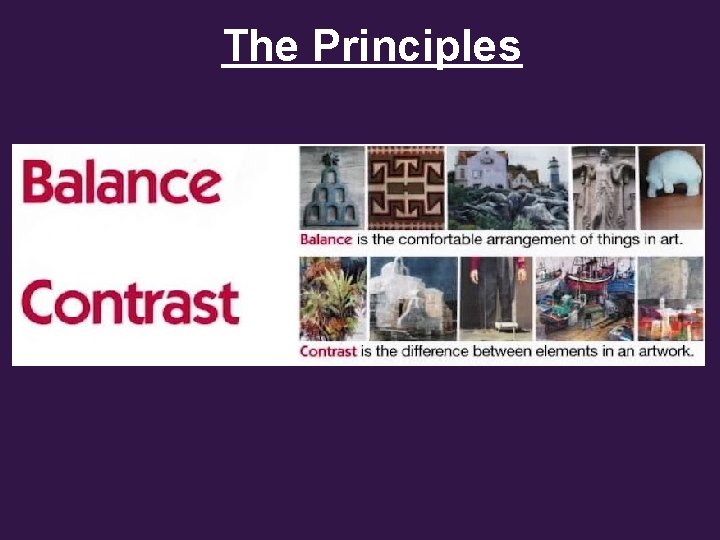
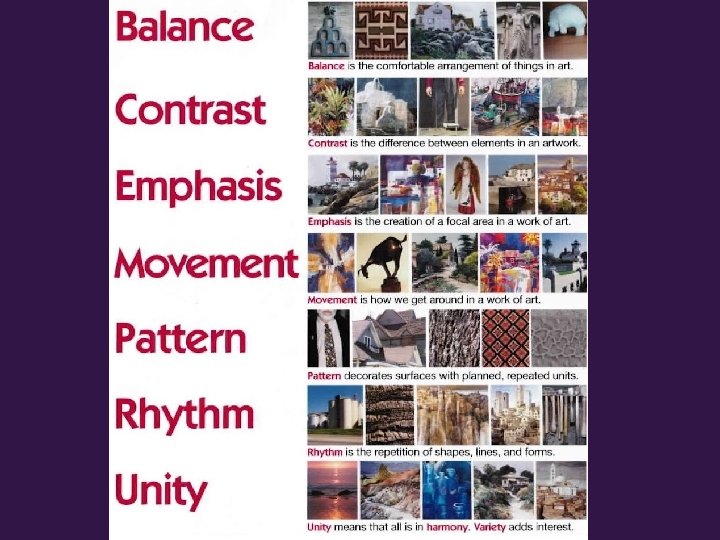
The Principles
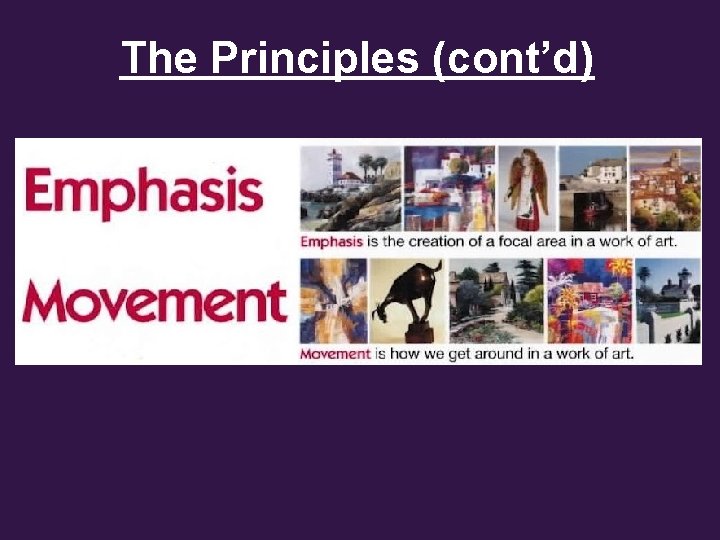
The Principles (cont’d)
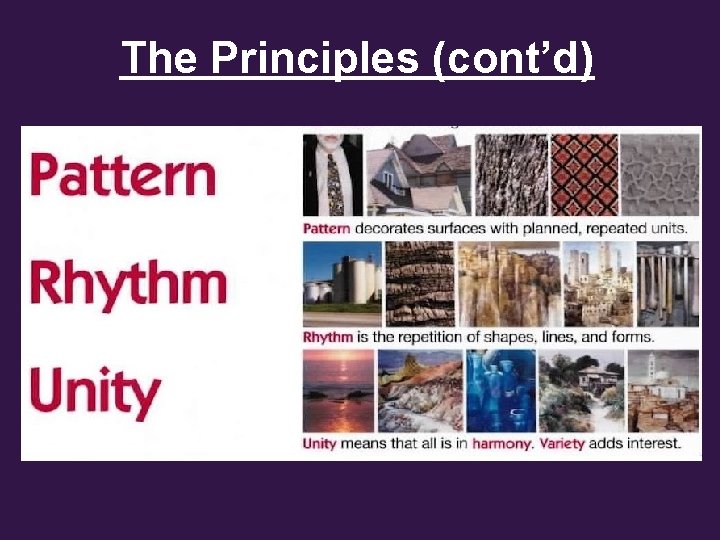
The Principles (cont’d)
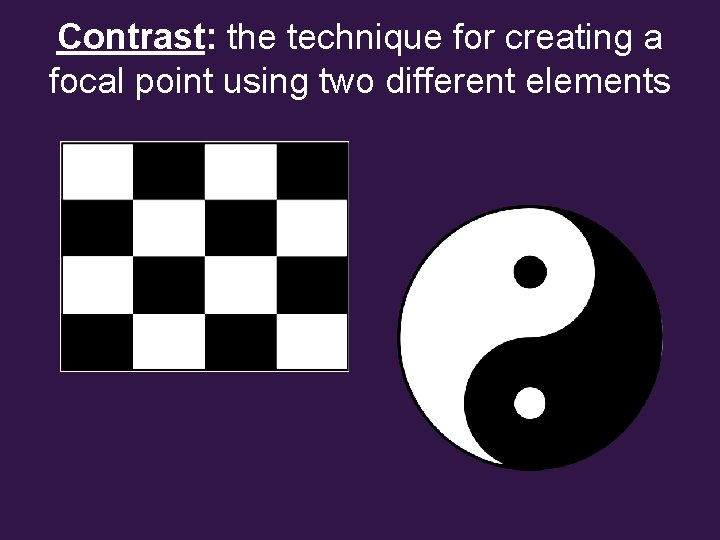
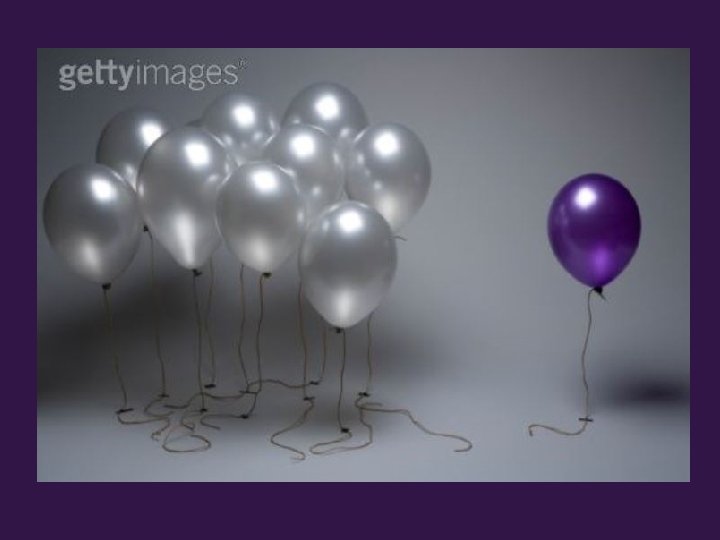
Contrast: the technique for creating a focal point using two different elements
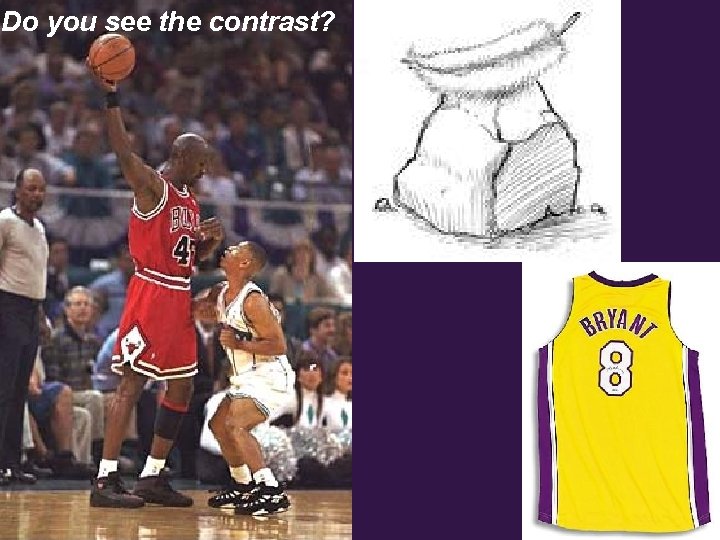
Do you see the contrast?
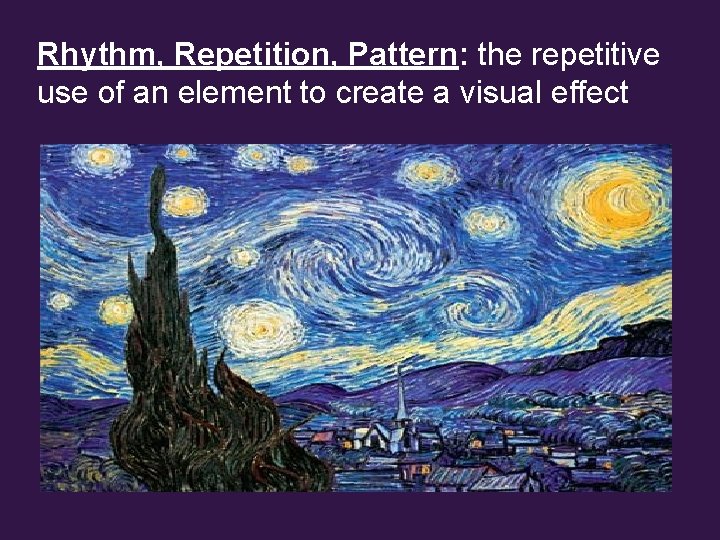
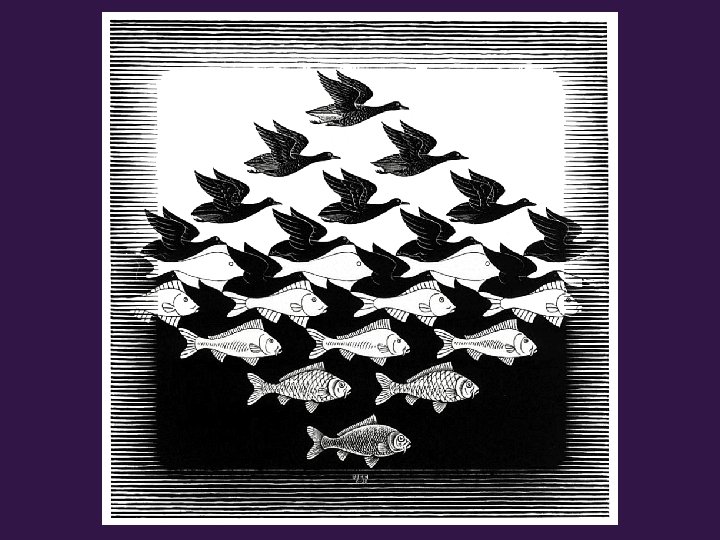
Rhythm, Repetition, Pattern: the repetitive use of an element to create a visual effect
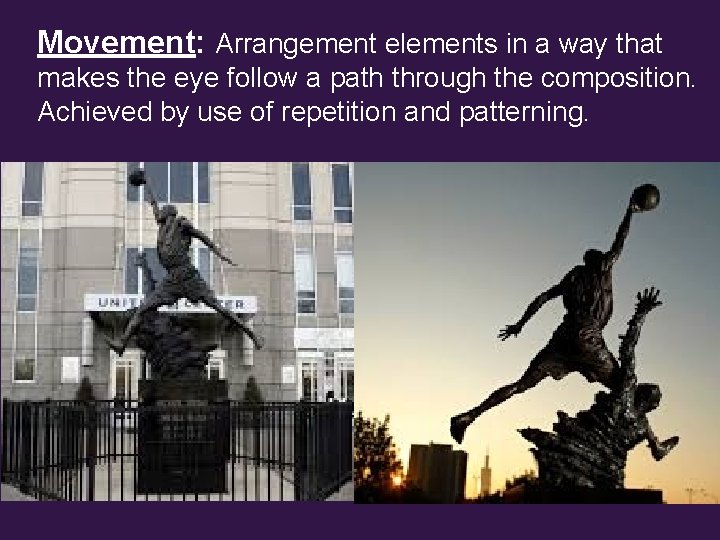
Movement: Arrangement elements in a way that makes the eye follow a path through the composition. Achieved by use of repetition and patterning.
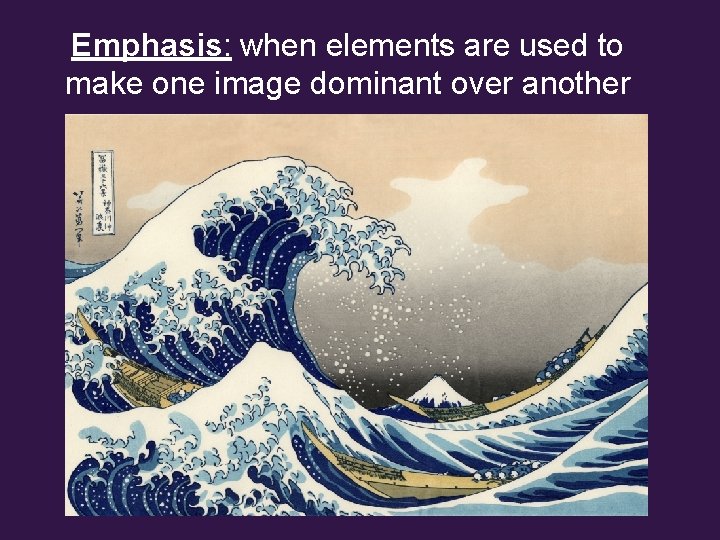
Emphasis: when elements are used to make one image dominant over another
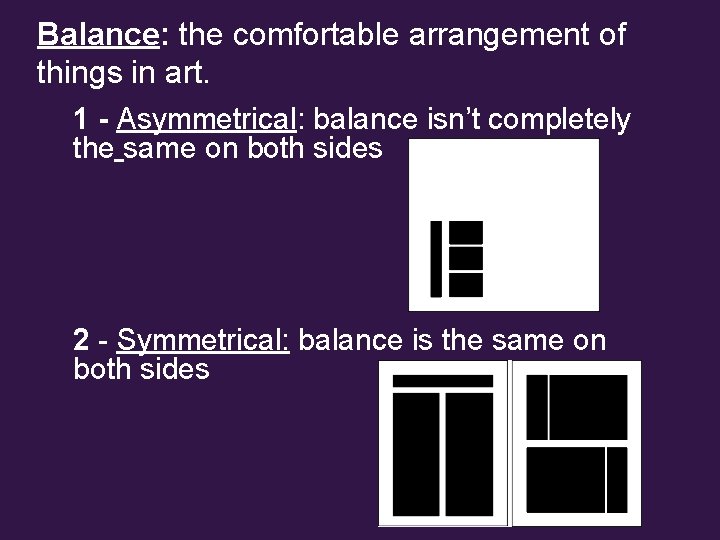
Balance: the comfortable arrangement of things in art. 1 - Asymmetrical: balance isn’t completely the same on both sides 2 - Symmetrical: balance is the same on both sides
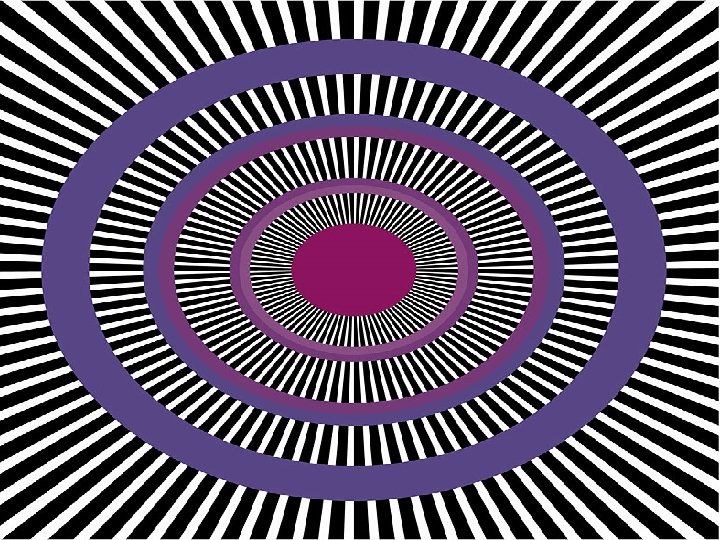
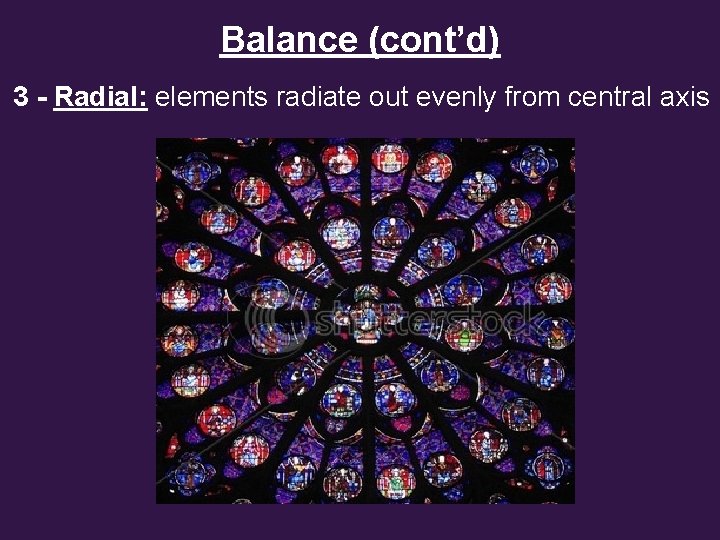
Balance (cont’d) 3 - Radial: elements radiate out evenly from central axis
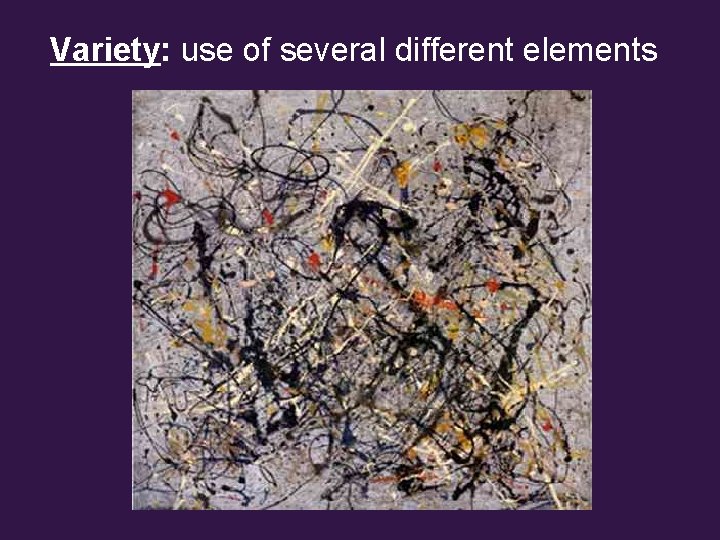
Variety: use of several different elements
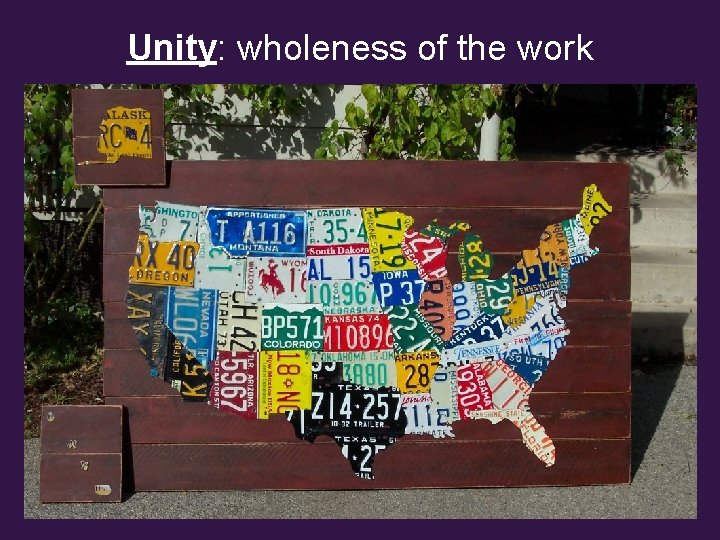
Unity: wholeness of the work
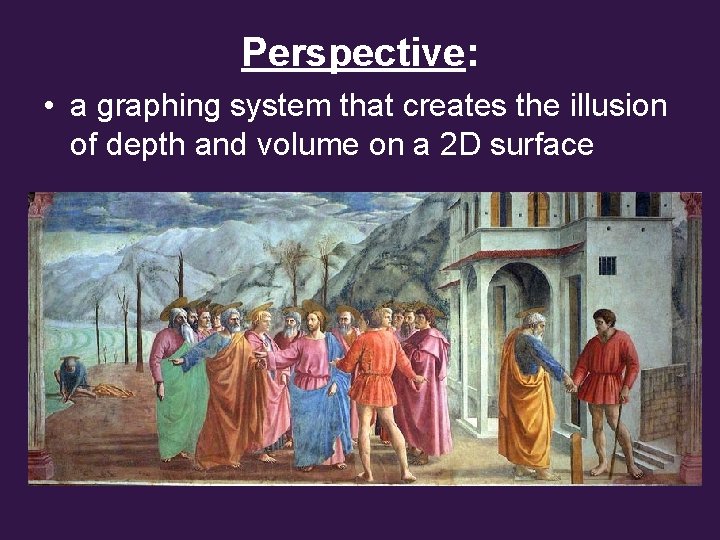
Perspective: • a graphing system that creates the illusion of depth and volume on a 2 D surface
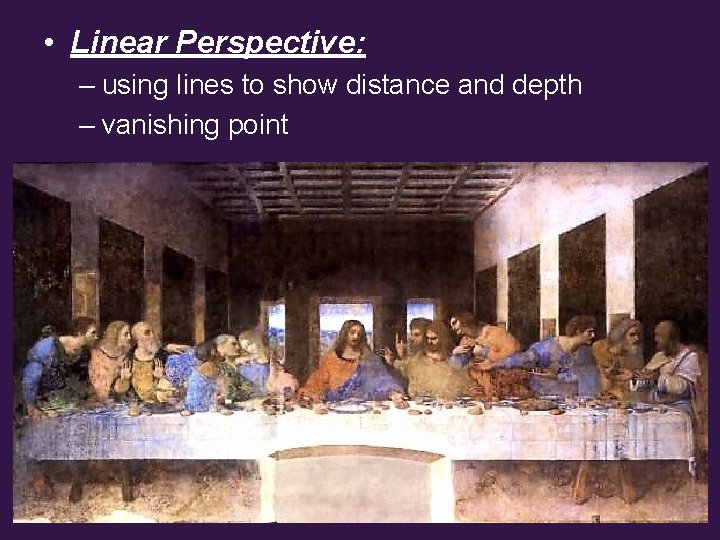
• Linear Perspective: – using lines to show distance and depth – vanishing point
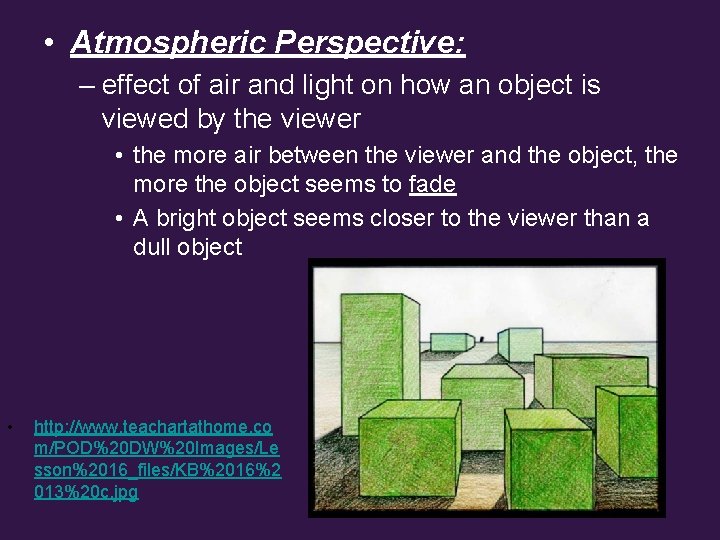
• Atmospheric Perspective: – effect of air and light on how an object is viewed by the viewer • the more air between the viewer and the object, the more the object seems to fade • A bright object seems closer to the viewer than a dull object • http: //www. teachartathome. co m/POD%20 DW%20 Images/Le sson%2016_files/KB%2016%2 013%20 c. jpg
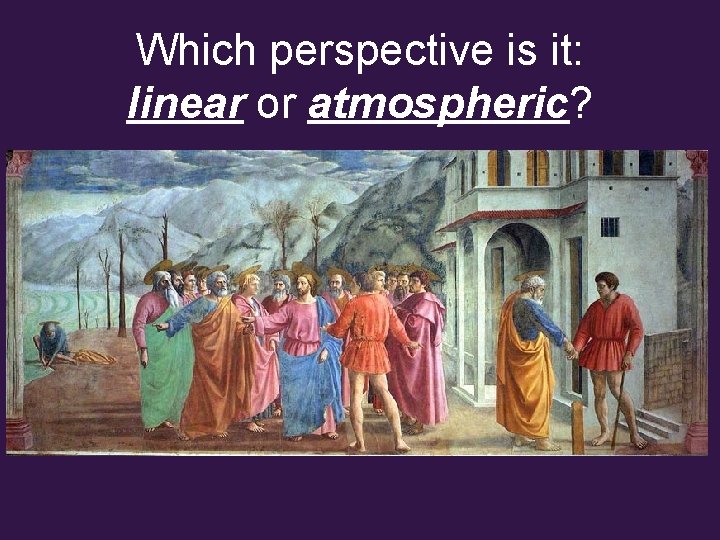
Which perspective is it: linear or atmospheric?
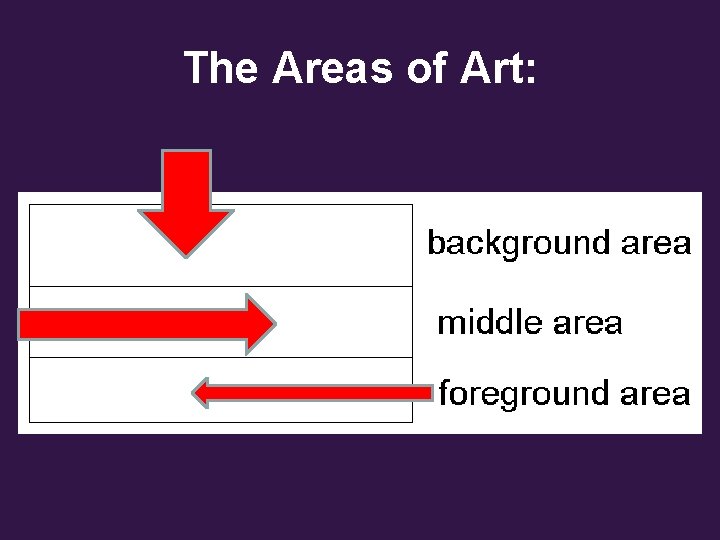
The Areas of Art:
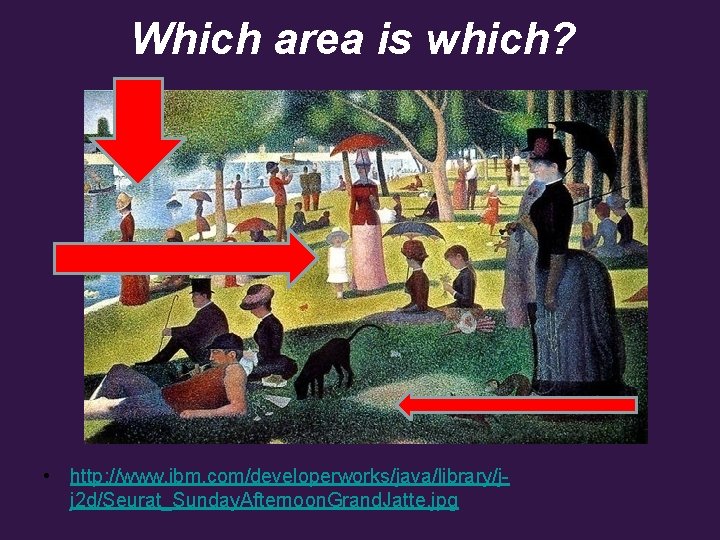
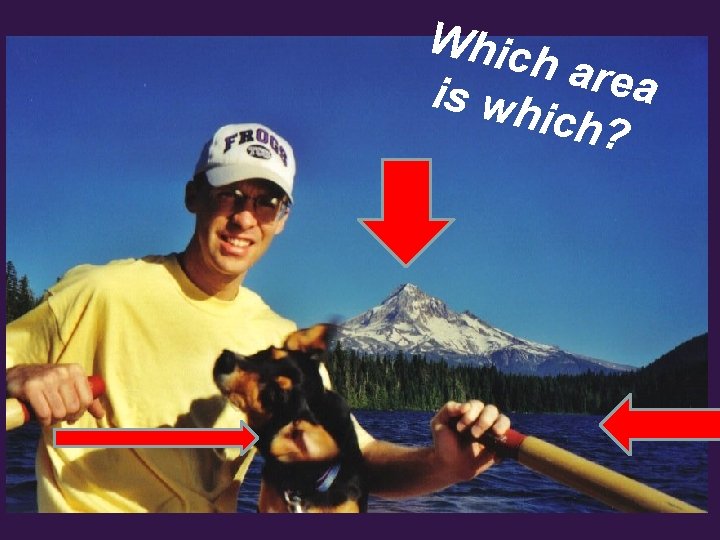
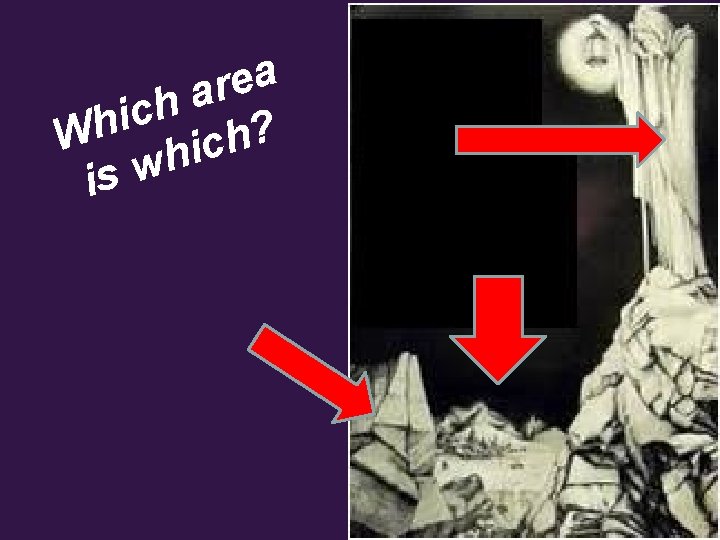
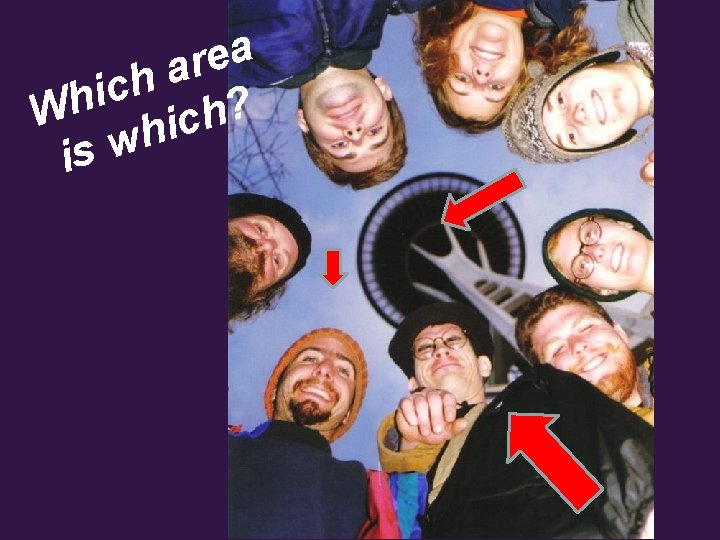
Which area is which? • http: //www. ibm. com/developerworks/java/library/jj 2 d/Seurat_Sunday. Afternoon. Grand. Jatte. jpg
Whic h are a is wh ich?
a e r a h c i h ? W h c i h w s i
a e r a h c i h ? W h c i h w s i
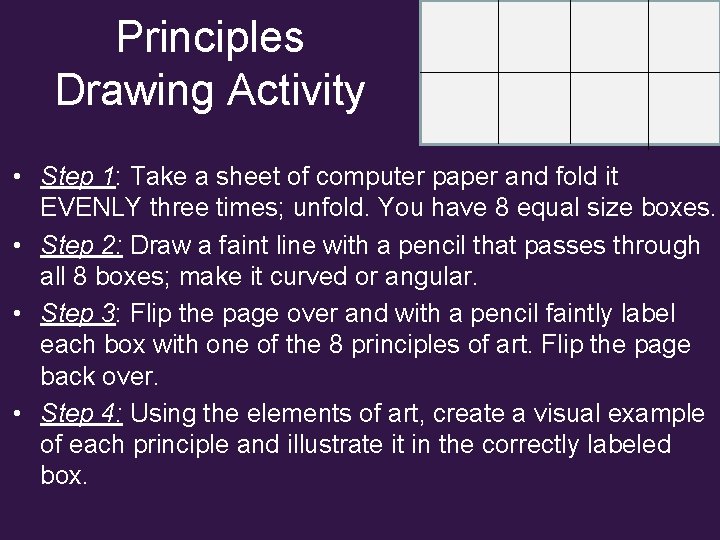
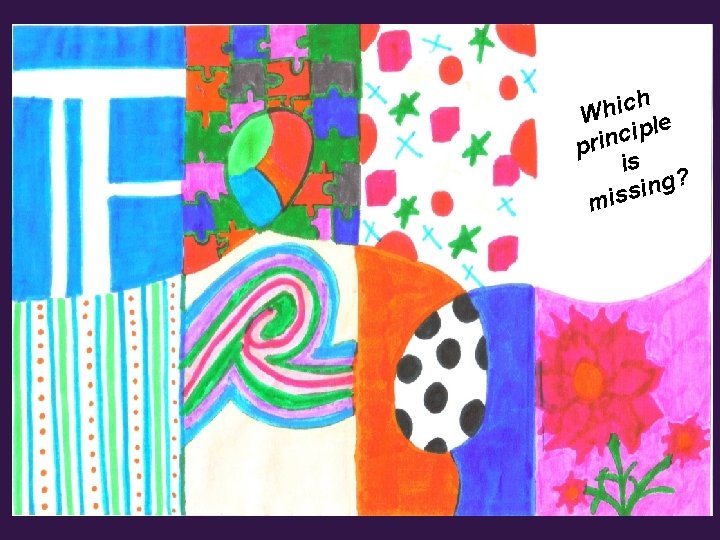
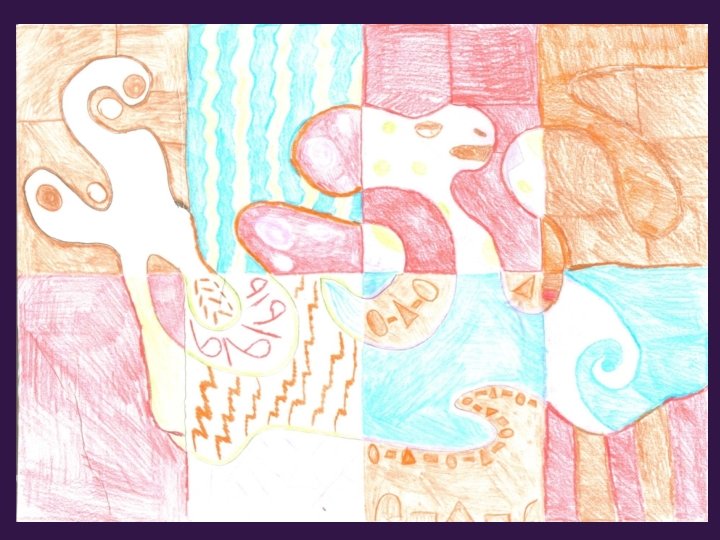
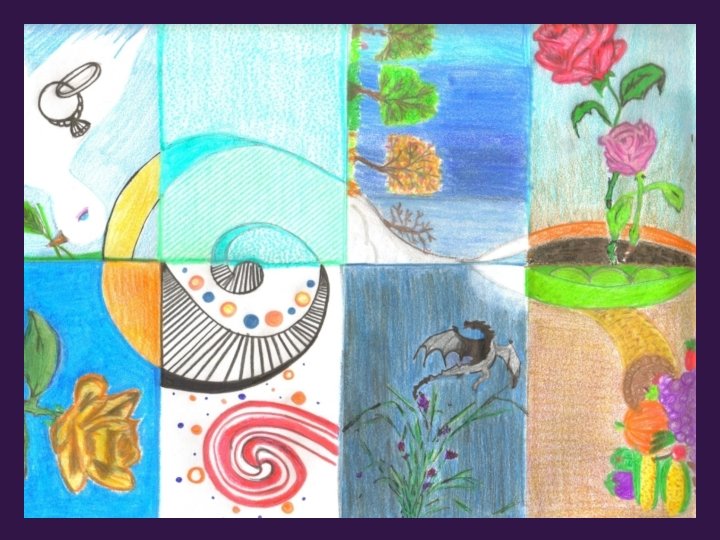
Principles Drawing Activity • Step 1: Take a sheet of computer paper and fold it EVENLY three times; unfold. You have 8 equal size boxes. • Step 2: Draw a faint line with a pencil that passes through all 8 boxes; make it curved or angular. • Step 3: Flip the page over and with a pencil faintly label each box with one of the 8 principles of art. Flip the page back over. • Step 4: Using the elements of art, create a visual example of each principle and illustrate it in the correctly labeled box.
h c i h W le p i c n pri is ? g n i miss