
Principles of Accountability and Conflict Resolution for Leaders
Principles of Accountability and Conflict Resolution for Leaders “Cliff Notes Version” Todd Jenkins, MD Director, Division of Women’s Reproductive Healthcare UAB Department of Obstetrics & Gynecology
Session Objectives 1. Introduce general principle and importance of accountability in EBL 2. Emphasize the importance of personal and departmental accountability in evolving an organization toward enhanced performance 3. Review basic strategies for conflict resolution
Disclosures • Dr. Jenkins has no financial disclosures and no conflicts of interest to report.
Accountability https: //www. youtube. com/watch? feature=pla yer_detailpage&v=q. Mol 6_TMCd. Y
Accountability
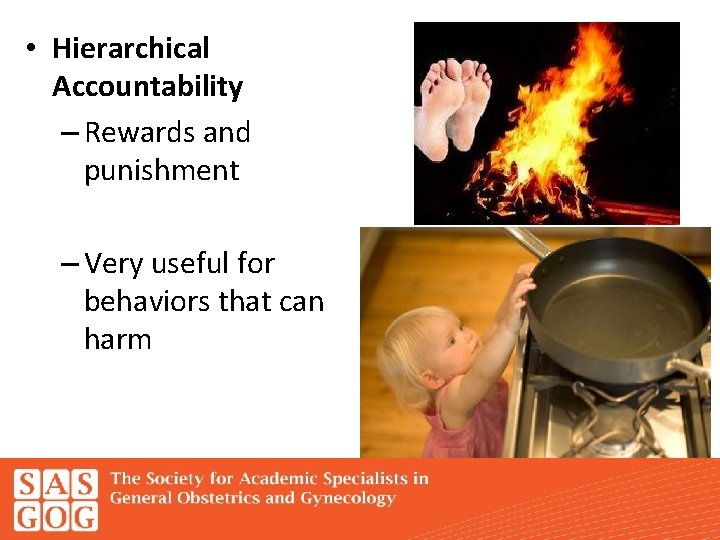
• Hierarchical Accountability – Rewards and punishment – Very useful for behaviors that can harm
Accountability • Hierarchical – Treats employees like children – They cannot be trusted to hold themselves accountable – Exhausting for all parties – After the fact…”got ya” accountability – True accountability is “before the fact”.
Accountability “You cannot hold people hierarchically accountable for the things that really matter in the healing professions. ” “ You cannot promote caring and compassion, pride and loyalty, enthusiasm, and fellowship by force. ”
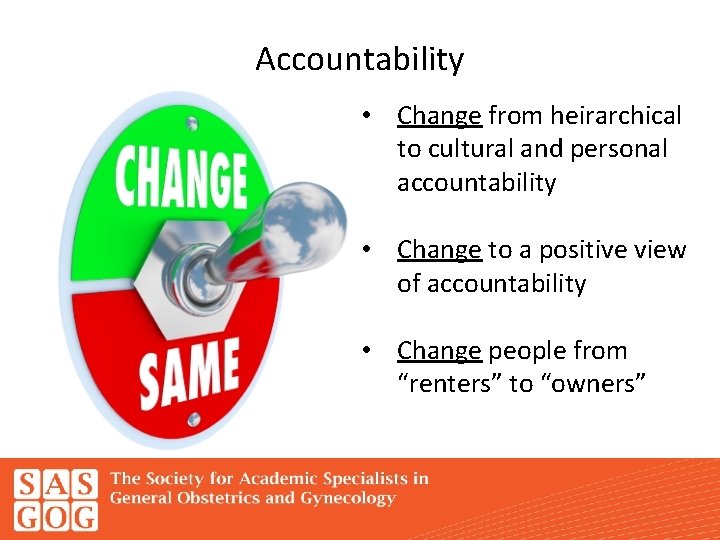
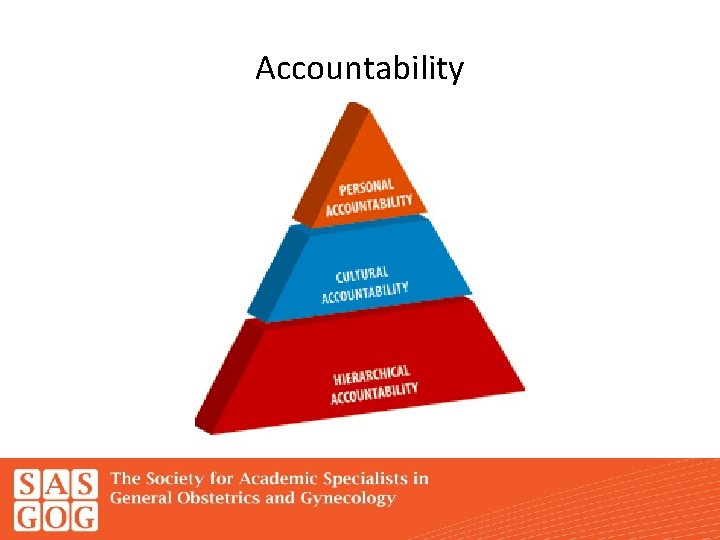
Accountability • Change from heirarchical to cultural and personal accountability • Change to a positive view of accountability • Change people from “renters” to “owners”
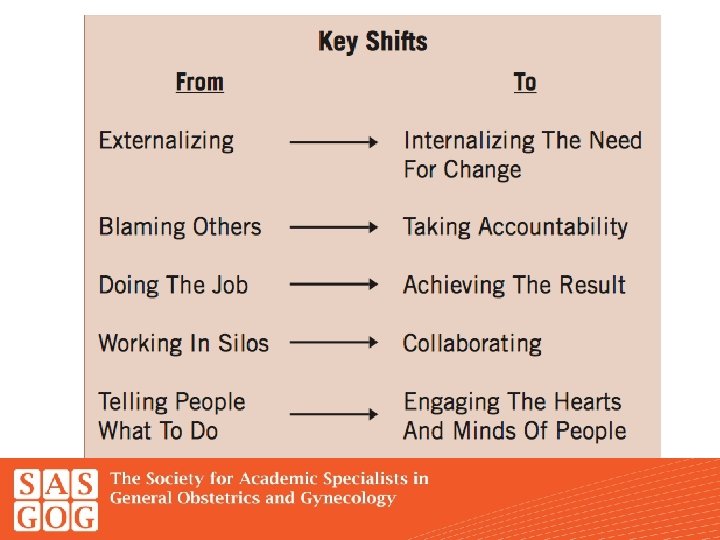
Partners in Leadership
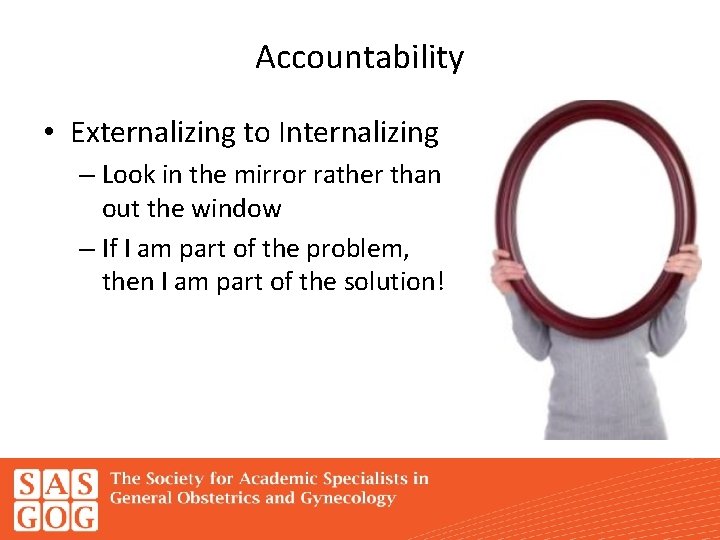
Accountability • Externalizing to Internalizing – Look in the mirror rather than out the window – If I am part of the problem, then I am part of the solution!
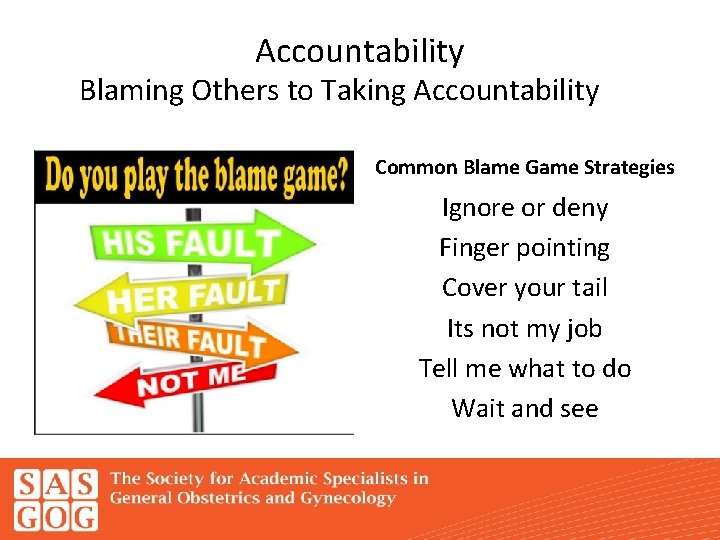
Accountability Blaming Others to Taking Accountability • From Blaming Others to Taking Accountability Common Blame Game Strategies Ignore or deny Finger pointing Cover your tail Its not my job Tell me what to do Wait and see
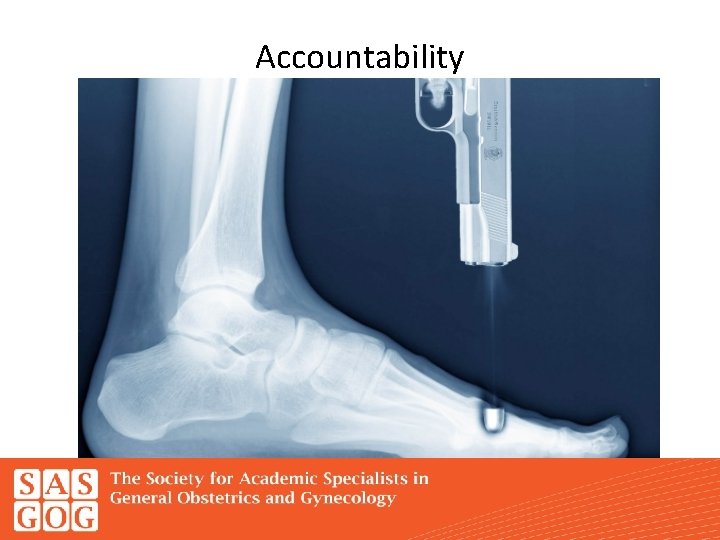
Accountability
Accountability • From Doing the Job to Achieving the Result
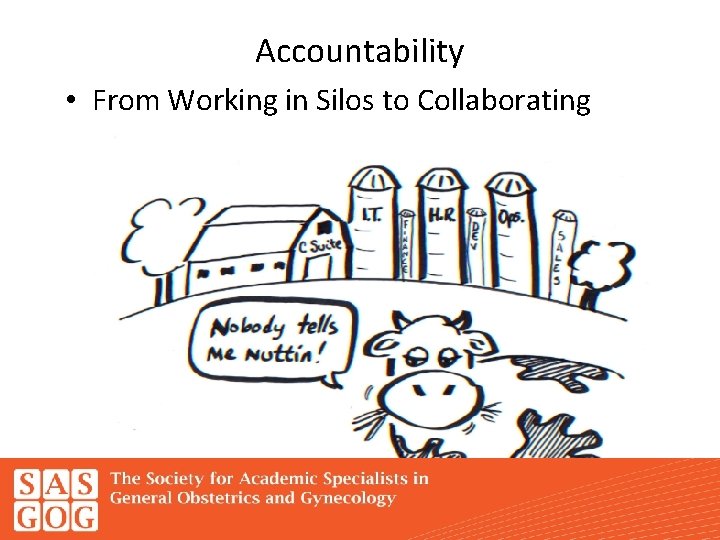
Accountability • From Working in Silos to Collaborating
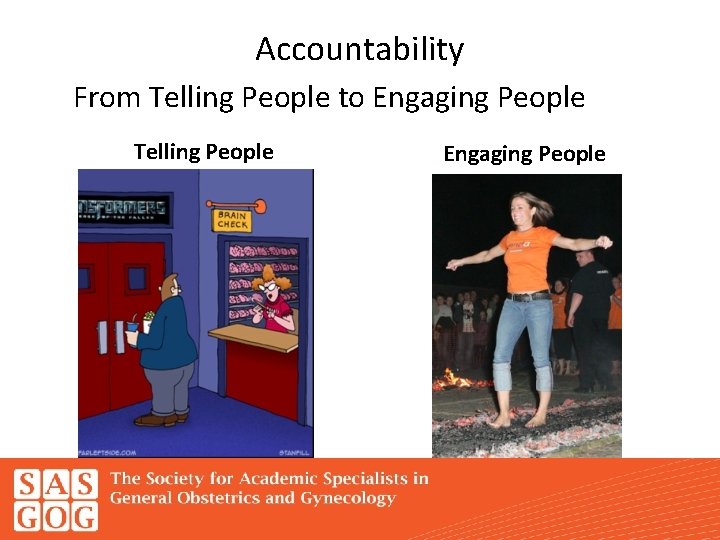
Accountability From Telling People to Engaging People Telling People Engaging People
Accountability • How can your Division achieve a culture of accountability that contains owners rather than renters? It’s S. I. M. P. L. E.
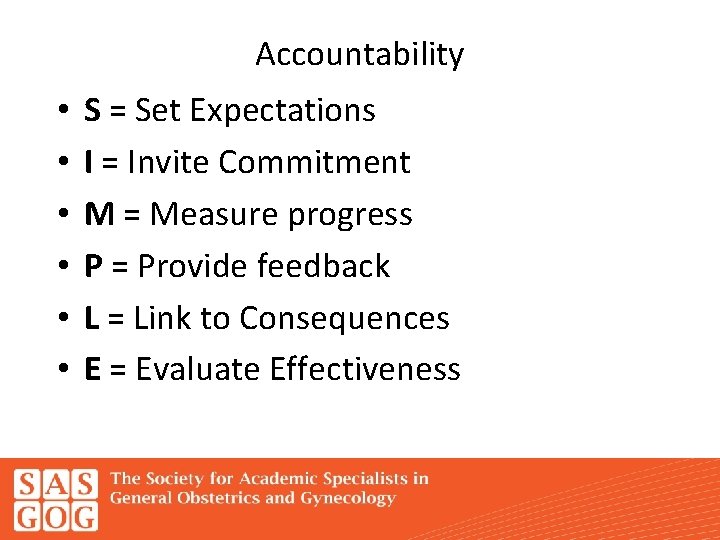
Accountability • • • S = Set Expectations I = Invite Commitment M = Measure progress P = Provide feedback L = Link to Consequences E = Evaluate Effectiveness
Accountability • S = Set Expectations – Clearly communicating the teams mission and vision – Emphasizing the urgency and the importance of the task – Laying out the standards that will be upheld, end results, and time frames – Define each member’s roles
Accountability • I = Invite Commitment – Invite questions to ensure alignment and understanding of team members – Encourage each individual to commit both to their role and to the team – Put the commitment in writing – Encourage team to hold each other accountable
Accountability • M = Measure progress – Goals can only be measured when they are quantified – Determine goals BEFORE the task – Provides team an idea of how they are doing in meeting their targets – It’s about OUTCOMES not EFFORT
Accountability • P = Provide feedback – Constructive feedback should help the individual or team reach their goal – Highlight both the positive things and areas where they can improve – Talk about the work and behavior, not the person – Do not take the task from the team unless absolutely necessary
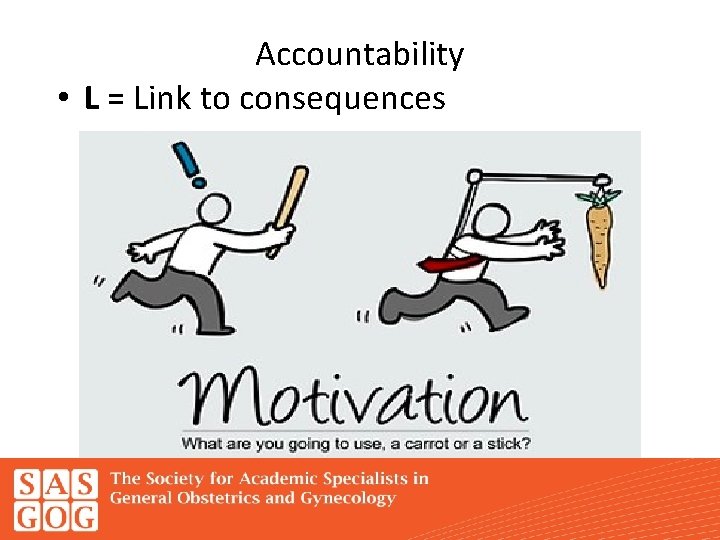
Accountability • L = Link to consequences
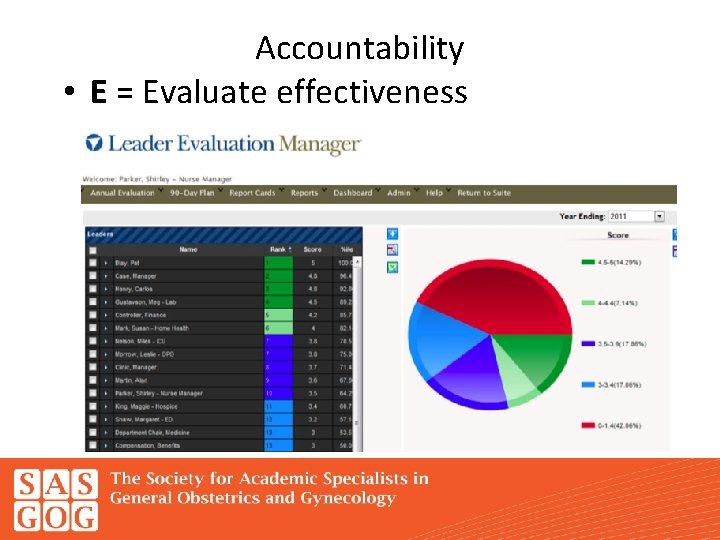
Accountability • E = Evaluate effectiveness
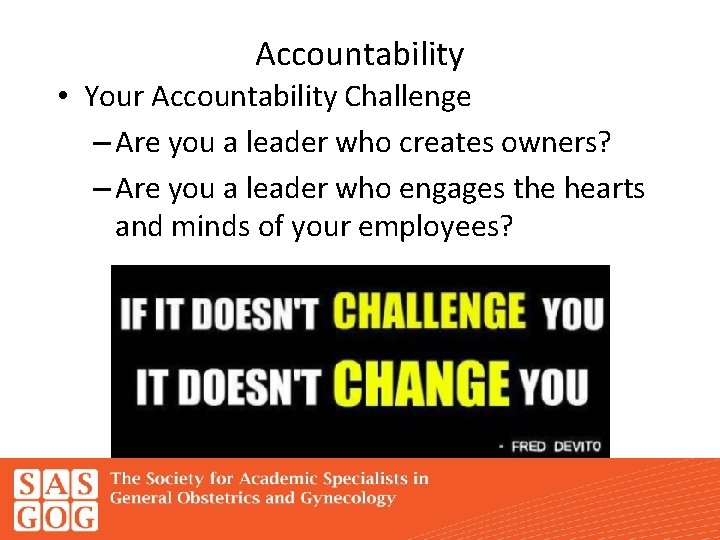
Accountability • Your Accountability Challenge – Are you a leader who creates owners? – Are you a leader who engages the hearts and minds of your employees?
Accountability • Table Exercise 1 – “Trouble with Time” – You are the Director of a medium sized Division. You have established that call begins at 5: 30 pm sharp. It is expected that the oncoming call person will take over call duties before 5: 30 pm. However, you have 2 Division members who repetitively do not arrive until after 5: 30 pm due to inability to complete their daytime clinical responsibilities on time. The other members of the Division are very frustrated by this behavior as it often makes them late to pick up their children at daycare or other after work activities. When confronted, the late Division members state that they will not rush/reduce their daytime clinical responsibilities just to get to call on time.
Accountability • Table Exercise 2 – “Passing the Buck” – You are the Division Director of a Division that contains a member who is notorious for leaving the difficult delivery or Gyn surgery for the next person on call. The Division member is an excellent physician and is well liked within the group; however, they seem to avoid the difficult cases at all cost. While initially humorous, the rest of your Division is now frustrated annoyed by always receiving the difficult case that should have been handled hours earlier.
Accountability • Sharing Solutions: – Work as a group to determine the best path to resolve the given situation. – Select a representative to present your solution to the scenario to the group. – Present your solution over 2 minutes leaving 1 -2 minutes for the room to review.
- Slides: 28