
Principled and Invitational Leadership Kent Association of Headteachers







- Slides: 49
Principled and Invitational Leadership Kent Association of Headteachers Conference November 2018 Steve Munby Education
Principled and Invitational Leadership 1. Embedding the values 2. Creating and embedding the vision through invitational leadership 3. Proactively avoiding the power/narcissism combination and “groupthink”. 4. Lateral leadership. Making collaboration across schools effective 5. Exercising your ethical muscle and leading with moral purpose, passion and optimism
Principled and Invitational Leadership 1. Embedding the values into the culture of the organisation.
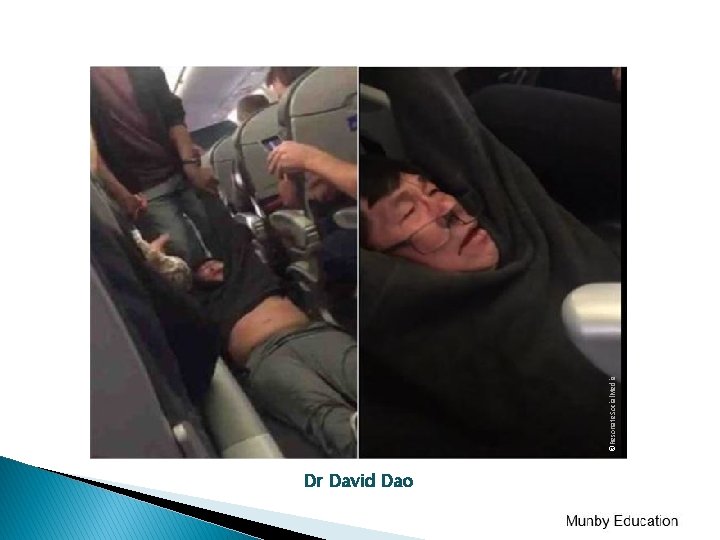
Dr David Dao ©Resonate. Social. Media
‘Fly the Friendly Skies’ United Airlines’ Slogan
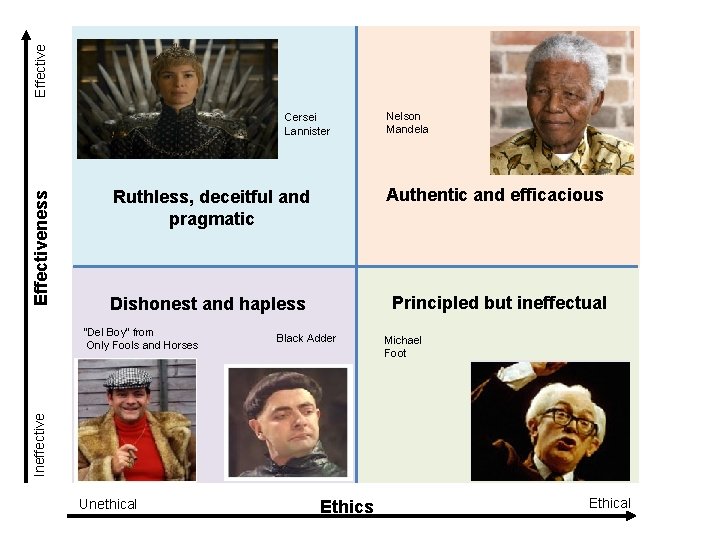
Effectiveness Cersei Lannister Nelson Mandela Ruthless, deceitful and pragmatic Authentic and efficacious Dishonest and hapless Principled but ineffectual Black Adder Michael Foot Ineffective “Del Boy” from Only Fools and Horses Unethical Ethics Ethical
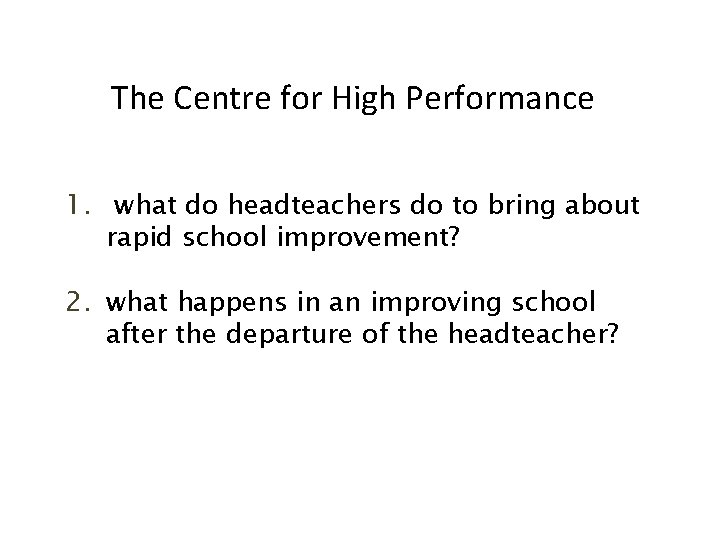
The Centre for High Performance 1. what do headteachers do to bring about rapid school improvement? 2. what happens in an improving school after the departure of the headteacher?
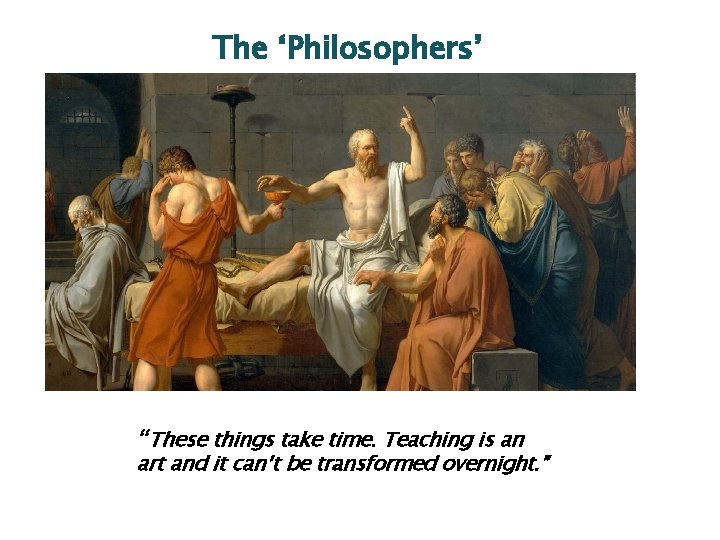
©Stock Photo #26819157 The ‘Philosophers’ “These things take time. Teaching is an art and it can’t be transformed overnight. ”
The ‘Surgeons’
© The ‘Architects’
Embedding the values into the culture of the organisation. i) The importance of modelling. Beware of the unintended consequences of our behaviours and of our systems
Embedding the values into the culture of the organisation ii). Building the values into systems and processes 360 feedback. Performance management focus. Recruitment and induction.
Principled and Invitational Leadership 2. Creating and embedding the vision through invitational leadership
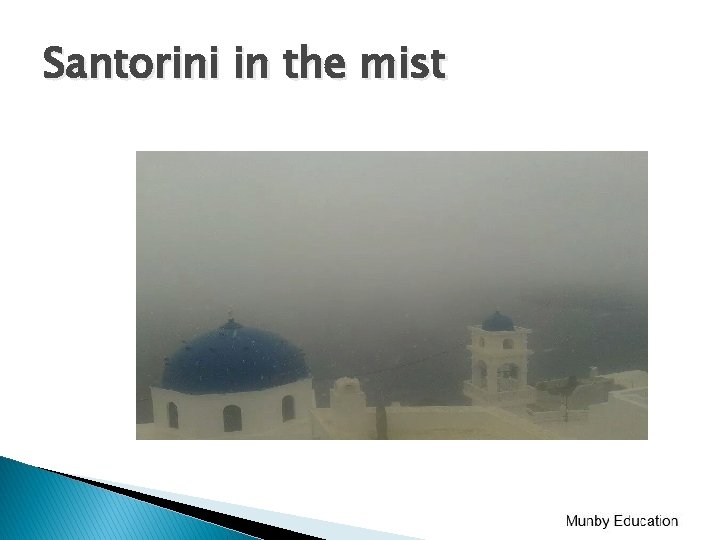
Santorini in the mist
The Seven Aspects of Change Management. 1. 2. 3. 4. 5. 6. Perceived need (or burning platform) Compelling narrative Invitation to participate and to help to shape the change (ongoing) Peer support and pressure A clear strategy which focuses on impact/outcomes Resource and capacity-building (time, professional development, mentoring) 7. Consequences if the change is ignored.
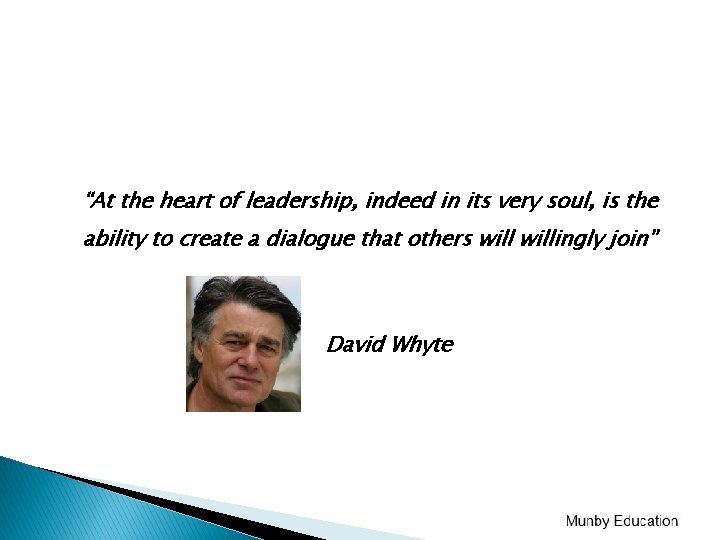
“At the heart of leadership, indeed in its very soul, is the ability to create a dialogue that others willingly join” David Whyte
Creating and Embedding the Vision § Shared and owned § Renewed and refreshed § Compelling.
Principled and Invitational Leadership § Who are we? § Why are we here? § What are we trying to achieve together? § Are we in or out?
Principled and Invitational Leadership 3. Proactively avoiding the power/narcissism combination and “groupthink”.
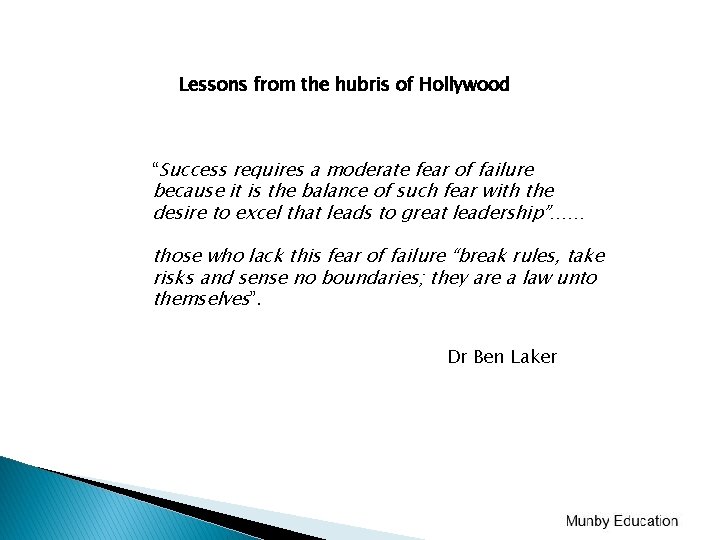
Lessons from the hubris of Hollywood “Success requires a moderate fear of failure because it is the balance of such fear with the desire to excel that leads to great leadership”…… those who lack this fear of failure “break rules, take risks and sense no boundaries; they are a law unto themselves”. Dr Ben Laker
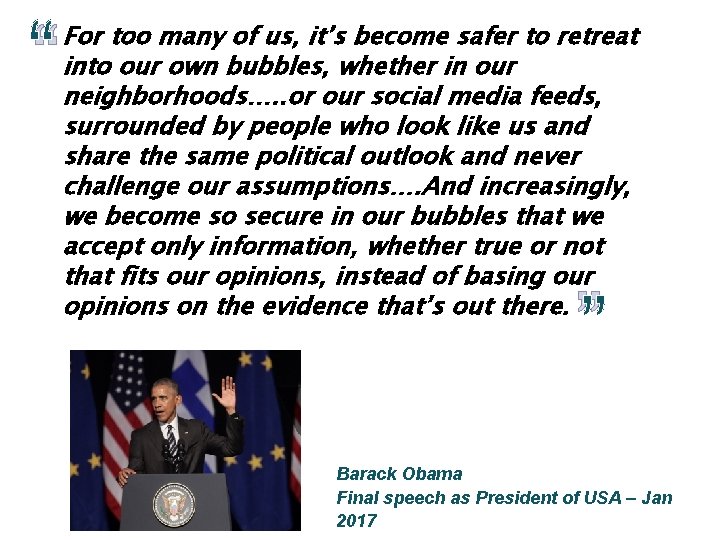
“ “ For too many of us, it’s become safer to retreat into our own bubbles, whether in our neighborhoods…. . or our social media feeds, surrounded by people who look like us and share the same political outlook and never challenge our assumptions…. And increasingly, we become so secure in our bubbles that we accept only information, whether true or not that fits our opinions, instead of basing our opinions on the evidence that’s out there. Barack Obama Final speech as President of USA – Jan 2017
“ If you want to walk fast, walk alone. If you want to walk far, walk together” African proverb
Principled and Invitational Leadership 4 Collaboration in a highly accountable and competitive environment
There is something wrong with the big picture Across the world there are often struggles and tensions between governments and schools “Many of us have worked for years in systems which are caught in a struggle between …country level policy on the one hand the action or inaction of individual schools on the other. Policy pushes in one direction, the profession pulls in another. The result is a type of friction which produces heat but not light: plenty of activity but not enough systematic change or improvement in outcomes”. Munby and Fullan 2016
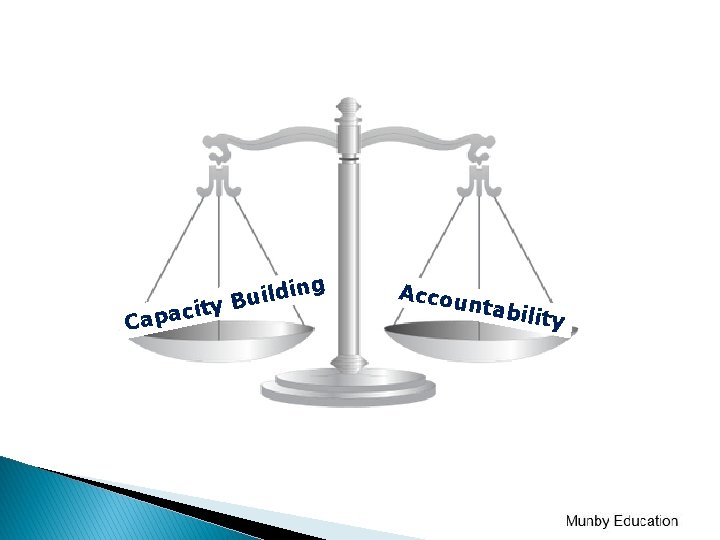
ing d l i u y. B t i c a Cap Accou ntabi lity
Too often the end result of high stakes external accountability is: “exhausted, discouraged teachers and leaders, stretched on the rack of contract accountability but not given the capacity – the time, resources or support – to make any of this really work. Policymakers are left scratching their heads, wondering why change is so resistant to their will” Steve Munby and Michael Fullan, “Inside Out and Downside Up” 2016.
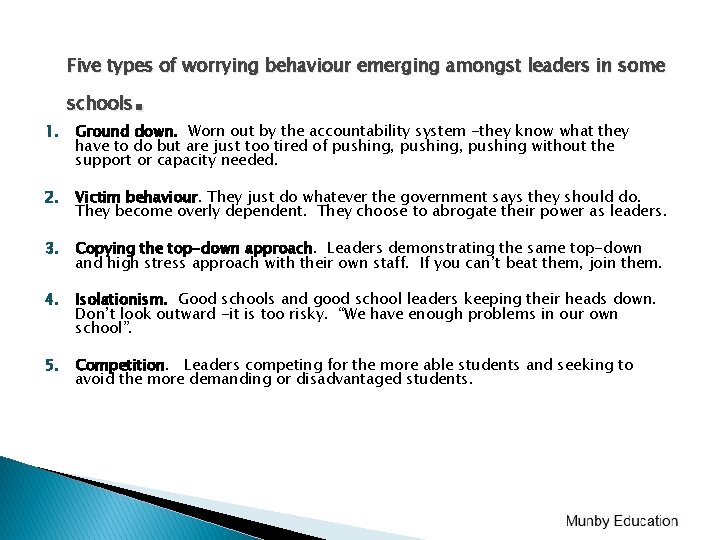
Five types of worrying behaviour emerging amongst leaders in some . schools 1. Ground down. Worn out by the accountability system -they know what they have to do but are just too tired of pushing, pushing without the support or capacity needed. 2. Victim behaviour. They just do whatever the government says they should do. They become overly dependent. They choose to abrogate their power as leaders. 3. Copying the top-down approach. Leaders demonstrating the same top-down and high stress approach with their own staff. If you can’t beat them, join them. 4. Isolationism. Good schools and good school leaders keeping their heads down. Don’t look outward -it is too risky. “We have enough problems in our own school”. 5. Competition. Leaders competing for the more able students and seeking to avoid the more demanding or disadvantaged students.
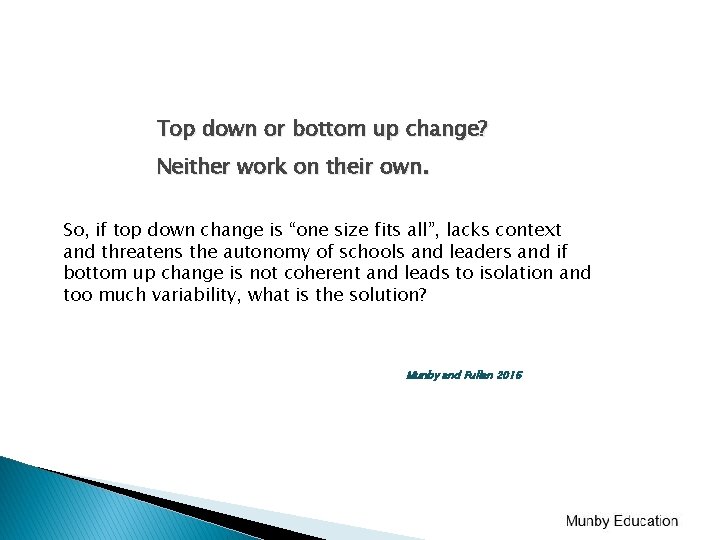
Top down or bottom up change? Neither work on their own. So, if top down change is “one size fits all”, lacks context and threatens the autonomy of schools and leaders and if bottom up change is not coherent and leads to isolation and too much variability, what is the solution? Munby and Fullan 2016
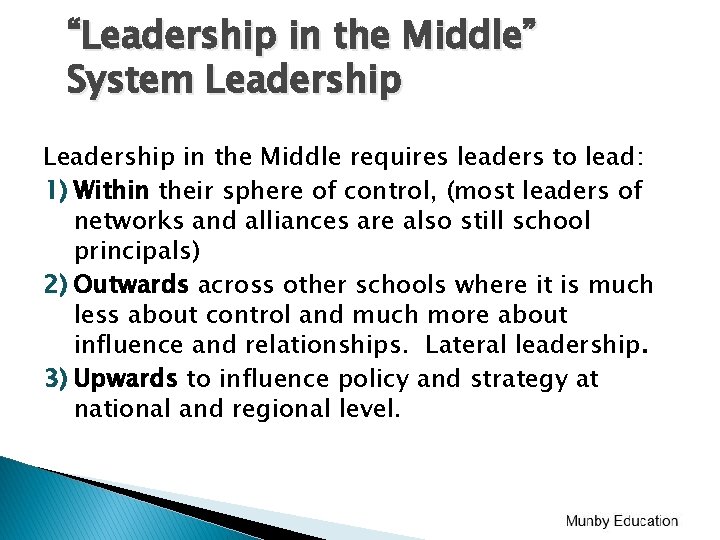
“Leadership in the Middle” System Leadership in the Middle requires leaders to lead: 1) Within their sphere of control, (most leaders of networks and alliances are also still school principals) 2) Outwards across other schools where it is much less about control and much more about influence and relationships. Lateral leadership. 3) Upwards to influence policy and strategy at national and regional level.
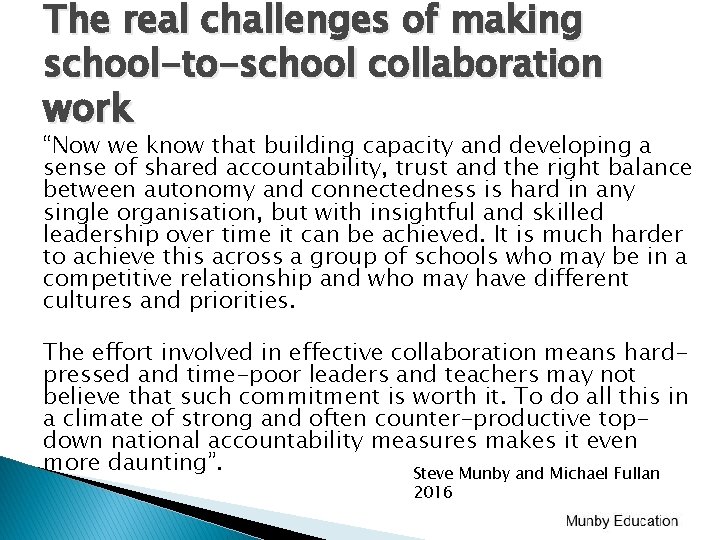
The real challenges of making school-to-school collaboration work “Now we know that building capacity and developing a sense of shared accountability, trust and the right balance between autonomy and connectedness is hard in any single organisation, but with insightful and skilled leadership over time it can be achieved. It is much harder to achieve this across a group of schools who may be in a competitive relationship and who may have different cultures and priorities. The effort involved in effective collaboration means hardpressed and time-poor leaders and teachers may not believe that such commitment is worth it. To do all this in a climate of strong and often counter-productive topdown national accountability measures makes it even more daunting”. Steve Munby and Michael Fullan 2016
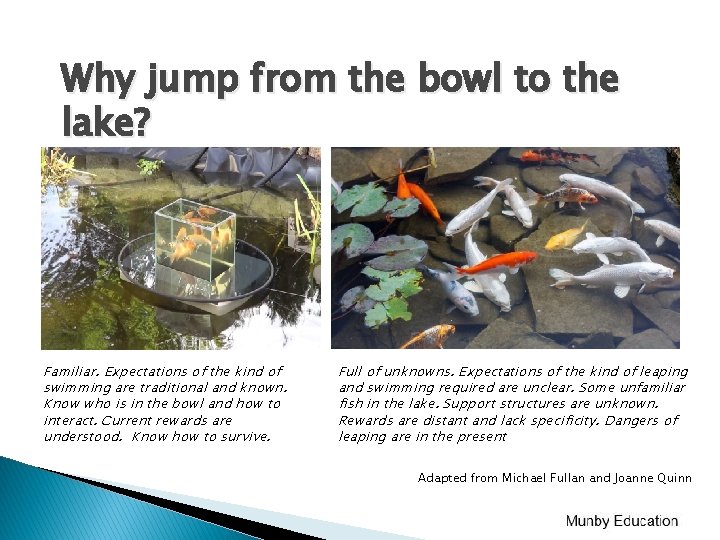
Why jump from the bowl to the lake? Familiar. Expectations of the kind of swimming are traditional and known. Know who is in the bowl and how to interact. Current rewards are understood. Know how to survive. Full of unknowns. Expectations of the kind of leaping and swimming required are unclear. Some unfamiliar fish in the lake. Support structures are unknown. Rewards are distant and lack specificity. Dangers of leaping are in the present Adapted from Michael Fullan and Joanne Quinn
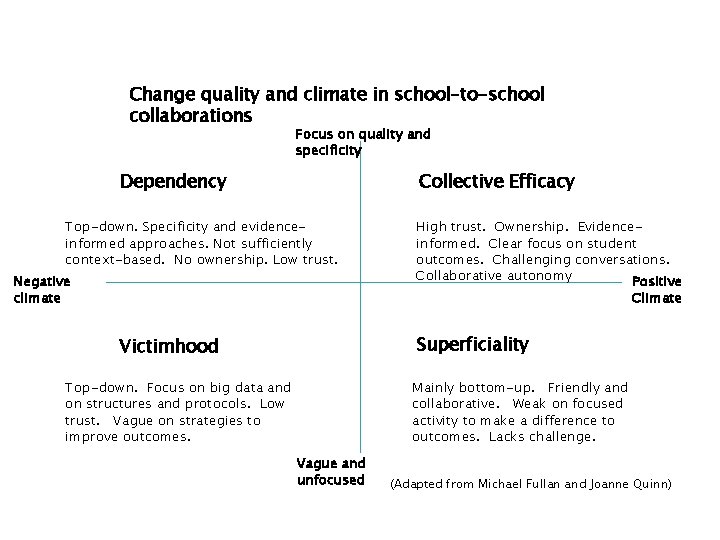
Change quality and climate in school–to-school collaborations Focus on quality and specificity Dependency Collective Efficacy Top-down. Specificity and evidenceinformed approaches. Not sufficiently context-based. No ownership. Low trust. Negative climate High trust. Ownership. Evidenceinformed. Clear focus on student outcomes. Challenging conversations. Collaborative autonomy Positive Climate Superficiality Victimhood Top-down. Focus on big data and on structures and protocols. Low trust. Vague on strategies to improve outcomes. Mainly bottom-up. Friendly and collaborative. Weak on focused activity to make a difference to outcomes. Lacks challenge. Vague and unfocused (Adapted from Michael Fullan and Joanne Quinn)
Leaders “make the weather” in their own context “The idea is. . to change the game from compliance to purposeful focus. It is the responsibility of leaders to shape the culture and to ensure that although they take account of the external national accountability requirements, they develop an internal, collective accountability system that leads to the right outcomes? ” Steve Munby and Michael Fullan, “Inside Out and Downside Up” 2016.
Surveillance or Collective Accountability “It is neither natural nor effective to motivate humans through surveillance……The tools of a accountability are not instruments to be wielded but cultures to be built” Michael Fullan
©shuttestock
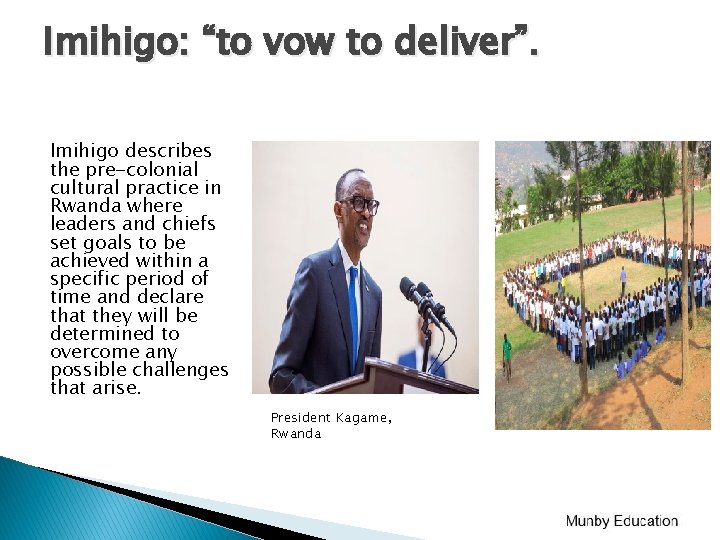
Imihigo: “to vow to deliver”. Imihigo describes the pre-colonial cultural practice in Rwanda where leaders and chiefs set goals to be achieved within a specific period of time and declare that they will be determined to overcome any possible challenges that arise. President Kagame, Rwanda
Values, Vision and Behaviours in Leadership 5. Exercise your ethical muscle and lead with moral purpose, passion and optimism
Ethical dilemmas at a time of high accountability, teacher shortage and austerity § § § § Exclusions Managed moves Recruitment Pupil premium money Pay Support for other schools Narrowing of the curriculum Behaviour that is not in tune with the culture and values
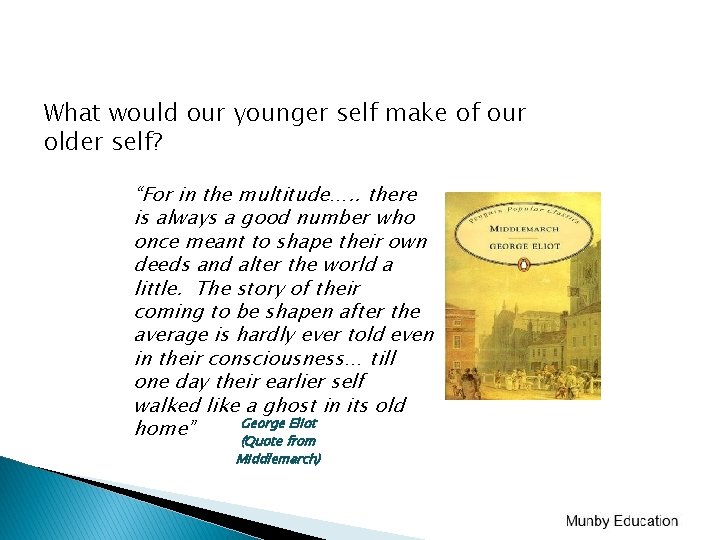
What would our younger self make of our older self? “For in the multitude…. . there is always a good number who once meant to shape their own deeds and alter the world a little. The story of their coming to be shapen after the average is hardly ever told even in their consciousness… till one day their earlier self walked like a ghost in its old George Eliot home” (Quote from Middlemarch)
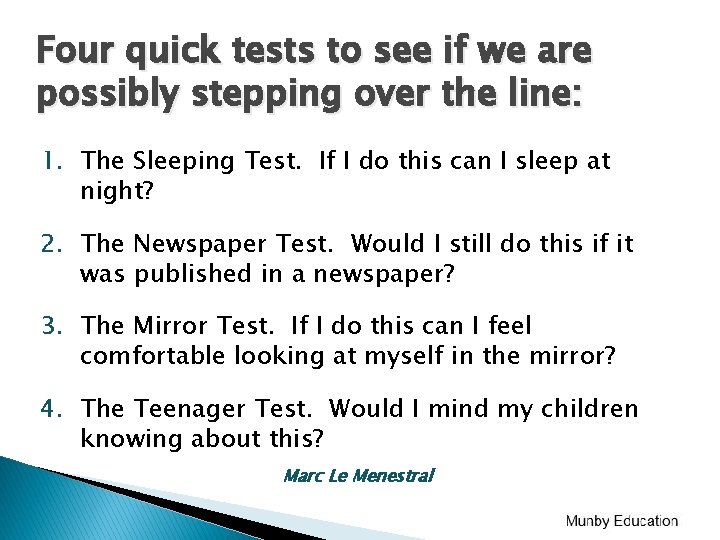
Four quick tests to see if we are possibly stepping over the line: 1. The Sleeping Test. If I do this can I sleep at night? 2. The Newspaper Test. Would I still do this if it was published in a newspaper? 3. The Mirror Test. If I do this can I feel comfortable looking at myself in the mirror? 4. The Teenager Test. Would I mind my children knowing about this? Marc Le Menestral
5 Questions 1. What happens in your school and in your leadership to re-enforce the values? What might be changed to make this even more integral to the life of your school? 2. How clear is your vision for your school? Does it need refreshing? How compelling is it? How much is the vision shared? Is there more that you can do about being an invitational leader? 3. What actions might you take to avoid “groupthink” and to invite challenge – internally from colleagues, from your governing body and from external colleagues? 4. How effective is your school to school collaboration and how well is it focused on collective outcomes? 5. Are there values and behaviour issues that you have been ignoring and need to be addressed - in yourself or in others?
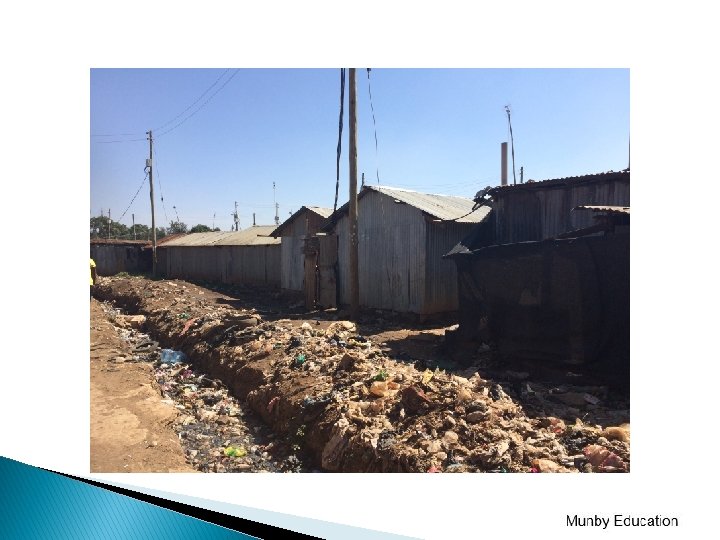
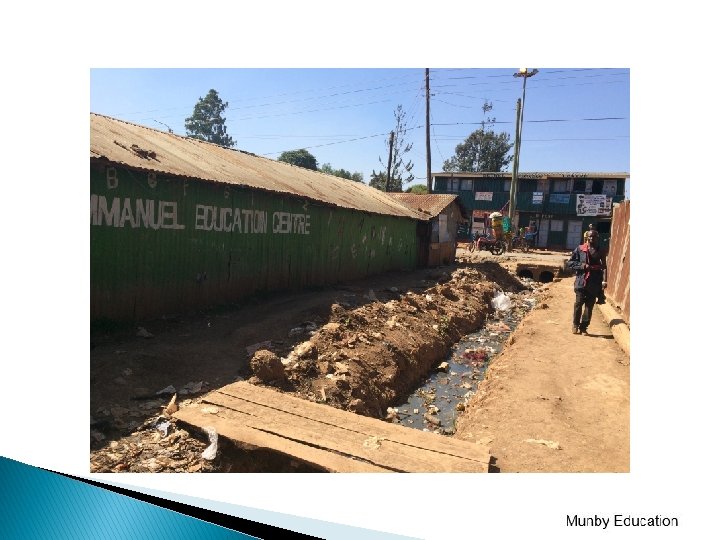
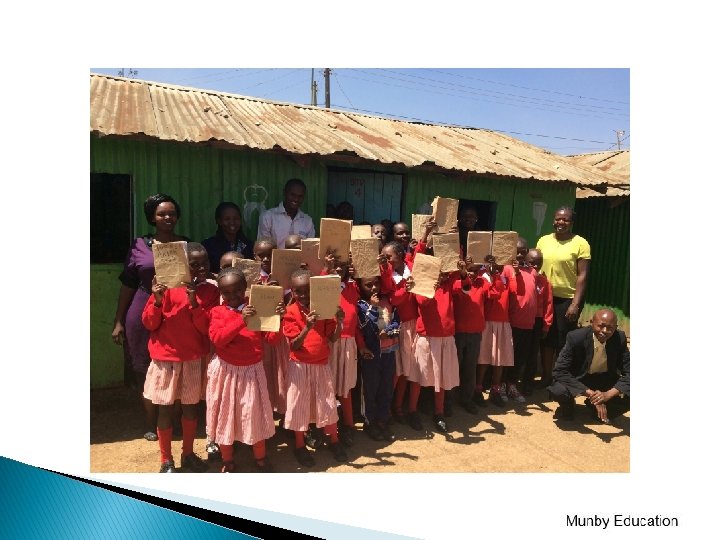
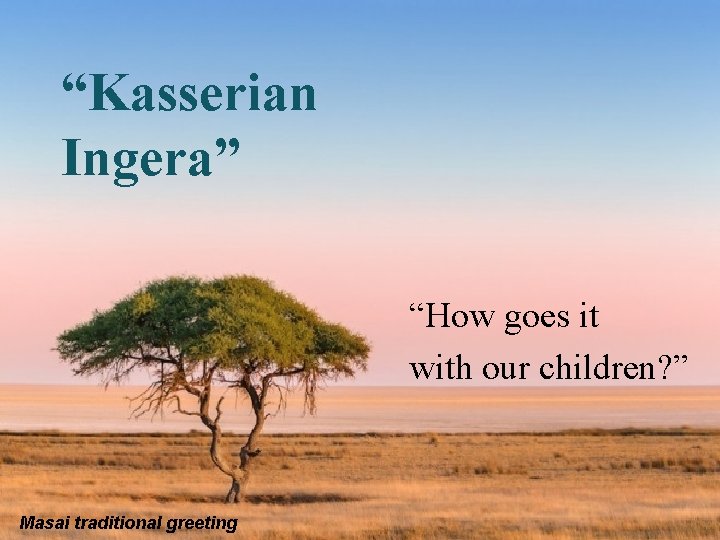
“Kasserian Ingera” “How goes it with our children? ” Masai traditional greeting
Email: steve@munbyeducation. co. uk Twitter: @steve_munby