
Priming Implicit Memory and the Brain A Neuroimaging
Priming, Implicit Memory, and the Brain: A Neuroimaging Perspective Daniel L. Schacter Harvard University
Acknowledgements Memory Lab, Harvard Psychology Donna Addis Elissa Aminoff Elizabeth Chua Rachel Garoff-Eaton Angela Gutchess Dale Stevens Gagan Wig Alana Wong Athinoula A. Martinos Center for Biomedical Imaging Supported by NIMH and NIA

MYSTERY

APRICOT
CUPCAKE
ASSASSIN
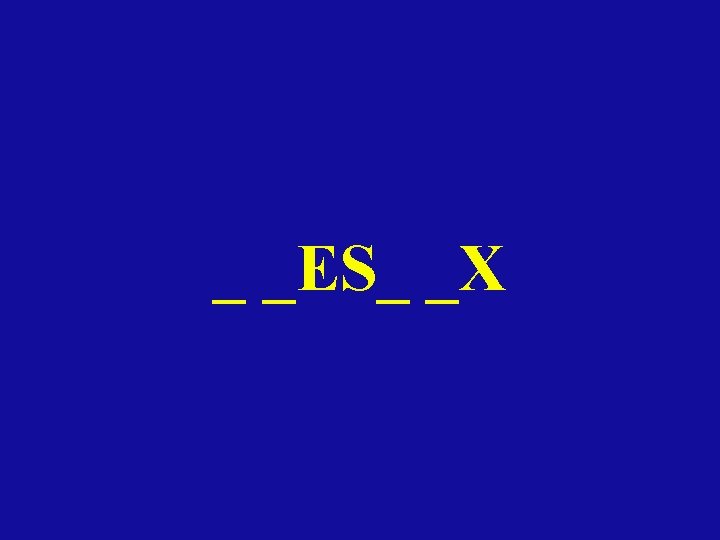
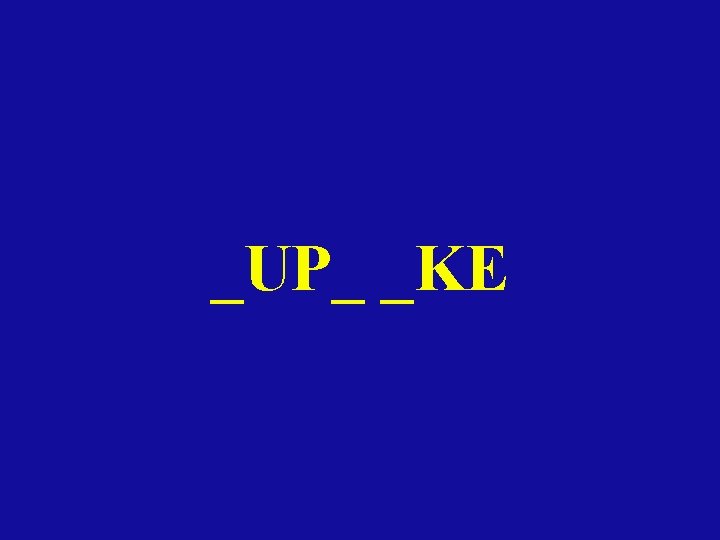
_UP_ _KE
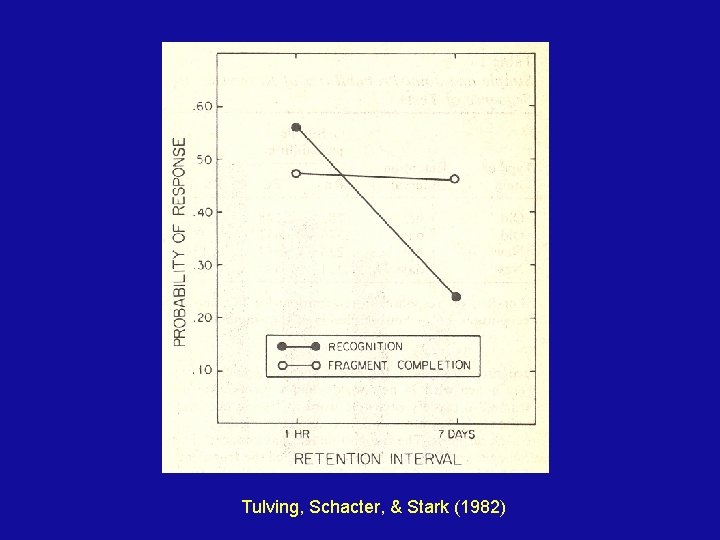
Tulving, Schacter, & Stark (1982)
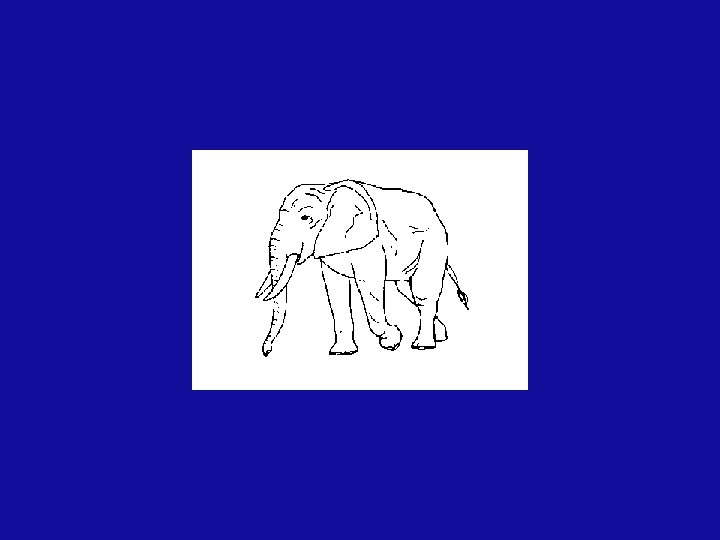

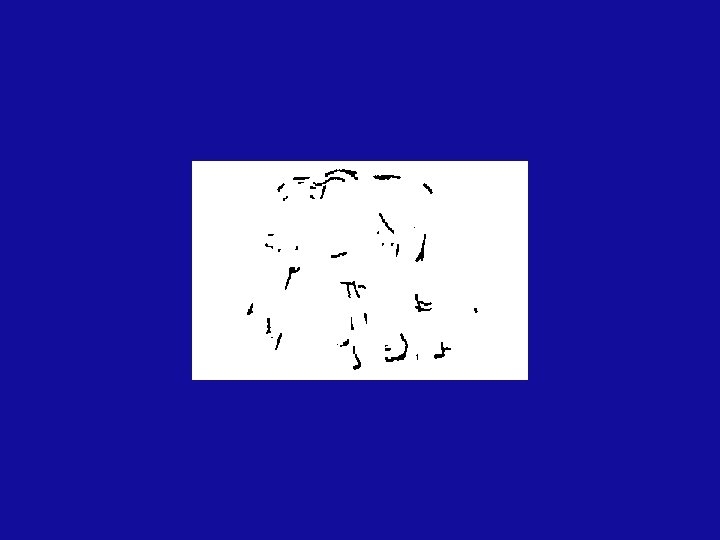
Picture Fragment ID after 17 Years (M Age = 39. 2; Mitchell, 2006)
Some Properties of Priming on Stem Completion, Fragment Completion and Identification Tests *Unaffected or even reduced by semantic or elaborative encoding manipulations that enhance recall and recognition. *Sensitive to changes between study and test in the physica features of target items: sensory modality, word font, case. Such changes typically have smaller effects on recall and recognition. *Typically preserved in amnesic patients with impairments on recall and reocgnition tests.
Characterizing Dissociations: Memory Systems Priming on tests such as completion and identification is little affected by semantic processing and highly dependent on physical features of stimuli. Led to postulation of perceptual representation system (‘PRS’): involves storage/retrieval of modalityspecific information that supports identification of words/objects (Schacter, 1990; Tulving & Schacter, 1990). “Pre-semantic” collection of susbsystems (visual word form, auditory word form, structural description) that depend on posterior cortical brain regions, not hippocampus/MTL; should be preserved in amnesia.
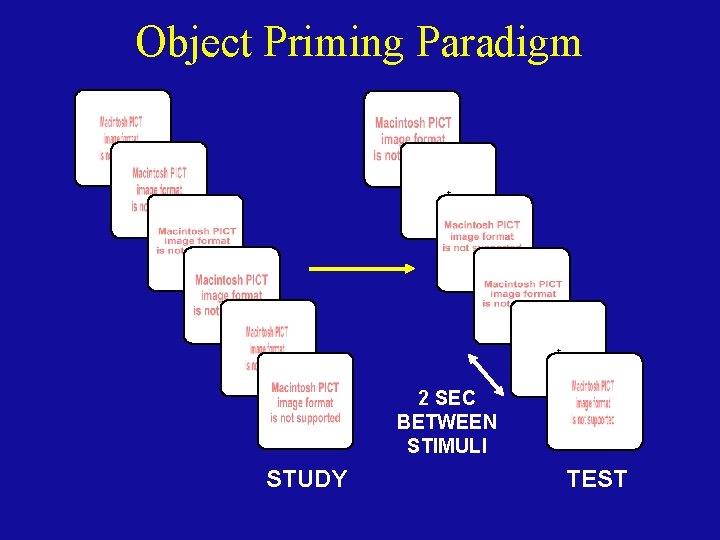
Object Priming Paradigm + + + STUDY 2 SEC BETWEEN STIMULI + TEST
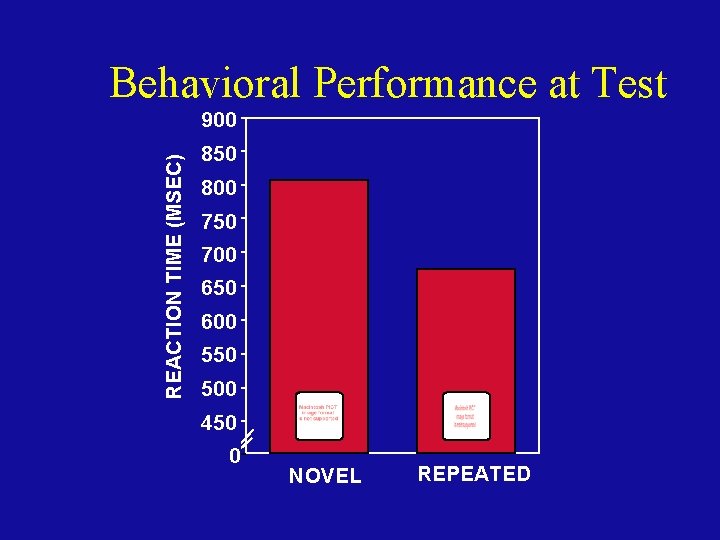
Behavioral Performance at Test REACTION TIME (MSEC) 900 850 800 750 700 650 600 550 500 450 0 + NOVEL + REPEATED
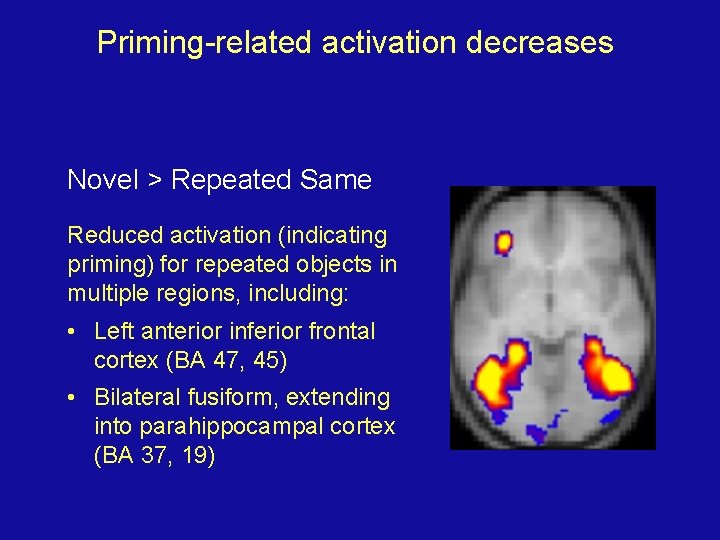
Priming-related activation decreases Novel > Repeated Same Reduced activation (indicating priming) for repeated objects in multiple regions, including: • Left anterior inferior frontal cortex (BA 47, 45) • Bilateral fusiform, extending into parahippocampal cortex (BA 37, 19)
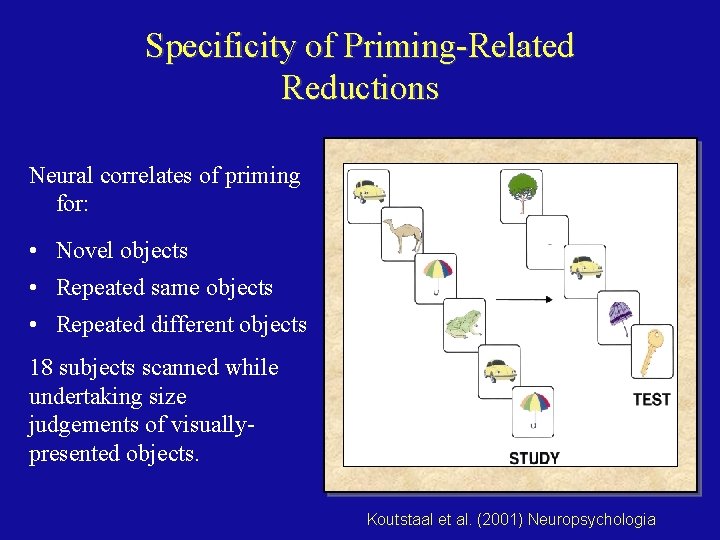
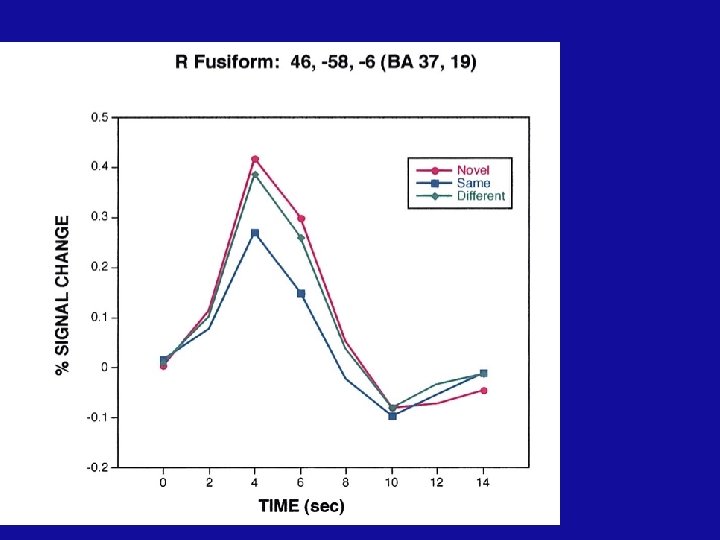
Specificity of Priming-Related Reductions Neural correlates of priming for: • Novel objects • Repeated same objects • Repeated different objects 18 subjects scanned while undertaking size judgements of visuallypresented objects. Koutstaal et al. (2001) Neuropsychologia
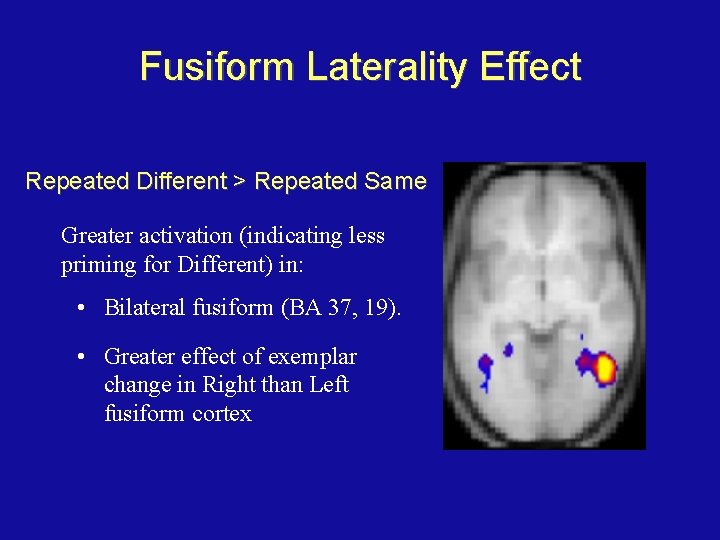
Fusiform Laterality Effect Repeated Different > Repeated Same Greater activation (indicating less priming for Different) in: • Bilateral fusiform (BA 37, 19). • Greater effect of exemplar change in Right than Left fusiform cortex
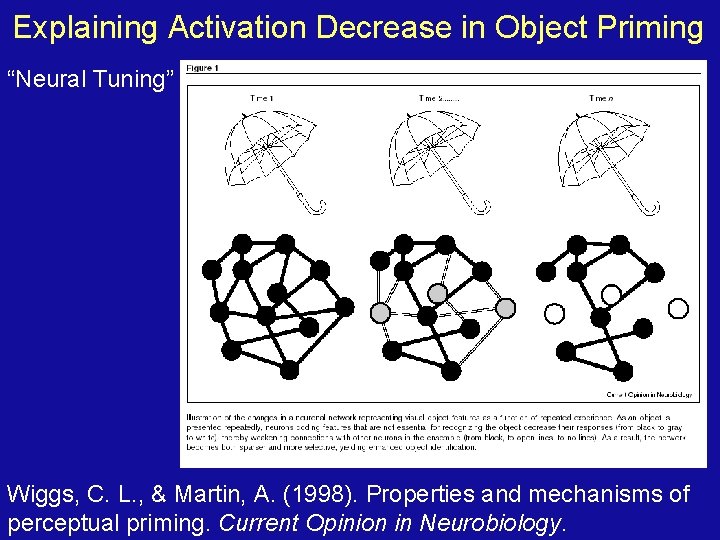
Explaining Activation Decrease in Object Priming “Neural Tuning” Wiggs, C. L. , & Martin, A. (1998). Properties and mechanisms of perceptual priming. Current Opinion in Neurobiology.
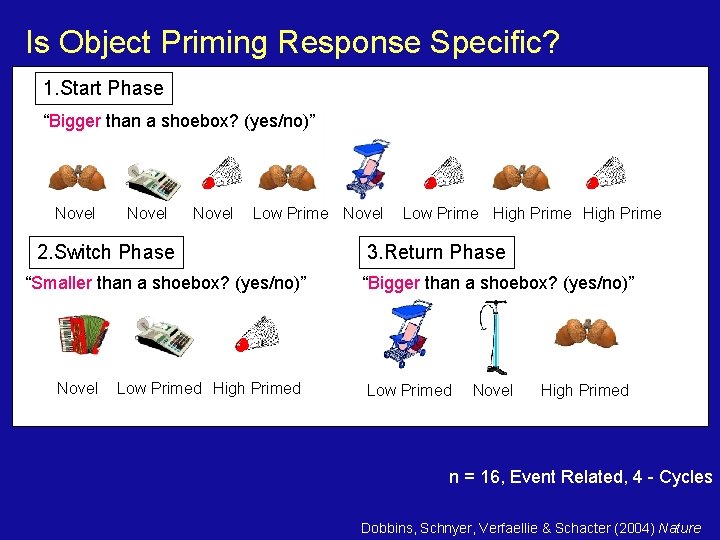
Is Object Priming Response Specific? 1. Start Phase “Bigger than a shoebox? (yes/no)” Novel Low Prime Novel 2. Switch Phase “Smaller than a shoebox? (yes/no)” Novel Low Primed High Primed Low Prime High Prime 3. Return Phase “Bigger than a shoebox? (yes/no)” Low Primed Novel High Primed n = 16, Event Related, 4 - Cycles Dobbins, Schnyer, Verfaellie & Schacter (2004) Nature
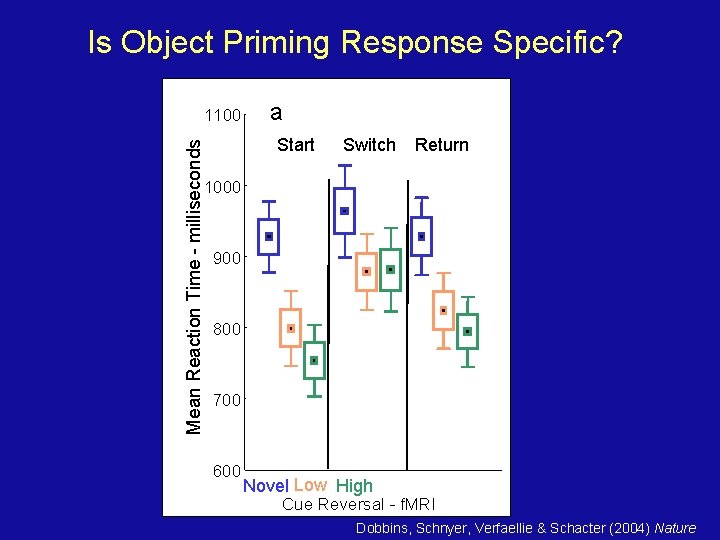
Is Object Priming Response Specific? Mean Reaction Time - milliseconds 1100 a Start Switch Return 1000 900 800 700 600 Novel Low High Cue Reversal - f. MRI Dobbins, Schnyer, Verfaellie & Schacter (2004) Nature
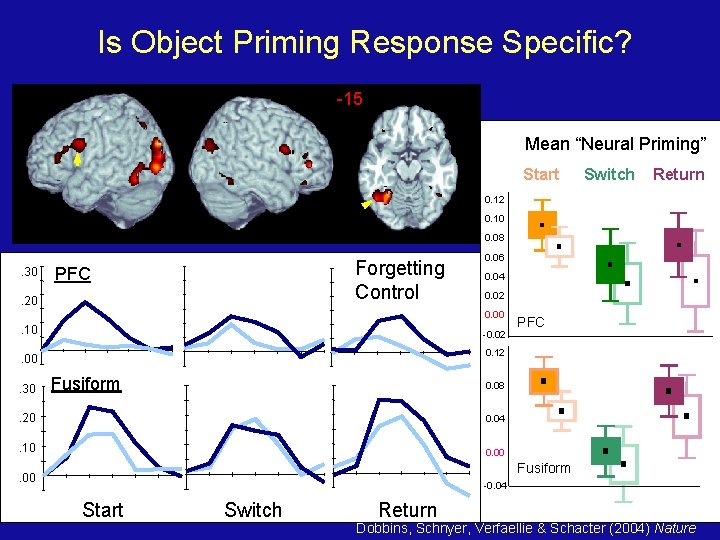
Is Object Priming Response Specific? -15 Mean “Neural Priming” Start Switch Return 0. 12 0. 10 0. 08 . 30 Forgetting Control PFC . 20 0. 06 0. 04 0. 02 0. 00 . 10 -0. 02 0. 12 . 00. 30 PFC Fusiform 0. 08 . 20 0. 04 . 10 0. 00 Fusiform . 00 -0. 04 Start Switch Return Dobbins, Schnyer, Verfaellie & Schacter (2004) Nature
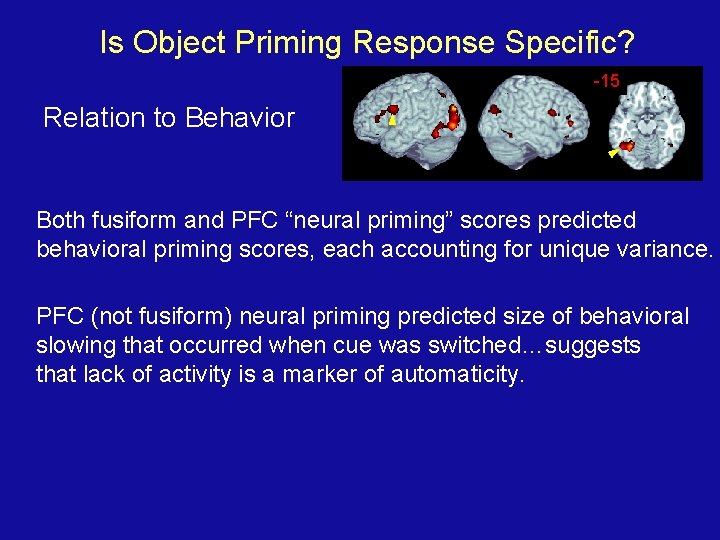
Is Object Priming Response Specific? -15 Relation to Behavior Both fusiform and PFC “neural priming” scores predicted behavioral priming scores, each accounting for unique variance. PFC (not fusiform) neural priming predicted size of behavioral slowing that occurred when cue was switched…suggests that lack of activity is a marker of automaticity.
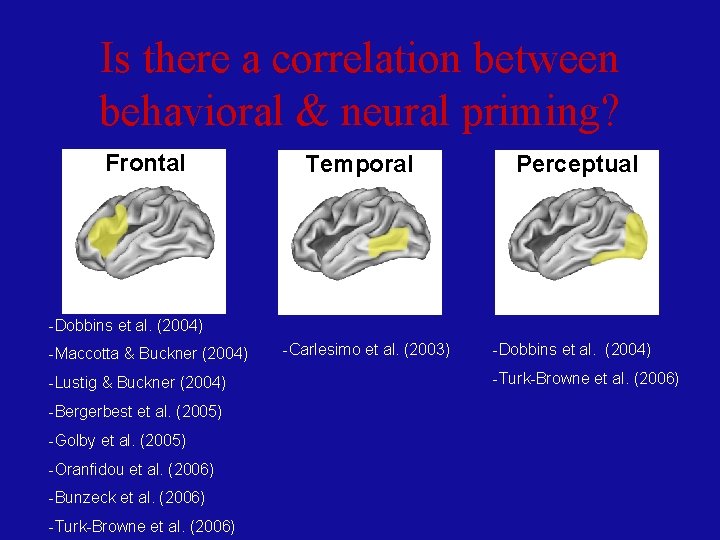
Is there a correlation between behavioral & neural priming? Frontal Temporal Perceptual -Dobbins et al. (2004) -Maccotta & Buckner (2004) -Lustig & Buckner (2004) -Bergerbest et al. (2005) -Golby et al. (2005) -Oranfidou et al. (2006) -Bunzeck et al. (2006) -Turk-Browne et al. (2006) -Carlesimo et al. (2003) -Dobbins et al. (2004) -Turk-Browne et al. (2006)
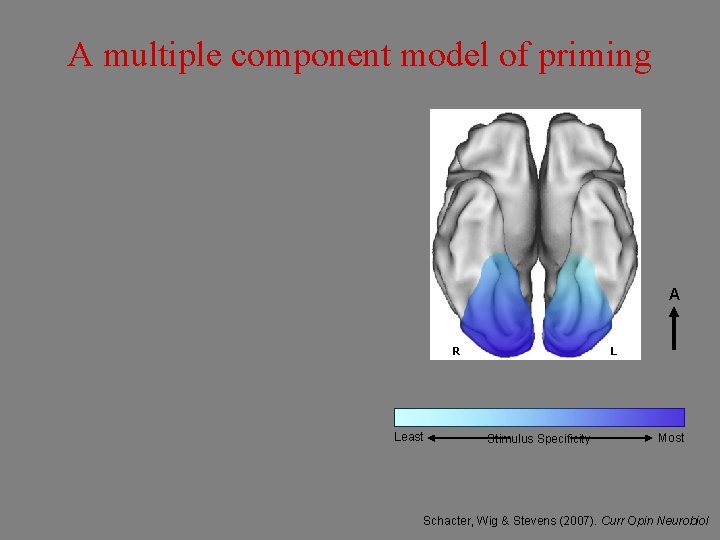
A multiple component model of priming A R Least L Stimulus Specificity Most Schacter, Wig & Stevens (2007). Curr Opin Neurobiol
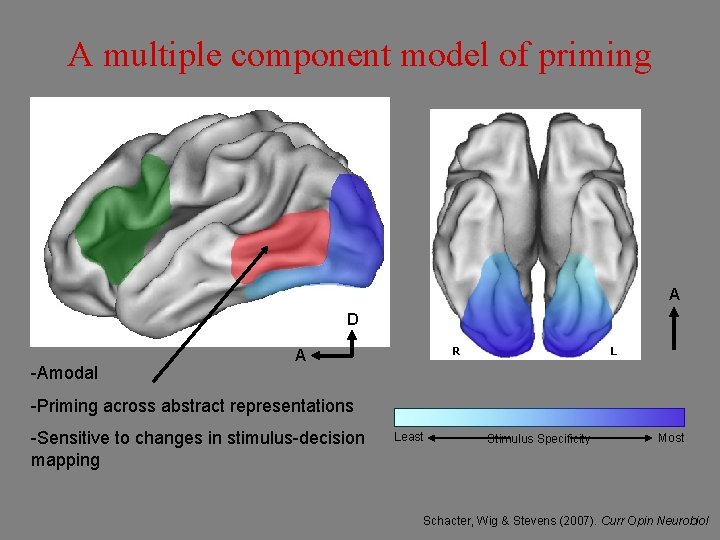
A multiple component model of priming A D -Amodal R A L -Priming across abstract representations -Sensitive to changes in stimulus-decision mapping Least Stimulus Specificity Most Schacter, Wig & Stevens (2007). Curr Opin Neurobiol
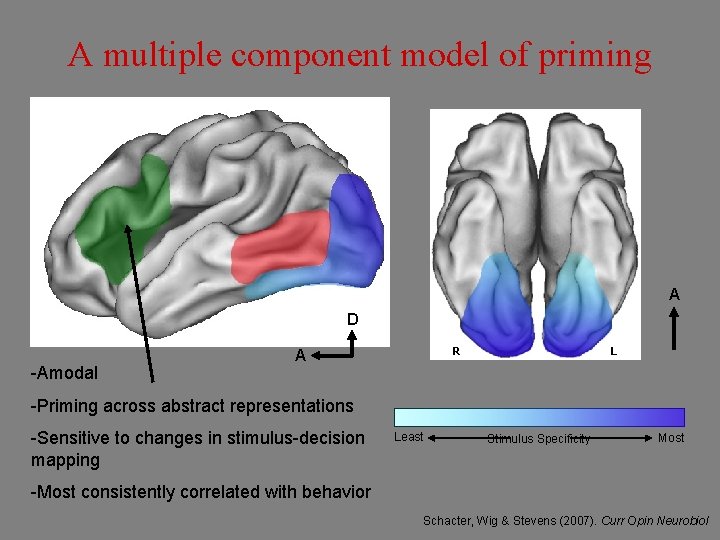
A multiple component model of priming A D -Amodal R A L -Priming across abstract representations -Sensitive to changes in stimulus-decision mapping Least Stimulus Specificity Most -Most consistently correlated with behavior Schacter, Wig & Stevens (2007). Curr Opin Neurobiol
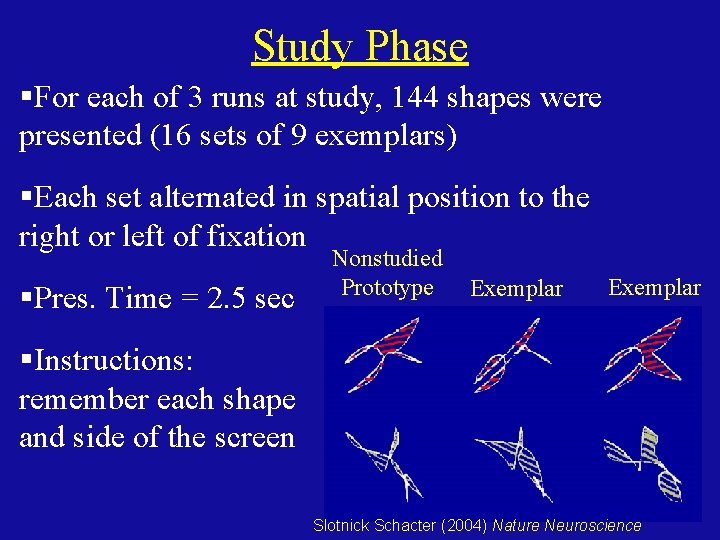
Study Phase §For each of 3 runs at study, 144 shapes were presented (16 sets of 9 exemplars) §Each set alternated in spatial position to the right or left of fixation §Pres. Time = 2. 5 sec Nonstudied Prototype Exemplar §Instructions: remember each shape and side of the screen Slotnick Schacter (2004) Nature Neuroscience
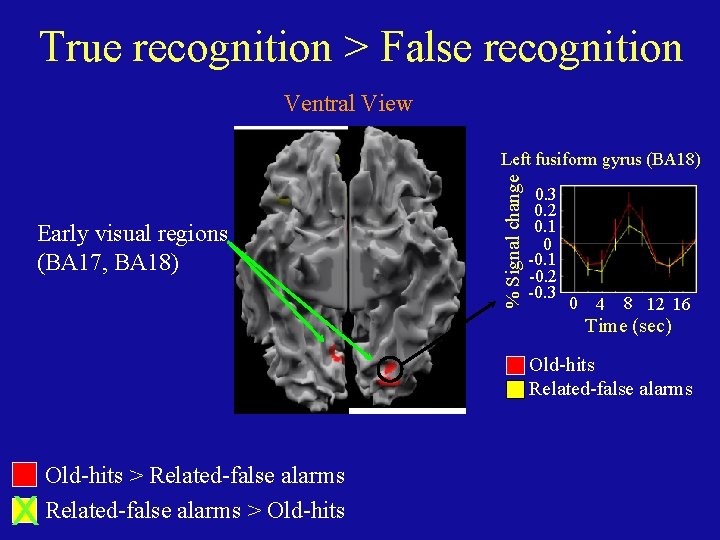
True recognition > False recognition Ventral View % Signal change Left fusiform gyrus (BA 18) Early visual regions (BA 17, BA 18) 0. 3 0. 2 0. 1 0 -0. 1 -0. 2 -0. 3 0 4 8 12 16 Time (sec) LH X Old-hits > Related-false alarms > Old-hits Related-false alarms
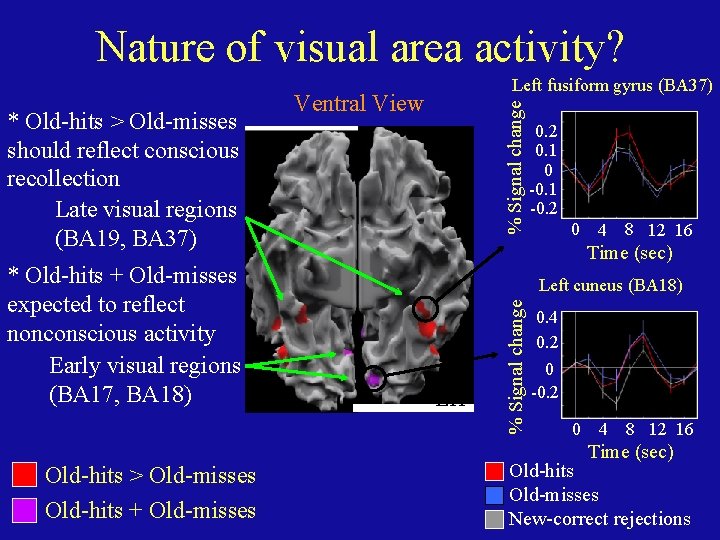
Nature of visual area activity? * Old-hits + Old-misses expected to reflect nonconscious activity Early visual regions (BA 17, BA 18) Old-hits > Old-misses Old-hits + Old-misses % Signal change Ventral View 0. 2 0. 1 0 -0. 1 -0. 2 0 4 8 12 16 Time (sec) Left cuneus (BA 18) LH % Signal change * Old-hits > Old-misses should reflect conscious recollection Late visual regions (BA 19, BA 37) Left fusiform gyrus (BA 37) 0. 4 0. 2 0 -0. 2 0 4 8 12 16 Time (sec) Old-hits Old-misses New-correct rejections
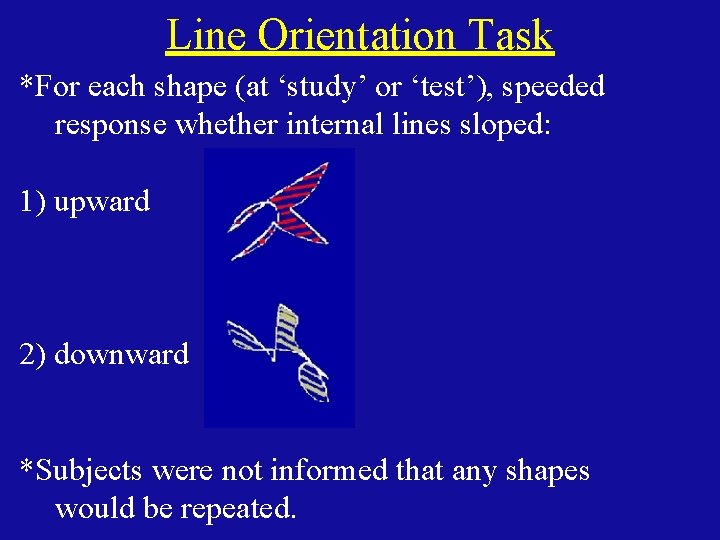
Line Orientation Task *For each shape (at ‘study’ or ‘test’), speeded response whether internal lines sloped: 1) upward 2) downward *Subjects were not informed that any shapes would be repeated.
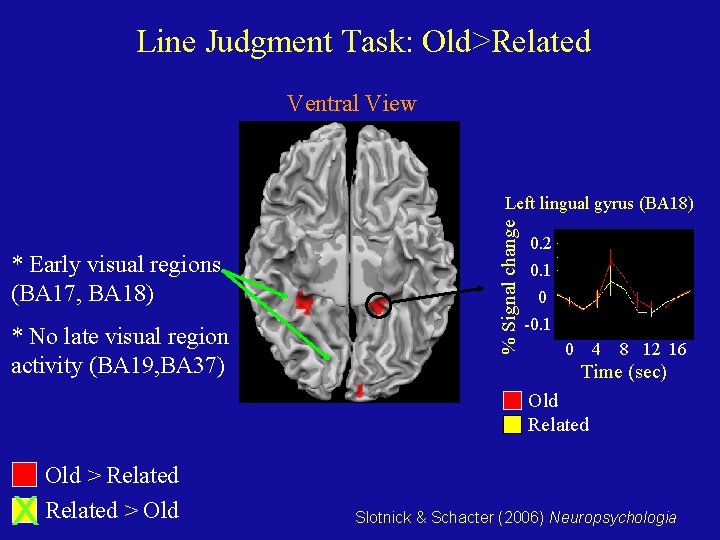
Line Judgment Task: Old>Related Ventral View % Signal change Left lingual gyrus (BA 18) * Early visual regions (BA 17, BA 18) * No late visual region activity (BA 19, BA 37) X Old > Related > Old LH 0. 2 0. 1 0 -0. 1 0 4 8 12 16 Time (sec) Old Related Slotnick & Schacter (2006) Neuropsychologia
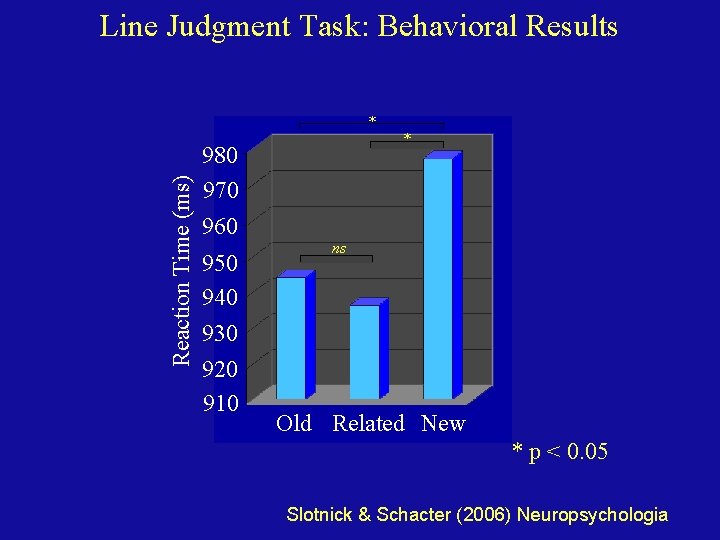
Line Judgment Task: Behavioral Results Reaction Time (ms) * 980 970 960 950 940 930 920 910 * ns Old Related New * p < 0. 05 Slotnick & Schacter (2006) Neuropsychologia
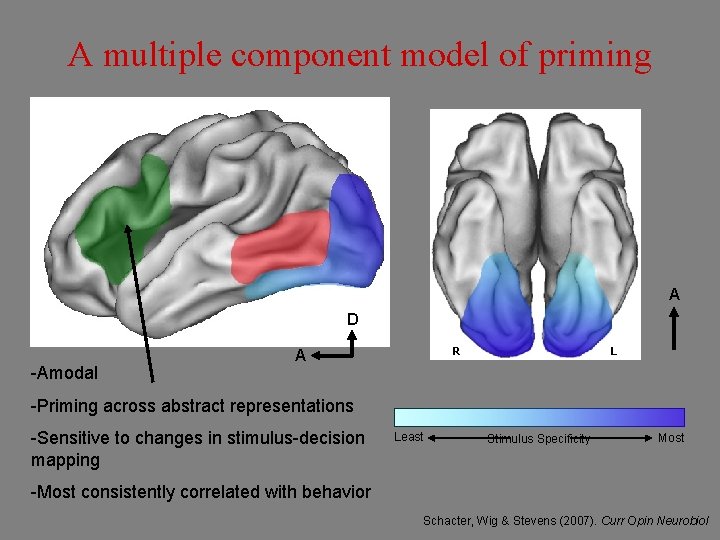
A multiple component model of priming A D -Amodal R A L -Priming across abstract representations -Sensitive to changes in stimulus-decision mapping Least Stimulus Specificity Most -Most consistently correlated with behavior Schacter, Wig & Stevens (2007). Curr Opin Neurobiol
- Slides: 37