
Primate Cities Case Study of Mexico City Positive



![Centennial Celebration “[the majority of Mexicans are] individuals of the white race, Europeans and](https://slidetodoc.com/presentation_image_h/13afb93d6b323eca0b9372af29ad808e/image-22.jpg "Centennial Celebration “[the majority of Mexicans are] individuals of the white race, Europeans and")
- Slides: 23
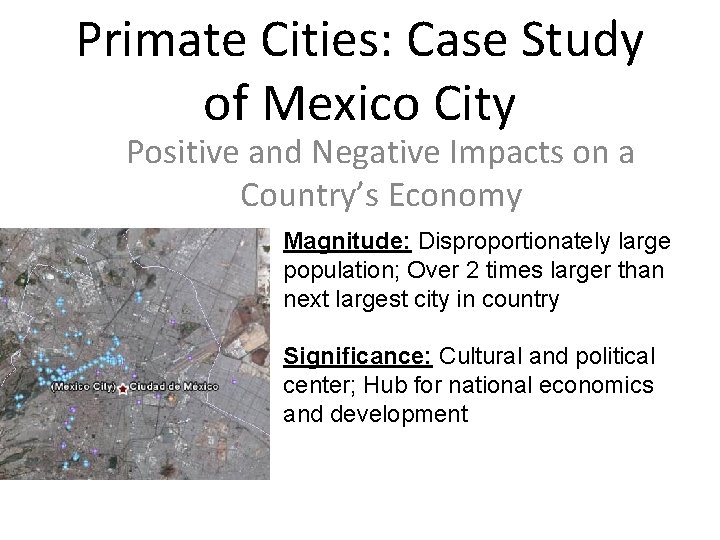
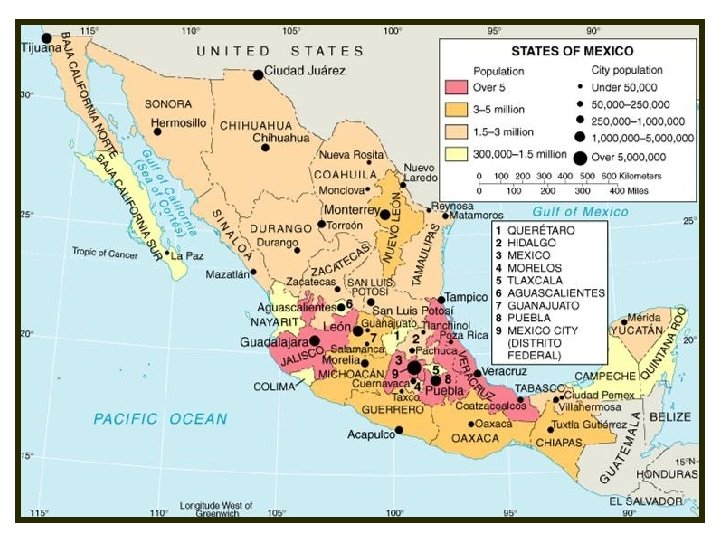
Primate Cities: Case Study of Mexico City Positive and Negative Impacts on a Country’s Economy Magnitude: Disproportionately large population; Over 2 times larger than next largest city in country Significance: Cultural and political center; Hub for national economics and development
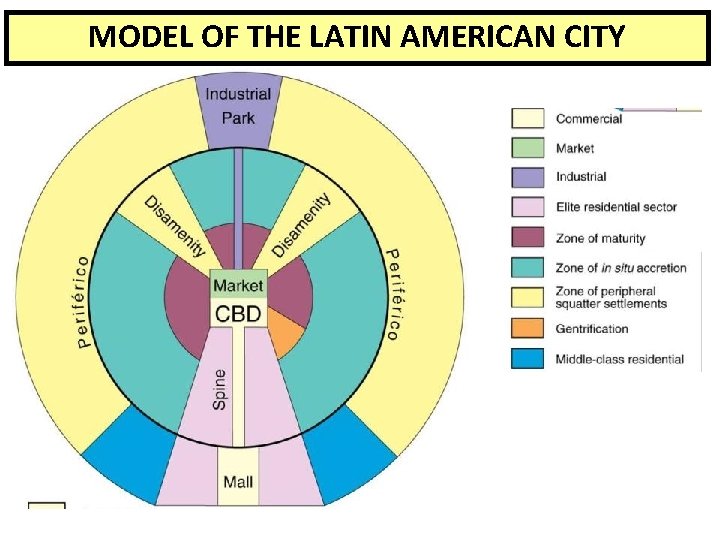
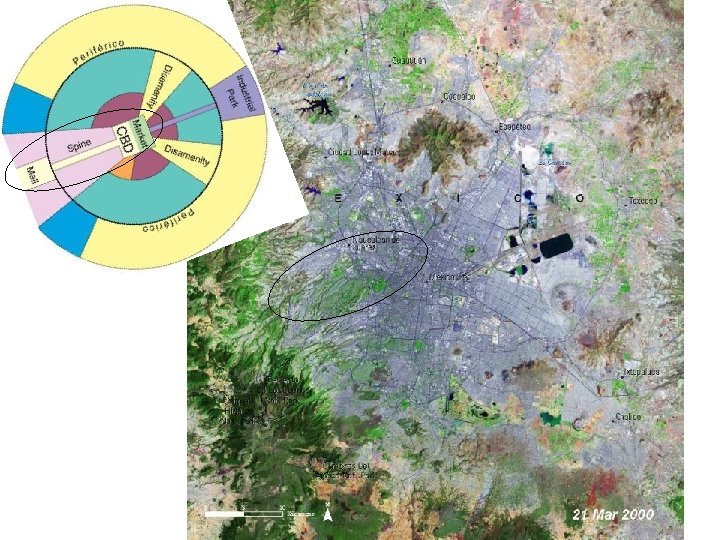
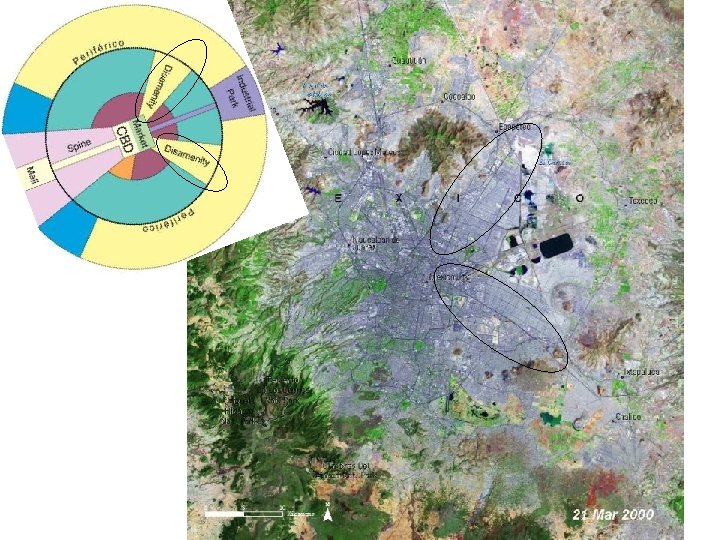
MODEL OF THE LATIN AMERICAN CITY
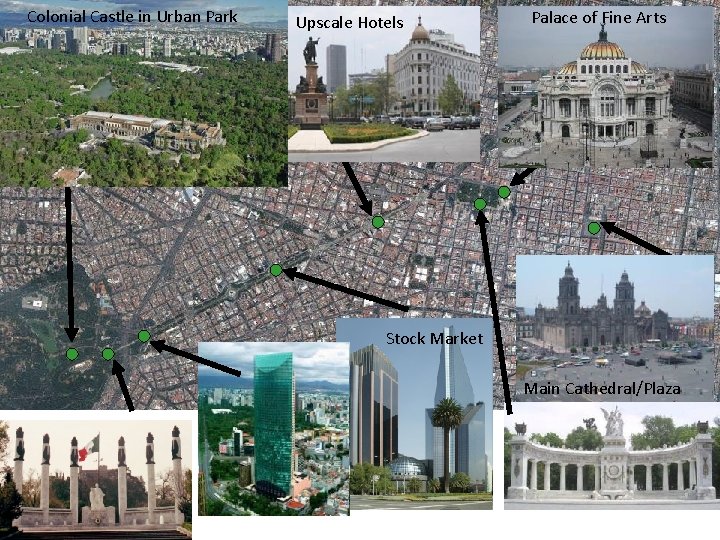
Colonial Castle in Urban Park Upscale Hotels Palace of Fine Arts Stock Market Main Cathedral/Plaza
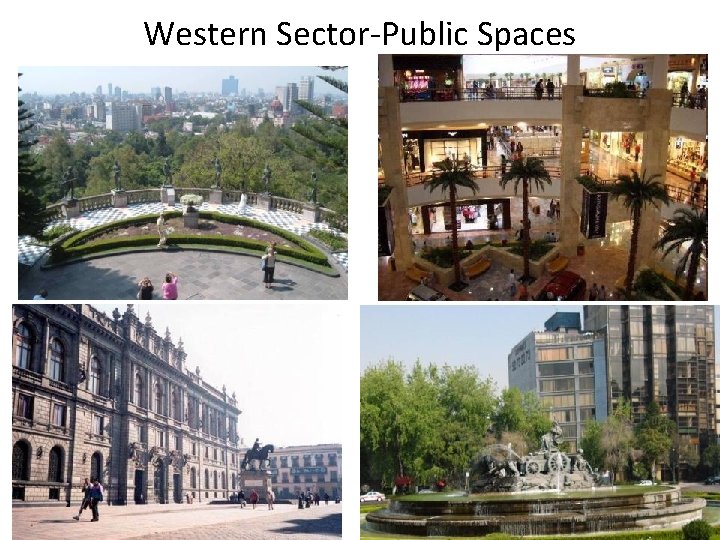
Western Sector-Public Spaces
Western Sector-Residential
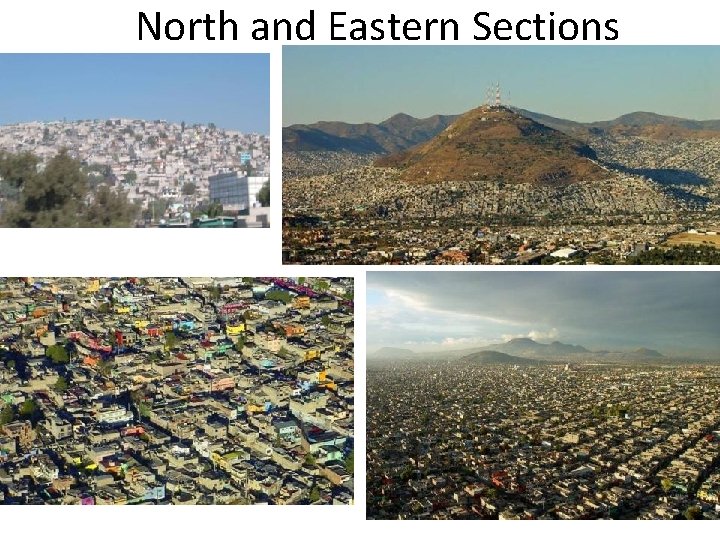
North and Eastern Sections
High Altitude Basin
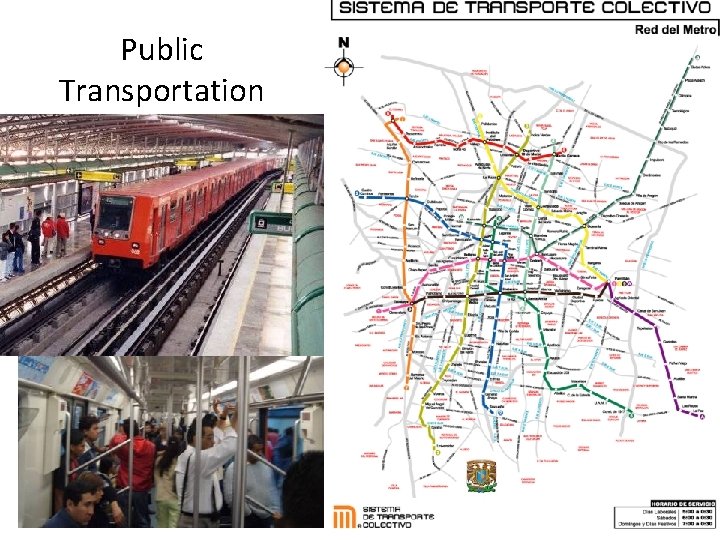
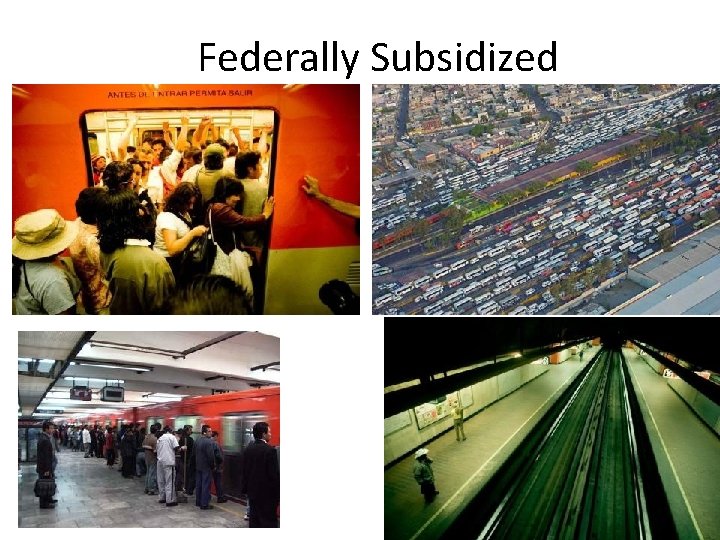
Public Transportation
Federally Subsidized
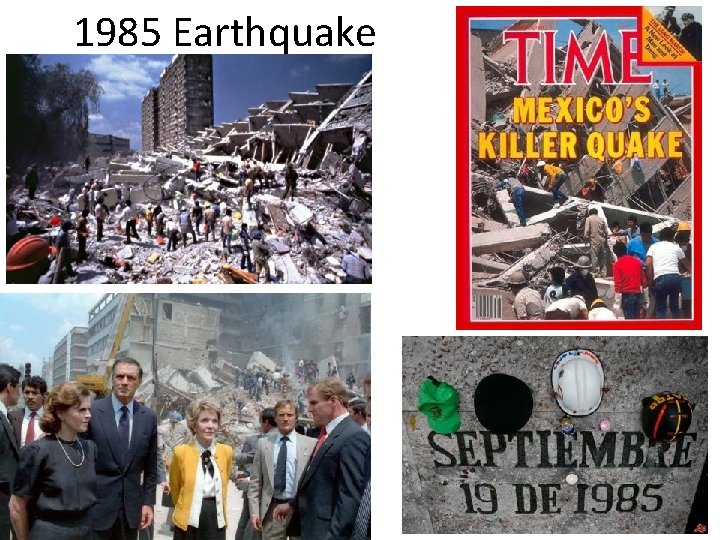
1985 Earthquake
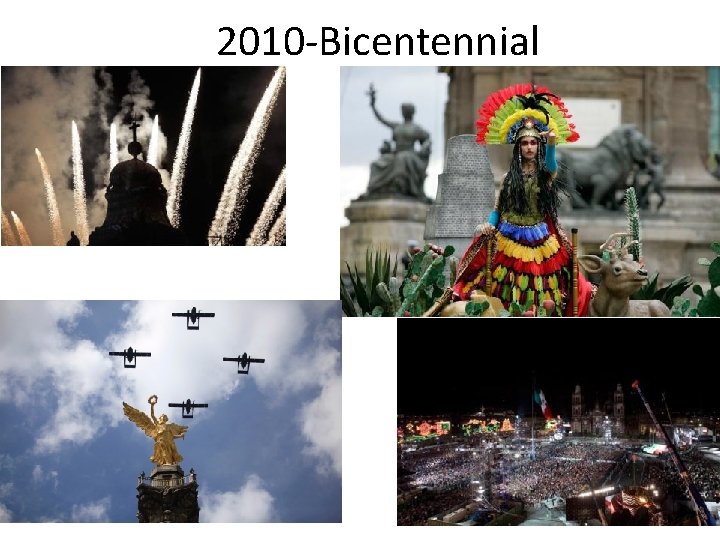
2010 -Bicentennial
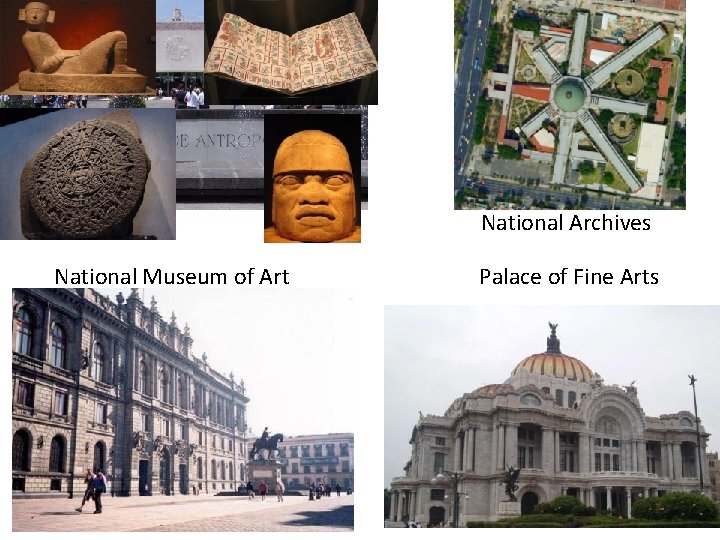
National Archives National Museum of Art Palace of Fine Arts
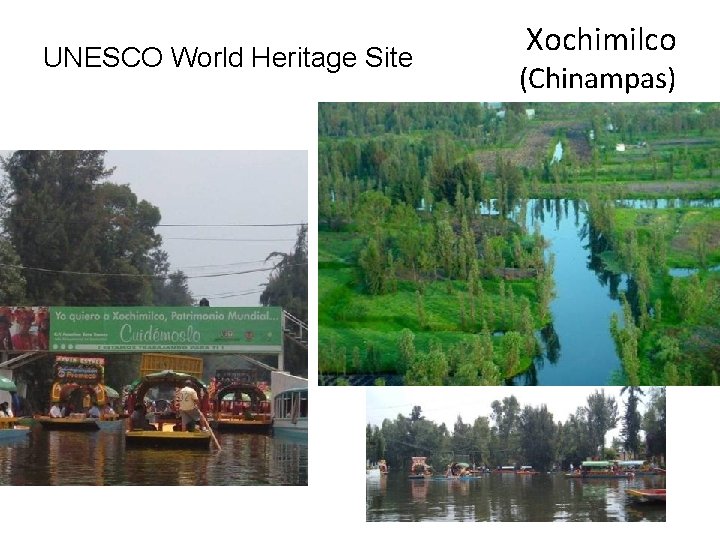
UNESCO World Heritage Site Xochimilco (Chinampas)
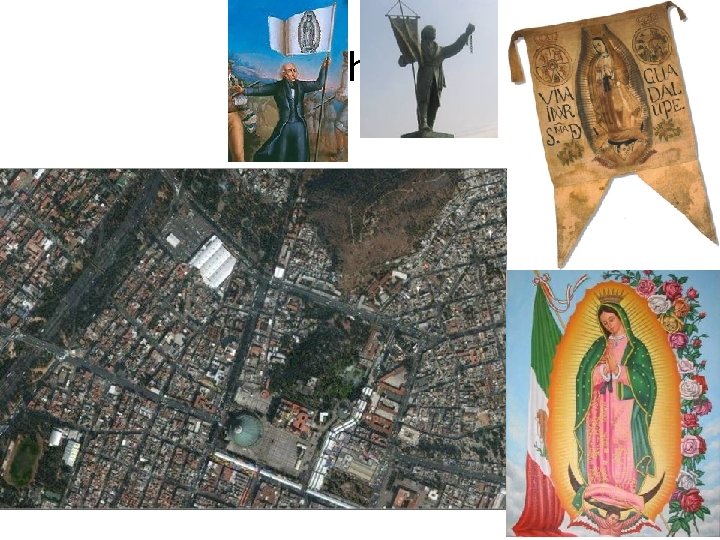
Catholic
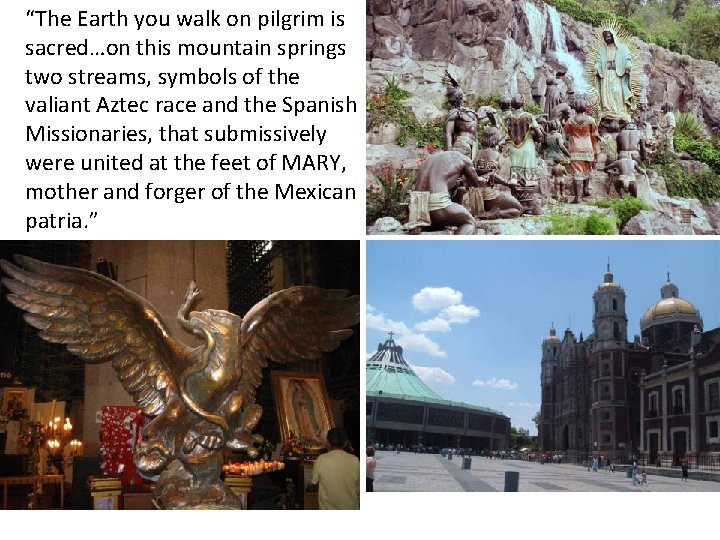
“The Earth you walk on pilgrim is sacred…on this mountain springs two streams, symbols of the valiant Aztec race and the Spanish Missionaries, that submissively were united at the feet of MARY, mother and forger of the Mexican patria. ”
Tenochtitlán-Interior Drainage 1631 -1635 Import water, export waste
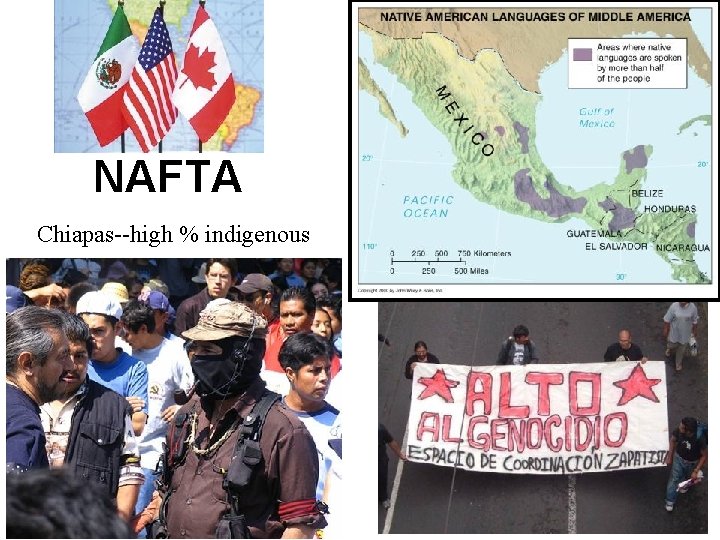
NAFTA Chiapas--high % indigenous
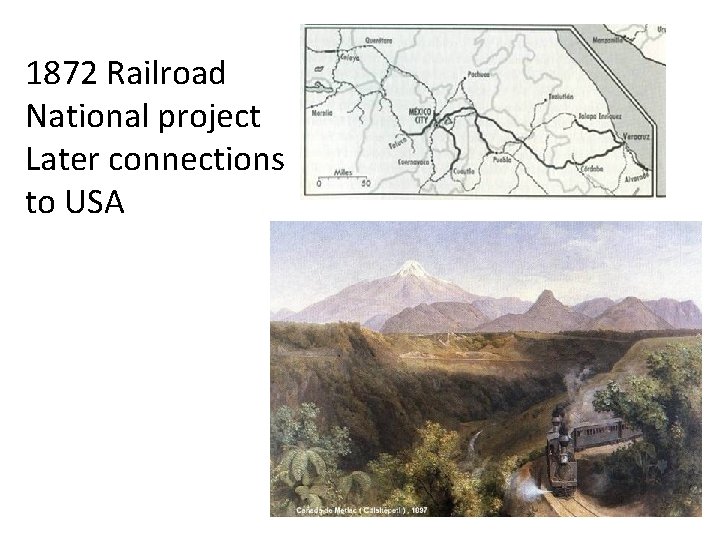
1872 Railroad National project Later connections to USA
Centennial Celebration “[the majority of Mexicans are] individuals of the white race, Europeans and some mixed with European and indigenous blood; the Indians are now very few in number…”
Conclusions • Primate cities are seen as “too big to fail” • Primate cities solve about as many problems as they create • Mixed bag as a national economic strategy Seth Dixon – College Professor