
Primary Producers Algae microscopic plankton and benthic Cyanobacteria
Primary Producers § § Algae – microscopic plankton (and benthic) Cyanobacteria or “blue green algae” Macro-algae - seaweeds and kelps Plus: § sea grasses, marsh grasses, mangroves § coral reefs (by zooxanthellae, really a symbiont)
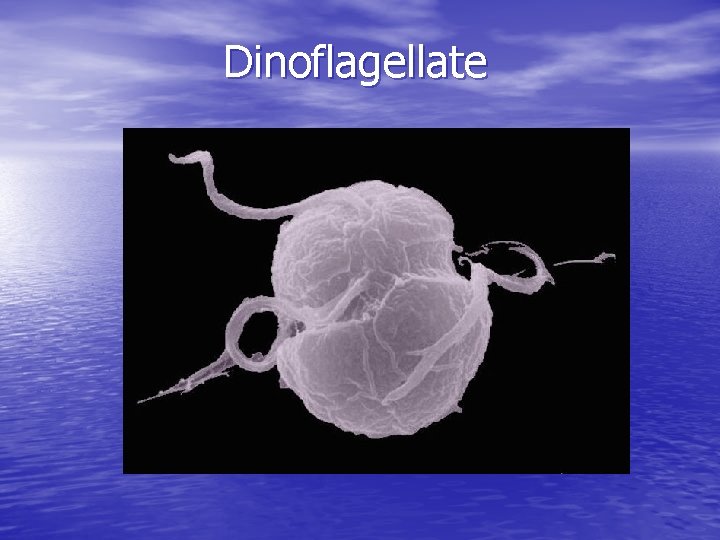
Dinoflagellate

Dinoflagellate
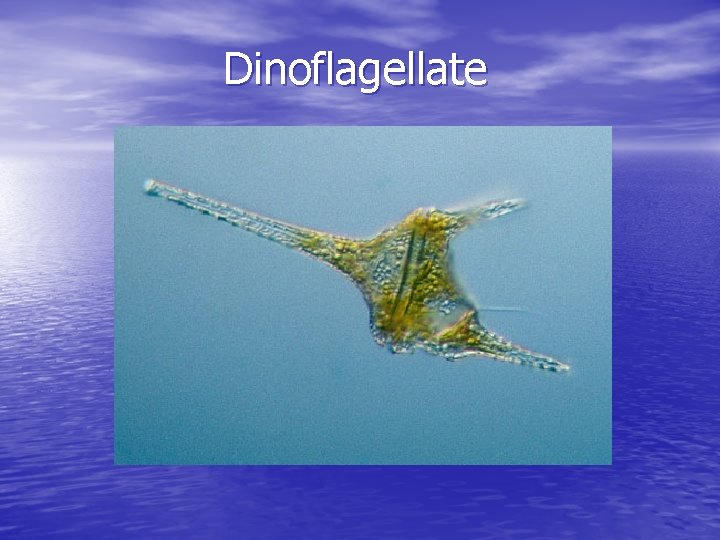
Dinoflagellate
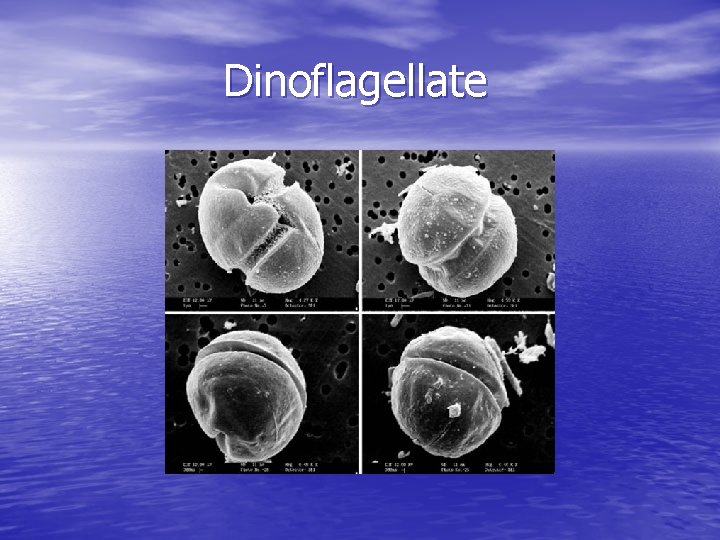
Dinoflagellate
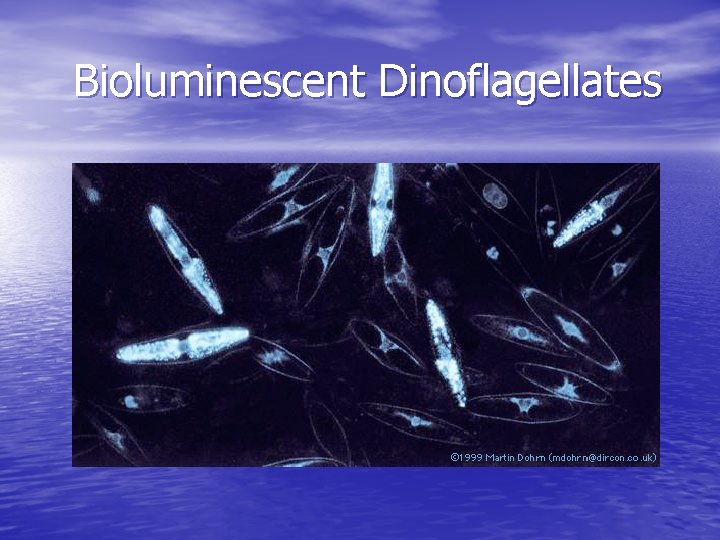
Bioluminescent Dinoflagellates
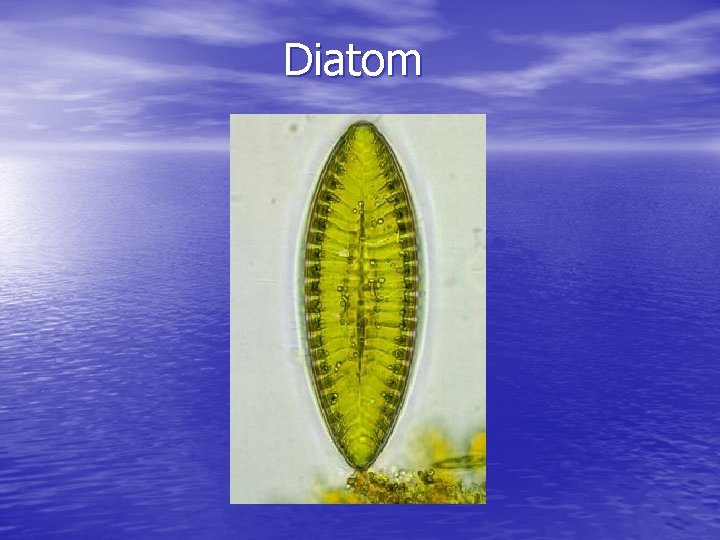
Diatom

Diatom

Diatom Varieties

Diatom Chains

Diatom Chains
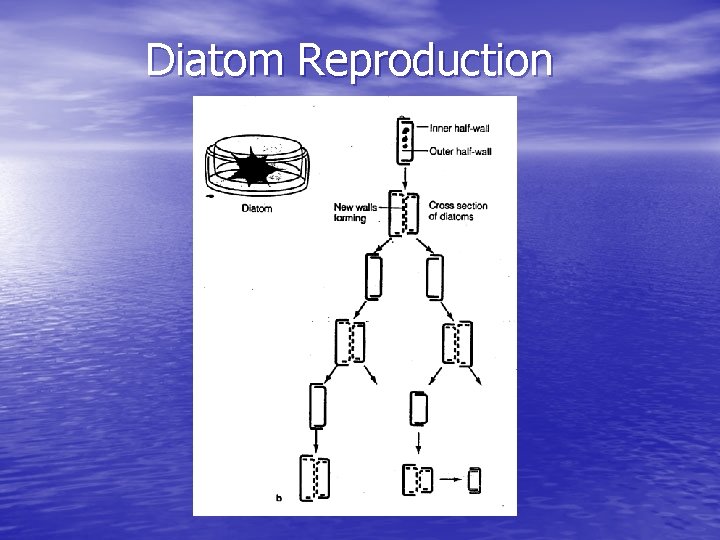
Diatom Reproduction
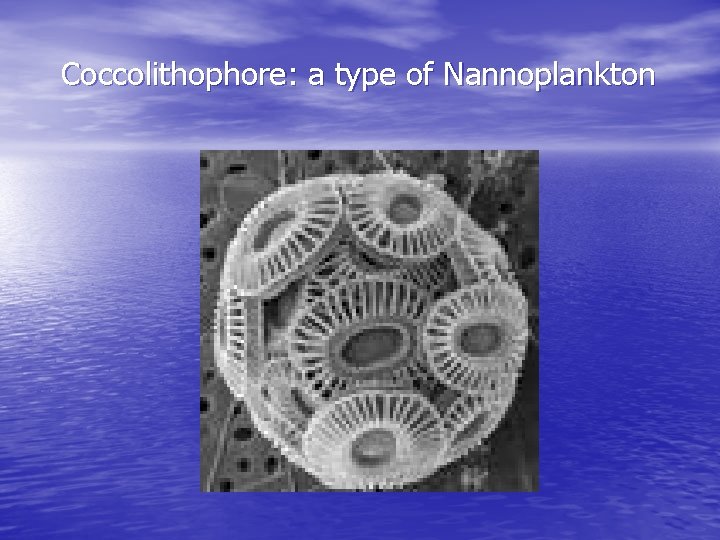
Coccolithophore: a type of Nannoplankton
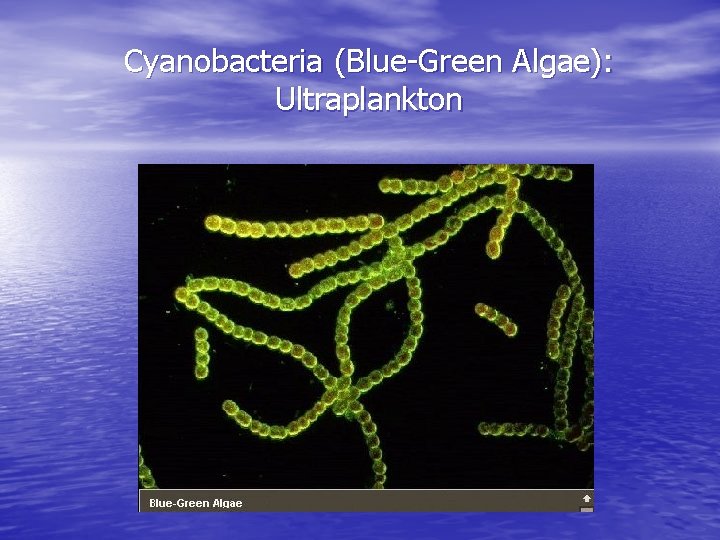
Cyanobacteria (Blue-Green Algae): Ultraplankton
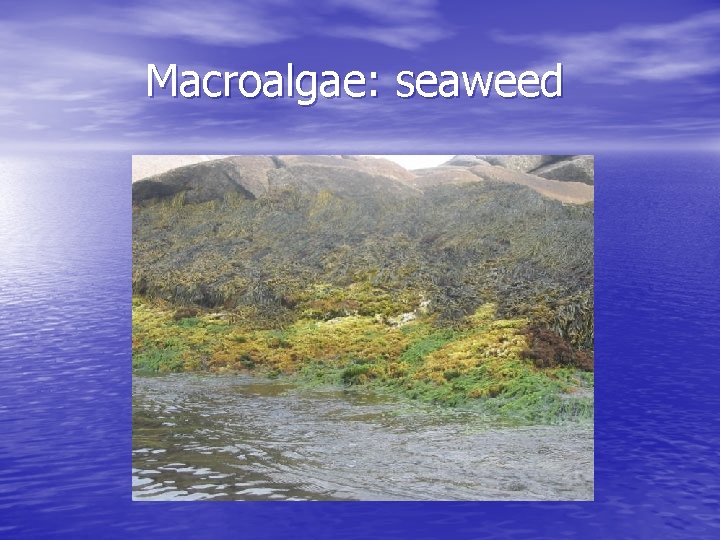
Macroalgae: seaweed

Macroalgae: seaweed
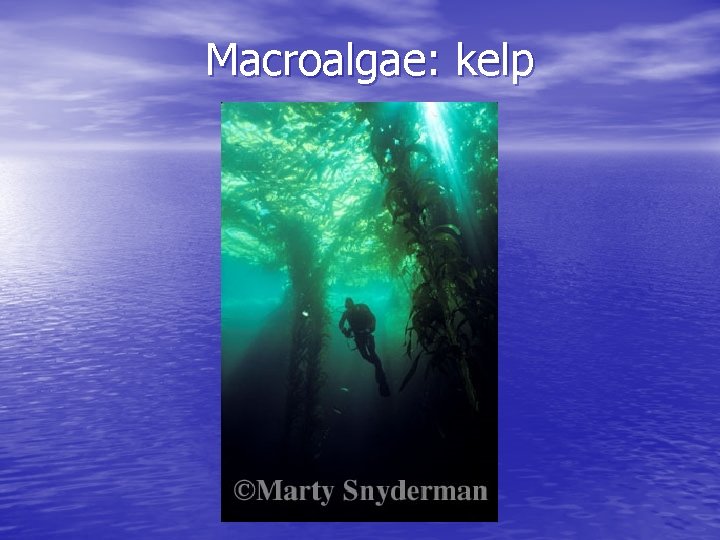
Macroalgae: kelp
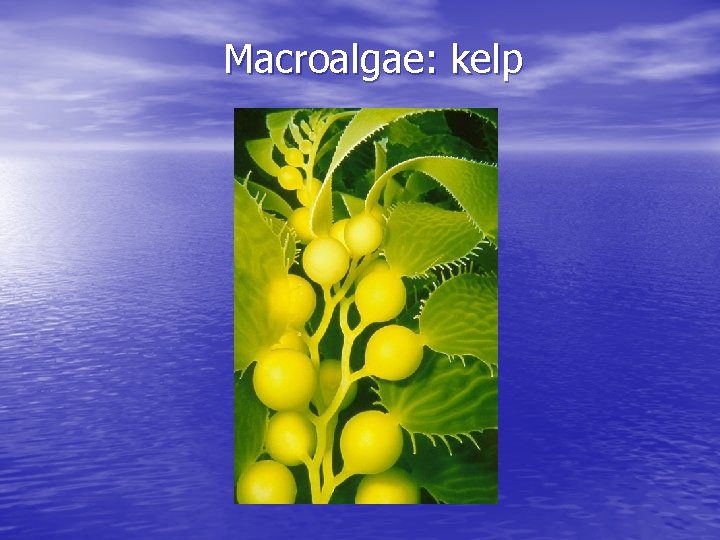
Macroalgae: kelp
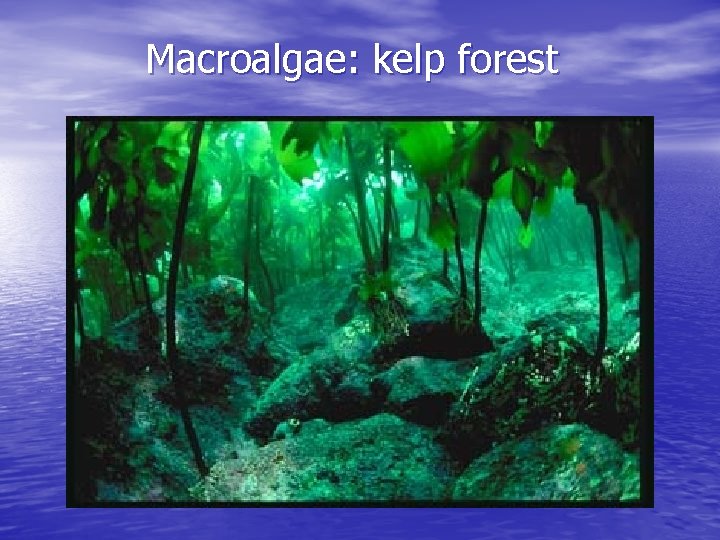
Macroalgae: kelp forest
Primary Production in the Ocean § Solar radiation § Nutrient concentration § Upwelling and mixing § Grazing § Water turbidity

Variation in Productivity § Only the top-most 100 m or less…of a 4, 000 -m deep ocean can support photosynthesis! § Light, physics and chemistry control § Regional and seasonal patterns
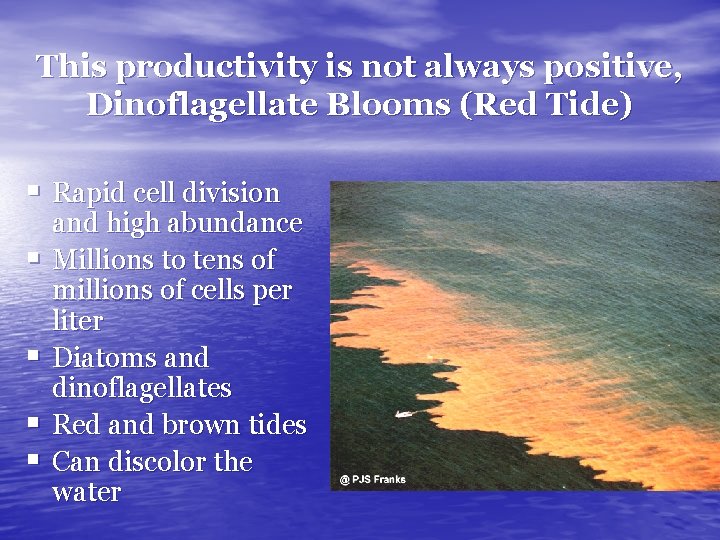
This productivity is not always positive, Dinoflagellate Blooms (Red Tide) § Rapid cell division § § and high abundance Millions to tens of millions of cells per liter Diatoms and dinoflagellates Red and brown tides Can discolor the water
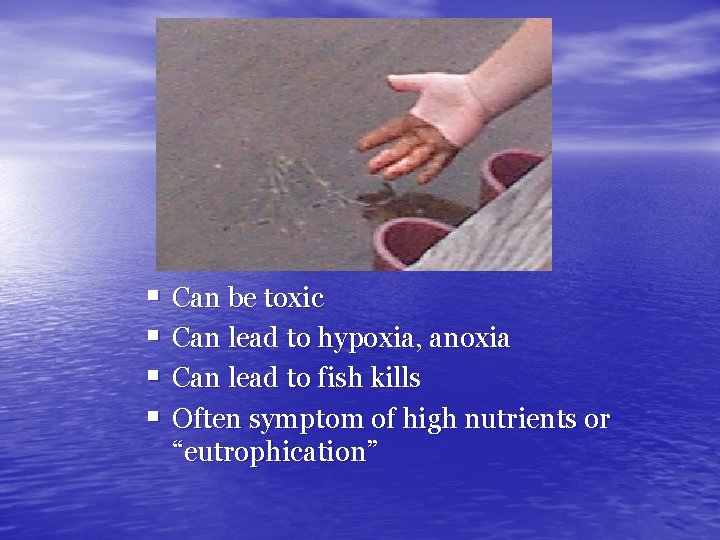
§ Can be toxic § Can lead to hypoxia, anoxia § Can lead to fish kills § Often symptom of high nutrients or “eutrophication”
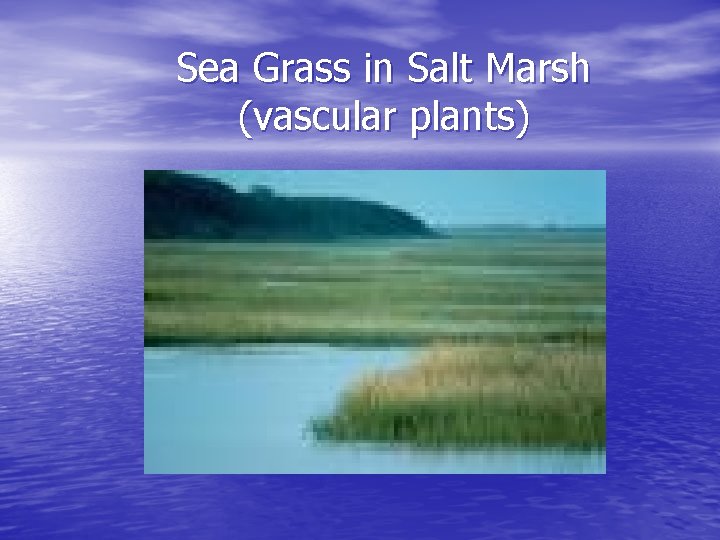
Sea Grass in Salt Marsh (vascular plants)
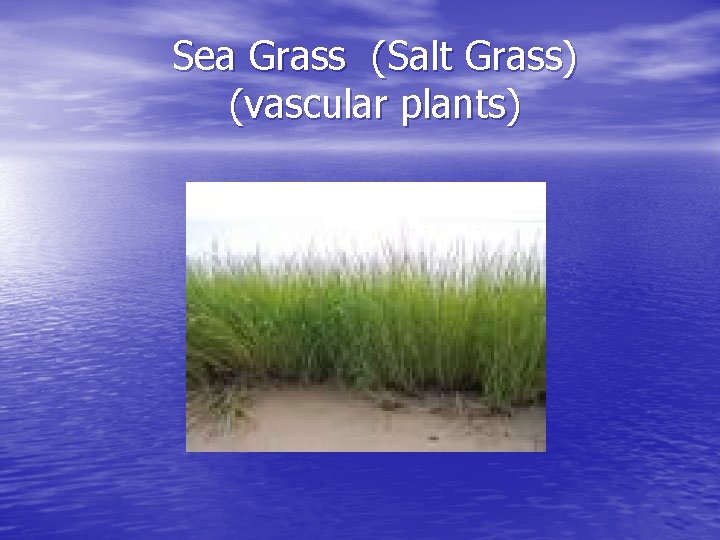
Sea Grass (Salt Grass) (vascular plants)

Coral Polyp: symbiotic relationship with microalgae (zooxanthellae)
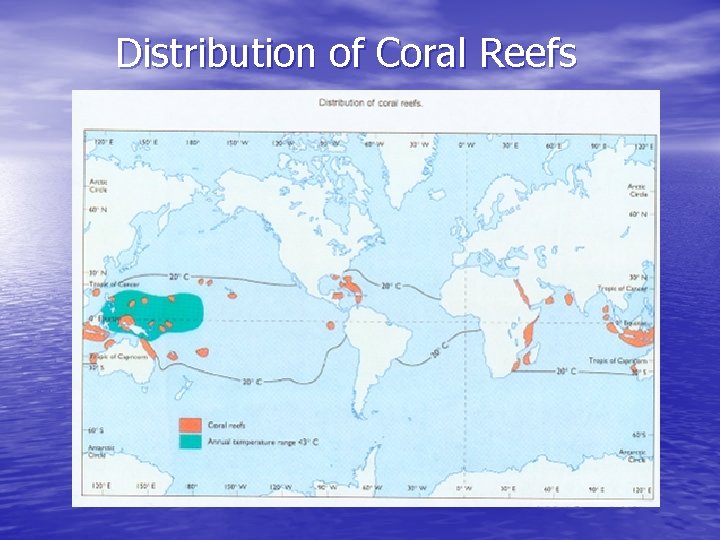
Distribution of Coral Reefs
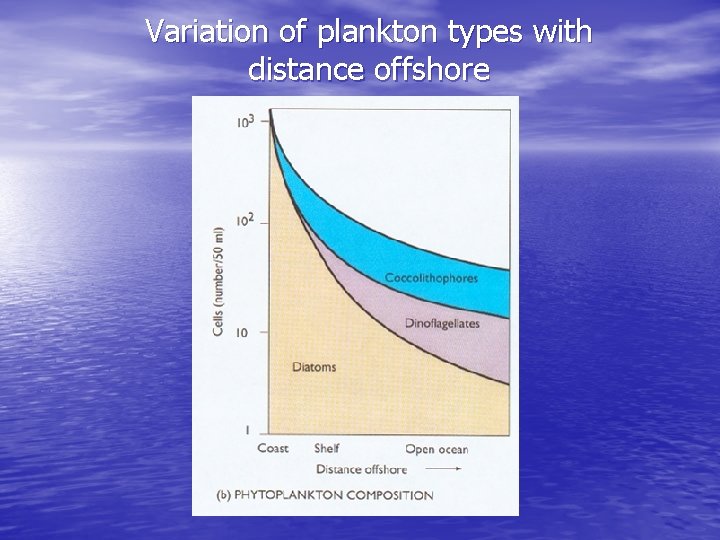
Variation of plankton types with distance offshore
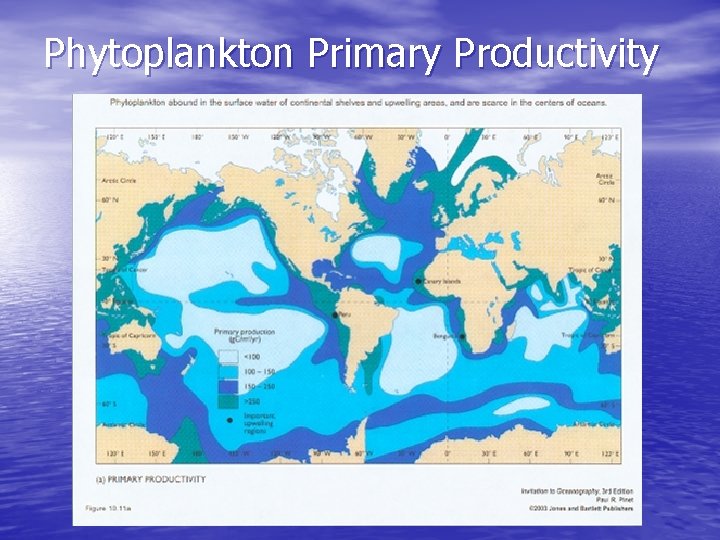
Phytoplankton Primary Productivity
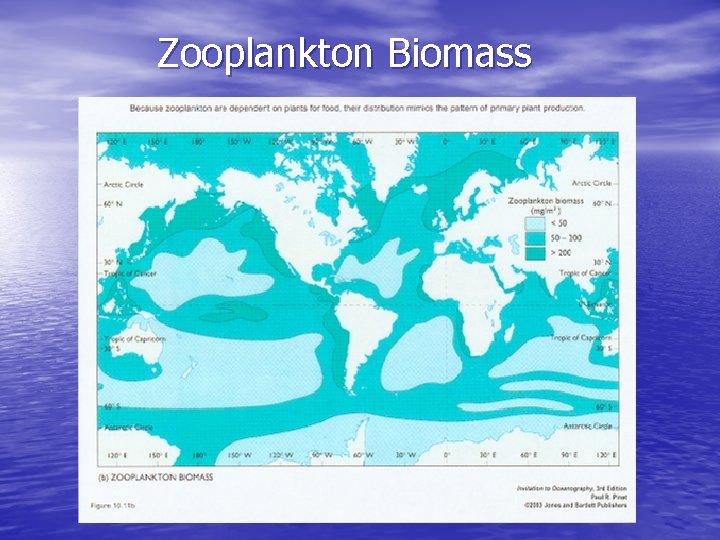
Zooplankton Biomass
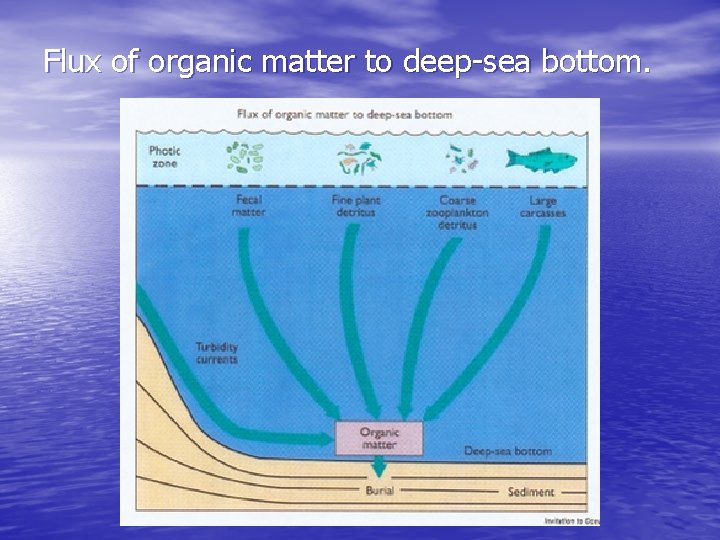
Flux of organic matter to deep-sea bottom.
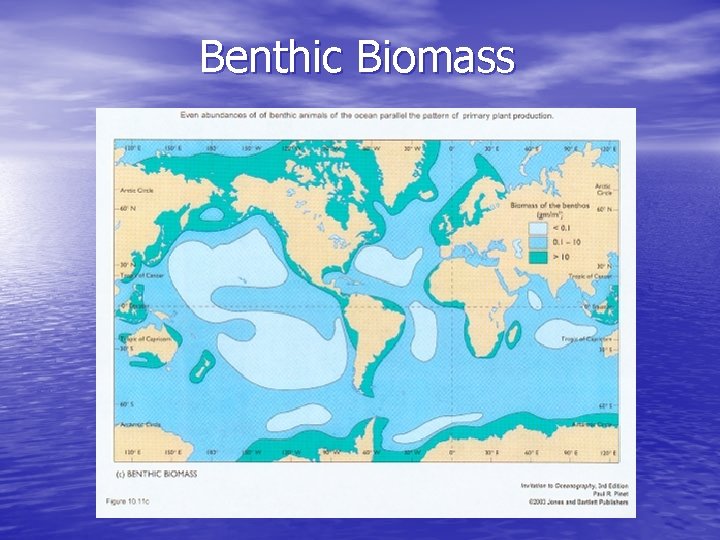
Benthic Biomass
You should know… § Plankton groups § Photosynthesis and respiration § Regional and seasonal patterns of productivity How these are controlled by ocean physics and chemistry § Which parts of the ocean are biologically productive, and which are not
- Slides: 33