
Prevention of Stroke or Recurrent Stroke Including Management



- Slides: 53
Prevention of Stroke or Recurrent Stroke, Including Management of Risk Factors
Evaluation for Cause and Prevention of Stroke Recurrence
Recurrent Stroke • An important outcome for diagnosis and prevention • Approximately 25% of the estimated 750, 000 strokes each year in the US are recurrences • Must be distinguished from worsening or evolving stroke and medical complications of stroke (e. g. , infection, electrolyte imbalance)
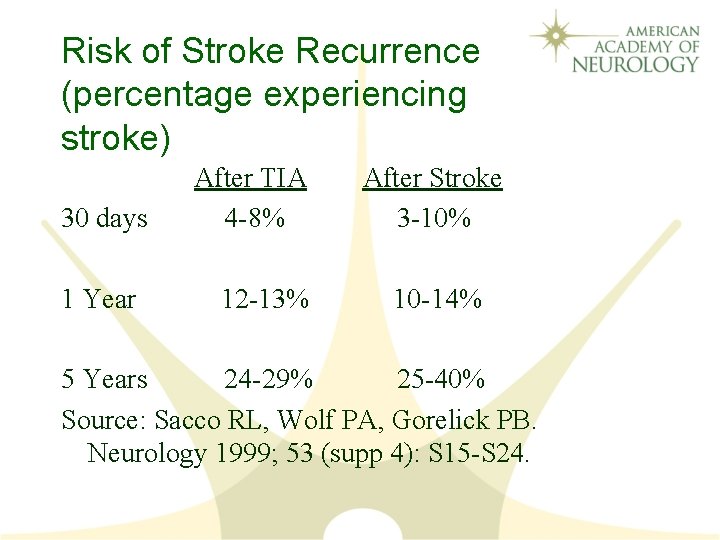
Risk of Stroke Recurrence (percentage experiencing stroke) 30 days 1 Year After TIA 4 -8% 12 -13% After Stroke 3 -10% 10 -14% 5 Years 24 -29% 25 -40% Source: Sacco RL, Wolf PA, Gorelick PB. Neurology 1999; 53 (supp 4): S 15 -S 24.
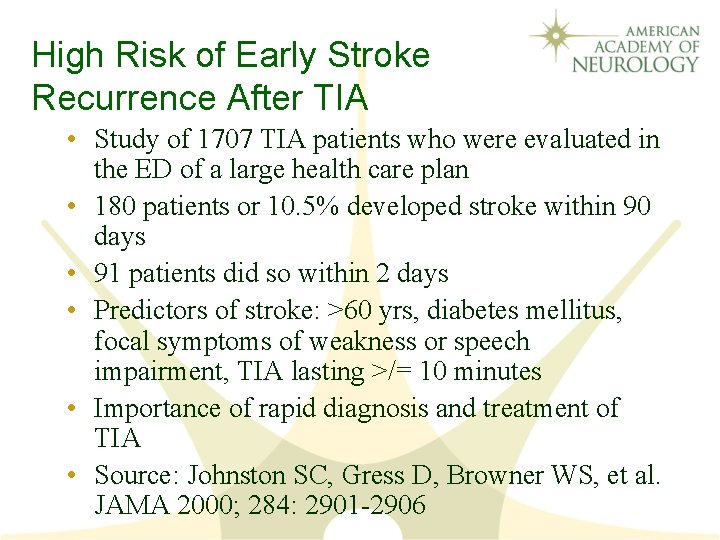
High Risk of Early Stroke Recurrence After TIA • Study of 1707 TIA patients who were evaluated in the ED of a large health care plan • 180 patients or 10. 5% developed stroke within 90 days • 91 patients did so within 2 days • Predictors of stroke: >60 yrs, diabetes mellitus, focal symptoms of weakness or speech impairment, TIA lasting >/= 10 minutes • Importance of rapid diagnosis and treatment of TIA • Source: Johnston SC, Gress D, Browner WS, et al. JAMA 2000; 284: 2901 -2906
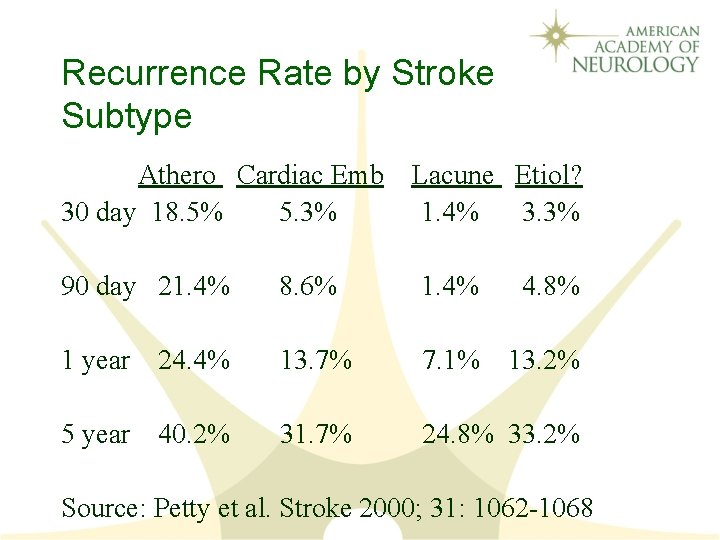
Recurrence Rate by Stroke Subtype Athero Cardiac Emb 30 day 18. 5% 5. 3% Lacune Etiol? 1. 4% 3. 3% 90 day 21. 4% 8. 6% 1. 4% 4. 8% 1 year 24. 4% 13. 7% 7. 1% 13. 2% 5 year 40. 2% 31. 7% 24. 8% 33. 2% Source: Petty et al. Stroke 2000; 31: 1062 -1068
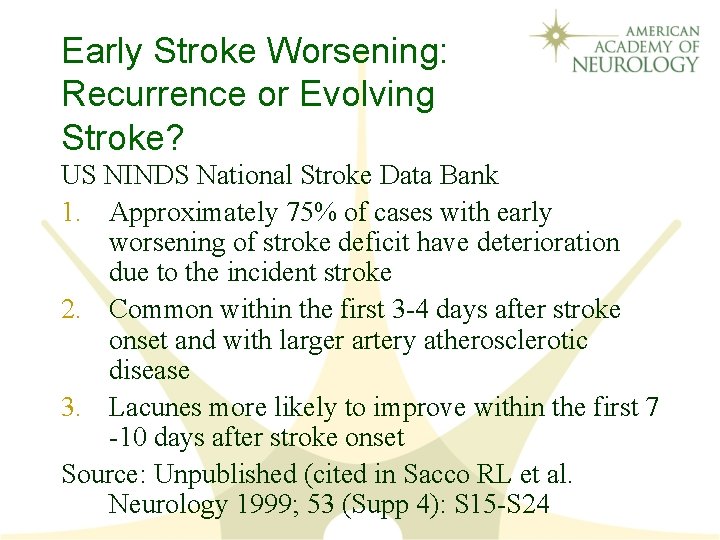
Early Stroke Worsening: Recurrence or Evolving Stroke? US NINDS National Stroke Data Bank 1. Approximately 75% of cases with early worsening of stroke deficit have deterioration due to the incident stroke 2. Common within the first 3 -4 days after stroke onset and with larger artery atherosclerotic disease 3. Lacunes more likely to improve within the first 7 -10 days after stroke onset Source: Unpublished (cited in Sacco RL et al. Neurology 1999; 53 (Supp 4): S 15 -S 24
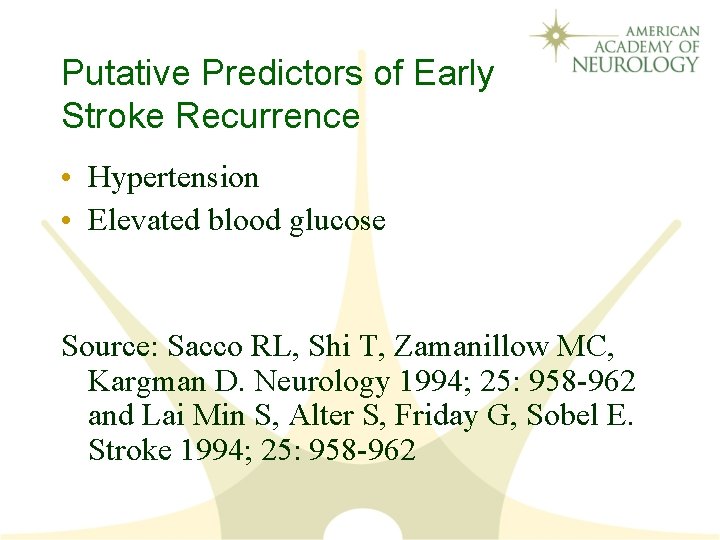
Putative Predictors of Early Stroke Recurrence • Hypertension • Elevated blood glucose Source: Sacco RL, Shi T, Zamanillow MC, Kargman D. Neurology 1994; 25: 958 -962 and Lai Min S, Alter S, Friday G, Sobel E. Stroke 1994; 25: 958 -962
Putative Predictors of Late Stroke Recurrence • • • Age Hypertension Heart Disease Atrial Fibrillation Heavy Alcohol Use • • CHF Diabetes Mellitus Hyperglycemia Prior stroke/TIA
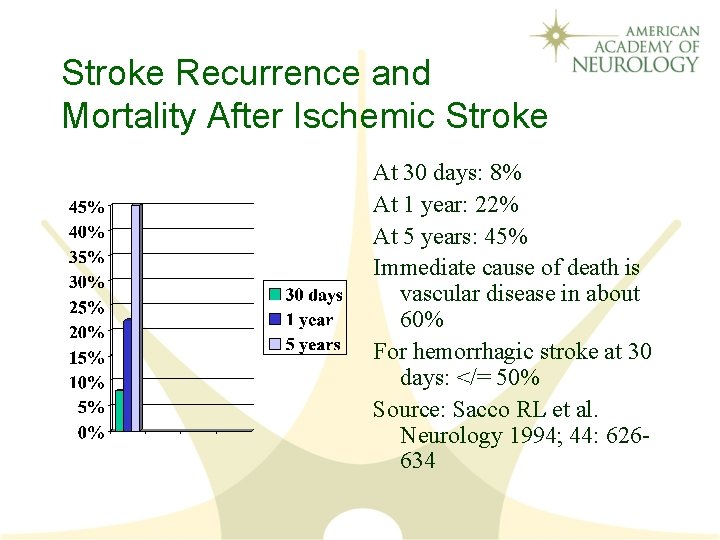
Stroke Recurrence and Mortality After Ischemic Stroke At 30 days: 8% At 1 year: 22% At 5 years: 45% Immediate cause of death is vascular disease in about 60% For hemorrhagic stroke at 30 days: </= 50% Source: Sacco RL et al. Neurology 1994; 44: 626634
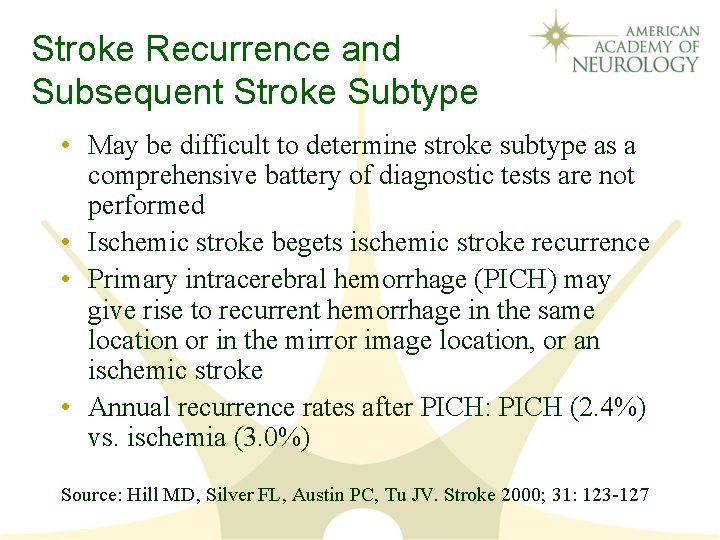
Stroke Recurrence and Subsequent Stroke Subtype • May be difficult to determine stroke subtype as a comprehensive battery of diagnostic tests are not performed • Ischemic stroke begets ischemic stroke recurrence • Primary intracerebral hemorrhage (PICH) may give rise to recurrent hemorrhage in the same location or in the mirror image location, or an ischemic stroke • Annual recurrence rates after PICH: PICH (2. 4%) vs. ischemia (3. 0%) Source: Hill MD, Silver FL, Austin PC, Tu JV. Stroke 2000; 31: 123 -127
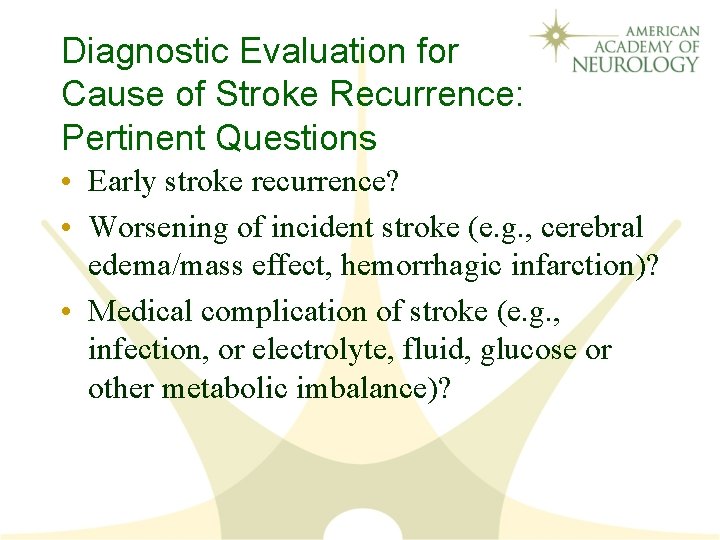
Diagnostic Evaluation for Cause of Stroke Recurrence: Pertinent Questions • Early stroke recurrence? • Worsening of incident stroke (e. g. , cerebral edema/mass effect, hemorrhagic infarction)? • Medical complication of stroke (e. g. , infection, or electrolyte, fluid, glucose or other metabolic imbalance)?
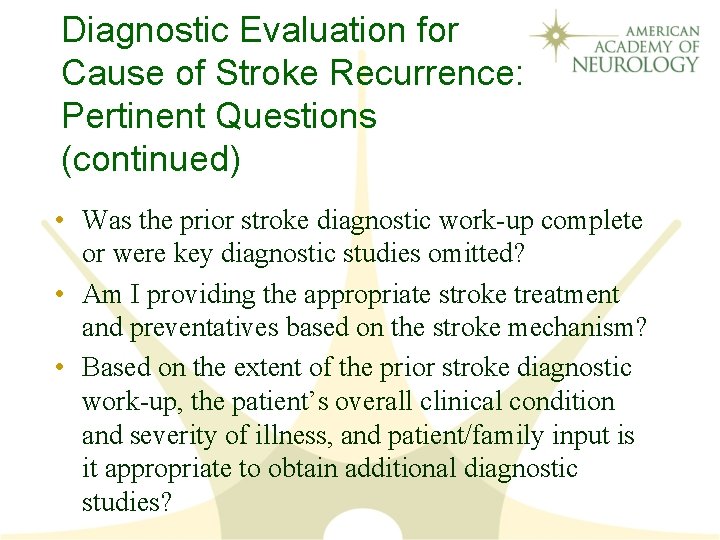
Diagnostic Evaluation for Cause of Stroke Recurrence: Pertinent Questions (continued) • Was the prior stroke diagnostic work-up complete or were key diagnostic studies omitted? • Am I providing the appropriate stroke treatment and preventatives based on the stroke mechanism? • Based on the extent of the prior stroke diagnostic work-up, the patient’s overall clinical condition and severity of illness, and patient/family input is it appropriate to obtain additional diagnostic studies?
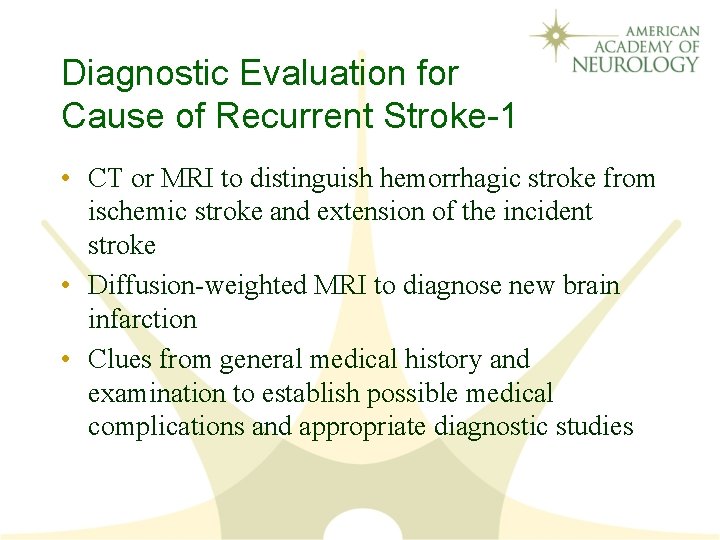
Diagnostic Evaluation for Cause of Recurrent Stroke-1 • CT or MRI to distinguish hemorrhagic stroke from ischemic stroke and extension of the incident stroke • Diffusion-weighted MRI to diagnose new brain infarction • Clues from general medical history and examination to establish possible medical complications and appropriate diagnostic studies
Diagnostic Evaluation for Cause of Recurrent Stroke-2 • Follow principles in other sections of this course: 1. Section 1: Clinical Diagnosis of Stroke 2. Section 2: Neuroimaging Evaluation
Pharmacologic Therapy for Recurrent Stroke Prevention: Antithrombotic Agents
Antiplatelet Therapy • In the US, 4 approved antiplatelet agents for use in recurrent stroke prevention: *Aspirin 50 -325 mg/day *Ticlopidine 250 mg twice daily *Clopidogrel 75 mg/day *Aspirin (25 mg) plus extended-release dipyridamole (200 mg) twice a day
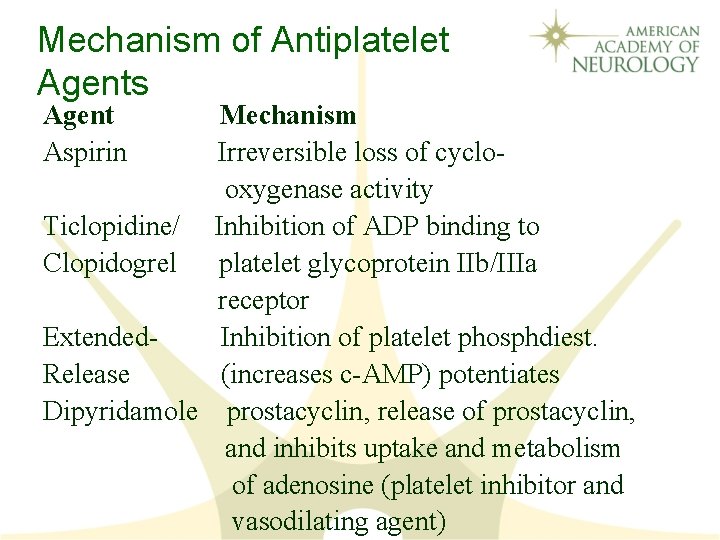
Mechanism of Antiplatelet Agents Agent Aspirin Mechanism Irreversible loss of cyclooxygenase activity Ticlopidine/ Inhibition of ADP binding to Clopidogrel platelet glycoprotein IIb/IIIa receptor Extended. Inhibition of platelet phosphdiest. Release (increases c-AMP) potentiates Dipyridamole prostacyclin, release of prostacyclin, and inhibits uptake and metabolism of adenosine (platelet inhibitor and vasodilating agent)
US FDA Ruling on Aspirin Dose for Patients with Symptomatic Cerebrovascular Disease • Based on individual studies of efficacy of lower doses of aspirin for recurrent cerebral ischemia prevention and more favorable side effect profile with lower doses of aspirin • Meta-analyses show no difference between high, medium and low doses of aspirin for prevention of major vascular events • FDA recommendation: 50 -325 mg/day • Antiplatelet Trialists’ Collaboration: for stroke/TIA patients a 40/1000 reduction of major vascular events (stroke, MI, vascular death) over 3 years
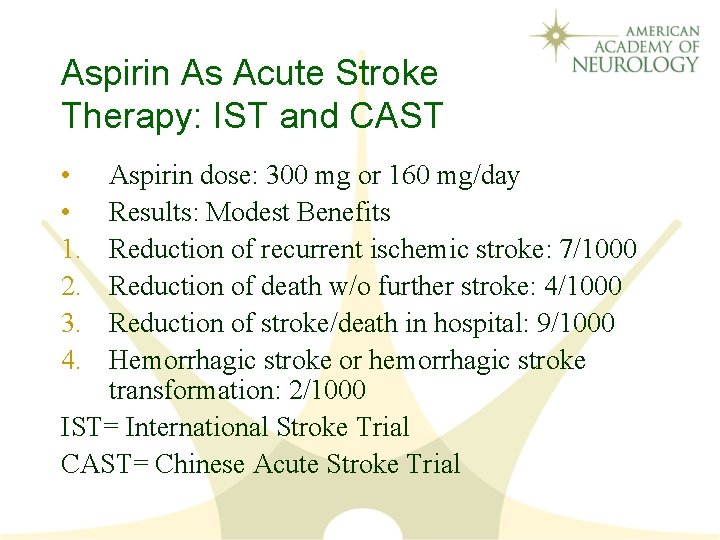
Aspirin As Acute Stroke Therapy: IST and CAST • • 1. 2. 3. 4. Aspirin dose: 300 mg or 160 mg/day Results: Modest Benefits Reduction of recurrent ischemic stroke: 7/1000 Reduction of death w/o further stroke: 4/1000 Reduction of stroke/death in hospital: 9/1000 Hemorrhagic stroke or hemorrhagic stroke transformation: 2/1000 IST= International Stroke Trial CAST= Chinese Acute Stroke Trial
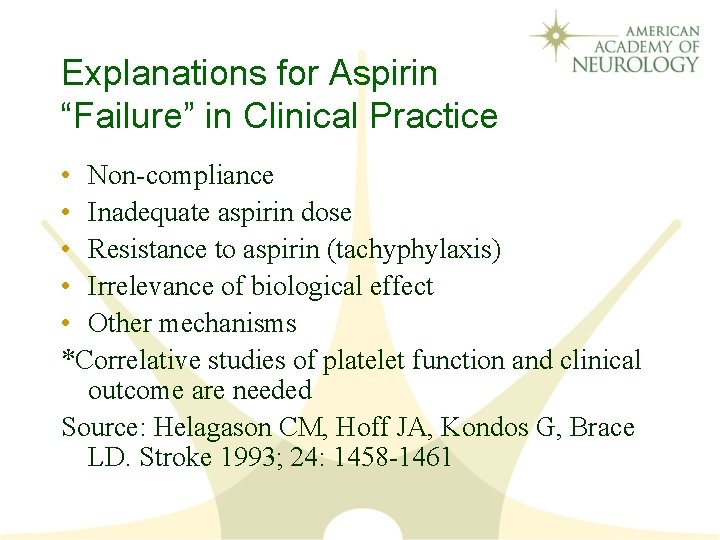
Explanations for Aspirin “Failure” in Clinical Practice • Non-compliance • Inadequate aspirin dose • Resistance to aspirin (tachyphylaxis) • Irrelevance of biological effect • Other mechanisms *Correlative studies of platelet function and clinical outcome are needed Source: Helagason CM, Hoff JA, Kondos G, Brace LD. Stroke 1993; 24: 1458 -1461
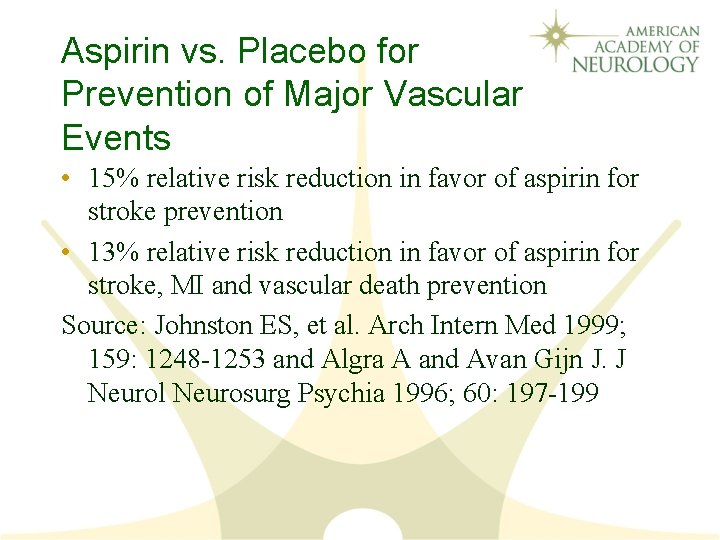
Aspirin vs. Placebo for Prevention of Major Vascular Events • 15% relative risk reduction in favor of aspirin for stroke prevention • 13% relative risk reduction in favor of aspirin for stroke, MI and vascular death prevention Source: Johnston ES, et al. Arch Intern Med 1999; 159: 1248 -1253 and Algra A and Avan Gijn J. J Neurol Neurosurg Psychia 1996; 60: 197 -199
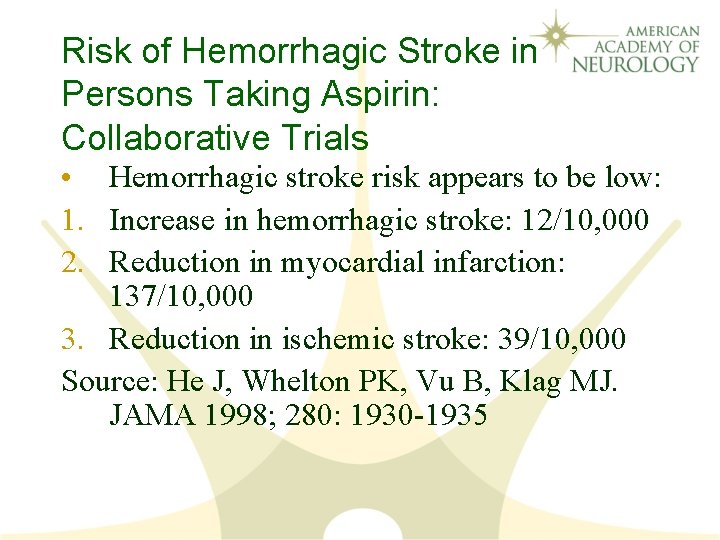
Risk of Hemorrhagic Stroke in Persons Taking Aspirin: Collaborative Trials • Hemorrhagic stroke risk appears to be low: 1. Increase in hemorrhagic stroke: 12/10, 000 2. Reduction in myocardial infarction: 137/10, 000 3. Reduction in ischemic stroke: 39/10, 000 Source: He J, Whelton PK, Vu B, Klag MJ. JAMA 1998; 280: 1930 -1935
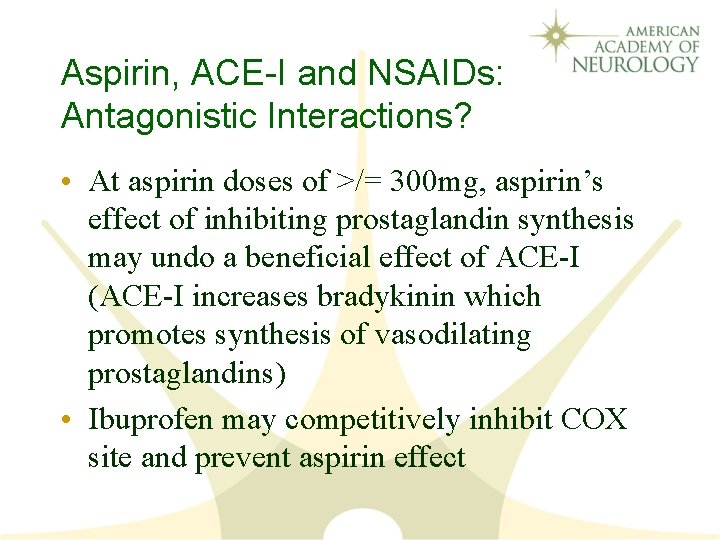
Aspirin, ACE-I and NSAIDs: Antagonistic Interactions? • At aspirin doses of >/= 300 mg, aspirin’s effect of inhibiting prostaglandin synthesis may undo a beneficial effect of ACE-I (ACE-I increases bradykinin which promotes synthesis of vasodilating prostaglandins) • Ibuprofen may competitively inhibit COX site and prevent aspirin effect
Efficacy of Ticlopidine, Clopidogrel, and Aspirin plus Extended-Release Dipyridamole vs. Aspirin Alone: Indirect Comparisons
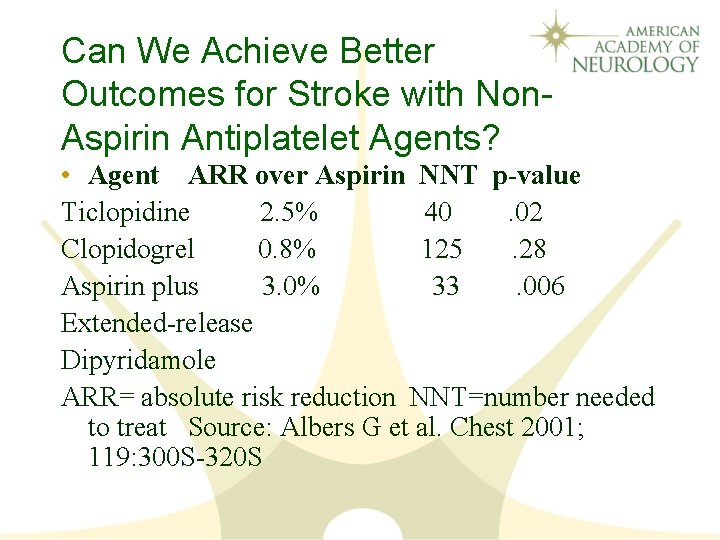
Can We Achieve Better Outcomes for Stroke with Non. Aspirin Antiplatelet Agents? • Agent ARR over Aspirin NNT p-value Ticlopidine 2. 5% 40. 02 Clopidogrel 0. 8% 125. 28 Aspirin plus 3. 0% 33. 006 Extended-release Dipyridamole ARR= absolute risk reduction NNT=number needed to treat Source: Albers G et al. Chest 2001; 119: 300 S-320 S
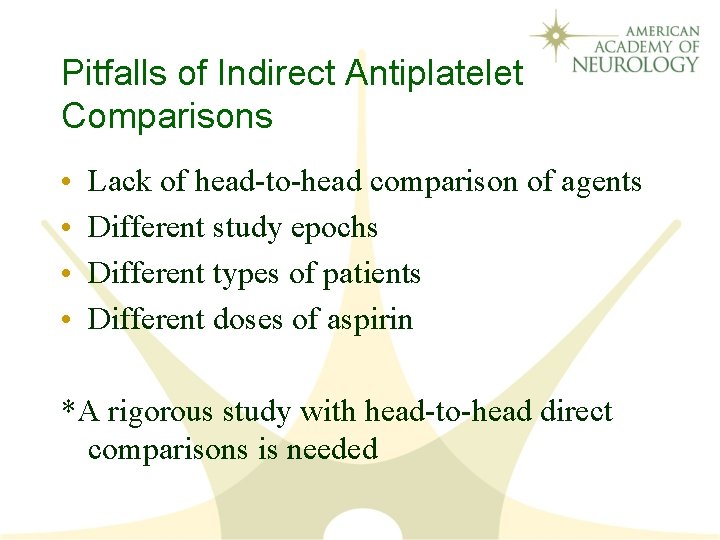
Pitfalls of Indirect Antiplatelet Comparisons • • Lack of head-to-head comparison of agents Different study epochs Different types of patients Different doses of aspirin *A rigorous study with head-to-head direct comparisons is needed
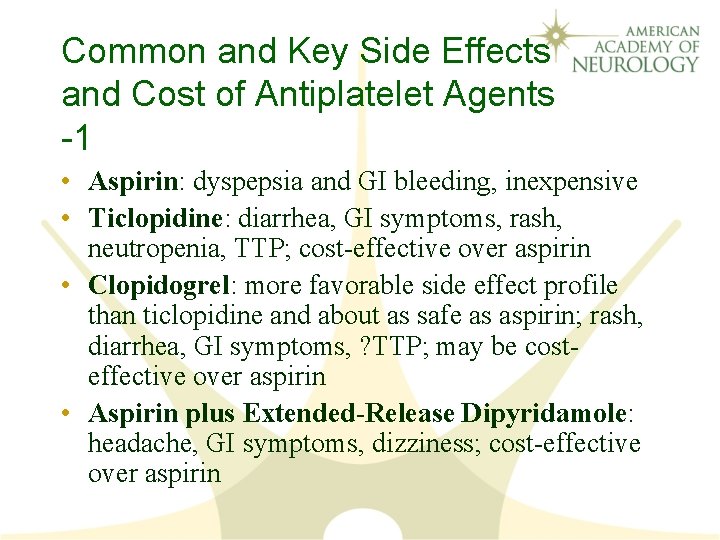
Common and Key Side Effects and Cost of Antiplatelet Agents -1 • Aspirin: dyspepsia and GI bleeding, inexpensive • Ticlopidine: diarrhea, GI symptoms, rash, neutropenia, TTP; cost-effective over aspirin • Clopidogrel: more favorable side effect profile than ticlopidine and about as safe as aspirin; rash, diarrhea, GI symptoms, ? TTP; may be costeffective over aspirin • Aspirin plus Extended-Release Dipyridamole: headache, GI symptoms, dizziness; cost-effective over aspirin
American College of Chest Physicians’Recommendation for Initial Antiplatelet Therapy • Any one of the following agents: Aspirin plus extended-release dipyridamole Clopidogrel Source: Albers GW, Amarenco P, Easton JD, et al. Chest 2001; 119: 300 S-320 S
Combination Antiplatelet Therapy for Recurrent Stroke Prevention • Aspirin plus extended-release dipyridamole is the only combination antiplatelet agent that is approved for prevention of stroke by the FDA • Aspirin plus clopidogrel vs. clopidogrel is being tested in high risk stroke patients (MATCH study)
Oral Anticoagulation for Recurrent Stroke Prevention
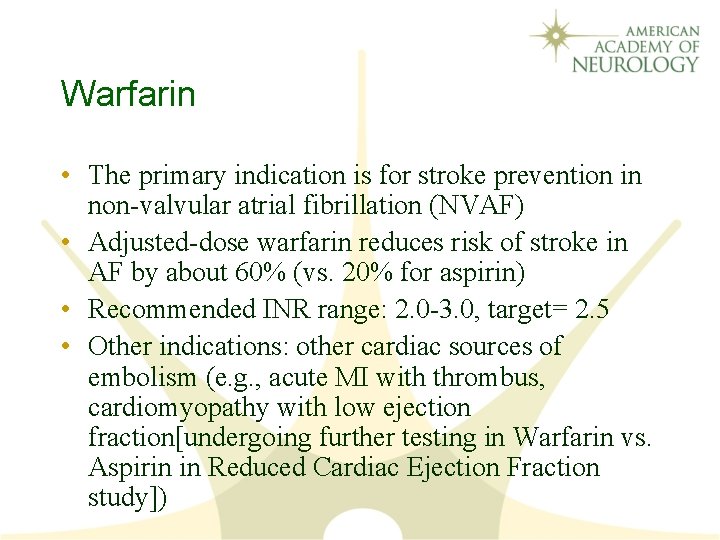
Warfarin • The primary indication is for stroke prevention in non-valvular atrial fibrillation (NVAF) • Adjusted-dose warfarin reduces risk of stroke in AF by about 60% (vs. 20% for aspirin) • Recommended INR range: 2. 0 -3. 0, target= 2. 5 • Other indications: other cardiac sources of embolism (e. g. , acute MI with thrombus, cardiomyopathy with low ejection fraction[undergoing further testing in Warfarin vs. Aspirin in Reduced Cardiac Ejection Fraction study])
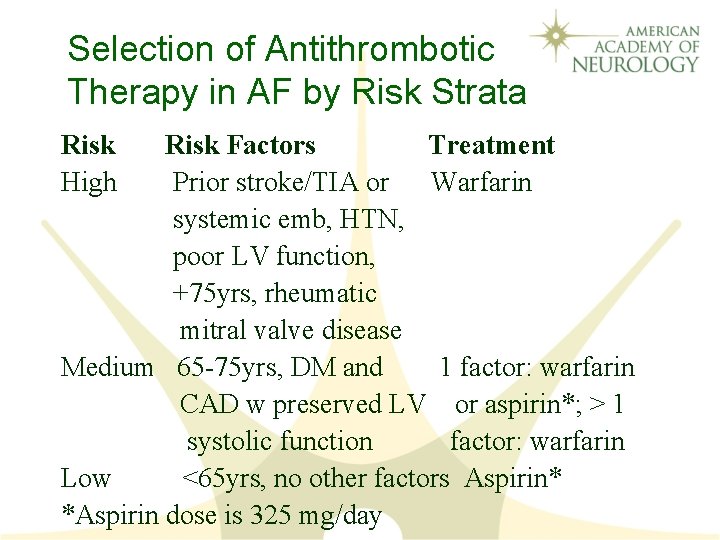
Selection of Antithrombotic Therapy in AF by Risk Strata Risk High Risk Factors Treatment Prior stroke/TIA or Warfarin systemic emb, HTN, poor LV function, +75 yrs, rheumatic mitral valve disease Medium 65 -75 yrs, DM and 1 factor: warfarin CAD w preserved LV or aspirin*; > 1 systolic function factor: warfarin Low <65 yrs, no other factors Aspirin* *Aspirin dose is 325 mg/day
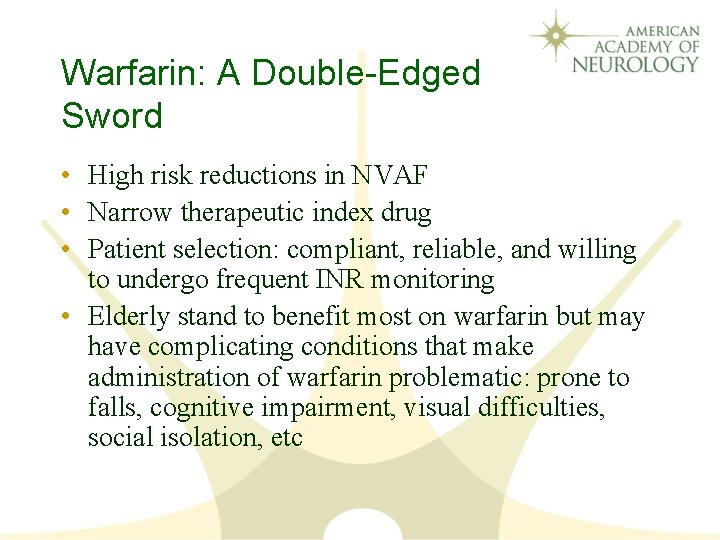
Warfarin: A Double-Edged Sword • High risk reductions in NVAF • Narrow therapeutic index drug • Patient selection: compliant, reliable, and willing to undergo frequent INR monitoring • Elderly stand to benefit most on warfarin but may have complicating conditions that make administration of warfarin problematic: prone to falls, cognitive impairment, visual difficulties, social isolation, etc
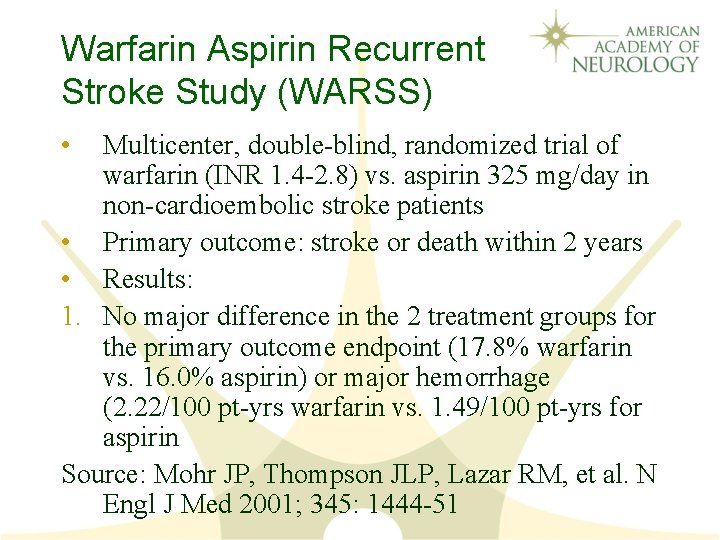
Warfarin Aspirin Recurrent Stroke Study (WARSS) • Multicenter, double-blind, randomized trial of warfarin (INR 1. 4 -2. 8) vs. aspirin 325 mg/day in non-cardioembolic stroke patients • Primary outcome: stroke or death within 2 years • Results: 1. No major difference in the 2 treatment groups for the primary outcome endpoint (17. 8% warfarin vs. 16. 0% aspirin) or major hemorrhage (2. 22/100 pt-yrs warfarin vs. 1. 49/100 pt-yrs for aspirin Source: Mohr JP, Thompson JLP, Lazar RM, et al. N Engl J Med 2001; 345: 1444 -51
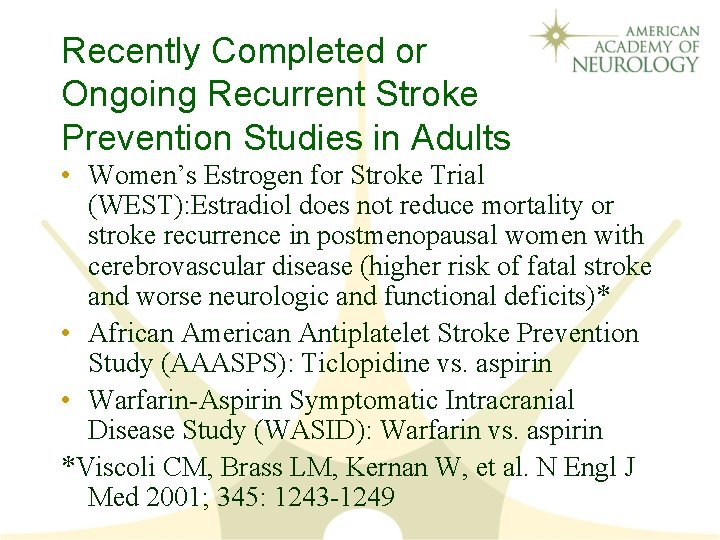
Recently Completed or Ongoing Recurrent Stroke Prevention Studies in Adults • Women’s Estrogen for Stroke Trial (WEST): Estradiol does not reduce mortality or stroke recurrence in postmenopausal women with cerebrovascular disease (higher risk of fatal stroke and worse neurologic and functional deficits)* • African American Antiplatelet Stroke Prevention Study (AAASPS): Ticlopidine vs. aspirin • Warfarin-Aspirin Symptomatic Intracranial Disease Study (WASID): Warfarin vs. aspirin *Viscoli CM, Brass LM, Kernan W, et al. N Engl J Med 2001; 345: 1243 -1249
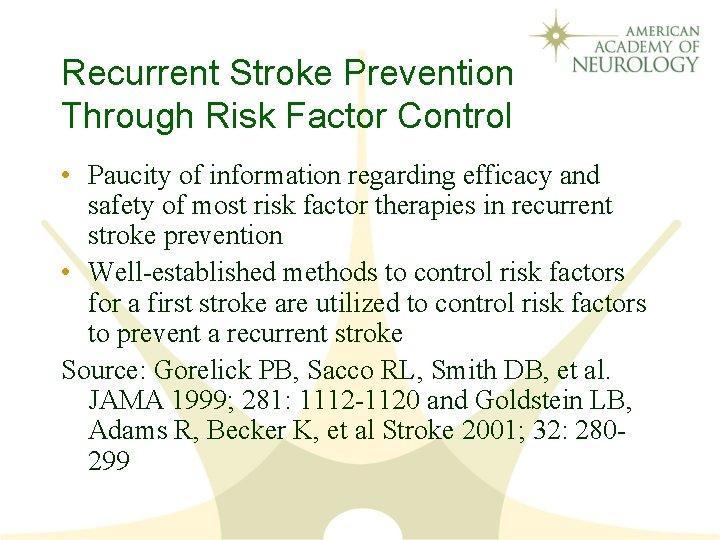
Recurrent Stroke Prevention Through Risk Factor Control • Paucity of information regarding efficacy and safety of most risk factor therapies in recurrent stroke prevention • Well-established methods to control risk factors for a first stroke are utilized to control risk factors to prevent a recurrent stroke Source: Gorelick PB, Sacco RL, Smith DB, et al. JAMA 1999; 281: 1112 -1120 and Goldstein LB, Adams R, Becker K, et al Stroke 2001; 32: 280299
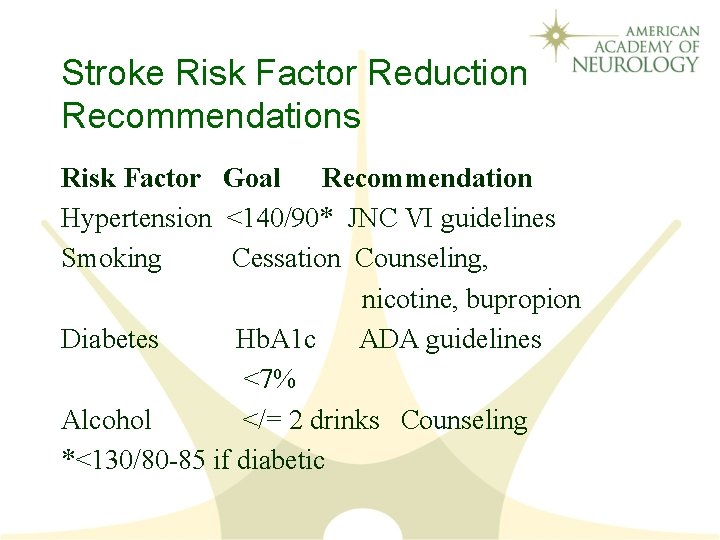
Stroke Risk Factor Reduction Recommendations Risk Factor Goal Recommendation Hypertension <140/90* JNC VI guidelines Smoking Cessation Counseling, nicotine, bupropion Diabetes Hb. A 1 c ADA guidelines <7% Alcohol </= 2 drinks Counseling *<130/80 -85 if diabetic
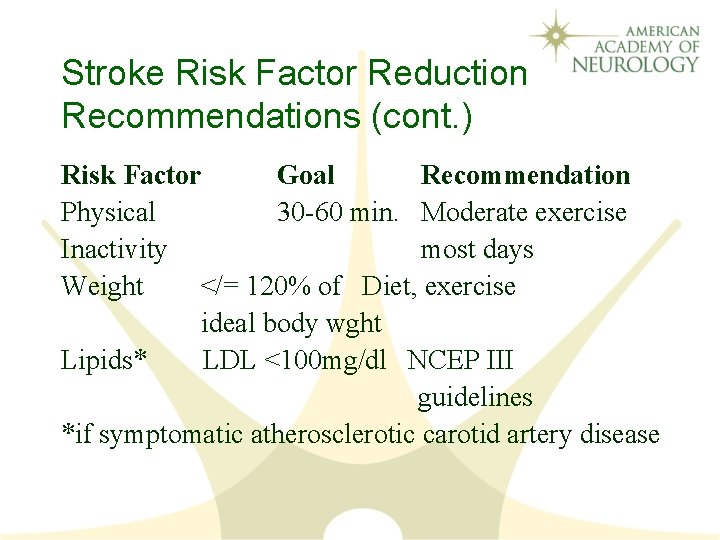
Stroke Risk Factor Reduction Recommendations (cont. ) Risk Factor Goal Recommendation Physical 30 -60 min. Moderate exercise Inactivity most days Weight </= 120% of Diet, exercise ideal body wght Lipids* LDL <100 mg/dl NCEP III guidelines *if symptomatic atherosclerotic carotid artery disease
Effect of Blood Pressure Reduction on Risk of Recurrent Stroke • Overview analysis shows a 19% recurrent stroke reduction; suggestive of benefit but inconclusive as small numbers of study subjects • Perindopril Protection Against Recurrent Stroke Study (PROGRESS): Does perindopril (ACE-I) +/ - indapamide (diuretic) reduce recurrent stroke risk among ischemic and hemorrhagic stroke patients who do or do not have hypertension and are treated for 4 years?
PROGRESS Results • Perindopril-based therapy was well tolerated • Overall BP reduction in the active treatment group was about 9/4 mm Hg • Stroke risk reduction was 28% (95% CI 17, 38) • Major vascular event risk reduction was 26% (95% CI 16, 34) • Subgroups that benefited the most: dual therapy group, Asians, hypertensives, hemorrhagic stroke reduction • Source: PROGRESS Collaborative Group. Lancet 2001; 358: 1033 -41
Implications of PROGRESS • Development of new guidelines for blood pressure control in recurrent stroke prevention (hypertensives and non-hypertensives benefited) • Blood pressure and stroke: a continuum of risk • Important implications for physicians who treat stroke patients • Findings are complementary to HOPE study results
Carotid Endarterectomy (CEA)
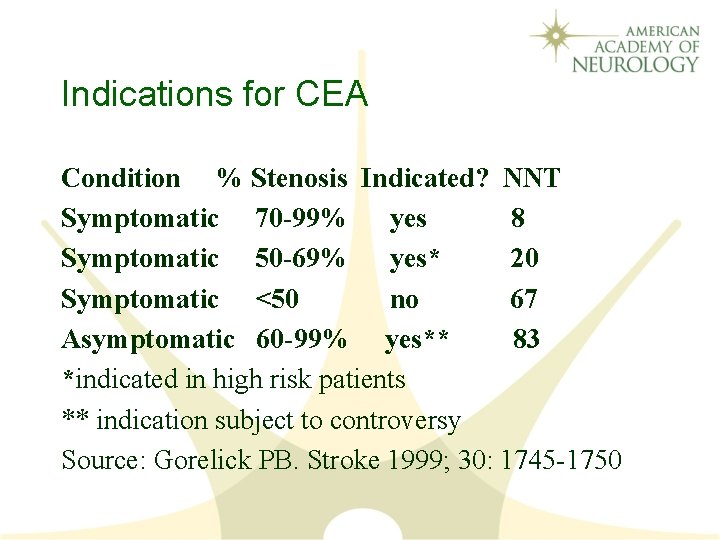
Indications for CEA Condition % Stenosis Indicated? NNT Symptomatic 70 -99% yes 8 Symptomatic 50 -69% yes* 20 Symptomatic <50 no 67 Asymptomatic 60 -99% yes** 83 *indicated in high risk patients ** indication subject to controversy Source: Gorelick PB. Stroke 1999; 30: 1745 -1750
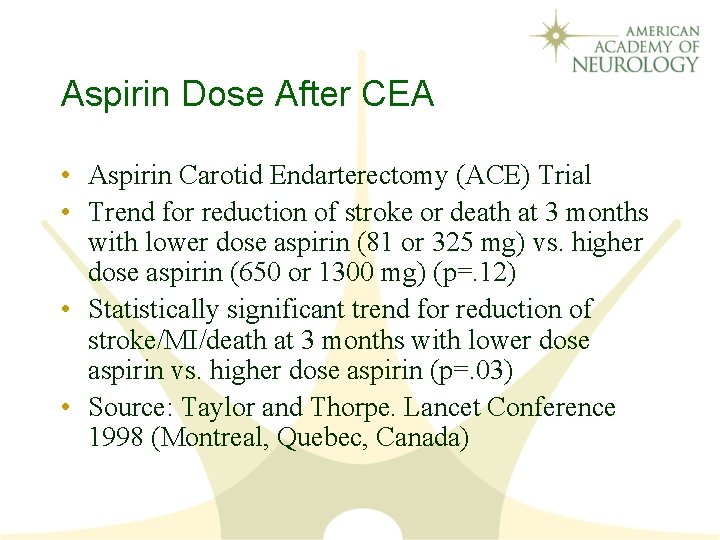
Aspirin Dose After CEA • Aspirin Carotid Endarterectomy (ACE) Trial • Trend for reduction of stroke or death at 3 months with lower dose aspirin (81 or 325 mg) vs. higher dose aspirin (650 or 1300 mg) (p=. 12) • Statistically significant trend for reduction of stroke/MI/death at 3 months with lower dose aspirin vs. higher dose aspirin (p=. 03) • Source: Taylor and Thorpe. Lancet Conference 1998 (Montreal, Quebec, Canada)
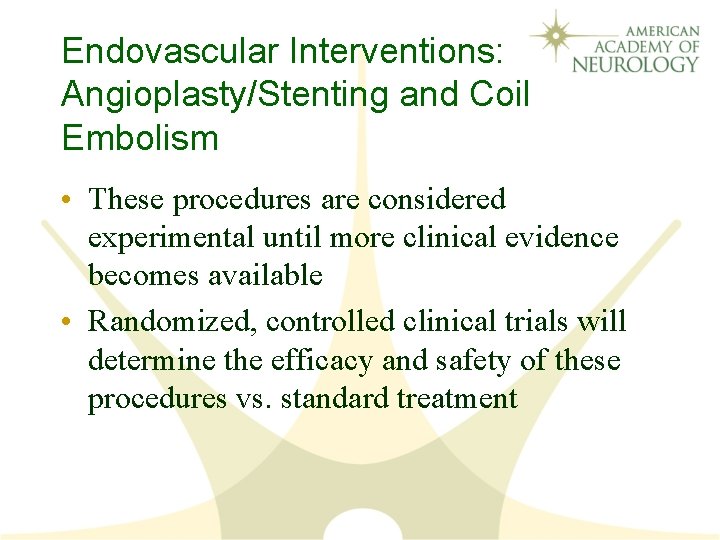
Endovascular Interventions: Angioplasty/Stenting and Coil Embolism • These procedures are considered experimental until more clinical evidence becomes available • Randomized, controlled clinical trials will determine the efficacy and safety of these procedures vs. standard treatment
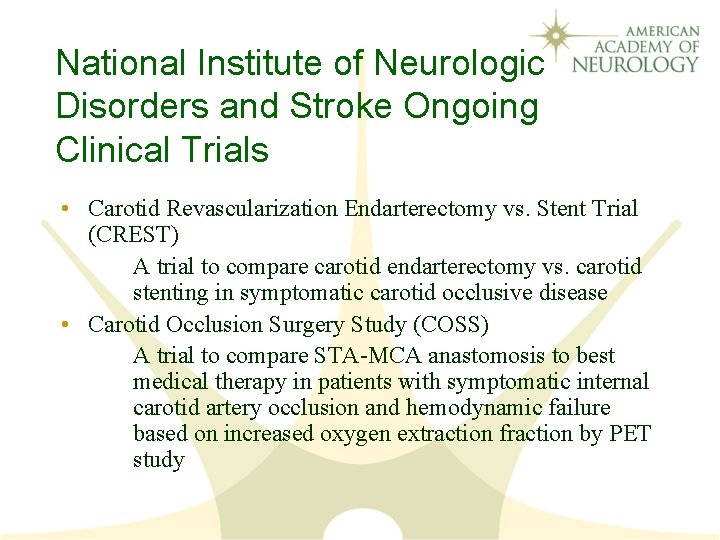
National Institute of Neurologic Disorders and Stroke Ongoing Clinical Trials • Carotid Revascularization Endarterectomy vs. Stent Trial (CREST) A trial to compare carotid endarterectomy vs. carotid stenting in symptomatic carotid occlusive disease • Carotid Occlusion Surgery Study (COSS) A trial to compare STA-MCA anastomosis to best medical therapy in patients with symptomatic internal carotid artery occlusion and hemodynamic failure based on increased oxygen extraction fraction by PET study
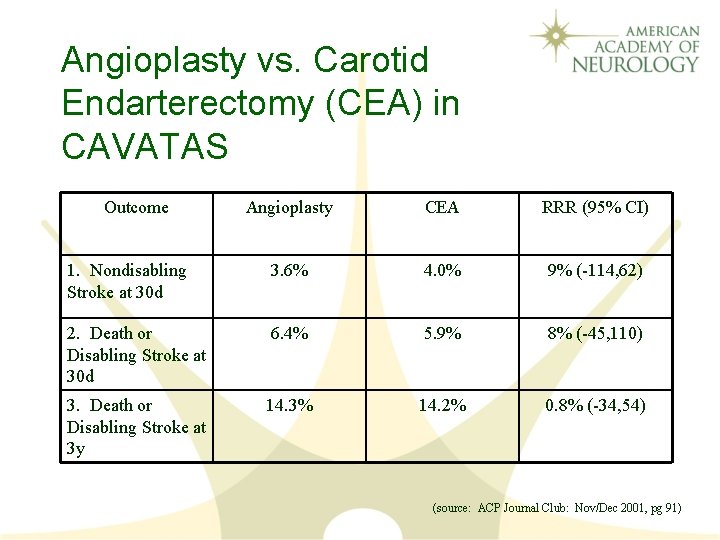
Angioplasty vs. Carotid Endarterectomy (CEA) in CAVATAS Outcome Angioplasty CEA RRR (95% CI) 1. Nondisabling Stroke at 30 d 3. 6% 4. 0% 9% (-114, 62) 2. Death or Disabling Stroke at 30 d 6. 4% 5. 9% 8% (-45, 110) 3. Death or Disabling Stroke at 3 y 14. 3% 14. 2% 0. 8% (-34, 54) (source: ACP Journal Club: Nov/Dec 2001, pg 91)
Management Controversies • PFO • Antiphospholipid Antibodies
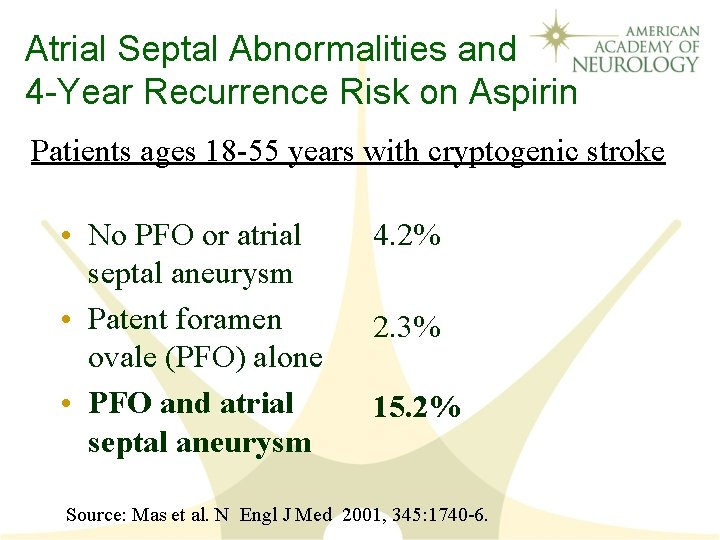
Atrial Septal Abnormalities and 4 -Year Recurrence Risk on Aspirin Patients ages 18 -55 years with cryptogenic stroke • No PFO or atrial septal aneurysm • Patent foramen ovale (PFO) alone • PFO and atrial septal aneurysm 4. 2% 2. 3% 15. 2% Source: Mas et al. N Engl J Med 2001, 345: 1740 -6.
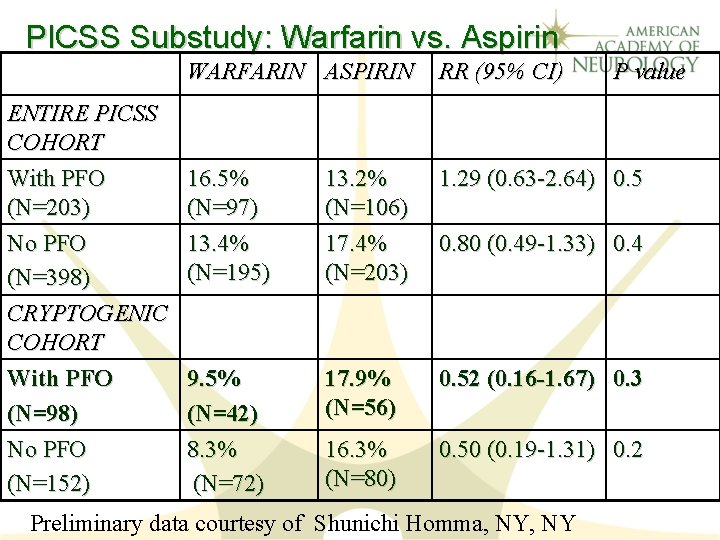
PICSS Substudy: Warfarin vs. Aspirin ENTIRE PICSS COHORT With PFO (N=203) No PFO (N=398) CRYPTOGENIC COHORT With PFO (N=98) No PFO (N=152) WARFARIN ASPIRIN RR (95% CI) P value 16. 5% (N=97) 13. 4% (N=195) 13. 2% (N=106) 17. 4% (N=203) 1. 29 (0. 63 -2. 64) 0. 5 9. 5% (N=42) 8. 3% (N=72) 17. 9% (N=56) 0. 52 (0. 16 -1. 67) 0. 3 16. 3% (N=80) 0. 50 (0. 19 -1. 31) 0. 2 0. 80 (0. 49 -1. 33) 0. 4 Preliminary data courtesy of Shunichi Homma, NY
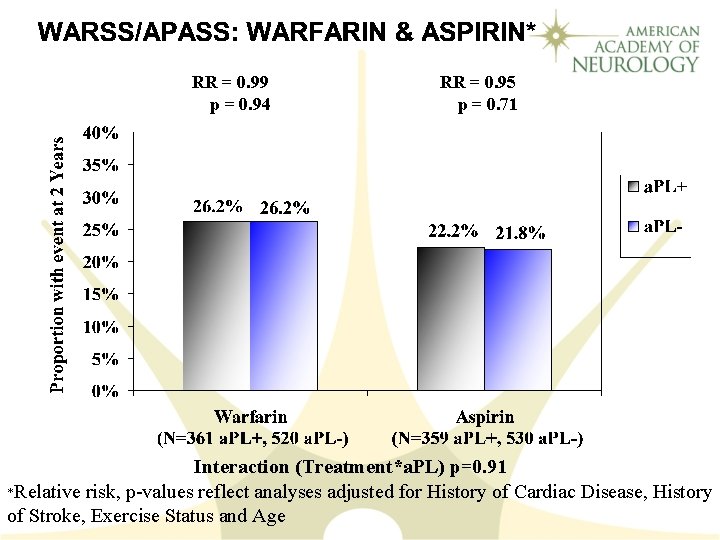
Management of Stroke with Antiphospholipid Antibodies • Recent NEJM review article* suggests high dose warfarin is preferred treatment based on several small nonrandomized retrospective case series • WARSS randomized substudy on antiphospholipid antibodies (720 patients with a. PL) shows no significant difference and trend in favor of aspirin *Source: Levine et al. N Engl J Med 2002; 346: 752 -63.
RR = 0. 99 p = 0. 94 RR = 0. 95 p = 0. 71 Interaction (Treatment*a. PL) p=0. 91 *Relative risk, p-values reflect analyses adjusted for History of Cardiac Disease, History of Stroke, Exercise Status and Age