
Prevention and Treatment of Hypoglycemia F Hosseinpanah M
- Slides: 86
Prevention and Treatment of Hypoglycemia F. Hosseinpanah, M. D. Obesity Research Center Research Institute for Endocrine sciences Shahid Beheshti University of Medical Sciences July 25 th , 2019 Tabriz
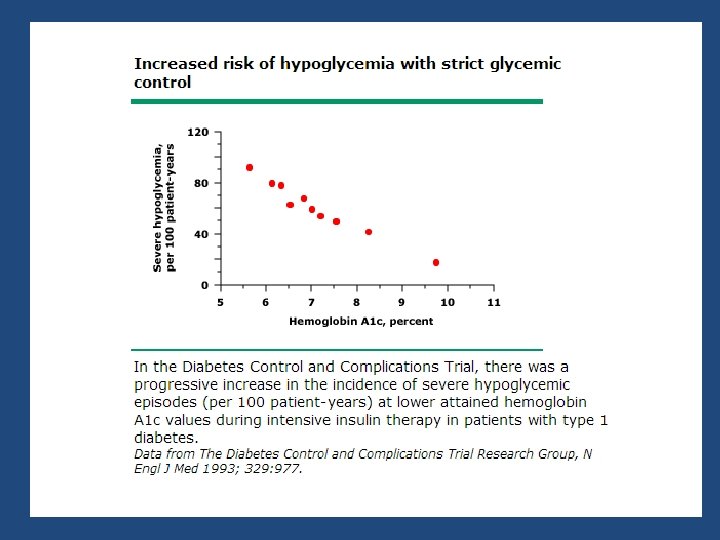
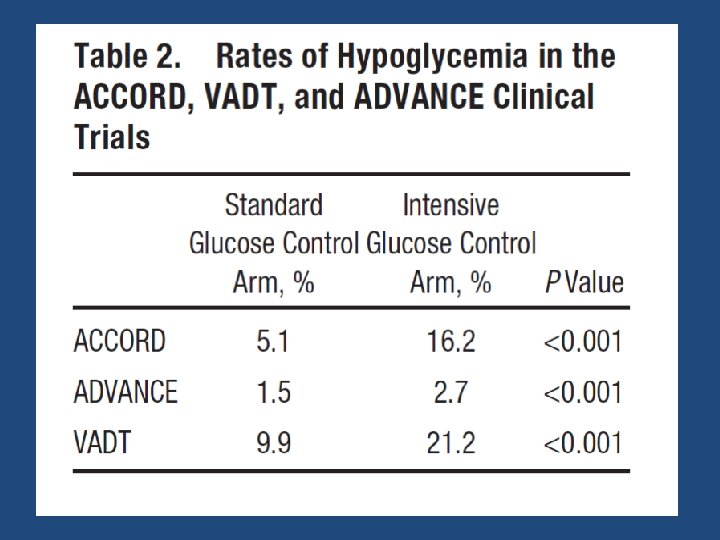
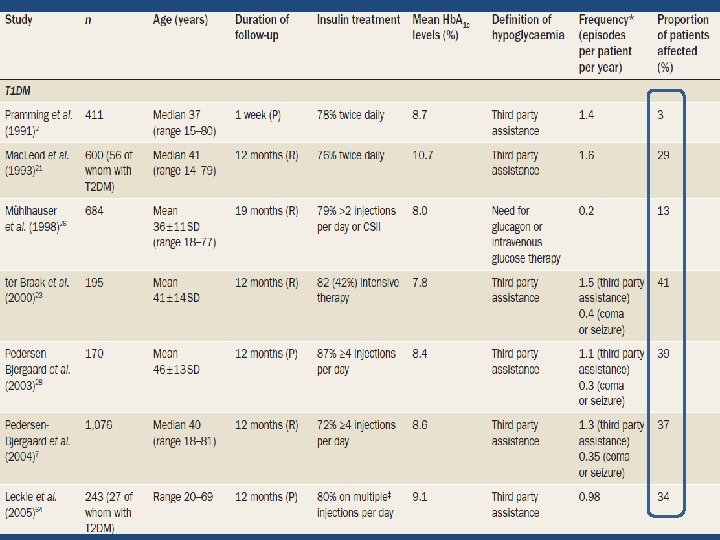
Agenda • • • Definitions Pathophsiology Prevalence Clinical outcomes ( hypoglycemia and CVD) Prevention Treatment
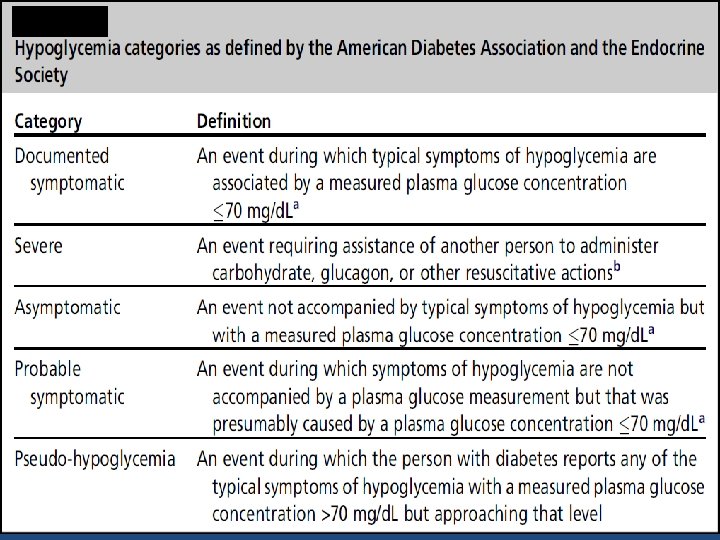
• Objective: To review the evidence about the impact of hypoglycemia on patients with diabetes that has become available since the past reviews of this subject by the American Diabetes Association and The Endocrine Society and to provide guidance about how this new information should be incorporated into clinical practice J Clin Endocrinol Metab 98: 1845– 1859, 2013
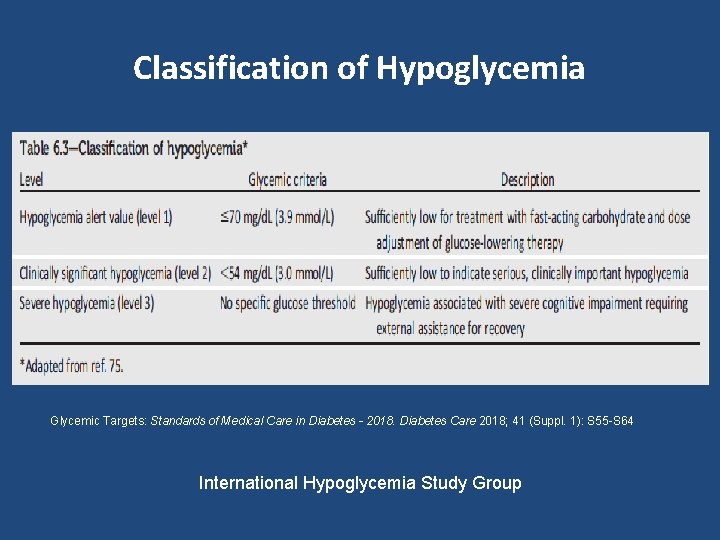
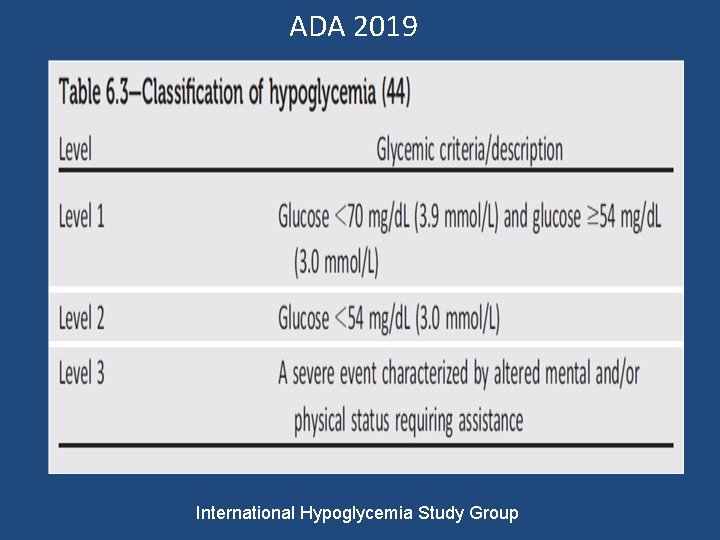
Definition • All episodes of an abnormally low plasma glucose concentration that expose the individual to potential harm • A single threshold value for plasma glucose concentration that defines hypoglycemia in diabetes cannot be assigned because there are varying threshold for symptoms
Classification of Hypoglycemia Glycemic Targets: Standards of Medical Care in Diabetes - 2018. Diabetes Care 2018; 41 (Suppl. 1): S 55 -S 64 International Hypoglycemia Study Group
ADA 2019 International Hypoglycemia Study Group
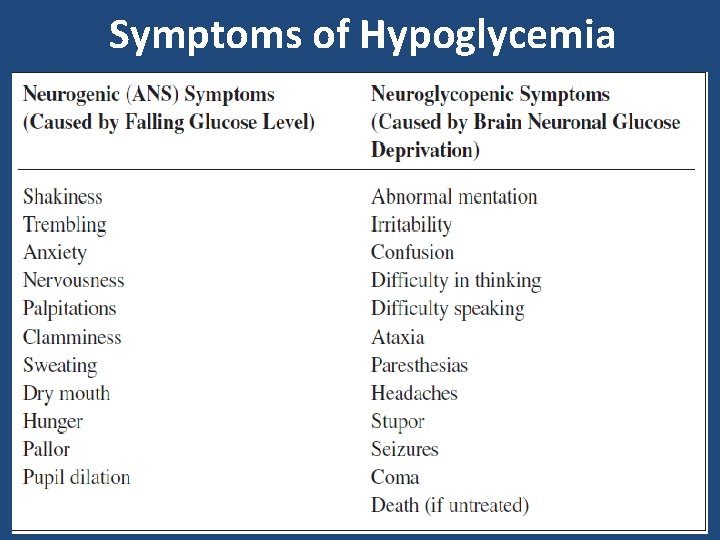
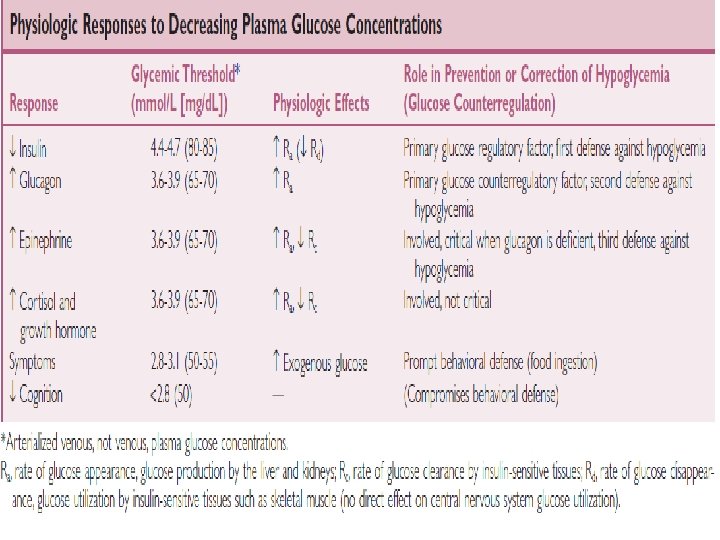
Symptoms of Hypoglycemia
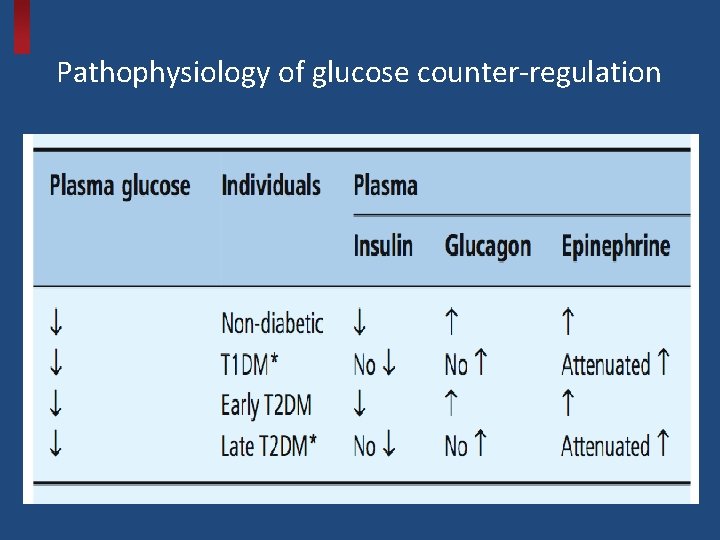
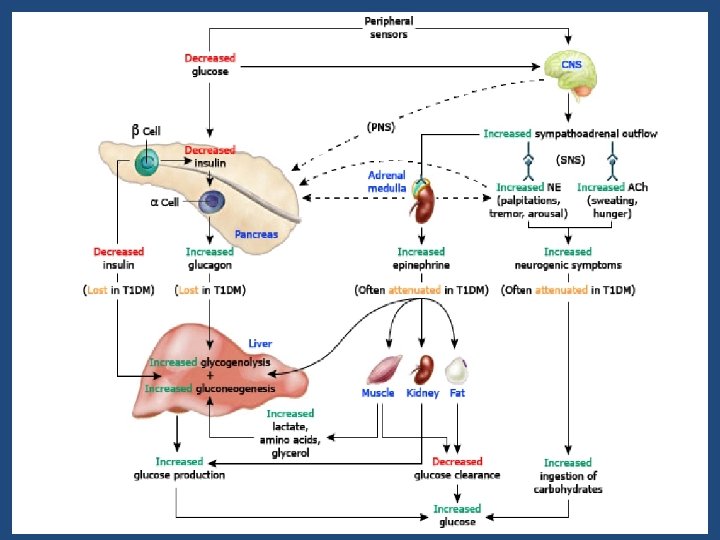
Pathophysiology of glucose counter-regulation
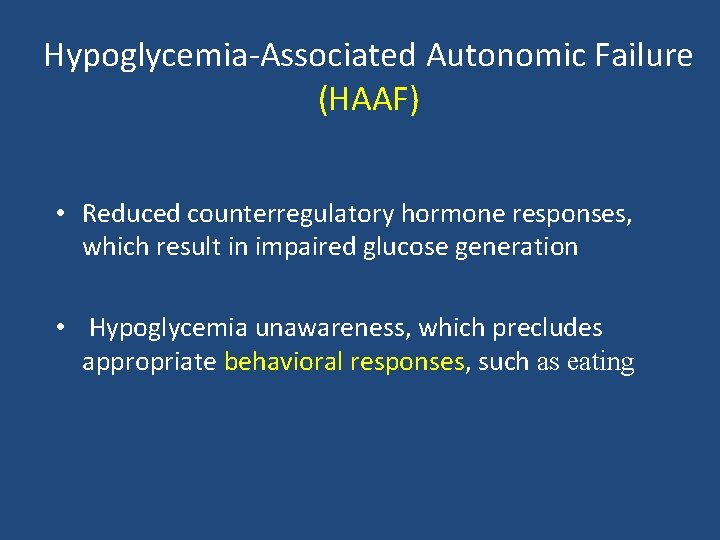
Hypoglycemia-Associated Autonomic Failure (HAAF) • Reduced counterregulatory hormone responses, which result in impaired glucose generation • Hypoglycemia unawareness, which precludes appropriate behavioral responses, such as eating
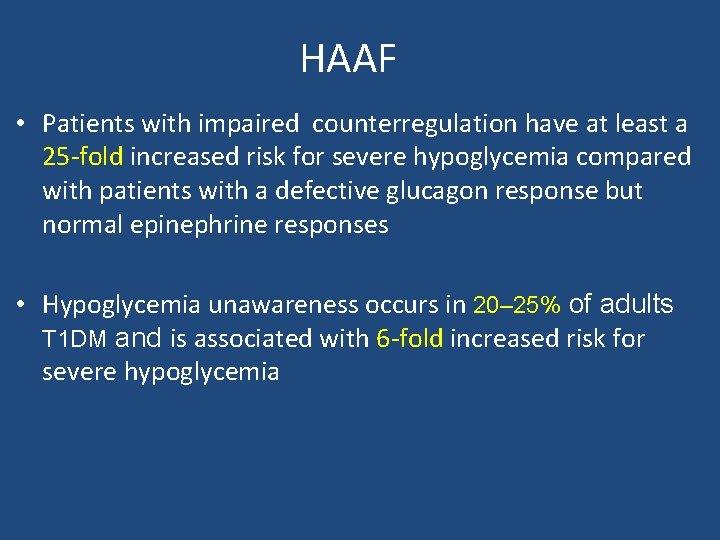
HAAF • Patients with impaired counterregulation have at least a 25 -fold increased risk for severe hypoglycemia compared with patients with a defective glucagon response but normal epinephrine responses • Hypoglycemia unawareness occurs in 20– 25% of adults T 1 DM and is associated with 6 -fold increased risk for severe hypoglycemia
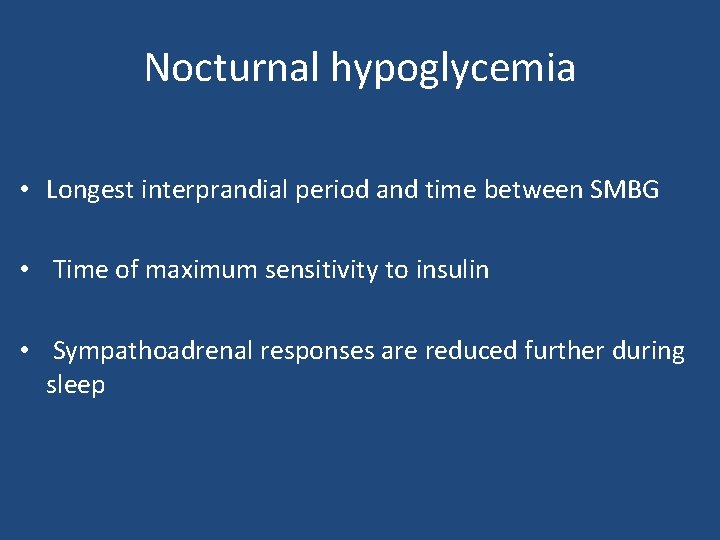
Nocturnal hypoglycemia • Longest interprandial period and time between SMBG • Time of maximum sensitivity to insulin • Sympathoadrenal responses are reduced further during sleep
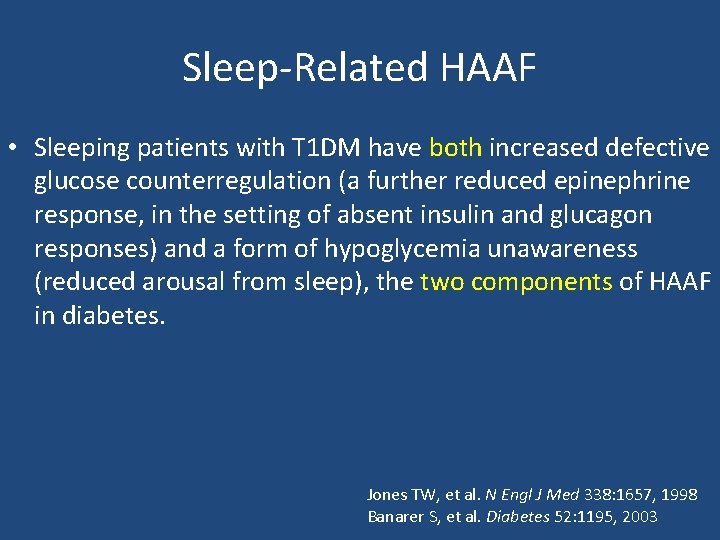
Sleep-Related HAAF • Sleeping patients with T 1 DM have both increased defective glucose counterregulation (a further reduced epinephrine response, in the setting of absent insulin and glucagon responses) and a form of hypoglycemia unawareness (reduced arousal from sleep), the two components of HAAF in diabetes. Jones TW, et al. N Engl J Med 338: 1657, 1998 Banarer S, et al. Diabetes 52: 1195, 2003
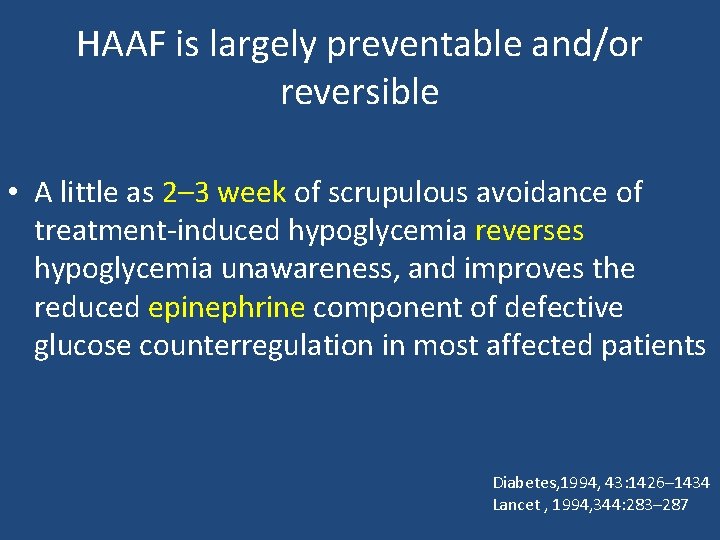
HAAF is largely preventable and/or reversible • A little as 2– 3 week of scrupulous avoidance of treatment-induced hypoglycemia reverses hypoglycemia unawareness, and improves the reduced epinephrine component of defective glucose counterregulation in most affected patients Diabetes, 1994, 43: 1426– 1434 Lancet , 1994, 344: 283– 287
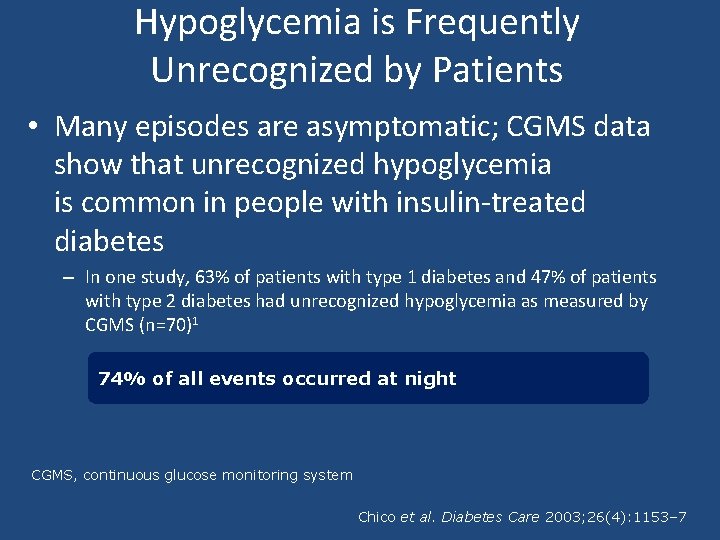
Hypoglycemia is Frequently Unrecognized by Patients • Many episodes are asymptomatic; CGMS data show that unrecognized hypoglycemia is common in people with insulin-treated diabetes – In one study, 63% of patients with type 1 diabetes and 47% of patients with type 2 diabetes had unrecognized hypoglycemia as measured by CGMS (n=70)1 74% of all events occurred at night CGMS, continuous glucose monitoring system Chico et al. Diabetes Care 2003; 26(4): 1153– 7
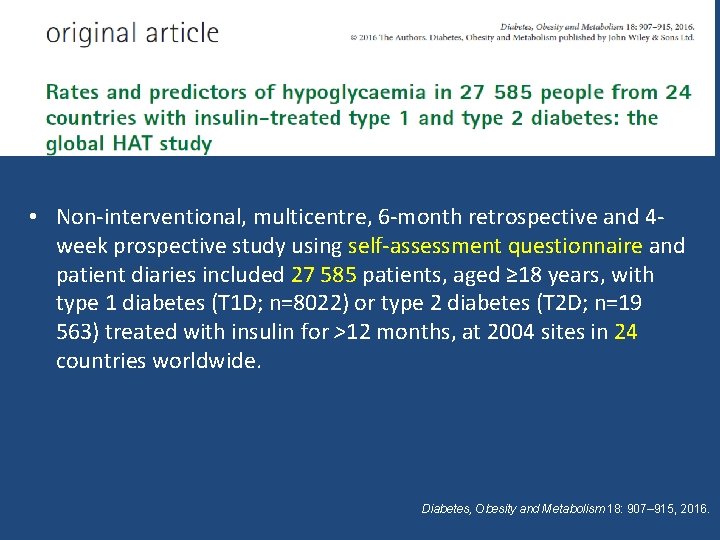
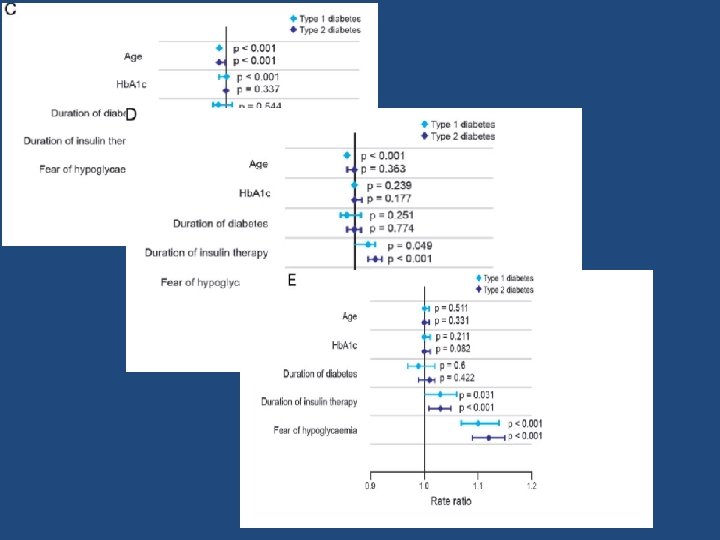
• Non-interventional, multicentre, 6 -month retrospective and 4 week prospective study using self-assessment questionnaire and patient diaries included 27 585 patients, aged ≥ 18 years, with type 1 diabetes (T 1 D; n=8022) or type 2 diabetes (T 2 D; n=19 563) treated with insulin for >12 months, at 2004 sites in 24 countries worldwide. Diabetes, Obesity and Metabolism 18: 907– 915, 2016.
Results • During the prospective period, 83. 0% of patients with T 1 D and 46. 5% of patients with T 2 D reported hypoglycemia • Rates of any, nocturnal and severe hypoglycemia were 73. 3 , 11. 3 and 4. 9 events/patient-year for T 1 D and 19. 3 , 3. 7 and 2. 5 events/patient-year for T 2 D, respectively • HA 1 c level was not a significant predictor of hypoglycemia
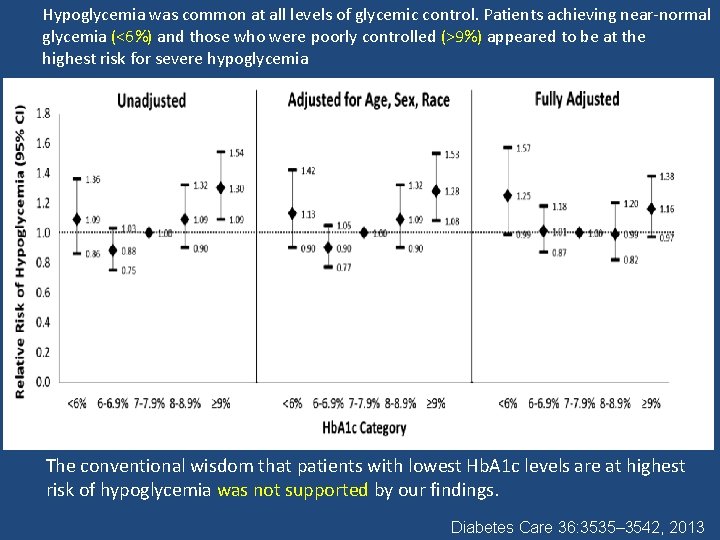
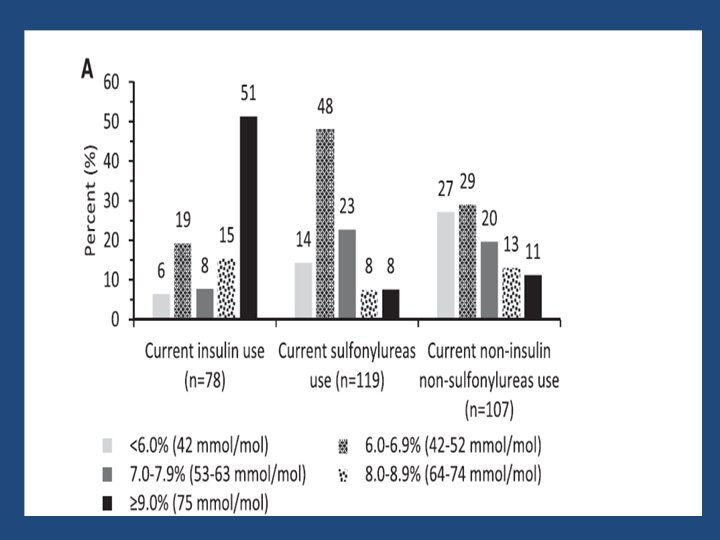
Hypoglycemia was common at all levels of glycemic control. Patients achieving near-normal glycemia (<6%) and those who were poorly controlled (>9%) appeared to be at the highest risk for severe hypoglycemia The conventional wisdom that patients with lowest Hb. A 1 c levels are at highest risk of hypoglycemia was not supported by our findings. Diabetes Care 36: 3535– 3542, 2013
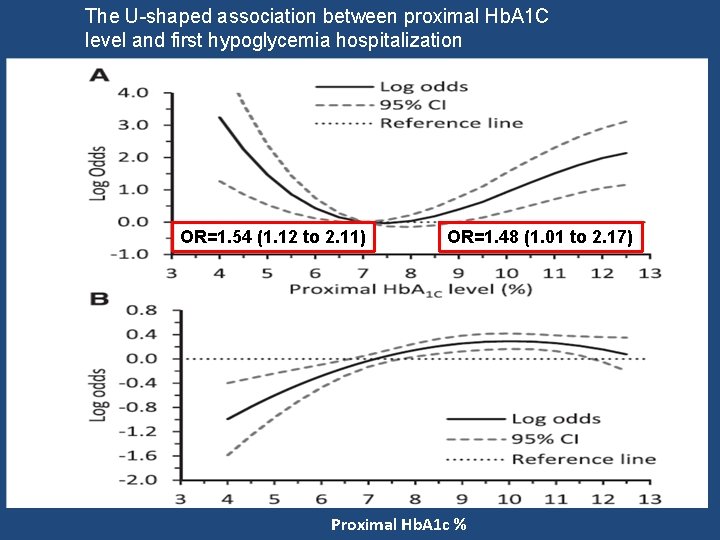
• To determine the association of proximal Hb. A 1 C level with first hypoglycemia hospitalization (HH) in adults with incident type 2 diabetes (T 2 D) • A nested case-control study in England in 1997 to 2014 J Clin Endocrinol Metab 104: 1989– 1998, 2019
The U-shaped association between proximal Hb. A 1 C level and first hypoglycemia hospitalization OR=1. 54 (1. 12 to 2. 11) OR=1. 48 (1. 01 to 2. 17) Proximal Hb. A 1 c %
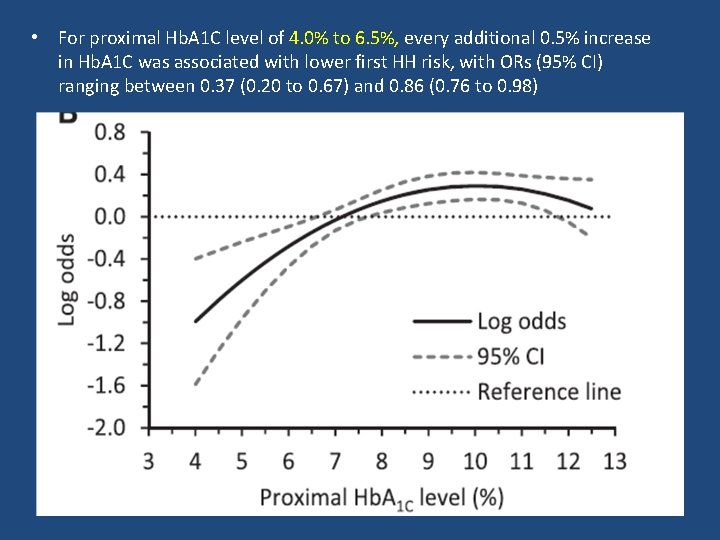
• For proximal Hb. A 1 C level of 4. 0% to 6. 5%, every additional 0. 5% increase in Hb. A 1 C was associated with lower first HH risk, with ORs (95% CI) ranging between 0. 37 (0. 20 to 0. 67) and 0. 86 (0. 76 to 0. 98)
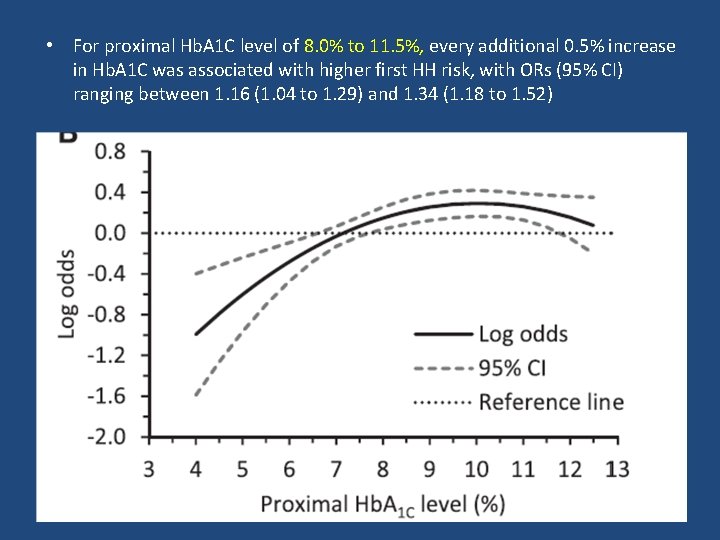
• For proximal Hb. A 1 C level of 8. 0% to 11. 5%, every additional 0. 5% increase in Hb. A 1 C was associated with higher first HH risk, with ORs (95% CI) ranging between 1. 16 (1. 04 to 1. 29) and 1. 34 (1. 18 to 1. 52)
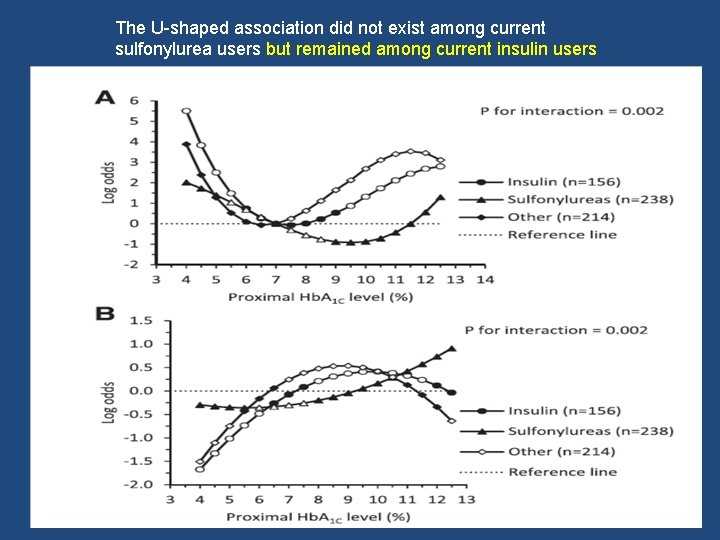
The U-shaped association did not exist among current sulfonylurea users but remained among current insulin users
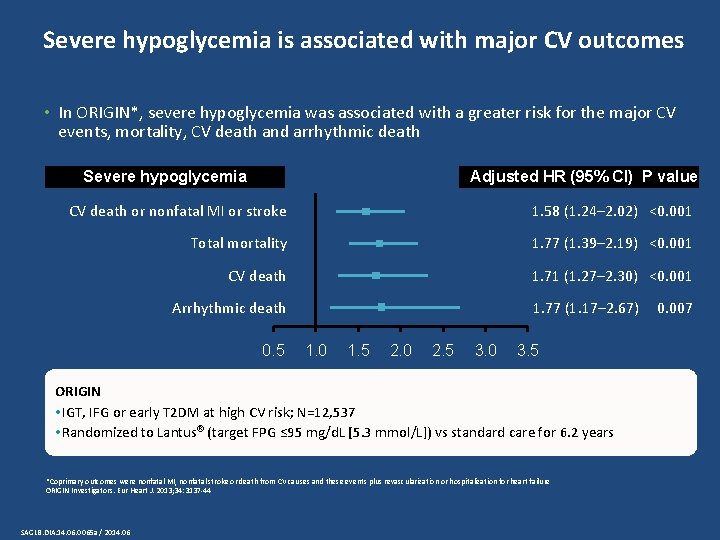
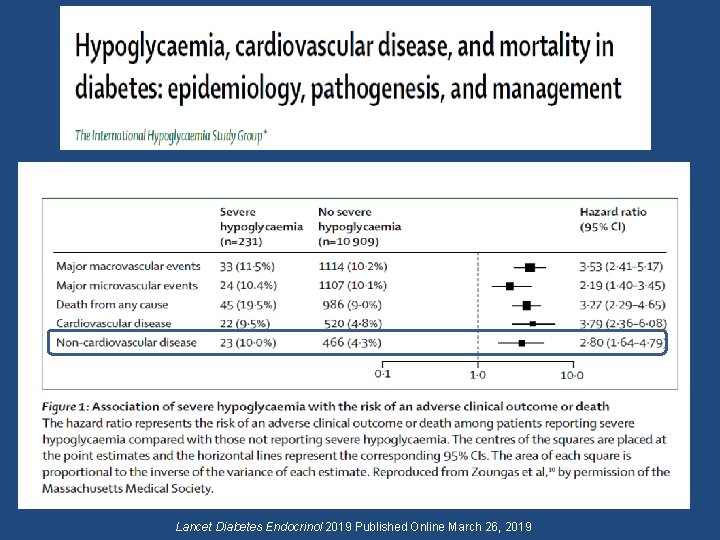
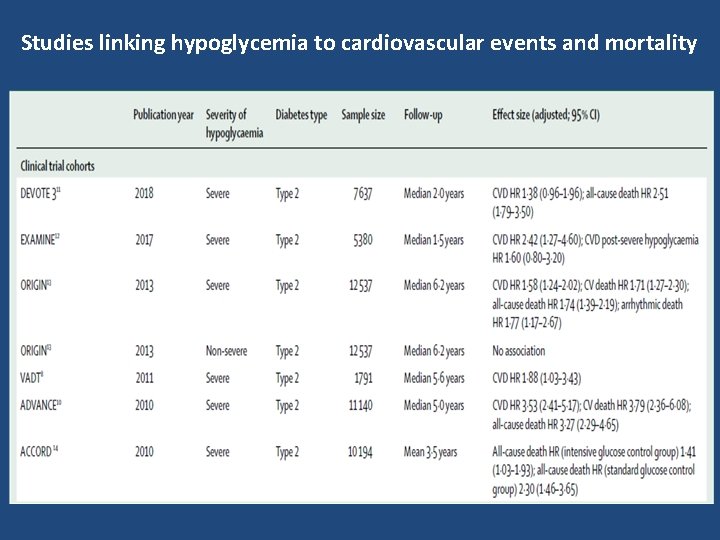
Severe hypoglycemia is associated with major CV outcomes • In ORIGIN*, severe hypoglycemia was associated with a greater risk for the major CV events, mortality, CV death and arrhythmic death Severe hypoglycemia Adjusted HR (95% CI) P value CV death or nonfatal MI or stroke 1. 58 (1. 24– 2. 02) <0. 001 Total mortality 1. 77 (1. 39– 2. 19) <0. 001 CV death 1. 71 (1. 27– 2. 30) <0. 001 Arrhythmic death 1. 77 (1. 17– 2. 67) 0. 007 0. 5 1. 0 1. 5 2. 0 2. 5 3. 0 3. 5 ORIGIN • IGT, IFG or early T 2 DM at high CV risk; N=12, 537 • Randomized to Lantus (target FPG ≤ 95 mg/d. L [5. 3 mmol/L]) vs standard care for 6. 2 years *Coprimary outcomes were nonfatal MI, nonfatal stroke or death from CV causes and these events plus revascularization or hospitalization for heart failure ORIGIN Investigators. Eur Heart J. 2013; 34: 3137 -44 SAGLB. DIA. 14. 06. 0065 a / 2014. 06
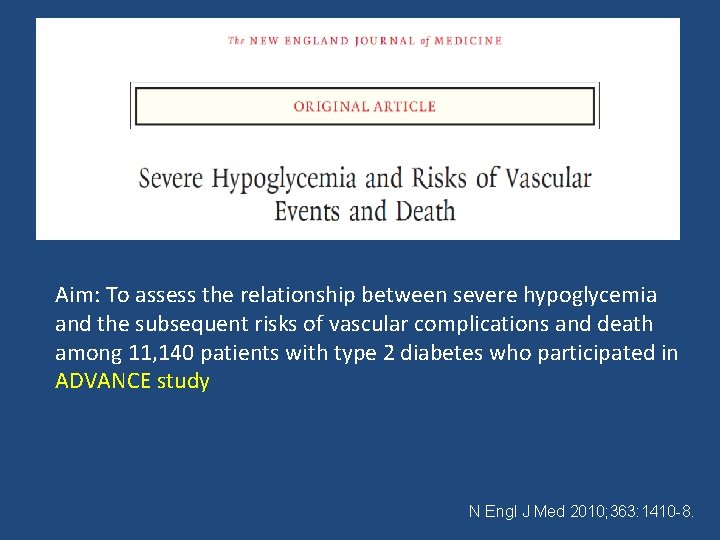
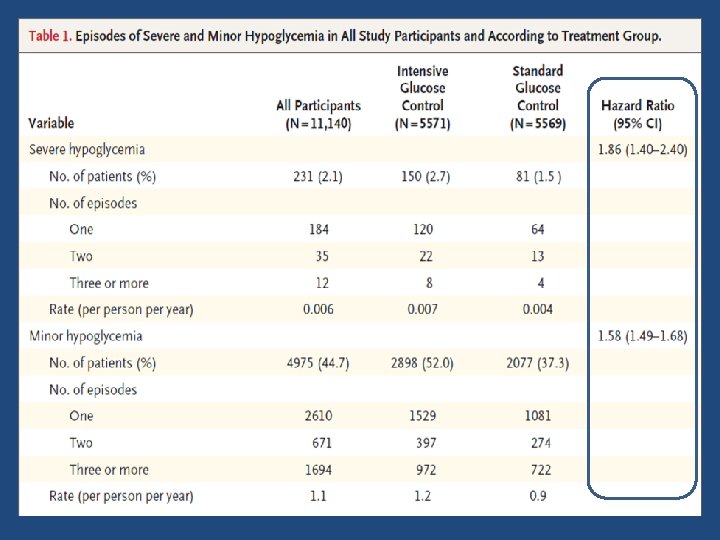
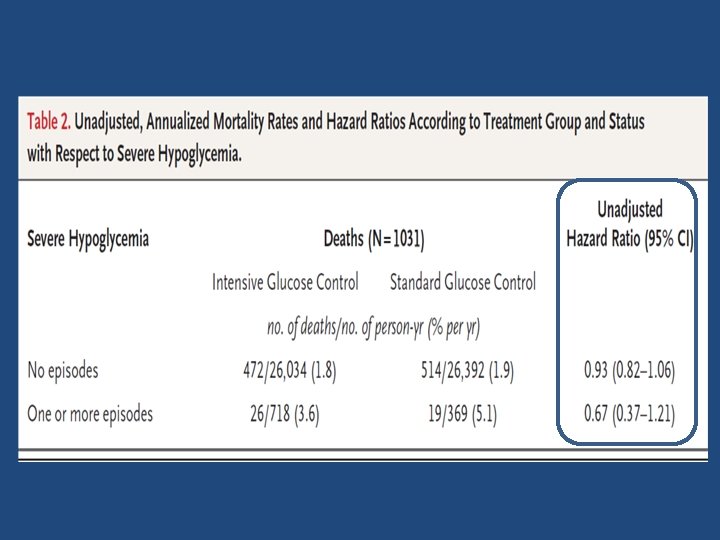
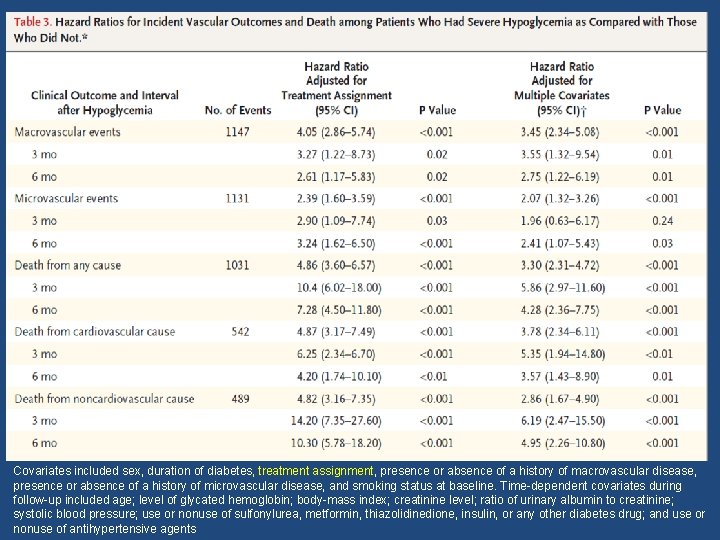
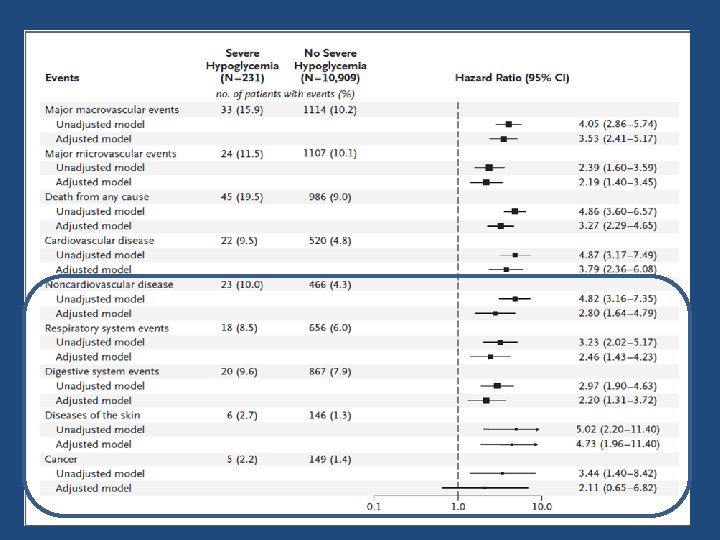
Aim: To assess the relationship between severe hypoglycemia and the subsequent risks of vascular complications and death among 11, 140 patients with type 2 diabetes who participated in ADVANCE study N Engl J Med 2010; 363: 1410 -8.
Covariates included sex, duration of diabetes, treatment assignment, presence or absence of a history of macrovascular disease, presence or absence of a history of microvascular disease, and smoking status at baseline. Time-dependent covariates during follow-up included age; level of glycated hemoglobin; body-mass index; creatinine level; ratio of urinary albumin to creatinine; systolic blood pressure; use or nonuse of sulfonylurea, metformin, thiazolidinedione, insulin, or any other diabetes drug; and use or nonuse of antihypertensive agents
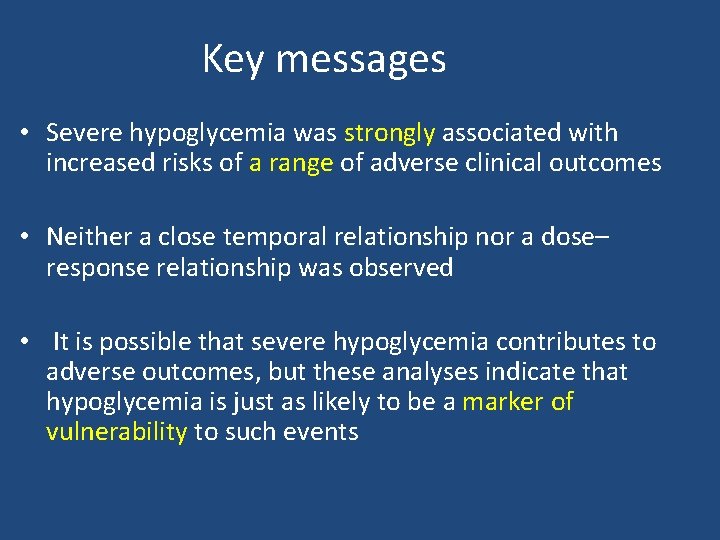
Key messages • Severe hypoglycemia was strongly associated with increased risks of a range of adverse clinical outcomes • Neither a close temporal relationship nor a dose– response relationship was observed • It is possible that severe hypoglycemia contributes to adverse outcomes, but these analyses indicate that hypoglycemia is just as likely to be a marker of vulnerability to such events
Lancet Diabetes Endocrinol 2019 Published Online March 26, 2019
Studies linking hypoglycemia to cardiovascular events and mortality
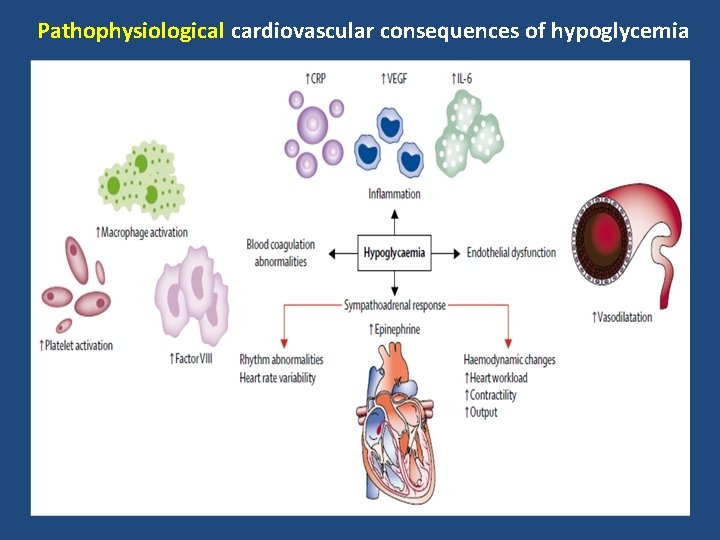
Pathophysiological cardiovascular consequences of hypoglycemia
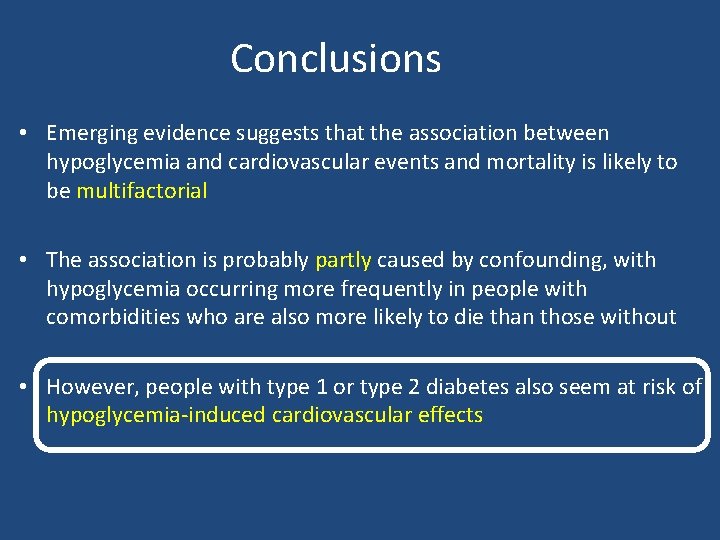
Conclusions • Emerging evidence suggests that the association between hypoglycemia and cardiovascular events and mortality is likely to be multifactorial • The association is probably partly caused by confounding, with hypoglycemia occurring more frequently in people with comorbidities who are also more likely to die than those without • However, people with type 1 or type 2 diabetes also seem at risk of hypoglycemia-induced cardiovascular effects
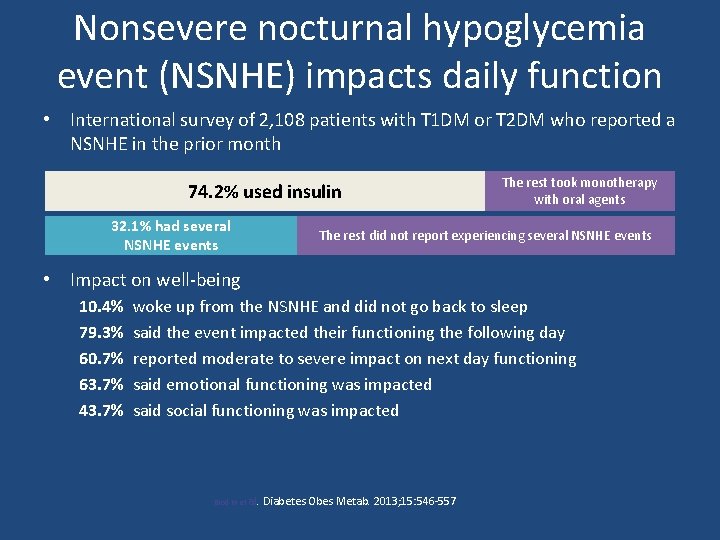
Nonsevere nocturnal hypoglycemia event (NSNHE) impacts daily function • International survey of 2, 108 patients with T 1 DM or T 2 DM who reported a NSNHE in the prior month 74. 2% used insulin 32. 1% had several NSNHE events The rest took monotherapy with oral agents The rest did not report experiencing several NSNHE events • Impact on well-being 10. 4% 79. 3% 60. 7% 63. 7% 43. 7% woke up from the NSNHE and did not go back to sleep said the event impacted their functioning the following day reported moderate to severe impact on next day functioning said emotional functioning was impacted said social functioning was impacted Brod M et al. Diabetes Obes Metab. 2013; 15: 546 -557
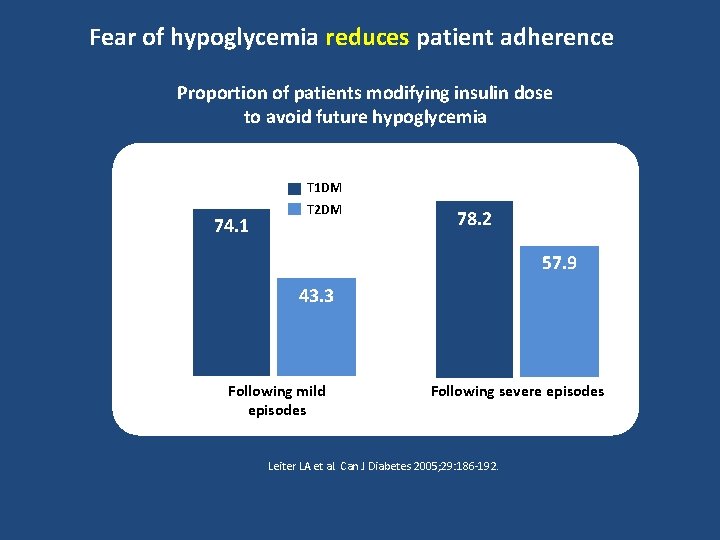
Fear of hypoglycemia reduces patient adherence Proportion of patients modifying insulin dose to avoid future hypoglycemia Patients, % 90 T 1 DM 80 T 2 DM 70 74. 1 60 50 40 43. 3 30 20 10 0 Following mild episodes 78. 2 57. 9 Following severe episodes Leiter LA et al. Can J Diabetes 2005; 29: 186 -192.
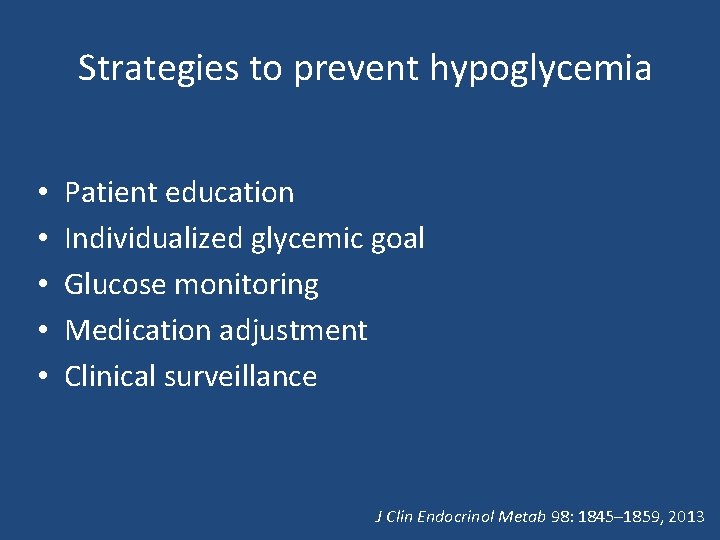
Strategies to prevent hypoglycemia • • • Patient education Individualized glycemic goal Glucose monitoring Medication adjustment Clinical surveillance J Clin Endocrinol Metab 98: 1845– 1859, 2013
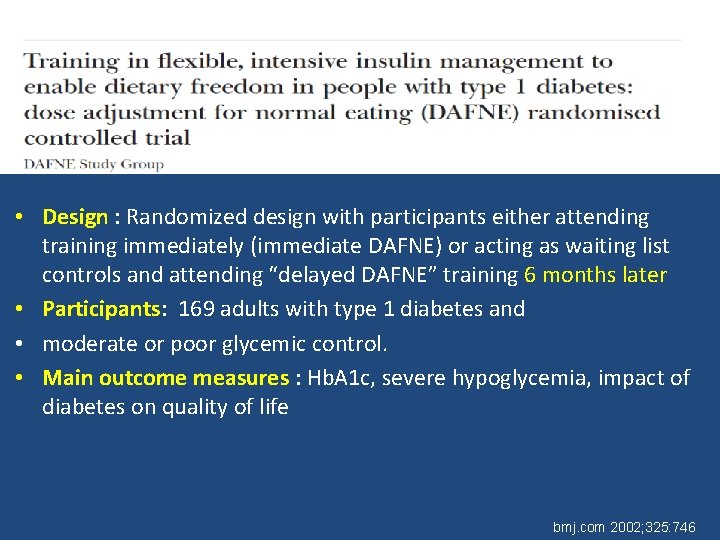
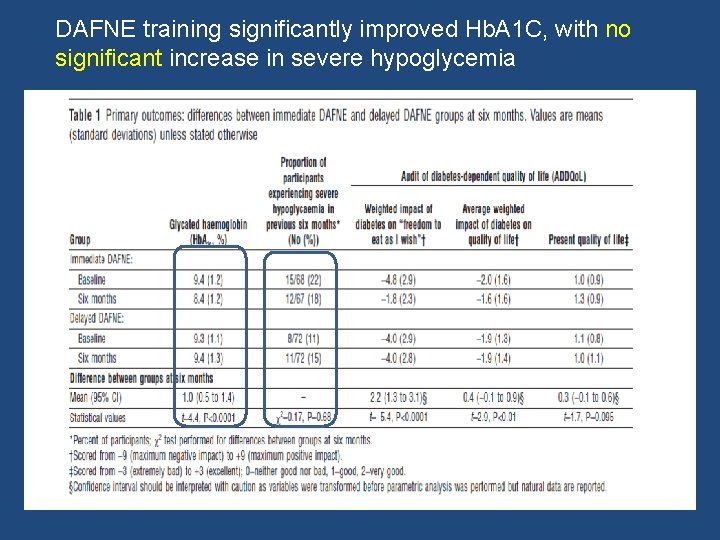
• Design : Randomized design with participants either attending training immediately (immediate DAFNE) or acting as waiting list controls and attending “delayed DAFNE” training 6 months later • Participants: 169 adults with type 1 diabetes and • moderate or poor glycemic control. • Main outcome measures : Hb. A 1 c, severe hypoglycemia, impact of diabetes on quality of life bmj. com 2002; 325: 746
DAFNE training significantly improved Hb. A 1 C, with no significant increase in severe hypoglycemia
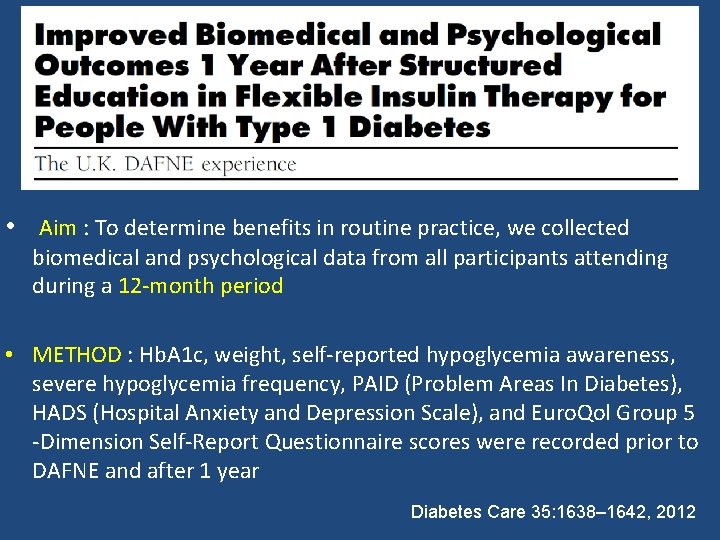
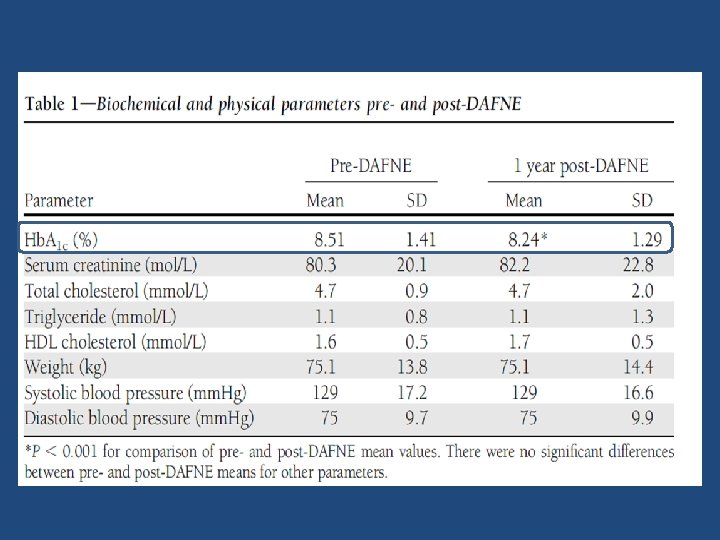
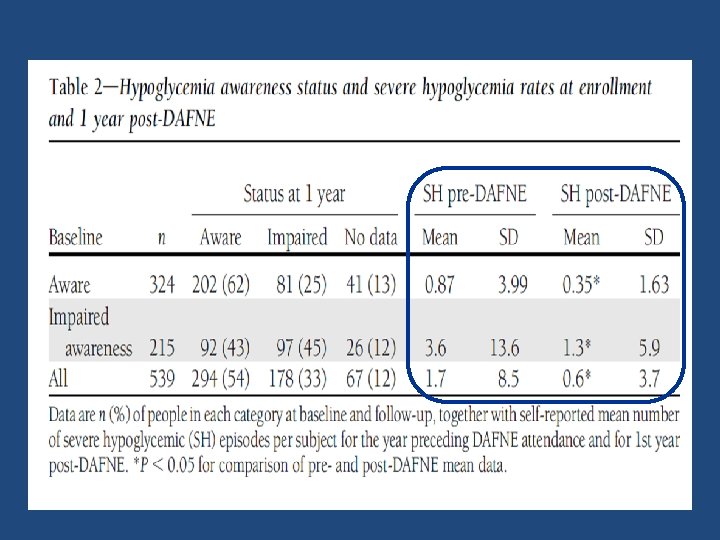
• Aim : To determine benefits in routine practice, we collected biomedical and psychological data from all participants attending during a 12 -month period • METHOD : Hb. A 1 c, weight, self-reported hypoglycemia awareness, severe hypoglycemia frequency, PAID (Problem Areas In Diabetes), HADS (Hospital Anxiety and Depression Scale), and Euro. Qol Group 5 -Dimension Self-Report Questionnaire scores were recorded prior to DAFNE and after 1 year Diabetes Care 35: 1638– 1642, 2012
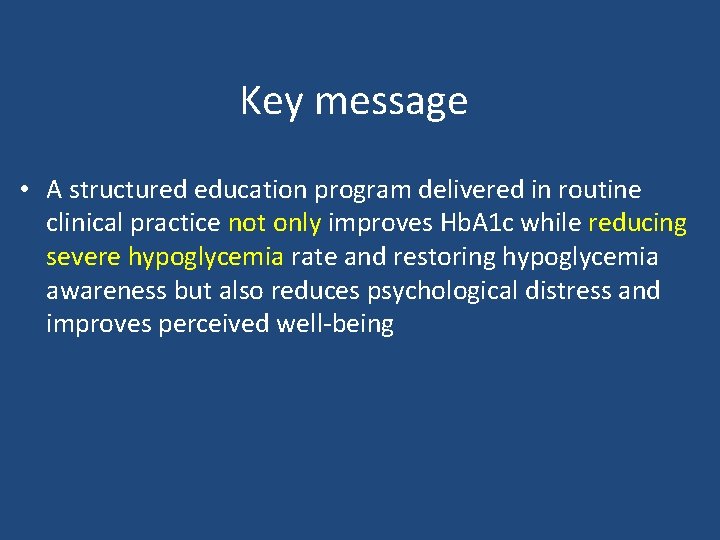
Key message • A structured education program delivered in routine clinical practice not only improves Hb. A 1 c while reducing severe hypoglycemia rate and restoring hypoglycemia awareness but also reduces psychological distress and improves perceived well-being
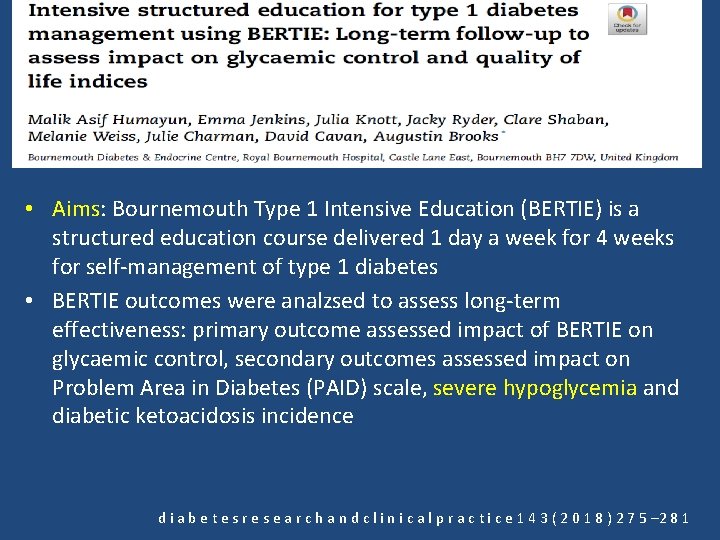
• Aims: Bournemouth Type 1 Intensive Education (BERTIE) is a structured education course delivered 1 day a week for 4 weeks for self-management of type 1 diabetes • BERTIE outcomes were analzsed to assess long-term effectiveness: primary outcome assessed impact of BERTIE on glycaemic control, secondary outcomes assessed impact on Problem Area in Diabetes (PAID) scale, severe hypoglycemia and diabetic ketoacidosis incidence d i a b e t e s r e s e a r c h a n d c l i n i c a l p r a c t i c e 1 4 3 ( 2 0 1 8 ) 2 7 5 – 2 8 1
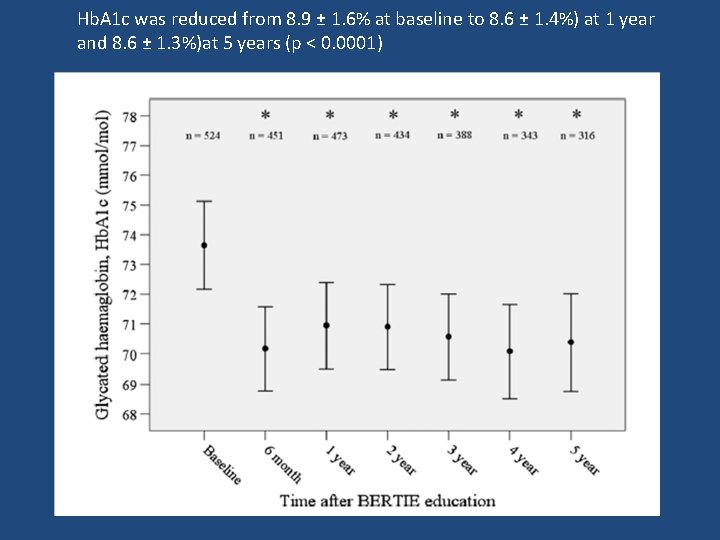
Hb. A 1 c was reduced from 8. 9 ± 1. 6% at baseline to 8. 6 ± 1. 4%) at 1 year and 8. 6 ± 1. 3%)at 5 years (p < 0. 0001)
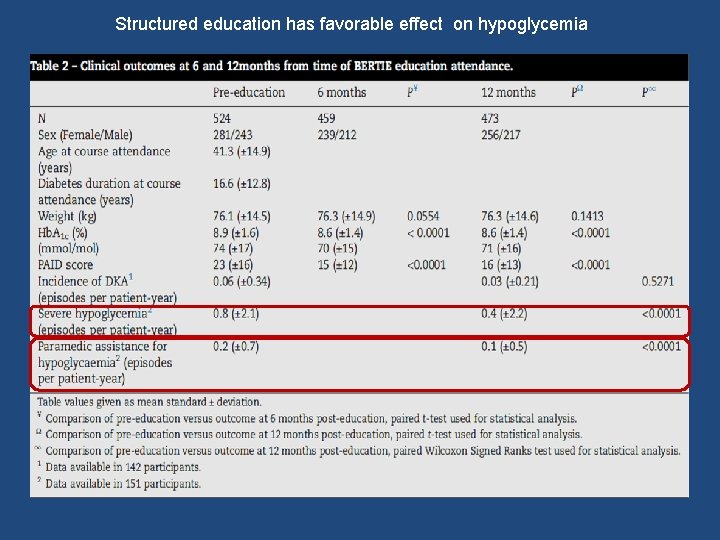
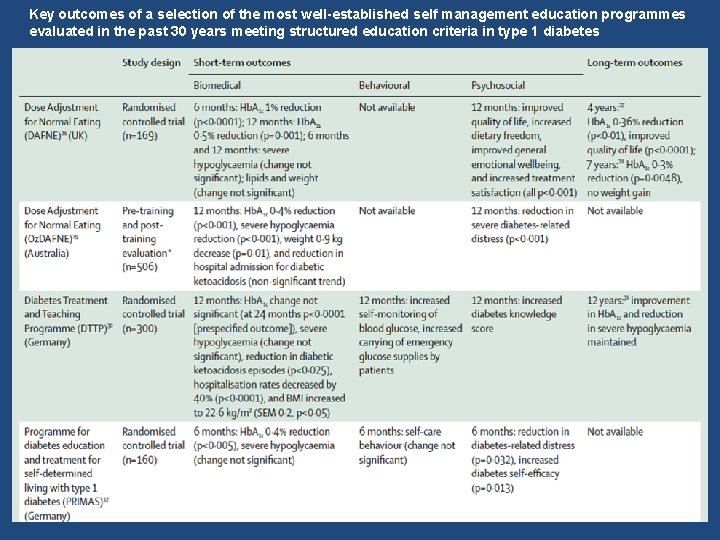
Structured education has favorable effect on hypoglycemia
Lancet Diabetes Endocrinol 2017 Published Online September 29, 2017
Key outcomes of a selection of the most well-established self management education programmes evaluated in the past 30 years meeting structured education criteria in type 1 diabetes
Cochrane Database of Systematic Reviews 2007, Issue 2.
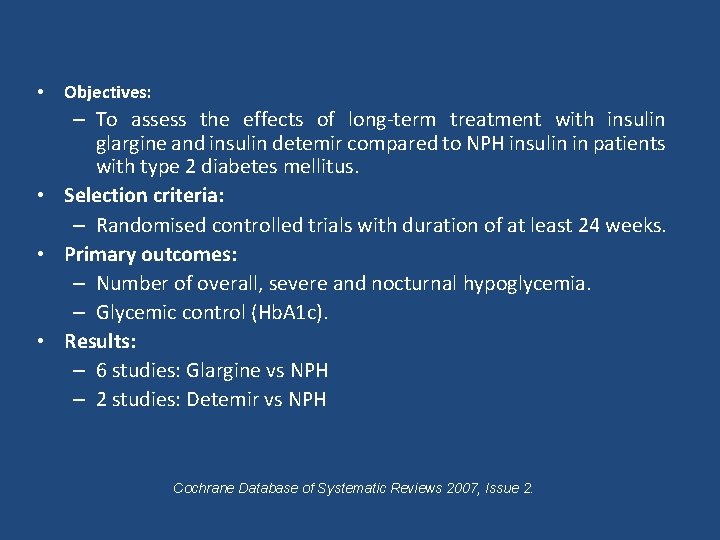
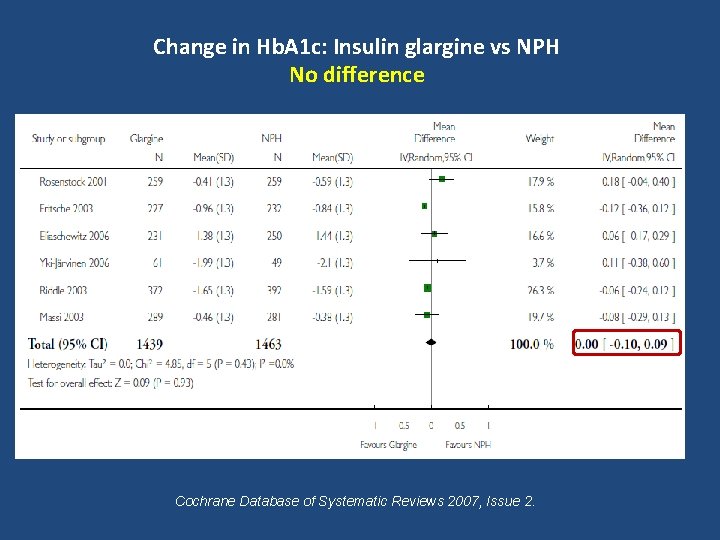
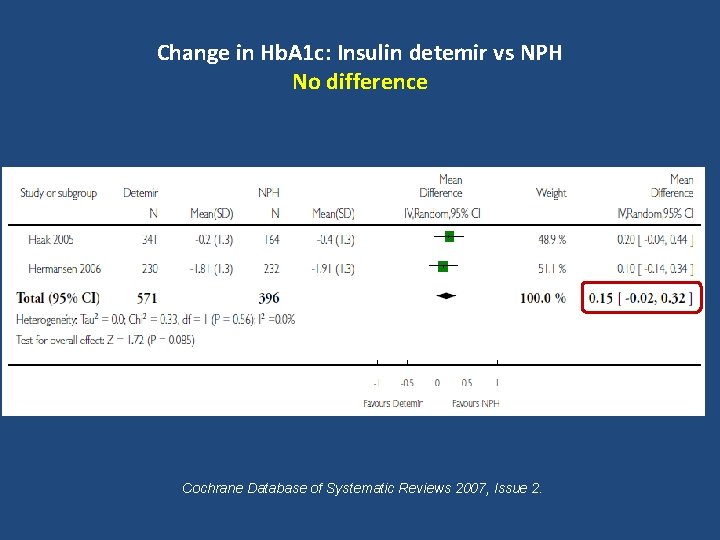
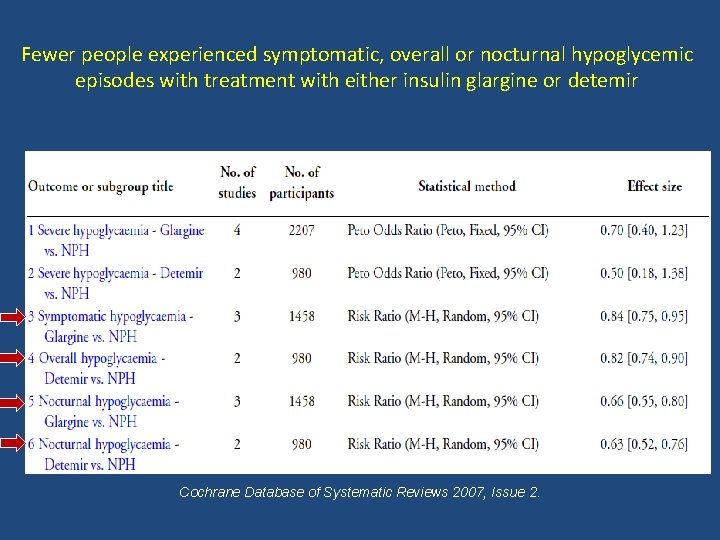
• Objectives: – To assess the effects of long-term treatment with insulin glargine and insulin detemir compared to NPH insulin in patients with type 2 diabetes mellitus. • Selection criteria: – Randomised controlled trials with duration of at least 24 weeks. • Primary outcomes: – Number of overall, severe and nocturnal hypoglycemia. – Glycemic control (Hb. A 1 c). • Results: – 6 studies: Glargine vs NPH – 2 studies: Detemir vs NPH Cochrane Database of Systematic Reviews 2007, Issue 2.
Change in Hb. A 1 c: Insulin glargine vs NPH No difference Cochrane Database of Systematic Reviews 2007, Issue 2.
Change in Hb. A 1 c: Insulin detemir vs NPH No difference Cochrane Database of Systematic Reviews 2007, Issue 2.
Fewer people experienced symptomatic, overall or nocturnal hypoglycemic episodes with treatment with either insulin glargine or detemir Cochrane Database of Systematic Reviews 2007, Issue 2.
Cochrane Database of Systematic Reviews 2016, Issue 6.
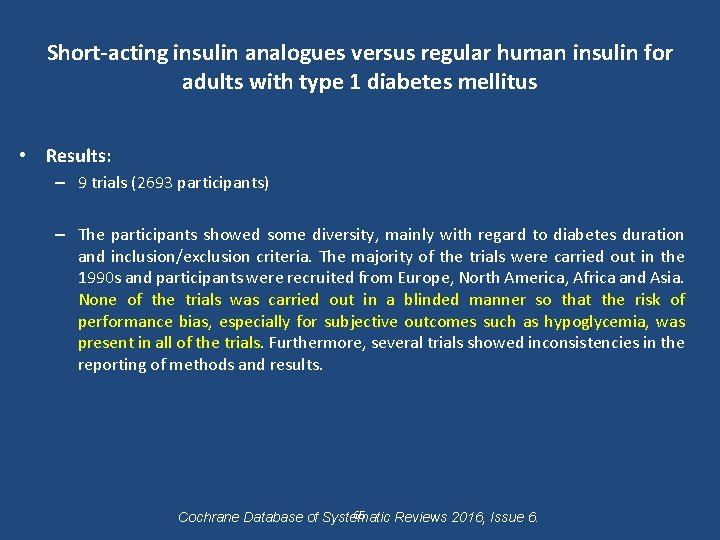
Short-acting insulin analogues versus regular human insulin for adults with type 1 diabetes mellitus • Results: – 9 trials (2693 participants) – The participants showed some diversity, mainly with regard to diabetes duration and inclusion/exclusion criteria. The majority of the trials were carried out in the 1990 s and participants were recruited from Europe, North America, Africa and Asia. None of the trials was carried out in a blinded manner so that the risk of performance bias, especially for subjective outcomes such as hypoglycemia, was present in all of the trials. Furthermore, several trials showed inconsistencies in the reporting of methods and results. 65 Cochrane Database of Systematic Reviews 2016, Issue 6.
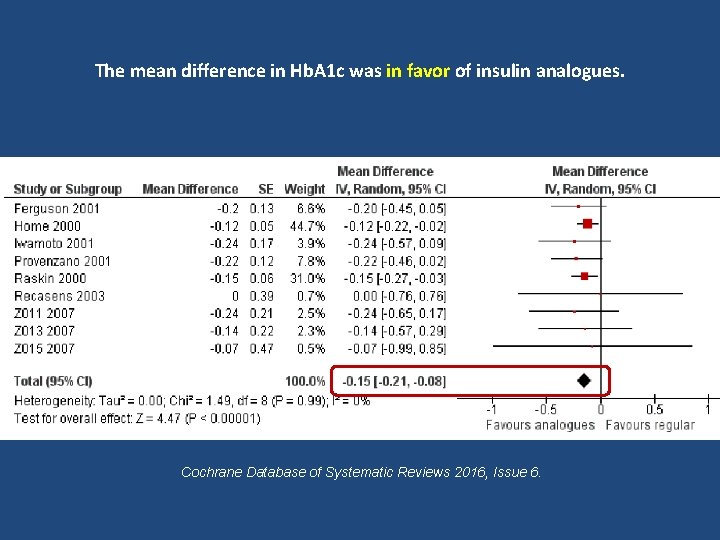
The mean difference in Hb. A 1 c was in favor of insulin analogues. Cochrane Database of Systematic Reviews 2016, Issue 6.
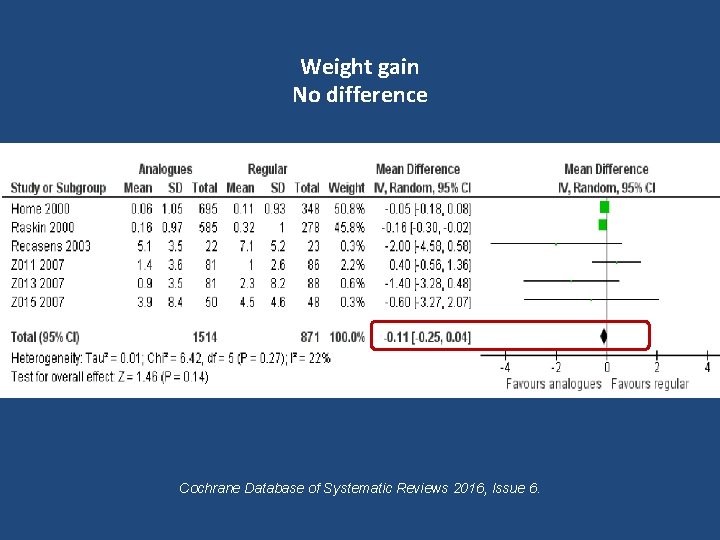
Weight gain No difference Cochrane Database of Systematic Reviews 2016, Issue 6.
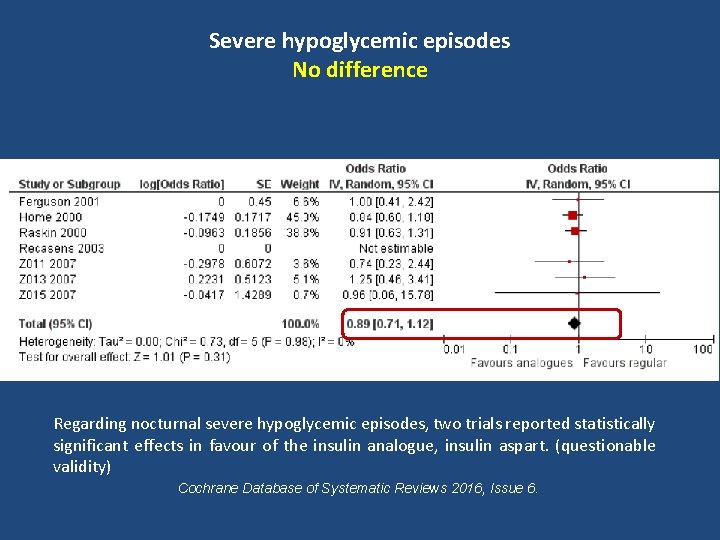
Severe hypoglycemic episodes No difference n Regarding nocturnal severe hypoglycemic episodes, two trials reported statistically significant effects in favour of the insulin analogue, insulin aspart. (questionable validity) Cochrane Database of Systematic Reviews 2016, Issue 6.
Cochrane Database of Systematic Reviews 2018, Issue 12.
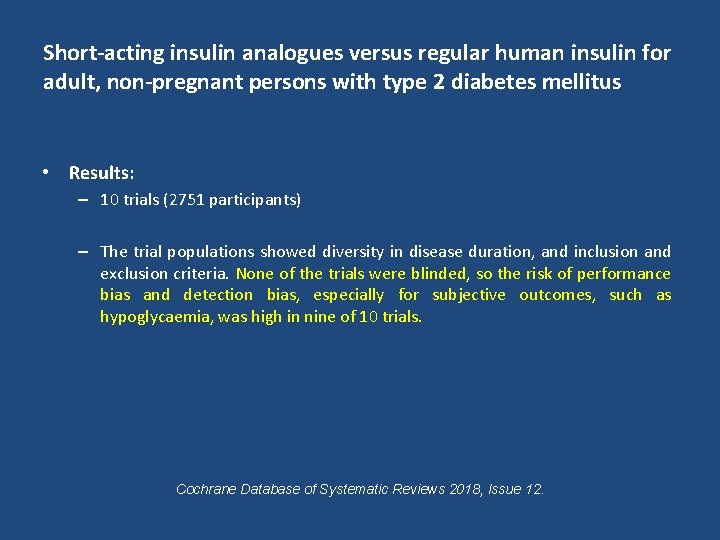
Short-acting insulin analogues versus regular human insulin for adult, non-pregnant persons with type 2 diabetes mellitus • Results: – 10 trials (2751 participants) – The trial populations showed diversity in disease duration, and inclusion and exclusion criteria. None of the trials were blinded, so the risk of performance bias and detection bias, especially for subjective outcomes, such as hypoglycaemia, was high in nine of 10 trials. Cochrane Database of Systematic Reviews 2018, Issue 12.
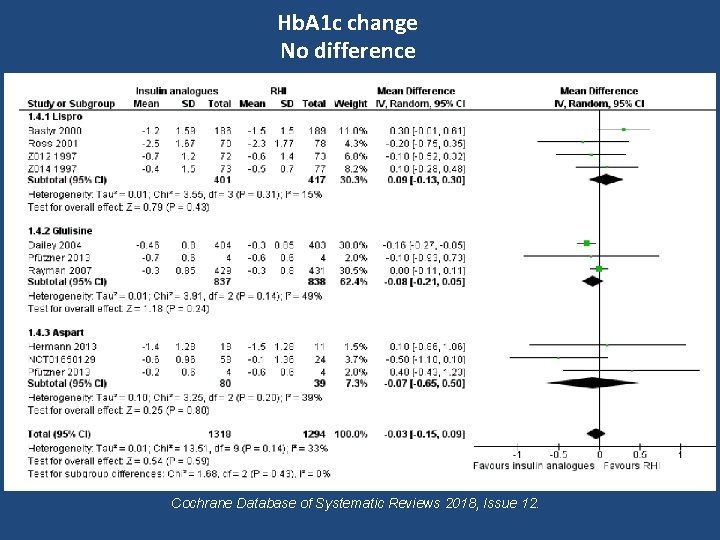
Hb. A 1 c change No difference Cochrane Database of Systematic Reviews 2018, Issue 12.
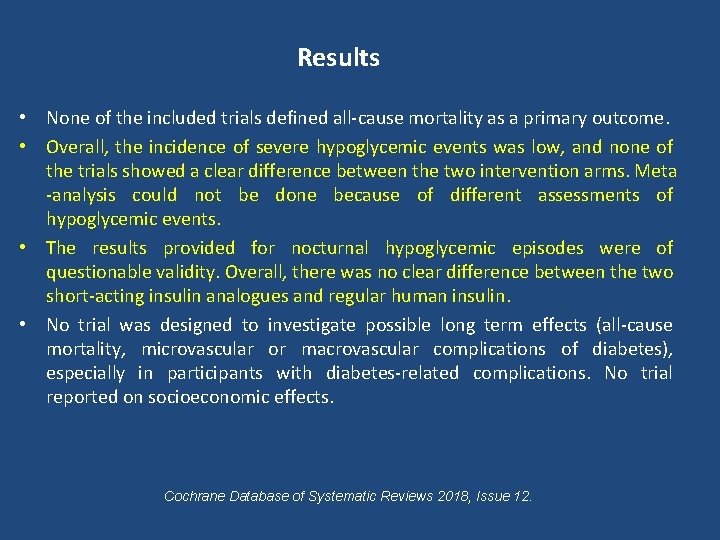
Results • None of the included trials defined all-cause mortality as a primary outcome. • Overall, the incidence of severe hypoglycemic events was low, and none of the trials showed a clear difference between the two intervention arms. Meta -analysis could not be done because of different assessments of hypoglycemic events. • The results provided for nocturnal hypoglycemic episodes were of questionable validity. Overall, there was no clear difference between the two short-acting insulin analogues and regular human insulin. • No trial was designed to investigate possible long term effects (all-cause mortality, microvascular or macrovascular complications of diabetes), especially in participants with diabetes-related complications. No trial reported on socioeconomic effects. Cochrane Database of Systematic Reviews 2018, Issue 12.
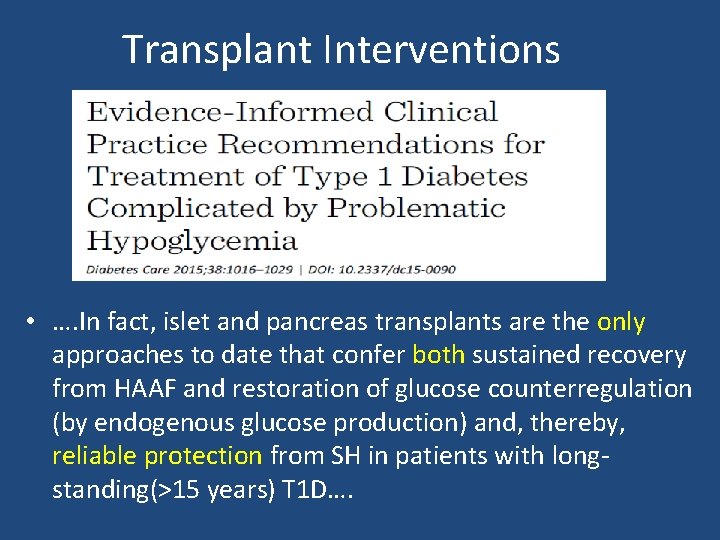
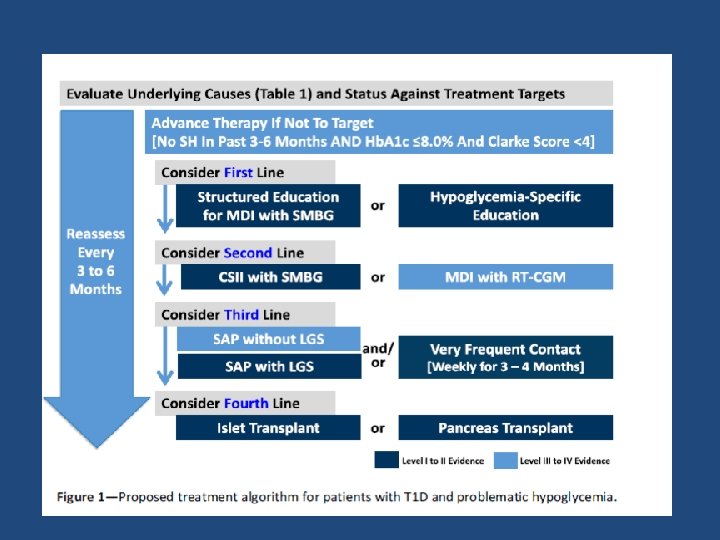
Transplant Interventions • …. In fact, islet and pancreas transplants are the only approaches to date that confer both sustained recovery from HAAF and restoration of glucose counterregulation (by endogenous glucose production) and, thereby, reliable protection from SH in patients with longstanding(>15 years) T 1 D….
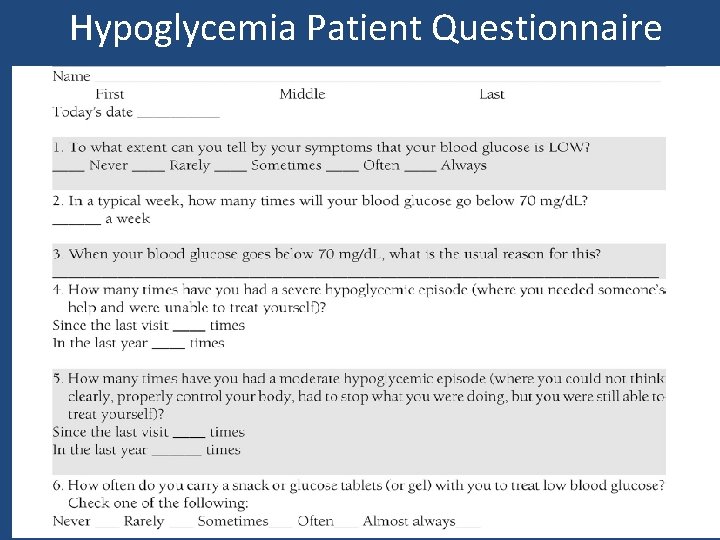
Hypoglycemia Patient Questionnaire
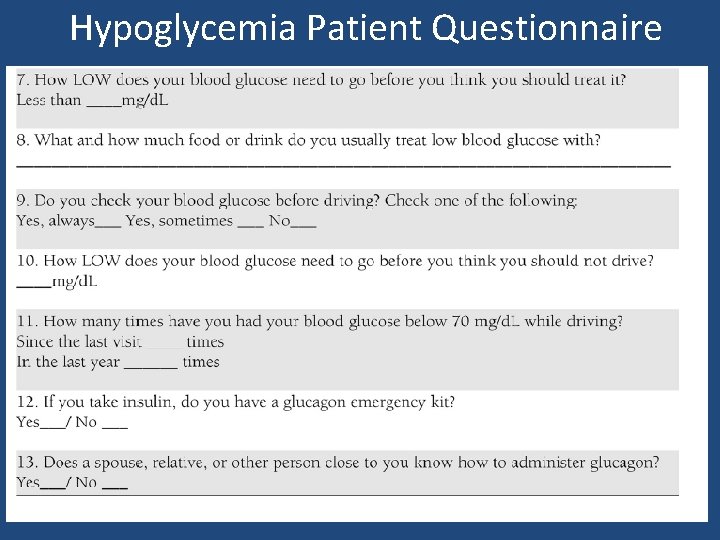
Hypoglycemia Patient Questionnaire
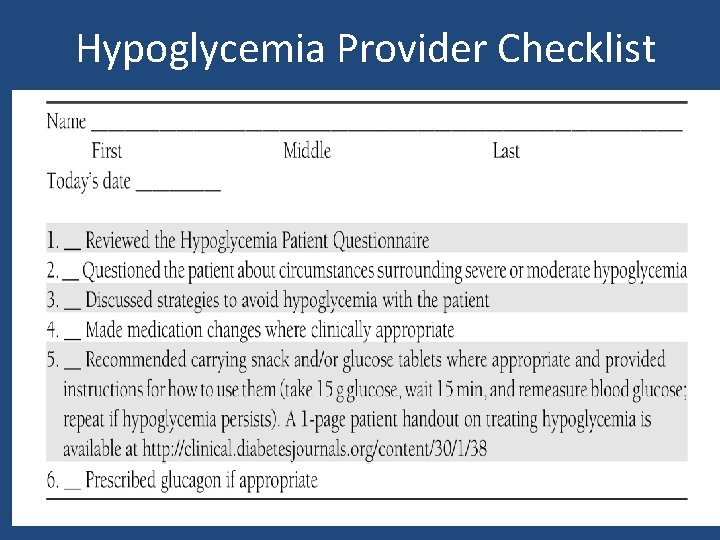
Hypoglycemia Provider Checklist
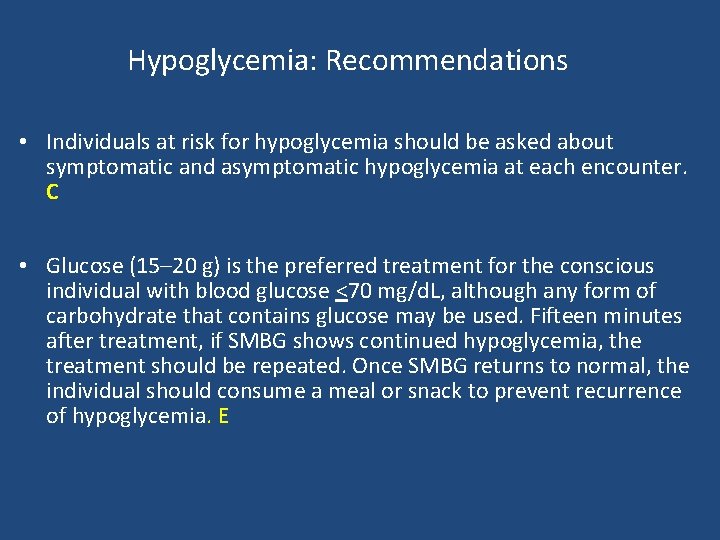
Hypoglycemia: Recommendations • Individuals at risk for hypoglycemia should be asked about symptomatic and asymptomatic hypoglycemia at each encounter. C • Glucose (15– 20 g) is the preferred treatment for the conscious individual with blood glucose <70 mg/d. L, although any form of carbohydrate that contains glucose may be used. Fifteen minutes after treatment, if SMBG shows continued hypoglycemia, the treatment should be repeated. Once SMBG returns to normal, the individual should consume a meal or snack to prevent recurrence of hypoglycemia. E
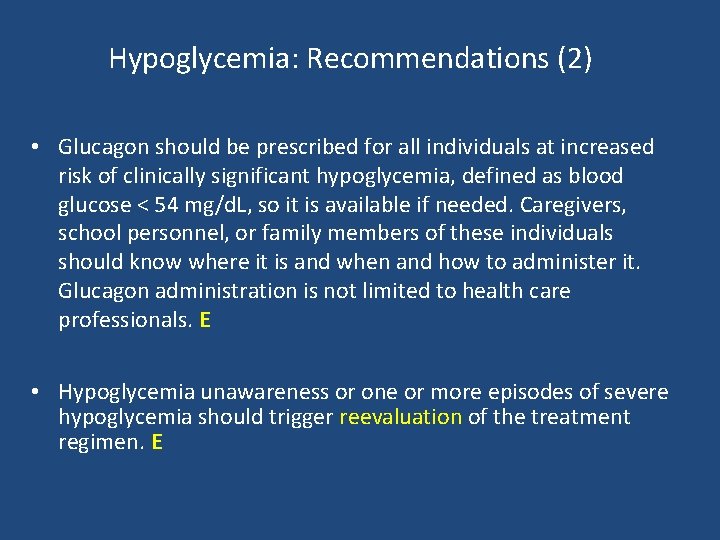
Hypoglycemia: Recommendations (2) • Glucagon should be prescribed for all individuals at increased risk of clinically significant hypoglycemia, defined as blood glucose < 54 mg/d. L, so it is available if needed. Caregivers, school personnel, or family members of these individuals should know where it is and when and how to administer it. Glucagon administration is not limited to health care professionals. E • Hypoglycemia unawareness or one or more episodes of severe hypoglycemia should trigger reevaluation of the treatment regimen. E
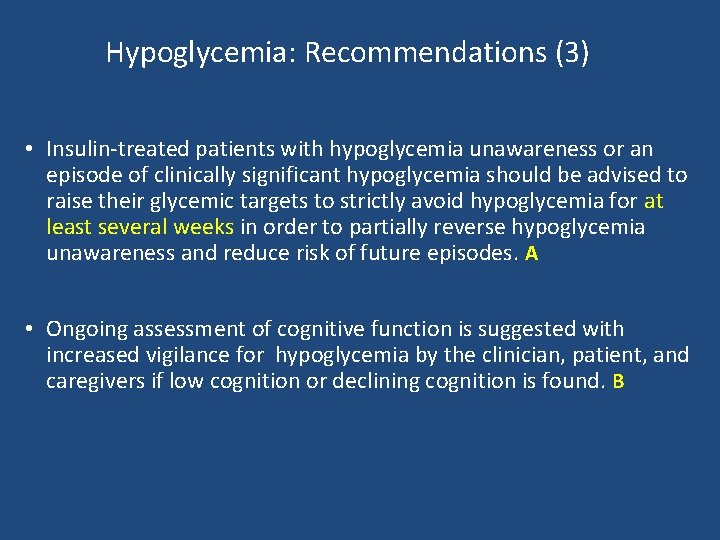
Hypoglycemia: Recommendations (3) • Insulin-treated patients with hypoglycemia unawareness or an episode of clinically significant hypoglycemia should be advised to raise their glycemic targets to strictly avoid hypoglycemia for at least several weeks in order to partially reverse hypoglycemia unawareness and reduce risk of future episodes. A • Ongoing assessment of cognitive function is suggested with increased vigilance for hypoglycemia by the clinician, patient, and caregivers if low cognition or declining cognition is found. B
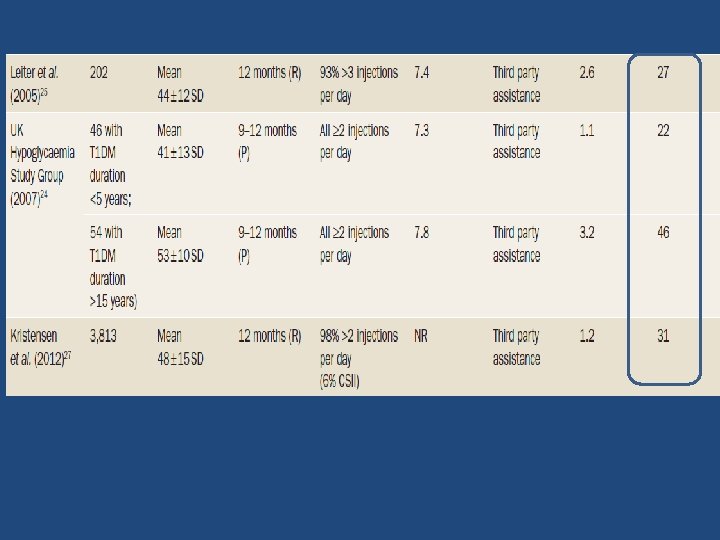
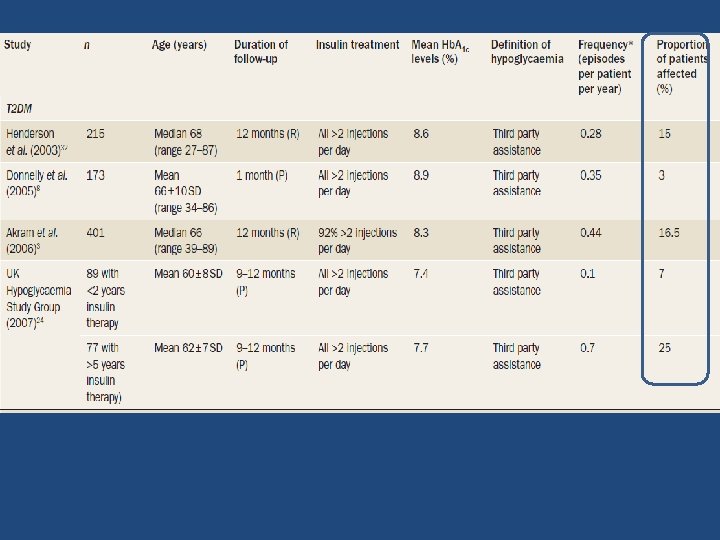
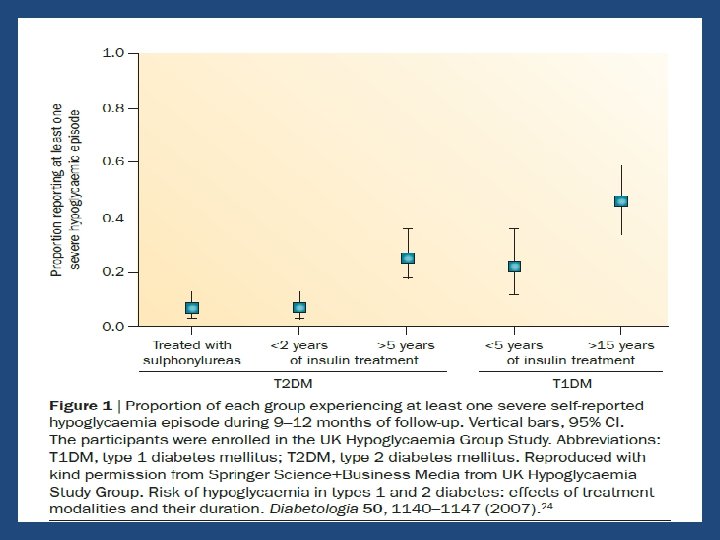
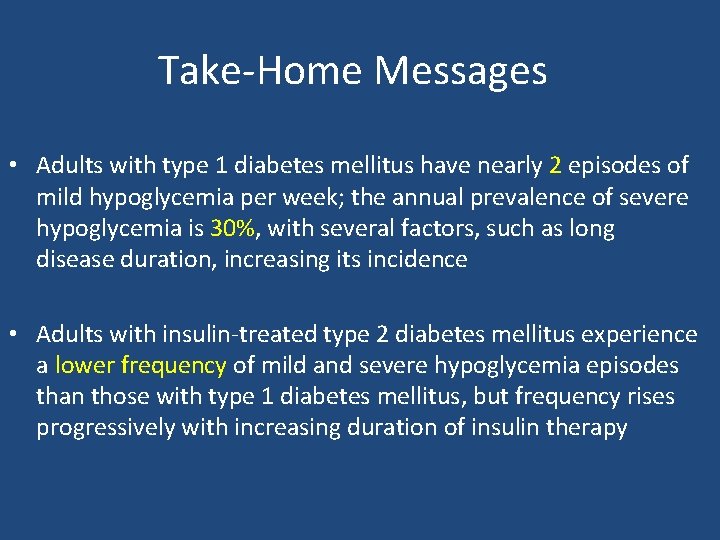
Take-Home Messages • Adults with type 1 diabetes mellitus have nearly 2 episodes of mild hypoglycemia per week; the annual prevalence of severe hypoglycemia is 30%, with several factors, such as long disease duration, increasing its incidence • Adults with insulin-treated type 2 diabetes mellitus experience a lower frequency of mild and severe hypoglycemia episodes than those with type 1 diabetes mellitus, but frequency rises progressively with increasing duration of insulin therapy
Take-Home Messages • Severe hypoglycemia is strongly associated with increased risks of cardiovascular events and mortality • The association is probably partly caused by confounding , indicating that hypoglycemia is just as likely to be a marker of vulnerability to such events • However, people with type 1 or type 2 diabetes also seem at risk of hypoglycemia-induced cardiovascular effects
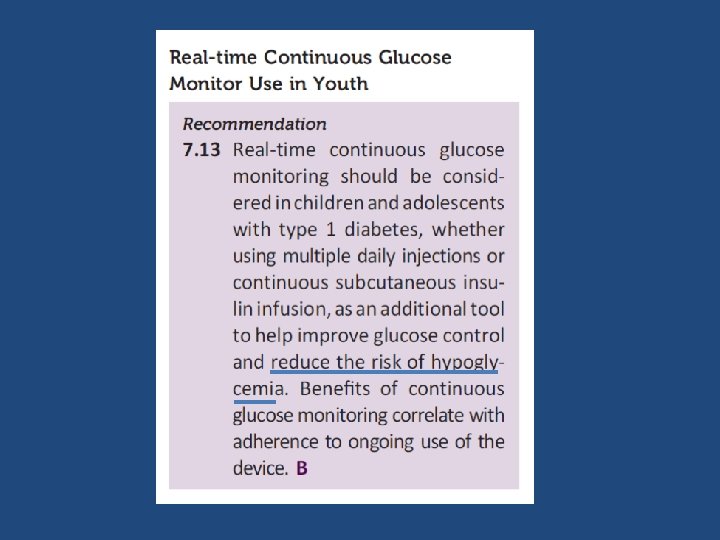
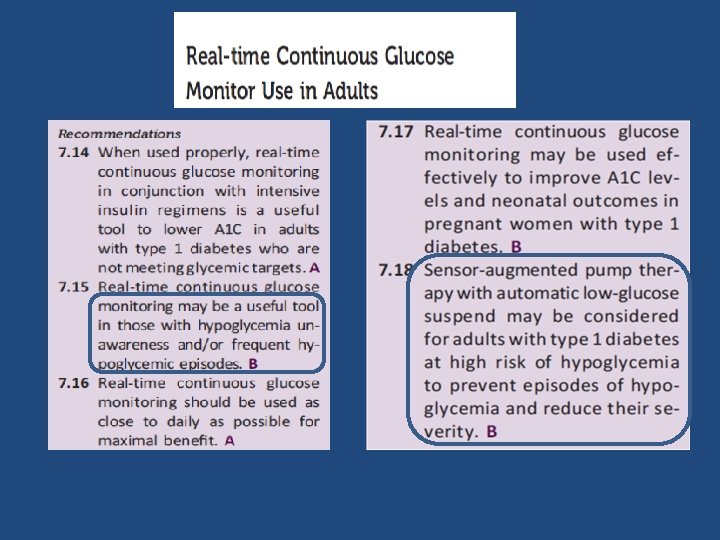
Take-Home Messages • Prevention of hypoglycemia depends on effective patient education, diet, exercise, frequent glucose monitoring and appropriate adjustment of therapies • New technologies, such as real-time continuous glucose monitoring and insulin pumps, might also help • Islet or a pancreas transplantation as an emerging tool can help Type 1 Diabetes complicated by problematic hypoglycemia