
Prevention and Screening DONE BY FARIS ALHARBI FARES
Prevention and Screening DONE BY : FARIS ALHARBI FARES ALJOHANI TALAL ALAWAJI
Objectives To Define screening / prevention and its uses in family practice To understand the Criteria for screening tests To identify Screening types and targeted people for each type with examples. To identify appropriate approaches for prevention and screening of common problems in primary care. To explain pros and cons of screening. To justify the rational for selection of a screening test with practical case /condition, examples like for CA. breast, Ca. colon, Ca. prostate, …….

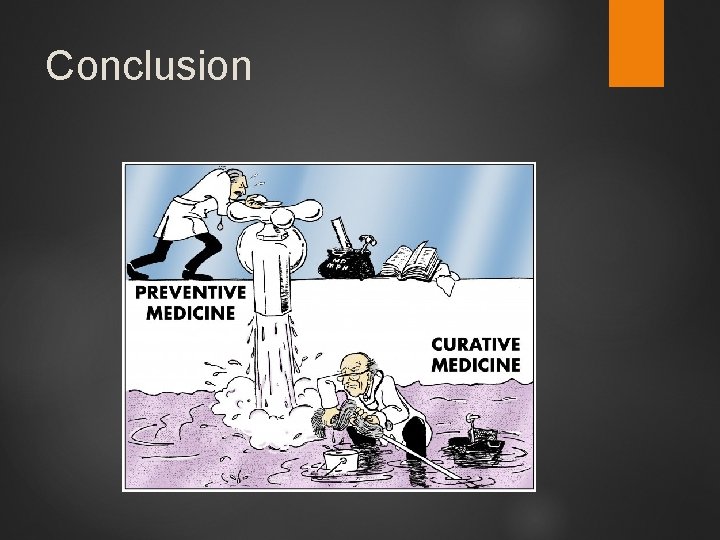
What is Prevention? the action of stopping something from happening or arising. Prevention includes a wide range of activities — known as “interventions” — aimed at reducing risks or threats to health.

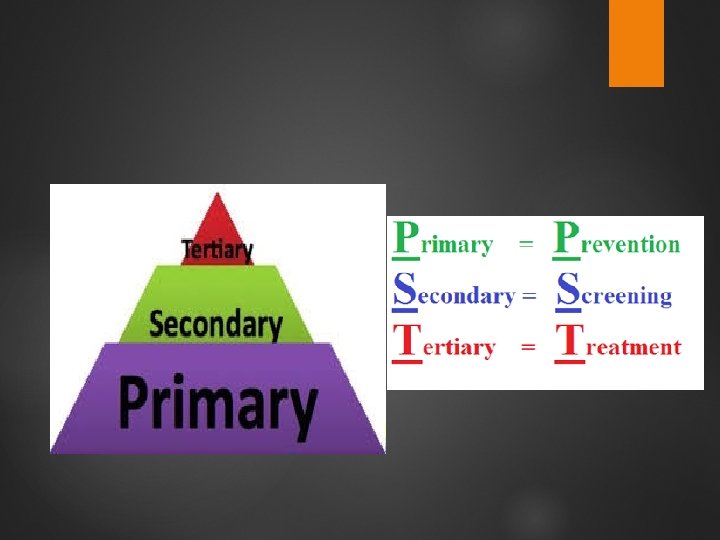
PREVENTION TYPES ? Researchers and health experts talk about three categories of prevention: q q Primary. Secondary. q Tertiary. (What's the difference? )
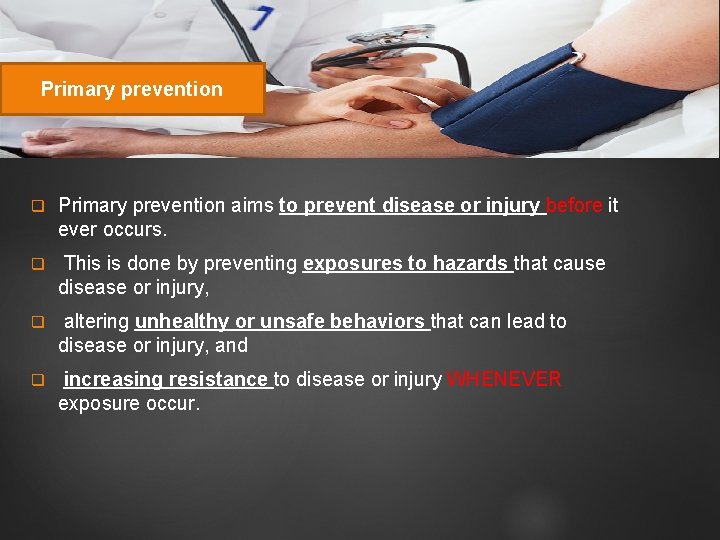
Primary prevention q Primary prevention aims to prevent disease or injury before it ever occurs. q This is done by preventing exposures to hazards that cause disease or injury, q altering unhealthy or unsafe behaviors that can lead to disease or injury, and q increasing resistance to disease or injury WHENEVER exposure occur.
Examples of Primary Prevention Legislation and enforcement to ban or control the use of hazardous products (e. g. asbestos) Education about healthy and safe habits (e. g. eating well, exercising regularly, not smoking) Immunization against infectious diseases Removing the causal agents ; like sanitation measures of nineteenth century.
Secondary prevention Occurs at the early stages od the pathogenesis To reduce the impact of a disease or injury that has already occurred. This is done by detecting and treating disease or injury as soon as possible to halt or slow its progress Implementing programs to return people to their original health and function to prevent long-term problems.

Prevention VS screening
Screening The presumptive identification of unrecognized disease or defect by the application of tests, examinations, or other procedures which can be applied rapidly an early disease detection OR secondary prevention A screening is not intended to be diagnostic
Screening The EARLY DETECTION of Disease Risk factors Susceptibility to disease in individuals who do not show any signs of disease
TYPES OF SCREENING 1. Mass screening 2. High risk or selective or targeted screening. 3. Multiphasic screening. 4. Multipurpose screening. 5. Opportunistic and case finding screening.
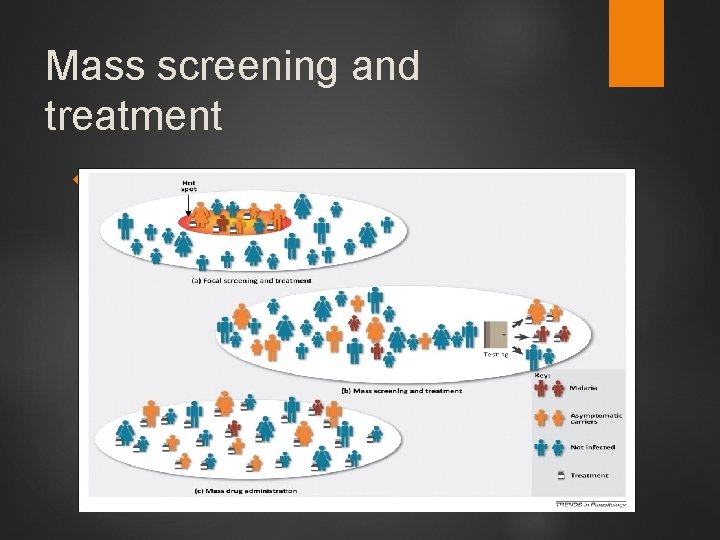
Mass screening and treatment

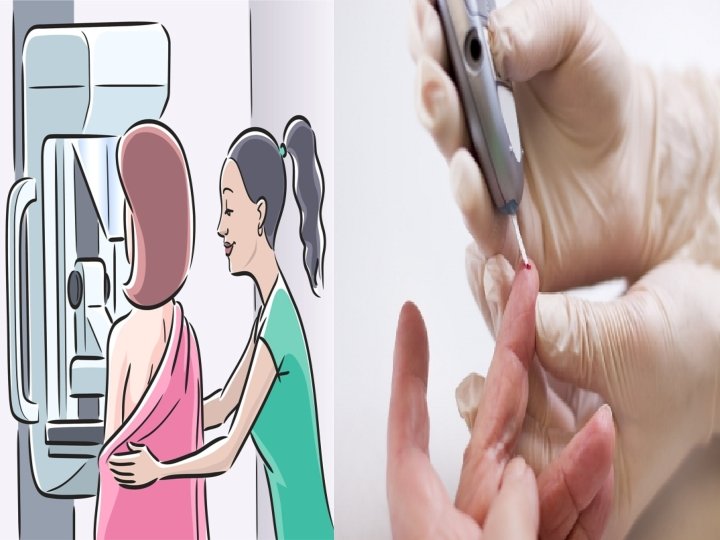
Examples for mass screening: Visual defects in school children. Mammography in women aged 40 years. New born screening program. TB screening Cervical cancer screening
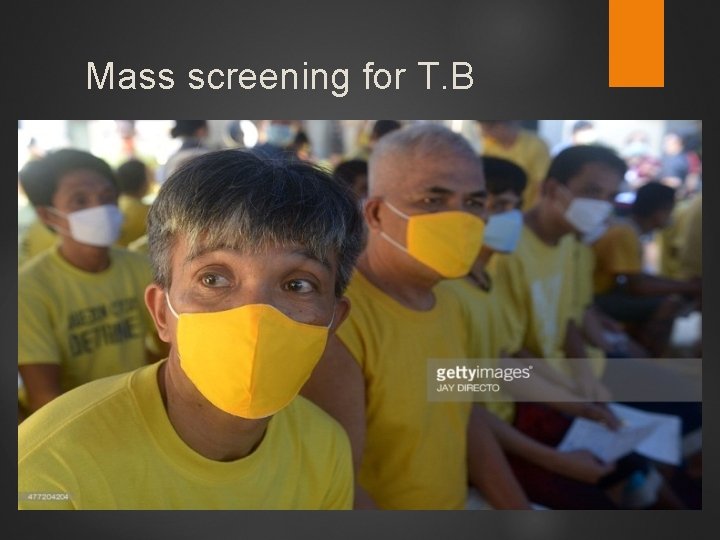
Mass screening for T. B
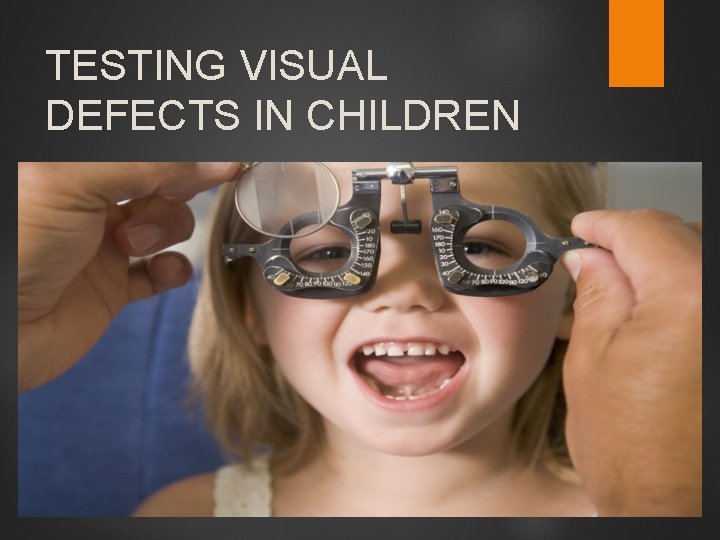
TESTING VISUAL DEFECTS IN CHILDREN
HIGH-RISK OR SELECTIVE SCREENING It is applied selectively to high risk groups, the groups defined on the basis of epidemiological research. Examples: a. Screening foetus for Down’s syndrome in a mother who already has a baby with Down’s syndrome. b. Screening for familiar cancers, HTN and DM. c. Screening for cancer cervix in low social groups. d. Screening for HIV in risk groups.

HIGH-RISK OR SELECTIVE SCREENING
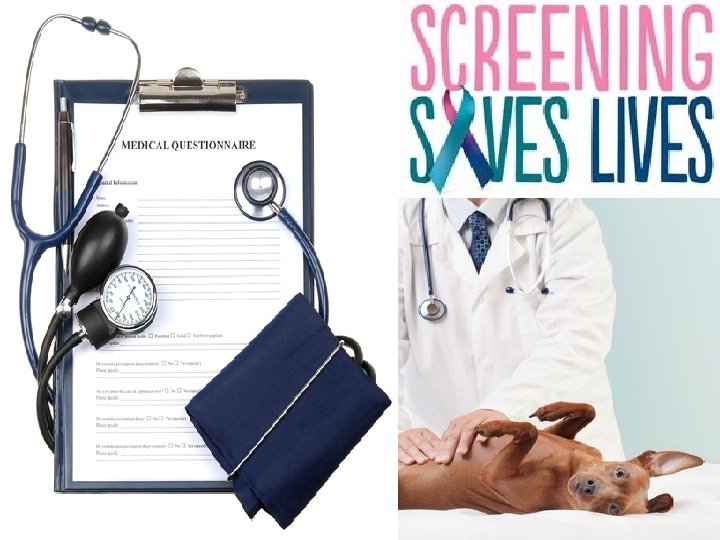
MULTIPHASIC SCREENING It has been defined as the application of two or more screening tests in combination to a large number of people at one time than to carry out screening tests for single diseases. The procedure may also include health questionnaire, clinical examination and a range of measurements and investigations. E. g. 1) Chemical and hematological tests on blood and urine specimens. 2) Lung function assessment, audiometry and measurement of visual acuity.
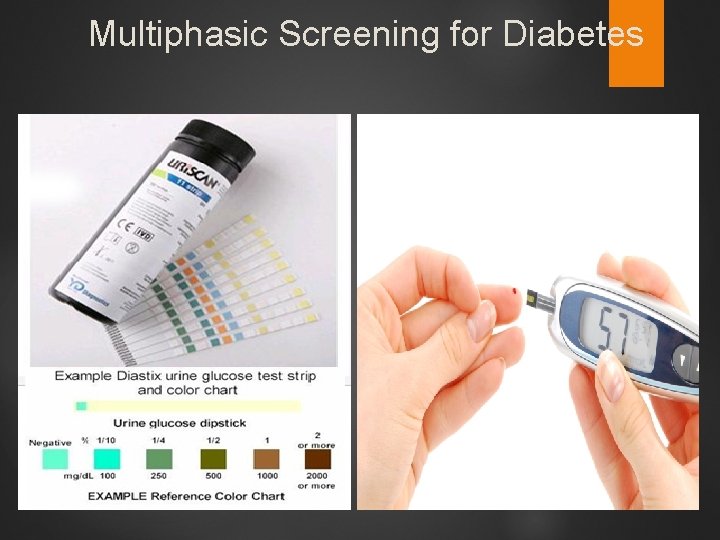
Multiphasic Screening for Diabetes
MULTI PURPOSE SCREENING The screening of a population by more than one test done simultaneously to detect more than one disease. Example: Screening of a pregnant women for VDRL, HIV, HBV by serological tests.
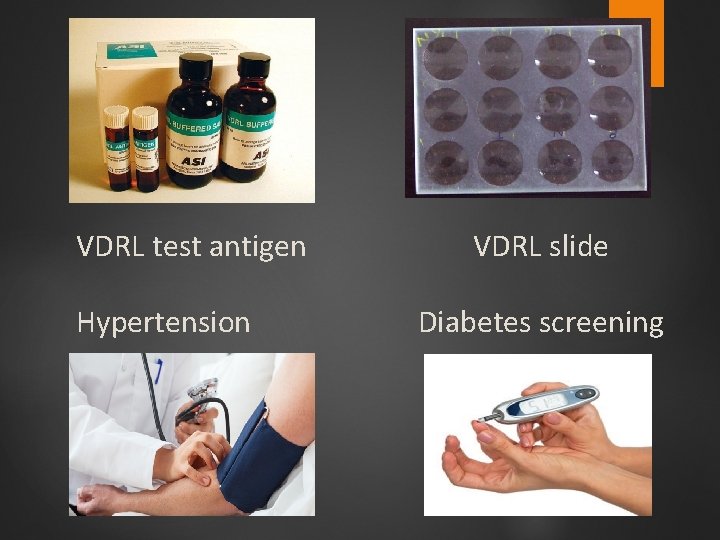
VDRL test antigen Hypertension VDRL slide Diabetes screening
Examples of Secondary prevention regular exams and screening tests to detect disease in its earliest stages (e. g. mammograms to detect breast cancer) daily, low-dose aspirins and/or diet and exercise programs to prevent further heart attacks or strokes Identifying the pre-symptomatic diseases (or risk factors)before significant damage is done e. g screening for hypertension.
Tertiary prevention To soften the impact of an ongoing illness or injury that has lasting effects. This is done by helping people manage long-term, often-complex health problems and injuries (e. g. chronic diseases, permanent impairments). This helps to improve as much as possible their ability to function, their quality of life and their life expectancy.

Examples of Tertiary prevention cardiac or stroke rehabilitation programs. Limiting complications /disability in patients with established disease by regular surveillance , e. g. : trying to prevent Diabetic problems by good control , regular funduscopic , foot care. chronic disease management programs (e. g. for diabetes, arthritis, depression, etc. )
What is Family Physicians Role in Screening ? A family physicians is the one who provides an anticipatory care approach for precluding problems. This specialty puts all efforts to offer all appropriate forms of prevention within the consultation and the organizational framework of primary care.
Common Screening Conditions Hypertension Screening. Cervical Cytology Developmental surveillance. Well woman & man clinic. Visiting elderly people at home. Mammography. Serum lipid estimation. Screening psychiatric illness. Prostate Cancer screening

Screening by Age Groups:
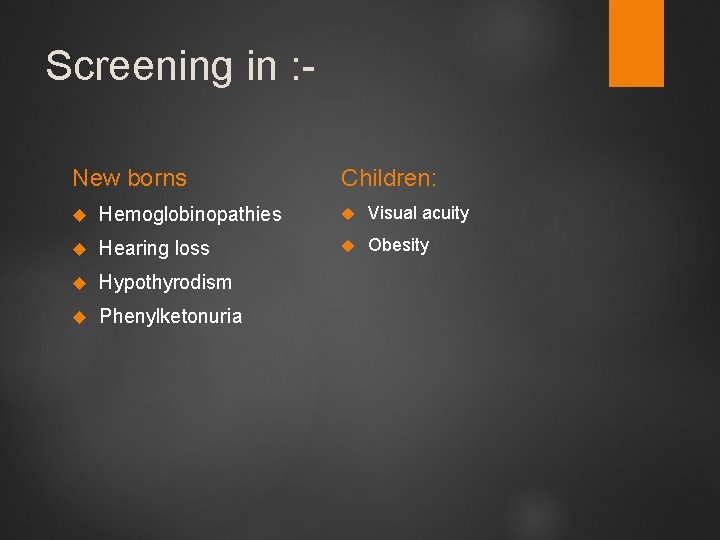
Screening in : New borns Children: Hemoglobinopathies Visual acuity Hearing loss Obesity Hypothyrodism Phenylketonuria
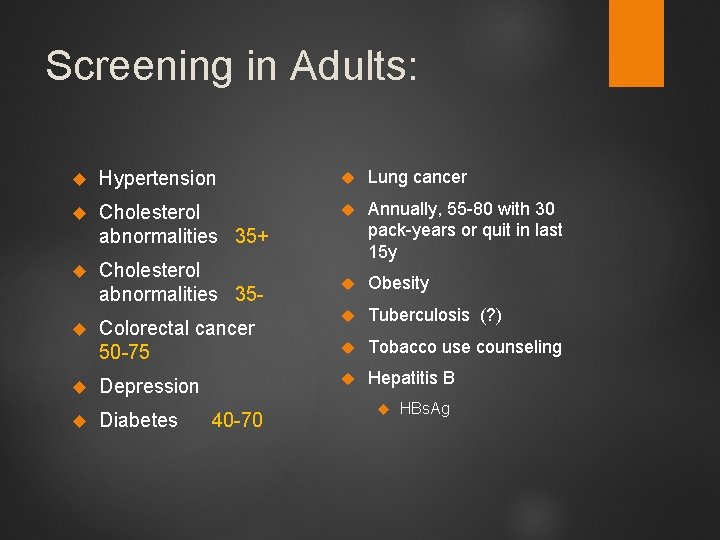
Screening in Adults: Hypertension Lung cancer Cholesterol abnormalities 35+ Cholesterol abnormalities 35 - Annually, 55 -80 with 30 pack-years or quit in last 15 y Obesity Colorectal cancer 50 -75 Tuberculosis (? ) Tobacco use counseling Hepatitis B Depression Diabetes 40 -70 HBs. Ag
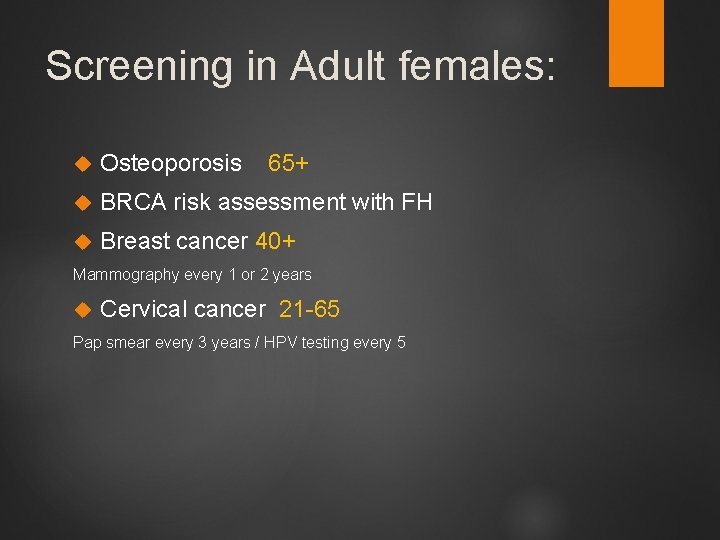
Screening in Adult females: Osteoporosis 65+ BRCA risk assessment with FH Breast cancer 40+ Mammography every 1 or 2 years Cervical cancer 21 -65 Pap smear every 3 years / HPV testing every 5
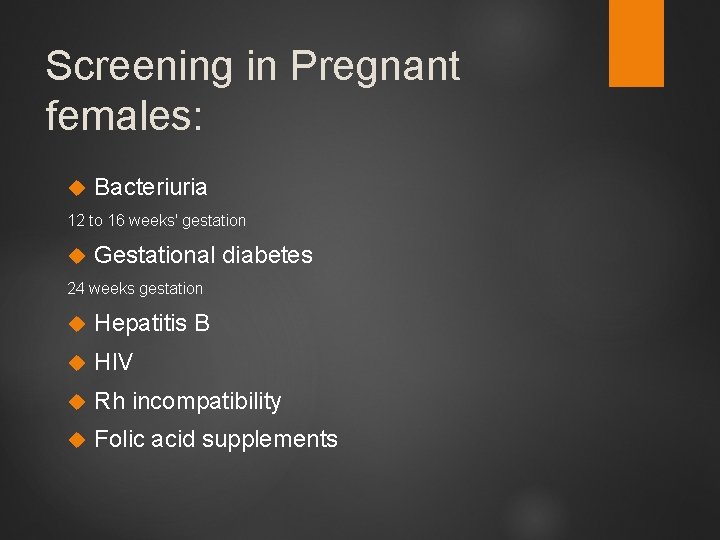
Screening in Pregnant females: Bacteriuria 12 to 16 weeks' gestation Gestational diabetes 24 weeks gestation Hepatitis B HIV Rh incompatibility Folic acid supplements
Periodic Health Examination IN SAUDI ARABIA
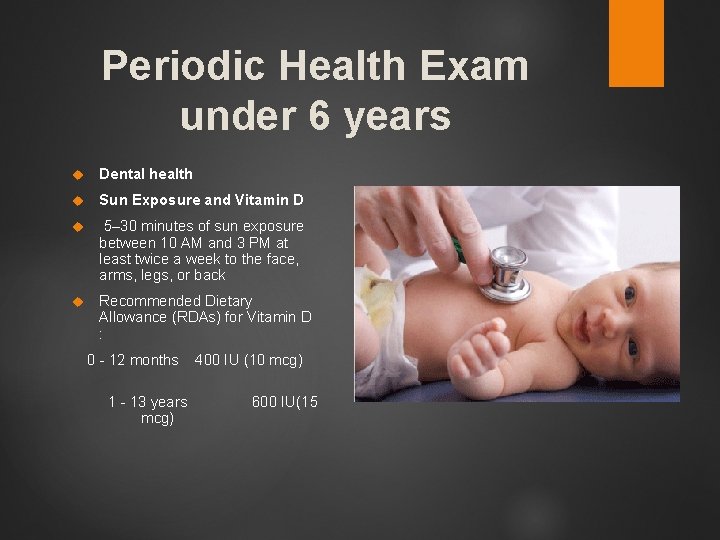
Periodic Health Exam under 6 years Dental health Sun Exposure and Vitamin D 5– 30 minutes of sun exposure between 10 AM and 3 PM at least twice a week to the face, arms, legs, or back Recommended Dietary Allowance (RDAs) for Vitamin D : 0 - 12 months 400 IU (10 mcg) 1 - 13 years mcg) 600 IU(15
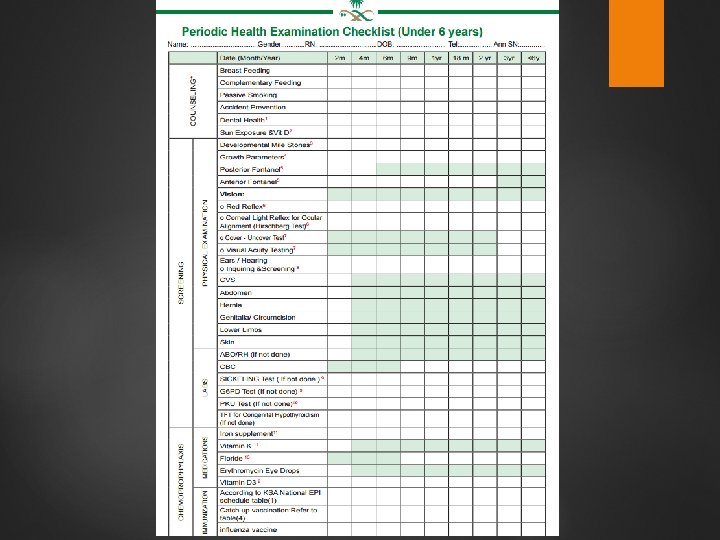
Periodic Health Exam under 6 years The Red Reflex Sickling and G 6 PD The Corneal Light Reflex Phenyl ketoneuria Vitamin K injection: A single dose (1. 0 mg) of intramuscular vitamin K after birth is effective in the prevention of classic Haemolytic disease of the newborn (HDN). Either intramuscular or oral (1. 0 mg) vitamin K prophylaxis improves biochemical indices of coagulation status at 1 - 7 days. The Cover-Uncover Eye Test https: //www. youtube. com/ watch? v=i. Lw 9 i. YCAy 88 Evaluate Gross Hearing by observing an infant response to sound
Periodic Health Examination (6 - 17 years)
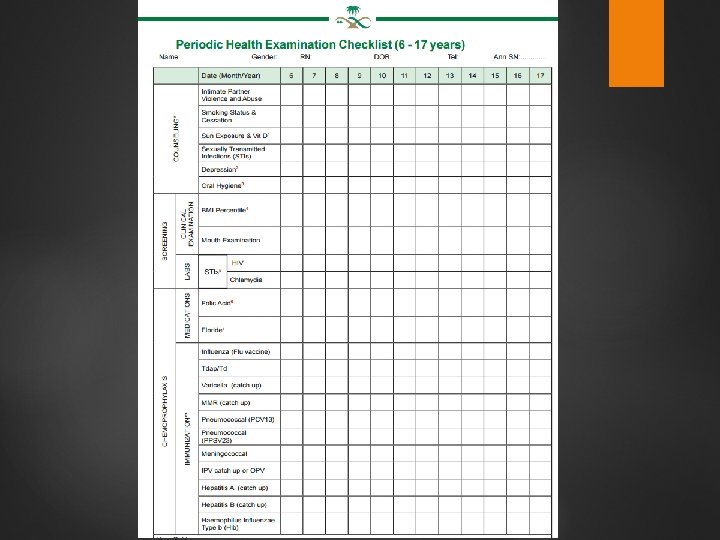
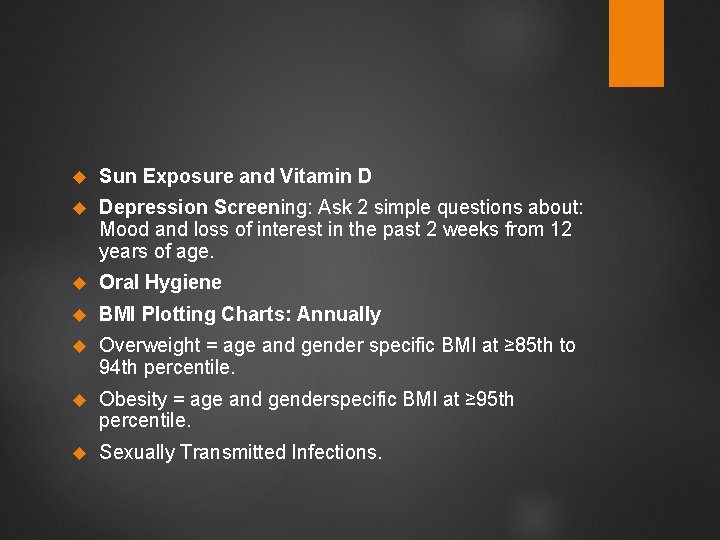
Sun Exposure and Vitamin D Depression Screening: Ask 2 simple questions about: Mood and loss of interest in the past 2 weeks from 12 years of age. Oral Hygiene BMI Plotting Charts: Annually Overweight = age and gender specific BMI at ≥ 85 th to 94 th percentile. Obesity = age and genderspecific BMI at ≥ 95 th percentile. Sexually Transmitted Infections.

Periodic Health Examination (8 - 59 years)
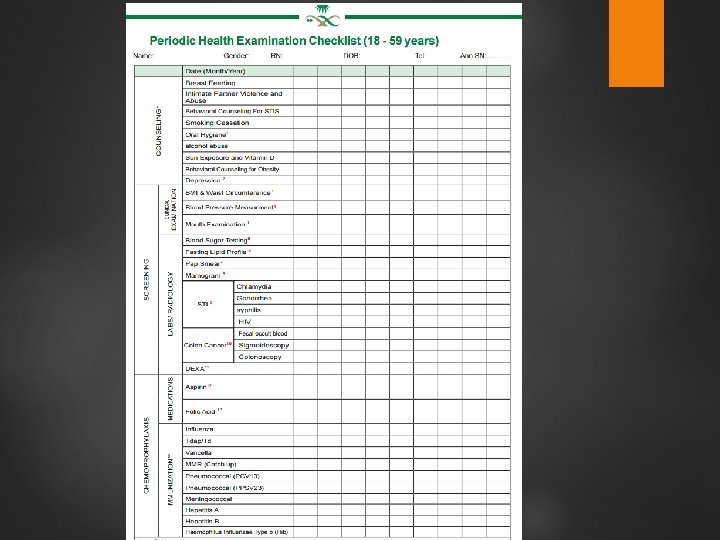
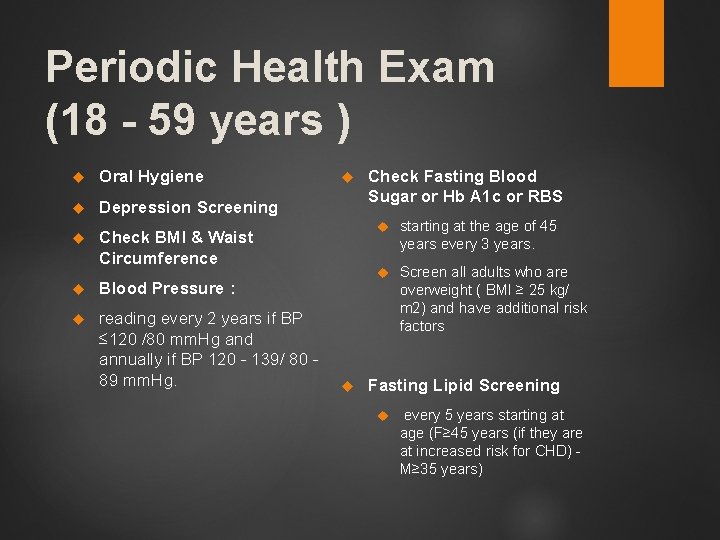
Periodic Health Exam (18 - 59 years ) Oral Hygiene Depression Screening Check BMI & Waist Circumference Blood Pressure : reading every 2 years if BP ≤ 120 /80 mm. Hg and annually if BP 120 - 139/ 80 - 89 mm. Hg. Check Fasting Blood Sugar or Hb A 1 c or RBS starting at the age of 45 years every 3 years. Screen all adults who are overweight ( BMI ≥ 25 kg/ m 2) and have additional risk factors Fasting Lipid Screening every 5 years starting at age (F≥ 45 years (if they are at increased risk for CHD) - M≥ 35 years)
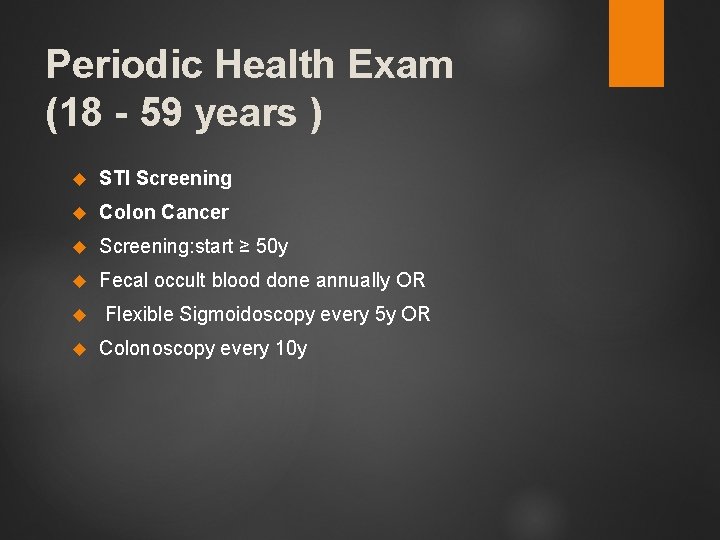
Periodic Health Exam (18 - 59 years ) STI Screening Colon Cancer Screening: start ≥ 50 y Fecal occult blood done annually OR Flexible Sigmoidoscopy every 5 y OR Colonoscopy every 10 y
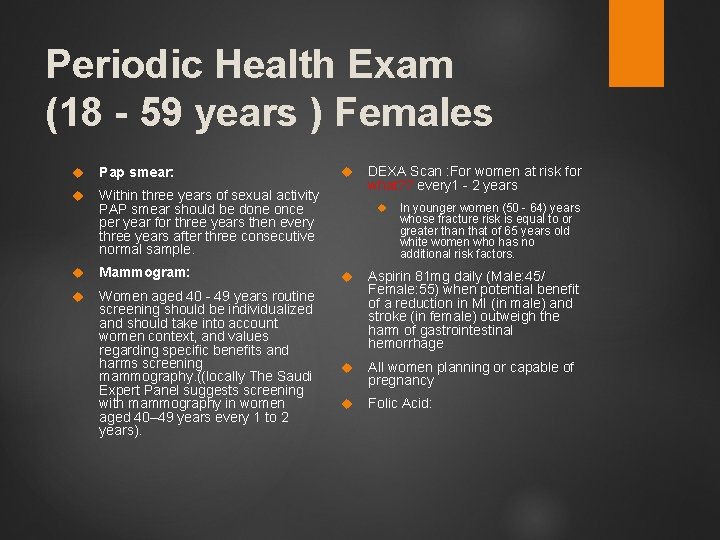
Periodic Health Exam (18 - 59 years ) Females Pap smear: Within three years of sexual activity PAP smear should be done once per year for three years then every three years after three consecutive normal sample. DEXA Scan : For women at risk for what? ? every 1 - 2 years In younger women (50 - 64) years whose fracture risk is equal to or greater than that of 65 years old white women who has no additional risk factors. Mammogram: Women aged 40 - 49 years routine screening should be individualized and should take into account women context, and values regarding specific benefits and harms screening mammography. ((locally The Saudi Expert Panel suggests screening with mammography in women aged 40– 49 years every 1 to 2 years). Aspirin 81 mg daily (Male: 45/ Female: 55) when potential benefit of a reduction in MI (in male) and stroke (in female) outweigh the harm of gastrointestinal hemorrhage All women planning or capable of pregnancy Folic Acid:
Periodic Health Examination (60 above)
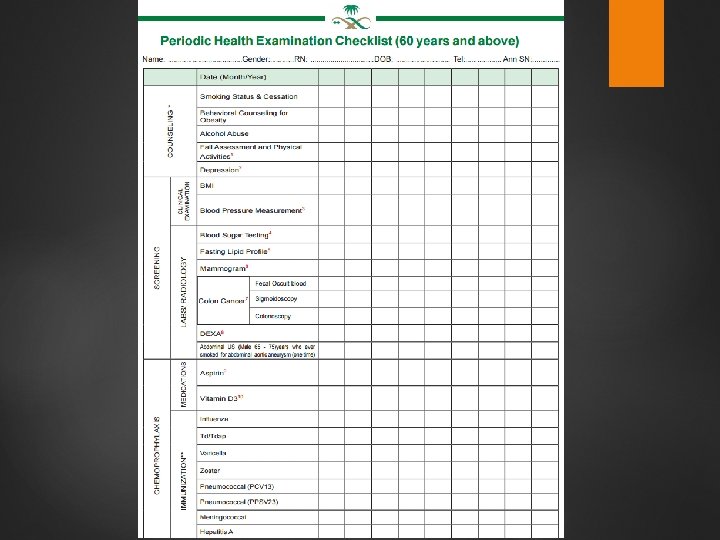
Periodic Health Exam (60 years and above) Fall Assessment and Prevention: Risk Assessment: § History of falls. § Mobility problems. § Poor performance on the timed Get-Up-and-Go test also identifies persons at increased risk for falling. Depression Screening: Ask 2 simple questions about Mood and loss of interest in the past 2 weeks.
Screening vs periodic health exam Capable of wide application Relatively inexpensive Requires less physician - time
Benifits Of Screening: Improved prognosis for some cases detected by screening. Less radical treatment for some early cases. Reassurance for those with negative test results. Increased information on natural history of disease and benefits of treatment at early stage. economic saving on future treatment.
Disadvantages Of Screening: Longer morbidity in cases where prognosis is unaltered. False reassurance for those with false-negative results. Anxiety, Unnecessary intervention and sometimes morbidity for those with false-positive results.
The Wilson–Jungner criteria: All screening tests should meet the following criteria before they are introduced to the target population: • The condition being screened for is an important health problem • Natural history of the condition is well understood • There is a detectable early stage • Treatment at early stage is of more benefit than at late stage • There is a suitable test to detect early stage disease
• The test is acceptable to the target population • Intervals for repeating the test have been determined • Risks, both physical and psychological, are < benefits • Costs are worthwhile in relation to benefits gained
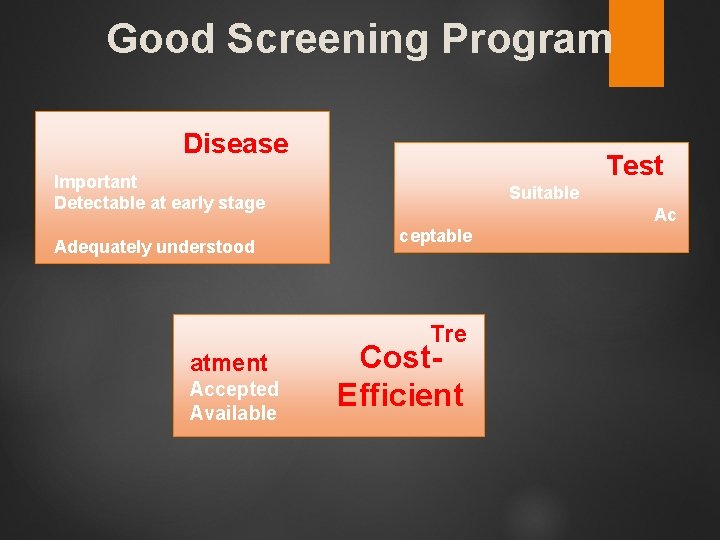
Good Screening Program Disease Test Important Detectable at early stage Adequately understood Suitable Ac ceptable Tre atment Accepted Available Cost. Efficient
What are common conditions or diseases Where we can apply screening & Preventive?
Developmental surveillance Hypertension Diabetes Mellitus Colon cancer Breast cancer Prostate Cancer Cervical cancer CVD risk assessment

Colorectal Cancer
Most common cancer in Saudi males and 3 rd in Saudi females. 25 -30% of patients present with distant metastasis Low survival rates due to late diagnosis It’s an important health problem, where early diagnosis is critical. fecal occult blood tests (FOBT): Simple Acceptable Cheap Beneficial Cost-Effective Safe

Breast Cancer
The major form of Cancer among women Among 20% of female cancer deaths , it is the most common cause of death in women aged 35 -54. It’s an important health problem, where early diagnosis is critical. Mammography: Simple Acceptable Cheap Beneficial Cost-Effective
Hypertension
Common Usually asymptomatic. Dangerous itself, but also a risk factor for CVD Usually found during routine BP screening or incidentally.
Conclusion

Questions ?
References http: //www. med. uottawa. ca/sim/data/Screening_e. htm https: //www. betterhealth. vic. gov. au/health/conditionsandtreatments/ca ncer-screening http: //www. interesjournals. org/full-articles/colorectal-cancer-in-saudiarabia-moving-collectively-forward-to-reduce-the-risks. pdf? view=inline Oxford Hand Book Of General Practice 4 TH Edition https: //www. cancer. gov/types/colorectal/screening-fact-sheet http: //www. colorectal-cancer. ca/en/screening/fobt-and-fit/ http: //phprimer. afmc. ca/Part 1 Theory. Thinking. About. Health/Chapter 4 Basic. Concepts. In. Prevention. Surv eillance. And. Health. Promotion/Thestagesofprevention
- Slides: 68