
Prevention and Control of Rabies Wound Management Dr
Prevention and Control of Rabies Wound Management Dr D V Bala Professor & Head Community Medicine Smt NHL Municipal Medical College, Ahmedabad 1

Specific objectives 1) Indication of anti rabies treatment 2) Guide for Post-Exposure Prophylaxis 3) Principles of Treatment • Wound treatment • Immunoglobulin / anti sera • Vaccination • Advice to Patient 4) Mx of special clinical situations 2

Specific objectives(cont. ) 5) Prevention • Post exposure prophylaxis • Pre exposure prophylaxis • Post exposure treatment who has been vaccinated previously 6) Testing for Rabies 7) Treatment of other animal bites 8) If pet is bitten by a wild animal 9) What approaches have been used to try and control the street dog population? 3
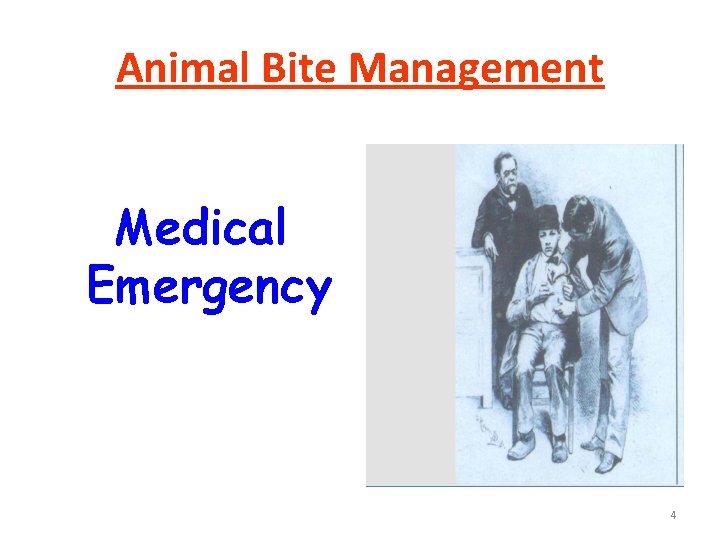
Animal Bite Management Medical Emergency 4

INDICATION FOR ANTIRABIES TREATMENT • Antirabies treatment should be started immediately : • If the animal shows sign of rabies or dies within 10 days of observation • Biting animal cannot be traced or identified • Unprovoked bites • Laboratory test are positive for biting animal • All bites by wild animals 5
CLASSIFICATION OF EXPOSURE • CLASS 1 – - Licks on healthy broken skin. - Scratches with oozing of blood - Consumption of unboiled milk of suspected animal 6
CLASS -II • Licks on fresh cuts. • Scratches with oozing of blood. • All bites except those on palm, face, head, neck & fingers. • Minor wounds <5 in numbers. 7
CLASS -III • All bites or scratches with oozing of blood on neck, head, face, palms, fingers. • Lacerated wounds on any part of the body. • Multiple wounds >5 in numbers. • Bites from wild animals. 8
SERIOUS EXPOSURES • Bites on the Head, Face, Hands, Genitalia • Multiple bites • Extensive lacerations • Bites by –proven rabid animals –animals not available for observation –more than one animal –wild animals
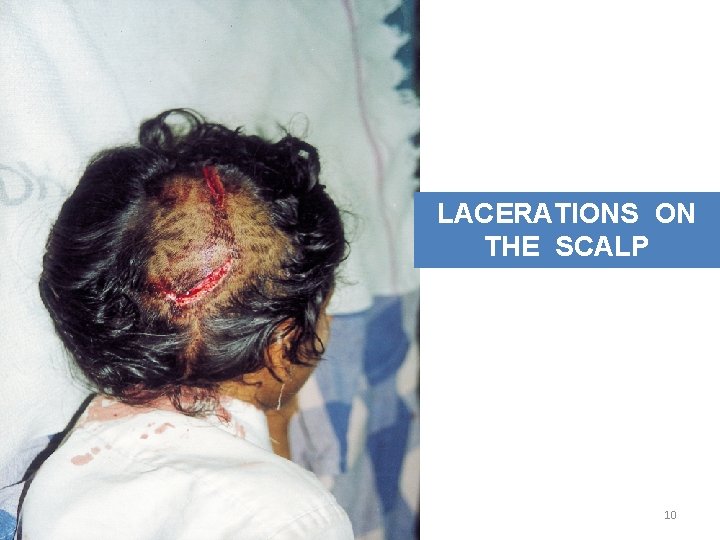
LACERATIONS ON THE SCALP 10
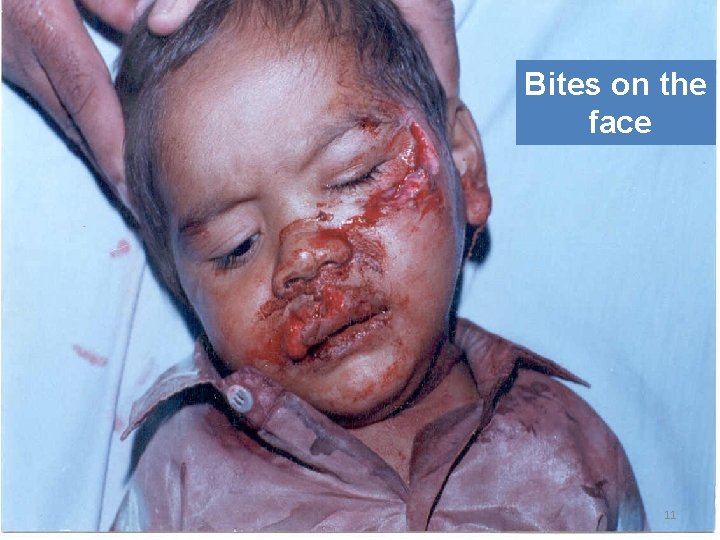
Bites on the face 11
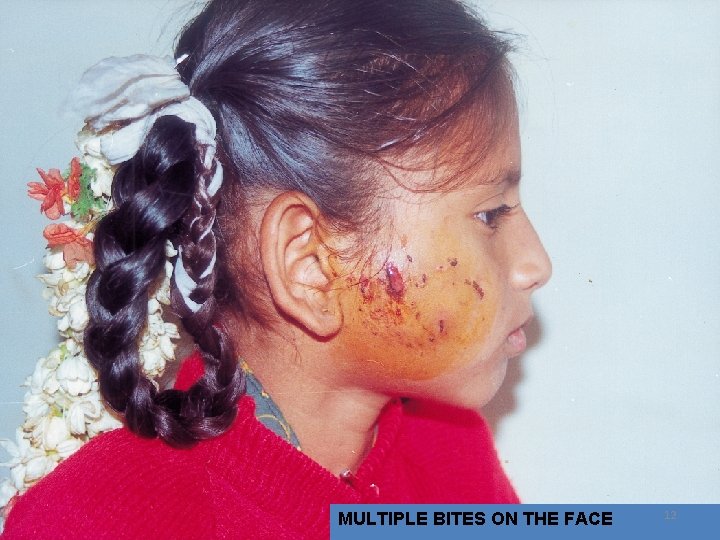
MULTIPLE BITES ON THE FACE 12
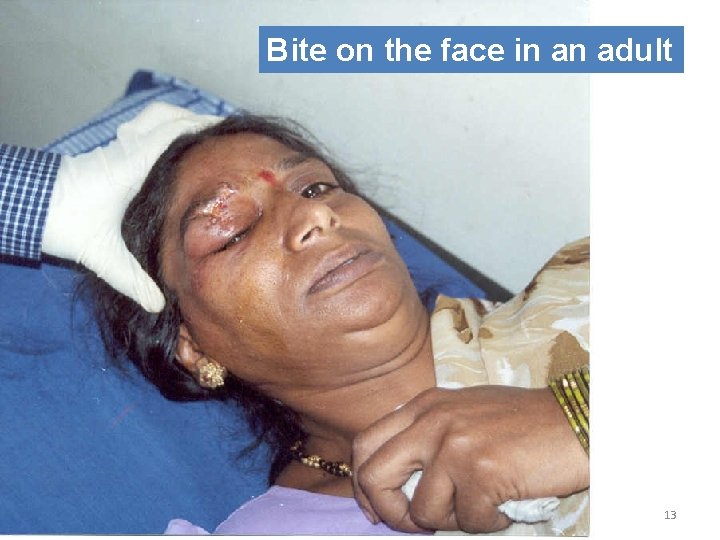
Bite on the face in an adult 13
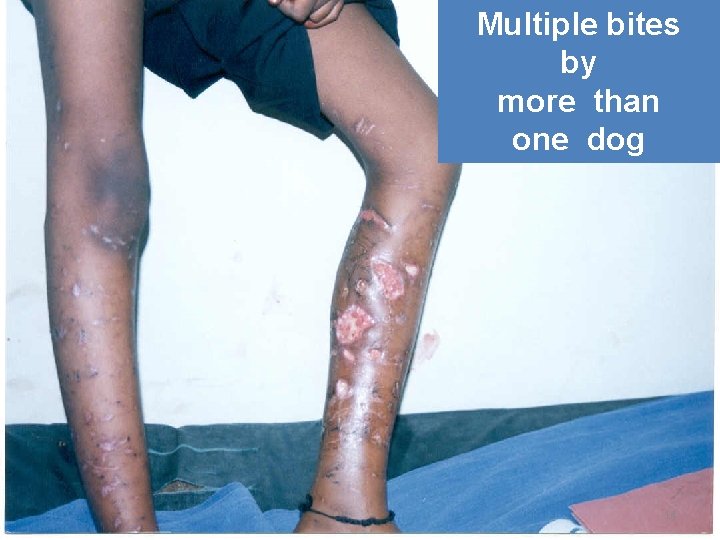
Multiple bites by more than one dog 14

15
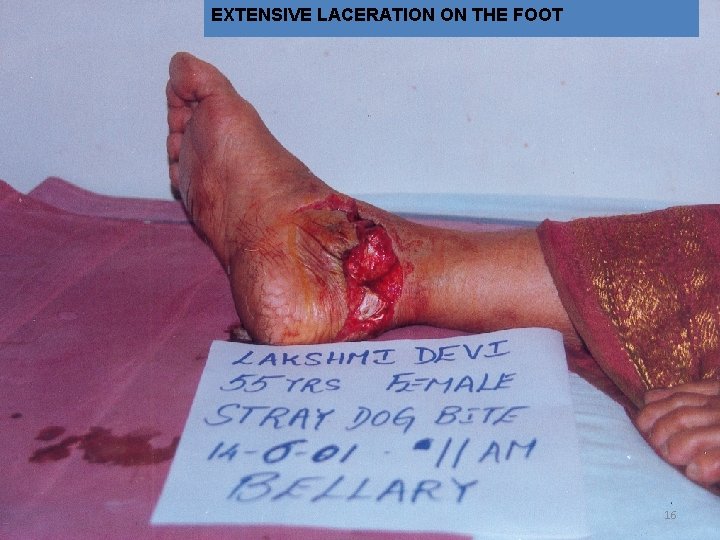
EXTENSIVE LACERATION ON THE FOOT 16
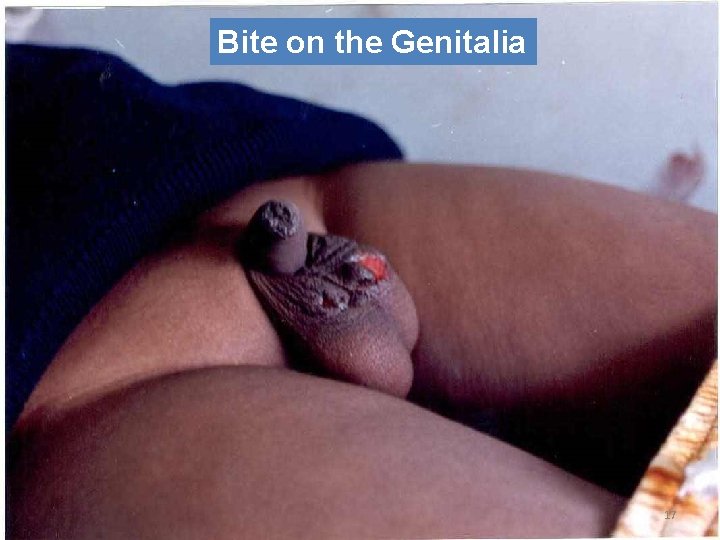
Bite on the Genitalia 17

Sutured bite wounds 18
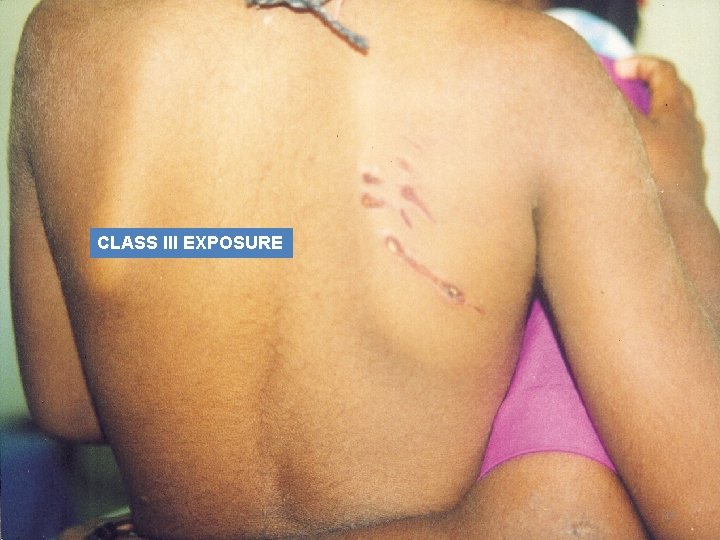
CLASS III EXPOSURE 19
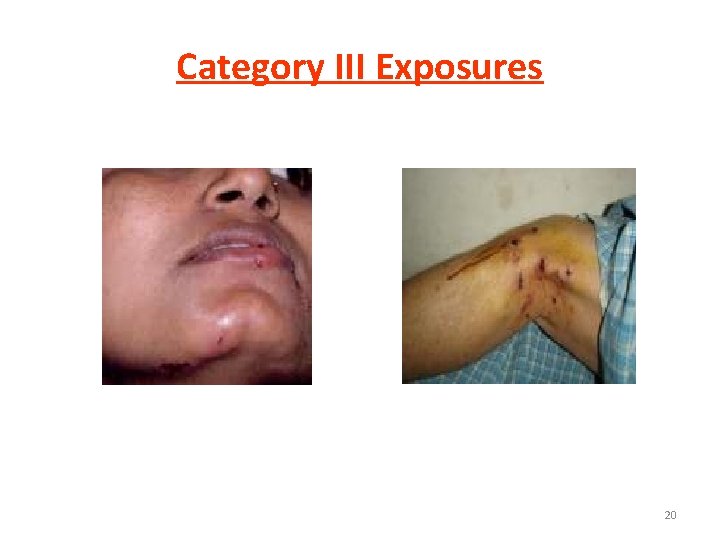
Category III Exposures 20
If pet is bitten by a wild animal? • Any animal bitten or scratched by either a wild mammal or a bat that is not available for testing should be regarded as having been exposed to rabies. 21
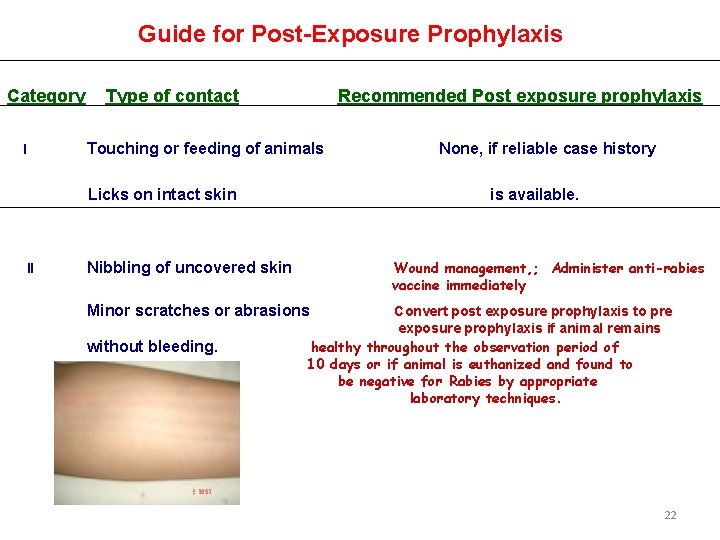
Guide for Post-Exposure Prophylaxis Category Type of contact Recommended Post exposure prophylaxis Touching or feeding of animals I Licks on intact skin II None, if reliable case history is available. Wound management, ; Administer anti-rabies vaccine immediately Nibbling of uncovered skin Minor scratches or abrasions without bleeding. Convert post exposure prophylaxis to pre exposure prophylaxis if animal remains healthy throughout the observation period of 10 days or if animal is euthanized and found to be negative for Rabies by appropriate laboratory techniques. 22
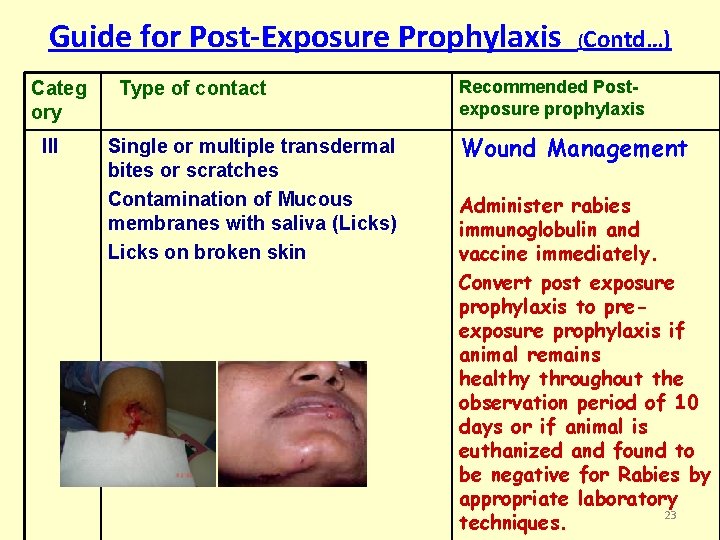
Guide for Post-Exposure Prophylaxis Categ ory III Type of contact Single or multiple transdermal bites or scratches Contamination of Mucous membranes with saliva (Licks) Licks on broken skin (Contd…) Recommended Postexposure prophylaxis Wound Management Administer rabies immunoglobulin and vaccine immediately. Convert post exposure prophylaxis to preexposure prophylaxis if animal remains healthy throughout the observation period of 10 days or if animal is euthanized and found to be negative for Rabies by appropriate laboratory 23 techniques.
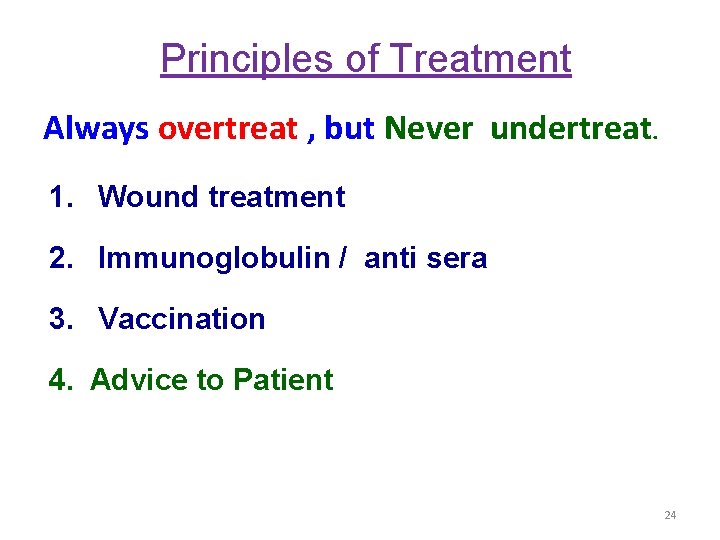
Principles of Treatment Always overtreat , but Never undertreat. 1. Wound treatment 2. Immunoglobulin / anti sera 3. Vaccination 4. Advice to Patient 24
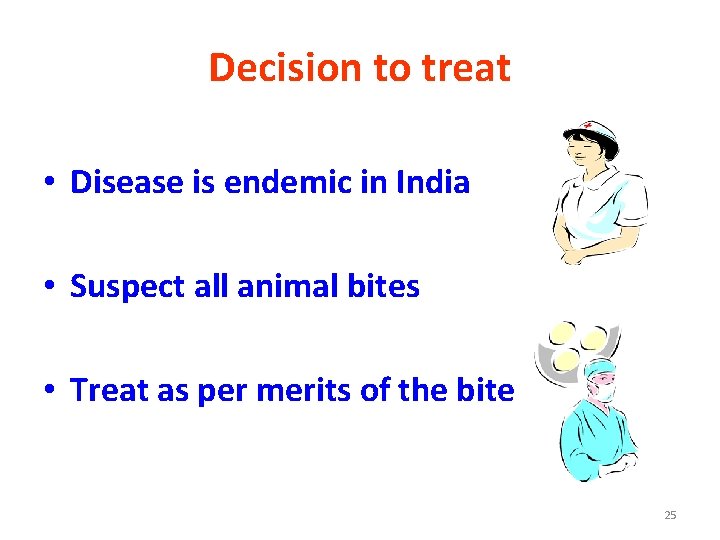
Decision to treat • Disease is endemic in India • Suspect all animal bites • Treat as per merits of the bite 25
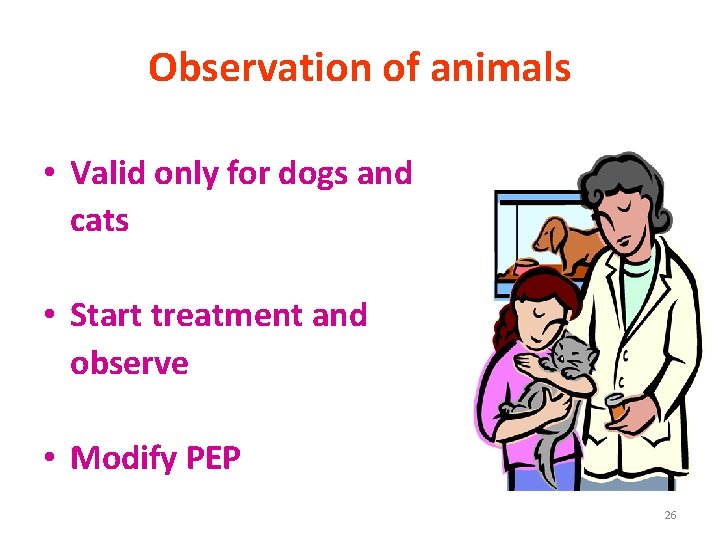
Observation of animals • Valid only for dogs and cats • Start treatment and observe • Modify PEP 26
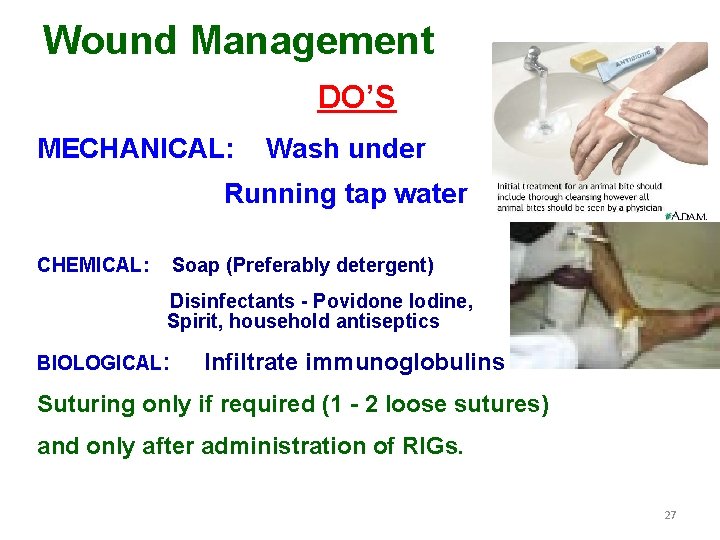
Wound Management DO’S MECHANICAL: Wash under Running tap water CHEMICAL: Soap (Preferably detergent) Disinfectants - Povidone Iodine, Spirit, household antiseptics BIOLOGICAL: Infiltrate immunoglobulins Suturing only if required (1 - 2 loose sutures) and only after administration of RIGs. 27
DONT’S AFTER A BITE • Don’t apply savlon Cetavlon, chillies, mustard oil, or other irritant chemicals. • Don’t cauterise with carbolic acid, HNO 3 • Avoid suturing. , infiltrate with RIG first. • (If essential only after 24 hours ) • Don’t cover the wound. • Don’t touch the wound with bare hands 28
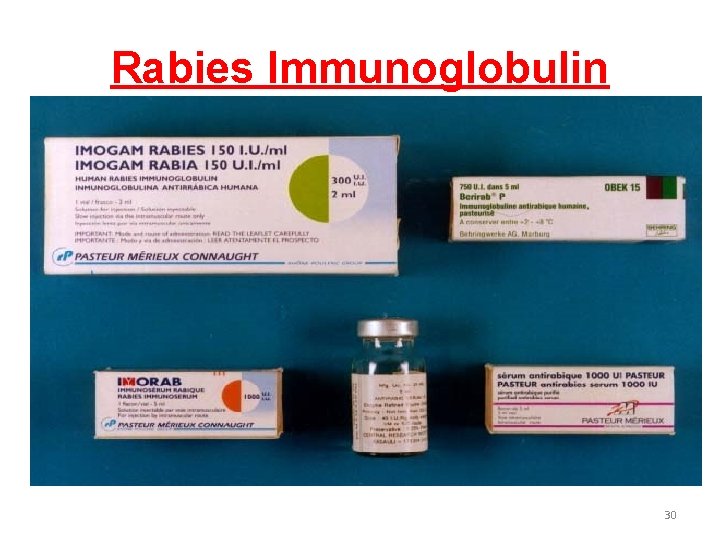
Passive Immunization Human Rabies Immunoglobulin : 20 IU/kg body wt. Maximum of 1500 IU Equine Rabies Immunoglobulin : 40 IU/kg body wt. Maximum of 3000 IU (HRIG) (ERIG) ERIG must be administered only after the Test dose (ERIG) 0. 1 ml of 1: 10 dilution of the serum in normal saline Intra Dermal over flexor aspect of forearm or as per Manufacturer guidelines. Observe for : Wheal, Erythema, Induration, Itching, Tachycardia, Fall in Blood Pressure, Feeble Pulse. 29
Rabies Immunoglobulin 30
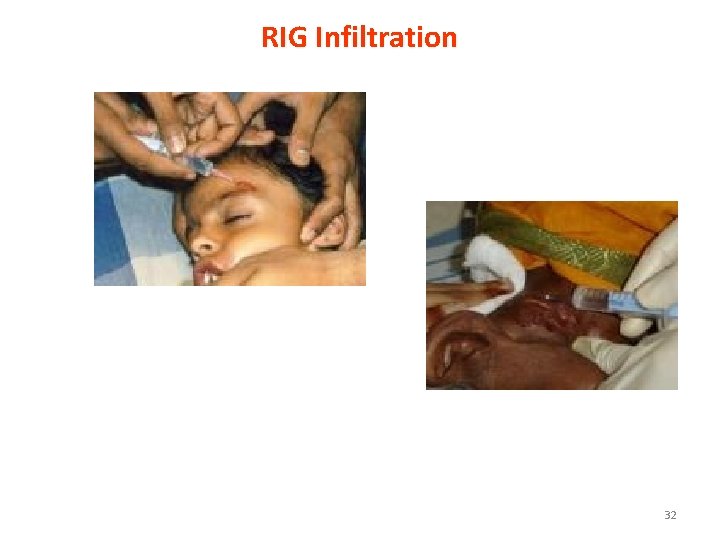
RIG : Infiltrate in wounds • Infiltrate as much as possible into and around the wounds; remaining if any to be given Intra Muscularly at a site away from the site where vaccine has been administered. • Inject RIGs into all wounds (anatomically feasible). • If RIGs is insufficient (by volume) dilute it with sterile normal saline (upto equal volume). • Presently available preparations are very safe. However, equine serum must be administered with full precautions. 31
RIG Infiltration 32
Dr. Louis Pasteur 1883 Rabies vaccine 33
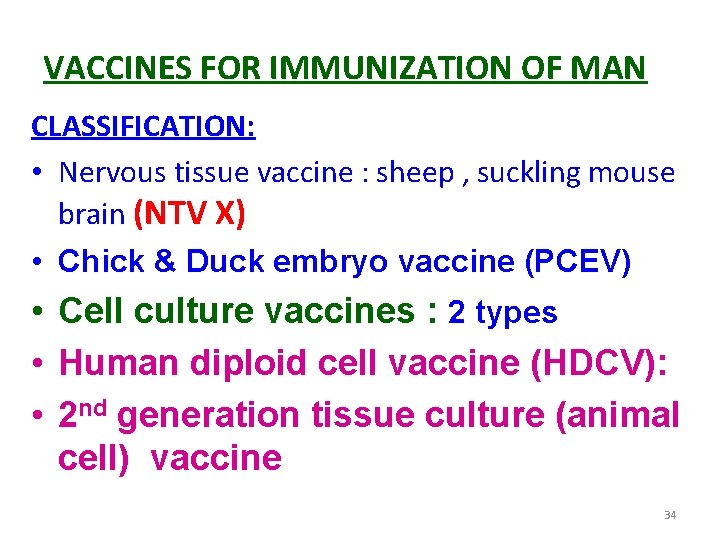
VACCINES FOR IMMUNIZATION OF MAN CLASSIFICATION: • Nervous tissue vaccine : sheep , suckling mouse brain (NTV X) • Chick & Duck embryo vaccine (PCEV) • Cell culture vaccines : 2 types • Human diploid cell vaccine (HDCV): • 2 nd generation tissue culture (animal cell) vaccine 34
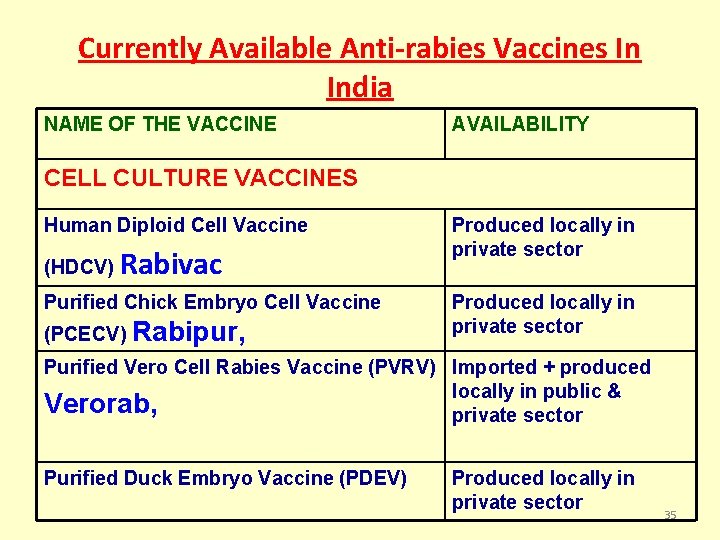
Currently Available Anti-rabies Vaccines In India NAME OF THE VACCINE AVAILABILITY CELL CULTURE VACCINES Human Diploid Cell Vaccine (HDCV) Rabivac Purified Chick Embryo Cell Vaccine (PCECV) Rabipur, Produced locally in private sector Purified Vero Cell Rabies Vaccine (PVRV) Imported + produced locally in public & Verorab, private sector Purified Duck Embryo Vaccine (PDEV) Produced locally in private sector 35
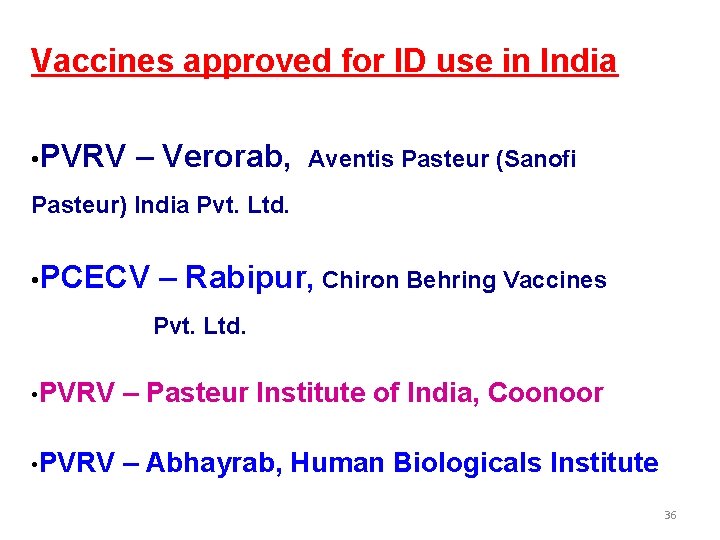
Vaccines approved for ID use in India • PVRV – Verorab, Aventis Pasteur (Sanofi Pasteur) India Pvt. Ltd. • PCECV – Rabipur, Chiron Behring Vaccines Pvt. Ltd. • PVRV – Pasteur Institute of India, Coonoor • PVRV – Abhayrab, Human Biologicals Institute 36
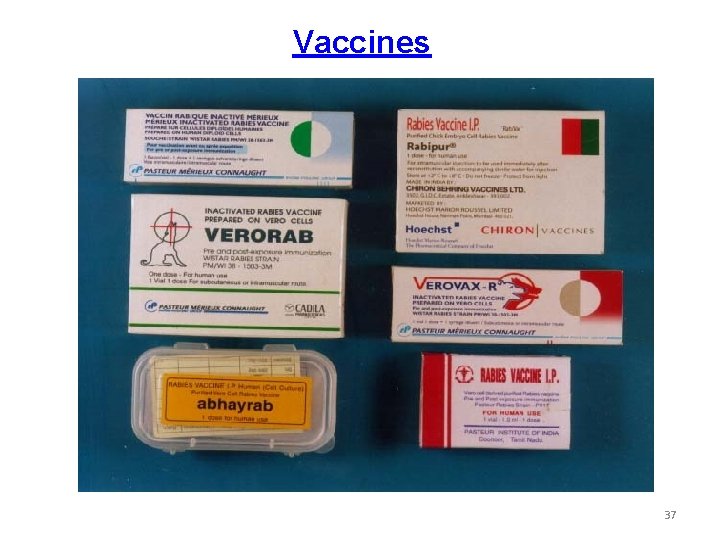
Vaccines 37
Nervous tissue vaccine • BPL inactivated vaccine prepared from fixed virus grown in brains of adult sheep • Disadvantage is it is a crude vaccine so can cause fatal neurological reaction. • Discontinued since December 2004 38
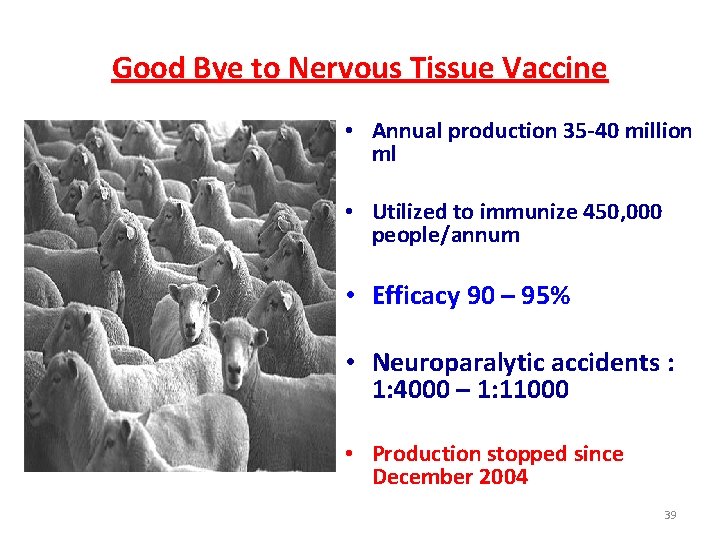
Good Bye to Nervous Tissue Vaccine • Annual production 35 -40 million ml • Utilized to immunize 450, 000 people/annum • Efficacy 90 – 95% • Neuroparalytic accidents : 1: 4000 – 1: 11000 • Production stopped since December 2004 39
DUCK EMBRYO VACCINE • Developed in attempt to eliminate neuroparalytic factors contained in brain tissue vaccine • Allergic risk is present though. • No to be given to person sensitive to egg protein • Not available in India 40
CHICK EMBRYO VACCINE • Purified chick embryo cell vaccine or PCEV is also called RABIPUR • Very popular all over the country. 41
CELL CULTURE VACCINE • Newer vaccines • More potent safer, • Requires less dose small volume few injections, few side effects: • Two types : • Human Diploid Cell Vaccine (HDCV ) and • 2 ND Generation Tissue Culture Vaccine : Cheaper than HDCV 42
HUMAN DIPLOID CELL VACCINE (HDCV) • Prepared by propagating the “FIXED” virus in human diploid fibroblast cells. • Safe & highly potent. • In INDIA used for both pre & post exposure immunization. 43
2 nd GENERATION TISSUE CULTURE VACCINE • Derived from “Non Human” sources like foetal bovine kidney, chick embryo fibroblast, dog kidney cells, hamster kidney cells. also from Non tumogenic continuous cell lines (vero cells). • Highly potent & Low cost. • Preferred over HDCV vaccines. 44
Materials required for IDRV • A vial of rabies vaccine approved for IDRV and its diluent. • 2 m. L disposable syringe with 24 G needle for reconstitution of vaccine. • Disposable 1 m. L insulin syringe (with graduations upto 100 or 40 units) with a fixed (28 G) needle. • Disinfectant swabs (e. g. 70% ethanol, isopropyl alcohol) for cleaning the top of the vial and the patients’ skin. 45
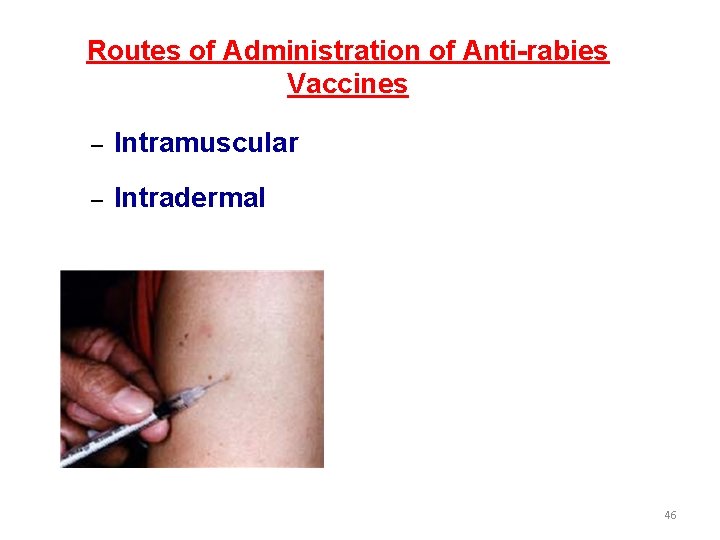
Routes of Administration of Anti-rabies Vaccines – Intramuscular – Intradermal 46
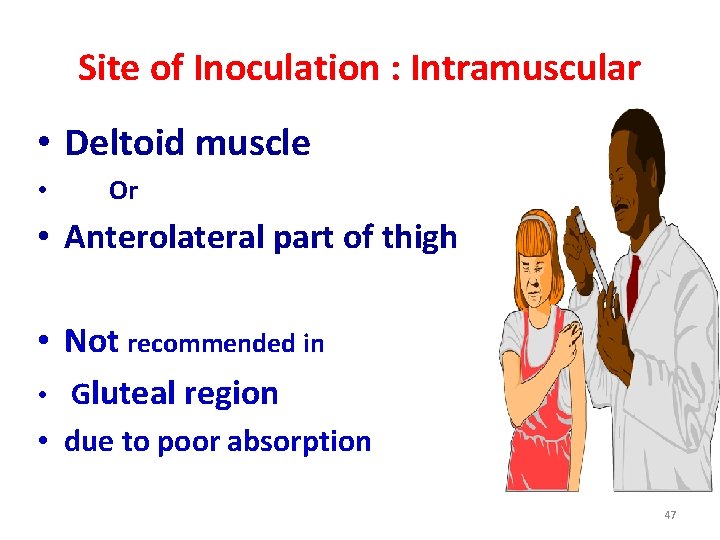
Site of Inoculation : Intramuscular • Deltoid muscle • Or • Anterolateral part of thigh • Not recommended in • Gluteal region • due to poor absorption 47
Intramuscular route Ø (if antimalarial chemoprophylaxis is applied concurrently, intramuscular injections are preferable to intradermal) • �� adults: deltoid area of the arm; • �� children: antero-lateral area of the thigh acceptable 48
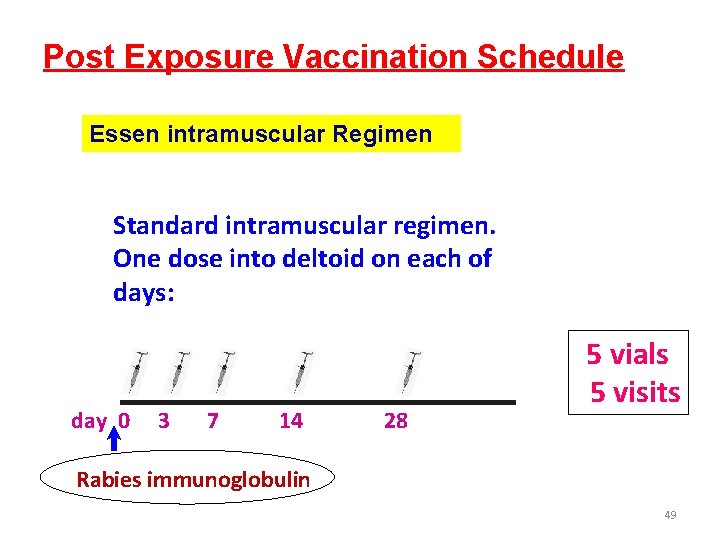
Post Exposure Vaccination Schedule Essen intramuscular Regimen Standard intramuscular regimen. One dose into deltoid on each of days: day 0 3 7 14 28 5 vials 5 visits Rabies immunoglobulin 49
Two intramuscular schedules for modern vaccines: “Essen” regimen”: Classical 5 dose IM (intramuscular) regime one dose of the vaccine should be administered on days - 0, 3, 7, 14 and 28, in deltoid region. or, in small children, into the antero-lateral area of the thigh muscle; As an alternative, the 2 -1 -1 regimen may be used. Two doses are given on day 0 in the deltoid muscle, right and left arm. In addition one dose in the deltoid muscle on day 7 and one on day 21. 50
• Facts…. Nearly 17 million animal bites every year • No effective ABC programme • Present capacity to produce 15 million doses of TCV mostly in private sectors • TCV produced only in 2 government institutes • Costs nearly Rs 1000 per patient even in Government set-ups • Tissue Culture Vaccines: – Limited availability – Expensive • Can we afford this? 51
What One Can Foresee…. • Inadequate supply of TCVs • 2 -3 doses or NO dose at all • Vaccine stored for VIP patients • Increase in treatment failures • Rabies deaths may even increase ! 52
Economics of PEP Vaccine HDCV(IM) PCEC(IM) PVRV(IM) PCEC(ID) PVRV(ID) Total Cost/patient Rs 5000 Rs 1500 Rs 400 Rs 600 53
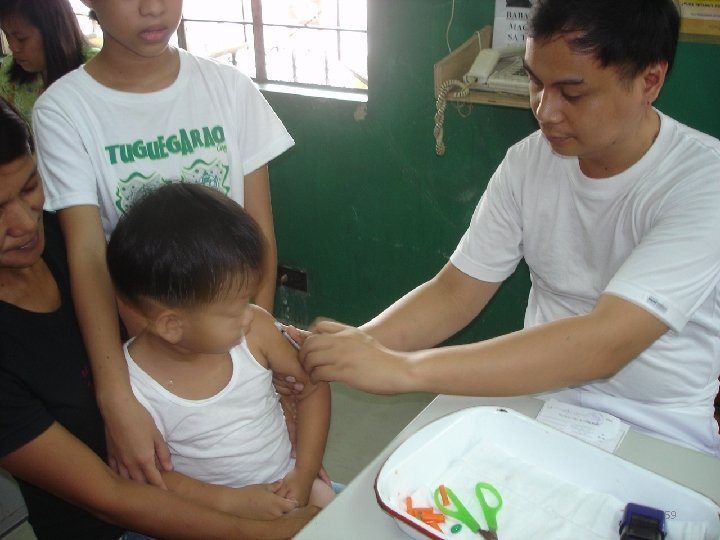
I. D. inoculation of cell culture vaccines • WHO recommended ID inoculation to overcome the problem of availability & cost of Cell culture vaccine based on safety, efficacy and feasibility trials conducted and published • Sri Lanka, Thailand Philippines have successfully adopted use of i. d. administration of Tissue Culture Vaccine. 54
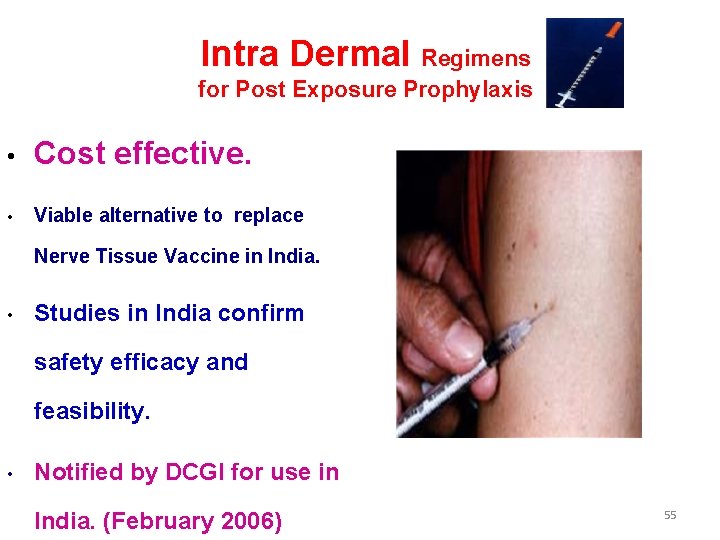
Intra Dermal Regimens for Post Exposure Prophylaxis • Cost effective. • Viable alternative to replace Nerve Tissue Vaccine in India. • Studies in India confirm safety efficacy and feasibility. • Notified by DCGI for use in India. (February 2006) 55
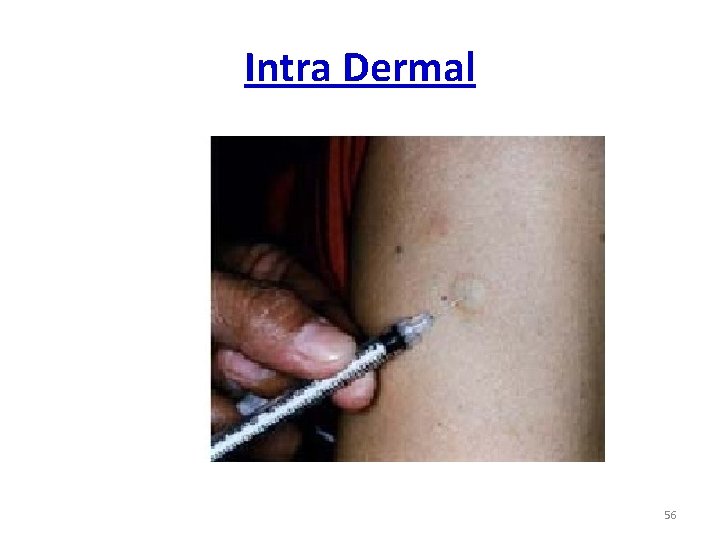
Intra Dermal 56
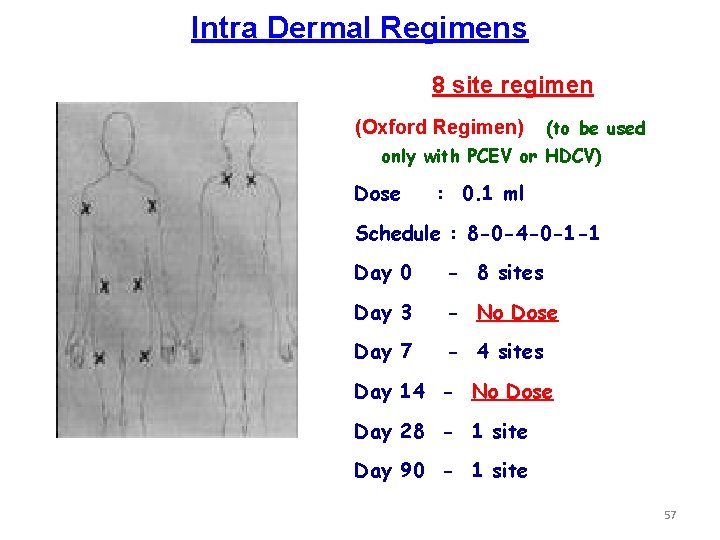
Intra Dermal Regimens 8 site regimen (Oxford Regimen) (to be used only with PCEV or HDCV) Dose : 0. 1 ml Schedule : 8 -0 -4 -0 -1 -1 Day 0 - 8 sites Day 3 - No Dose Day 7 - 4 sites Day 14 - No Dose Day 28 - 1 site Day 90 - 1 site 57
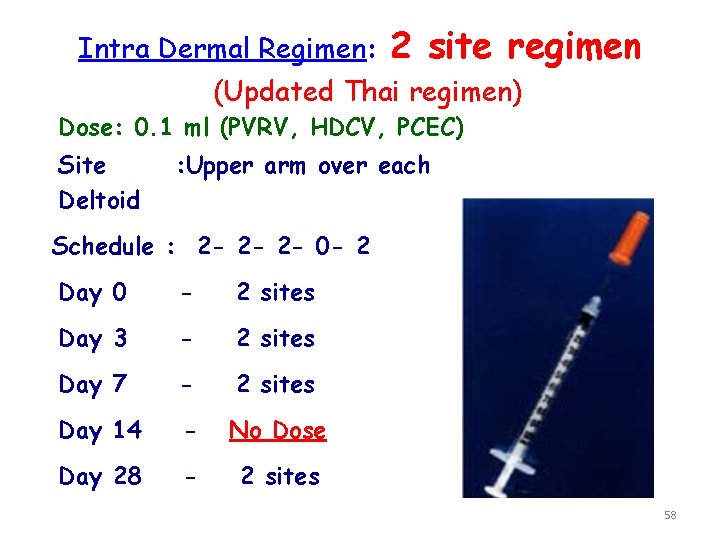
Intra Dermal Regimen: 2 site regimen (Updated Thai regimen) Dose: 0. 1 ml (PVRV, HDCV, PCEC) Site Deltoid : Upper arm over each Schedule : 2 - 2 - 2 - 0 - 2 Day 0 - 2 sites Day 3 - 2 sites Day 7 - 2 sites Day 14 - No Dose Day 28 - 2 sites 58
59
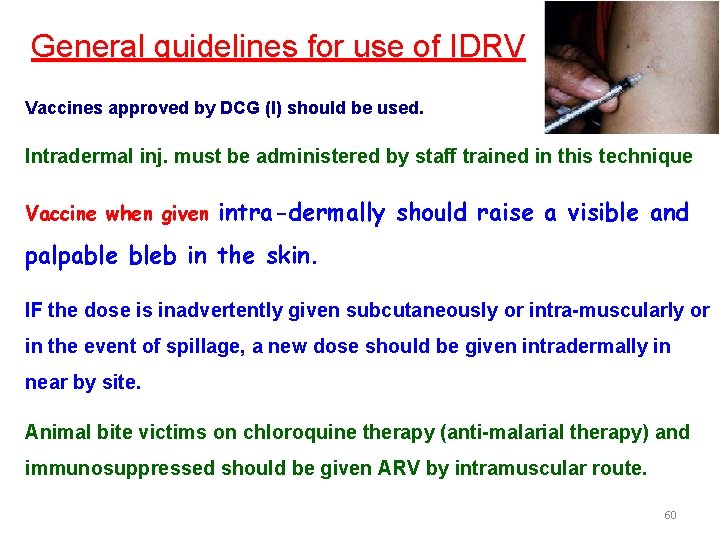
General guidelines for use of IDRV Vaccines approved by DCG (I) should be used. Intradermal inj. must be administered by staff trained in this technique Vaccine when given intra-dermally should raise a visible and palpable bleb in the skin. IF the dose is inadvertently given subcutaneously or intra-muscularly or in the event of spillage, a new dose should be given intradermally in near by site. Animal bite victims on chloroquine therapy (anti-malarial therapy) and immunosuppressed should be given ARV by intramuscular route. 60
Medical advice to Vaccinee • No dietary restriction. • No restriction of physical exercise. • Avoid immune suppressants (Steroids, antimalarials) if possible. • Best to avoid consumption of alcohol during the course of treatment. • Complete the course of vaccination. 61
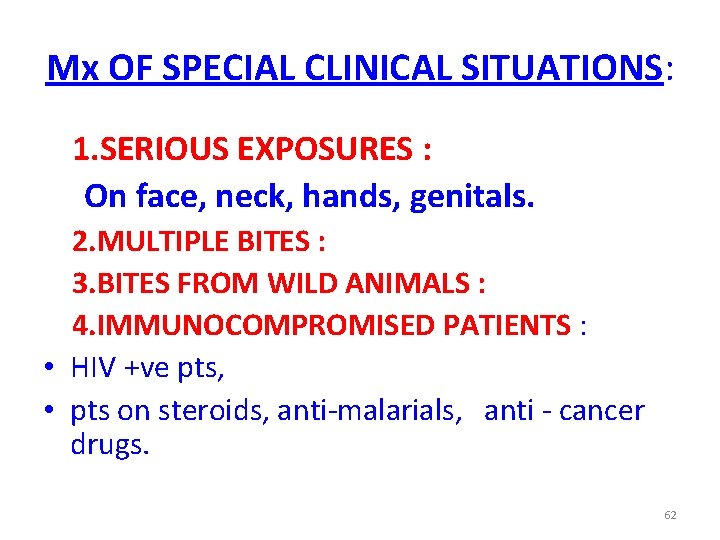
Mx OF SPECIAL CLINICAL SITUATIONS: 1. SERIOUS EXPOSURES : On face, neck, hands, genitals. 2. MULTIPLE BITES : 3. BITES FROM WILD ANIMALS : 4. IMMUNOCOMPROMISED PATIENTS : • HIV +ve pts, • pts on steroids, anti-malarials, anti - cancer drugs. 62
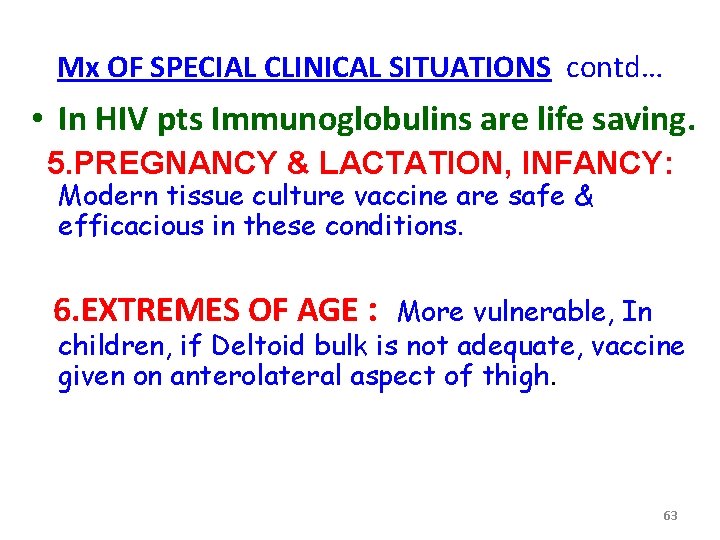
Mx OF SPECIAL CLINICAL SITUATIONS contd… • In HIV pts Immunoglobulins are life saving. 5. PREGNANCY & LACTATION, INFANCY: Modern tissue culture vaccine are safe & efficacious in these conditions. 6. EXTREMES OF AGE : More vulnerable, In children, if Deltoid bulk is not adequate, vaccine given on anterolateral aspect of thigh. 63
Mx OF SPECIAL CLINICAL SITUATIONS contd…. 7. If child eat from the plate of a pet dog, which was proven rabid: • Always overtreat , but Never undertreat. 64
Prevention • Disease prevention includes both passive antibody (immune globulin) and vaccine. • Non-lethal exceptions are extremely rare. • To date only six documented cases of human survival after the onset of symptoms have been reported. – Each included a history of either pre- or post-exposure treatment. 65
Prevention of human rabies • • Considered under 3 headings 1). Post exposure prophylaxis 2). Pre exposure prophylaxis 3). Post exposure treatment who has been vaccinated previously 66
POST EXPOSURE PROPHYLAXIS • Aim is to neutralize the inoculated virus before it enters nervous system • Local treatment of wound : • 1). Cleansing : immediate flushing and washing for atleast 5 min. • 2). Chemical treatment : alcohol , tincture, 0. 01% iodine • 3). Suturing : immediately no , if required can be done after 24 -48 hrs. 67
POST EXPOSURE PROPHYLAXIS (cont. . . ) • 4). Ant rabies serum : now a days total amount is infiltrated around the wound only. • 5). Antibiotics and • 6). Anti - Tetanus procedures • 7). Observe animal for ten days 68
Post Exposure Prophylaxis(Cont. ) Points to remember • Day 0 (D 0) - Day of 1 st dose of vaccine given, not the day of bite. • All modern Tissue Culture Vaccines (TCVs) are equally effective and safe. • Never inject the vaccines into the gluteal region. • Interchange of vaccines acceptable in special circumstances but not to be done routinely. • Reconstituted vaccine to be used immediately. • Vaccine dosage is same for all age groups. 69
PRE-EXPOSURE PROPHYLAXIS • INDICATIONS: Laboratory staff workers with rabies, veterinarians, animals handlers & wild life officers. • 1 ml IM or 0. 1 ml ID of cell culture vaccine is given on days 0, 7, 28. • 1 st Booster injections at 1 year and then at interval of 3 years as long as exposed person remains at risk. 70
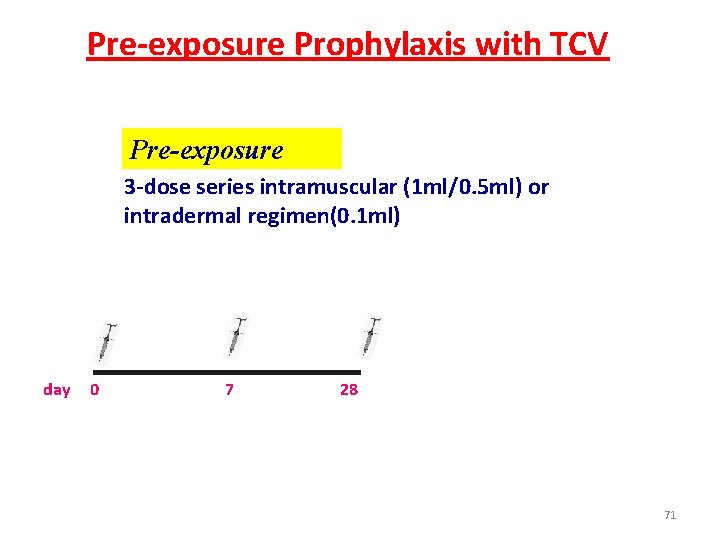
Pre-exposure Prophylaxis with TCV Pre-exposure 3 -dose series intramuscular (1 ml/0. 5 ml) or intradermal regimen(0. 1 ml) day 0 7 28 71
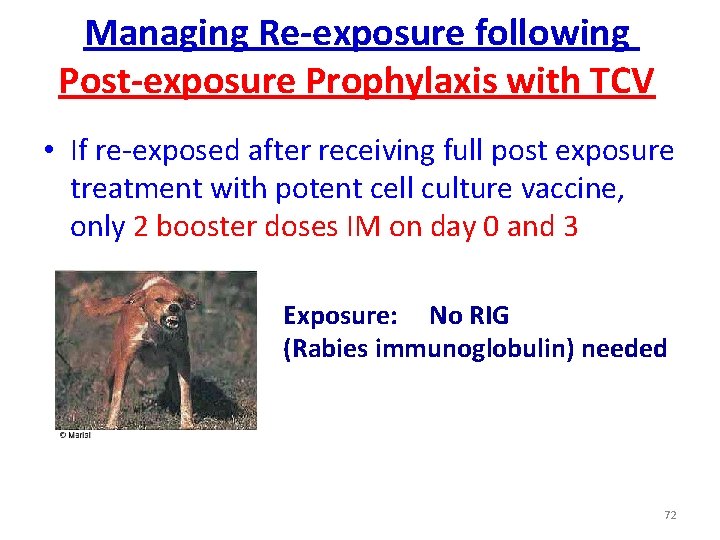
Managing Re-exposure following Post-exposure Prophylaxis with TCV • If re-exposed after receiving full post exposure treatment with potent cell culture vaccine, only 2 booster doses IM on day 0 and 3 Exposure: No RIG (Rabies immunoglobulin) needed 72
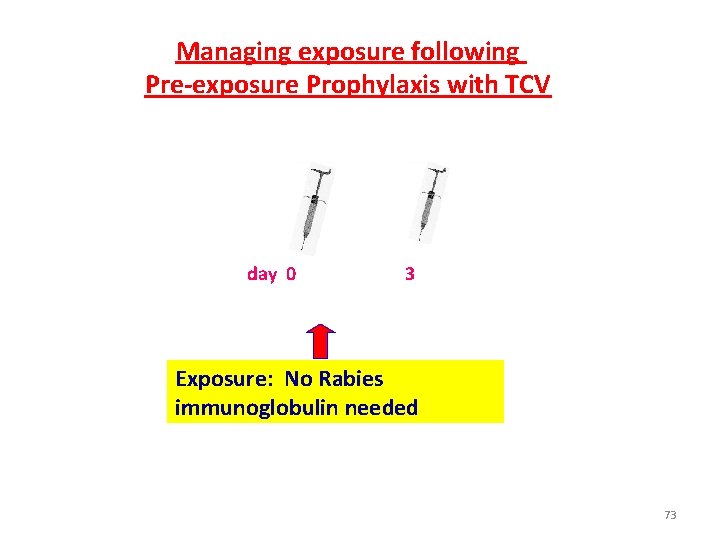
Managing exposure following Pre-exposure Prophylaxis with TCV day 0 3 Exposure: No Rabies immunoglobulin needed 73
POST EXPOSURE Rx WHO HAVE BEEN VACCINATED PREVIOUSLY • If pt’s antibody titre is unknown, 1 ml of HDCV IM injections given on days 0, 3, 7. • If titre is known (>0. 5 IU) 2 doses on days 0, 3. • Systemic passive immunization not given in such pts. , while Booster doses given. 74
Advantages of ID Regimen • Multisite I. D. Regimens lower the cost of vaccn. By 70% as compare with conventional IM schedule. 75
Disadvantage of ID Regimen ØSeparate syringes & needles must be used for each dose. ØID inj. require trained & skilled staff ØVaccine vials be stored at 4°Cto 8°C after reconstitution ØTotal content should be used as soon as possible. 76
Treatment Of other animal bites: • Rat bite: No Anti rabies Trt. • Pig bite, Camel Bites, Monkey Bites: Anti-Rabies Trt. as per WHO & national recommendation • Mongoose Bite: treated as Class III bite. 79
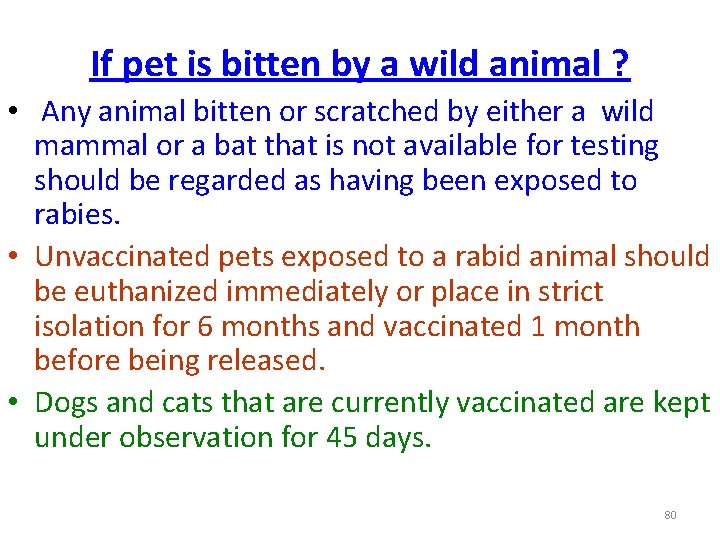
If pet is bitten by a wild animal ? • Any animal bitten or scratched by either a wild mammal or a bat that is not available for testing should be regarded as having been exposed to rabies. • Unvaccinated pets exposed to a rabid animal should be euthanized immediately or place in strict isolation for 6 months and vaccinated 1 month before being released. • Dogs and cats that are currently vaccinated are kept under observation for 45 days. 80
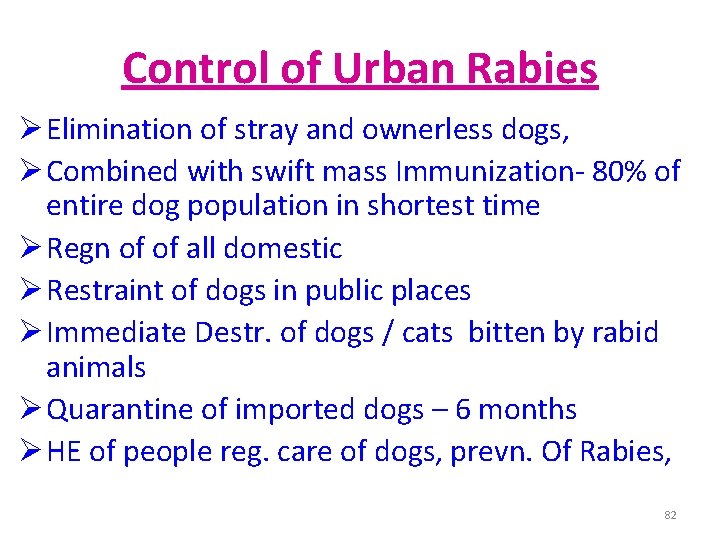
Control of Urban Rabies Ø Elimination of stray and ownerless dogs, Ø Combined with swift mass Immunization- 80% of entire dog population in shortest time Ø Regn of of all domestic Ø Restraint of dogs in public places Ø Immediate Destr. of dogs / cats bitten by rabid animals Ø Quarantine of imported dogs – 6 months Ø HE of people reg. care of dogs, prevn. Of Rabies, 82
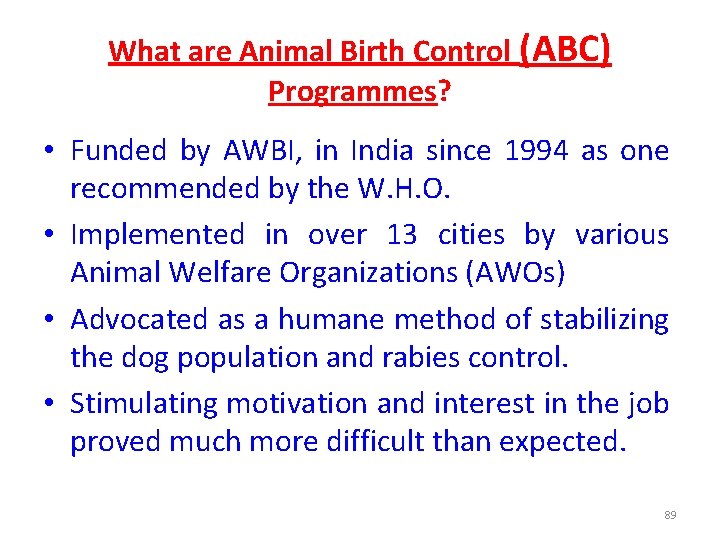
What are Animal Birth Control (ABC) Programmes? • Funded by AWBI, in India since 1994 as one recommended by the W. H. O. • Implemented in over 13 cities by various Animal Welfare Organizations (AWOs) • Advocated as a humane method of stabilizing the dog population and rabies control. • Stimulating motivation and interest in the job proved much more difficult than expected. 89
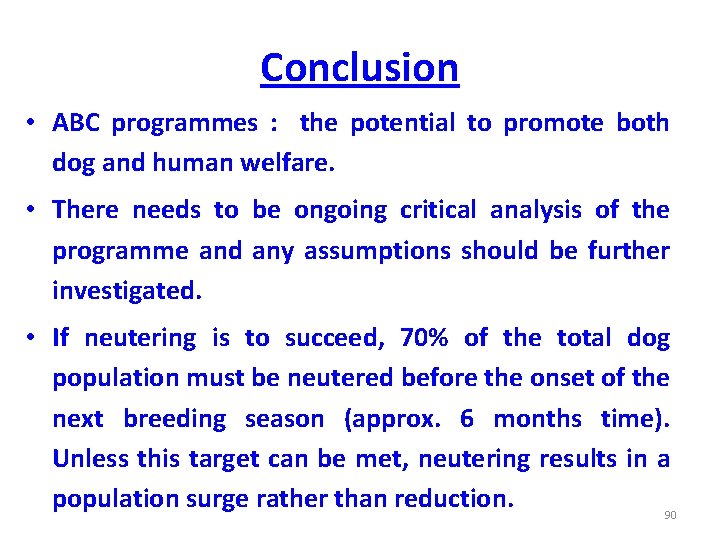
Conclusion • ABC programmes : the potential to promote both dog and human welfare. • There needs to be ongoing critical analysis of the programme and any assumptions should be further investigated. • If neutering is to succeed, 70% of the total dog population must be neutered before the onset of the next breeding season (approx. 6 months time). Unless this target can be met, neutering results in a population surge rather than reduction. 90
WORLD RABIES DAY th 28 September 91

92
- Slides: 83