
Prevention 4 H Veterinary Science Extension Veterinary Medicine
- Slides: 12
Prevention 4 -H Veterinary Science Extension Veterinary Medicine Texas Agri. Life Extension Service College of Veterinary Medicine and Biomedical Science Texas A&M System http: //aevm. tamu. edu
Objectives n Discuss management practices targeted toward sources of disease n Discuss management practices targeted towards transmission of diseases n Discuss management practices targeted toward resistance and immunity of animals against diseases
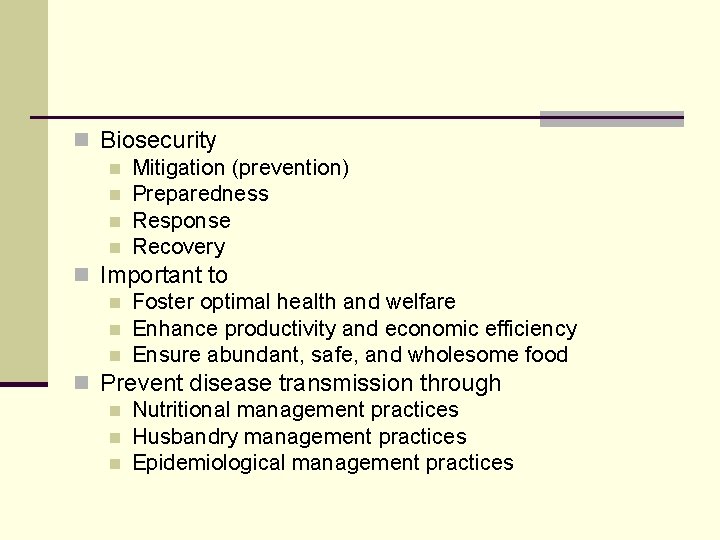
n Biosecurity n Mitigation (prevention) n Preparedness n Response n Recovery n Important to n Foster optimal health and welfare n Enhance productivity and economic efficiency n Ensure abundant, safe, and wholesome food n Prevent disease transmission through n Nutritional management practices n Husbandry management practices n Epidemiological management practices
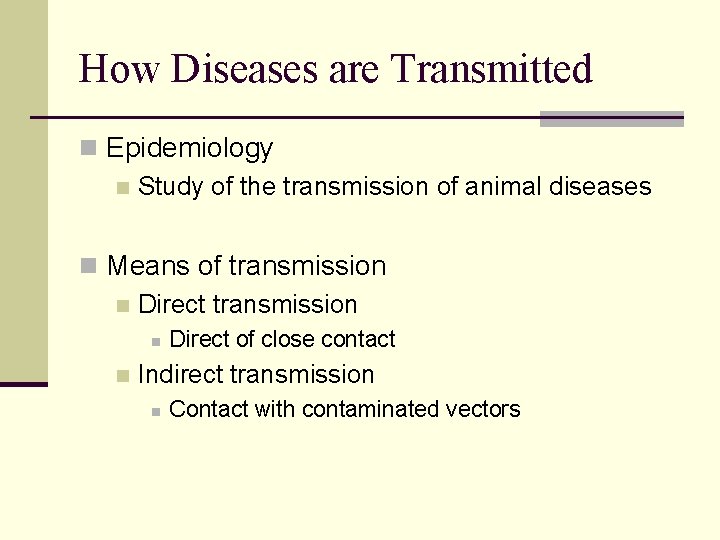
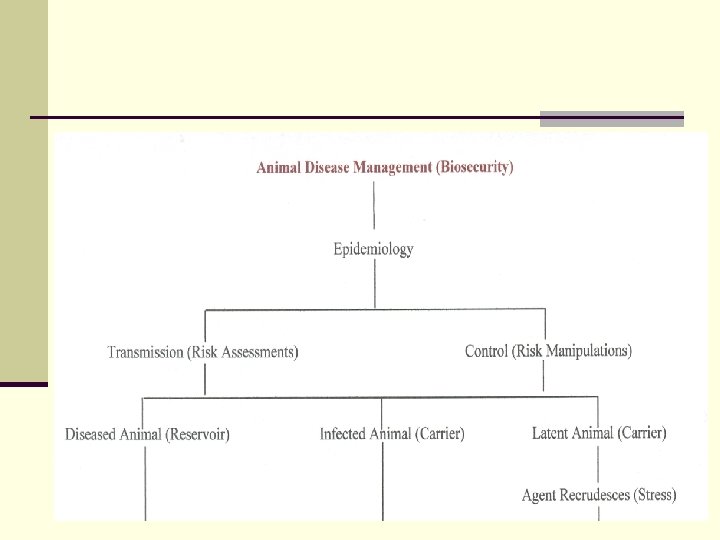
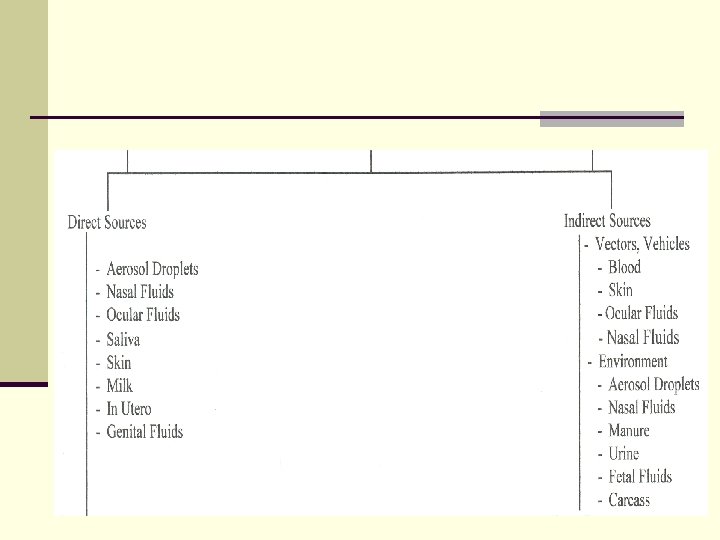
How Diseases are Transmitted n Epidemiology n Study of the transmission of animal diseases n Means of transmission n Direct transmission n n Direct of close contact Indirect transmission n Contact with contaminated vectors
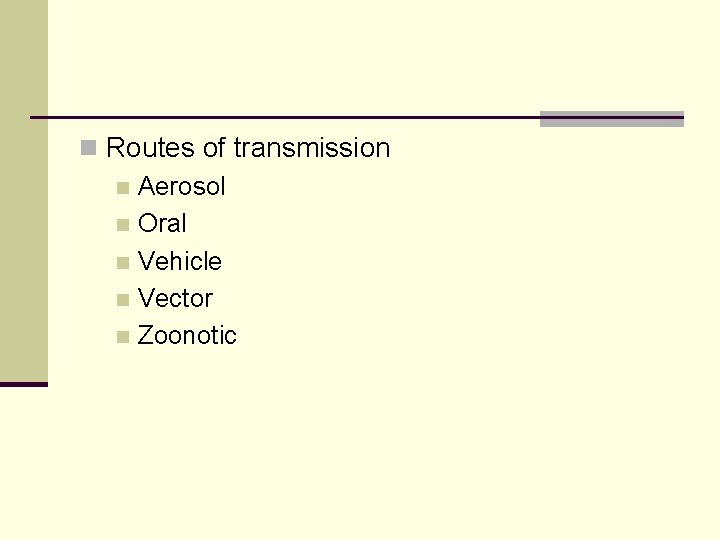
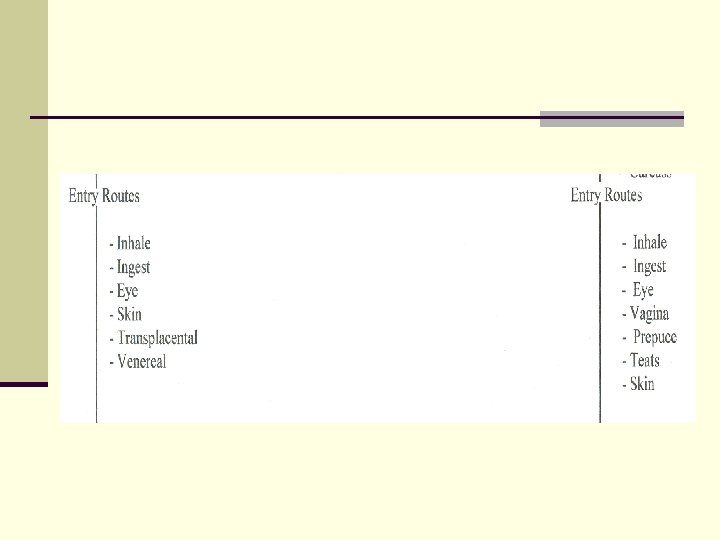
n Routes of transmission n Aerosol n Oral n Vehicle n Vector n Zoonotic
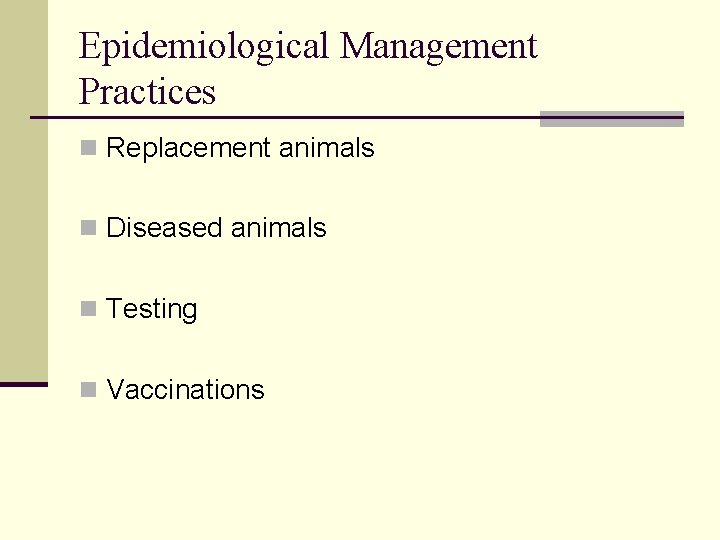
Epidemiological Management Practices n Replacement animals n Diseased animals n Testing n Vaccinations
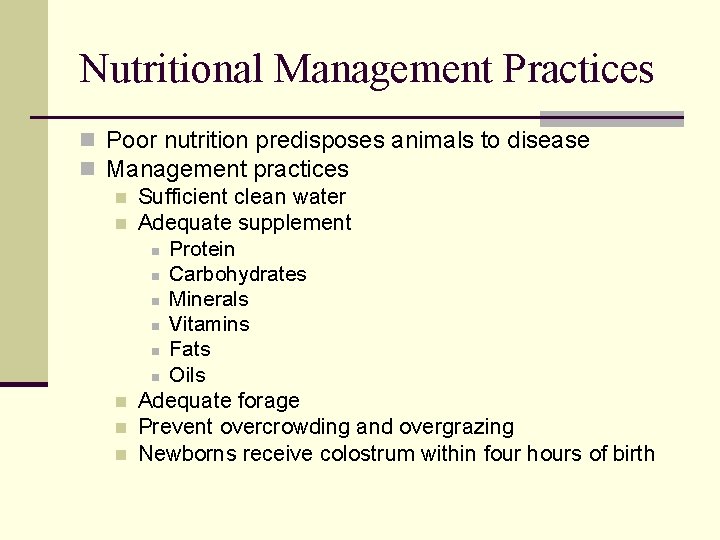
Nutritional Management Practices n Poor nutrition predisposes animals to disease n Management practices n Sufficient clean water n Adequate supplement n Protein n Carbohydrates n Minerals n Vitamins n Fats n Oils n Adequate forage n Prevent overcrowding and overgrazing n Newborns receive colostrum within four hours of birth
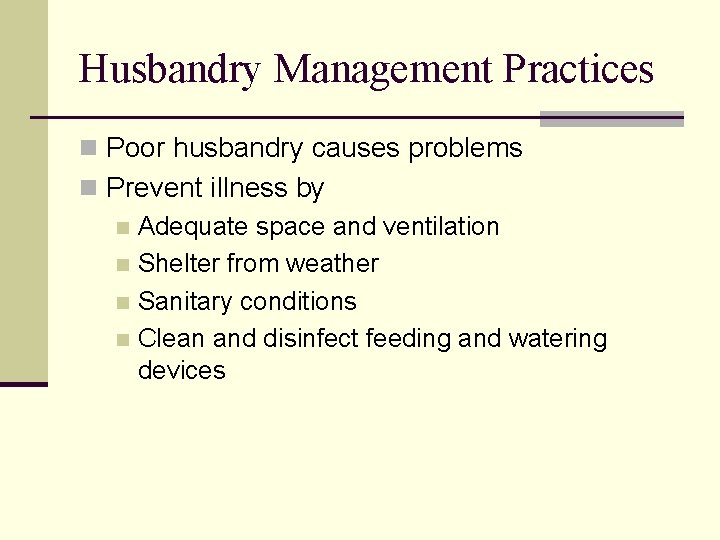
Husbandry Management Practices n Poor husbandry causes problems n Prevent illness by n Adequate space and ventilation n Shelter from weather n Sanitary conditions n Clean and disinfect feeding and watering devices