
Presentation Title Presenter Name Contact Information Presentation Title













- Slides: 46
Presentation Title Presenter Name Contact Information:
Presentation Title Presenter Name Contact Information:
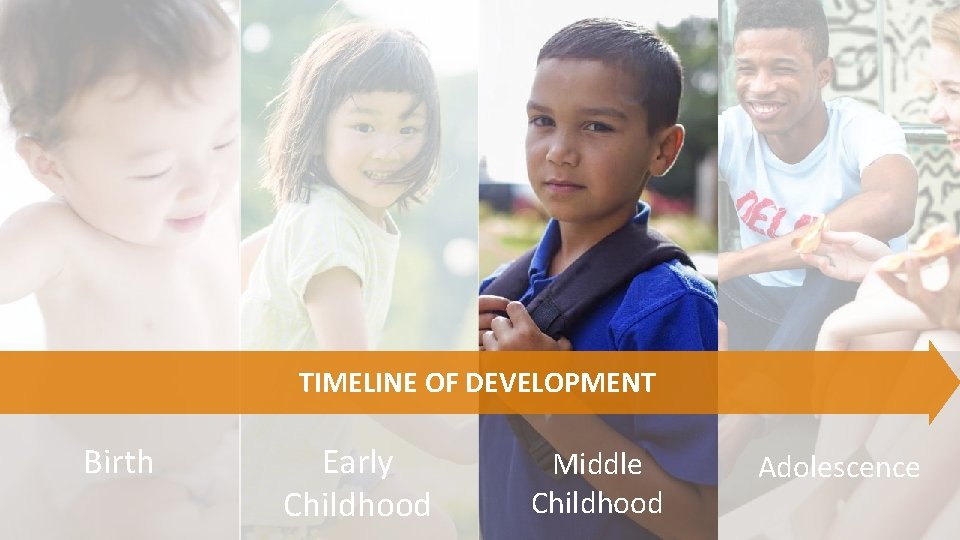
TIMELINE OF DEVELOPMENT Birth Early Childhood Middle Childhood Adolescence
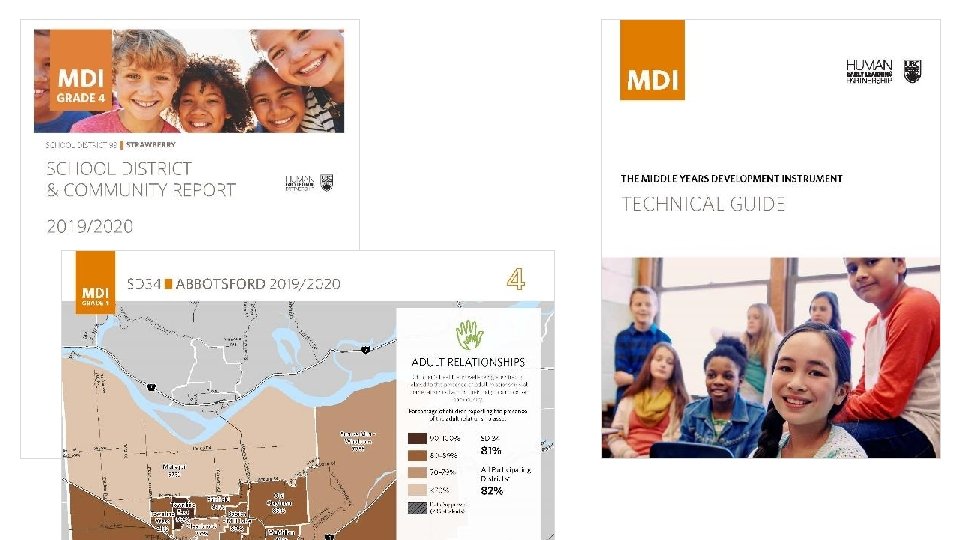
MDI
Why is it important?
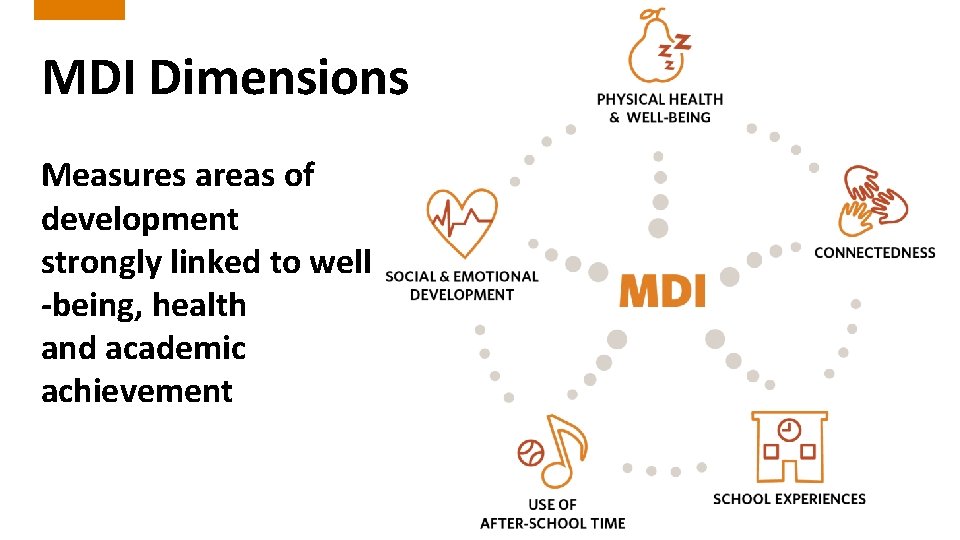
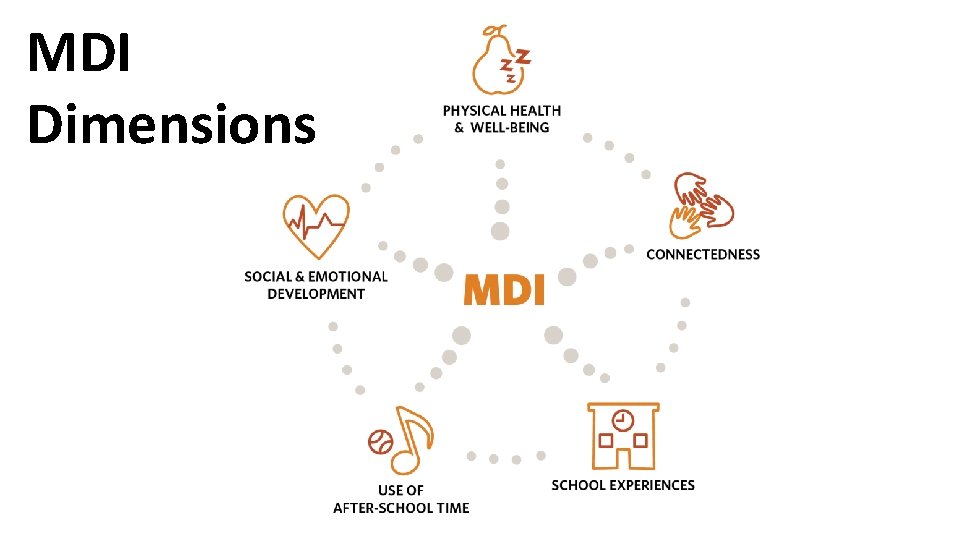
MDI Dimensions Measures areas of development strongly linked to well -being, health and academic achievement
Developed through a collaborative process • scientific experts • teachers • children • community members
Self-Report Survey for Children in Grades 4 to 8
Used at a Population Level NOT used as an Individual Diagnostic Tool
Relationships are central
Transitional Times in development • Cognitively • Socially • Academically • Physically
Development of the Whole Child
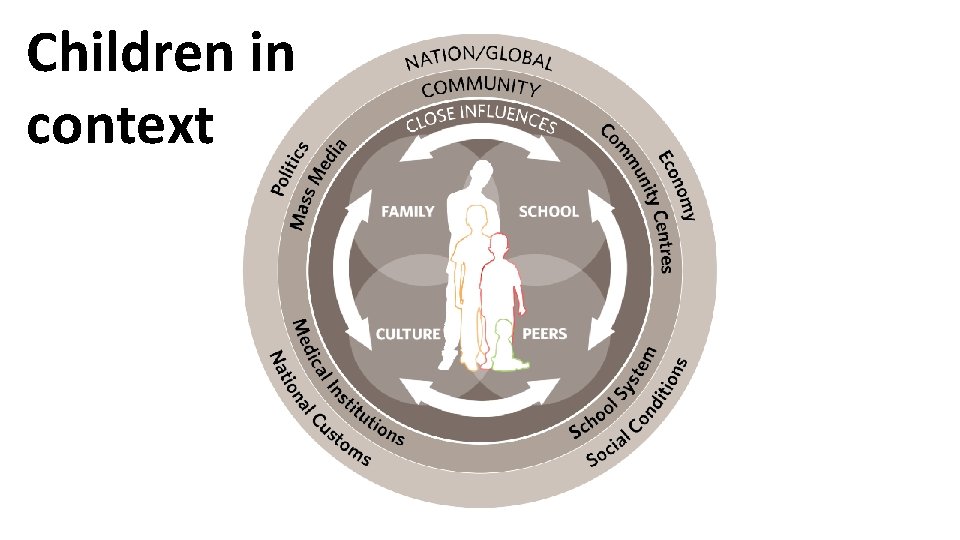
Multiple Contexts • Schools • Families • Neighbourhoods • After-school time
Children’s Voices
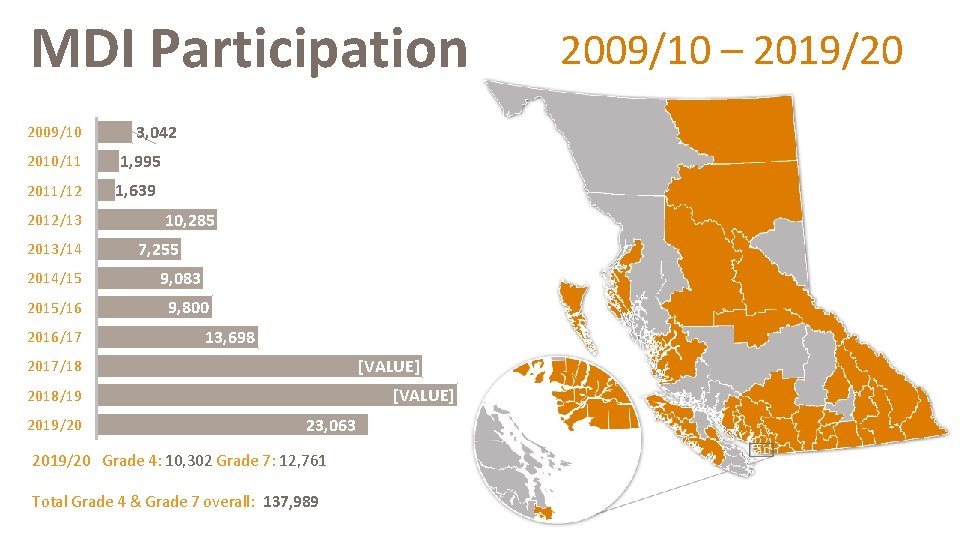
MDI Participation 2009/10 2010/11 2011/12 2012/13 2013/14 2014/15 2015/16 2016/17 3, 042 1, 995 1, 639 10, 285 7, 255 9, 083 9, 800 13, 698 [VALUE] 2017/18 [VALUE] 2018/19 2019/20 23, 063 2019/20 Grade 4: 10, 302 Grade 7: 12, 761 Total Grade 4 & Grade 7 overall: 137, 989 2009/10 – 2019/20
Children in context
MDI Dimensions
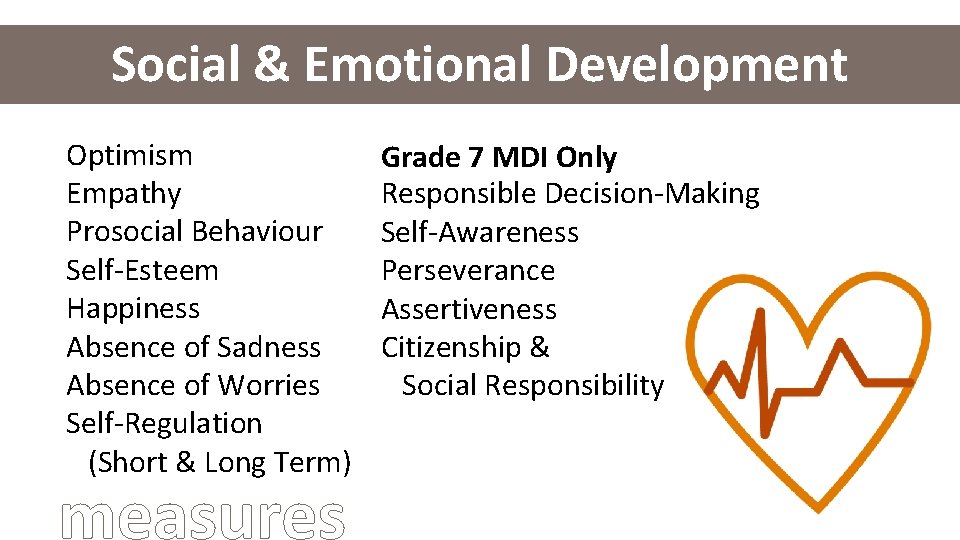
Social & Emotional Development Optimism Empathy Prosocial Behaviour Self-Esteem Happiness Absence of Sadness Absence of Worries Self-Regulation (Short & Long Term) measures Grade 7 MDI Only Responsible Decision-Making Self-Awareness Perseverance Assertiveness Citizenship & Social Responsibility
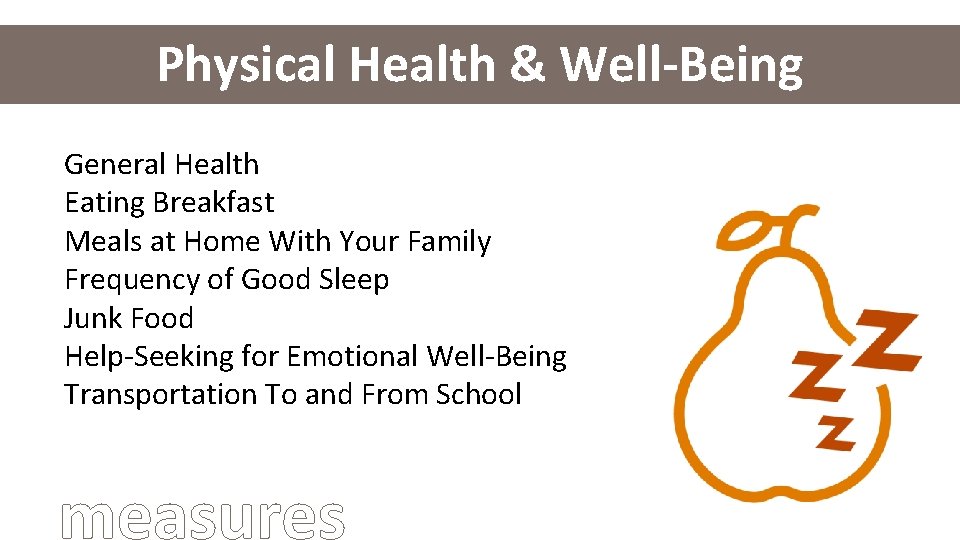
Physical Health & Well-Being General Health Eating Breakfast Meals at Home With Your Family Frequency of Good Sleep Junk Food Help-Seeking for Emotional Well-Being Transportation To and From School measures
Connectedness Adults at School Adults in the Neighbourhood Adults at Home Peer Belonging Friendship Intimacy Important Adults measures
Use of After School Time Organized Activities - Educational Lessons or Activities - Youth Organizations - Sports - Music or Arts How Children Spend Their Time After-School People and Places Children's Wishes and Barriers measures
School Experiences Academic Self-Concept School Climate School Belonging Motivation Future Goals Victimization and Bullying measures
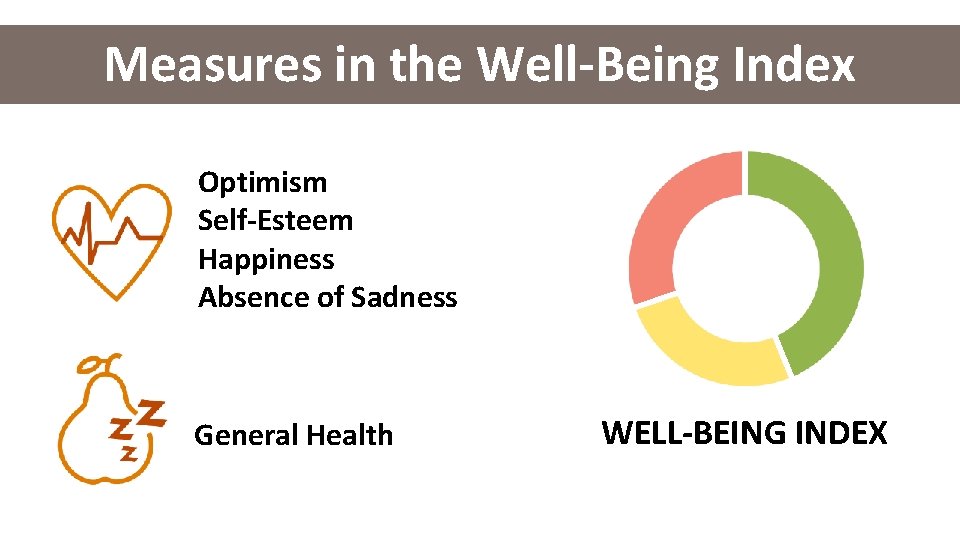
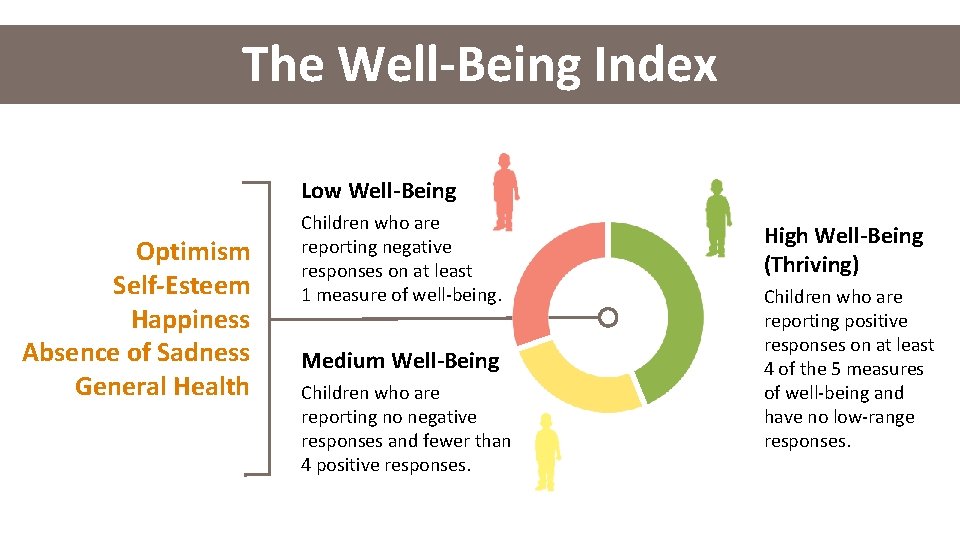
Measures in the Well-Being Index Optimism Self-Esteem Happiness Absence of Sadness General Health WELL-BEING INDEX
The Well-Being Index Low Well-Being Optimism Self-Esteem Happiness Absence of Sadness General Health Children who are reporting negative responses on at least 1 measure of well-being. Medium Well-Being Children who are reporting no negative responses and fewer than 4 positive responses. High Well-Being (Thriving) Children who are reporting positive responses on at least 4 of the 5 measures of well-being and have no low-range responses.
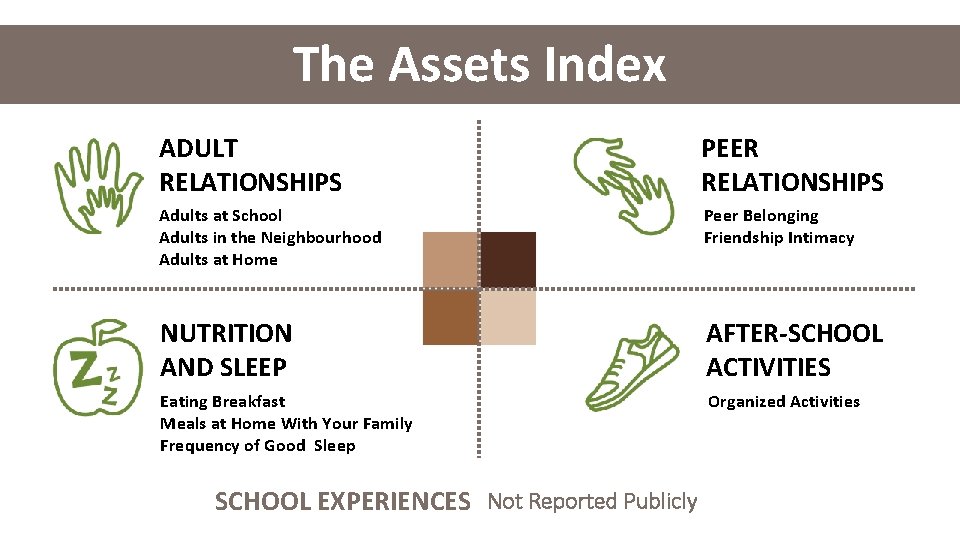
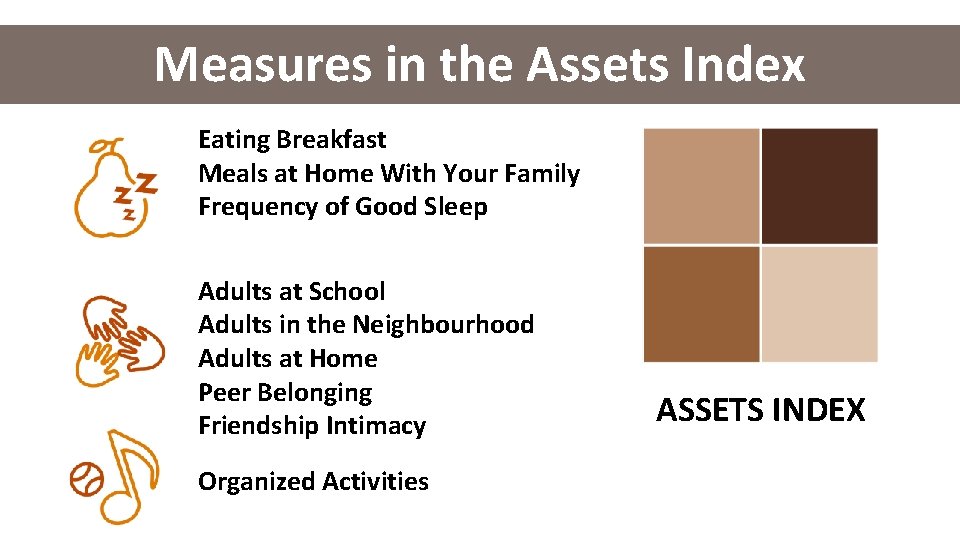
The Assets Index ADULT RELATIONSHIPS PEER RELATIONSHIPS Adults at School Adults in the Neighbourhood Adults at Home Peer Belonging Friendship Intimacy NUTRITION AND SLEEP AFTER-SCHOOL ACTIVITIES Eating Breakfast Meals at Home With Your Family Frequency of Good Sleep Organized Activities SCHOOL EXPERIENCES Not Reported Publicly
Measures in the Assets Index Eating Breakfast Meals at Home With Your Family Frequency of Good Sleep Adults at School Adults in the Neighbourhood Adults at Home Peer Belonging Friendship Intimacy Organized Activities ASSETS INDEX
4
7
4
7
Social & Emotional Development 4
Physical Health & Well-Being 4
Connectedness 4
Use of After School Time 4
School Experiences 4
Social & Emotional Development 7
Physical Health & Well-Being 7
Connectedness 7
Use of After School Time 7
School Experiences 7