
PRESENTATION OVERVIEW What is controlled switching Why using

- Slides: 38
PRESENTATION OVERVIEW What is controlled switching Why using controlled switching Controlled switching benefits How the Synchro. Teq POW works Capacitor bank, Reactor and power transformer applications Synchro. Teq in its operating environment CB requirements for controlled switching Review and questions 1
CONTROLLED SWITCHING “Controlled switching” is one of several terminologies applied to the principle of coordinating the instant of opening or closing of a circuit with a specific target point on an associated voltage or current waveform. It is an additional capability added to the standard circuit breaker to operate at synchronized precise electrical moment on source voltage or current waveform 2 2
RANDOM SWITCHING WHAT CAN GO WRONG WHEN SWITCHING IS RANDOM ? Depending on the reactive load being switched, different undesirable consequences can occur. Such as Re-strikes, Re-ignitions- during opening operation High inrush currents –during closing operation 3
RANDOM SWITCHING Documented studies show existence of such issues while switching § Shunt Reactors § Unloaded Power Transformers § Unloaded Transmission Lines § Shunt Capacitor Banks § Static VAR Compensation 4
RANDOM SWITCHING Consequential negative effects resulting from random Switching Power quality degradation • Short over voltages to industrial customers • HF disturbances (transients) Remote disturbances (e. g. line faults) Reduced power equipment life • Electrical stress • Mechanical stress 5 5
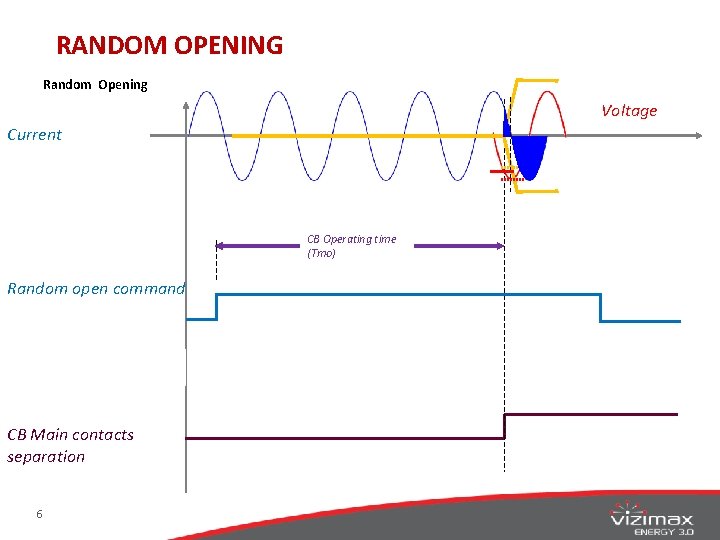
RANDOM OPENING Random Opening Voltage Current CB Operating time (Tmo) Random open command CB Main contacts separation 6
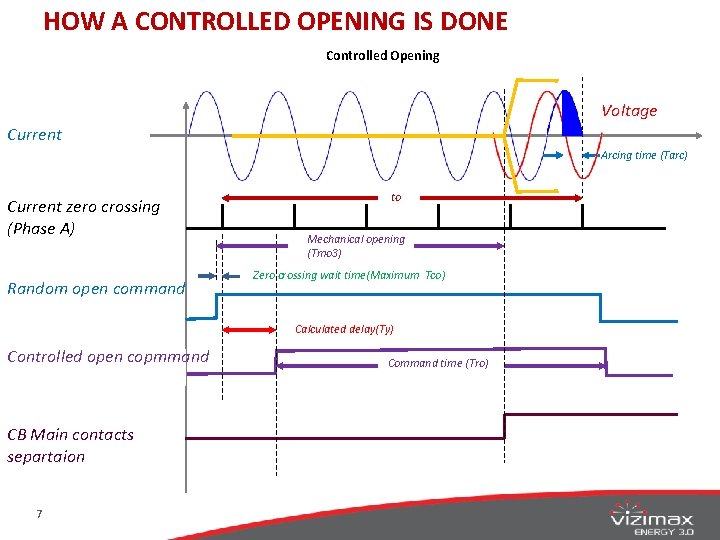
HOW A CONTROLLED OPENING IS DONE Controlled Opening Voltage Current Arcing time (Tarc) Current zero crossing (Phase A) Random open command to Mechanical opening (Tmo 3) Zero crossing wait time(Maximum Tco) Calculated delay(Ty) Controlled open copmmand CB Main contacts separtaion 7 Command time (Tro)
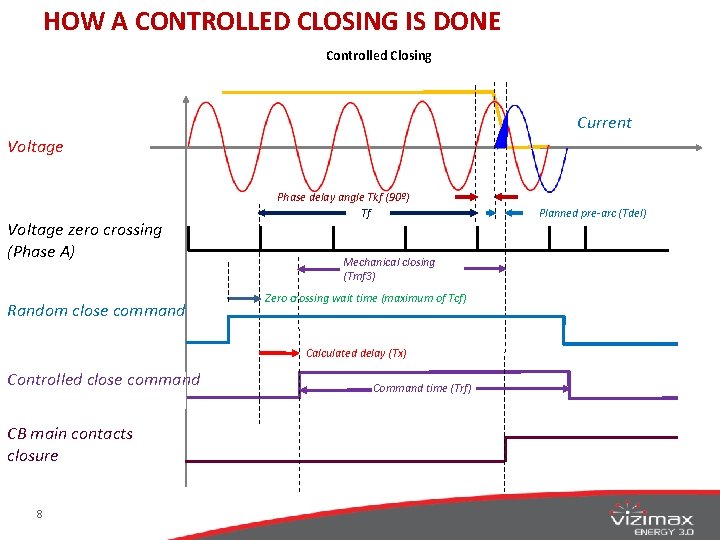
HOW A CONTROLLED CLOSING IS DONE Controlled Closing Current Voltage zero crossing (Phase A) Random close command Phase delay angle Tkf (90º) Tf Mechanical closing (Tmf 3) Zero crossing wait time (maximum of Tcf) Calculated delay (Tx) Controlled close command CB main contacts closure 8 Command time (Trf) Planned pre-arc (Tdel)
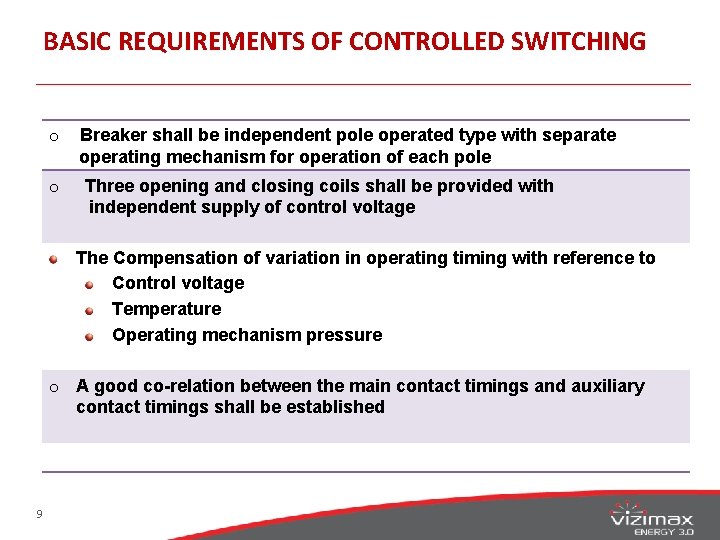
BASIC REQUIREMENTS OF CONTROLLED SWITCHING o o Breaker shall be independent pole operated type with separate operating mechanism for operation of each pole Three opening and closing coils shall be provided with independent supply of control voltage The Compensation of variation in operating timing with reference to Control voltage Temperature Operating mechanism pressure o A good co-relation between the main contact timings and auxiliary contact timings shall be established 9
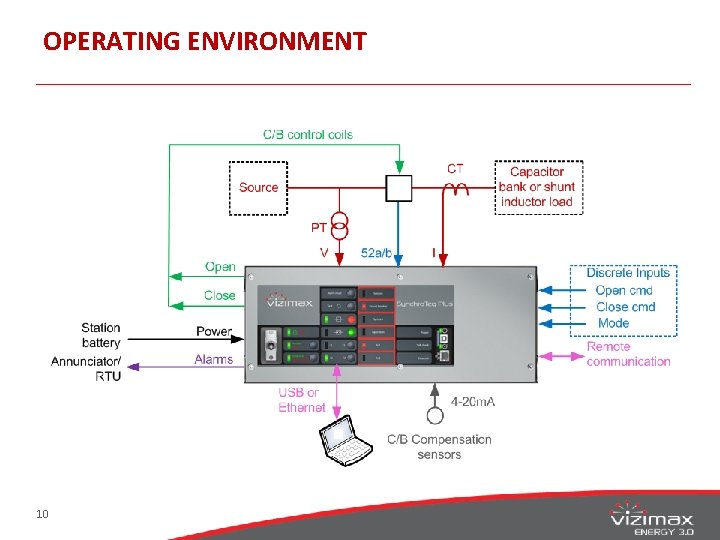
OPERATING ENVIRONMENT 10
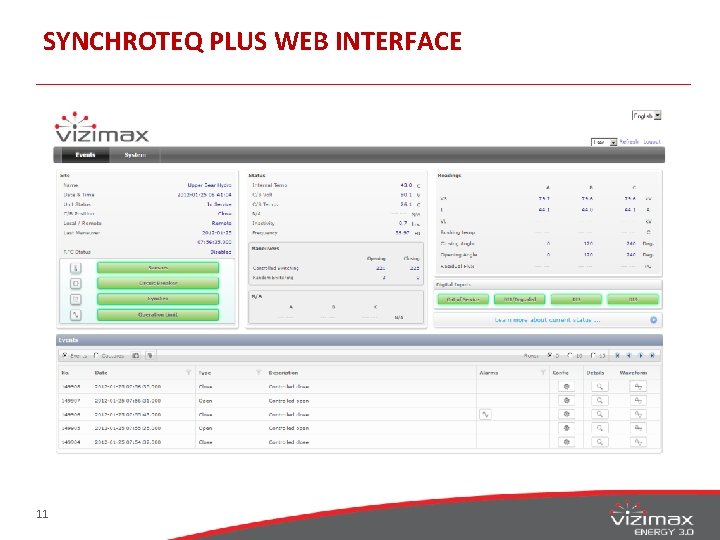
SYNCHROTEQ PLUS WEB INTERFACE 11
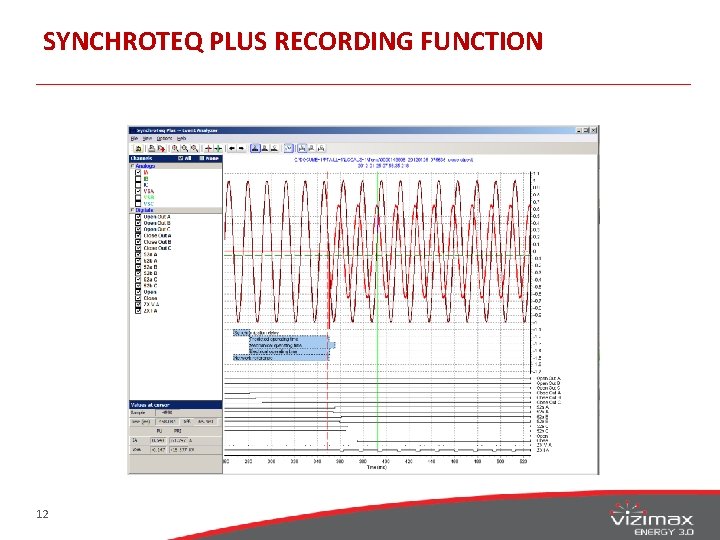
SYNCHROTEQ PLUS RECORDING FUNCTION 12
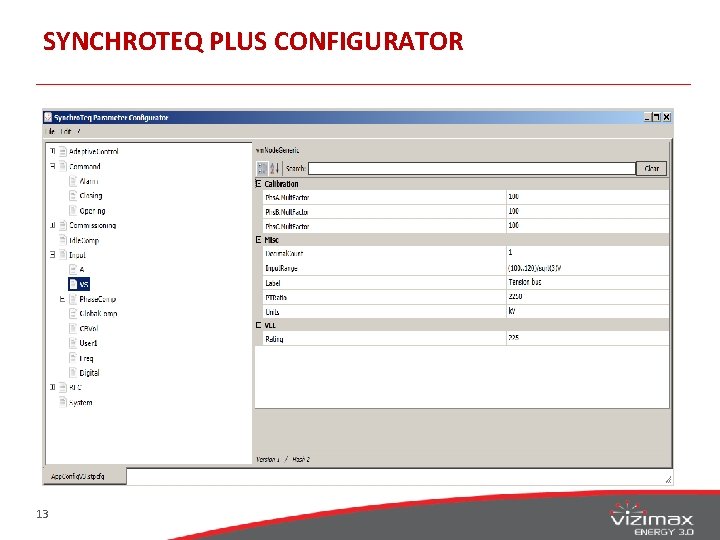
SYNCHROTEQ PLUS CONFIGURATOR 13
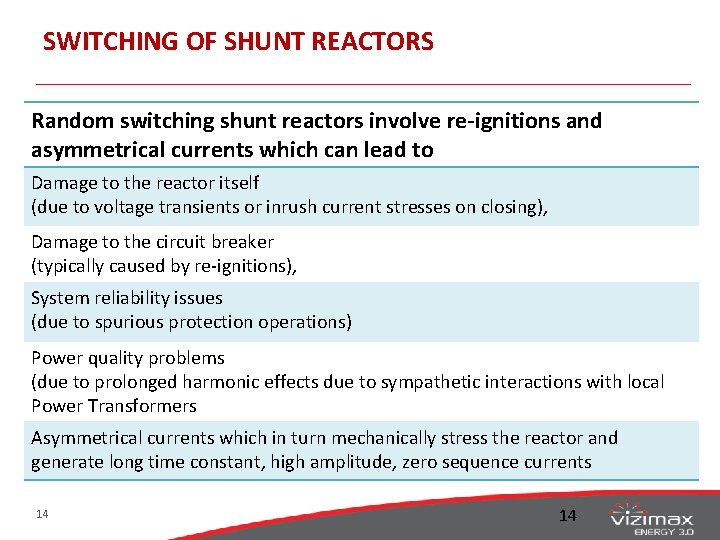
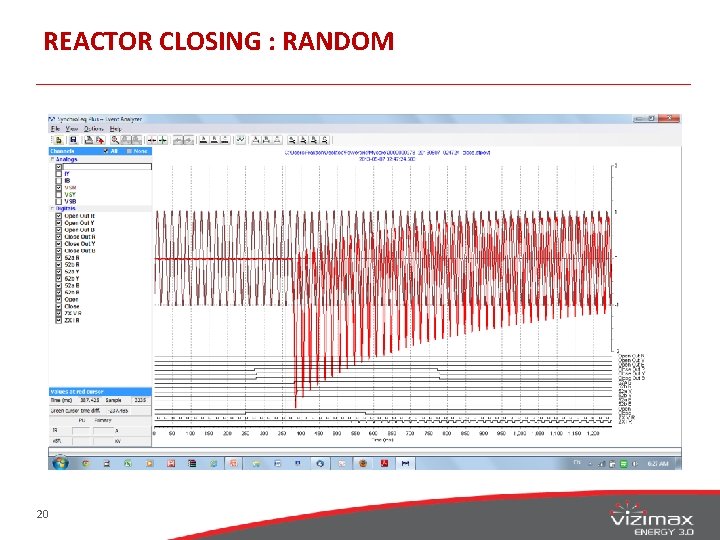
SWITCHING OF SHUNT REACTORS Random switching shunt reactors involve re-ignitions and asymmetrical currents which can lead to Damage to the reactor itself (due to voltage transients or inrush current stresses on closing), Damage to the circuit breaker (typically caused by re-ignitions), System reliability issues (due to spurious protection operations) Power quality problems (due to prolonged harmonic effects due to sympathetic interactions with local Power Transformers Asymmetrical currents which in turn mechanically stress the reactor and generate long time constant, high amplitude, zero sequence currents 14 14
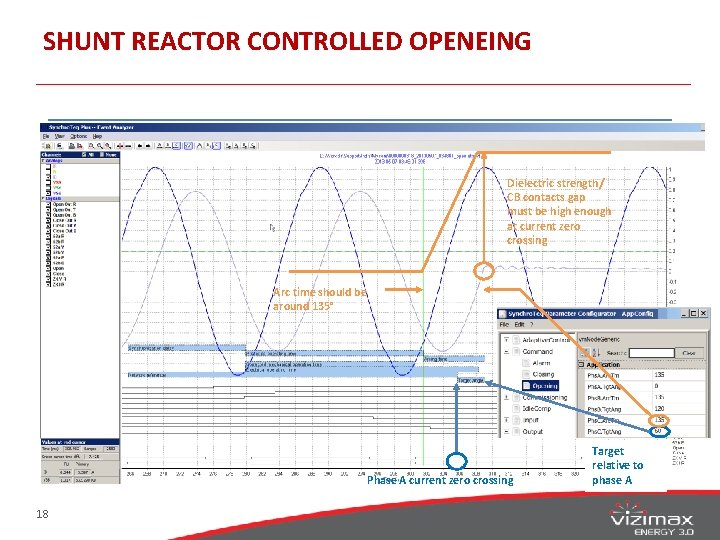
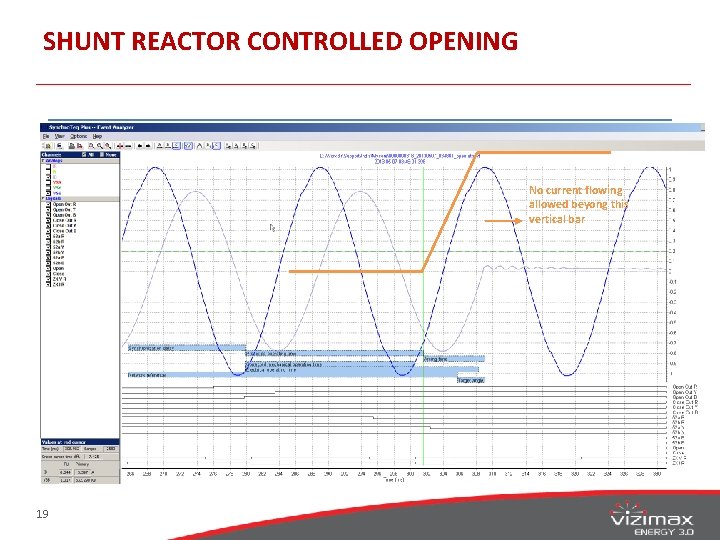
SWITCHING OF SHUNT REACTORS To mitigate these effects there are two basic strategies followed for controlled switching of reactors • Closure at voltage peak to minimise system capacitance effect • Opening in the re-ignition free window at a point to minimise the impact of re-ignitions. 15 15
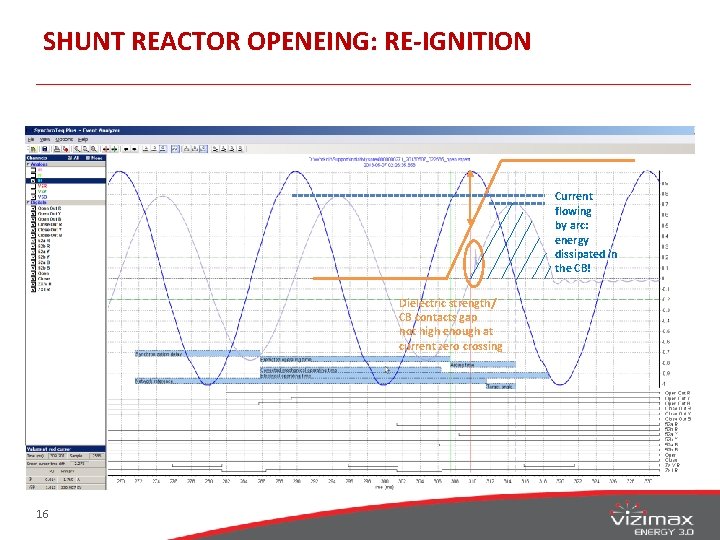
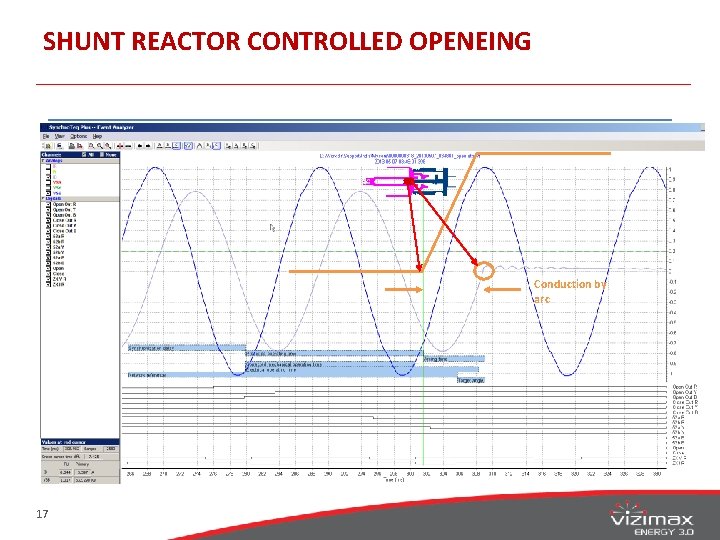
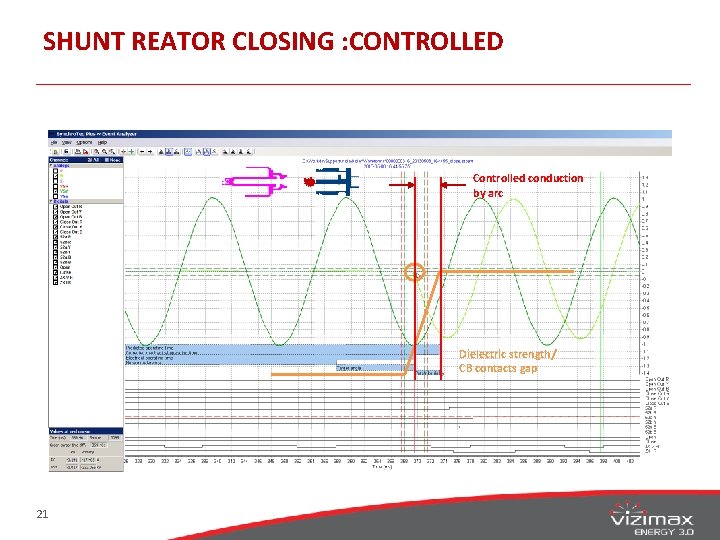
SHUNT REACTOR OPENEING: RE-IGNITION Current flowing by arc: energy dissipated in the CB! Dielectric strength/ CB contacts gap not high enough at current zero crossing 16
SHUNT REACTOR CONTROLLED OPENEING Conduction by arc 17
SHUNT REACTOR CONTROLLED OPENEING Dielectric strength/ CB contacts gap must be high enough at current zero crossing Arc time should be around 135° Phase A current zero crossing 18 Target relative to phase A
SHUNT REACTOR CONTROLLED OPENING No current flowing allowed beyong this vertical bar 19
REACTOR CLOSING : RANDOM 20
SHUNT REATOR CLOSING : CONTROLLED Controlled conduction by arc Dielectric strength/ CB contacts gap 21
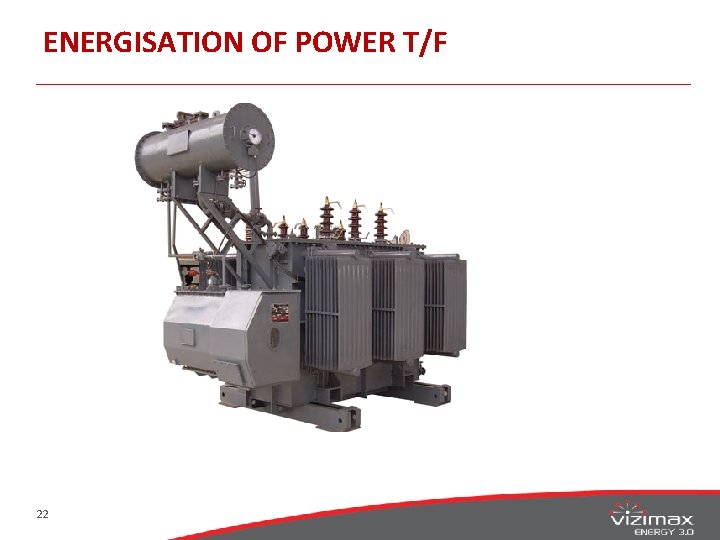
ENERGISATION OF POWER T/F 22
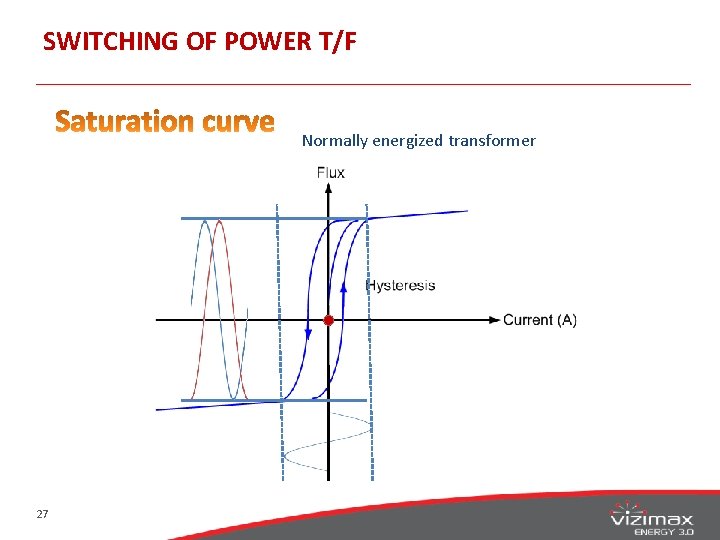
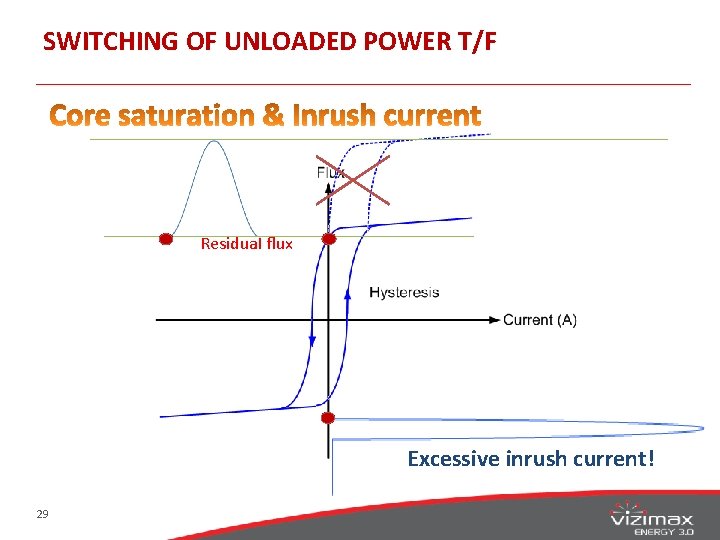
ENERZISATION OF POWER T/F Transformers are normally energized by closing the circuit breaker contacts arbitrarily. This introduces an asymmetrical magnetic flux driving the transformer into saturation and as a result, high transient magnetizing inrush currents are produced in the transformer 23
TRANSFORMER SWITCHING Uncontrolled inrush currents during closing of unloaded Transformer may lead to q Deterioration of the insulation and mechanical support structure of windings q Reduction in system power quality q Operation failure of transformer due to differential protection activation 24
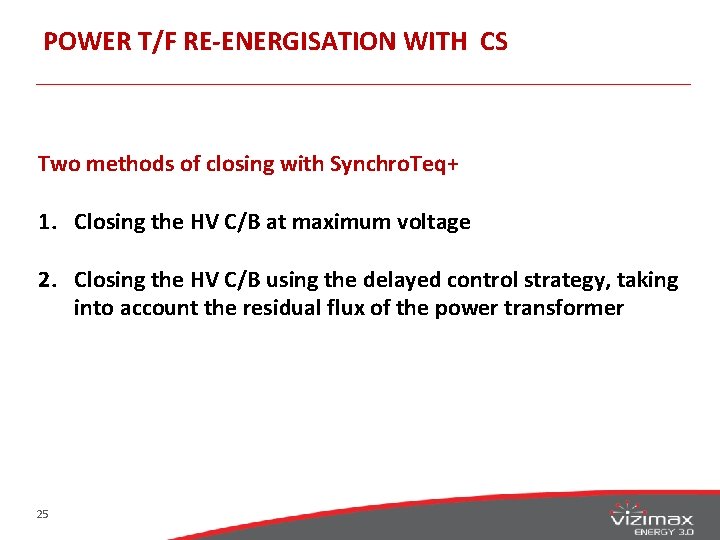
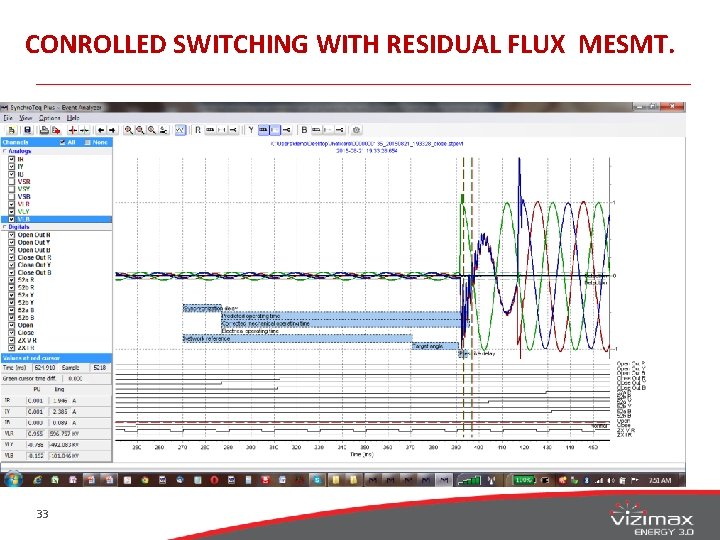
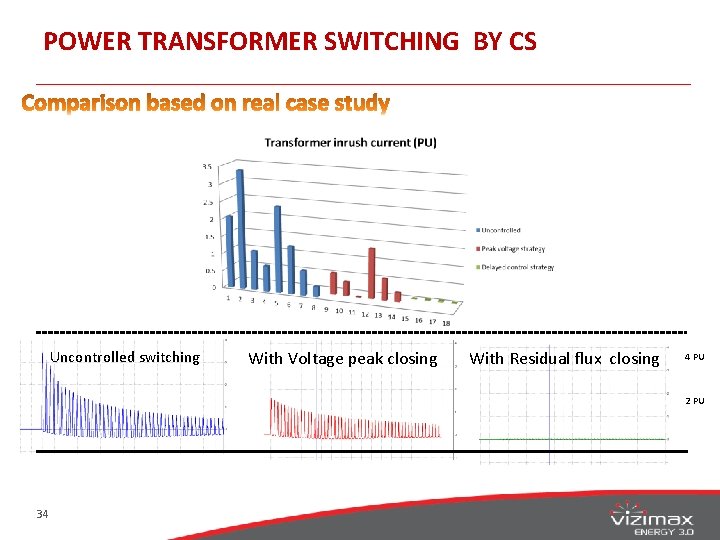
POWER T/F RE-ENERGISATION WITH CS Two methods of closing with Synchro. Teq+ 1. Closing the HV C/B at maximum voltage 2. Closing the HV C/B using the delayed control strategy, taking into account the residual flux of the power transformer 25
SWITCHING OF POWER T/F Normally energized transformer 27
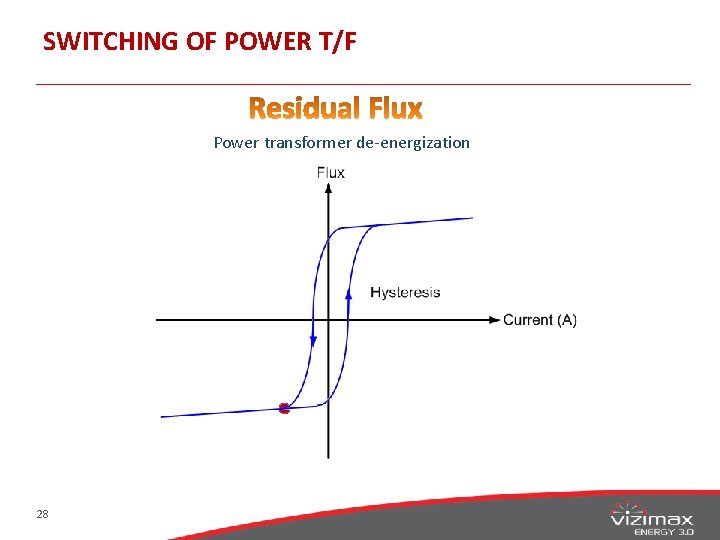
SWITCHING OF POWER T/F Power transformer de-energization 28
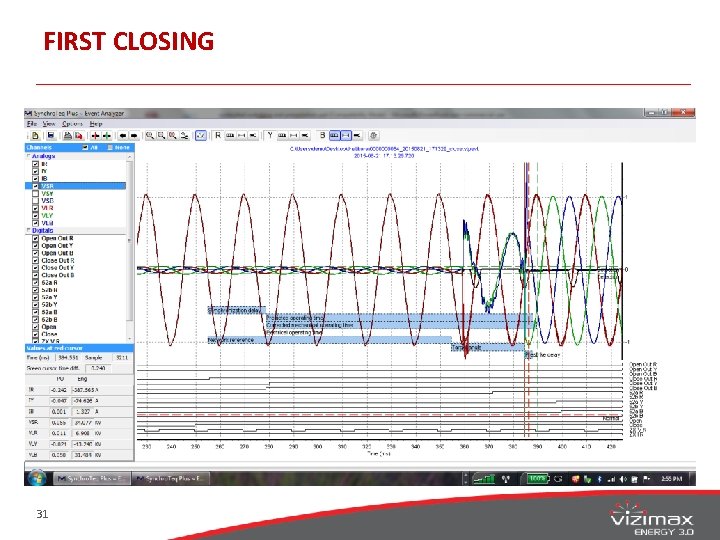
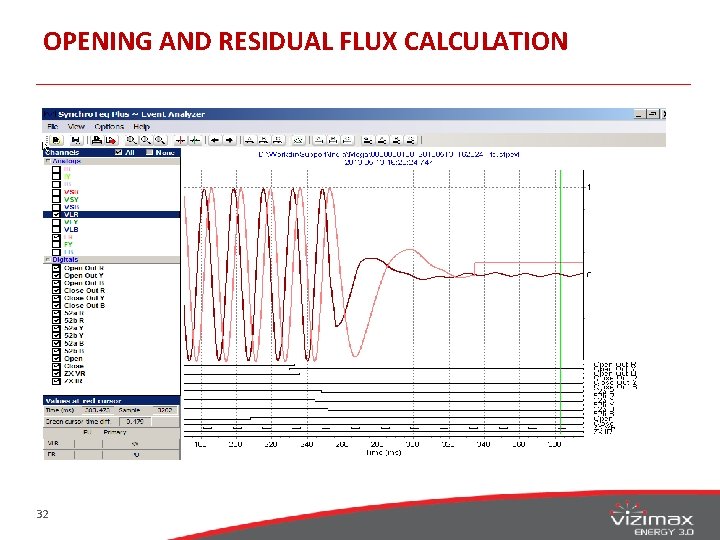
SWITCHING OF UNLOADED POWER T/F Residual flux Excessive inrush current! 29
FIRST CLOSING 31
OPENING AND RESIDUAL FLUX CALCULATION 32
CONROLLED SWITCHING WITH RESIDUAL FLUX MESMT. 33
POWER TRANSFORMER SWITCHING BY CS Uncontrolled switching With Voltage peak closing With Residual flux closing 4 PU 2 PU 34
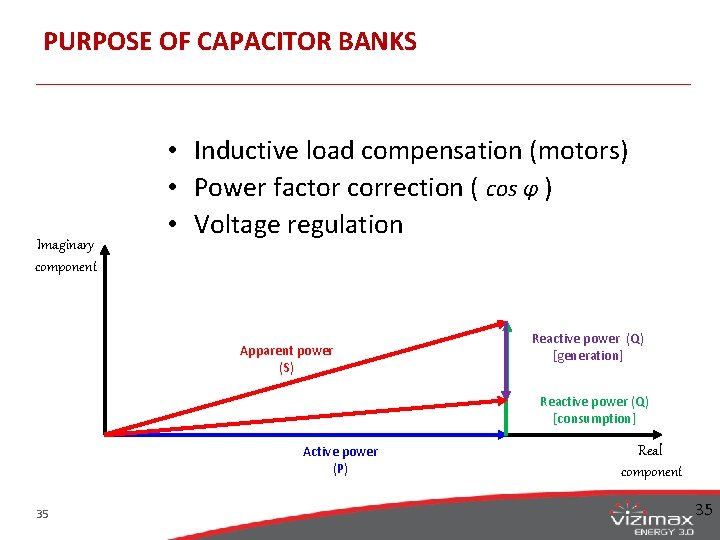
PURPOSE OF CAPACITOR BANKS Imaginary component • Inductive load compensation (motors) • Power factor correction ( cos φ ) • Voltage regulation Apparent power (S) Reactive power (Q) [generation] Reactive power (Q) [consumption] Active power (P) 35 Real component 35
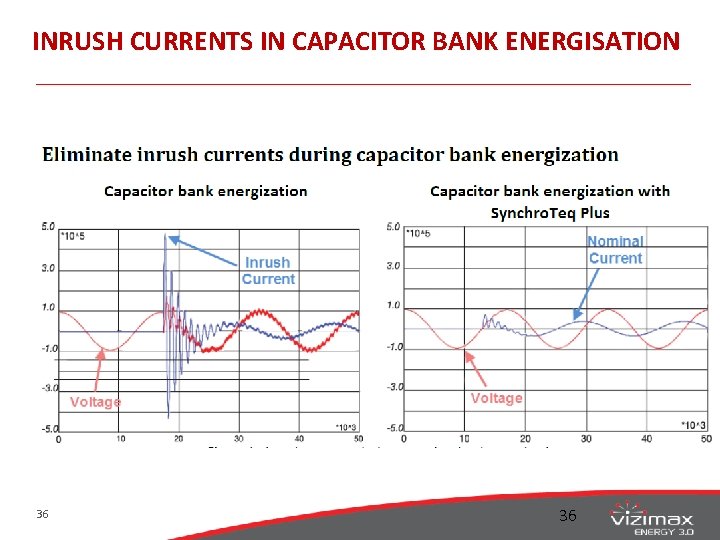
INRUSH CURRENTS IN CAPACITOR BANK ENERGISATION 36 36
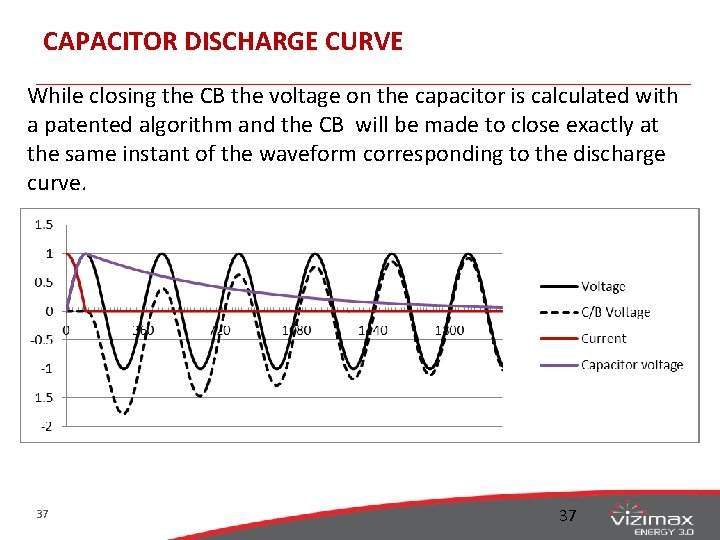
CAPACITOR DISCHARGE CURVE While closing the CB the voltage on the capacitor is calculated with a patented algorithm and the CB will be made to close exactly at the same instant of the waveform corresponding to the discharge curve. 37 37
BENEFITS CONTROLLED SWITCHING Controls the exact moment the circuit breaker is operated: Reduces inrush currents Eliminates the high voltage switching transients Eliminates pre-insertion resistors: Reduce the circuit breaker maintenance costs Improve the circuit breaker reliability Provides extended circuit breaker monitoring: Detection of C/B degradation of performance Detection of mechanical/electrical problems The circuit breaker becomes a smart device! 38
FACTORS TO BE CONSIDERED FOR SELECTION OF CSD FIELD PROVEN technology developed with Hydro-Quebec C/B Manufacturer AGNOSTIC solution Applicable to either BRAND NEW or EXISTING circuit breakers Controlled switching system & CB MONITORING One system for all C/Bs + one common interface = LESS TRAINING Modbus, IEC 61850 & DNP 3 compatible 39
THANK YOU 40