
Presentation by Felix Ritchie Professor of Applied Economics
Presentation by Felix Ritchie Professor of Applied Economics Director, Bristol Centre for Economics and Finance 26 th january 2017 Operating a business in the digital economy Challenges, opportunities and skills
Contents • Big changes o Markets o Employment o Skills • Little or no change o geography o basic good business
Markets – who gains? • Businesses that can exploit information • initially, at least…
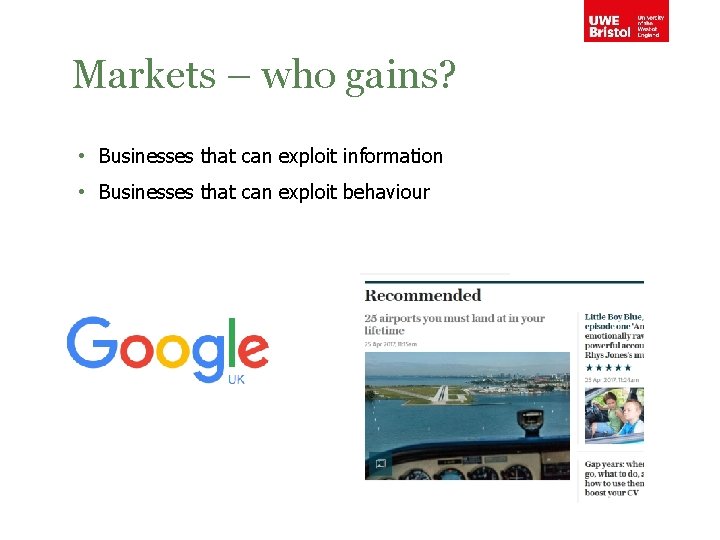
Markets – who gains? • Businesses that can exploit information • Businesses that can exploit behaviour
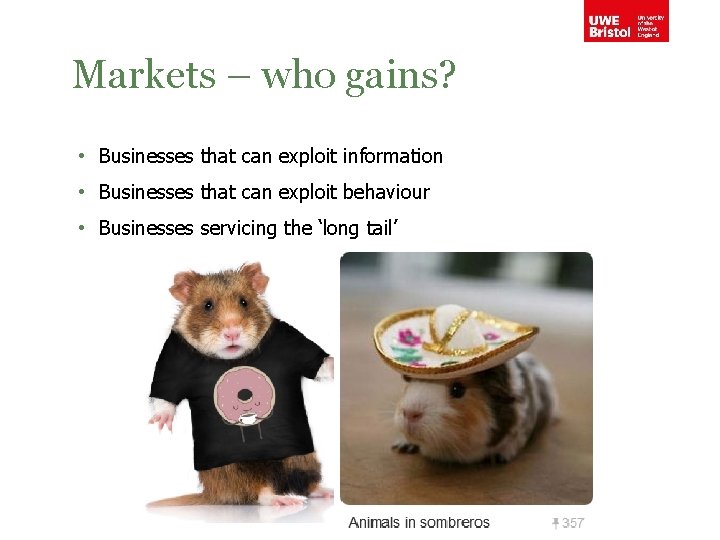
Markets – who gains? • Businesses that can exploit information • Businesses that can exploit behaviour • Businesses servicing the ‘long tail’
Markets – who gains? • Businesses that can exploit information • Businesses that can exploit behaviour • Businesses servicing the ‘long tail’ • In the long run: consumers/purchasers
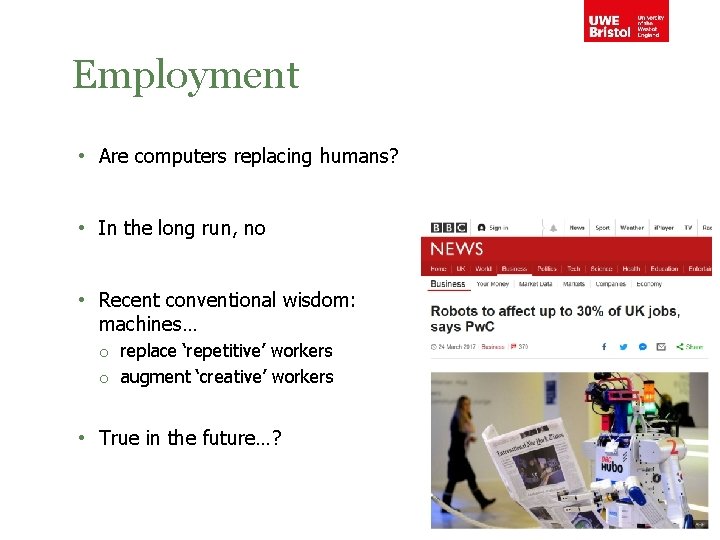
Employment • Are computers replacing humans? • In the long run, no • Recent conventional wisdom: machines… o replace ‘repetitive’ workers o augment ‘creative’ workers • True in the future…?
Employment • Are computers replacing humans? • Opportunities for flexible employment o or risks, for employer and employee? o in the long term, integration seems to have the advantage
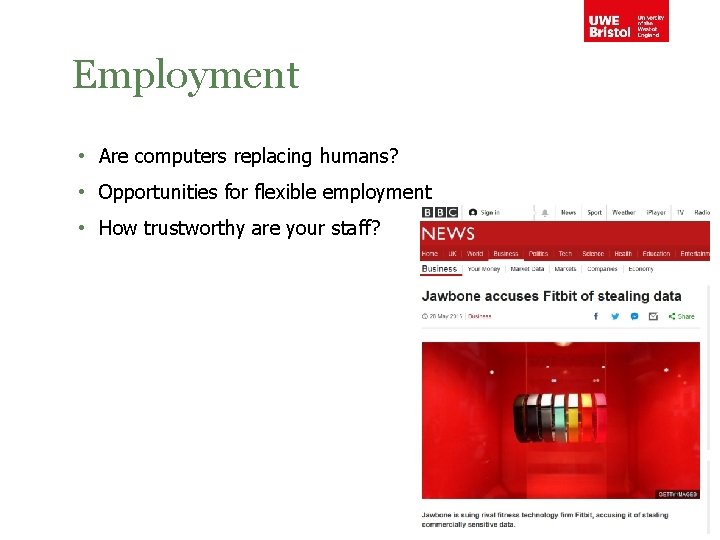
Employment • Are computers replacing humans? • Opportunities for flexible employment • How trustworthy are your staff?
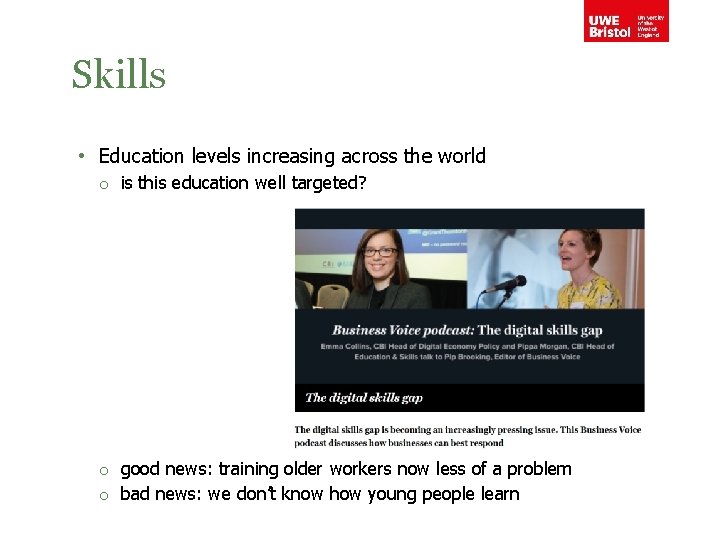
Skills • Education levels increasing across the world o is this education well targeted? o good news: training older workers now less of a problem o bad news: we don’t know how young people learn
Skills • Education levels increasing across the world o is this education well targeted? • Do we still need to instill ‘knowledge’? o are analytical skills more important?
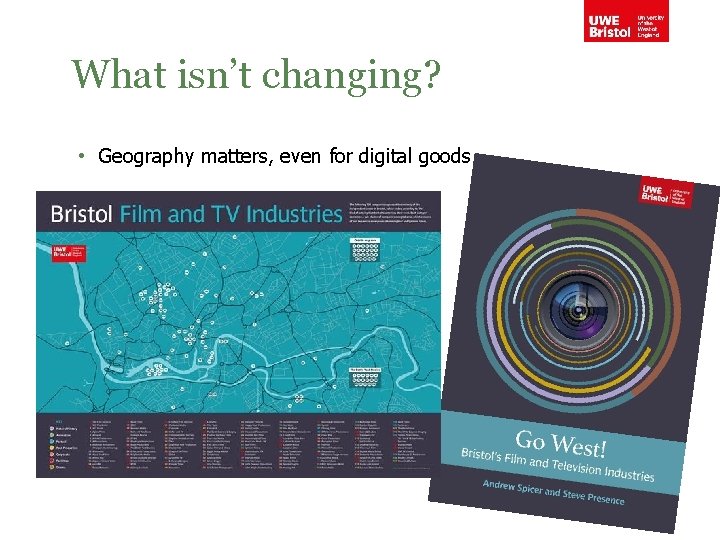
What isn’t changing? • Geography matters, even for digital goods
What isn’t changing? • Geography matters, even for digital goods o businesses still cluster trading networking employing training reputation ie production advantages o Becoming even more important as market advantages disappear?
What isn’t changing? • Geography matters, even for digital goods • Basic business rules o even digital products need a market
What isn’t changing? • Geography matters, even for digital goods • Basic business rules • Surprisingly little, conceptually o but digital economy changes scale and speed of business
Summary • Reasonable idea of who the commercial gainers and losers are, in short and long term o so far • Lot more uncertainty about employment and business structure • Uncertainty about future skills but likely to value o adaptability skills o analytical skills
- Slides: 16