
PreRevolutionary War Timeline LEQ When is it necessary
- Slides: 13
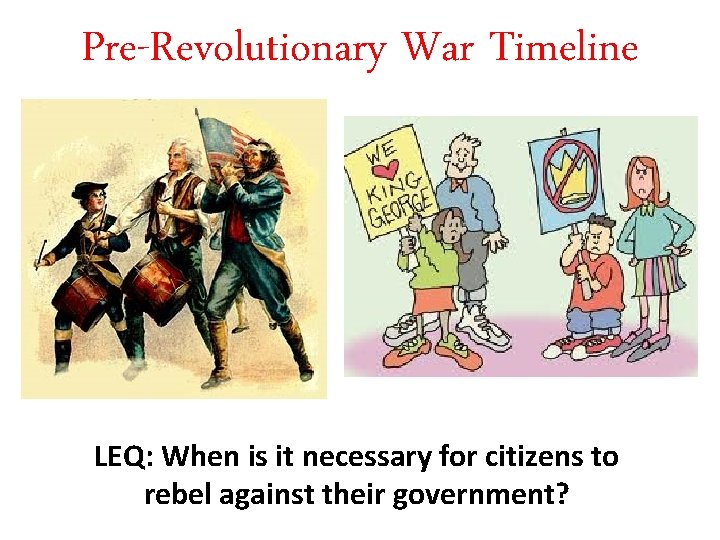
Pre-Revolutionary War Timeline LEQ: When is it necessary for citizens to rebel against their government?
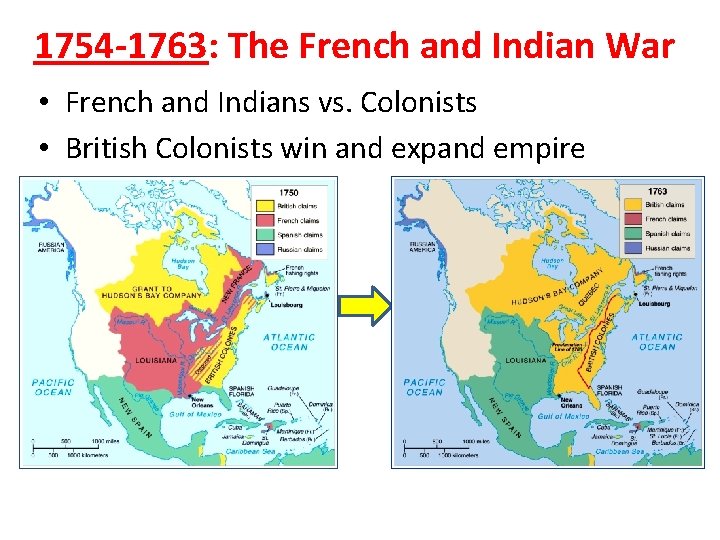
1754 -1763: The French and Indian War • French and Indians vs. Colonists • British Colonists win and expand empire
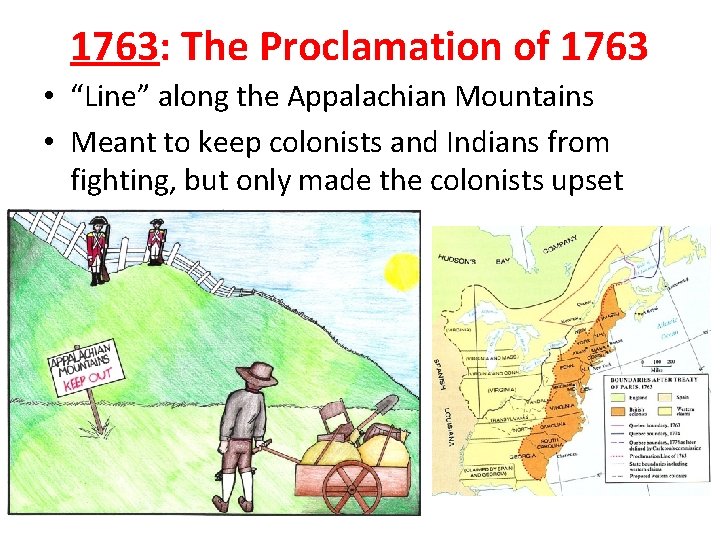
1763: The Proclamation of 1763 • “Line” along the Appalachian Mountains • Meant to keep colonists and Indians from fighting, but only made the colonists upset
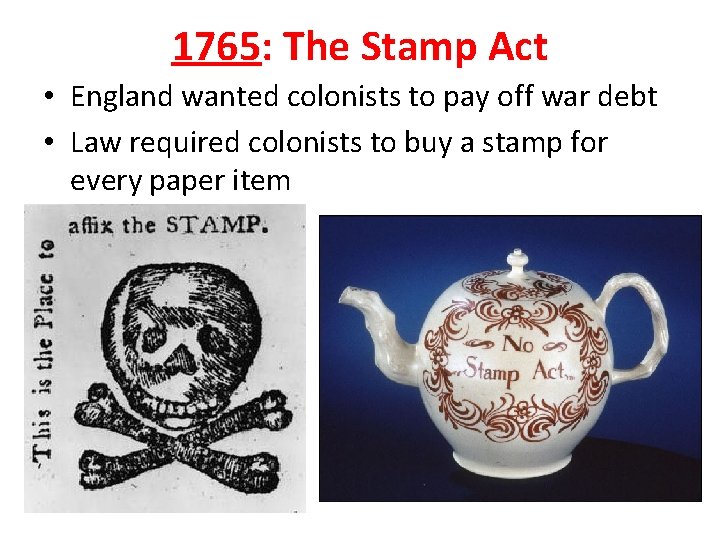
1765: The Stamp Act • England wanted colonists to pay off war debt • Law required colonists to buy a stamp for every paper item
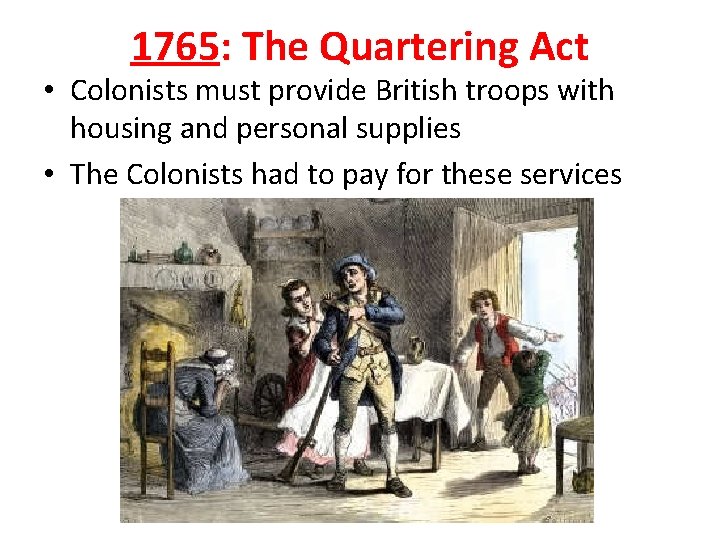
1765: The Quartering Act • Colonists must provide British troops with housing and personal supplies • The Colonists had to pay for these services
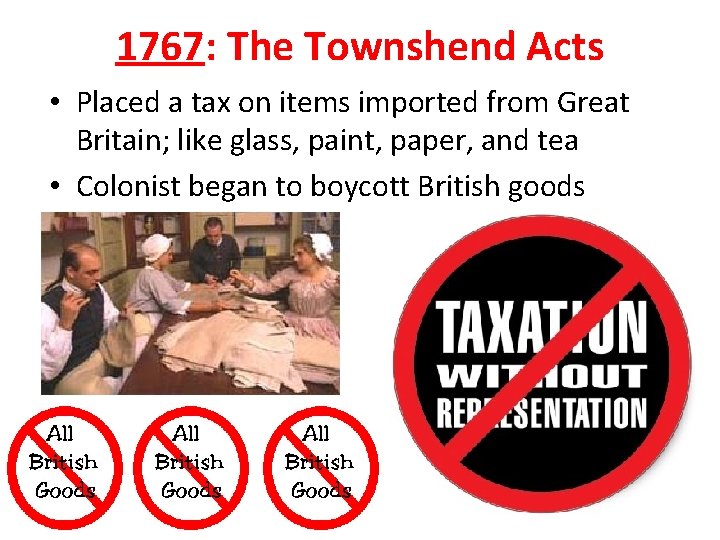
1767: The Townshend Acts • Placed a tax on items imported from Great Britain; like glass, paint, paper, and tea • Colonist began to boycott British goods
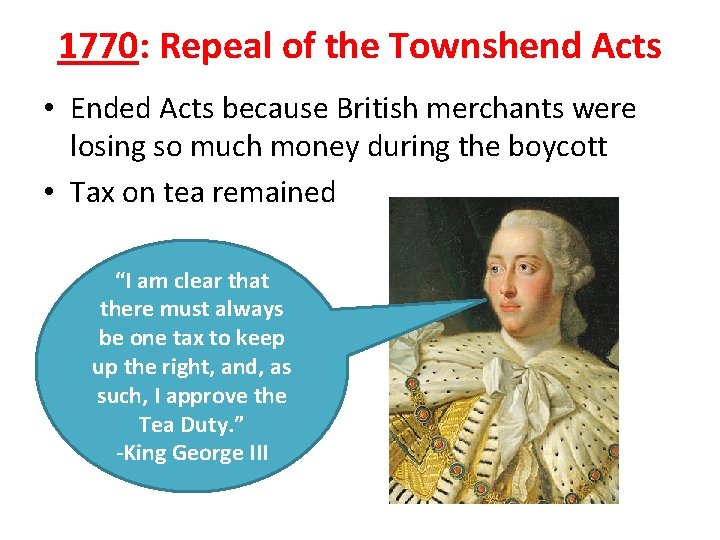
1770: Repeal of the Townshend Acts • Ended Acts because British merchants were losing so much money during the boycott • Tax on tea remained “I am clear that there must always be one tax to keep up the right, and, as such, I approve the Tea Duty. ” -King George III
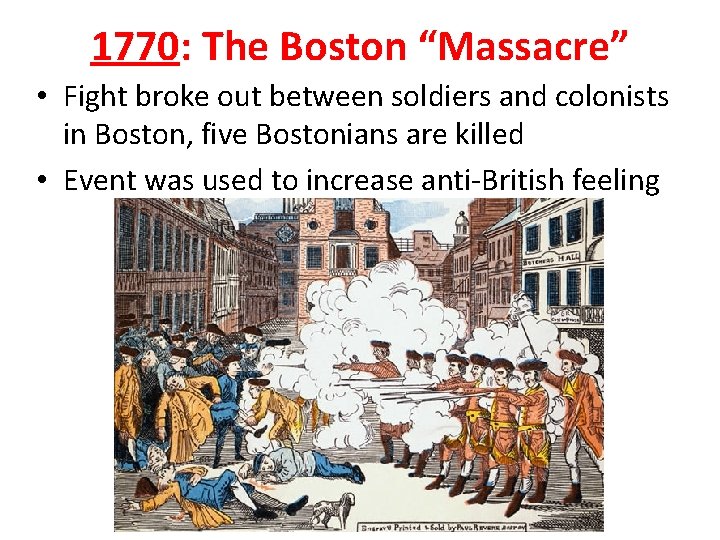
1770: The Boston “Massacre” • Fight broke out between soldiers and colonists in Boston, five Bostonians are killed • Event was used to increase anti-British feeling
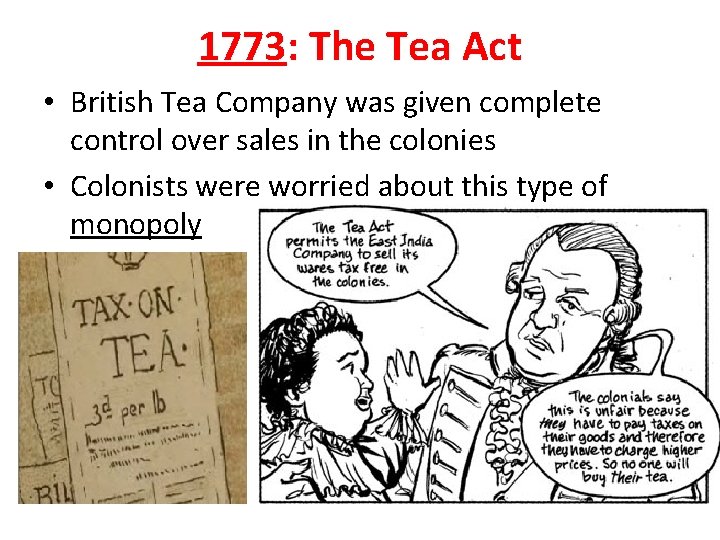
1773: The Tea Act • British Tea Company was given complete control over sales in the colonies • Colonists were worried about this type of monopoly
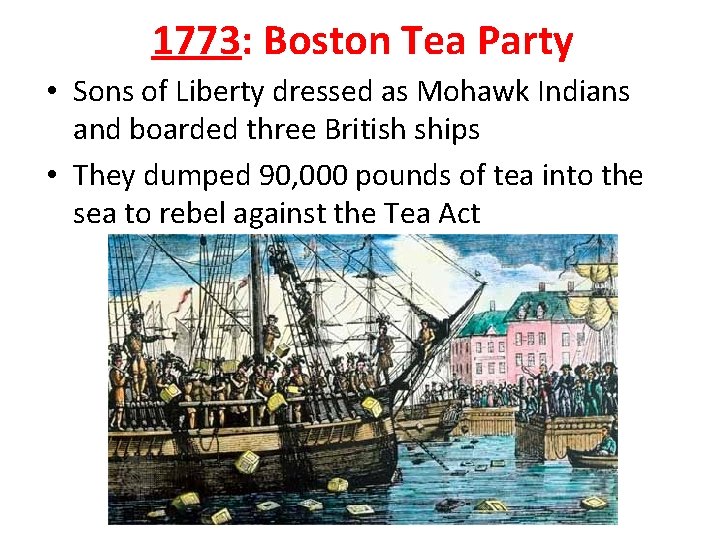
1773: Boston Tea Party • Sons of Liberty dressed as Mohawk Indians and boarded three British ships • They dumped 90, 000 pounds of tea into the sea to rebel against the Tea Act
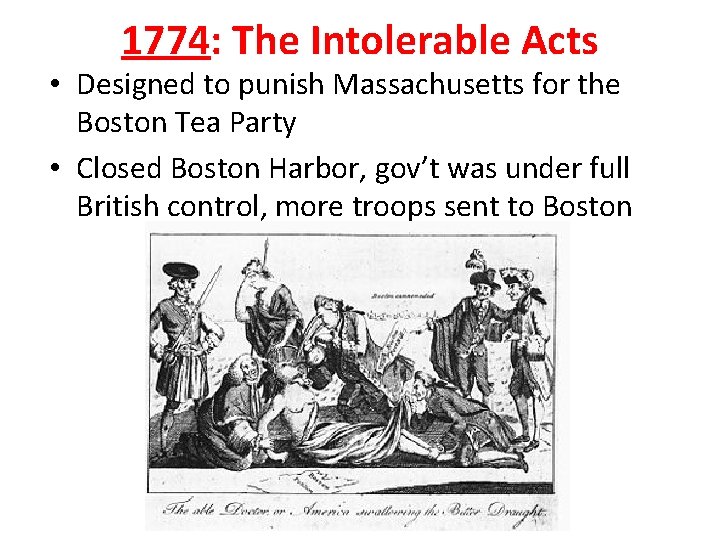
1774: The Intolerable Acts • Designed to punish Massachusetts for the Boston Tea Party • Closed Boston Harbor, gov’t was under full British control, more troops sent to Boston
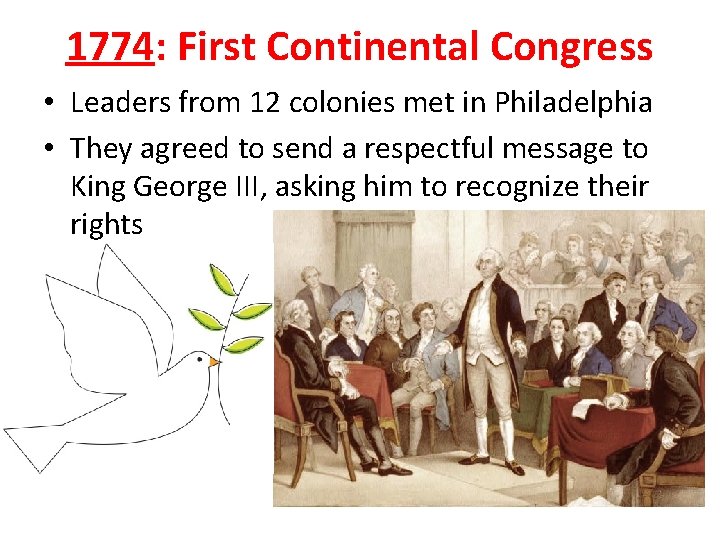
1774: First Continental Congress • Leaders from 12 colonies met in Philadelphia • They agreed to send a respectful message to King George III, asking him to recognize their rights
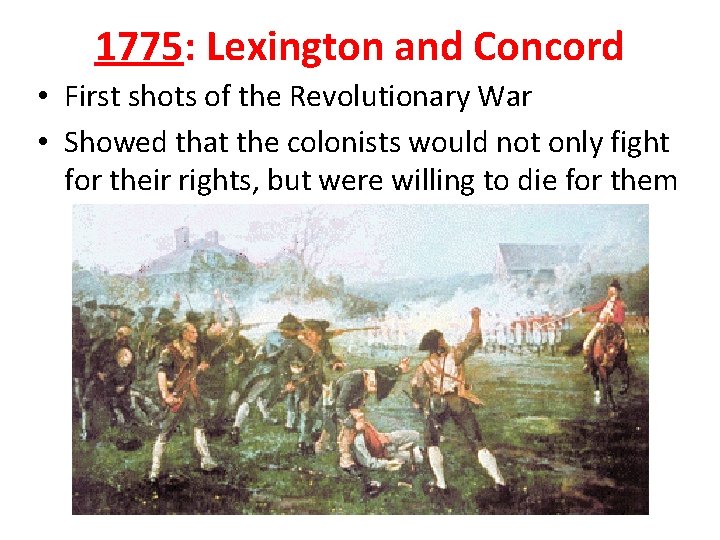
1775: Lexington and Concord • First shots of the Revolutionary War • Showed that the colonists would not only fight for their rights, but were willing to die for them