
Preparing For A Level Product Design Summer 2020
- Slides: 9
Preparing For A Level Product Design Summer 2020
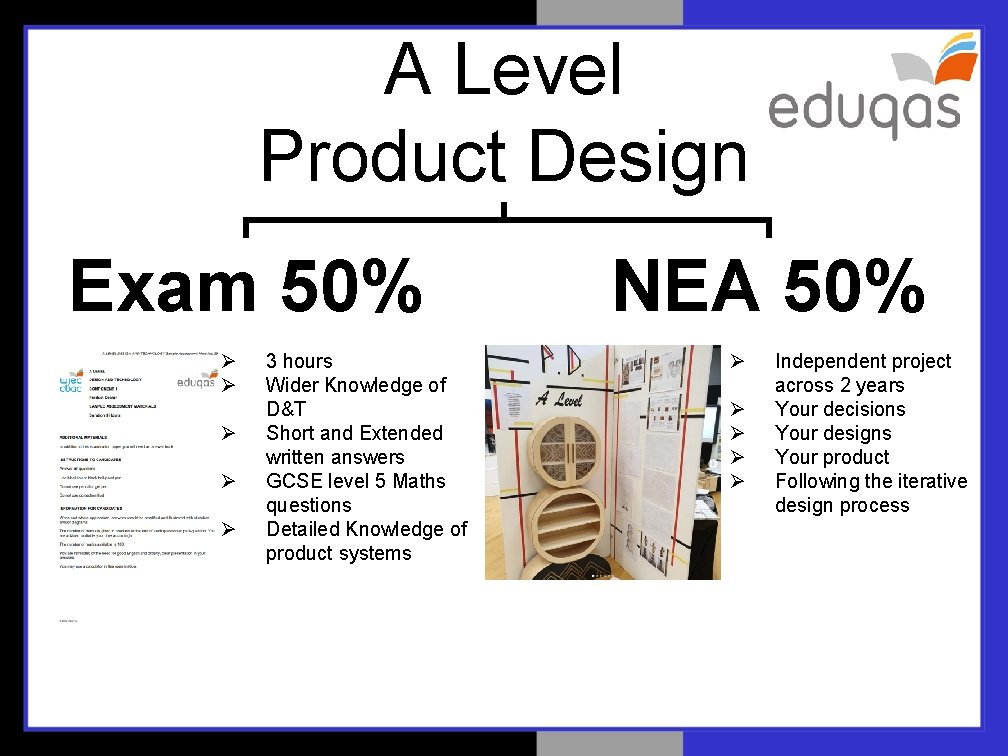
A Level Product Design Exam 50% Ø Ø Ø 3 hours Wider Knowledge of D&T Short and Extended written answers GCSE level 5 Maths questions Detailed Knowledge of product systems NEA 50% Ø Ø Ø Independent project across 2 years Your decisions Your designs Your product Following the iterative design process
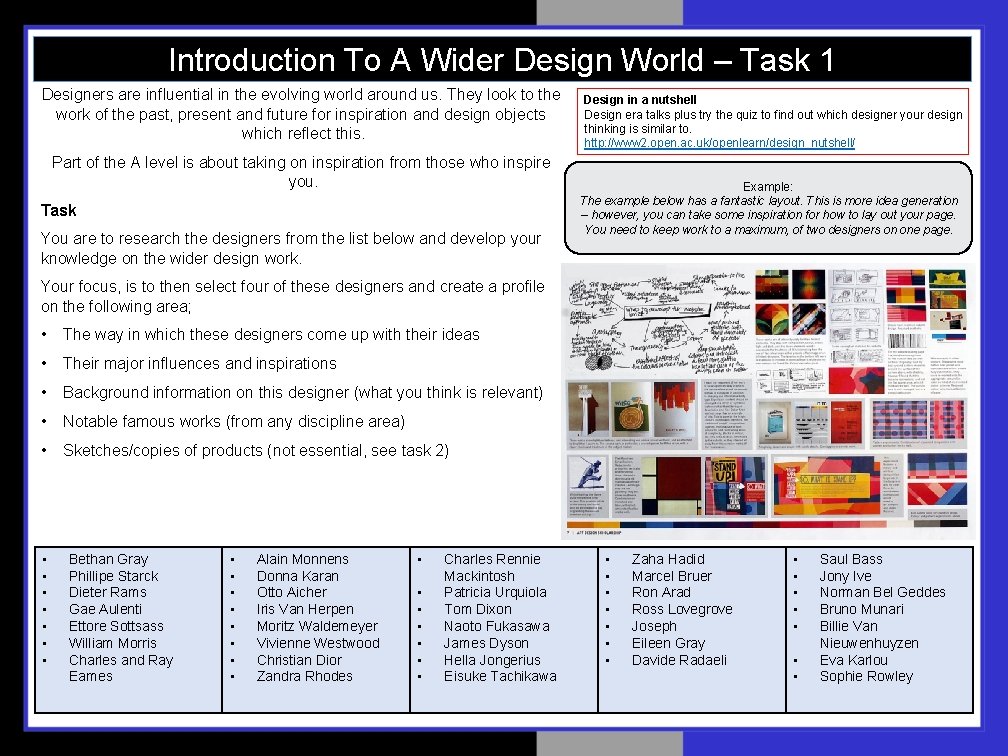
Introduction To A Wider Design World – Task 1 Designers are influential in the evolving world around us. They look to the work of the past, present and future for inspiration and design objects which reflect this. Part of the A level is about taking on inspiration from those who inspire you. Task You are to research the designers from the list below and develop your knowledge on the wider design work. Design in a nutshell Design era talks plus try the quiz to find out which designer your design thinking is similar to. http: //www 2. open. ac. uk/openlearn/design_nutshell/ Example: The example below has a fantastic layout. This is more idea generation – however, you can take some inspiration for how to lay out your page. You need to keep work to a maximum, of two designers on one page. Your focus, is to then select four of these designers and create a profile on the following area; • The way in which these designers come up with their ideas • Their major influences and inspirations • Background information on this designer (what you think is relevant) • Notable famous works (from any discipline area) • Sketches/copies of products (not essential, see task 2) • • Bethan Gray Phillipe Starck Dieter Rams Gae Aulenti Ettore Sottsass William Morris Charles and Ray Eames • • Alain Monnens Donna Karan Otto Aicher Iris Van Herpen Moritz Waldemeyer Vivienne Westwood Christian Dior Zandra Rhodes • • Charles Rennie Mackintosh Patricia Urquiola Tom Dixon Naoto Fukasawa James Dyson Hella Jongerius Eisuke Tachikawa • • Zaha Hadid Marcel Bruer Ron Arad Ross Lovegrove Joseph Eileen Gray Davide Radaeli • • Saul Bass Jony Ive Norman Bel Geddes Bruno Munari Billie Van Nieuwenhuyzen Eva Karlou Sophie Rowley
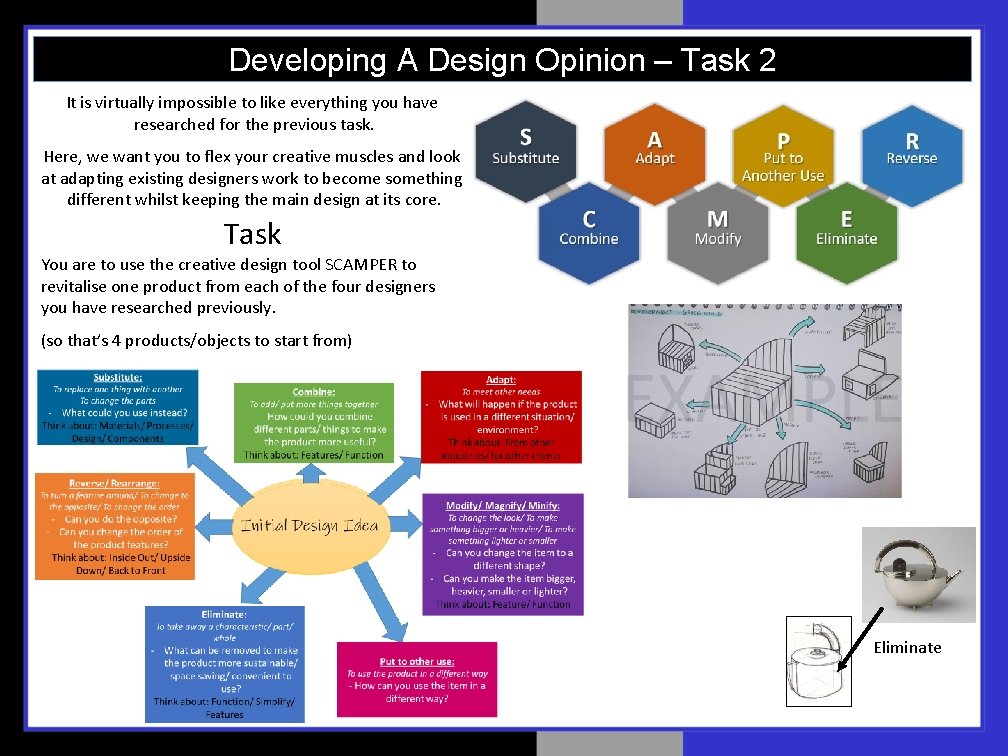
Developing A Design Opinion – Task 2 It is virtually impossible to like everything you have researched for the previous task. Here, we want you to flex your creative muscles and look at adapting existing designers work to become something different whilst keeping the main design at its core. Task You are to use the creative design tool SCAMPER to revitalise one product from each of the four designers you have researched previously. (so that’s 4 products/objects to start from) Eliminate
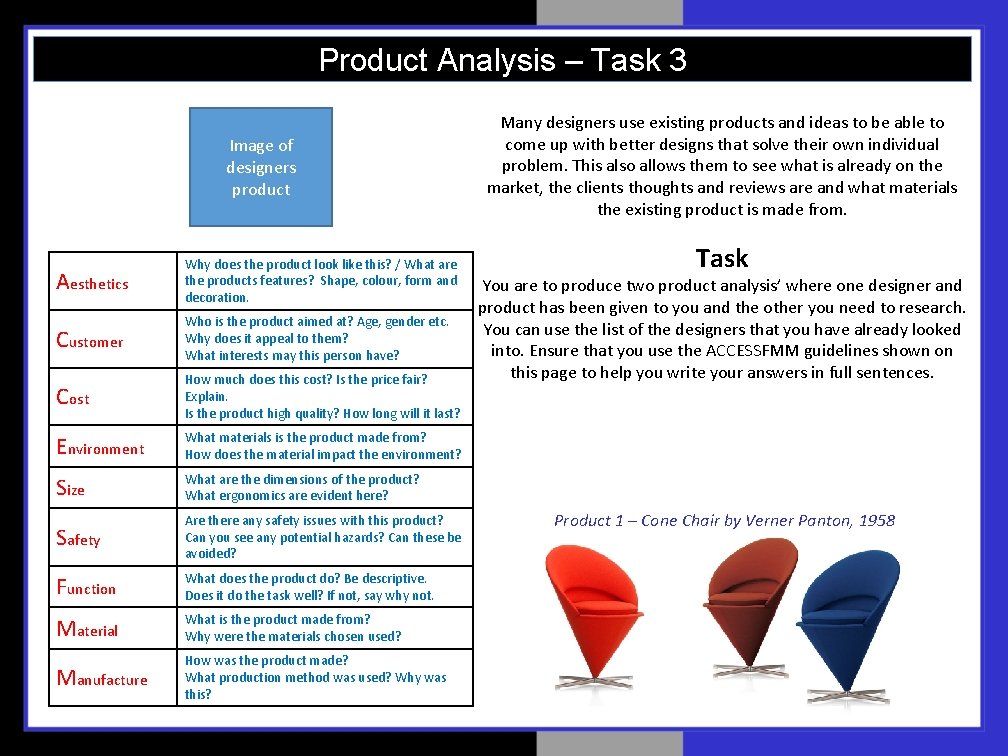
Product Analysis – Task 3 Image of designers product Aesthetics Why does the product look like this? / What are the products features? Shape, colour, form and decoration. Customer Who is the product aimed at? Age, gender etc. Why does it appeal to them? What interests may this person have? Cost How much does this cost? Is the price fair? Explain. Is the product high quality? How long will it last? Environment What materials is the product made from? How does the material impact the environment? Size What are the dimensions of the product? What ergonomics are evident here? Safety Are there any safety issues with this product? Can you see any potential hazards? Can these be avoided? Function What does the product do? Be descriptive. Does it do the task well? If not, say why not. Material What is the product made from? Why were the materials chosen used? Manufacture How was the product made? What production method was used? Why was this? Many designers use existing products and ideas to be able to come up with better designs that solve their own individual problem. This also allows them to see what is already on the market, the clients thoughts and reviews are and what materials the existing product is made from. Task You are to produce two product analysis’ where one designer and product has been given to you and the other you need to research. You can use the list of the designers that you have already looked into. Ensure that you use the ACCESSFMM guidelines shown on this page to help you write your answers in full sentences. Product 1 – Cone Chair by Verner Panton, 1958
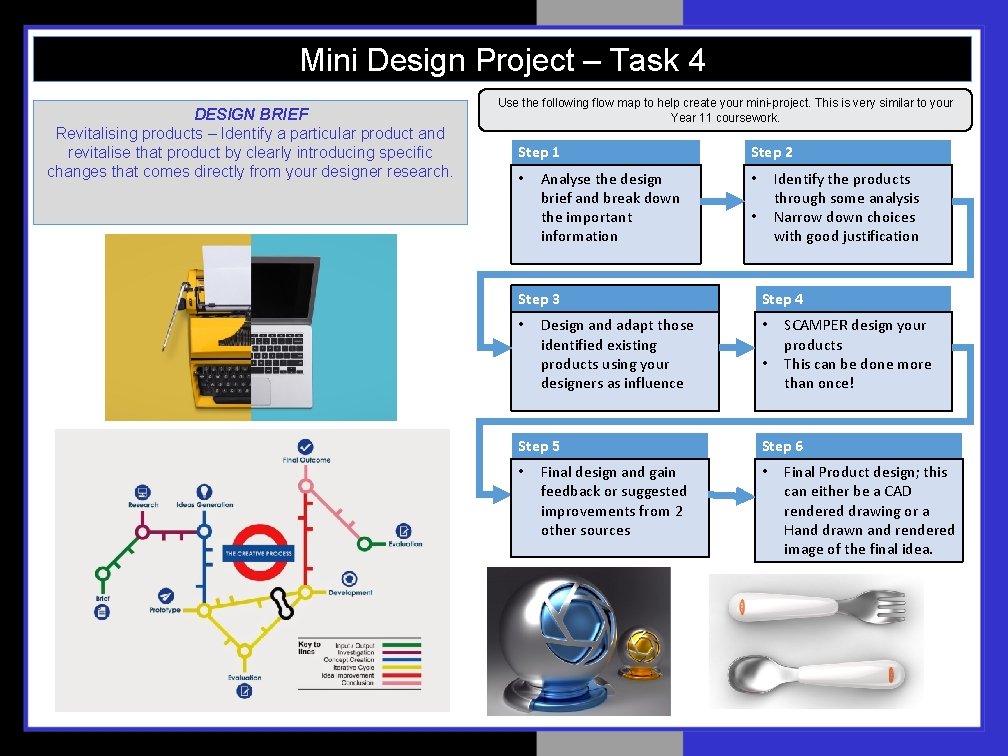
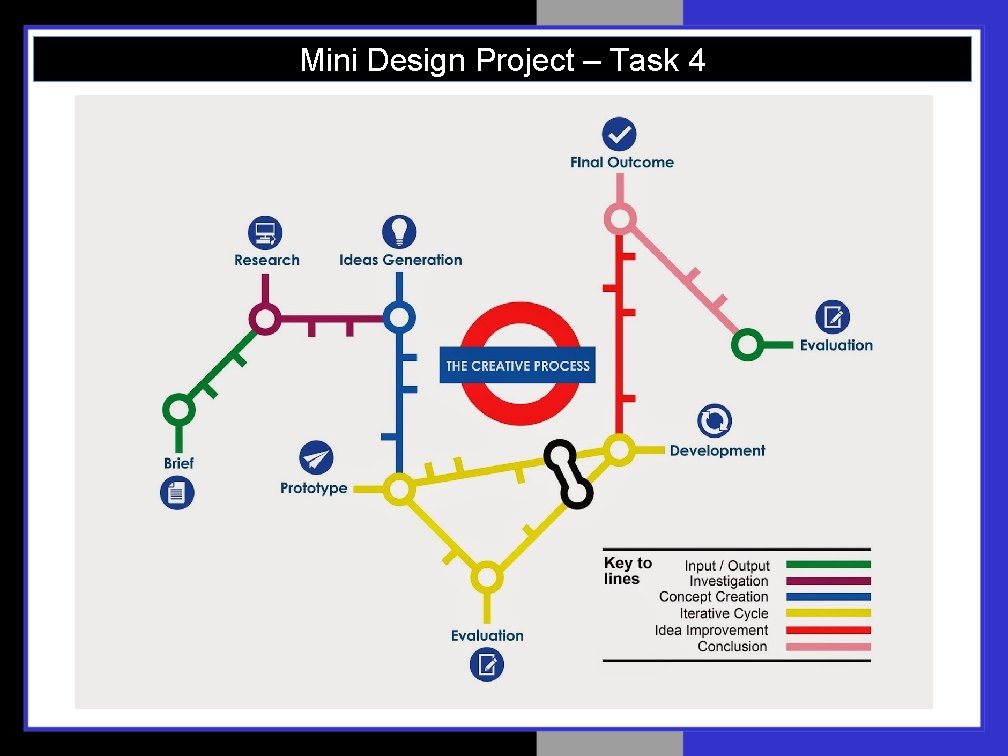
Mini Design Project – Task 4 DESIGN BRIEF Revitalising products – Identify a particular product and revitalise that product by clearly introducing specific changes that comes directly from your designer research. Use the following flow map to help create your mini-project. This is very similar to your Year 11 coursework. Step 1 • Analyse the design brief and break down the important information Step 3 • Design and adapt those identified existing products using your designers as influence Step 5 • Final design and gain feedback or suggested improvements from 2 other sources Step 2 Identify the products through some analysis Narrow down choices with good justification • • Step 4 • • SCAMPER design your products This can be done more than once! Step 6 • Final Product design; this can either be a CAD rendered drawing or a Hand drawn and rendered image of the final idea.
Mini Design Project – Task 4
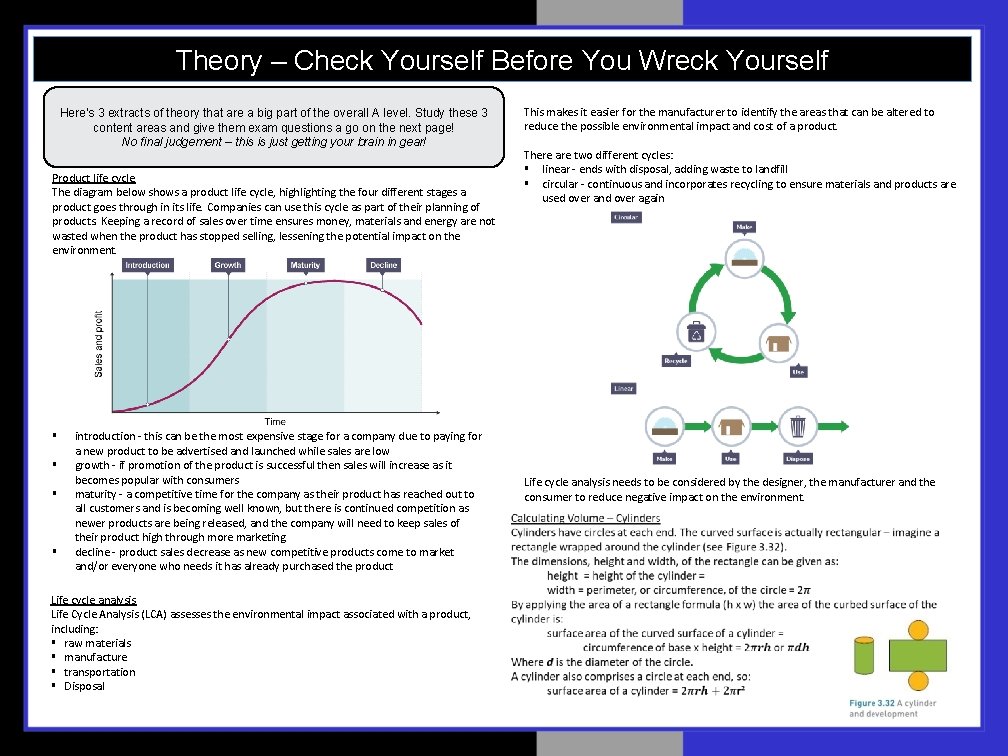
Theory – Check Yourself Before You Wreck Yourself Here’s 3 extracts of theory that are a big part of the overall A level. Study these 3 content areas and give them exam questions a go on the next page! No final judgement – this is just getting your brain in gear! Product life cycle The diagram below shows a product life cycle, highlighting the four different stages a product goes through in its life. Companies can use this cycle as part of their planning of products. Keeping a record of sales over time ensures money, materials and energy are not wasted when the product has stopped selling, lessening the potential impact on the environment. § § introduction - this can be the most expensive stage for a company due to paying for a new product to be advertised and launched while sales are low growth - if promotion of the product is successful then sales will increase as it becomes popular with consumers maturity - a competitive time for the company as their product has reached out to all customers and is becoming well known, but there is continued competition as newer products are being released, and the company will need to keep sales of their product high through more marketing decline - product sales decrease as new competitive products come to market and/or everyone who needs it has already purchased the product Life cycle analysis Life Cycle Analysis (LCA) assesses the environmental impact associated with a product, including: § raw materials § manufacture § transportation § Disposal This makes it easier for the manufacturer to identify the areas that can be altered to reduce the possible environmental impact and cost of a product. There are two different cycles: § linear - ends with disposal, adding waste to landfill § circular - continuous and incorporates recycling to ensure materials and products are used over and over again Life cycle analysis needs to be considered by the designer, the manufacturer and the consumer to reduce negative impact on the environment.
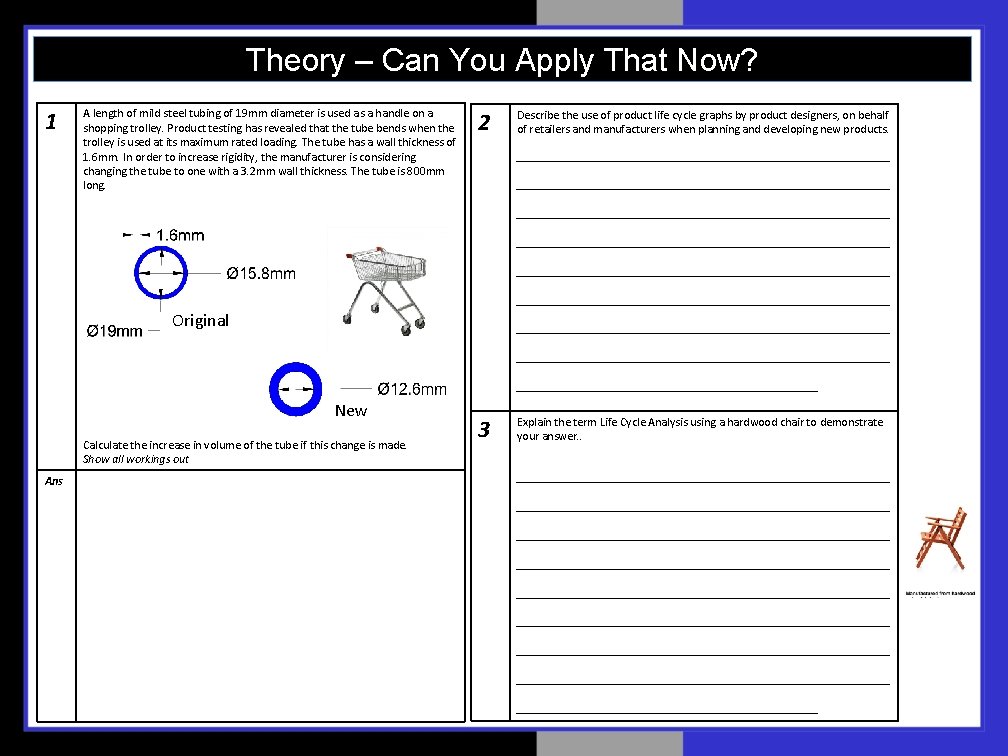
Theory – Can You Apply That Now? 1 A length of mild steel tubing of 19 mm diameter is used as a handle on a shopping trolley. Product testing has revealed that the tube bends when the trolley is used at its maximum rated loading. The tube has a wall thickness of 1. 6 mm. In order to increase rigidity, the manufacturer is considering changing the tube to one with a 3. 2 mm wall thickness. The tube is 800 mm long. 2 Describe the use of product life cycle graphs by product designers, on behalf of retailers and manufacturers when planning and developing new products. _______________________________________________ _______________________________________________ Original _______________________________________________ New Calculate the increase in volume of the tube if this change is made. Show all workings out Ans 3 Explain the term Life Cycle Analysis using a hardwood chair to demonstrate your answer. . _______________________________________________ _______________________________________________ ___________________