
Preparing a Groundwater Sampling Analysis Plan for a


- Slides: 39
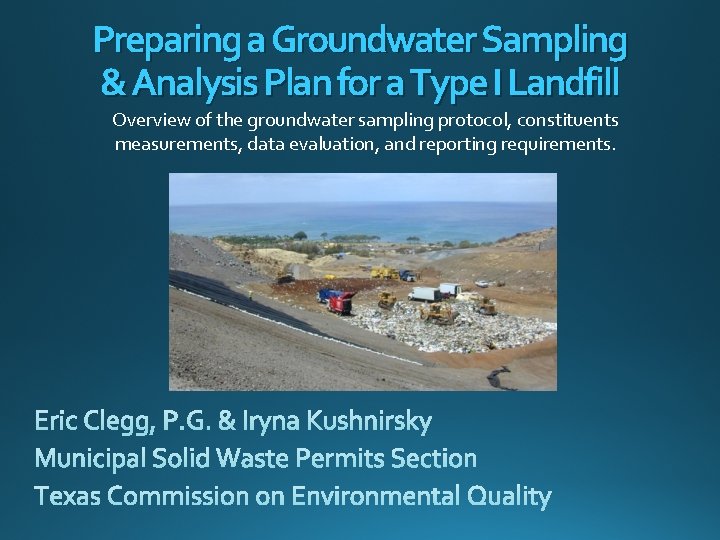
Preparing a Groundwater Sampling & Analysis Plan for a Type I Landfill Overview of the groundwater sampling protocol, constituents measurements, data evaluation, and reporting requirements.
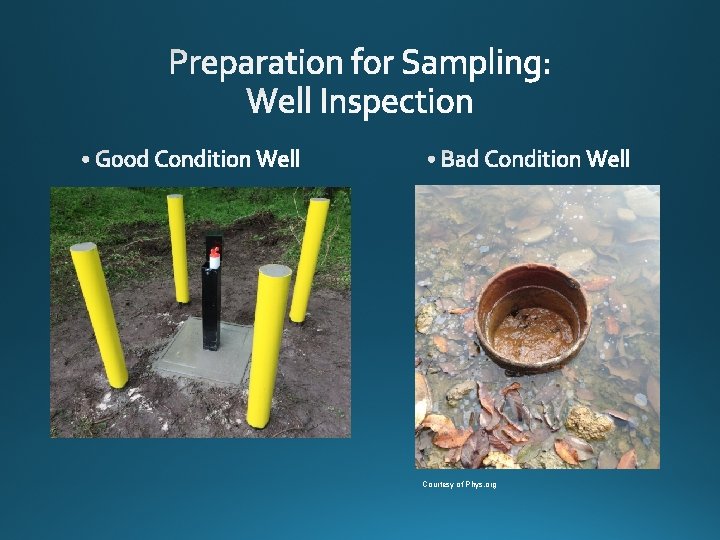
Courtesy of Phys. org
(Preferred Method) (New addition)
Make sure to specify how purge water and excess sample water will be managed and disposed of.
Purge/ Sampling Water Disposal
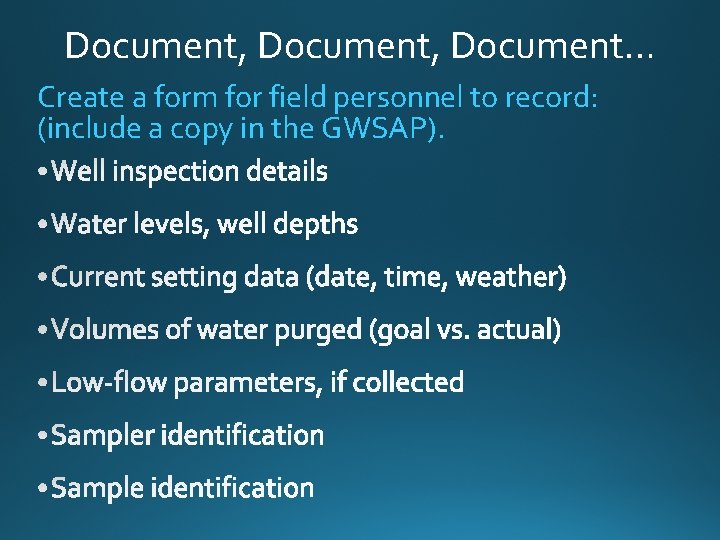
Document, Document… Create a form for field personnel to record: (include a copy in the GWSAP).
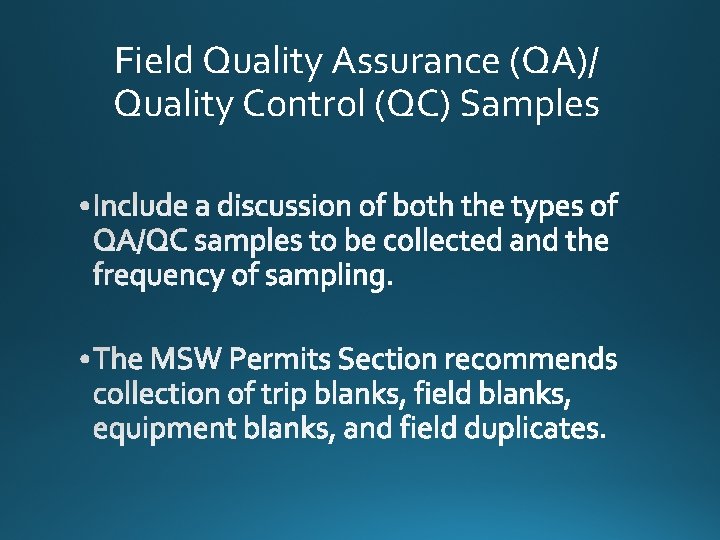
Field Quality Assurance (QA)/ Quality Control (QC) Samples
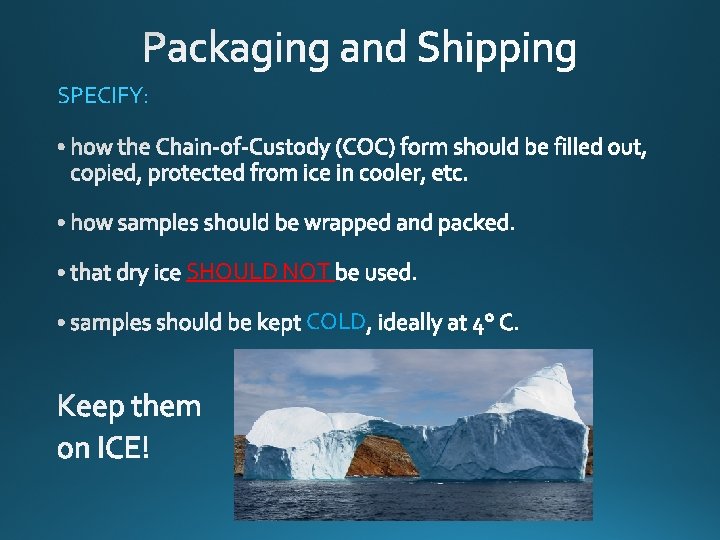
SPECIFY: SHOULD NOT COLD
STATISTICS!!
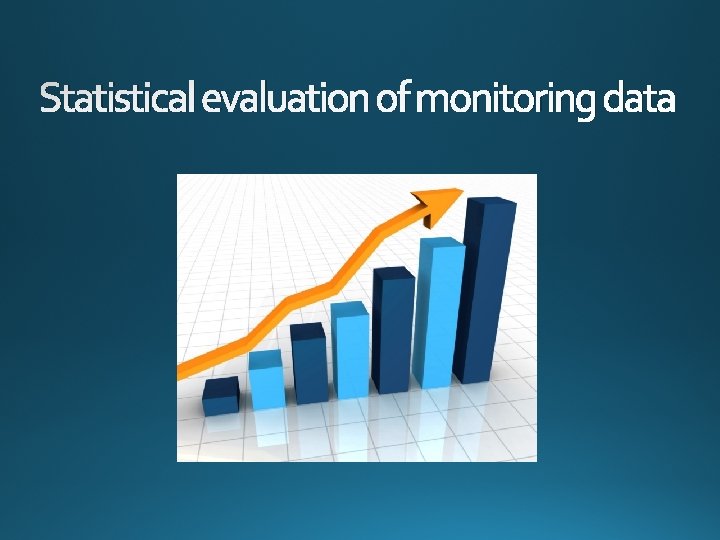
Statistical evaluation of monitoring data
Edward R. Tufte W. Edwards Deming
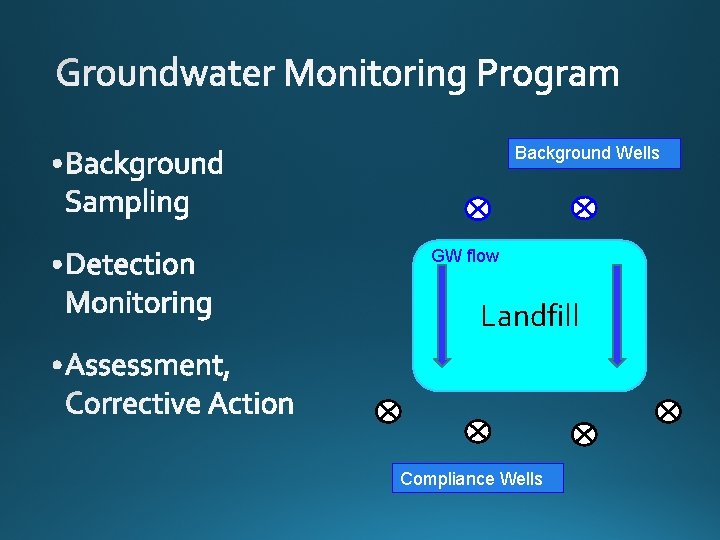
Background Wells GW flow Landfill Compliance Wells
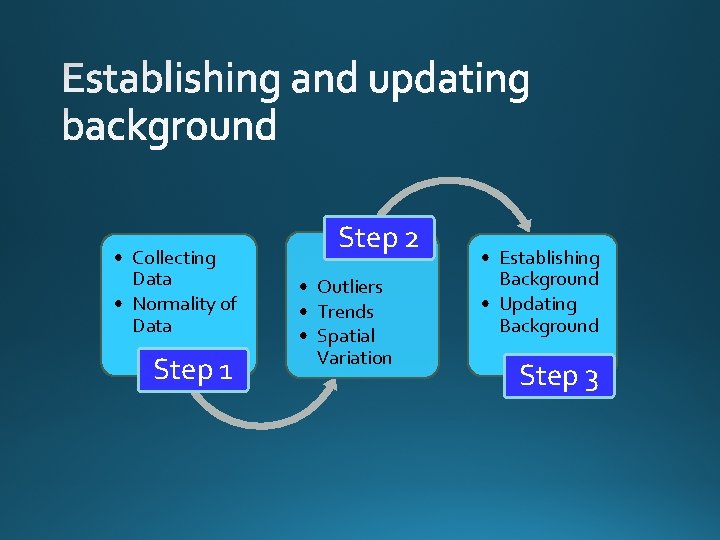
• Collecting Data • Normality of Data Step 1 Step 2 • Outliers • Trends • Spatial Variation • Establishing Background • Updating Background Step 3
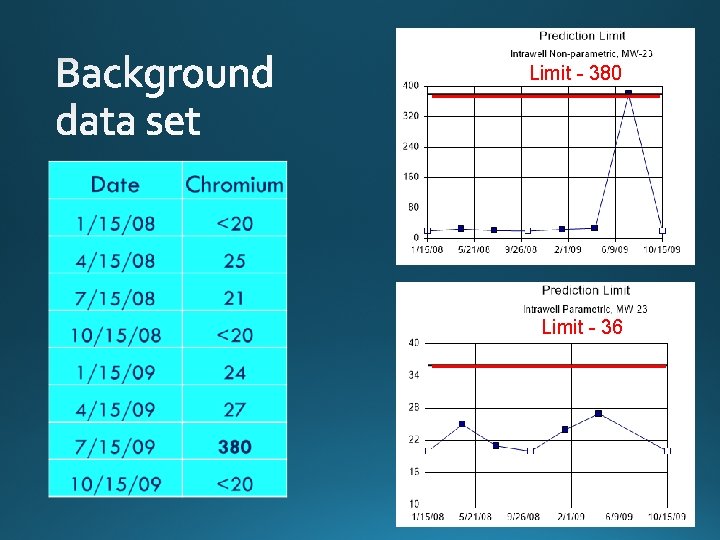
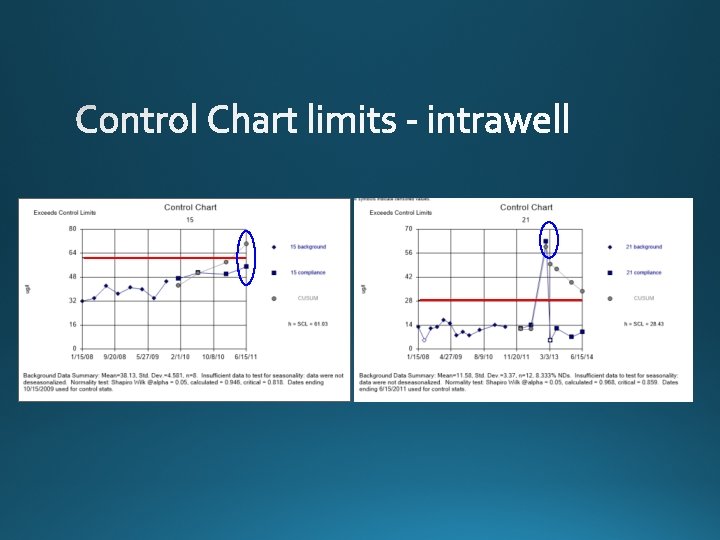
Limit - 380 Limit - 36
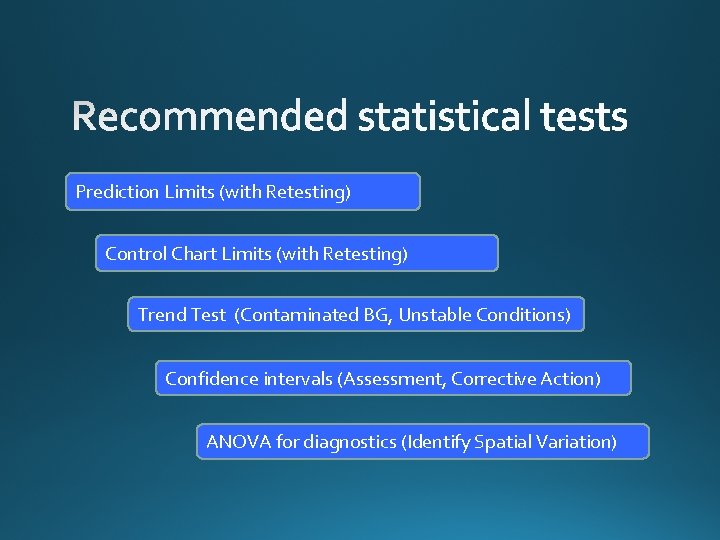
Prediction Limits (with Retesting) Control Chart Limits (with Retesting) Trend Test (Contaminated BG, Unstable Conditions) Confidence intervals (Assessment, Corrective Action) ANOVA for diagnostics (Identify Spatial Variation)
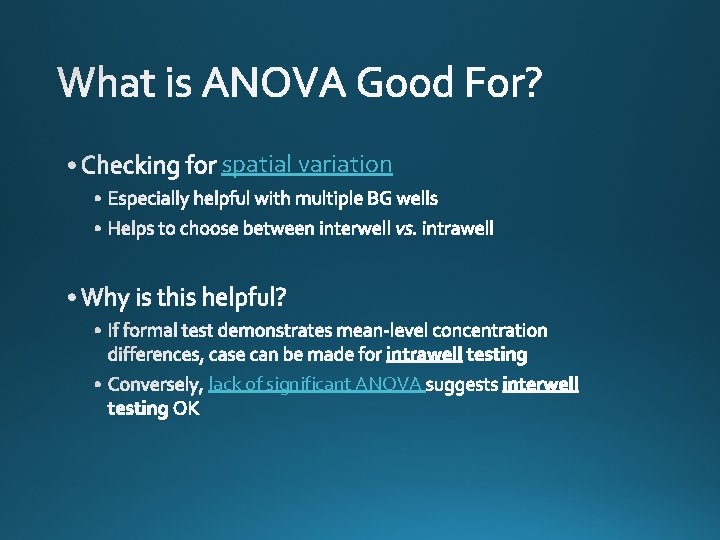
spatial variation lack of significant ANOVA
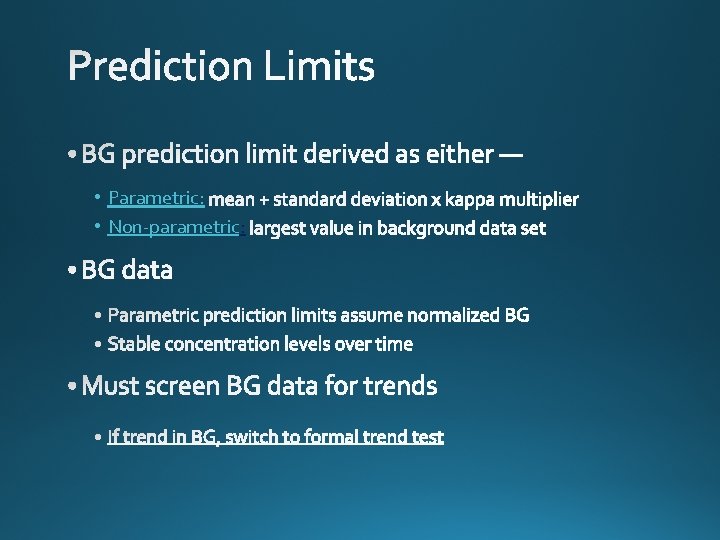
• Parametric: • Non-parametric:
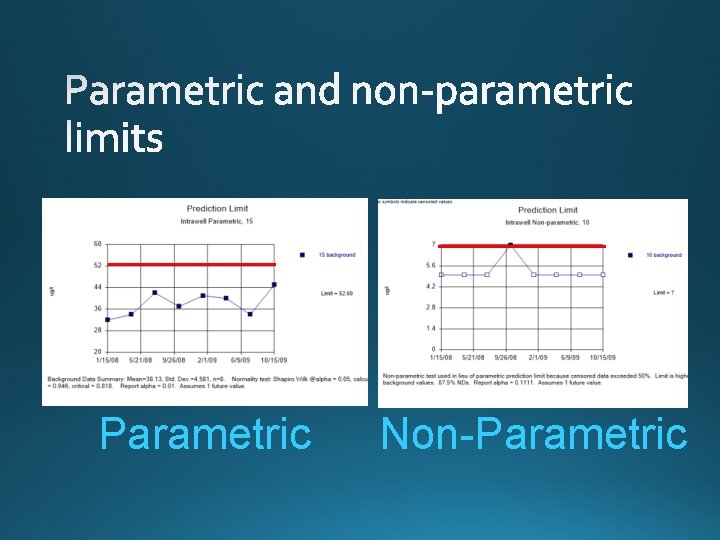
Parametric Non-Parametric
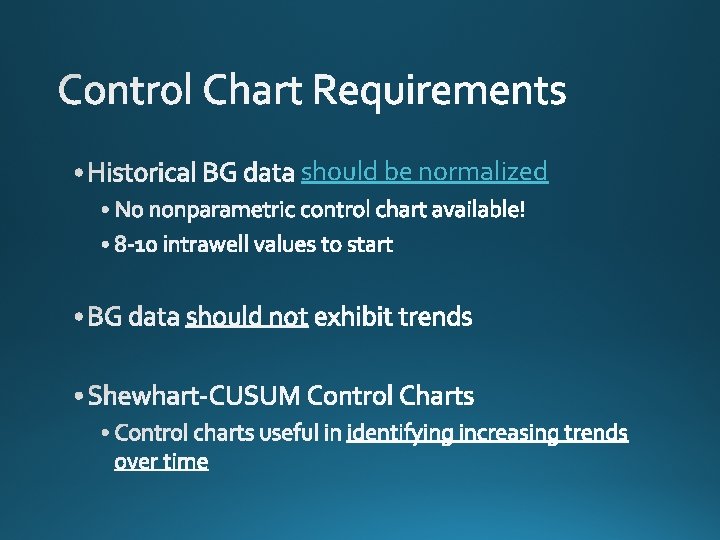
should be normalized
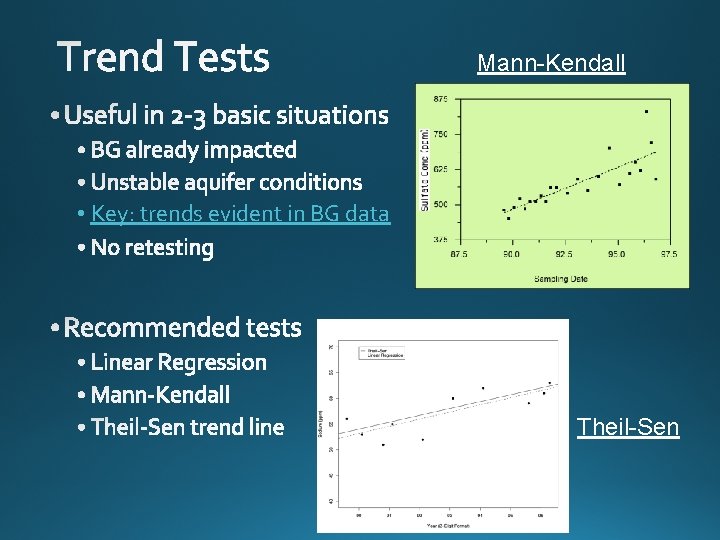
Mann-Kendall • Key: trends evident in BG data Theil-Sen
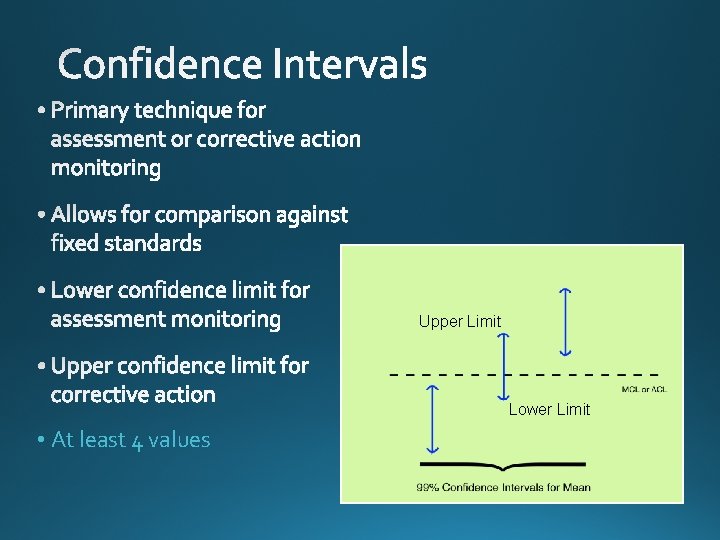
Upper Limit Lower Limit • At least 4 values
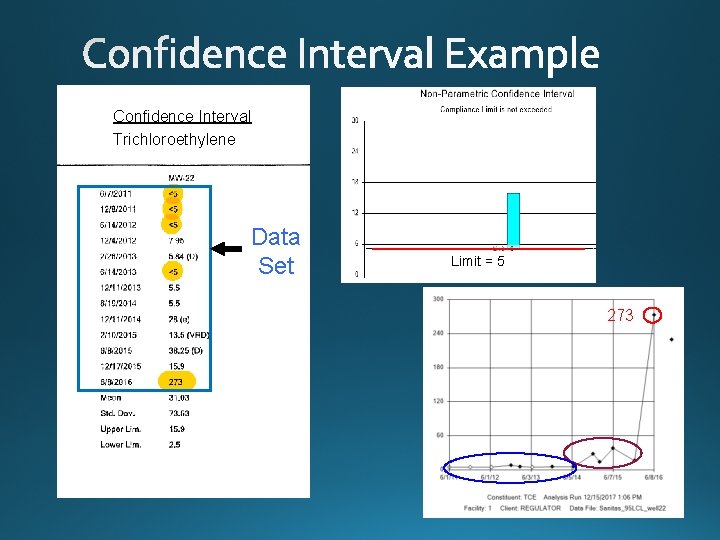
Confidence Interval Trichloroethylene Data Set Limit = 5 273
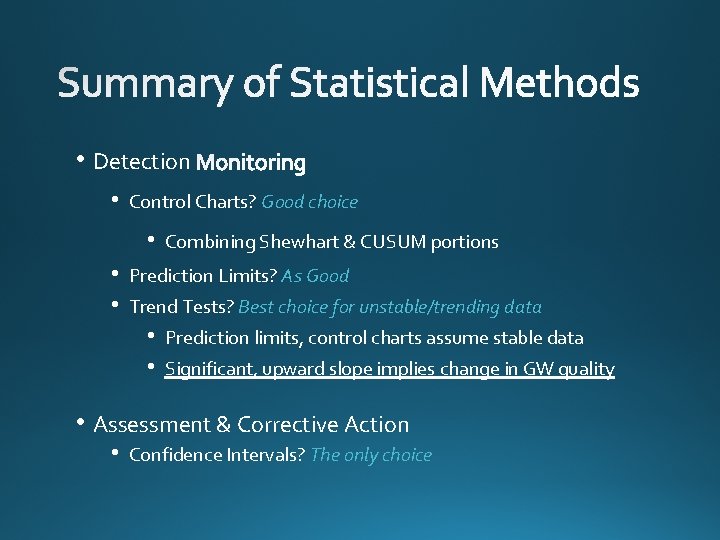
• Detection • Control Charts? Good choice • • • Combining Shewhart & CUSUM portions Prediction Limits? As Good Trend Tests? Best choice for unstable/trending data • • Prediction limits, control charts assume stable data Significant, upward slope implies change in GW quality • Assessment & Corrective Action • Confidence Intervals? The only choice
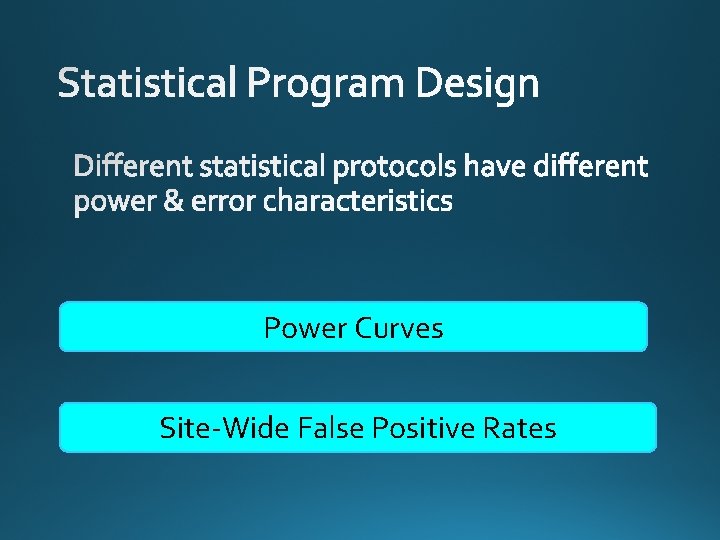
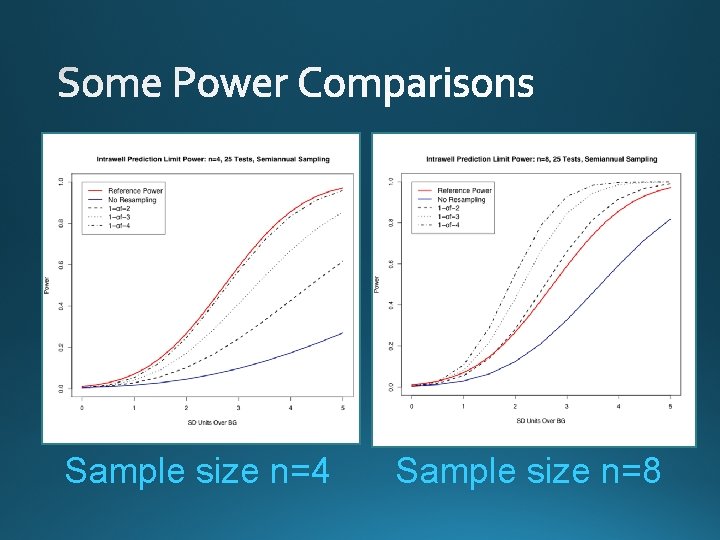
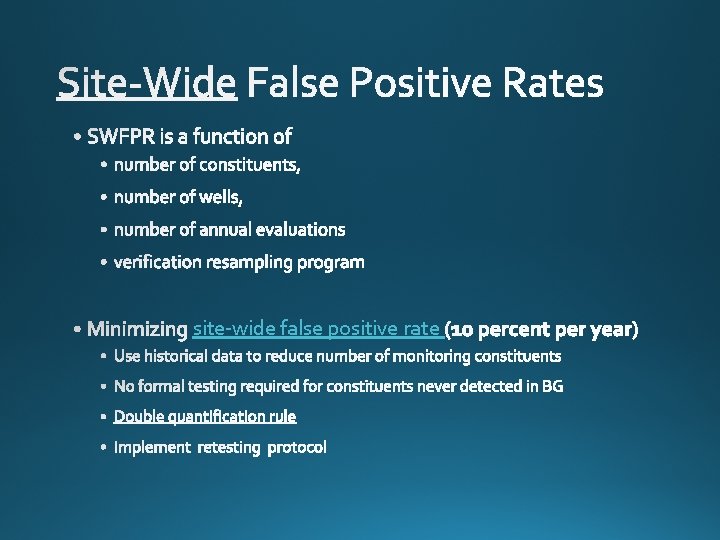
Power Curves Site-Wide False Positive Rates
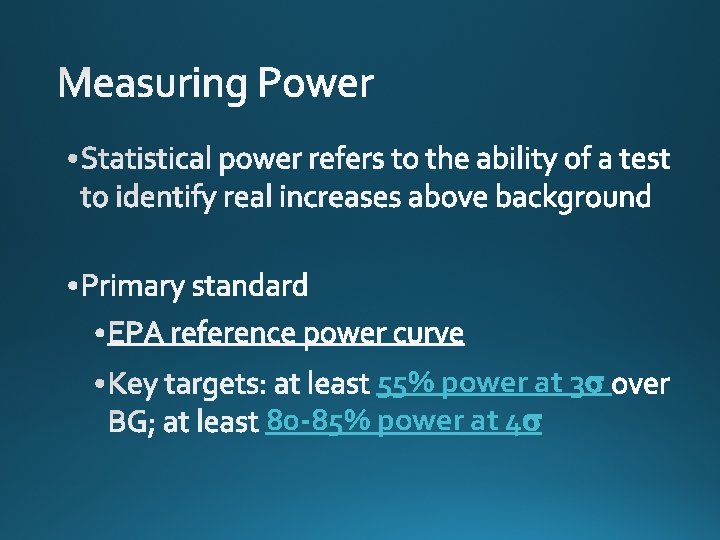
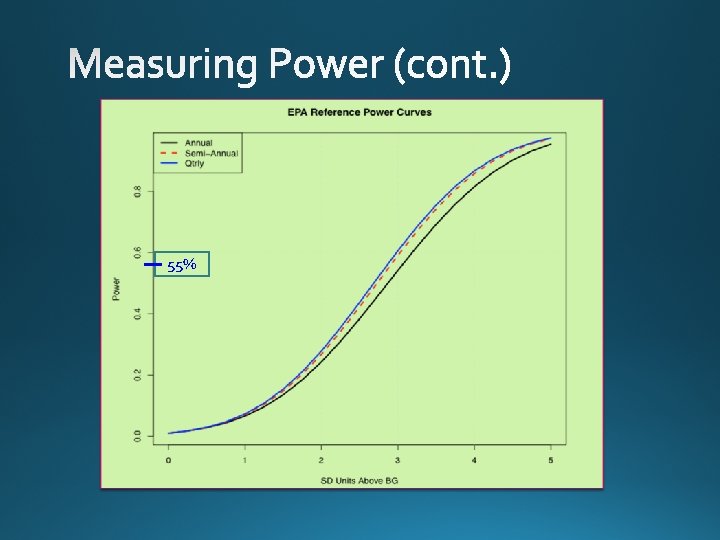
55% power at 3 80 -85% power at 4
55%
Sample size n=4 Sample size n=8
site-wide false positive rate
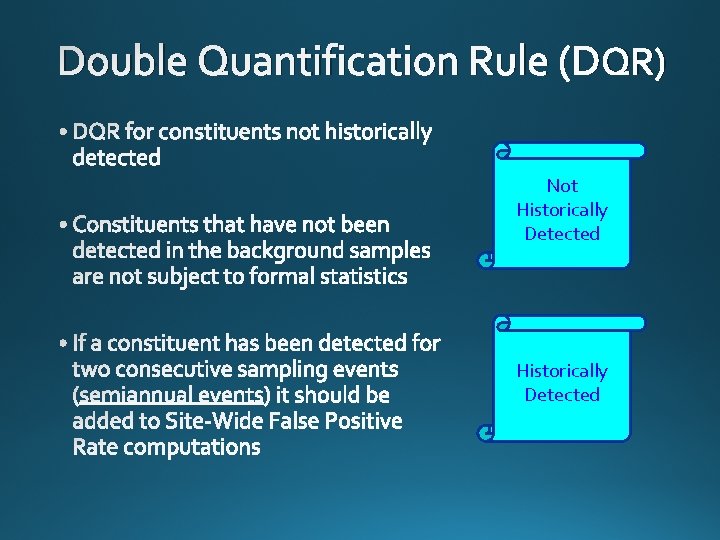
Double Quantification Rule (DQR) Not Historically Detected
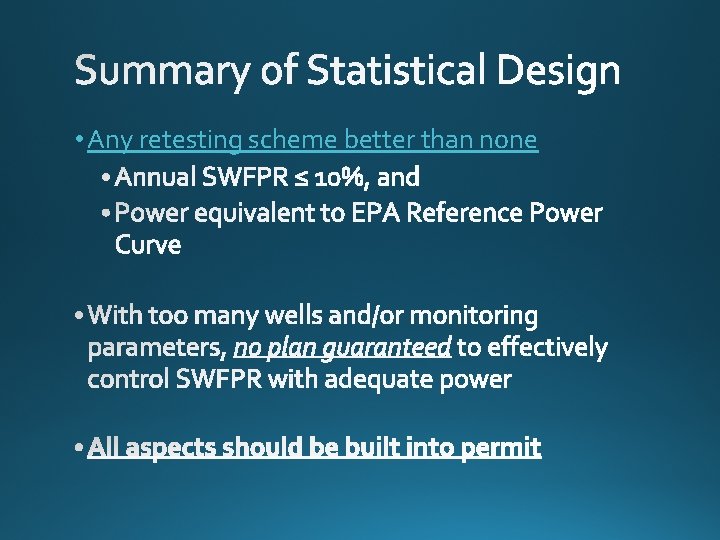
• Any retesting scheme better than none
Contact Information Texas Commission on Environmental Quality P. O. Box 13087, Austin, Texas 78711 MSW Permits Section Iryna Kushnirsky iryna. kushnirsky@tceq. texas. gov 512 -239 -1471 Eric Clegg, P. G. eric. clegg@tceq. texas. gov 512 -239 -1270