
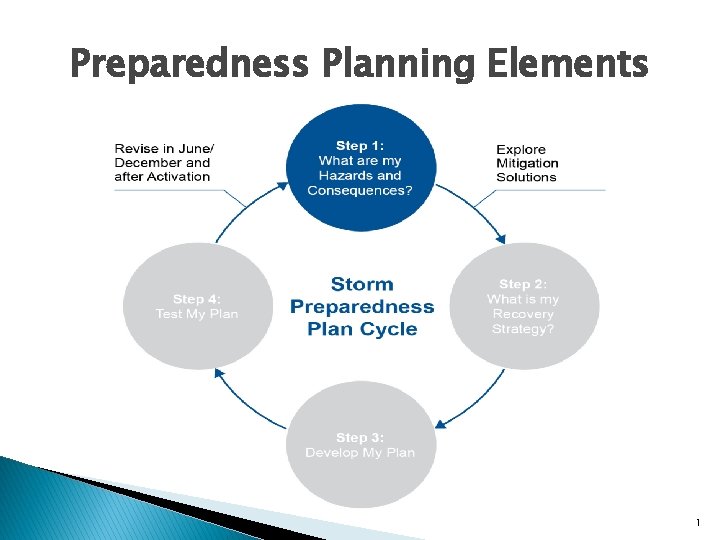
Preparedness Planning Elements 1 Step 1 Analyze Hazard
- Slides: 26
Preparedness Planning Elements 1
Step 1: Analyze Hazard Risks and Consequences � Consider: What are my Hazard Risks & consequences? � Awareness ◦ ◦ ◦ to storm and flood risks Winds Floods Nor’easter Snow/Ice Storms Hurricane All Hazards considerations � Tools to help identify highest risk areas ◦ Mapping ◦ Flood Insurance Program 2
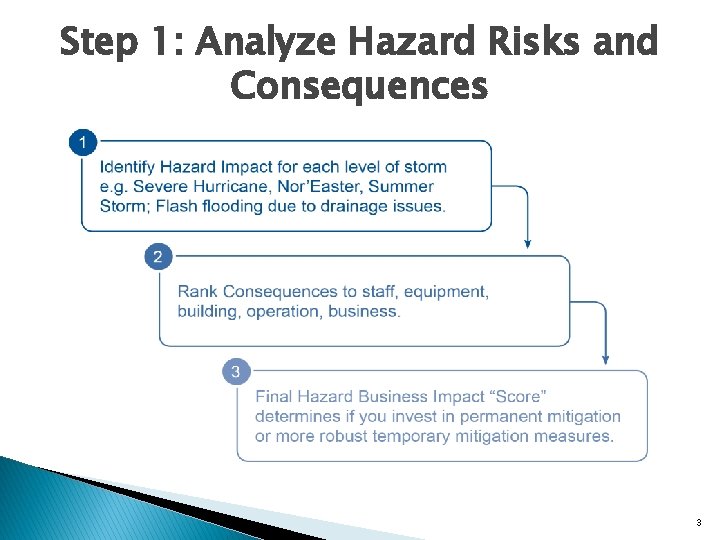
Step 1: Analyze Hazard Risks and Consequences 3
Step 1: Analyze Hazard Risks and Consequences � Activity 1: ◦ Discuss as a group to identify specific risks for you business. ◦ Review Form 1 A& 1 B begin to identify Critical Equipment and functions for your business as well as Administrative Functions. ◦ Work as a group to give values to each of these items ◦ Take 15 minutes to work through this process ◦ Questions? 4
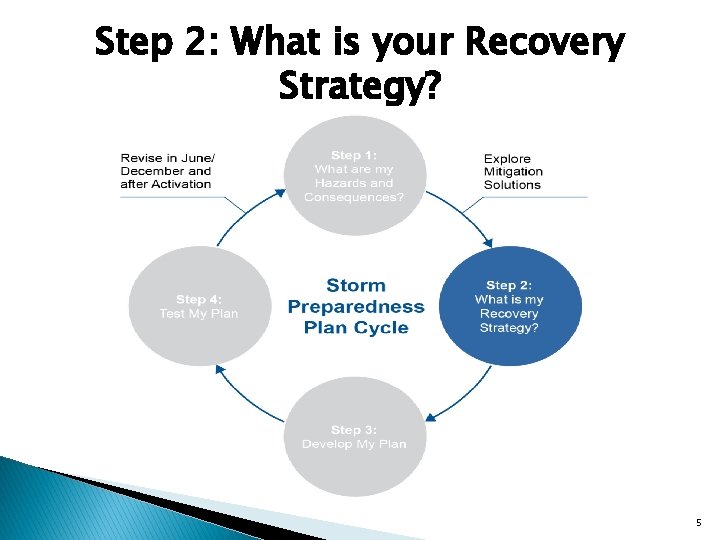
Step 2: What is your Recovery Strategy? 5
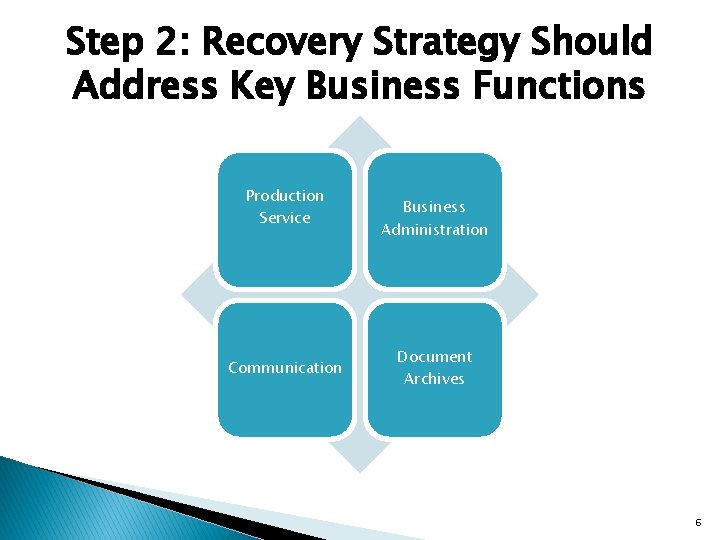
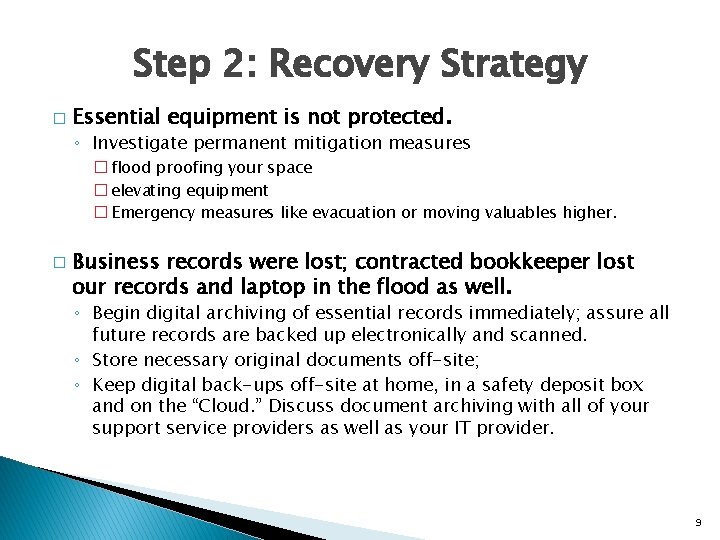
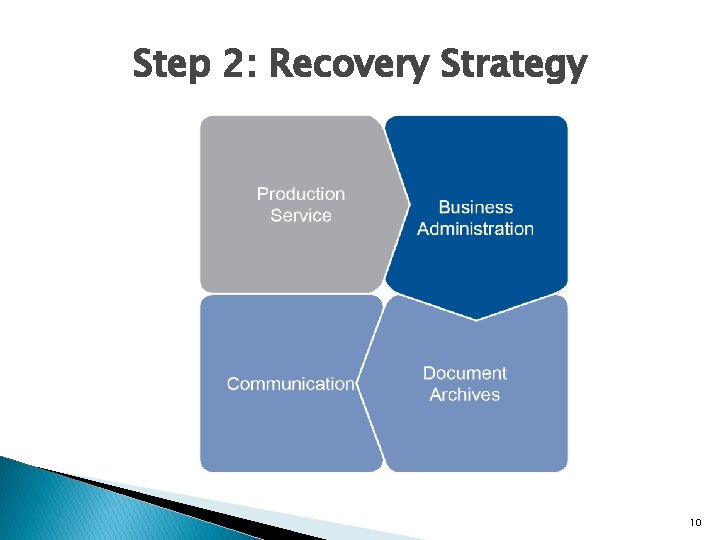
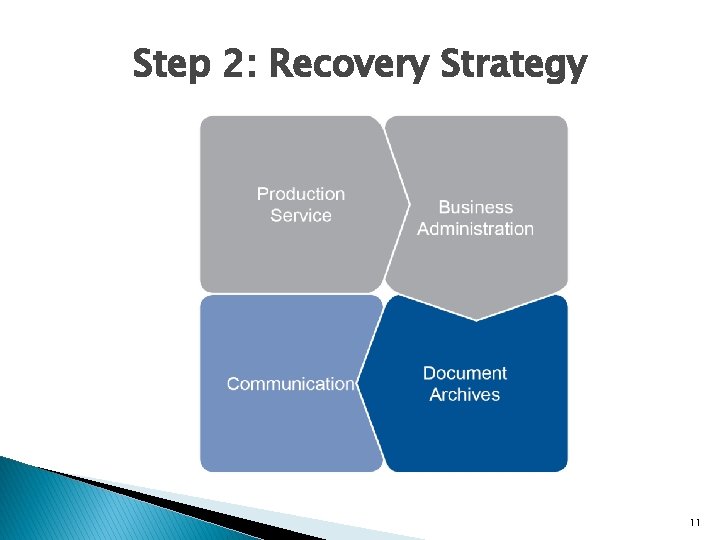
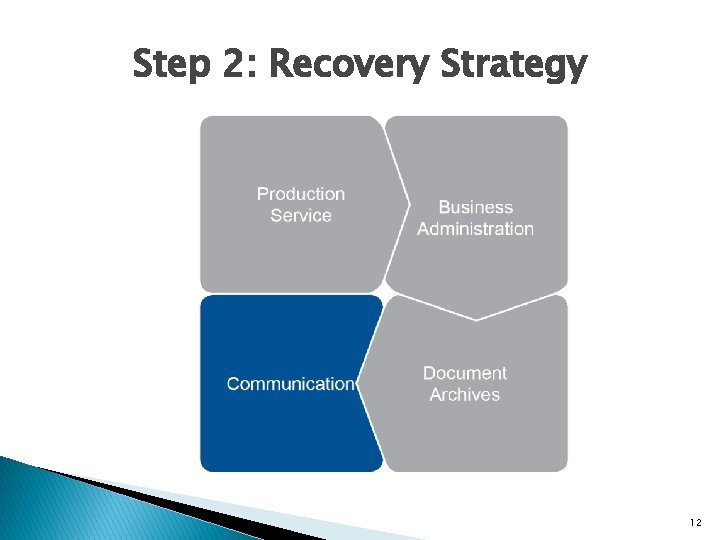
Step 2: Recovery Strategy Should Address Key Business Functions Production Service Communication Business Administration Document Archives 6
Step 2: Recovery Strategy � What affects our ability to do business after a severe flood, coastal storm, wind event or winter storm? � If we are in danger or affected, who needs to be contacted and how do we reach them? � Which business functions and processes have legal, contractual, regulatory or financial considerations after a storm? 7
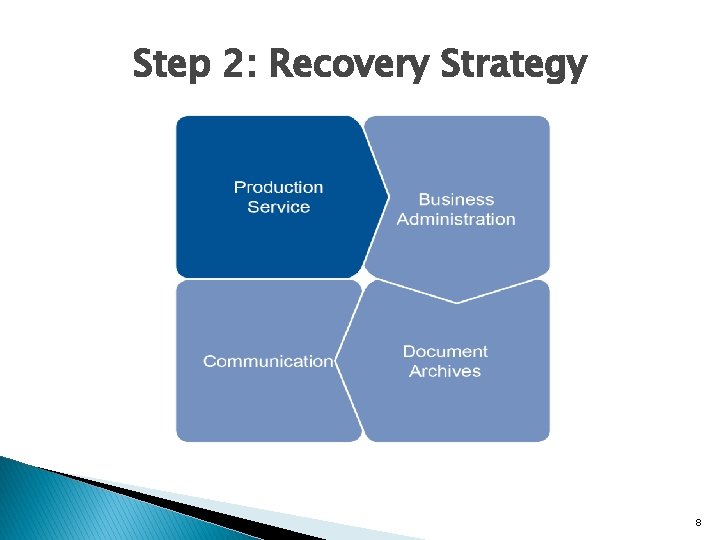
Step 2: Recovery Strategy 8
Step 2: Recovery Strategy � Essential equipment is not protected. ◦ Investigate permanent mitigation measures � flood proofing your space � elevating equipment � Emergency measures like evacuation or moving valuables higher. � Business records were lost; contracted bookkeeper lost our records and laptop in the flood as well. ◦ Begin digital archiving of essential records immediately; assure all future records are backed up electronically and scanned. ◦ Store necessary original documents off-site; ◦ Keep digital back-ups off-site at home, in a safety deposit box and on the “Cloud. ” Discuss document archiving with all of your support service providers as well as your IT provider. 9
Step 2: Recovery Strategy 10
Step 2: Recovery Strategy 11
Step 2: Recovery Strategy 12
Step 2: Recovery Strategy � Activity 2: � Within your groups identify your top 3 gaps/areas for improvement � Provide solutions for those areas � Brief out in 15 minutes � Questions? 13
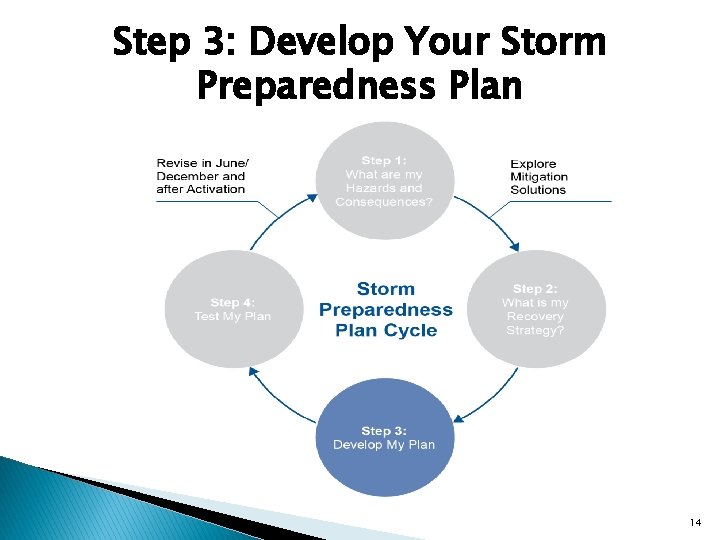
Step 3: Develop Your Storm Preparedness Plan 14
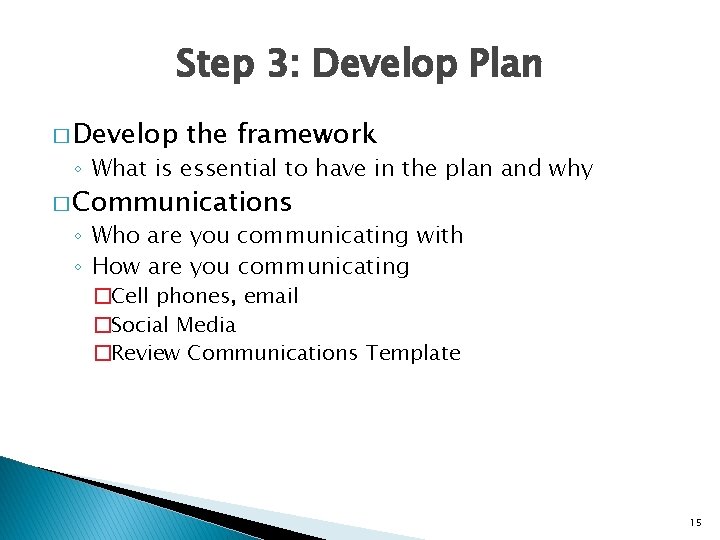
Step 3: Develop Plan � Develop the framework ◦ What is essential to have in the plan and why � Communications ◦ Who are you communicating with ◦ How are you communicating �Cell phones, email �Social Media �Review Communications Template 15
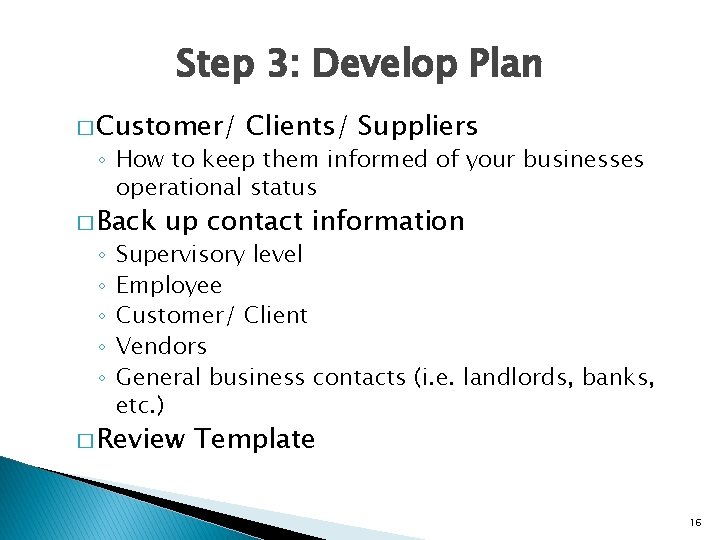
Step 3: Develop Plan � Customer/ Clients/ Suppliers ◦ How to keep them informed of your businesses operational status � Back ◦ ◦ ◦ up contact information Supervisory level Employee Customer/ Client Vendors General business contacts (i. e. landlords, banks, etc. ) � Review Template 16
Step 3: Develop Plan � Identify critical documents ◦ Where are they stored ◦ Primary and secondary backup � Business data ◦ License ◦ Permits ◦ Deeds, etc. � Hardware � Software ◦ Customized for you business? 17
Step 3: Develop Plan � Financial Considerations for businesses prior to a crisis ◦ Resources relocated ◦ Cash on hand or line of credit ◦ Disaster payroll policy � Coordination with key partners ◦ Understanding “contents” within insurance document ◦ Regular meetings with insurance agents 18
Step 3: Develop Plan � Activity 3 � Review Forms 3 A-3 G � Take 25 minutes to discuss � Questions? 19
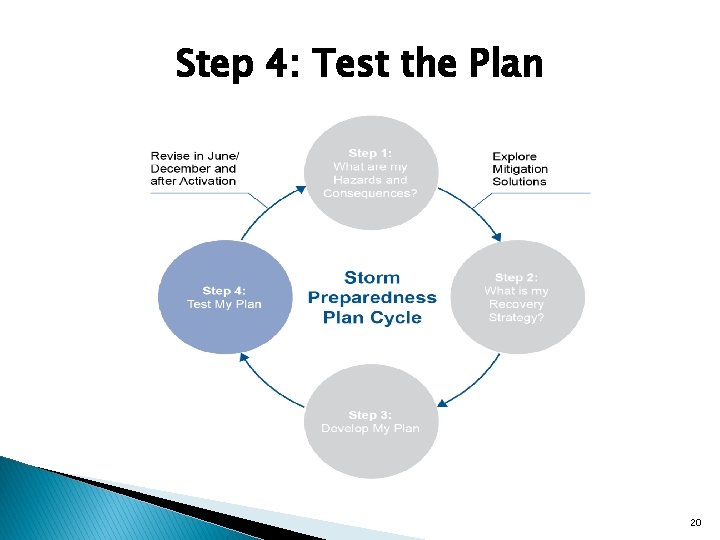
Step 4: Test the Plan 20
Step 4: Test the Plan � Meet with staff to review, discuss and revise the plan � Revise and finalize the plan � Practice key business shut down procedures like turning off utilities, moving key equipment to higher locations, evacuating perishable materials 21
Step 4: Test the Plan � Train your staff � Practice the plan – ◦ contact list phone numbers to ensure accuracy, enabling generator, turning off equipments and utilities ◦ “table top discussions” �roles and responsibilities of staff and backup staff �evacuation of key assets and records �Building preparedness – boarding up doors and windows, moving equipment to higher areas, putting door barrier logs or sandbags into place 22
Step 4: Test the Plan Revise the plan twice annually § June before summer severe storm and hurricane season § December before winter severe storm season 23
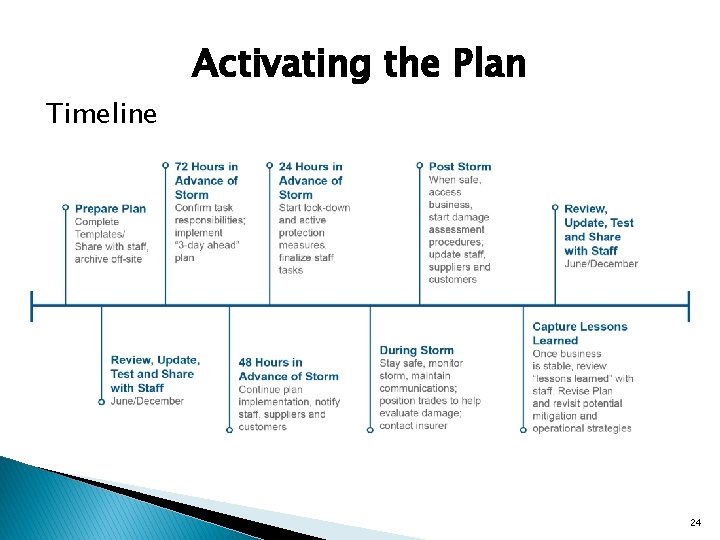
Activating the Plan Timeline 24
Questions � End of breakout session � Take 15 minute BREAK � Reconvene in plenary session at 2: 45 pm for closing remarks and next steps. 25
Wrap up and Closing Comments � Final Feedback � Next Steps for Red Hook � Closing comments 26