
Prepared by Component of health assessment 1 Assessing
Prepared by/

Component of health assessment 1. Assessing appearance and mental status. 2. Assessing the skin. 3. Assessing the hair. 4. Assessing nails. 5. Assessing skull and face: eye – ear- nose- mouth and oropharynx- neck

� : 1. Pen 2. Assessing forms or paper record notation as well as document finding. 3. Charts for recording height, weight, age, gender and medical condition. 4. Well light, warm private room or space. 5. Gown for patient privacy and comfort. 6. Sheet or blanker for patient privacy and comfort.
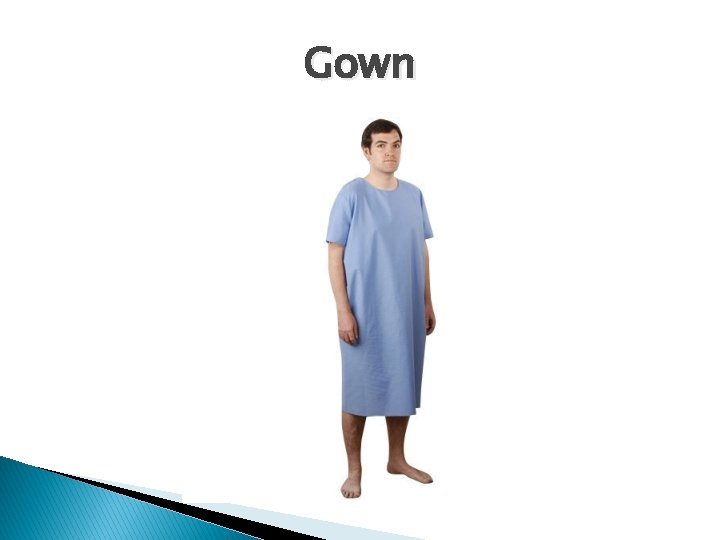
Gown
1. Prepare the environment (light, controlled noise no drafts). 2. Prepare clothing for patient to wear during examination. 3. Adjust bed at the examiner's waist level. 4. Ask the patient to empty bladder.

� Step 1: Introduce self and verify patient's identity. � Step 2: Explain procedure to patient. � Step 3: Gather equipment. � Step 4: Perform hand hygiene. � Step 5: Provide for patient privacy.
� Step 6: Maintain body mechanics. � Step 7: Review the patient medical history. � Step 8: � Step Assist the patient to sitting position if possible. 9: Obtain base line measurements and compare with normal data. � Step 10: Observe body build, height and weight in relation to the patient's age, lifestyle and health.
� Step 12: Observe patient's posture, gait, standing, sitting and walking. � Rationale: � Step To assess coordinated movement. 13: Observe patient's overall hygiene and grooming. � Step 14: Note body and breathe odor in relation to activity level. � Rationale: � Step Normal there is no breath odor. 15: Observe for sign of distress in posture or facial expression.
� Step 16: Note obvious signs of health or illness (as skin color or breathing). � Rationale: Should be well developed, well nourished, intact skin and easy breathing. � Step 17: Assess patient attitude. � Rationale: To identify if the patient cooperative, able to follow instructions.
� Step 18: Note the patient affect mood. � Rationale: To assess the appropriateness of the patient response. � Step 19: Listen for speech quantity (amount and space) and quality (loudness and clarity). � Step 20: Listen for relevance and organization of thoughts.
� Step 21: Hand washing. � Step 22: Rearrange the equipment. � Step 23: � Step Place the patient in comfortable position. 24: Documentation:
- Slides: 12