
Preoperative Anesthetic Assessment and Premedication 9 12 2018







- Slides: 78
Preoperative Anesthetic Assessment and Premedication 9/ 12/ 2018 Dr. Jumana. M. Baaj Ass. professor , Anesthesia consultant Dept. of Anesthesia KKUH- KSU Riyadh, Saudi Arabia
Objective 1) learn pre-anesthetic patient evaluation. 2) Obtain a full history and physical examination including allergies, current medications, past anesthetic history, family anesthetic history 3) Understand how patient co-morbidities can affect the anesthetic plan. 4) Understand potential anesthetic options for a given surgical procedure. 5) Able to plan an anesthetic for a basic surgical procedure. 6) Understand risk stratification of a patient undergoing anesthesia 7) The perioperative patient journey
The Goal of Preoperative visit. • To educate about anesthesia , perioperative care and pain management to reduce anxiety. • To obtain patient's medical history and physical examination. • To determine which lab test or further medical consultation are needed. • To choose care plan guided by patient's choice and risk factors
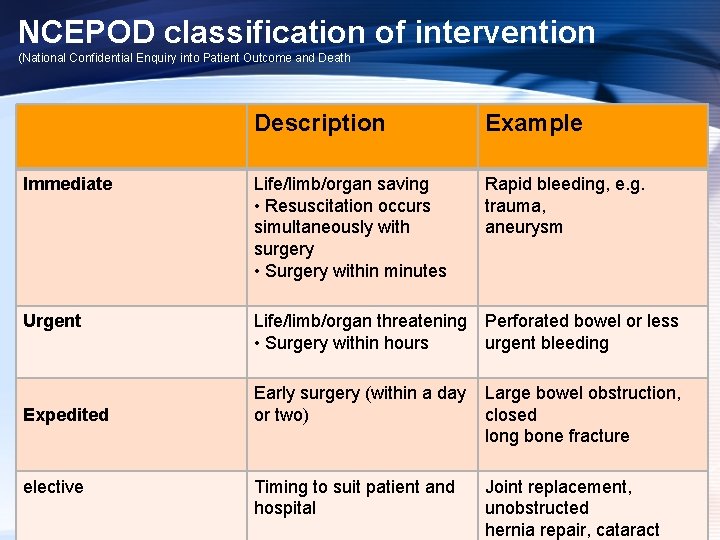
NCEPOD classification of intervention (National Confidential Enquiry into Patient Outcome and Death Description Example Immediate Life/limb/organ saving • Resuscitation occurs simultaneously with surgery • Surgery within minutes Rapid bleeding, e. g. trauma, aneurysm Urgent Life/limb/organ threatening Perforated bowel or less • Surgery within hours urgent bleeding Expedited elective Early surgery (within a day Large bowel obstruction, or two) closed long bone fracture Timing to suit patient and hospital Joint replacement, unobstructed hernia repair, cataract
Overview The preoperative visit üAnaesthetic history üExamination üSpecial investigations üMedical referral üRisk assessment üInforming the patient and consent üPremedication
The preoperative visit of all patients by anesthetist is an essential requirement for the safe and successful conduct of anaesthesia • Main aim is to assess the patient's fitness for anaesthesia • The Best to be performed by an anaesthetist Preferably the one who is going to administer the anaesthesia.
The preoperative visit allows – Best anaesthetic technique – Any potential interactions between concurrent diseases – Anaesthesia anticipated – Provides an explanation – Reassurance for the patient
The preoperative visit Coexisting Illness – Improve the patients condition prior to surgery – Seeking advice from other specialists – Optimise treatment – Final decision.
• Three situations where special arrangements are usually made 1 -Patients with complex medical or surgical problems • patient is often admitted several days before surgery • anaesthetist is actively involved in optimising their condition prior to anaesthesia and surgery 2 -Surgical emergencies only a few hours separates admission and operation in these patients urgent investigations or treatment
3 -Day-case patients • These are patients who are planned • Generally ‘fitter’ ASA 1 or ASA 2 • Assessment in anesthesia clinic
Anesthetic history And Examination
Anaesthetic history and examination Anaesthetist should take a full history & Examine each patient
PREVIOUS ANAESTHETICS AND OPERATIONS • Hospitals • Enquire about inherited or 'family' diseases – sickle-cell disease – porphyria , psuedocholinesterase deficiency. • Difficulties with previous anaesthetics – – – History of difficult intubation Nausea , vomiting dreams awareness postoperative jaundice Post Dural puncture headache • Present & past medical history – all the aspects of the patient's medical history – relating to the cardiovascular and respiratory systems and its severity
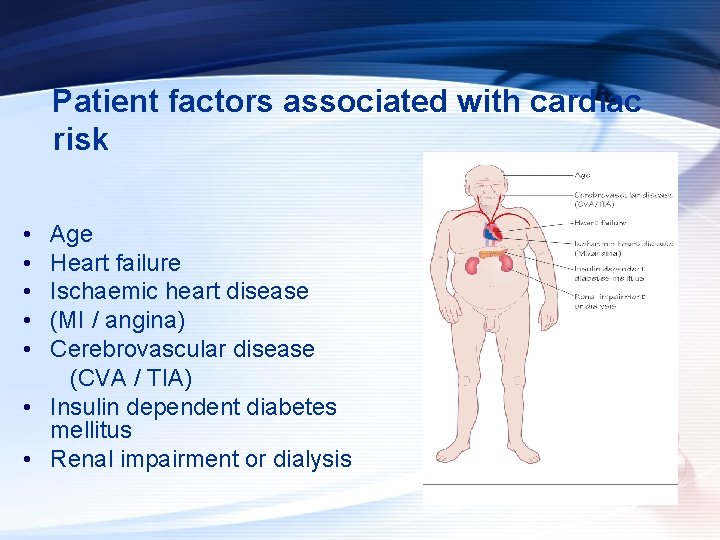
Patient factors associated with cardiac risk • Age • Heart failure • Ischaemic heart disease • (MI / angina) • Cerebrovascular disease (CVA / TIA) • Insulin dependent diabetes mellitus • Renal impairment or dialysis
Cardiovascular system • Specific enquiries must be made about: – Angina • • incidence precipitating factors duration use of anti-anginal medications, e. g. glyceryl trinitrate (GTN) oral or sublingual ) – Previous myocardial infarction and subsequent symptoms – Symptoms indicating heart failure
Cardiovascular system – myocardial infarction are at a greater risk of perioperative reinfarction – Elective surgery postponed until at least 6 months after the event – Untreated or poorly controlled hypertension (diastolic consistently > 110 mm. Hg) may lead to exaggerated cardiovascular responses – Both hypertension and hypotension can be precipitated which increase the risk of myocardial ischemia
Cardiovascular system – Heart failure will be worsened by the depressant effects impairing the perfusion of vital organs – valvular heart disease * ? prosthetic valves may be on anticoagulants - need to be stopped or changed prior to surgery * Antibiotic prophylaxis
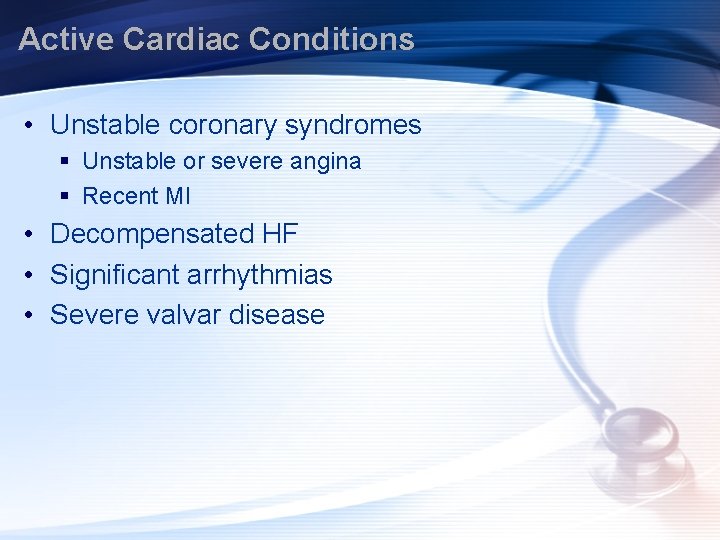
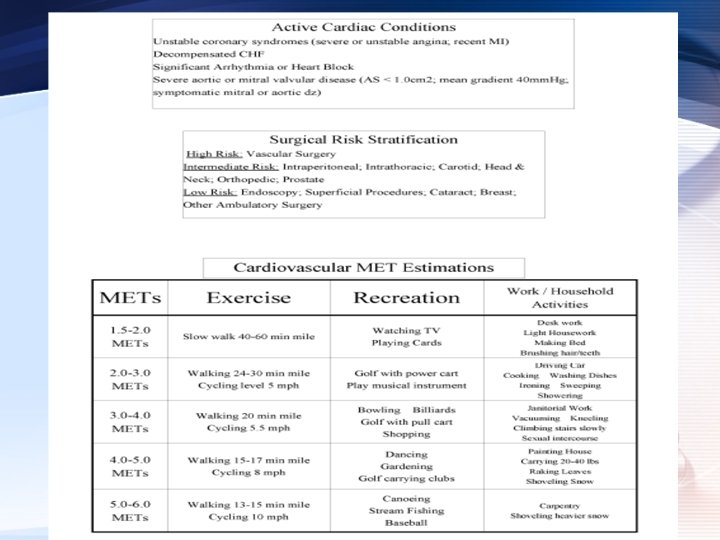
Active Cardiac Conditions • Unstable coronary syndromes § Unstable or severe angina § Recent MI • Decompensated HF • Significant arrhythmias • Severe valvar disease
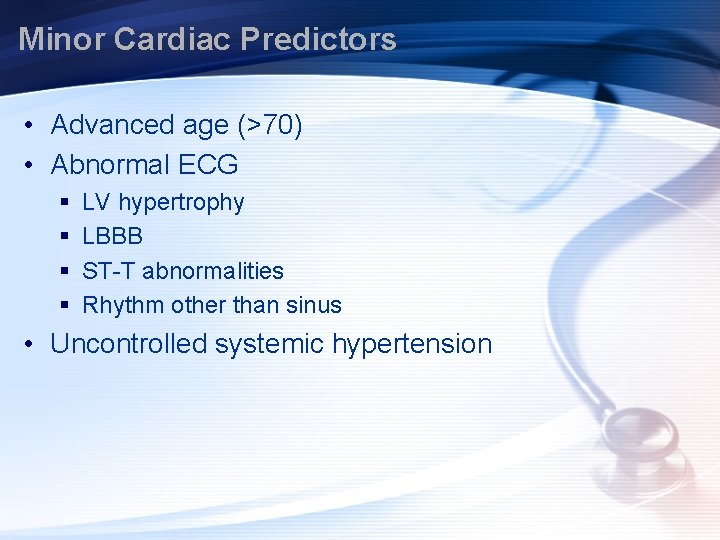
Minor Cardiac Predictors • Advanced age (>70) • Abnormal ECG § § LV hypertrophy LBBB ST-T abnormalities Rhythm other than sinus • Uncontrolled systemic hypertension
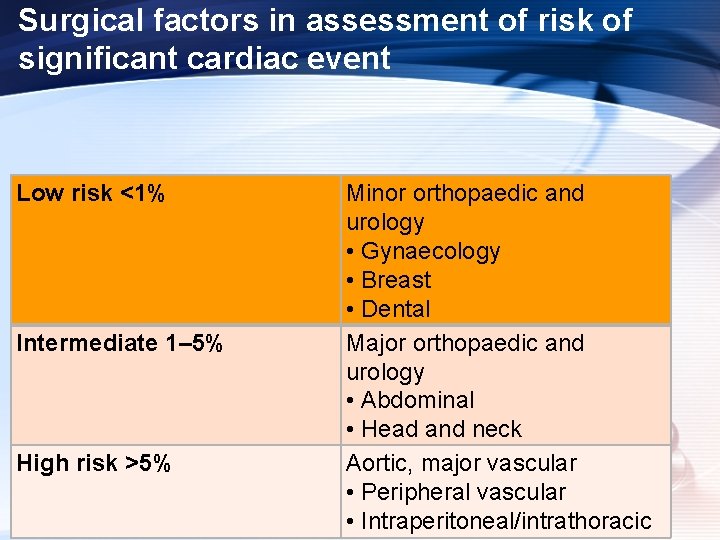
Surgical factors in assessment of risk of significant cardiac event Low risk <1% Intermediate 1– 5% High risk >5% Minor orthopaedic and urology • Gynaecology • Breast • Dental Major orthopaedic and urology • Abdominal • Head and neck Aortic, major vascular • Peripheral vascular • Intraperitoneal/intrathoracic
THEN RS
Respiratory system Patients with pre-existing lung disease § prone to postoperative chest infections if they are § obese § Hx of COPD undergoing upper abdominal or thoracic lung disease sputum production (volume and color) § Dyspnea § Bronchial Asthma, including precipitating factor and last attack , previous hospital admission § upper respiratory tract infection ( anaesthesia and surgery should be postponed unless it is for a life-threatening condition )
Other conditions in the medical history • GI • Indigestion • GER reflux • Hurt burn • may indicate the possibility of a hiatus hernia • Rheumatoid disease • chronically anemic • severely limited movement of their joints • makes positioning for surgery and airway maintenance difficult. • Tendency for dislocation of atalnto-occiptal joint
Other conditions in the medical history • Diabetes • Patients have an increased incidence of – ischaemic heart disease – renal dysfunction – autonomic and peripheral neuropathy • intra- and postoperative complications • Neuromuscular disorders • Care with muscle relaxants • Coexisting heart disease • restrictive pulmonary disease
Other conditions in the medical history – Chronic renal failure • • Anaemia Electrolyte abnormalities Altered drug excretion Restricts the choice of anaesthetic agents – Jaundice • Infectious or obstructive liver disease • Altered drug metabolism • Altered Coagulation function --Epilepsy • well controlled or not , compliance to medication • avoid anaesthetic agents potentially epileptogenic (e. g. enflurane) • Predict convulsions which induced by withdrawal effects of anesthesia drugs
DRUG HISTORY AND ALLERGIES • Identify all medications – Prescribed – self-administered – Allergies to drugs • • topical preparations (e. g. iodine) adhesive dressings foodstuffs latex
SOCIAL HISTORY • Smoking – number of cigarettes – amount of tobacco nicotine stimulates the sympathetic nervous system • causing tachycardia • hypertension • coronary artery narrowing • Alcohol – induction of liver enzymes – tolerance
Addiction – Difficulty with venous access – Thrombosis of veins – Withdrawal syndromes Look for tattooing ? ?
Pregnancy – increased risk of regurgitation and aspiration – Elective surgery is best postponed until after delivery.
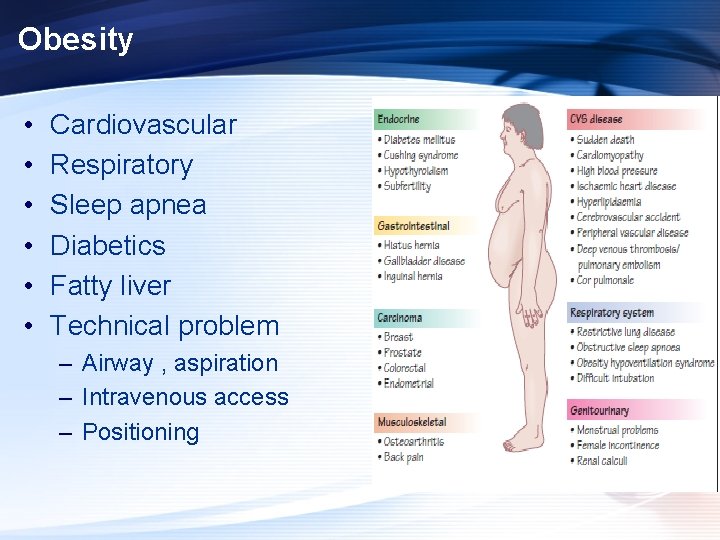
Obesity • • • Cardiovascular Respiratory Sleep apnea Diabetics Fatty liver Technical problem – Airway , aspiration – Intravenous access – Positioning
THE EXAMINATION
THE EXAMINATION Cardiovascular system – – – dysrhythmias atrial fibrillation heart failure heart murmur valvular heart disease blood pressure is best measured at the end of the examination
THE EXAMINATION Respiratory system – – – – cyanosis pattern of ventilation respiratory rate Dyspnoea Wheeziness signs of collapse consolidation and effusion
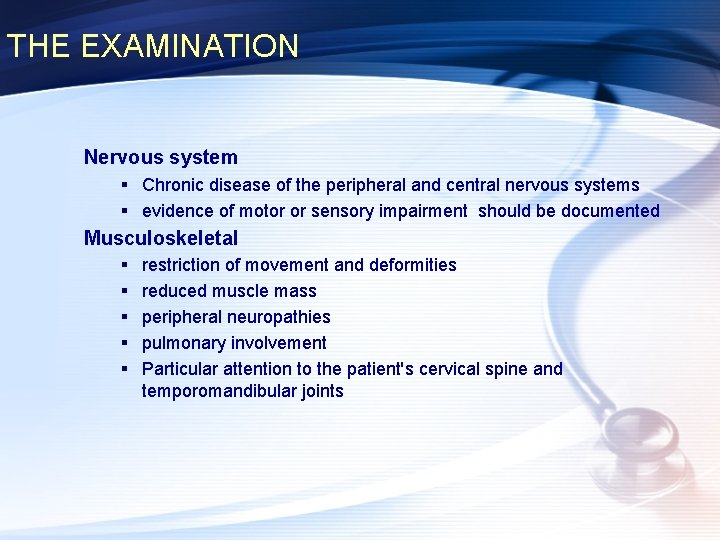
THE EXAMINATION Nervous system § Chronic disease of the peripheral and central nervous systems § evidence of motor or sensory impairment should be documented Musculoskeletal § § § restriction of movement and deformities reduced muscle mass peripheral neuropathies pulmonary involvement Particular attention to the patient's cervical spine and temporomandibular joints
Airway assessment
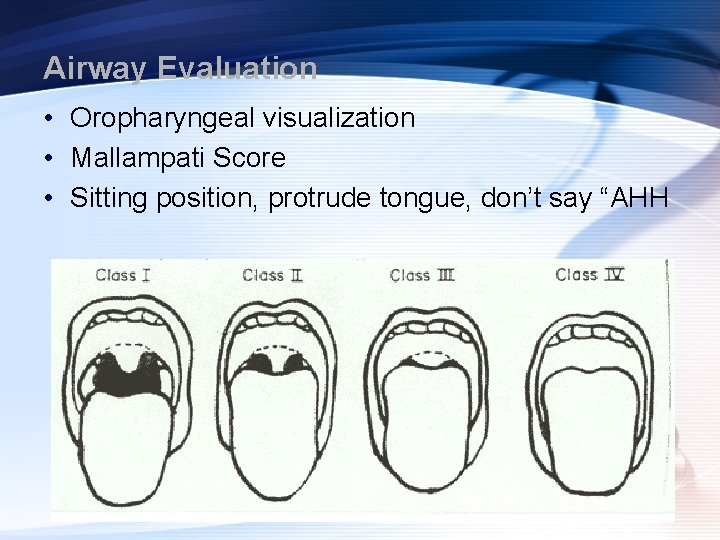
Airway Evaluation • Oropharyngeal visualization • Mallampati Score • Sitting position, protrude tongue, don’t say “AHH”
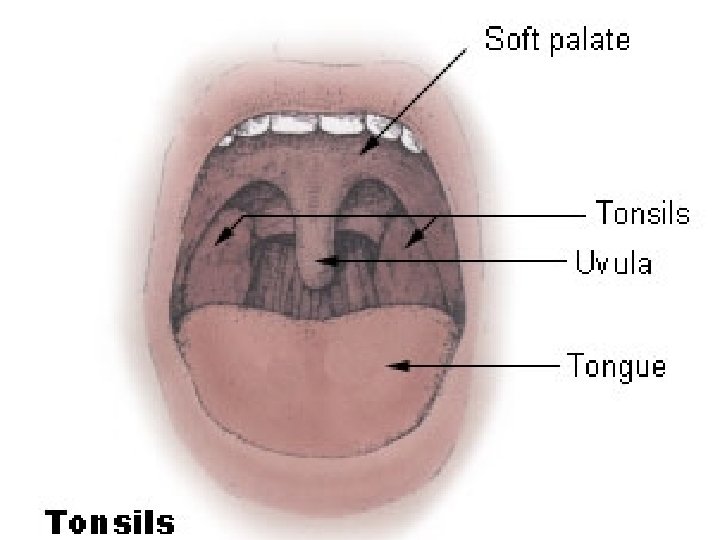
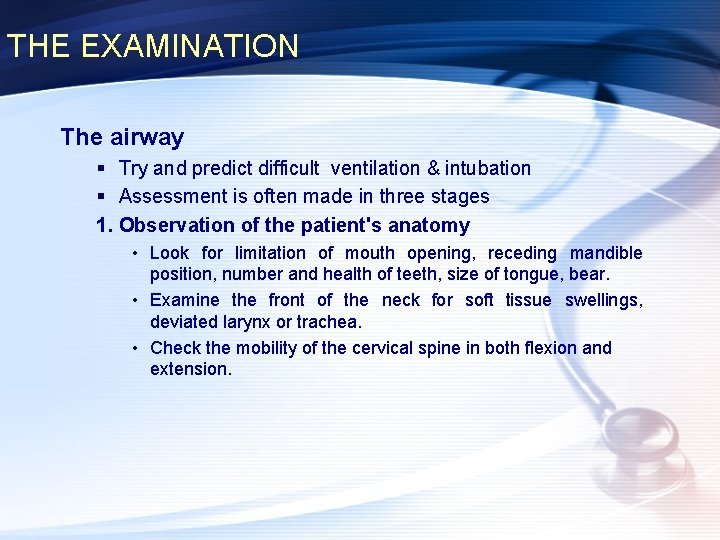
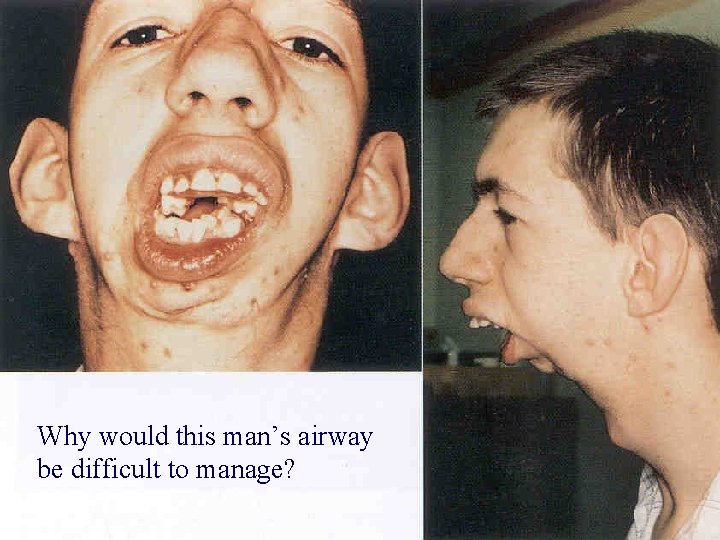
THE EXAMINATION The airway § Try and predict difficult ventilation & intubation § Assessment is often made in three stages 1. Observation of the patient's anatomy • Look for limitation of mouth opening, receding mandible position, number and health of teeth, size of tongue, bear. • Examine the front of the neck for soft tissue swellings, deviated larynx or trachea. • Check the mobility of the cervical spine in both flexion and extension.
Why would this man’s airway be difficult to manage?
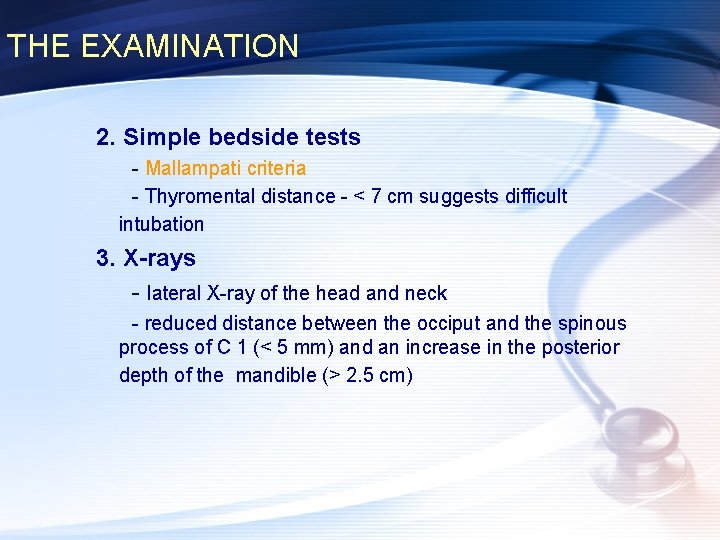
THE EXAMINATION 2. Simple bedside tests - Mallampati criteria - Thyromental distance - < 7 cm suggests difficult intubation 3. X-rays - lateral X-ray of the head and neck - reduced distance between the occiput and the spinous process of C 1 (< 5 mm) and an increase in the posterior depth of the mandible (> 2. 5 cm)
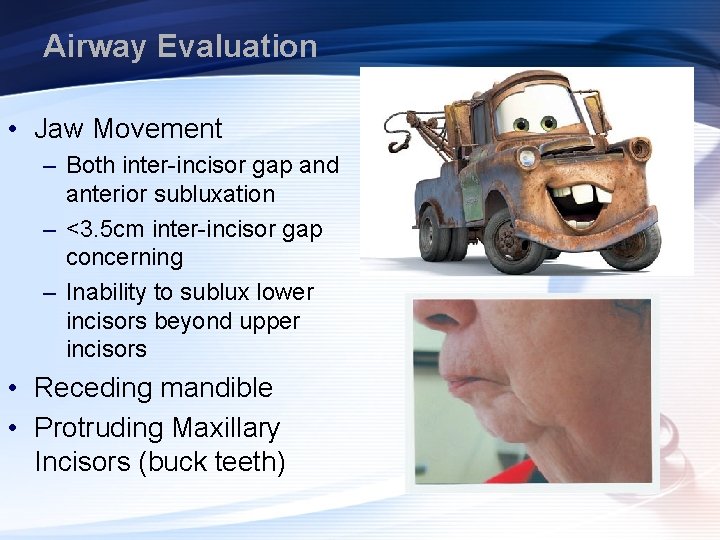
Airway Evaluation • Jaw Movement – Both inter-incisor gap and anterior subluxation – <3. 5 cm inter-incisor gap concerning – Inability to sublux lower incisors beyond upper incisors • Receding mandible • Protruding Maxillary Incisors (buck teeth)
Investigations
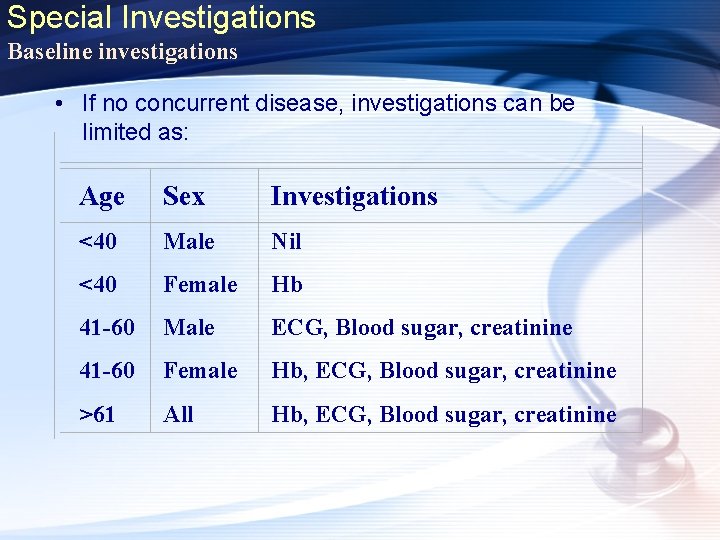
Special Investigations Baseline investigations • If no concurrent disease, investigations can be limited as: Age Sex Investigations <40 Male Nil <40 Female Hb 41 -60 Male ECG, Blood sugar, creatinine 41 -60 Female Hb, ECG, Blood sugar, creatinine >61 All Hb, ECG, Blood sugar, creatinine
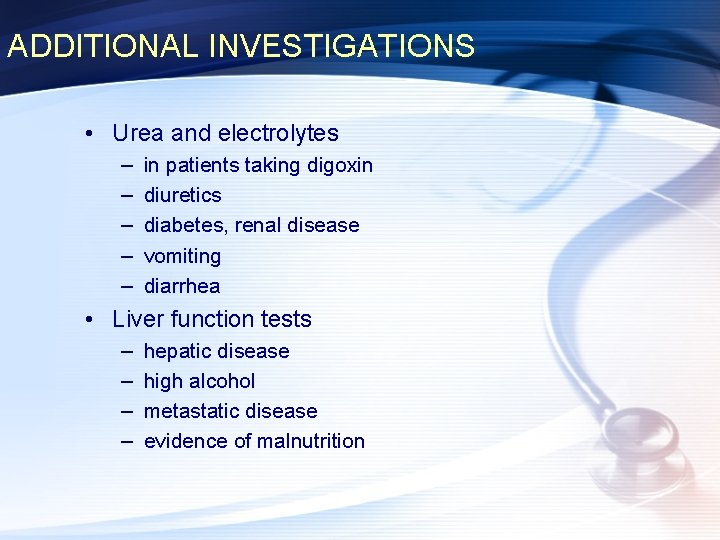
ADDITIONAL INVESTIGATIONS • Urea and electrolytes – – – in patients taking digoxin diuretics diabetes, renal disease vomiting diarrhea • Liver function tests – – hepatic disease high alcohol metastatic disease evidence of malnutrition
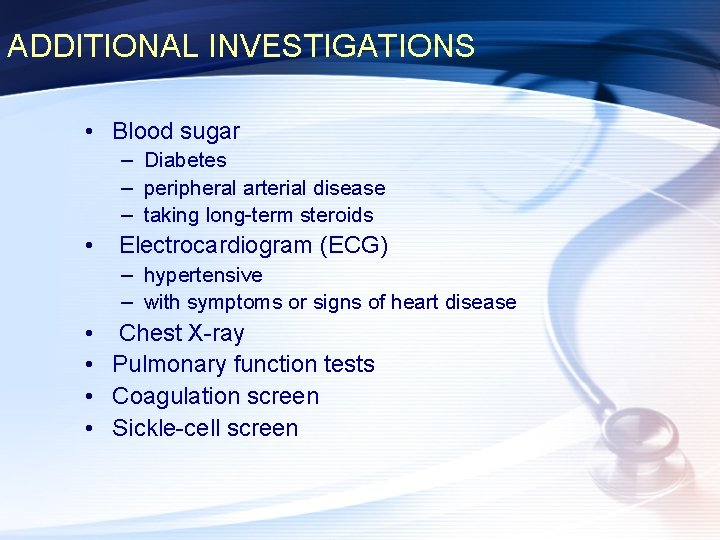
ADDITIONAL INVESTIGATIONS • Blood sugar – Diabetes – peripheral arterial disease – taking long-term steroids • Electrocardiogram (ECG) – hypertensive – with symptoms or signs of heart disease • • Chest X-ray Pulmonary function tests Coagulation screen Sickle-cell screen
Referral
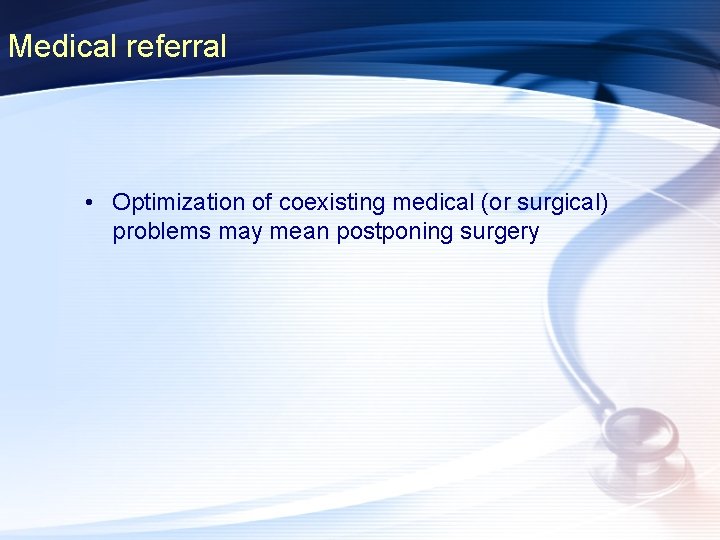
Medical referral • Optimization of coexisting medical (or surgical) problems may mean postponing surgery
Medical referral • CARDIOVASCULAR DISEASE § Untreated or poorly controlled hypertension or heart failure. § Symptomatic ischaemic heart disease, (unstable angina). § Dysrhythmias: uncontrolled atrial fibrillation, paroxysmal supraventricular tachycardia, second and third degree heart block. § congenital heart disease or symptomatic valvular heart disease
Medical referral • RESPIRATORY DISEASE § Chronic obstructive airways disease, if dyspnoeic at rest. § Bronchiectasis § Asthmatics • unstable • taking oral steroids or • have a FEV 1 % 60% predicted
Medical referral • ENDOCRINE DISORDERS – – – – Insulin and non-insulin dependent diabetics ketonuria random blood sugar > 12 mmol/L Hypo- or hyperthyroidism Cushing's Addison's disease Hypopituitarism
Medical referral • RENAL DISEASE § Chronic renal failure § Patients undergoing chronic dialysis • HAEMATOLOGICAL DISORDERS § Bleeding diatheses § haemophilia § thrombocytopenia § § § Therapeutic anticoagulation Haemoglobinopathies Polycythaemia Haemolytic anaemias Leukaemias
FACTORES INCREASED RISK OF MORTALITY
INCREASED RISK OF MORTALITY • Inadequate preoperative preparation including resuscitation • Lack of and inappropriate monitoring during surgery • Poor postoperative care, including lack of intensive care beds • Inadequate supervision of trainees
Mortality related to anaesthesia • Approx 1: 26, 000 anaesthetics • One third of deaths are preventable • Causes in order of frequency – inadequate patient preparation – inadequate postoperative management – wrong choice of anaesthetic technique – inadequate crisis management
ANAESTHETIC ASSOCIATED DEATHS • • Increasing age: >60 years Sex: male > female Worsening physical status Increasing number of concurrent medical conditions, in particular: – myocardial infarction – diabetes mellitus
ANAESTHETIC ASSOCIATED DEATHS • renal disease • Increasing complexity of surgery: – intracranial – major vascular – intrathoracic • Increasing length of surgery • Emergency operations
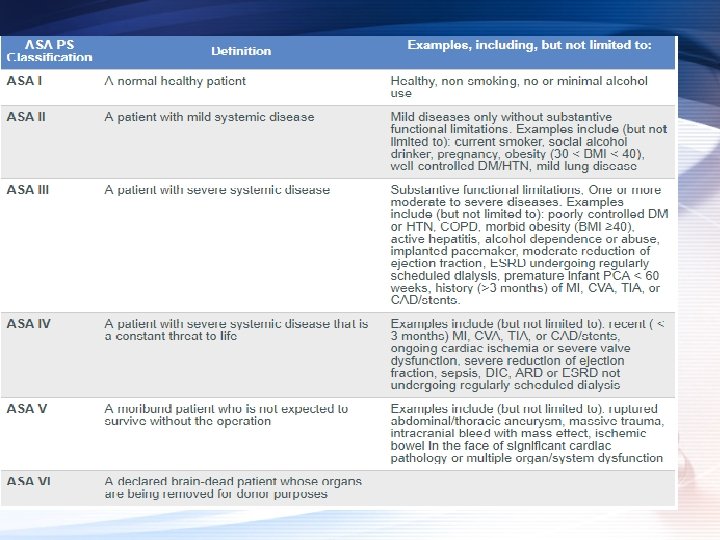
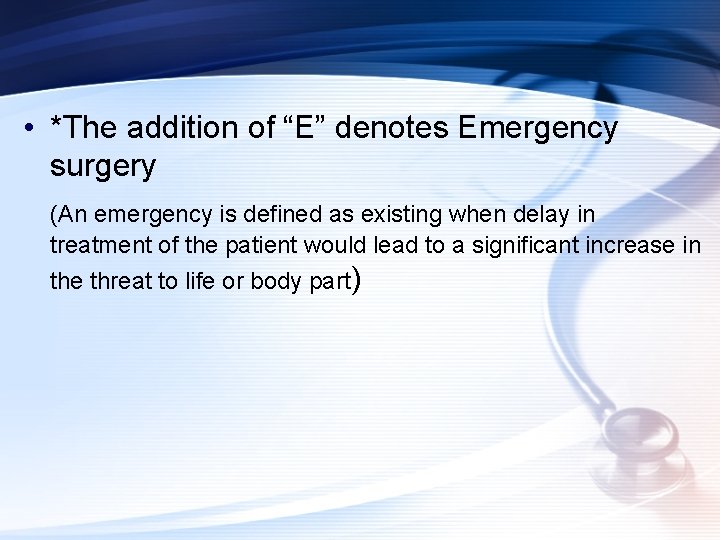
• *The addition of “E” denotes Emergency surgery (An emergency is defined as existing when delay in treatment of the patient would lead to a significant increase in the threat to life or body part)
Informing the patient
Informing the patient The choice of anaesthetic technique rests with the anaesthetist, but most patients appreciate some details of what to expect
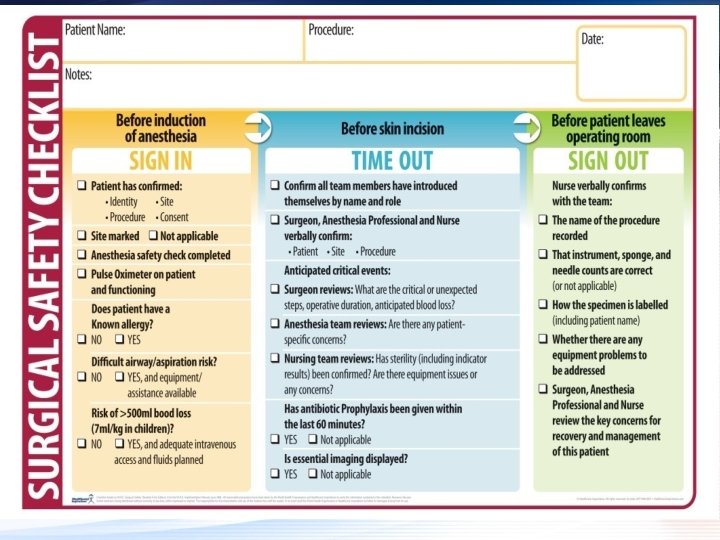
The perioperative patient journey • Consent • Surgical safety checklist • Criteria for discharge from a day surgery unit
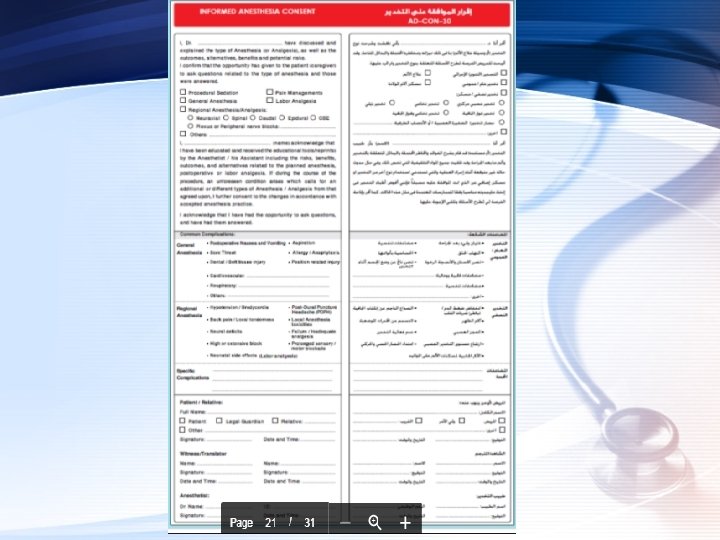
Consent • Anaesthetic consent is an important aspect of operative consent. • All patients should have received written information in advance as well as an explanation of side effects: 1. Common side effects, e. g. postoperative nausea and vomiting 2. Rare side effects, e. g. nerve damage after spinal or epidural Anaesthesia 3. Risks specific to that patient – this can relate to a career (e. g. an opera singer and the risk of vocal cord injury) or the risk of perioperative myocardial infarction in a patient with a significant history of cardiac disease. • Consent must be obtained before any sedating , premedication is given.
Consent requires 1. Capacity necessitates: • Ability to understand retain information about the treatment • Ability to weigh up the information • Ability to make a free choice 2. Enough relevant information
Informing the patient • patients will ask about their immediate recovery • Finally – reassure patients about postoperative pain control – informed of the technique • Consent for anaesthesia
Premedication
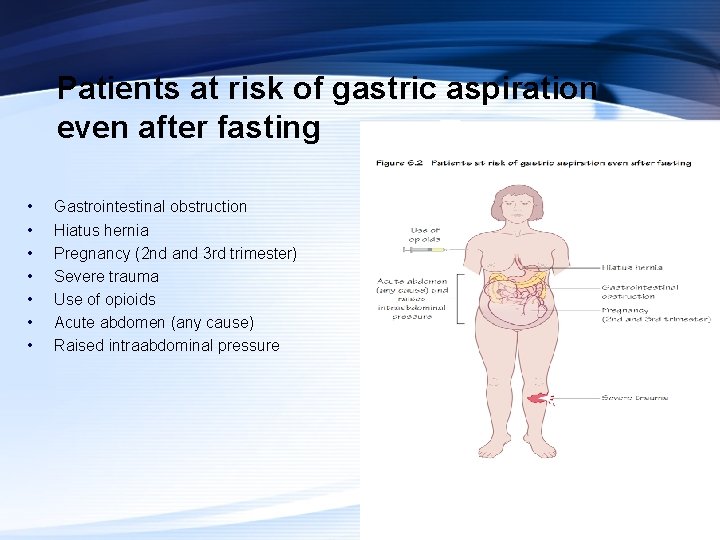
Patients at risk of gastric aspiration even after fasting • • Gastrointestinal obstruction Hiatus hernia Pregnancy (2 nd and 3 rd trimester) Severe trauma Use of opioids Acute abdomen (any cause) Raised intraabdominal pressure
The 6 As of premedication • Anxiolysis – the best anxiolytic is the anesthetist who visits the patient and listens to the patient • • • Amnesia Anti-emetic Antacid Anti-autonomic Analgesic
Premedication • Anxiolysis – benzodiazepines – phenothiazines • Amnesia – lorazepam anterograde amnesia
Premedication • Anti-emetic – – – dopamine antagonists antihistamines anticholinergics phenothiazines 5 -hydroxytryptamine antagonists a 2 - agonists: clonidine, Dex
Premedication • Antacid • • • – – Patients who have received opiates present as emergencies If in pain delayed gastric emptying hiatus hernia Oral sodium citrate Ranitidine , Proton inhibitors Metoclopramide naso- or orogastric tube
Premedication • Anti-autonomic – Parasympathetic reflexes • • Excessive vagal activity causing profound bradycardia halothane suxamethonium surgery traction on the extraocular muscles handling of the viscera during elevation of a fractured zygoma
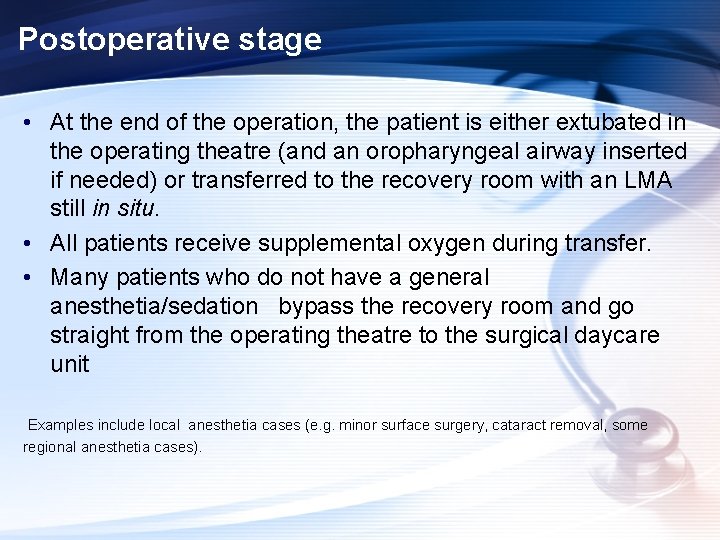
Postoperative stage • At the end of the operation, the patient is either extubated in the operating theatre (and an oropharyngeal airway inserted if needed) or transferred to the recovery room with an LMA still in situ. • All patients receive supplemental oxygen during transfer. • Many patients who do not have a general anesthetia/sedation bypass the recovery room and go straight from the operating theatre to the surgical daycare unit Examples include local anesthetia cases (e. g. minor surface surgery, cataract removal, some regional anesthetia cases).
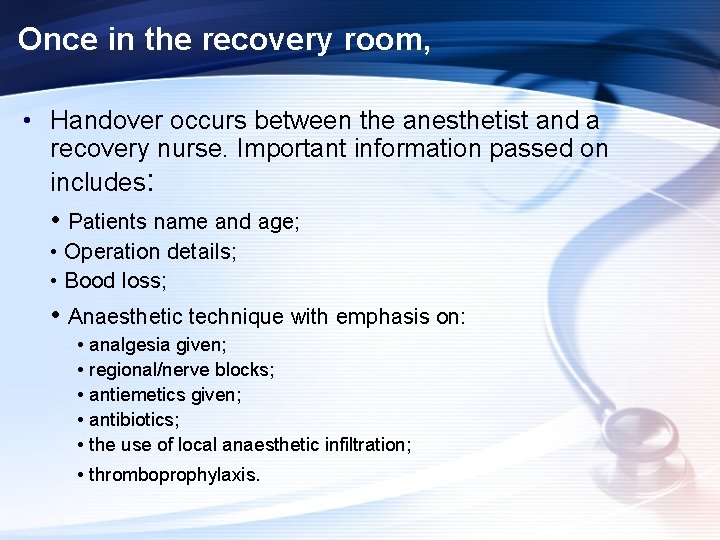
Once in the recovery room, • Handover occurs between the anesthetist and a recovery nurse. Important information passed on includes: • Patients name and age; • Operation details; • Bood loss; • Anaesthetic technique with emphasis on: • analgesia given; • regional/nerve blocks; • antiemetics given; • antibiotics; • the use of local anaesthetic infiltration; • thromboprophylaxis.