
Prehistory Neolithic Revolution Traits of Civilization Early Humans
- Slides: 27
Prehistory Neolithic Revolution Traits of Civilization Early Humans
Prehistory-3500 BC Prehistory: Before written records
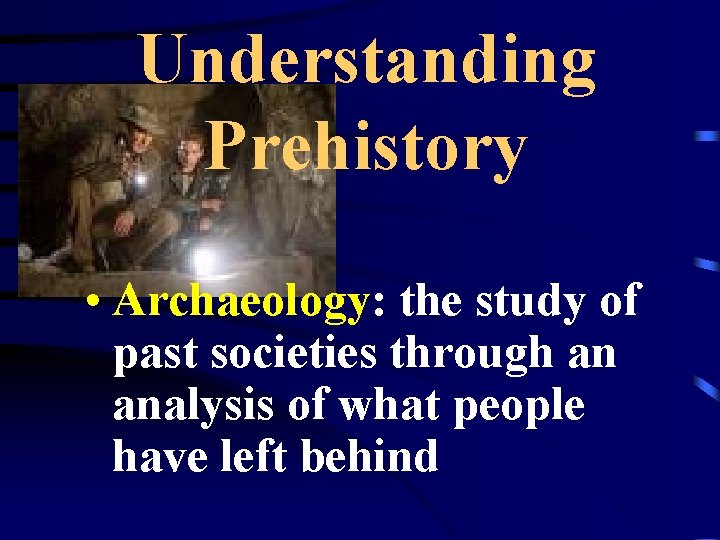
Understanding Prehistory • Archaeology: the study of past societies through an analysis of what people have left behind
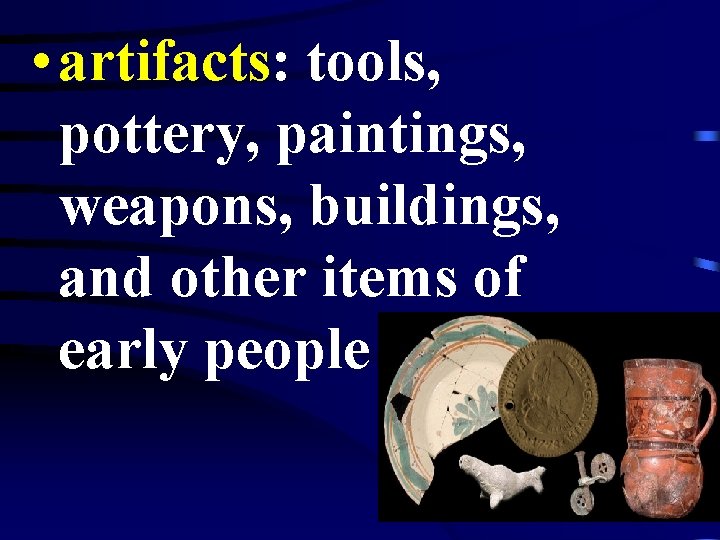
• artifacts: tools, pottery, paintings, weapons, buildings, and other items of early people
Anthropologist: studies culture – uses artifacts and fossils to determine how people lived their lives • Culture: Unique way of life of a people
Early Stages of Development
Stage 1 - Hominid: • the earliest humanlike creatures that walked upright
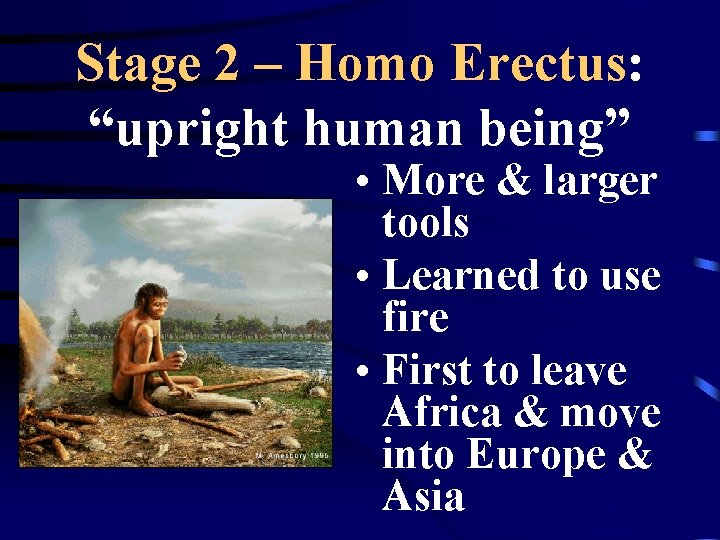
Stage 2 – Homo Erectus: “upright human being” • More & larger tools • Learned to use fire • First to leave Africa & move into Europe & Asia
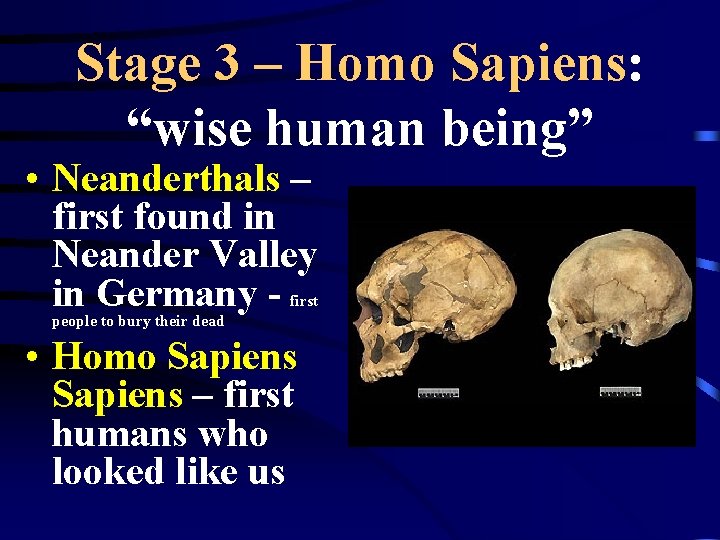
Stage 3 – Homo Sapiens: “wise human being” • Neanderthals – first found in Neander Valley in Germany - first people to bury their dead • Homo Sapiens – first humans who looked like us
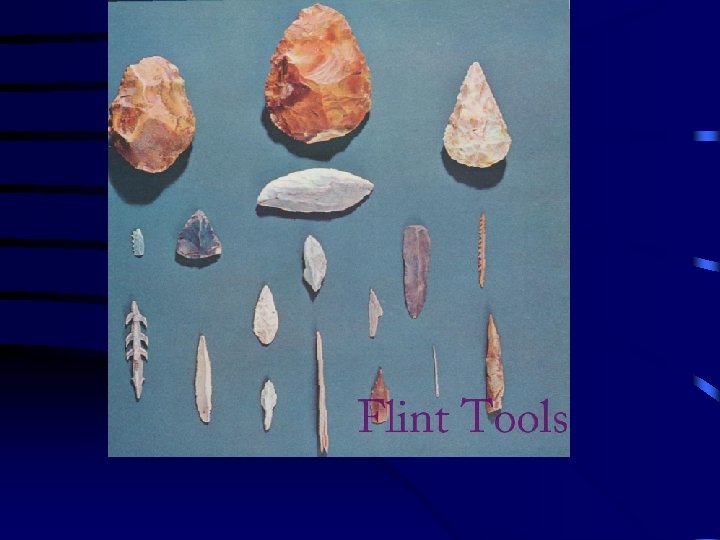
The Paleolithic Age • Old Stone Age • Used simple stone tools
Lifestyle • Nomads – moved from place to place following the animal migration & vegetation cycles
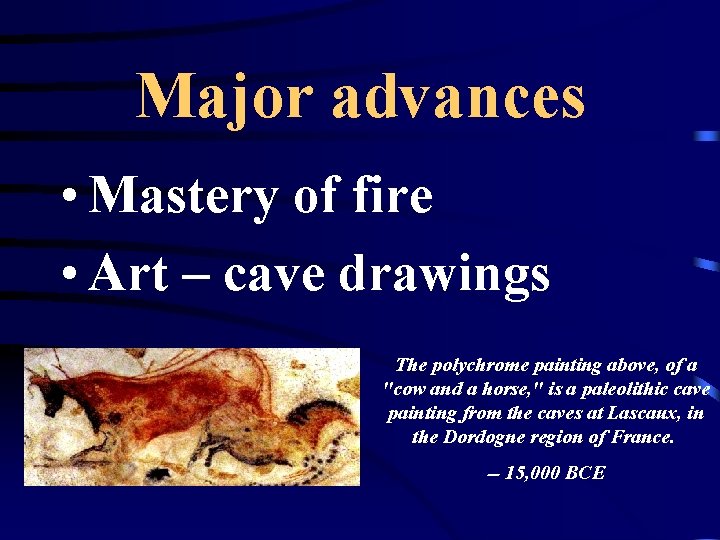
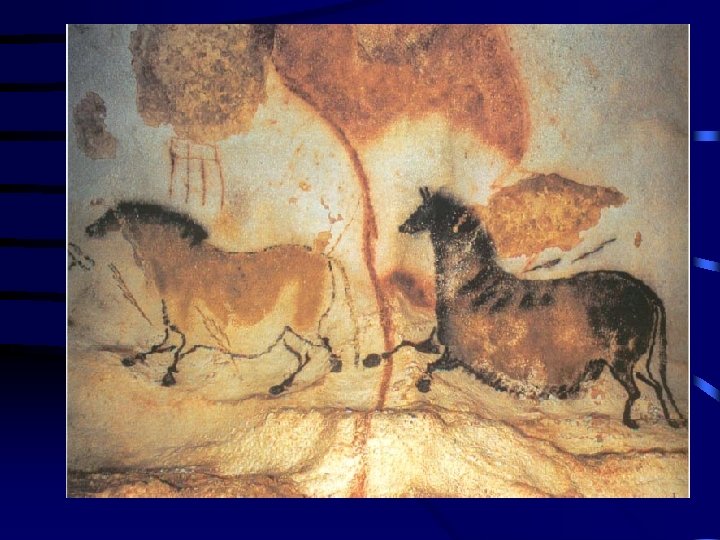
Major advances • Mastery of fire • Art – cave drawings The polychrome painting above, of a "cow and a horse, " is a paleolithic cave painting from the caves at Lascaux, in the Dordogne region of France. -- 15, 000 BCE
The Neolithic Revolution and the Rise of Civilization
NEOLITHIC REVOLUTION: The shift from hunting of animals and gathering of food to the keeping of animals and the growing of food on a regular basis that occurred around 8000 B. C.
Neolithic = Greek for “new stone”
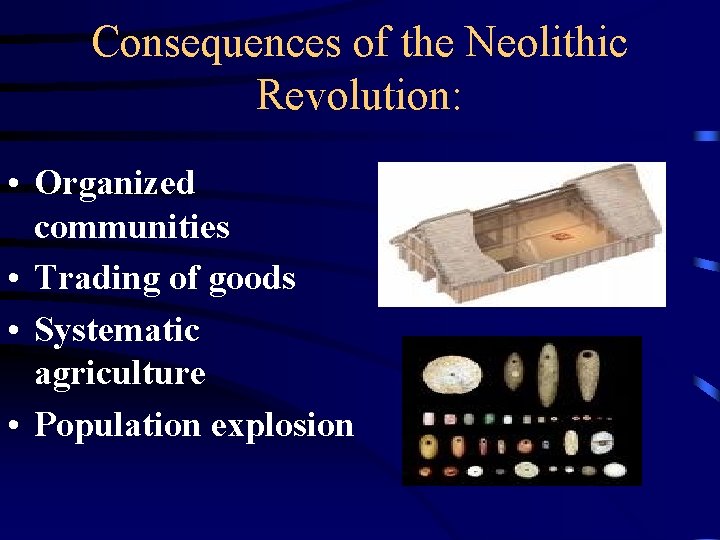
Consequences of the Neolithic Revolution: • Organized communities • Trading of goods • Systematic agriculture • Population explosion
Civilization: a complex culture in which large numbers of people share a number of common elements
6 Characteristics of Civilization 1. Cities 2. Government 3. Religion 4. Social Structure 5. Writing 6. Art
1. The Rise of Cities • First developed in river valleys where people could carry on largescale farming to feed large populations
2. Government • Growing population need to maintain food supply and build walls for defense, led to organization of the government • Organize & regulate human activity • monarchs
3. Religion • Developed to explain the workings of nature and the fact of their own existence • Priests – power by divine authority & led rituals to gain the favor of the gods
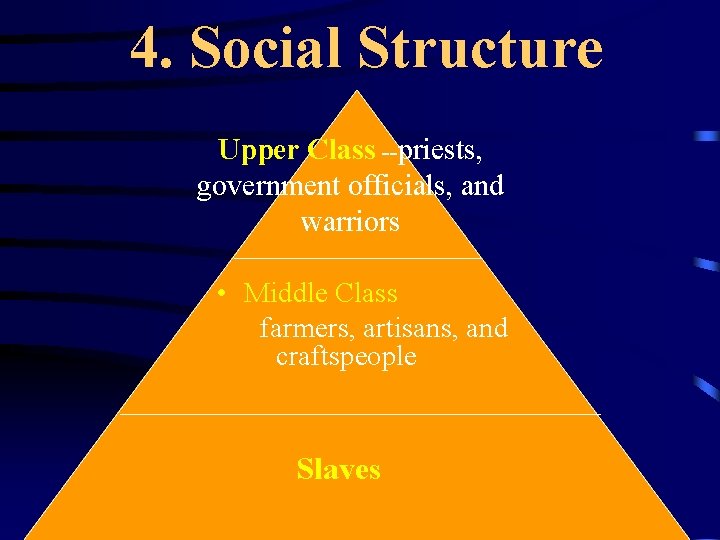
4. Social Structure Upper Class --priests, government officials, and warriors • Middle Class farmers, artisans, and craftspeople Slaves
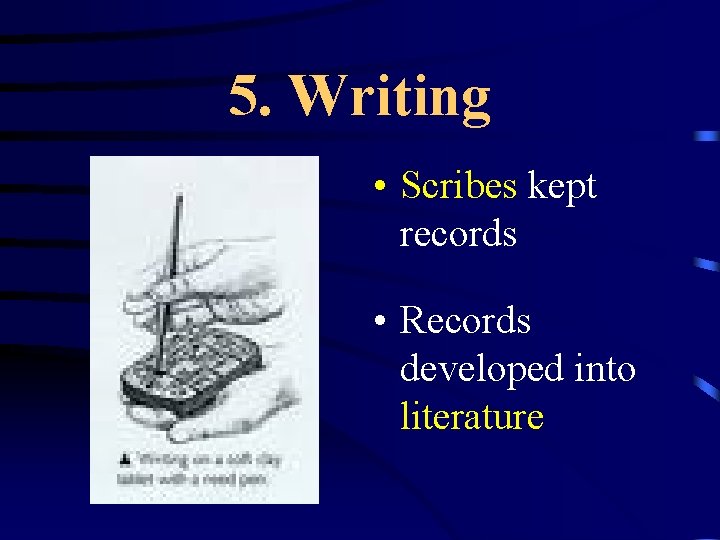
5. Writing • Scribes kept records • Records developed into literature
6. Art • Temples built for worship & burial • Paintings & Sculptures – developed to portray gods & goddesses or natural forces
What do you know? • What are the 6 traits of a civilization? • Give an example of each.