
Pregnancy and Birth Am I Pregnant Common Symptoms
Pregnancy and Birth
Am I Pregnant? Common Symptoms …. ¡Missed menstrual period ¡Breast tenderness ¡Morning sickness ¡More frequent urination
Diagnosing Pregnancy ¡ Presumptive Signs: breast changes, amenorrhea, nausea, vomiting, fatigue, frequent urination ¡ Probable Signs: Positive pregnancy test, physical changes in the uterus ¡ Positive Signs: Ultrasound or X-ray of fetus, fetal heartbeat, fetal movement
Pregnancy Tests ¡ Physician tests ¡ Home pregnancy tests ¡ test based on detection of h. Cg ¡ Human chorionic gonadotropin a hormone secreted by the placenta; it is the substance detected in pregnancy tests
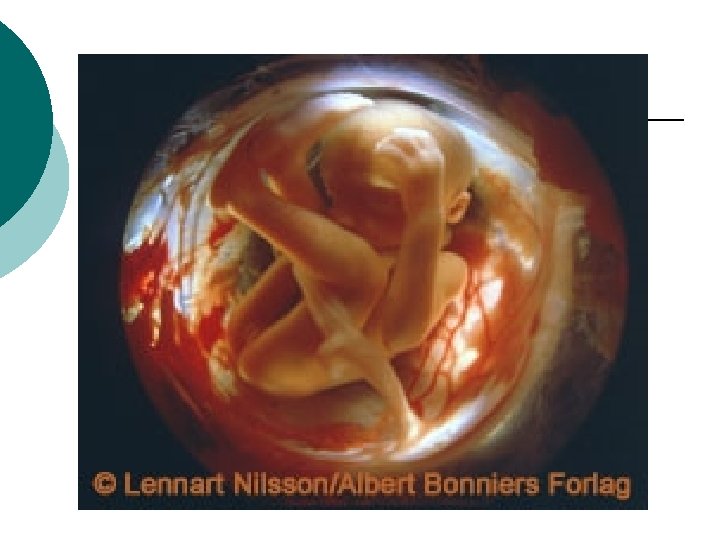
Prenatal Development ¡ Nine months of pregnancy are divided into three equal periods of three months – called trimesters – First trimester - months 1 to 3 (embryo- first 2 months) (fetus- next 7 months) – Second trimester - months 4 to 6 – Third trimester - months 7 to 9
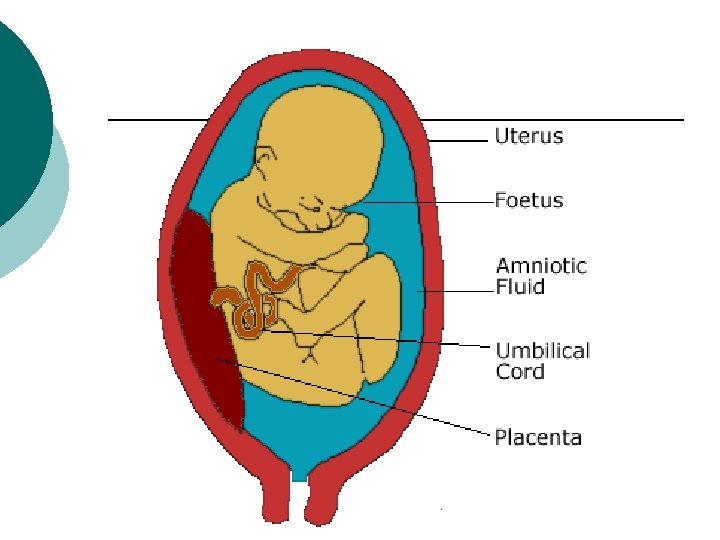
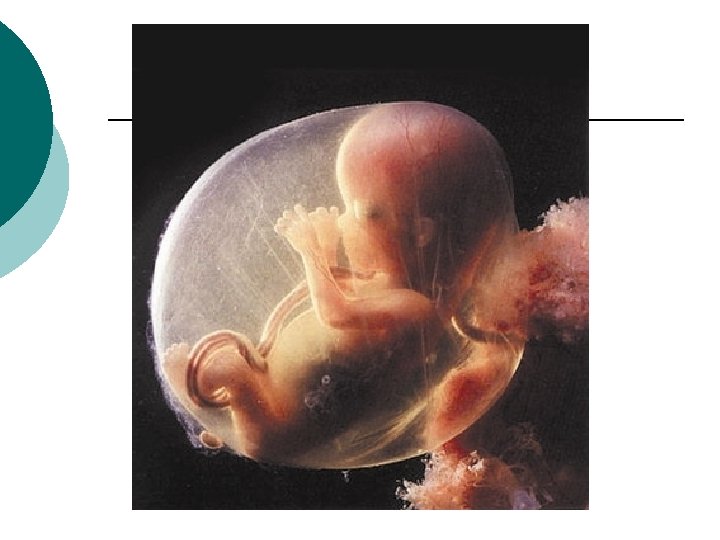
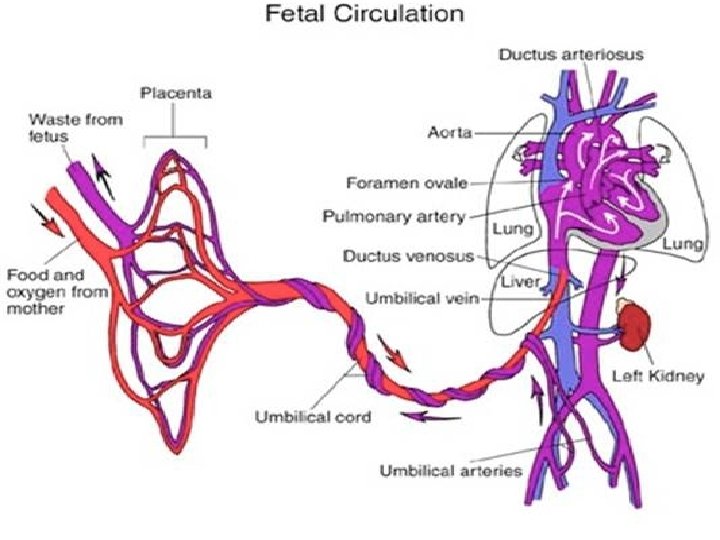
The Embryo and Its Support Systems ¡ Placenta - an organ formed on the wall of the uterus through which the fetus receives oxygen and nutrients and gets rid of waste products ¡ Umbilical cord - the tube that connects the fetus to the placenta ¡ Amniotic fluid - the watery fluid surrounding a developing fetus in the uterus
Fetal Development During the First Trimester ¡ Develops into a fetus with most of the major organ systems present • 4 th to 8 th week - external body parts develop ¡ 7 th week - liver, lungs, pancreas, kidneys, and intestines have formed and begun limited functioning ¡ End of 12 th week - 10 centimeters long; weighs 19 grams
Mom’s Physical Changes: First Trimester ¡ Large increase in levels of hormones ¡ Breasts swell and tingle; development of mammary glands ¡ Need to urinate ¡ Morning sickness ¡ Vaginal discharges may increase ¡ Feelings of fatigue and sleepiness ¡ Depression is common ¡ Emotional roller coaster
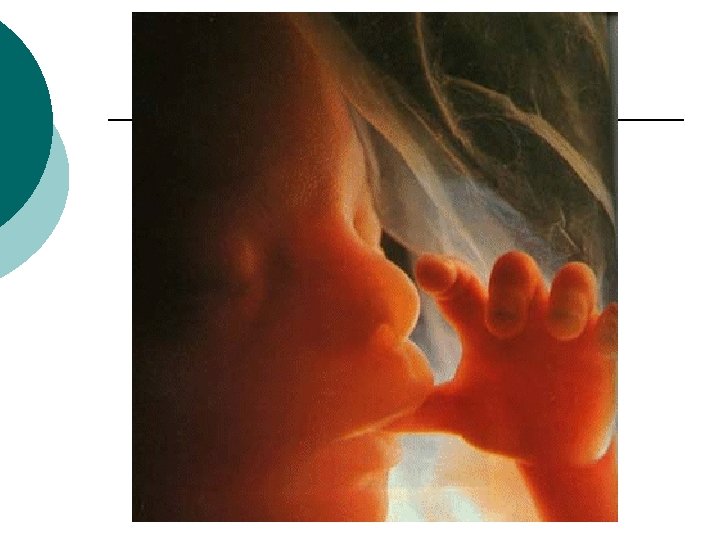
Fetal Development During the Second Trimester ¡ Quickening occurs - woman becomes aware of fetal movements – around the end of the 14 th week ¡ Fetal heart beat can be detected ¡ Fetus opens its eyes
Mom’s Physical Changes: Second Trimester ¡ Morning sickness disappears ¡ Constipation and nosebleeds sometimes occur ¡ Edema - water retention and swelling ¡ Colostrum may come out of the nipple ¡ Emotional well-being improves

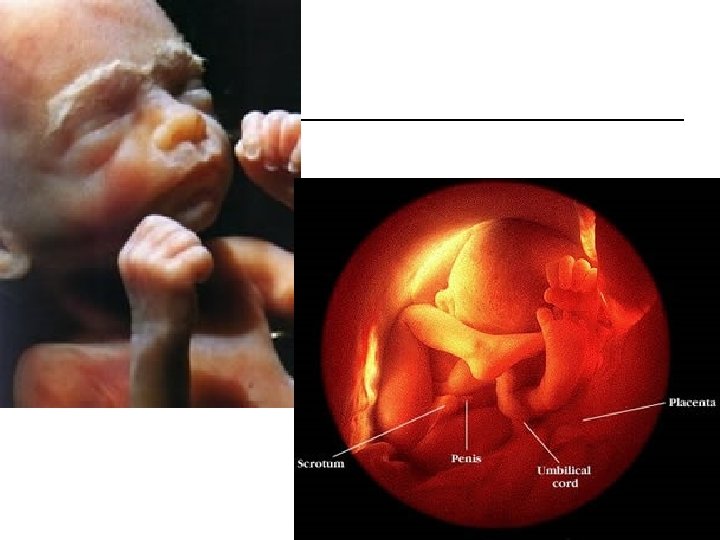
Fetal Development During the Third Trimester ¡ Fetus’s skin is wrinkled and covered with downlike hairlanugo and a waxy protective layer- vernix ¡ Fetus turns in uterus to assume a head-down position ¡ Fetus experiences rapid growth
Sex During Pregnancy ¡ Intercourse can continue safely throughout pregnancy, unless otherwise stated by doctor ¡ Some anecdotal evidence of hormones in semen inducing labor
Nutrition During Pregnancy ¡ Diet during is extremely important ¡ Woman must get enough protein, folic acid, calcium, magnesium and vitamin A ¡ The fetus comes first – it draws the nutrients it needs first, and whatever is left is for mom
Nutrition Deficiencies ¡ Calcium – future risk of bone and tooth loss ¡ Folic acid – (folate) much higher risk of neural tube defects. (decreases risk by 50%) ¡ Zinc – malformations of the central nervous system
Effects of Drugs Taken During Pregnancy ¡ Teratogens - a substance that produces defects in a fetus Examples of teratogens: ¡ Antibiotics ¡ Alcohol - fetal alcohol syndrome ¡ Tobacco ¡ Other psychoactive drugs (cocaine, heroin) ¡ Thalidomide- drug that can cause limb defects ¡ Other drugs - check with physician and “when in doubt, don’t”
Birth: The Beginning of Labor ¡ Bloody show- discharge of mucous plug, along with some blood, that sealed the cervix ¡ Amniotic sac ruptures“water breaking” ¡ Contractions may start ¡ Labor divided into 3 stages
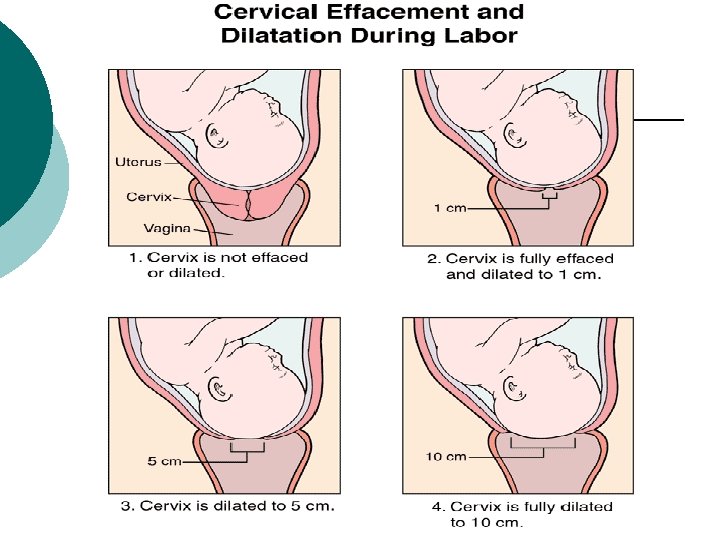
The First Stage of Labor: Dilation and Contractions ¡ Regular contraction of uterus muscles ¡ Effacement of cervix (thinning) ¡ Dilation of cervix (enlargement) o Divided into 3 stages: – Early first-stage labor (0 -5 cm dilation) – Late first-stage labor (5 -8 cm dilation) – Transition phase (8 -10 cm dilation)
Pain Management ¡ ¡ ¡ Epidural or Spinal Medication regional blocks prevent the nerves from sending signals to the brain; numbs or reduces pain in part of the body (from the abdomen down). Mental Relaxation Techniques Some techniques aim to focus your thoughts, others to distract you. Music, breathing, visualization are common. Narcotic Analgesics reduces your entire body’s ability to sense pain or discomfort. Administered through a shot or IV and will wear off within a few hours. Not recommended if you are within two hours of your baby’s birth. Physical Comfort Measures Hot and cold packs, massage, sipping cool water are common. Position Changes Some positions improve your baby's ability to navigate through the pelvis, other positions hinder his efforts. Some positions can help to reduce the pressure associated with a back labor, other positions make it easier to relax your body and rest. Water Tubs and showers help to handle contractions with less discomfort.
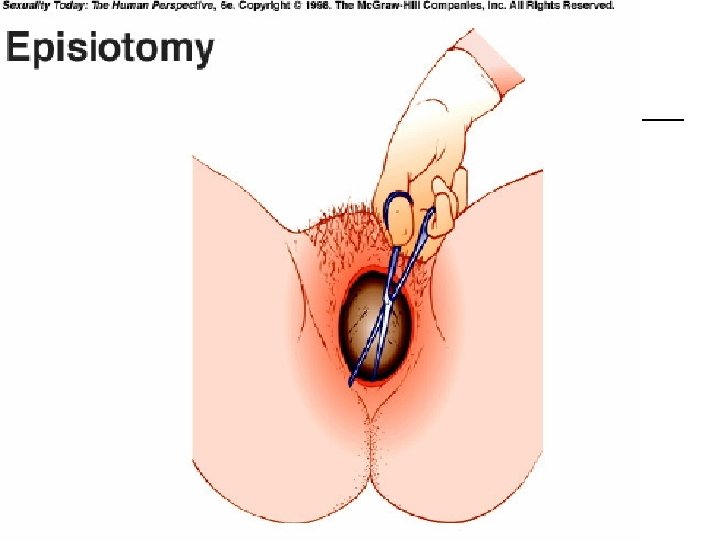
The Second Stage of Labor: Delivery of the baby ¡ ¡ ¡ Begins when cervix is fully dilated Urge to push or bear down Crowning – top of the head is visible Fontanel- soft spots between the skull bones of the baby Episiotomy may be performed – incision that is sometimes made at the vaginal entrance during birth Baby is born
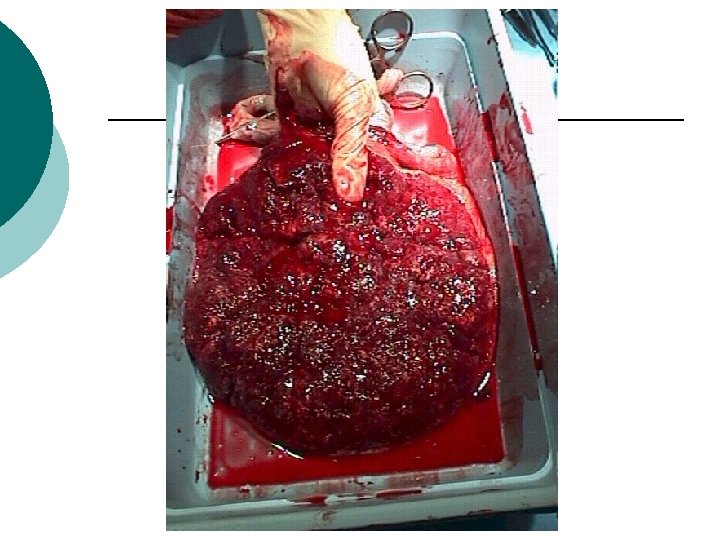
The Third Stage of Labor: Delivery of the afterbirth ¡ Placenta detaches from walls of the uterus ¡ Afterbirth is expelled ¡ Several contractions may accompany placental expulsion ¡ Episiotomy and tears are sewn up
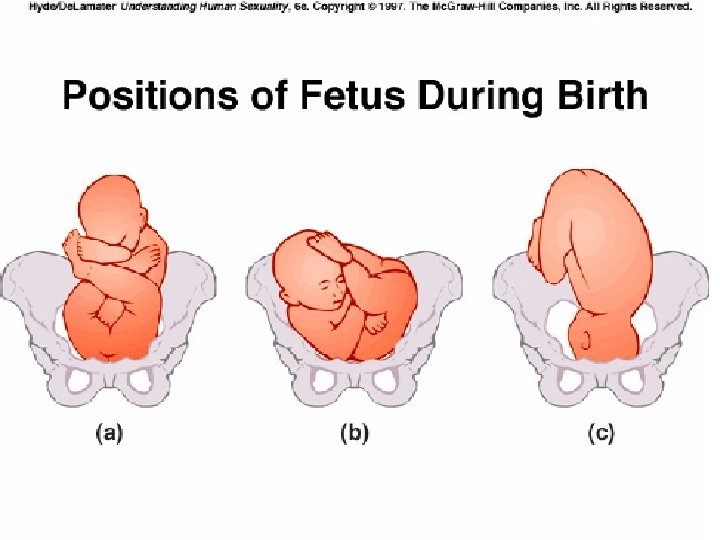
Cesarean Section A method of delivering a baby surgically, by an incision in the abdomen ¡ Reasons to have a C Section: – Baby is too large, mother’s pelvis is too small - Baby not in head down position – Cervix is not dilating – Umbilical cord prolapses – Excessive bleeding – Placenta previa ¡
Newborn testing ¡ ¡ ¡ APGAR- the rating (0 -2) of baby’s physical characteristics 1 and 5 minutes after birth If there are problems with the baby an additional score is given at 10 minutes. A score of 7 -10 is considered normal, while 4 -7 might require some resuscitative measures, and a baby with apgars of 3 and below requires immediate resuscitation. A activity P pulse G grimace A appearance R respiration
The 4 th trimester ¡ Parenting a newborn ¡ Physical and emotional changes again ¡ Post-partum depression a possibility
- Slides: 33