
Predictive Analytics A forward looking perspective on Actuarial




- Slides: 21
Predictive Analytics – A forward looking perspective on Actuarial Risks By Shepherd Fungura, BCom, FASSA, FIA President of Actuarial Society of Zimbabwe Group Chief Risk Officer at Old Mutual Zimbabwe @ Insurance Institute of Zimbabwe Winter School – Monday 22 August 2016
Disclaimer • Views expressed in the presentation are those of the presenter and are not representative their professional membership organisations as well as employer; therefore no liability arising from the presentation should be directed to the said organisations. • The internet was used as a main source of information in this presentation
Agenda • • • Data and information Predictive Analytics Actuarial Philosophy, Risks and Methods Application of Results Importance of Business Predictions From Predictive to Prescriptive
Data and Information A. Definitions • Data definition ▫ facts and statistics collected together for reference or analysis ▫ Information in raw or unorganized form (such as alphabets, numbers, or symbols) that refer to, or represent, conditions, ideas, or objects • Information definition ▫ facts provided or learned about something or someone ▫ The result of applying data processing to data, giving it context and meaning
Data and Information B. Sources • Internal ▫ Hardcopy files ▫ Customer database on IT platform • External ▫ Published Financial Statements ▫ Media – print or digital ▫ Government/Regulatory publications
Data and Information C. Importance in Insurance • Absence of data/information crumbles an insurance company • Complete and accurate data/information may give an insurance company competitive edge when correctly put to appropriate plus good use D. Uses in Insurance • Pricing • Profit testing • Liability Reserving or Provisioning • Solvency Assessment – or Financial Soundness • Decision Making
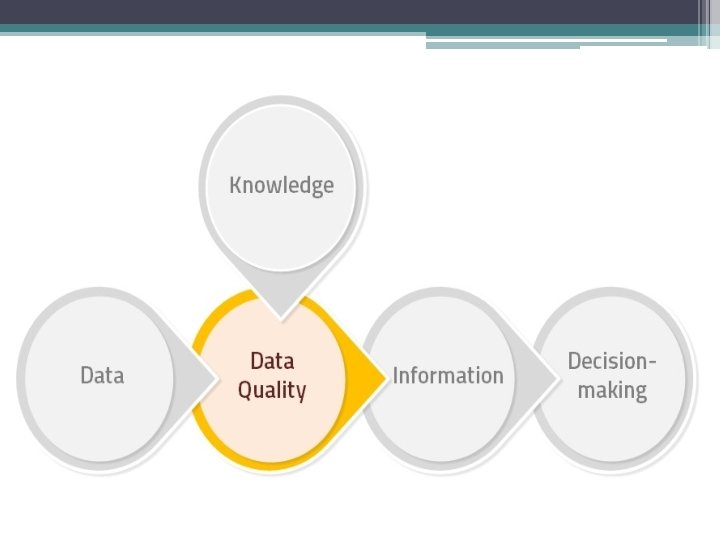
Data and Information
Predictive Analytics A. Definition Predictive analytics is the branch of the advanced analytics which is used to make predictions about unknown future events. Predictive analytics uses many techniques from data mining, statistics, modelling, machine learning, and artificial intelligence to analyze current data to make predictions about future.
Predictive Analytics B. Key Predictive Analytics blocks: ▫ Data mine ▫ Statistics or data analysis e. g. average, minimum, maximum, mode, median, standard deviation ▫ Modelling or data manipulations/calculations ▫ Machine learning & Artificial Intelligence or use of technology i. e. computers ▫ Future predictions or estimations or projections
Predictive Analytics C. Use of History to Predict Future Predictive Analytics uses technology to predict the future and influence it. Organizations can use historical performance data to extrapolate and make predictions about the future and take actions that would affect those results.
Predictive Analytics
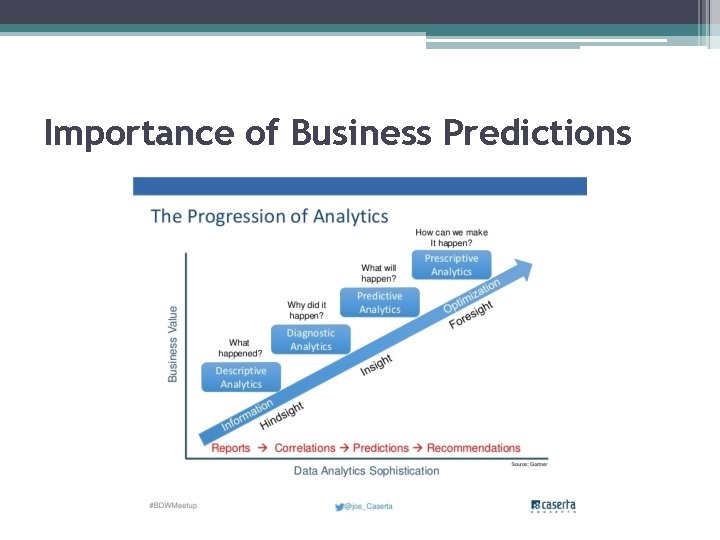
Actuarial Philosophy, Risks and Methods A. Actuarial Philosophy • Making sense of the future using history and present experience • Encompasses: ▫ ▫ Descriptive analytics – data collection & analysis Diagnostic analytics – assumptions setting Predictive analytics – modelling/calculations Prescriptive analytics – recommendations
Actuarial Philosophy, Risks and Methods B. Actuarial Risks • Those risks with complexities e. g. uncertainty of when event will take place (insurance – both life & short term) or due to length of time (pensions) or matrix of severity and frequency (short-term insurance) e. t. c. ▫ ▫ Mortality risk in life insurance Longevity risk in pensions or employee benefits Disability risk in health and care Reserving/Provisioning risk in short term insurance
Actuarial Philosophy, Risks and Methods C. Actuarial Methods • Well established – tried and tested • However there’s development and growth in methods used • Common methods are: ▫ Deterministic (statistical, probabilistic and mathematical) ▫ Stochastic (random events modelling)
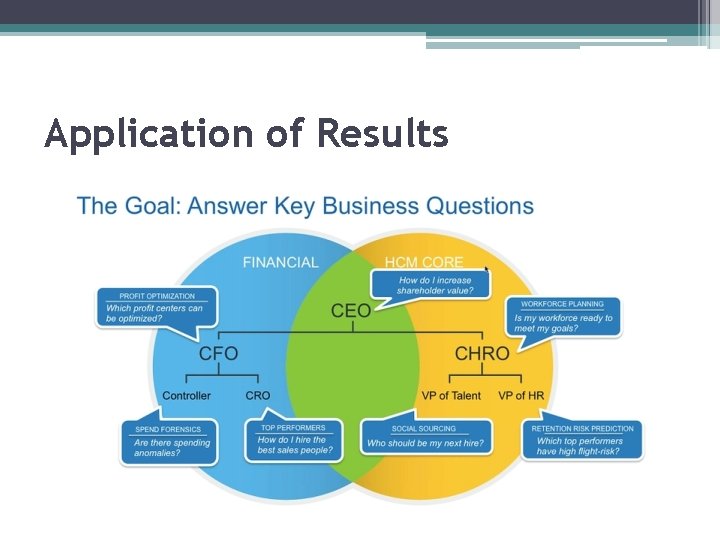
Application of Results
Application of Results
Importance of Business Predictions • • Business Planning Financial Forecasting Risk Management and Efficiency Success or Value Competitive edge Sustainability or Going Concern Decision making
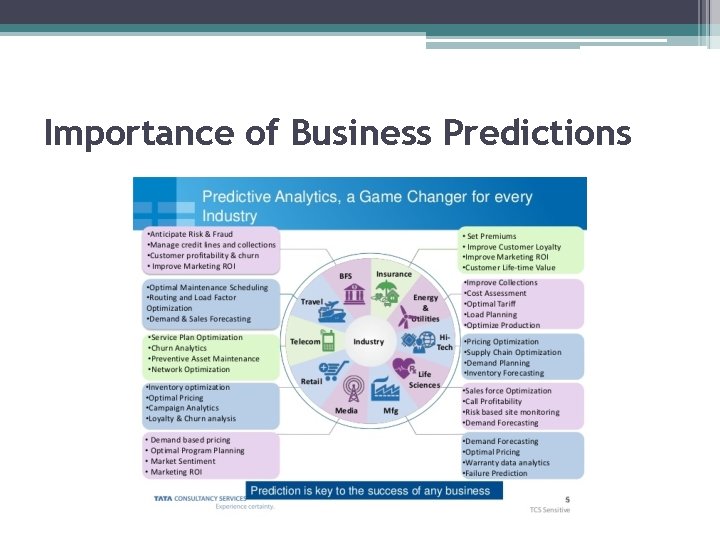
Importance of Business Predictions
Importance of Business Predictions
From Predictive to Prescriptive Predictive analytics shouldn’t be seen as the end goal for your organization, but as a single step in a longer journey. Most companies use descriptive analytics to help them process immediate, incoming data. Predictive analytics can be seen as the next logical step, allowing you to apply that data to make predictions about when something might go wrong and why. Of course, the job isn’t over once you’ve made this forecast — by building the predictive data into concrete solutions for future problems, your predictive analytics become prescriptive