
Precursors to the Industrial Revolution I Agrarian Revolution

- Slides: 14
Precursors to the Industrial Revolution I. Agrarian Revolution II. Population Explosion III. (one thing leads to another!)
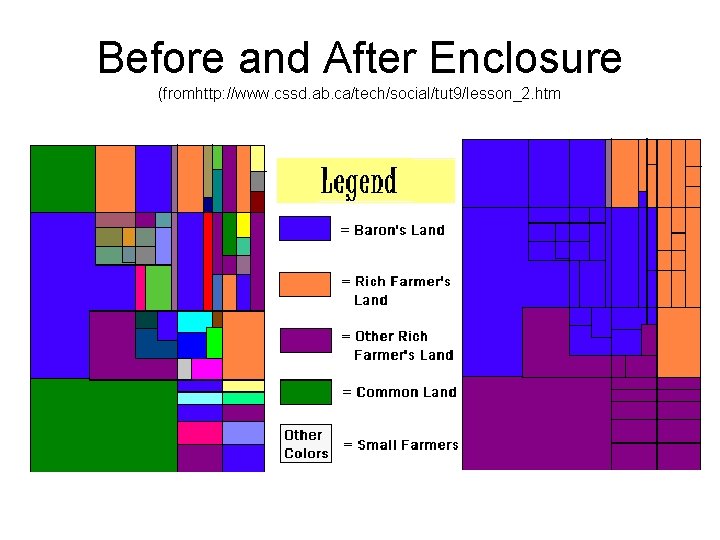
The Agrarian Revolution (late 17 th – 18 th C) – More complex systems of crop rotation more food more people – Grain crops alt. with nitro-storing crops – Townshend – Turnips & crop rotation – Tull – Seed Drill – Farming more profitable on large pieces of land • Enclosure movement end of common land use thus end of independence of rural poor who rely on them (see next slide!) – England the low countries lead the Ag Rev (drain Fen land) – By 1815 land in UK is concentrated among a minority of landlords who rent to farmers landless rural proletariat
Before and After Enclosure (fromhttp: //www. cssd. ab. ca/tech/social/tut 9/lesson_2. htm
Changes in Science / Farming Population Explosion • Until approx 1700 Europe’s pop. kept low by famine, war & disease • Plague disappears fewer deaths (Asiatic brown rat replaces the black rat) • Improved sanitation better public health • More food more survival
Why Britain? Britain has P 2 EARS P 2 – People & Peace E - Enclosure Acts farmers migrating to cities looking for work in factories A – Agrarian Revolution Innovations R – Resources: Rivers for water power (early mills)/ transport – later canals, Coal (fuel) & Iron (for machines / railroads) S – So Many Colonies! raw materials / export markets
Other Reasons • Small country easy transport • Govt. laws protect private property • Strong navy & merchant fleet b/c of American colonies
Advances in Textiles more products / cheap products Each invention creates a need for the next invention. – First - practice of Domestic System to get around guild law – Flying shuttle – Spinning Jenny – Water Frame – Crompton’s Mule – Cartwright’s Power Loom 1787 weaving can catch up with spinning – Eli Whitney’s Cotton Gin in US
Factories become necessary By mid-1820’s “domestic system” can no longer compete with large machinery. – People large buildings that house machines – Rise of Factories by rivers & streams
“Necessity is the Mother of Invention” Problem 1– sometimes water freezes no power Problem 2 – lumber shortage – need heat forges and homes use of coal & deeper mining Inventions. . . – Newcomen’s engine (steam pump) – used to pump water out of mines – James Watt – 1760’s improves steam engine used to power machines - year round production anywhere
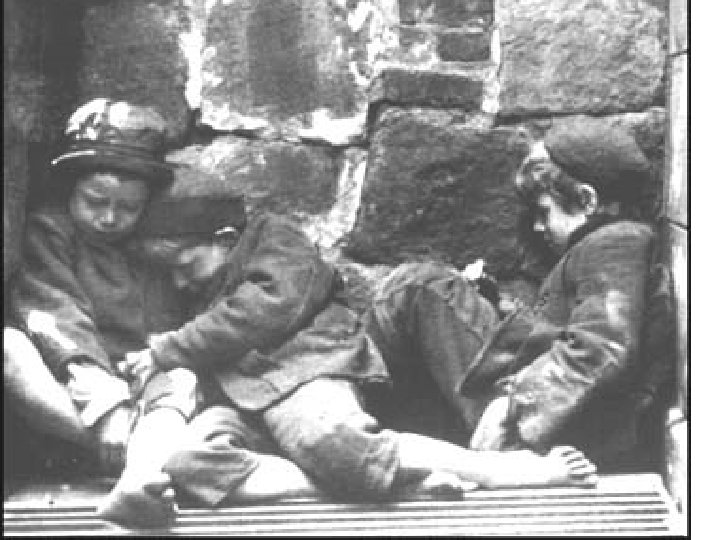
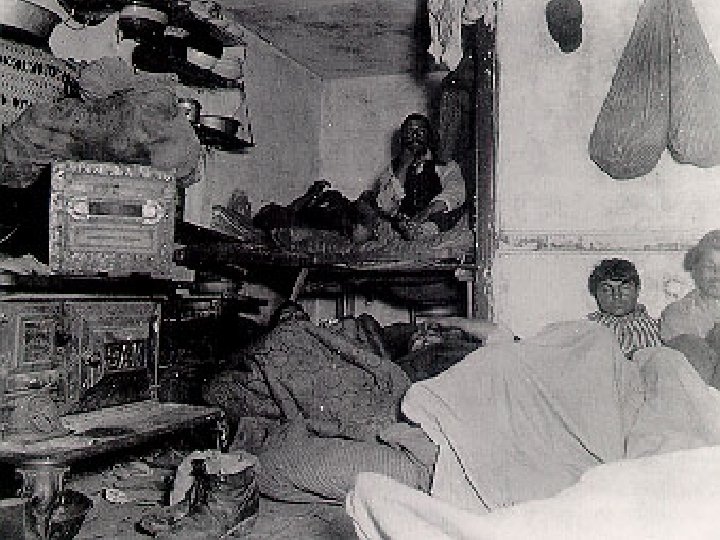
Impacts! I. II. Growth of cities Middle Class expands & changes in nature III. Working Class Conditions Worsen IV. Massive shift in the common Lifestyle and Marriage
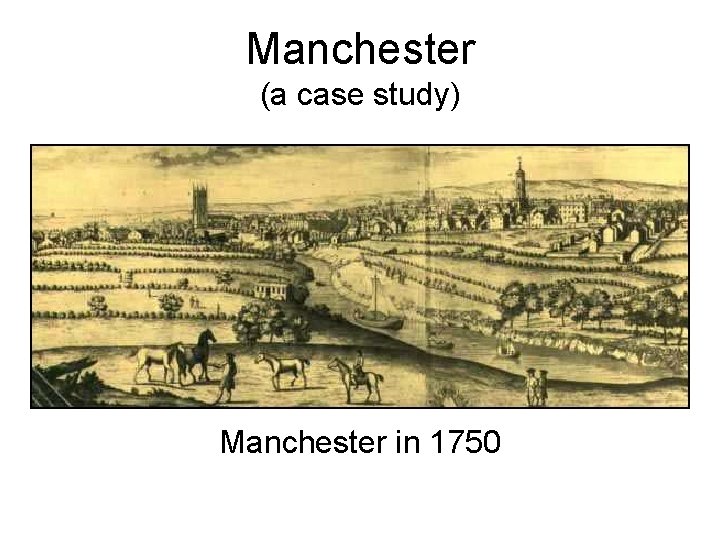
Manchester (a case study) Manchester in 1750
“From this filthy sewer pure gold flows” – Alexis de Tocqueville on Manchester • City centered around factories • Deaths outnumber births there • Flux of people from countryside keep #’s high • Tenement housing springs up • Disease & pollution in streets • No city planning - often no government or police (sprang up too fast – think internet problems!)