
Pre Post Pour Inspection 2 3 Overview Documentation

- Slides: 43
Pre & Post Pour Inspection
2
3 Overview • Documentation • Pre-Pour Inspection • Equipment • Reinforcement • Post-Pour Inspection • Stripping & Handling • Visual & Dimensional
4 Why Document? • Not just for posterity • Documentation is a legal record • Quality Control means nothing without it • Allows others to: • Duplicate our successes • Analyze our failures • Prove our compliance • Benefits our company & industry
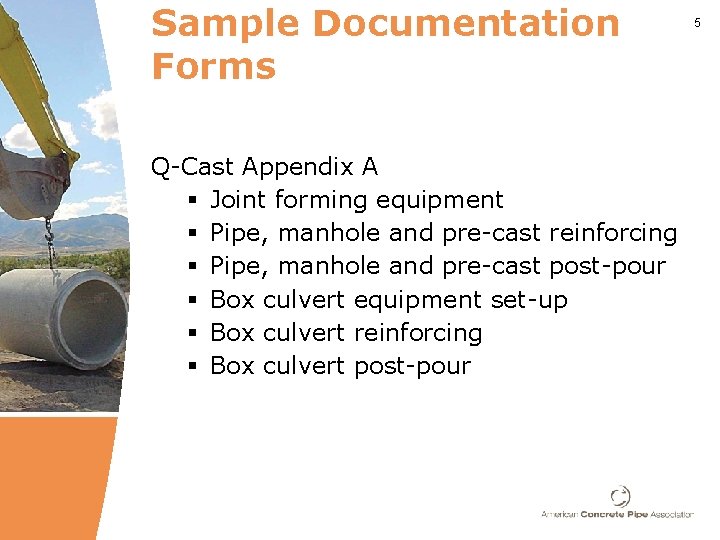
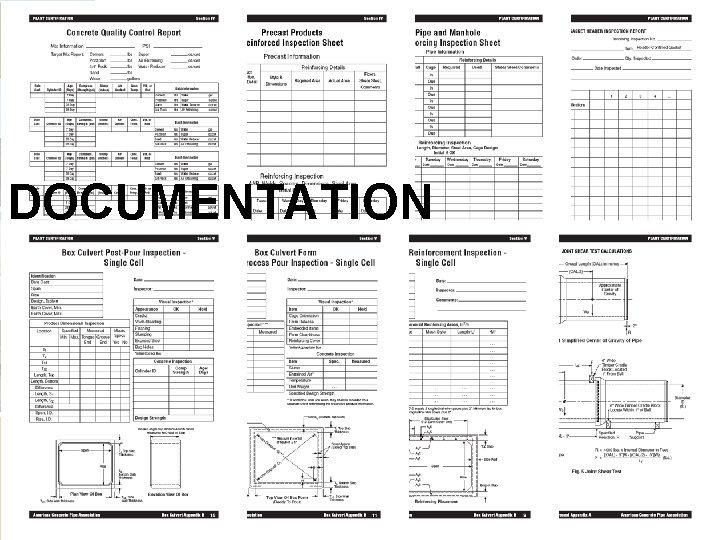
Sample Documentation Forms Q-Cast Appendix A § Joint forming equipment § Pipe, manhole and pre-cast reinforcing § Pipe, manhole and pre-cast post-pour § Box culvert equipment set-up § Box culvert reinforcing § Box culvert post-pour 5
6 DOCUMENTATION
Other Required Documentation • Initial shop drawings for pre-cast structures • Document sanitary sewer pipe and manhole spigot gasket-sealing surface measurements (go/no-go) 7
PRE-POUR INSPECTION
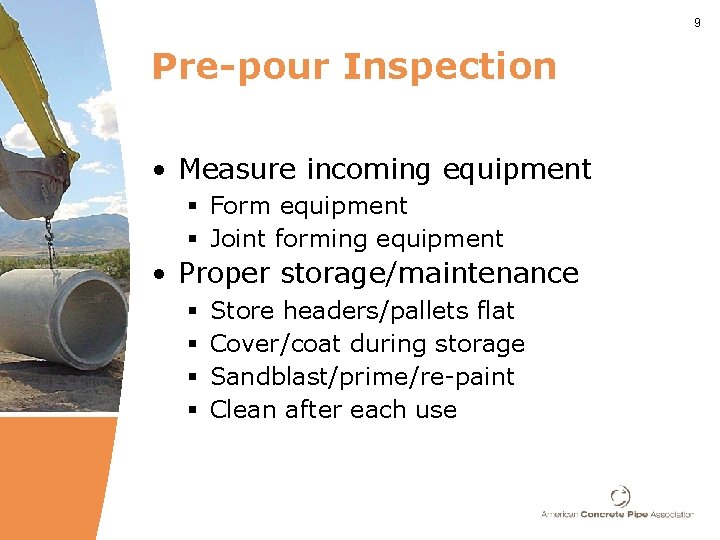
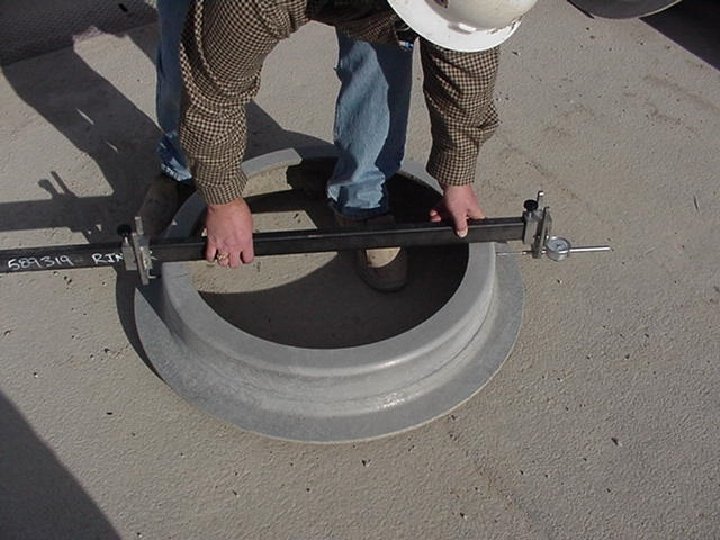
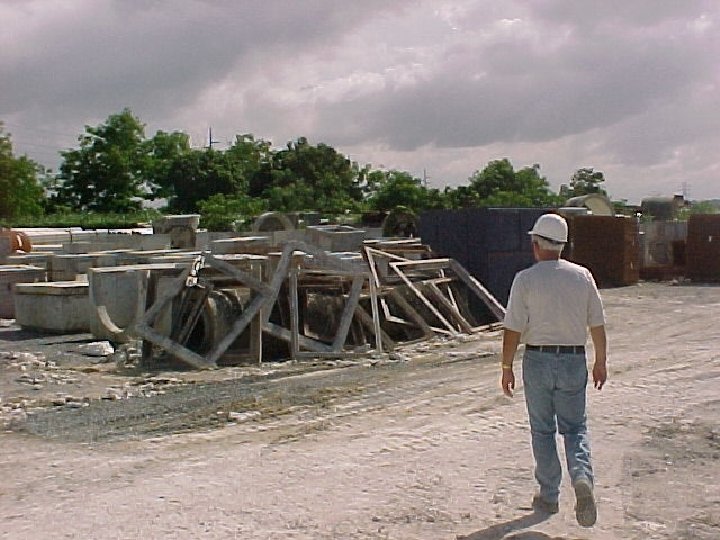
9 Pre-pour Inspection • Measure incoming equipment § Form equipment § Joint forming equipment • Proper storage/maintenance § § Store headers/pallets flat Cover/coat during storage Sandblast/prime/re-paint Clean after each use
10
11
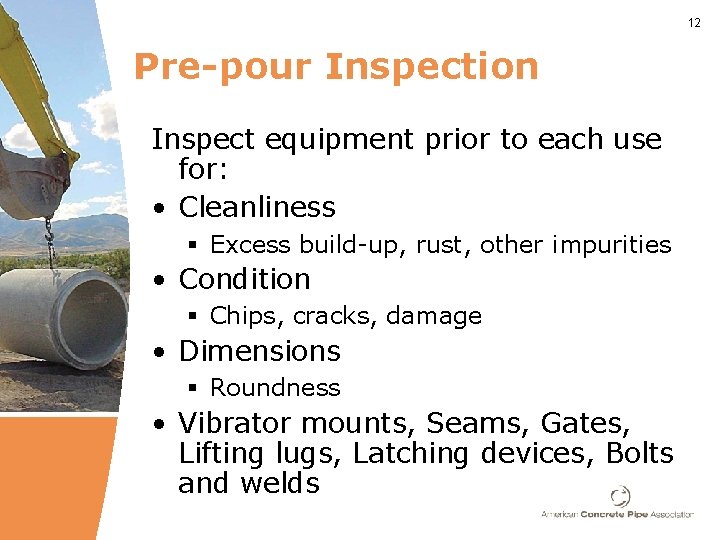
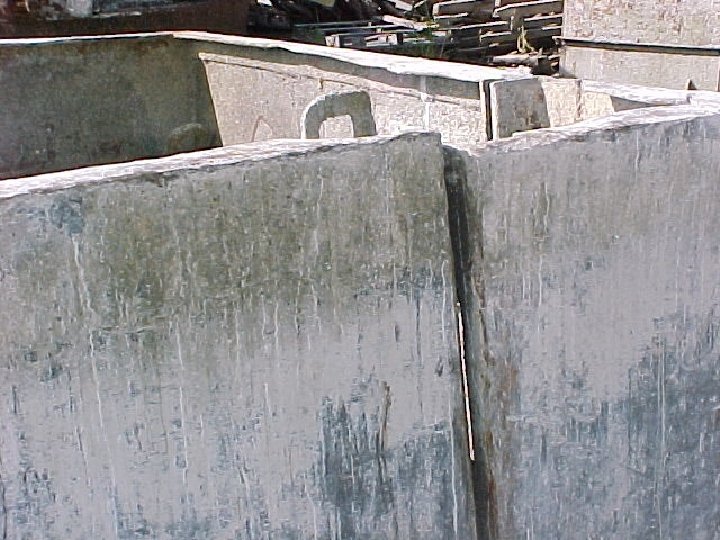
12 Pre-pour Inspection Inspect equipment prior to each use for: • Cleanliness § Excess build-up, rust, other impurities • Condition § Chips, cracks, damage • Dimensions § Roundness • Vibrator mounts, Seams, Gates, Lifting lugs, Latching devices, Bolts and welds
13
14
15
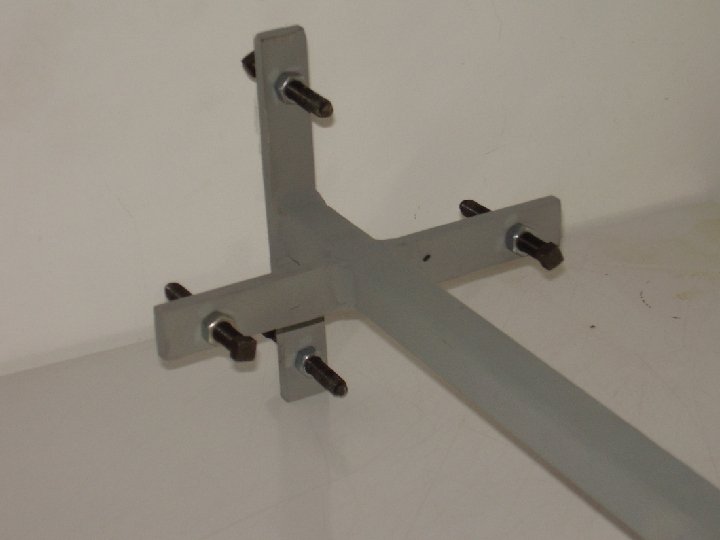
16 Pre-pour Inspection Additional inspection for box culvert equipment • Thickness of top, bottom and side walls • Core rise & span • Both core diagonal measurements • Document measurements
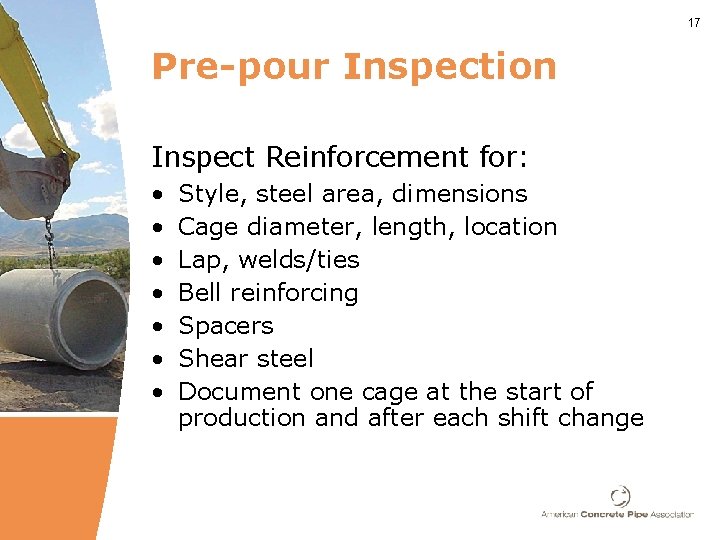
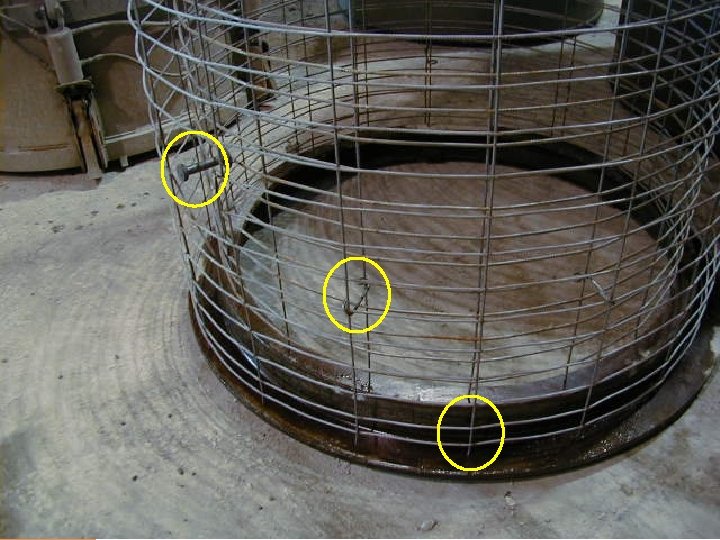
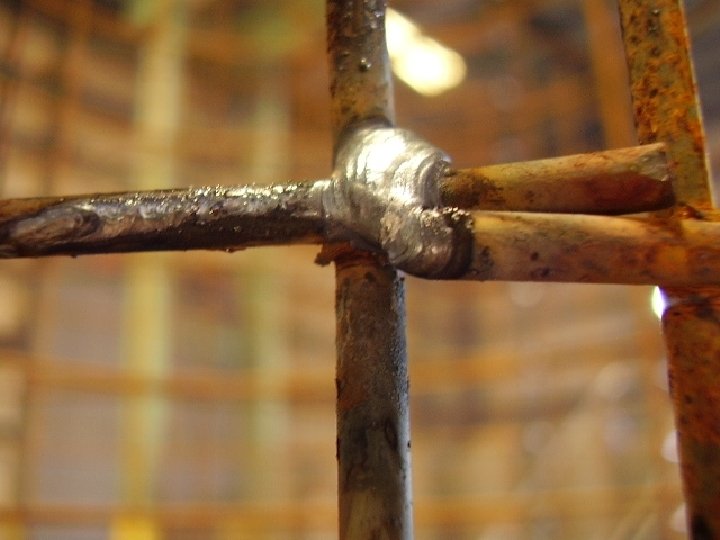
17 Pre-pour Inspection Inspect Reinforcement for: • • Style, steel area, dimensions Cage diameter, length, location Lap, welds/ties Bell reinforcing Spacers Shear steel Document one cage at the start of production and after each shift change
18
19
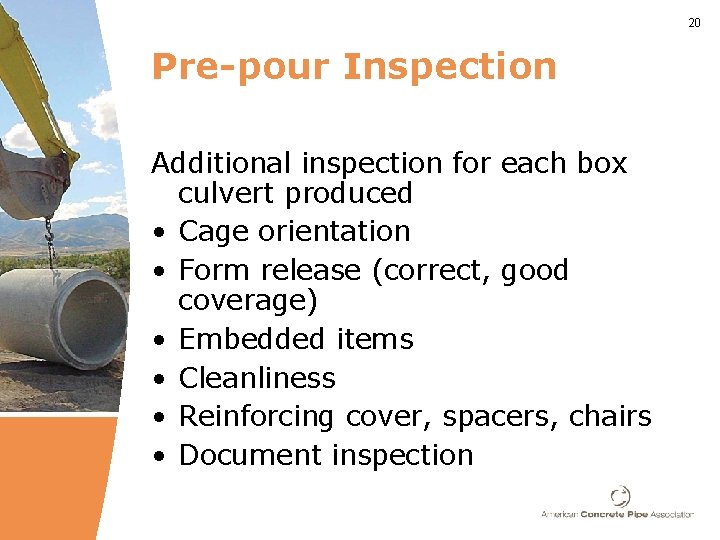
20 Pre-pour Inspection Additional inspection for each box culvert produced • Cage orientation • Form release (correct, good coverage) • Embedded items • Cleanliness • Reinforcing cover, spacers, chairs • Document inspection
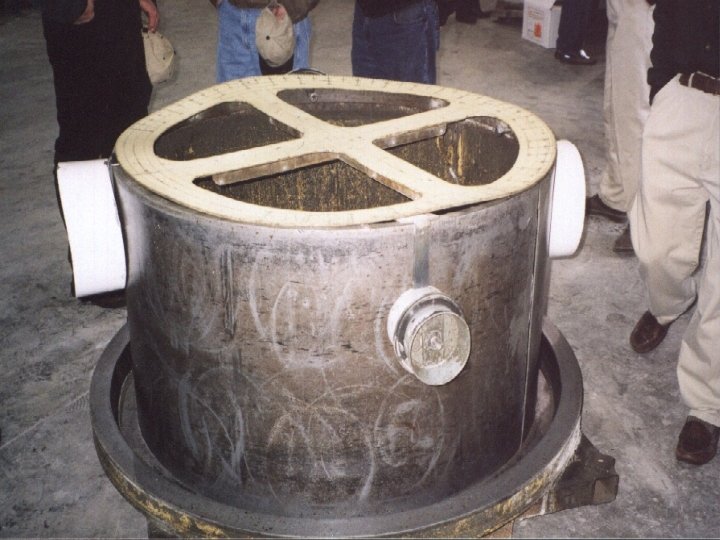
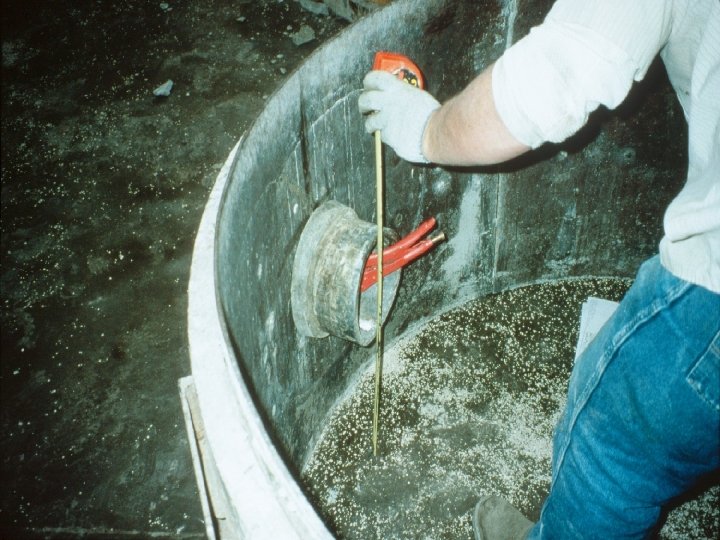
21 Pre-pour Inspection • Additional inspection for Manhole and Pre-cast structures • Location of embedded items • Location of blockouts • Document by initialing the shop drawing
22 Pre-pour Inspection Blockouts Must be properly designed and secured to • Withstand placement stresses • Achieve design location of the hole • Achieve adequate concrete cover for all reinforcement
23
24
25 Pre-pour Inspection Form Release Purpose is to • Prevent hardened concrete from adhering to the form • Provide form protection • Improve product appearance
26 Categories of Release Agents • Barrier (non-reactive) • Chemically Active • Combination of above
Barrier (non-reactive) 27 • Examples § Petroleum-based diesel, heating oils, used crankcase oil • Advantages § Creates a physical barrier between form and fresh concrete • Disadvantages § Need heavy application for easy release (200 -400 ft 2/gal) § Can cause staining and bugholes § May not meet VOC requirements § Can cause buildup on forms
Chemically Reactive 28 • Examples § Fatty acids (vegetable and mineral oils) are chemically reactive agents that combine with calcium in fresh cement paste to produce a soap-like film between the concrete and the form • Advantages § Prevents bonding of concrete to form § Ultra-thin Layer ( 0. 005”) § Reduce bugholes, stains, dusting § Typically meets VOC requirements (verify) • Disadvantages § Typically more costly per gallon
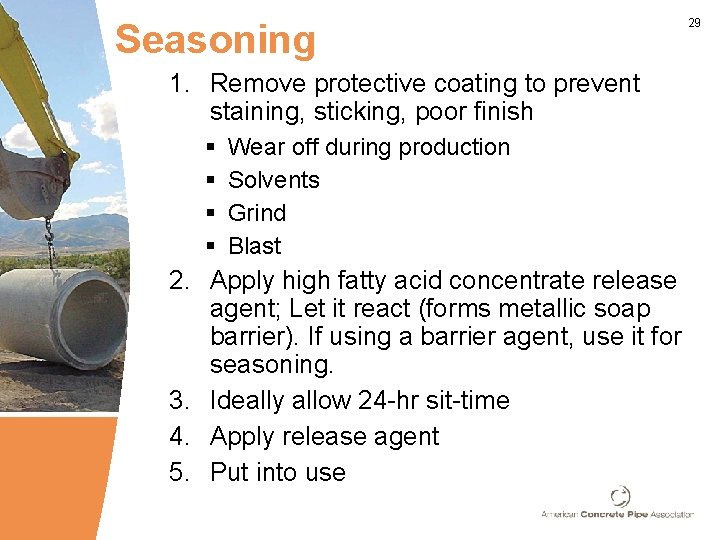
Seasoning 1. Remove protective coating to prevent staining, sticking, poor finish § § Wear off during production Solvents Grind Blast 2. Apply high fatty acid concentrate release agent; Let it react (forms metallic soap barrier). If using a barrier agent, use it for seasoning. 3. Ideally allow 24 -hr sit-time 4. Apply release agent 5. Put into use 29
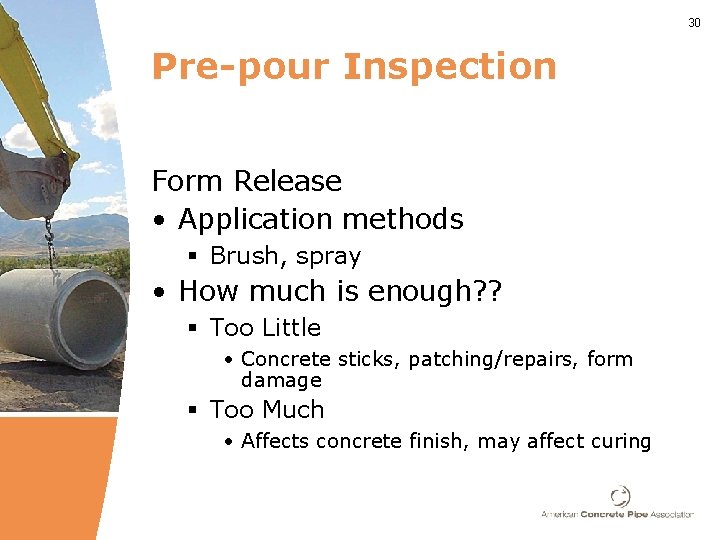
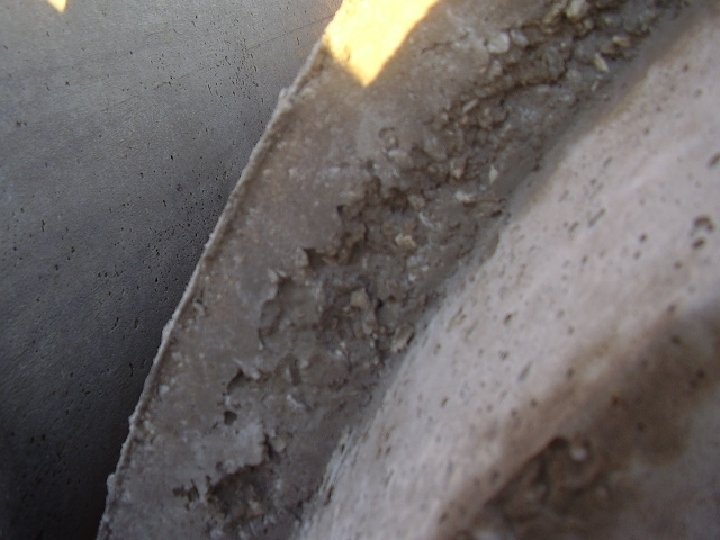
30 Pre-pour Inspection Form Release • Application methods § Brush, spray • How much is enough? ? § Too Little • Concrete sticks, patching/repairs, form damage § Too Much • Affects concrete finish, may affect curing
31
POST-POUR INSPECTION
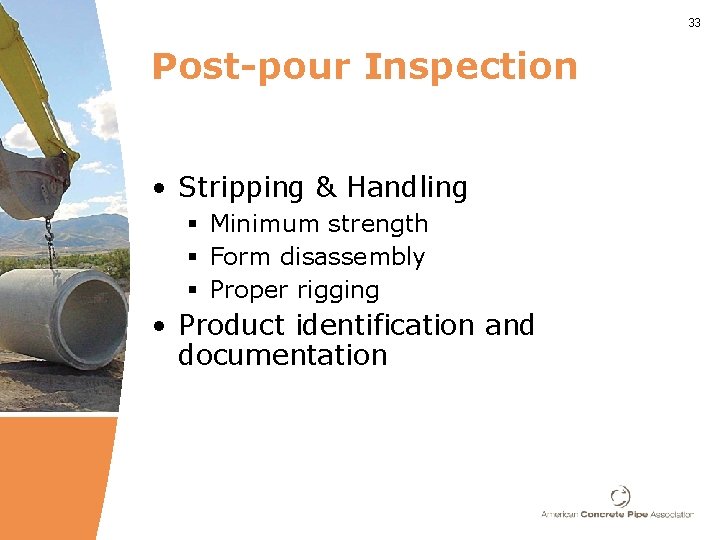
33 Post-pour Inspection • Stripping & Handling § Minimum strength § Form disassembly § Proper rigging • Product identification and documentation
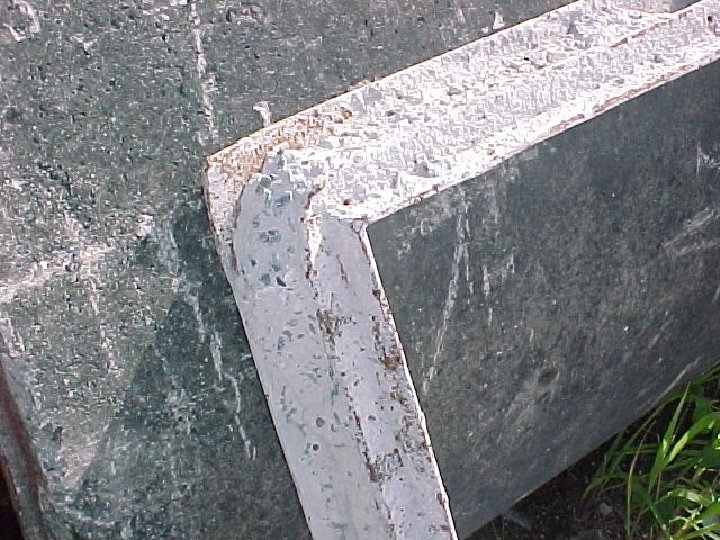
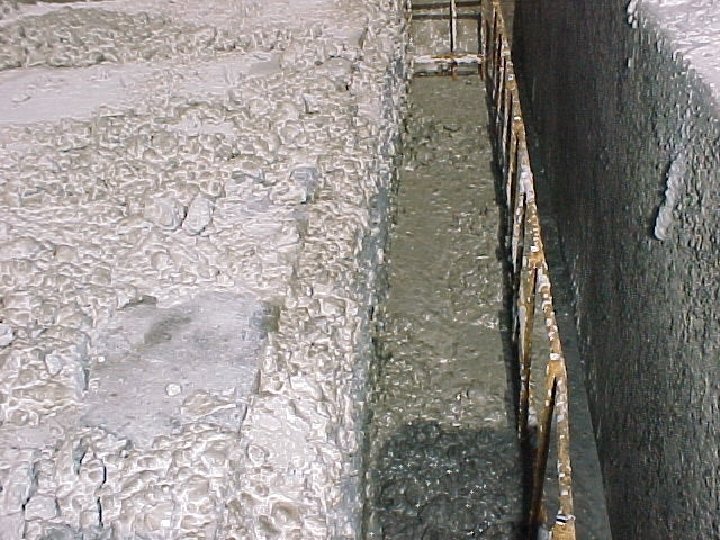
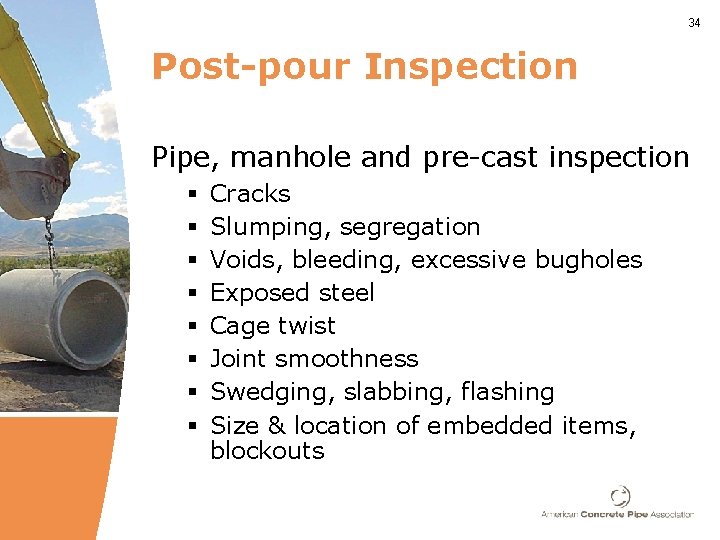
34 Post-pour Inspection Pipe, manhole and pre-cast inspection § § § § Cracks Slumping, segregation Voids, bleeding, excessive bugholes Exposed steel Cage twist Joint smoothness Swedging, slabbing, flashing Size & location of embedded items, blockouts
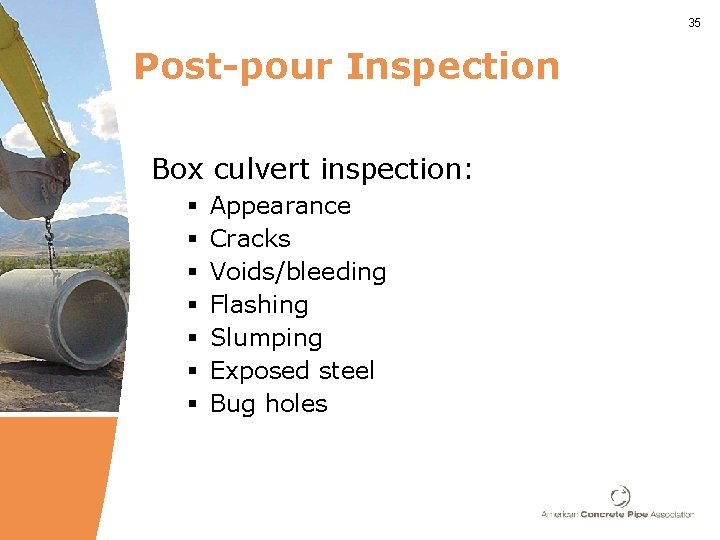
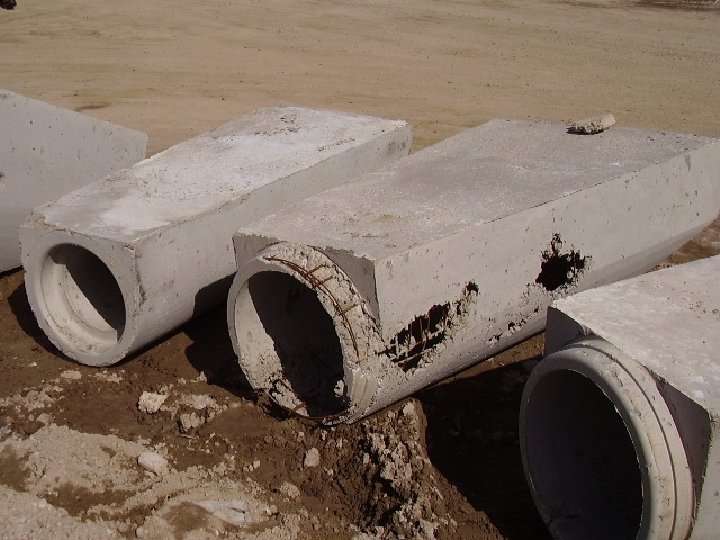
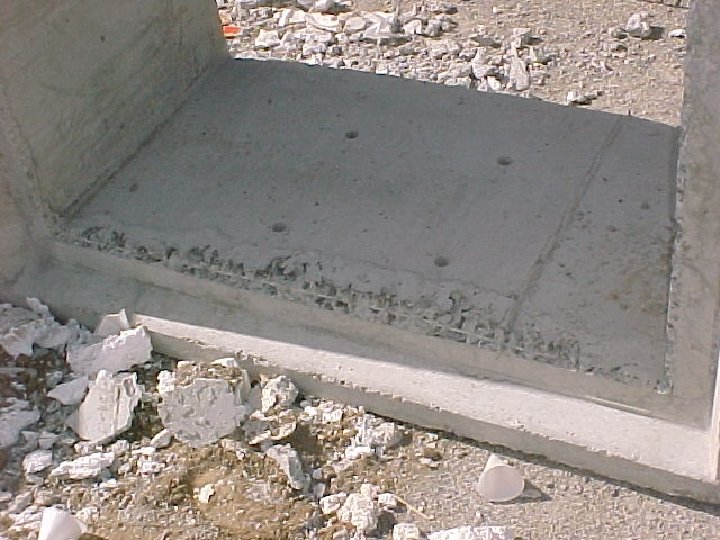
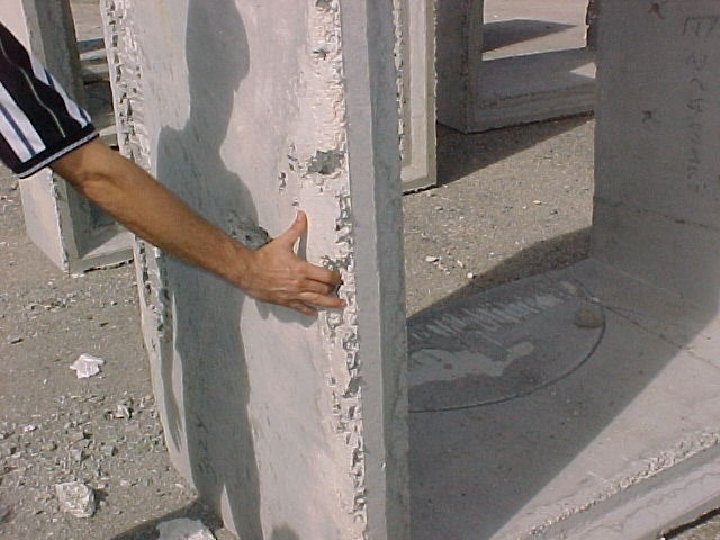
35 Post-pour Inspection Box culvert inspection: § § § § Appearance Cracks Voids/bleeding Flashing Slumping Exposed steel Bug holes
36
37
38
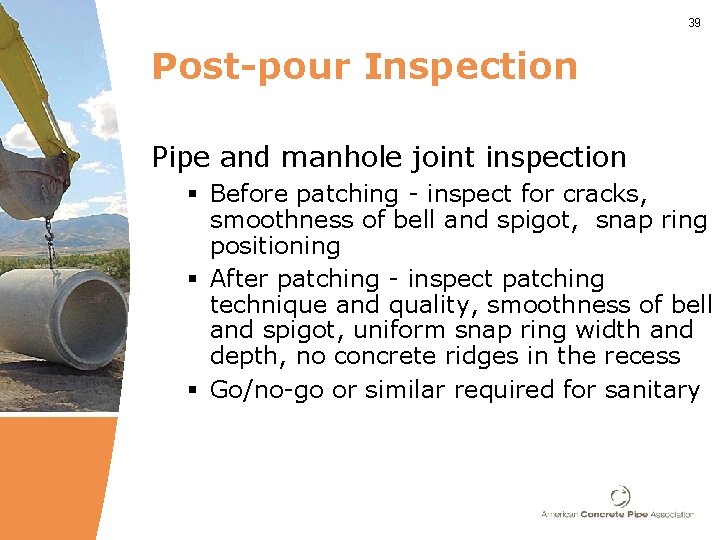
39 Post-pour Inspection Pipe and manhole joint inspection § Before patching - inspect for cracks, smoothness of bell and spigot, snap ring positioning § After patching - inspect patching technique and quality, smoothness of bell and spigot, uniform snap ring width and depth, no concrete ridges in the recess § Go/no-go or similar required for sanitary
40
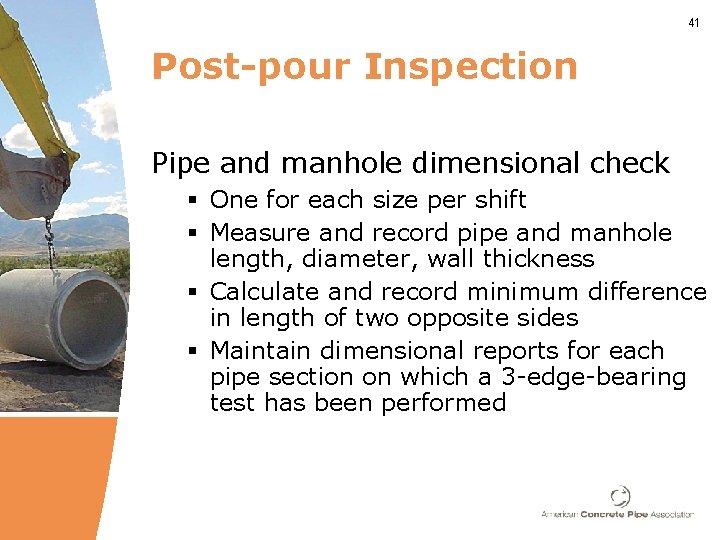
41 Post-pour Inspection Pipe and manhole dimensional check § One for each size per shift § Measure and record pipe and manhole length, diameter, wall thickness § Calculate and record minimum difference in length of two opposite sides § Maintain dimensional reports for each pipe section on which a 3 -edge-bearing test has been performed
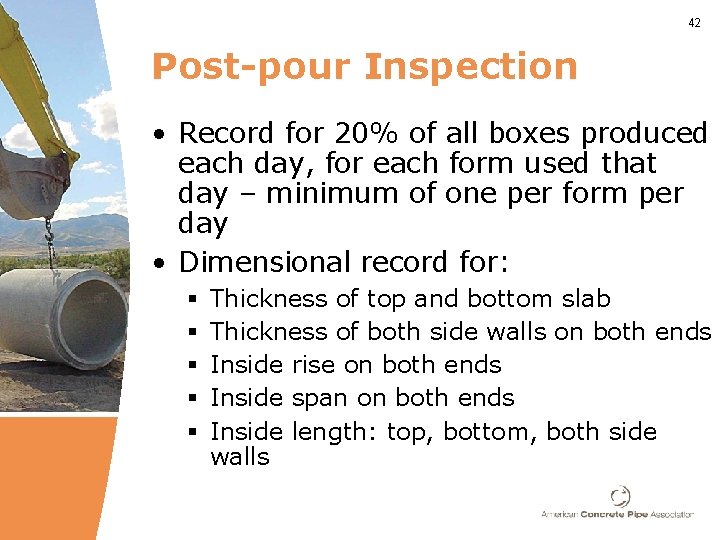
42 Post-pour Inspection • Record for 20% of all boxes produced each day, for each form used that day – minimum of one per form per day • Dimensional record for: § § § Thickness of top and bottom slab Thickness of both side walls on both ends Inside rise on both ends Inside span on both ends Inside length: top, bottom, both side walls
43 QUESTIONS?