
Practical training in Histology and Embryology Organization issues
Practical training in Histology and Embryology
Organization issues • • • Beginning - strictly on time Change your shoes - you will not be allowed to enter the hall w/o indoor shoes Lockers – Jackets, coats, bags etc. Cell phone – switched off or in silent mode Microscopic hall = laboratory – eating, drinking, smoking not allowed – smoking strictly forbidden anywhere in LF – students have to follow the instructions – academic misconducts or inappropriate behavior result in excluding from the lesson or course • • • Follow safety rules You have dedicated working place You are responsible for microscope, slide set, EM atlas
• Practical lesson - Introduction; the images aree available through Med. Atlas - your individual work = study of the slides, schematic but precise drawing of tissue architecture, careful description. You make your own „study atlas“ - students come prepared for practices - schedules and syllables – pin-boards or dpt. webpage - your knowledge is verified during semester - break – 10 minutes • Attendance - 100% attendance - substitution only in exceptional cases, after permissions from both the teacher of your group and the lesson where you plan to substitute - sign in to the list - make a protocol, let it check and signed by the lecturer
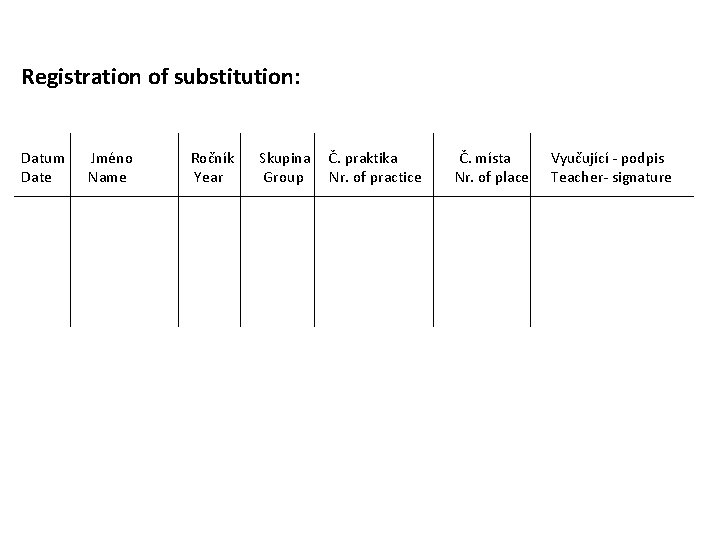
Registration of substitution: Datum Date Jméno Name Ročník Year Skupina Group Č. praktika Nr. of practice Č. místa Nr. of place Vyučující - podpis Teacher- signature

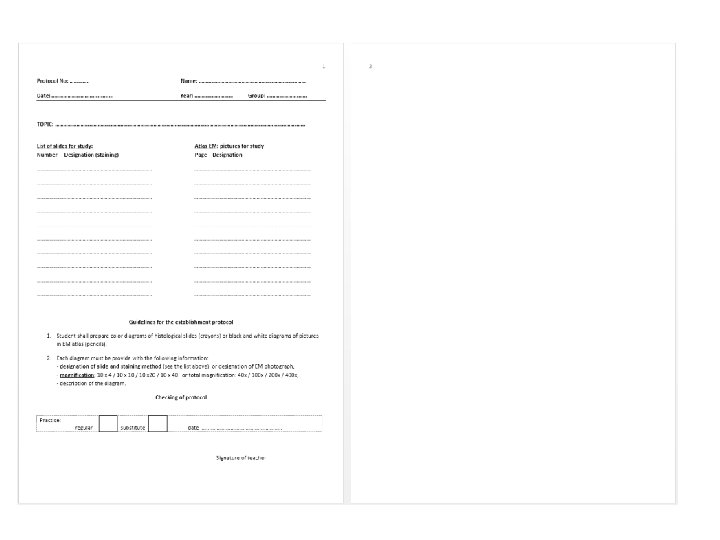
• Protocols - you have to make paper protocols (no tablets, laptops) - A 4 size, blank, without lines, according to the template (can be downloaded from www. med. muni. cz/histology - Education) - (color)pencil handdrawings (no pen) - complete set of signed protocols is required for getting the credits - the quality of the protocol is approved by your teacher’s signature at the end of practical lesson - incomplete or low-quality protocols cannot be approved and you have to substitute the respective practical lesson

• Testing your knowledge - every student is examined 4 per semester - testing the knowledge of structures of the previous practical lesson, including theory (their English and Latin names, functions, development and biological context) AND theory for the curent practical lesson - short written test with images or schemes, results: „Passed“ or „Failed“ - all images and schemes are made public (Med. Atlas, IS) - you have to successfully pass all 4 tests - if you fail in partial test, you can repeat it once per semester - failing in the partial tests result in the overal Credit test at the end of semester
• Credits - 100% attendance - complete set of signed protocols from all lessons - passed four tests • End of practical lesson: - the practice is closed by the lecturer - you are allowed to leave your working place only after checking the microscope and slides - if you leave before the check you may be responsible for any damages/losses recognized later
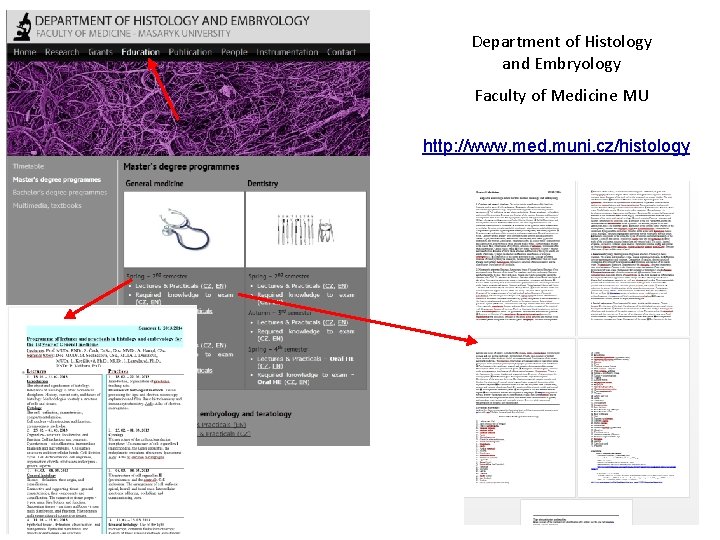
Department of Histology and Embryology Faculty of Medicine MU http: //www. med. muni. cz/histology
RECOMMENDED LITERATURE Čech, S. a D. Horký. Přehled obecné histologie. 1. vyd. Brno: Masarykova univerzita, 2005. 140 s. ISBN 8021038543. Horký, D. a S. Čech. Mikroskopická anatomie. 2. nezm. vyd. Brno: Masarykova univerzita, 2005. 353 s. ISBN 802103775 X. Čech, S. , D. Horký a M. Sedláčková. Přehled embryologie člověka. 1. vyd. Brno: Masarykova univerzita, 2011. 187 s. ISBN 978 -80 -210 -5414 -1. Mescher, A. L. Junqueira's basic histology : text and atlas. 13 th ed. New York: Mc. Graw-Hill Medical, 2013. xi, 544. ISBN 9781259072321. Moore, K. L. , T. V. N. Persaud a M. G. Torchia. The developing human : clinically oriented embryology. 9 th ed. Philadelphia, PA: Saunders/Elsevier, 2013. xix, 540. ISBN 9781437720020. Vacek, Z. Embryologie : učebnice pro studenty lékařství a oborů všeobecná sestra a porodní aistentka. 1. vyd. Praha: Grada, 2006. 255 s. ISBN 9788024712673. Sadler, T. W. Langmanova lékařská embryologie. 1. české vyd. Praha: Grada, 2011. xviii, 414. ISBN 9788024726403. Kapeller, K. a V. Pospíšilová. Embryológia človeka: učebnica pre lekárske fakulty. Martin: Osveta, 2001. 370 s. ISBN 80 -8063 -072 -0. Lüllmann-Rauch, R. Histologie. Translated by Radomír Čihák. 1. české vyd. Praha: Grada, 2012. xx, 556. ISBN 9788024737294. Ovalle, W. K. , P. C. Nahirney a F. H. Netter's essential histology. 2 nd ed. Philadelphia, PA: Elsevier/Saunders, 2013. xv, 517. ISBN 9781455706310. Young, B. Wheater's functional histology : a text and colour atlas. 5 th ed. [Oxford]: Churchill Livingstone, 2006. x, 437. ISBN 044306850 X. Sadler, T. W. a J. Langman's medical embryology. Illustrated by Jill Leland. 11 th ed. Baltimore, Md. : Lippincott William & Wilkins, 2010. ix, 385. ISBN 9781605476568. Lowe, J. S. a P. G. Anderson. Stevens and Lowe´s Human Histology. 4 th. : Elsevier, 2015. ISBN 978 -0 -7234 -3502 -0. Lectures Protocols
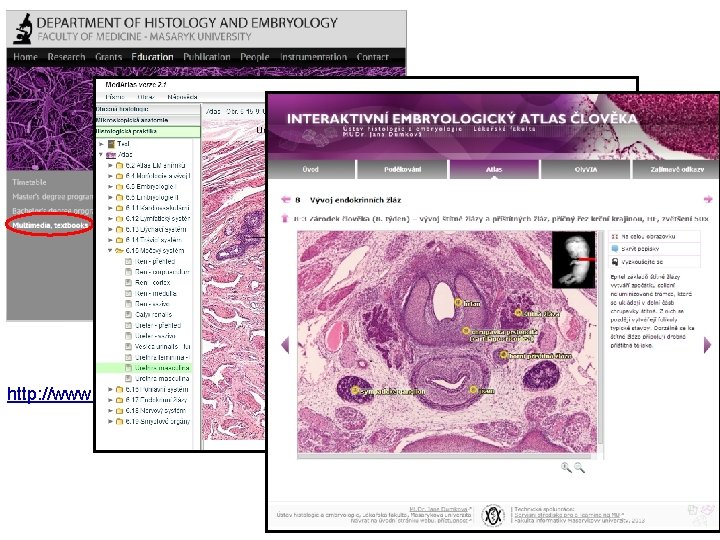
http: //www. med. muni. cz/histology
HISTOLOGY • structure and ultrastructure of normal cells and tissues, • cytology and general histology • special histology = microscopic anatomy of individual organs • relevance: oncology, surgery, hematology, pathology, forensic, …
EMBRYOLOGY – prenatal (intra uterine) development • General embryology (until 2 nd month – EMBRYO ) gametogenesis and early embryonic development • Special embryology (since 3 rd month to birth – FETUS ) organogenesis • Teratology – defects in organ development, malformations, anomalies; prenatal screening – ultrasonography, amniocentesis, genetic and karyotype screening • Relevance: gynecology and obstetrics, pediatrics, assisted reproduction
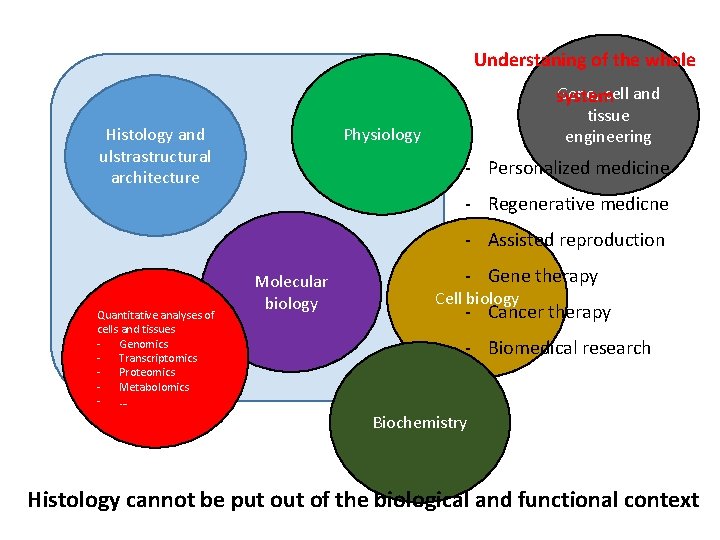
Understaning of the whole Gene, cell and system Histology and ulstrastructural architecture tissue engineering Physiology - Personalized medicine - Regenerative medicne - Assisted reproduction Quantitative analyses of cells and tissues - Genomics - Transcriptomics - Proteomics - Metabolomics - … Molecular biology - Gene therapy Cell biology - Cancer therapy - Biomedical research Biochemistry Histology cannot be put of the biological and functional context
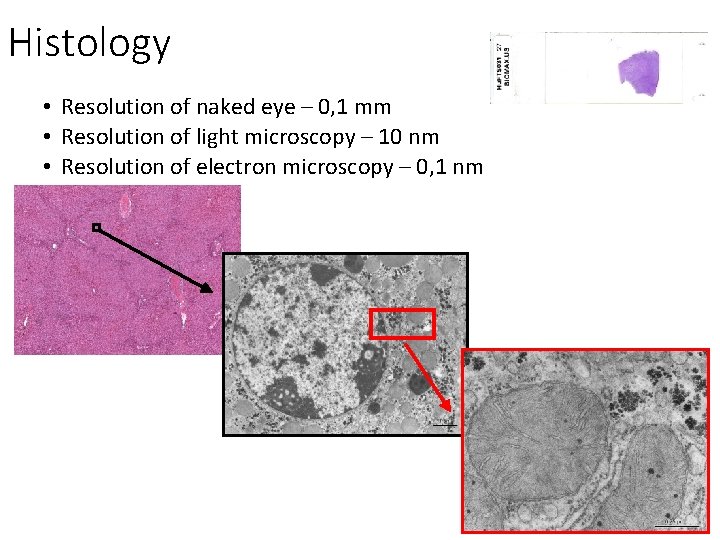
Histology • Resolution of naked eye – 0, 1 mm • Resolution of light microscopy – 10 nm • Resolution of electron microscopy – 0, 1 nm
Tissue processing for the light microscopy (LM) (making of permanent preparations – slides) • • SAMPLING (obtaining of material – cells, tissue pieces) FIXATION of samples (tissue blocks) RINSING (washing) of samples EMBEDDING of samples - embedded blocks CUTTING of blocks - sections AFFIXING of sections STAINING of sections MOUNTING of sections
SAMPLING • A small piece of organ (tissue) is sampled and quickly put into the fixative medium. • Biopsy during surgical dissection of organs in living organism = excision = puncture (liver or kidney parenchyma, bone marrow) = curettage (uterine endometrium, adenoid vegetation) • Necropsy from dead individual (sections); in experiments laboratory animals are used and tissue have to be sampled as soon as possible after the break of blood circulation • The specimens shouldn't be more than 5 – 10 mm 3 thick and fixation should follow immediately.
FIXATION • Definition: denaturation and stabilization of cell proteins with minimum artifacts • The reason of fixation: freshly removed tissues are chemically unstable – dry, shrink, undergo hypoxia, autolysis and bacteriological changes • To stop or prevent these changes and preserve the structure tissue samples have to be fixed. During the fixation, all tissue proteins are converted into inactive denaturized (stable) form. • 3 main requirements on fixatives: - good preservation of structure - quick penetration into tissue block - no negative effects on tissue staining
• Fixatives: solutions of different chemicals - organic fixatives – ALDEHYDES – formaldehyde (most frequently used for LM) – glutaraldehyde (used for EM) – ALCOHOLS – 96 – 100 % (absolute) ethylalcohol – ORGANIC ACIDS – glacial acetic acid, picric acid, trichloracetic acid - inorganic fixatives – INORGANIC ACIDS – chromic acid, osmium tetraoxide (Os. O 4) – SALTS OF HEAVY METALS – mercuric chloride Hg. Cl 2 - compound fixatives – mixtures (two or more chemical components to offset undesirable effects fo indiviual (simple) fixatives. FLEMMING´s fluid – with Os. O 4 ZENKER´s and HELLY´s fluid, SUSA fluid – with Hg. Cl 2 BOUIN´s fluid – with picric acid CARNOY´s fluid – with alcohol Fixation is carried out at the room temperature, the time varies between 12 – 24 hours, specimen must be overlayed by 20 – 50 times fixative volume: Ratio of tissue block volume to fixative volume 1 cm 3 : 20 – 50 cm 3
RINSING and EMBEDDING • All samples should be washed to remove the excess of fixative; the choice of rinsing medium is determined by type of fixative: running tap-water or 70 -80% ethanol • Relevance of embedding: tissues and organs are brittle and unequal in density, they must be hardened before cutting
Embedding media § water soluble – gelatine, celodal, water soluble waxes § anhydrous – paraffin, celoidin
EMBEDDING into PARAFFIN • dehydration – to remove water from fixed samples by ascending series of ethanol is used (50%, 70%, 96%. each step - 2 – 6 hours • clearing – the ethanol must be replaced with organic solvatant that dissolves paraffin – benzene or xylene • infiltration – melted paraffin wax (56°C) is used; 3 x 6 hours. • casting (blocking out) – moulds (plastic, paper or metal chambers) are used for embedding. - The moulds are filled with melted paraffin, tissue samples are then placed inside and immediately immersed in cold water to cool paraffin quickly down. - These paraffin blocks are ready for trimming
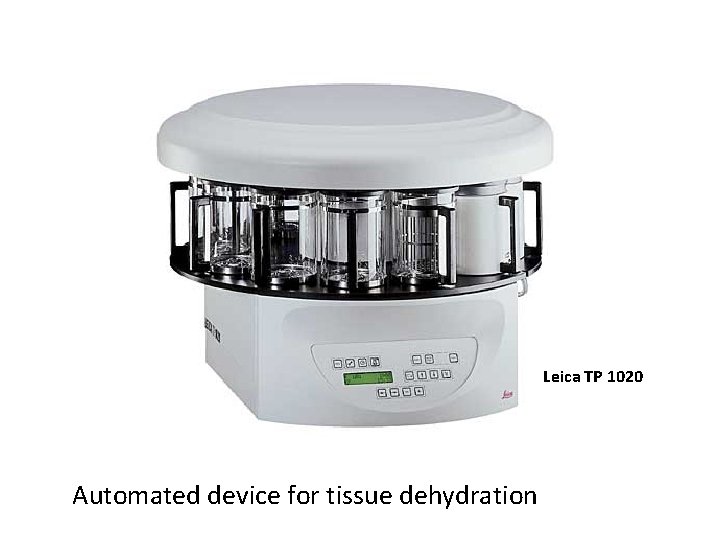
Leica TP 1020 Automated device for tissue dehydration
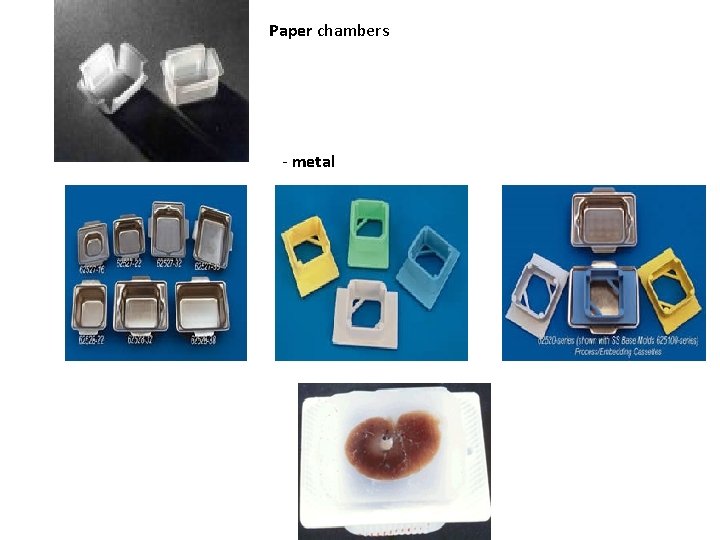
Paper chambers - metal
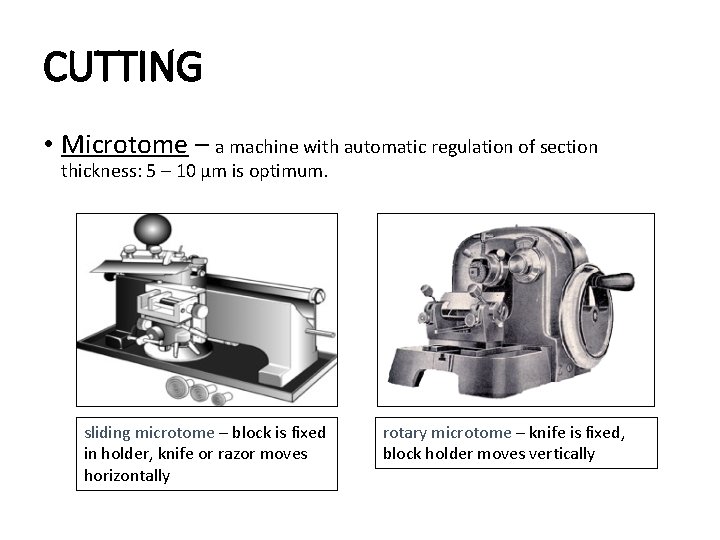
CUTTING • Microtome – a machine with automatic regulation of section thickness: 5 – 10 μm is optimum. sliding microtome – block is fixed in holder, knife or razor moves horizontally rotary microtome – knife is fixed, block holder moves vertically
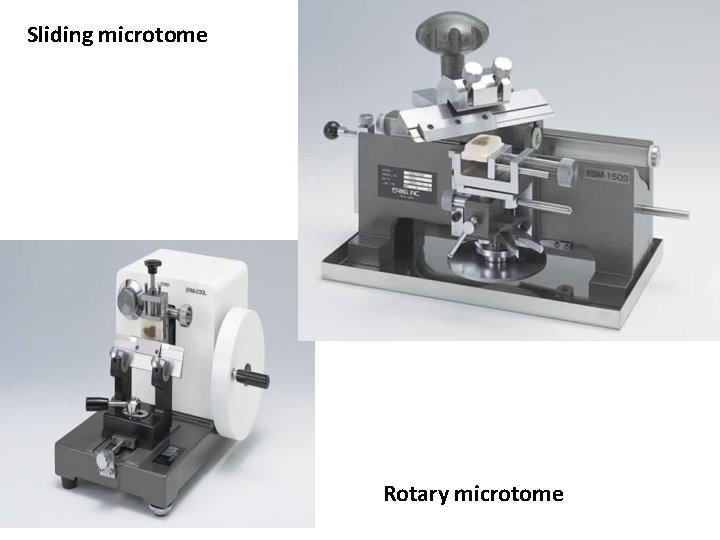
Sliding microtome Rotary microtome
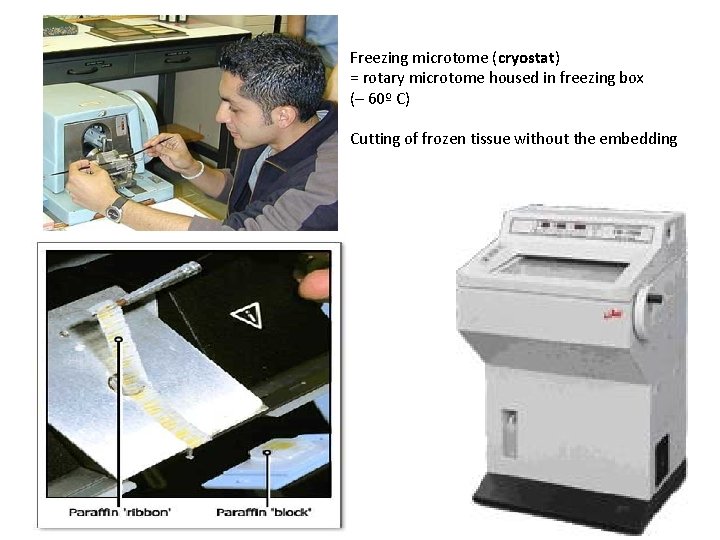
Freezing microtome (cryostat) = rotary microtome housed in freezing box (– 60º C) Cutting of frozen tissue without the embedding
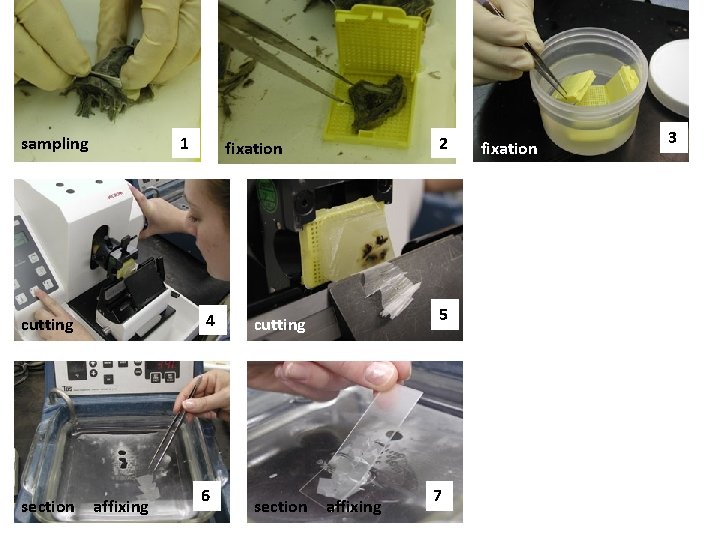
sampling 1 4 cutting section affixing 2 fixation 6 5 cutting section affixing 7 fixation 3
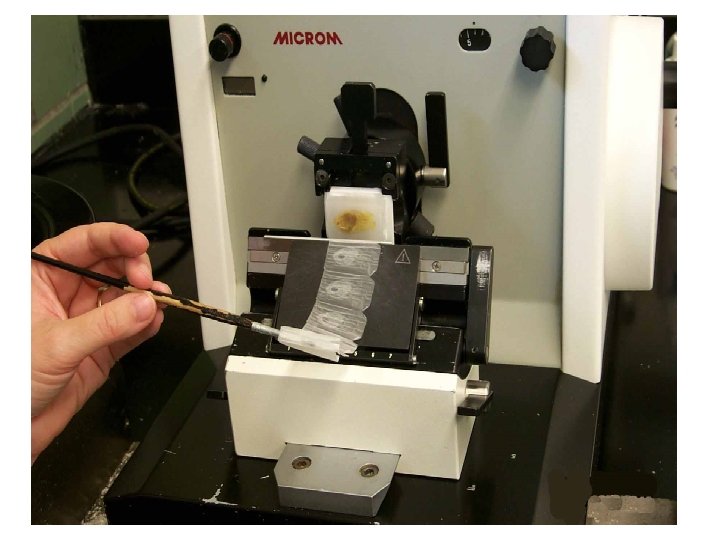
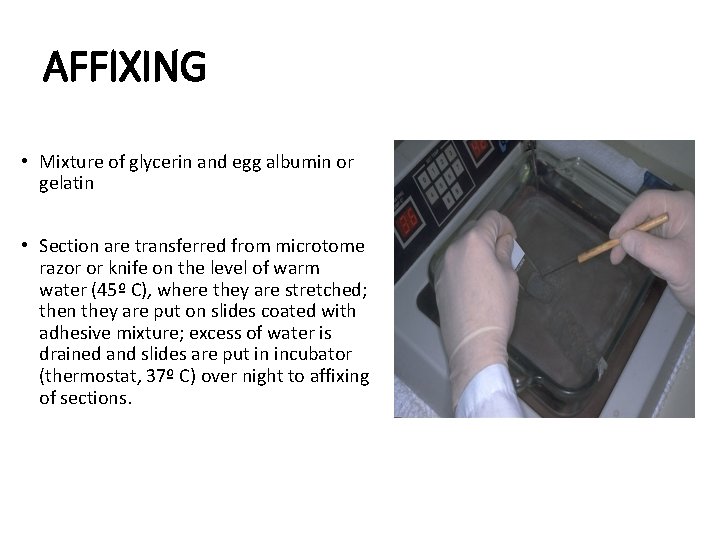
AFFIXING • Mixture of glycerin and egg albumin or gelatin • Section are transferred from microtome razor or knife on the level of warm water (45º C), where they are stretched; then they are put on slides coated with adhesive mixture; excess of water is drained and slides are put in incubator (thermostat, 37º C) over night to affixing of sections.
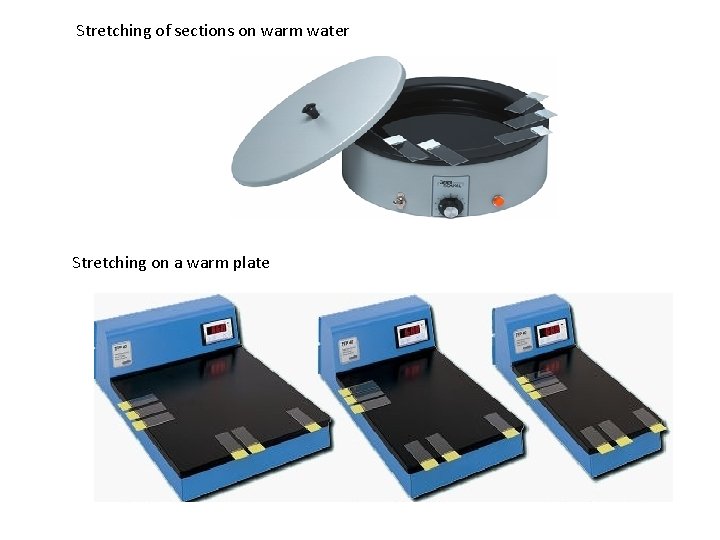
Stretching of sections on warm water Stretching on a warm plate
STAINING • Different cell or tissue structures are not apparent without staining. • Cellular structures exhibit different affinity to staining dyes alkaline dyes (basic or nuclear) – react with anionic groups of cell and tissue components basophilia – basophilic structures in the cell acid dyes (cytoplasmic) – react with cationic groups acidophilia – acidophilic structures in the cell neutrophilia – no reaction
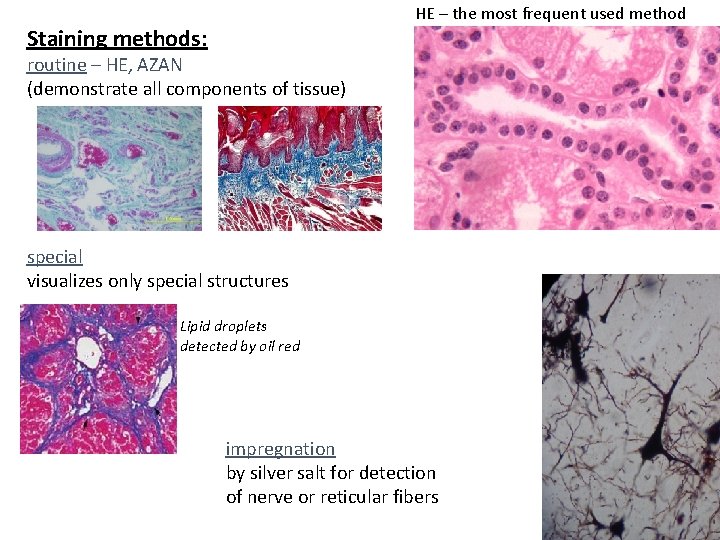
HE – the most frequent used method Staining methods: routine – HE, AZAN (demonstrate all components of tissue) special visualizes only special structures Lipid droplets detected by oil red impregnation by silver salt for detection of nerve or reticular fibers
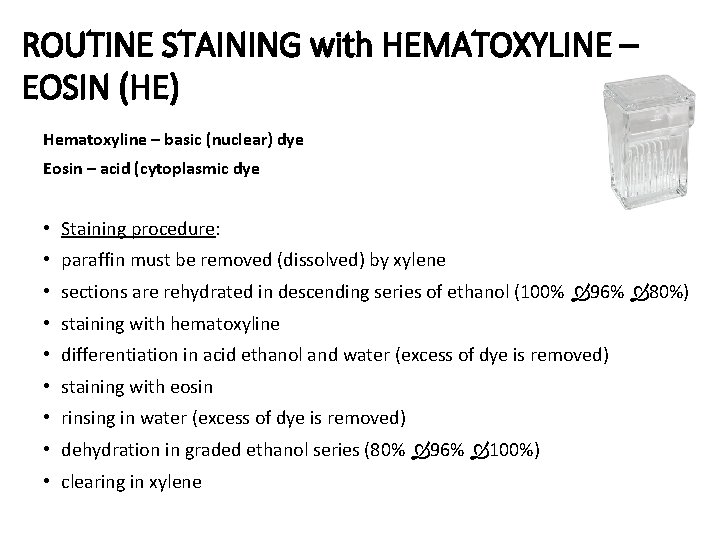
ROUTINE STAINING with HEMATOXYLINE – EOSIN (HE) Hematoxyline – basic (nuclear) dye Eosin – acid (cytoplasmic dye • Staining procedure: • paraffin must be removed (dissolved) by xylene • sections are rehydrated in descending series of ethanol (100% 96% 80%) • staining with hematoxyline • differentiation in acid ethanol and water (excess of dye is removed) • staining with eosin • rinsing in water (excess of dye is removed) • dehydration in graded ethanol series (80% 96% 100%) • clearing in xylene
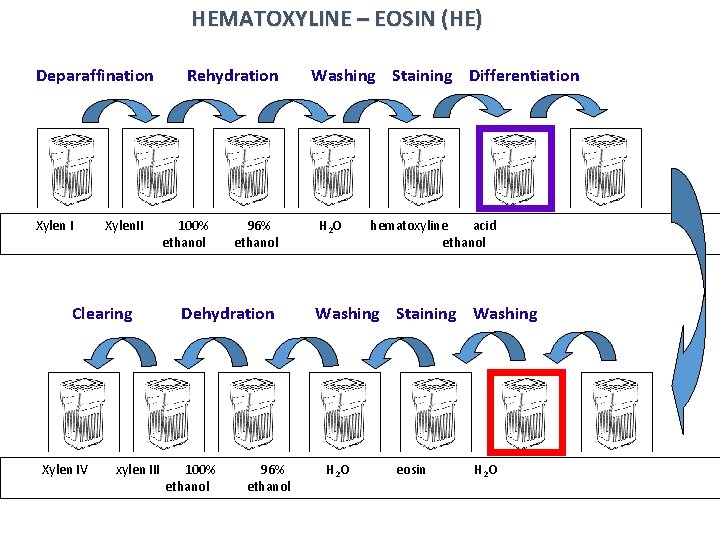
HEMATOXYLINE – EOSIN (HE) Deparaffination Xylen I Xylen. II Clearing Xylen IV xylen III Rehydration 100% ethanol 96% ethanol Dehydration 100% ethanol 96% ethanol Washing Staining Differentiation H 2 O hematoxyline acid ethanol Washing Staining Washing H 2 O eosin H 2 O
Staining results: • HE = Hematoxyline – Eosin nuclei – bright clear blue or dark violet cytoplasm and collagen fibers – pink muscle tissue – red • HES = Hematoxyline – Eosin – Safron connective tissue – yellow • AZAN = AZocarmin – ANiline blue – orange G nuclei – red erythrocytes – orange muscle – red collagen fibers – blue
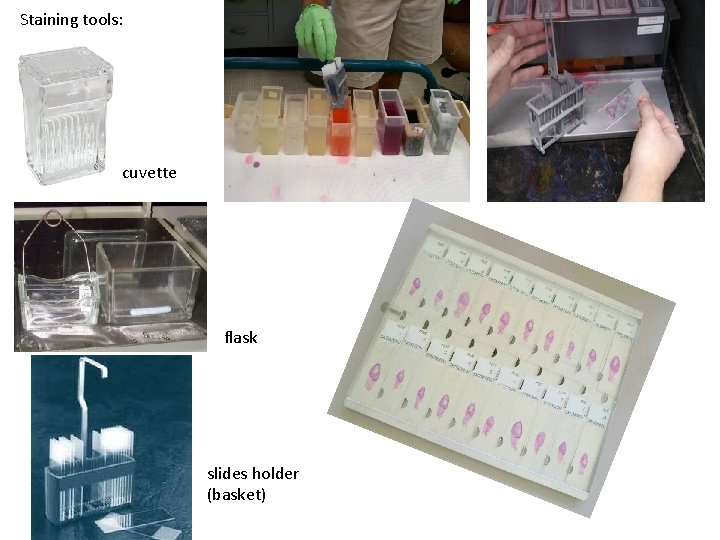
Staining tools: cuvette flask slides holder (basket)
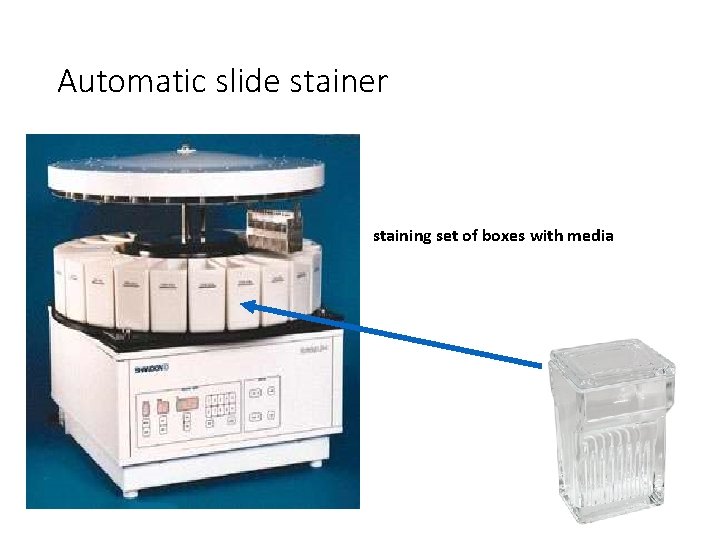
Automatic slide stainer staining set of boxes with media
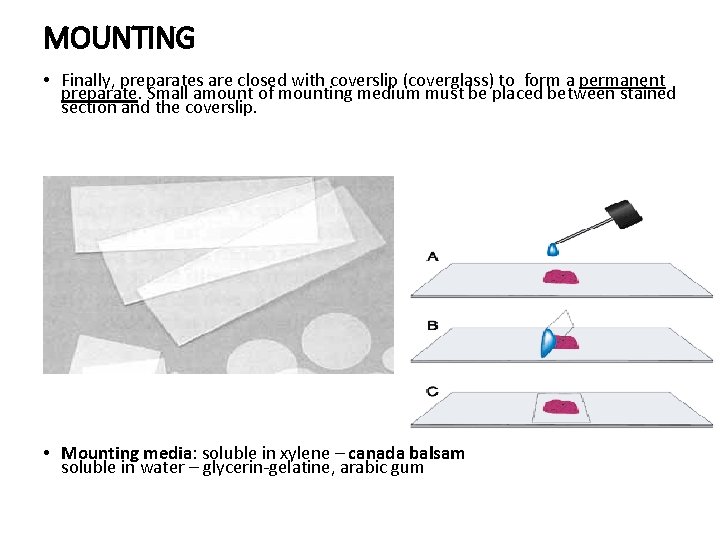
MOUNTING • Finally, preparates are closed with coverslip (coverglass) to form a permanent preparate. Small amount of mounting medium must be placed between stained section and the coverslip. • Mounting media: soluble in xylene – canada balsam soluble in water – glycerin-gelatine, arabic gum
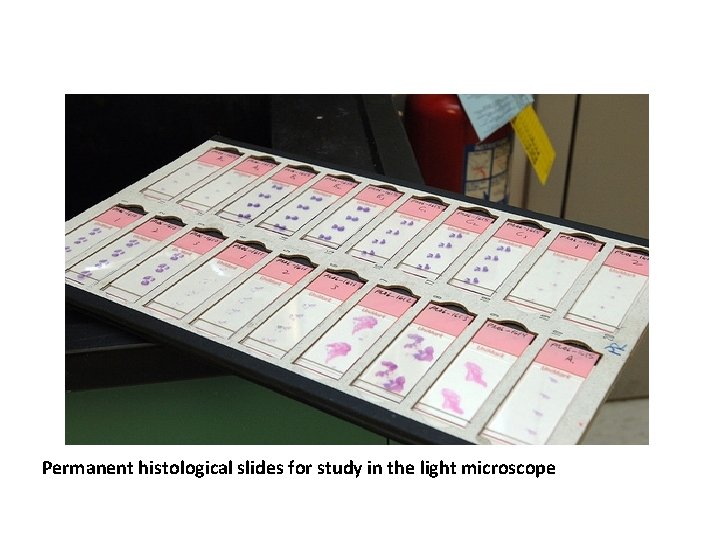
Permanent histological slides for study in the light microscope
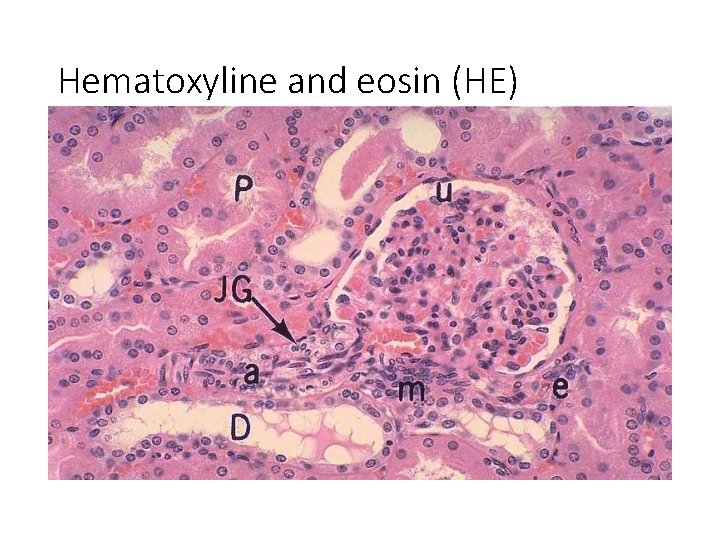
Hematoxyline and eosin (HE)
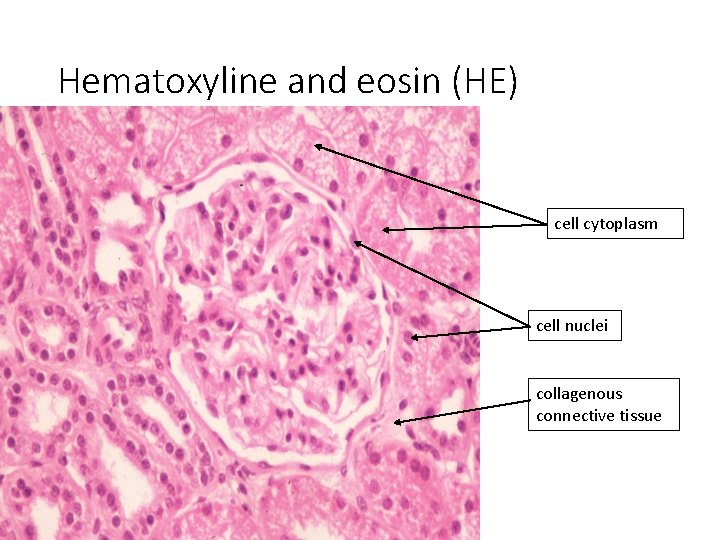
Hematoxyline and eosin (HE) cell cytoplasm cell nuclei collagenous connective tissue
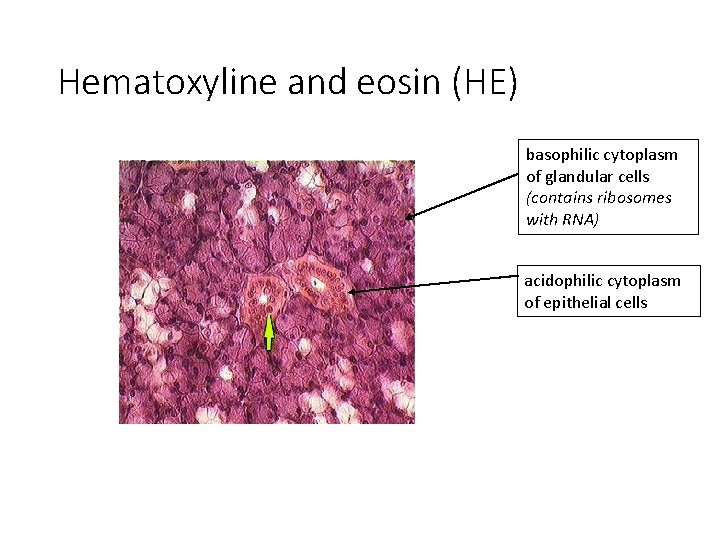
Hematoxyline and eosin (HE) basophilic cytoplasm of glandular cells (contains ribosomes with RNA) acidophilic cytoplasm of epithelial cells
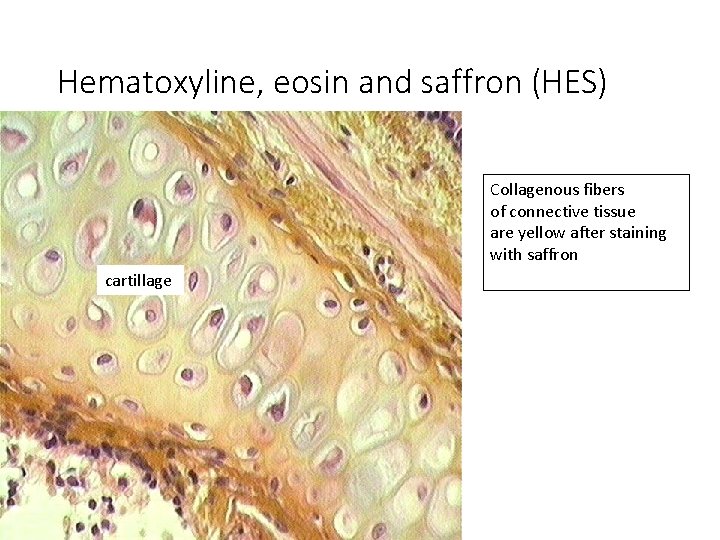
Hematoxyline, eosin and saffron (HES) Collagenous fibers of connective tissue are yellow after staining with saffron cartillage
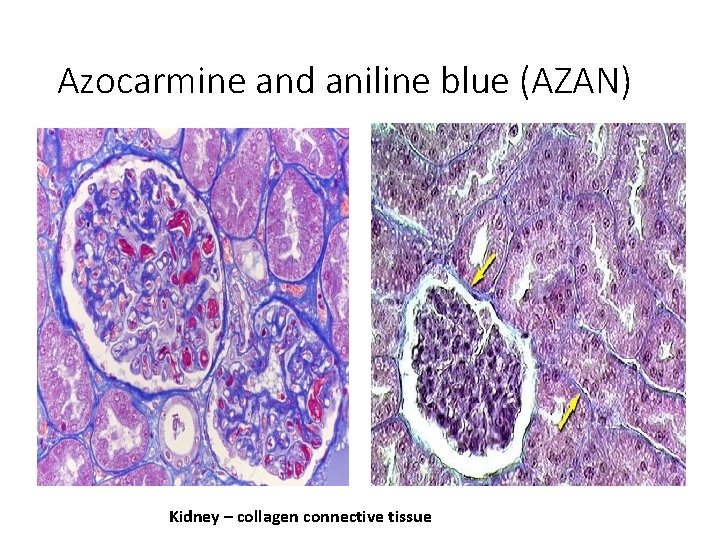
Azocarmine and aniline blue (AZAN) Kidney – collagen connective tissue
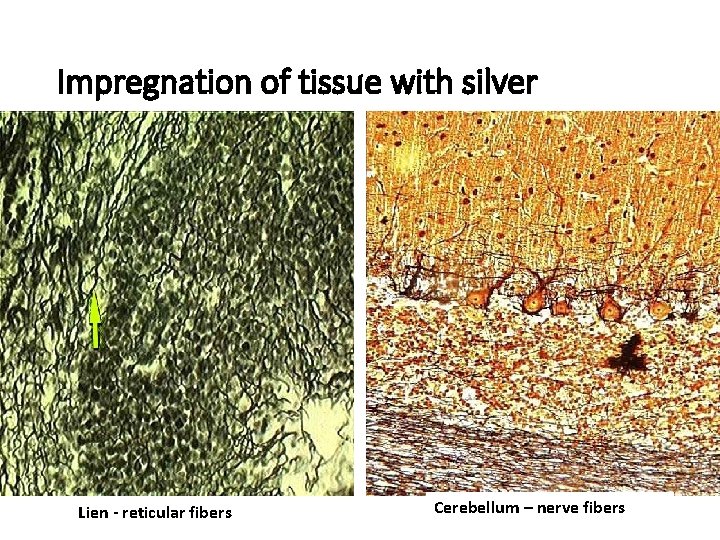
Impregnation of tissue with silver Lien - reticular fibers Cerebellum – nerve fibers
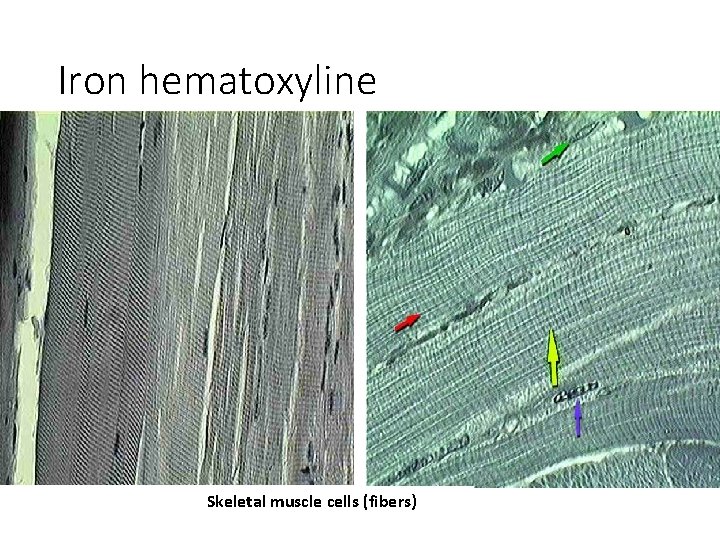
Iron hematoxyline Skeletal muscle cells (fibers)
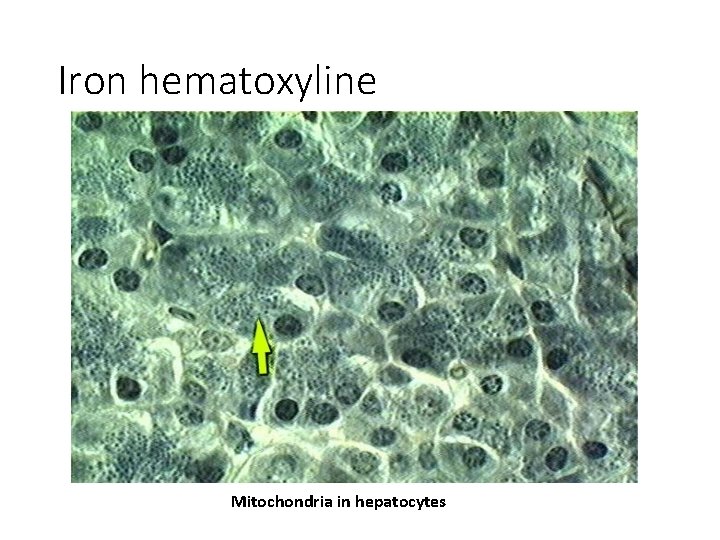
Iron hematoxyline Mitochondria in hepatocytes
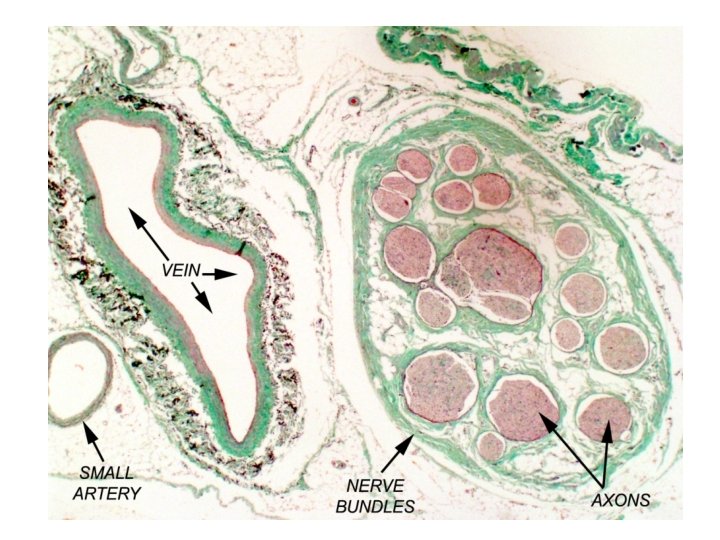
Histochemistry and Immunohistochemistry • Relevance: various chemical compounds detected „in situ“ (proteins, AA, NA, saccharides, lipids, enzymes, pigments, inorganic substances – Fe, Ca, Zn) Various epitopes detected by immunotechniques
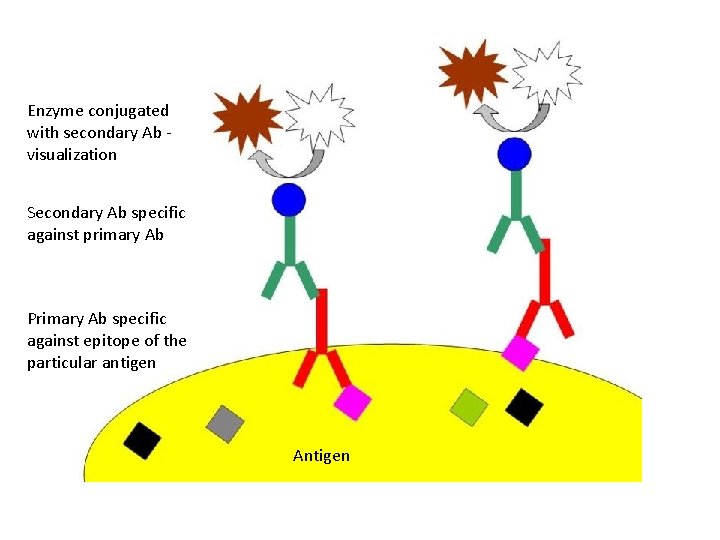
Enzyme conjugated with secondary Ab visualization Secondary Ab specific against primary Ab Primary Ab specific against epitope of the particular antigen Antigen
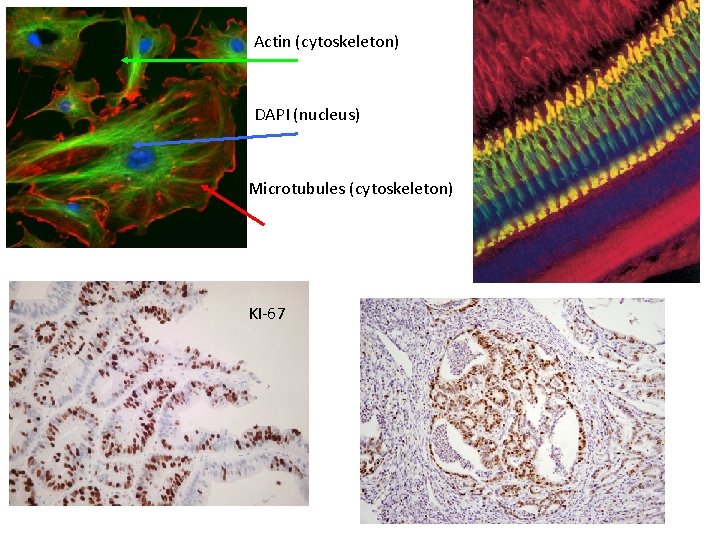
Actin (cytoskeleton) DAPI (nucleus) Microtubules (cytoskeleton) KI-67
Tissue processing for the EM • p. H of all solutions (media) must be buffered on 7. 2 – 7. 4 Cacodylate or phosphate buffer is frequently used. • Absolutely dustfree environment • Solutions (media) have to be precise (artifacts)
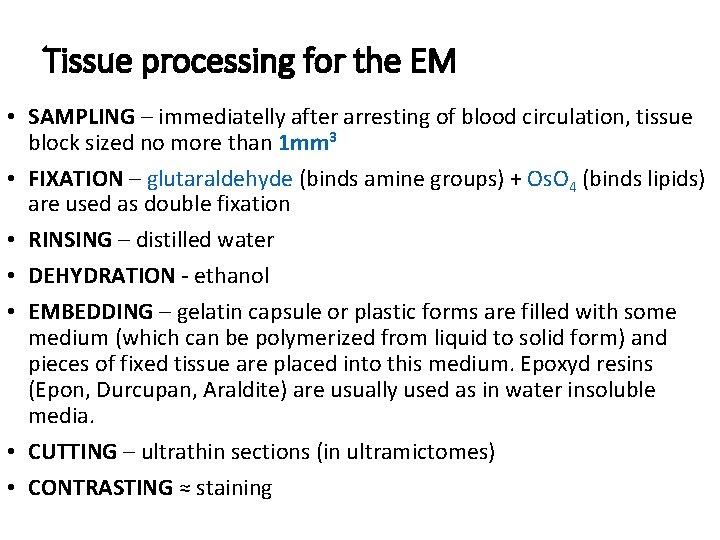
Tissue processing for the EM • SAMPLING – immediatelly after arresting of blood circulation, tissue block sized no more than 1 mm 3 • FIXATION – glutaraldehyde (binds amine groups) + Os. O 4 (binds lipids) are used as double fixation • RINSING – distilled water • DEHYDRATION - ethanol • EMBEDDING – gelatin capsule or plastic forms are filled with some medium (which can be polymerized from liquid to solid form) and pieces of fixed tissue are placed into this medium. Epoxyd resins (Epon, Durcupan, Araldite) are usually used as in water insoluble media. • CUTTING – ultrathin sections (in ultramictomes) • CONTRASTING ≈ staining
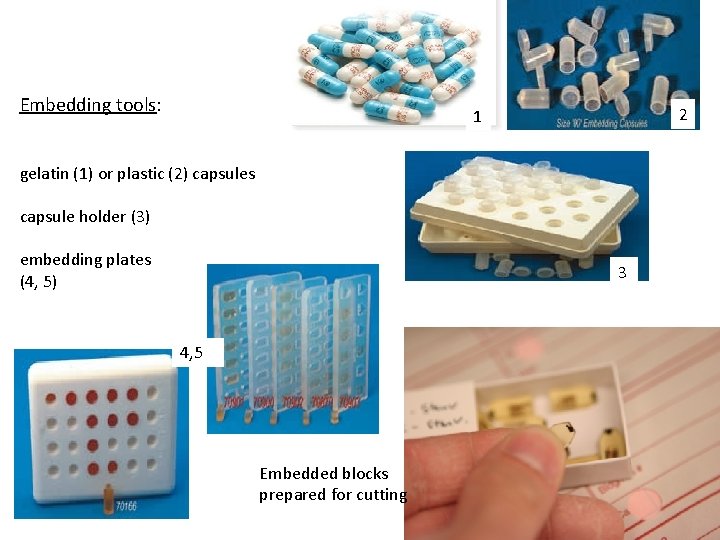
Embedding tools: 2 1 gelatin (1) or plastic (2) capsules capsule holder (3) embedding plates (4, 5) 3 4, 5 Embedded blocks prepared for cutting
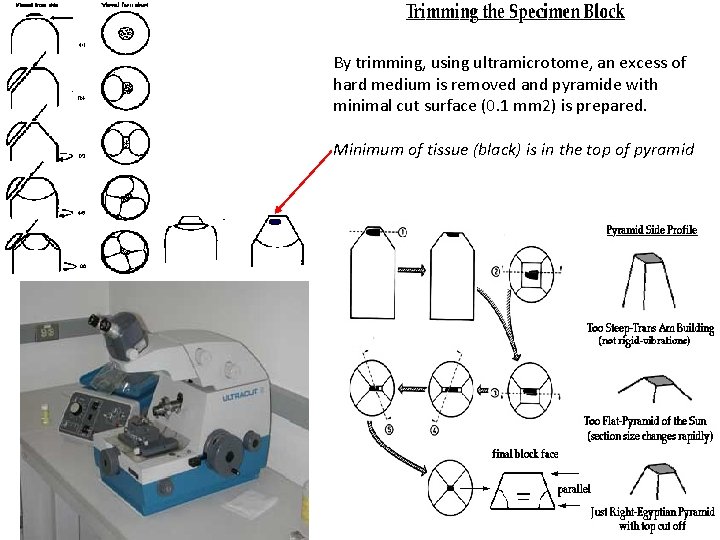
By trimming, using ultramicrotome, an excess of hard medium is removed and pyramide with minimal cut surface (0. 1 mm 2) is prepared. Minimum of tissue (black) is in the top of pyramid
Cutting
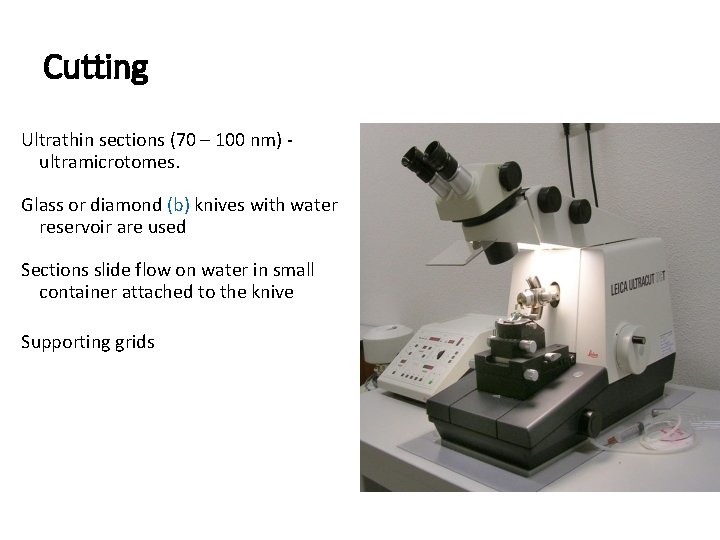
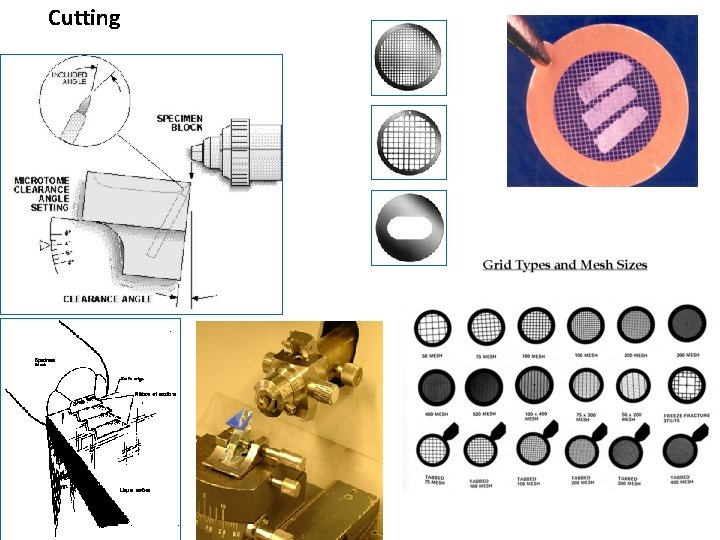
Cutting Ultrathin sections (70 – 100 nm) ultramicrotomes. Glass or diamond (b) knives with water reservoir are used Sections slide flow on water in small container attached to the knive Supporting grids
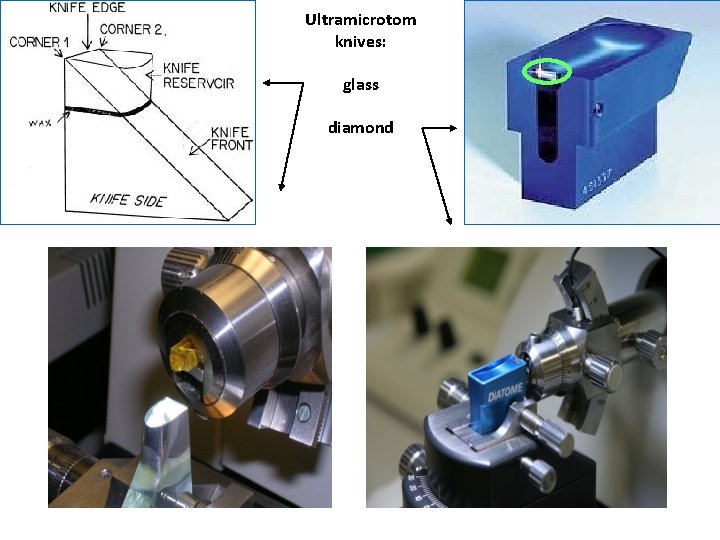
Ultramicrotom knives: glass diamond
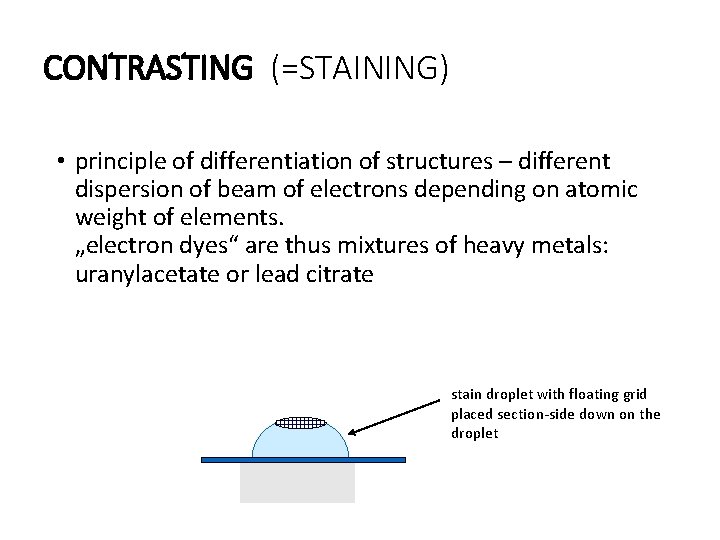
CONTRASTING (=STAINING) • principle of differentiation of structures – different dispersion of beam of electrons depending on atomic weight of elements. „electron dyes“ are thus mixtures of heavy metals: uranylacetate or lead citrate stain droplet with floating grid placed section-side down on the droplet
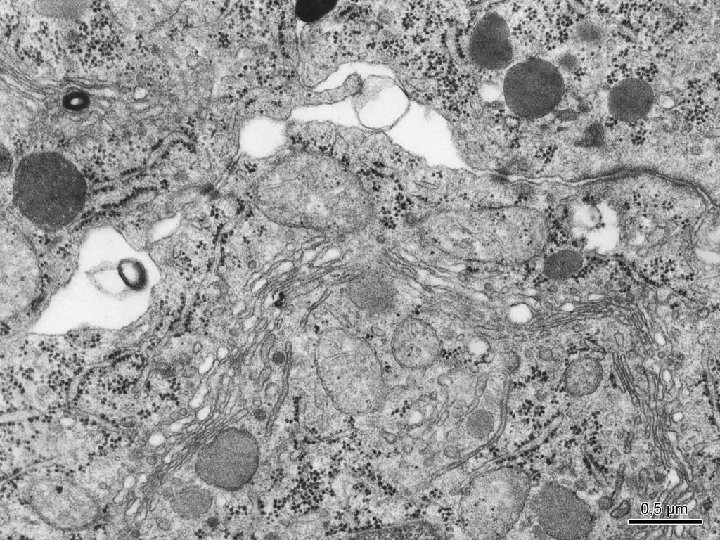
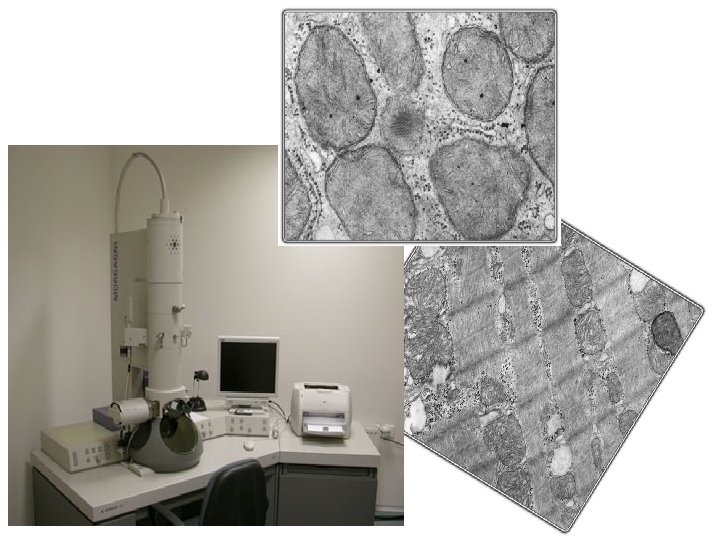
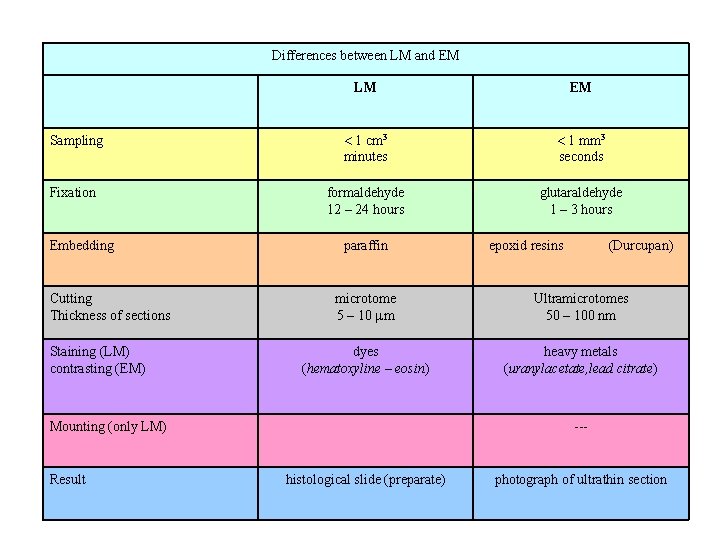
Differences between LM and EM LM EM Sampling 1 cm 3 minutes 1 mm 3 seconds Fixation formaldehyde 12 – 24 hours glutaraldehyde 1 – 3 hours Embedding Cutting Thickness of sections Staining (LM) contrasting (EM) paraffin (Durcupan) microtome 5 – 10 m Ultramicrotomes 50 – 100 nm dyes (hematoxyline – eosin) heavy metals (uranylacetate, lead citrate) Mounting (only LM) Result epoxid resins --- histological slide (preparate) photograph of ultrathin section
Visit us at: http: //www. med. muni. cz/histology Thank you for attention
- Slides: 65