
Practical of Urinary Tract Infection Department of Microbiology
Practical of Urinary Tract Infection Department of Microbiology
Objectives Describe the different acceptable specimen types used for the diagnosis of cystitis Discuss the laboratory work up of urine specimens for analysis and culture Discuss important microbiological features of common causes of cystitis Interpret urine analysis and culture results List non bacterial causes of urinary tract infections
Important aspects of Microbiologic Examination of UTI: - Urine collection - Urine analysis - Interpretation of microbiology laboratory result

Type of Specimens ØMidstream urine (MSU) ØSuprapubic aspiration ØCatheter sample
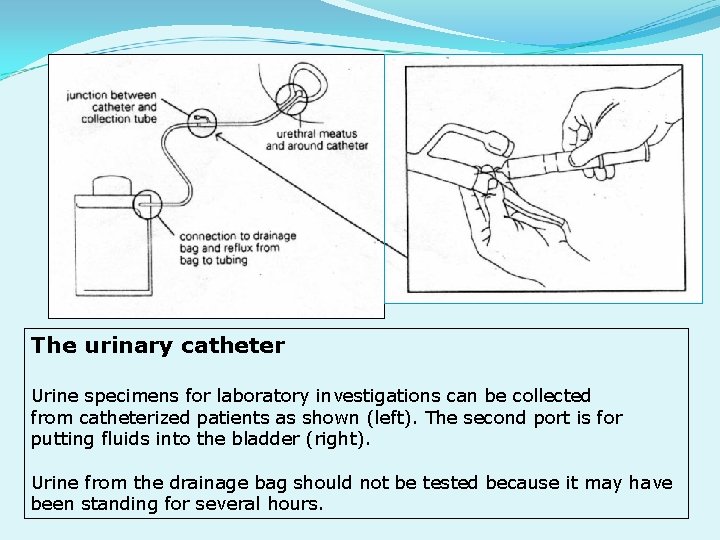
The urinary catheter Urine specimens for laboratory investigations can be collected from catheterized patients as shown (left). The second port is for putting fluids into the bladder (right). Urine from the drainage bag should not be tested because it may have been standing for several hours.
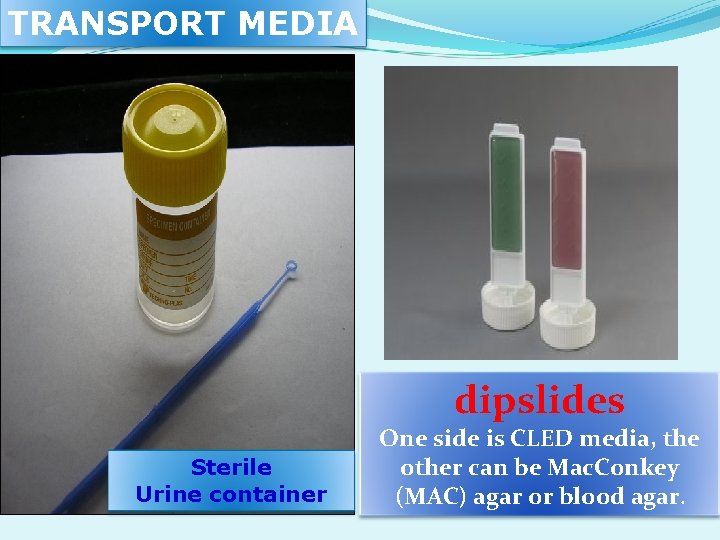
TRANSPORT MEDIA dipslides Sterile Urine container One side is CLED media, the other can be Mac. Conkey (MAC) agar or blood agar.
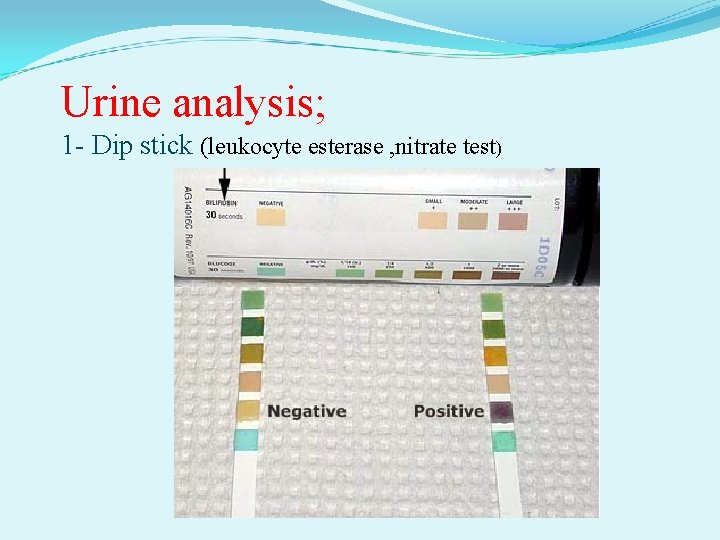
Urine analysis; 1 - Dip stick (leukocyte esterase , nitrate test)
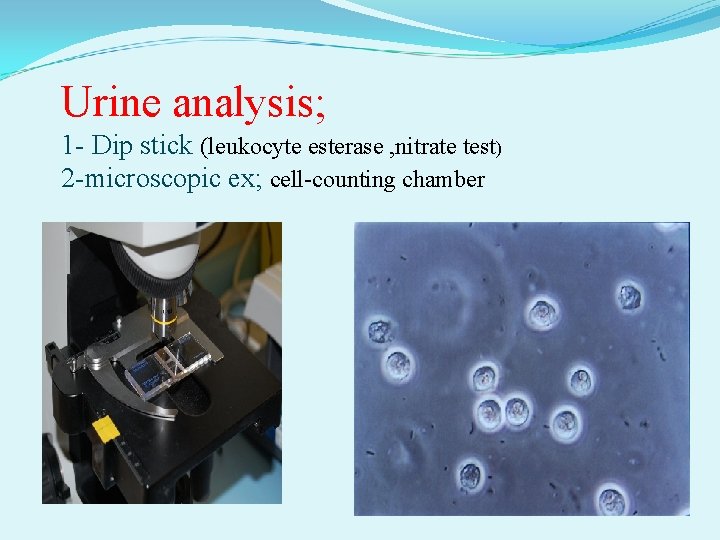
Urine analysis; 1 - Dip stick (leukocyte esterase , nitrate test) 2 -microscopic ex; cell-counting chamber
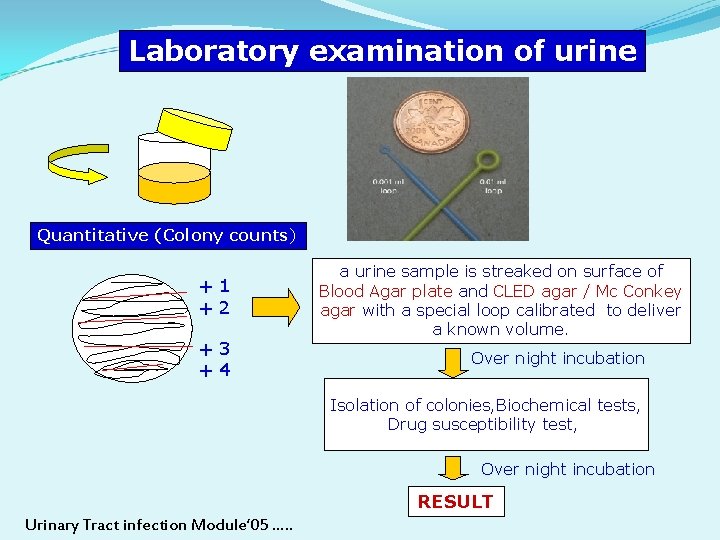
Laboratory examination of urine Quantitative (Colony counts) +1 +2 +3 +4 a urine sample is streaked on surface of Blood Agar plate and CLED agar / Mc Conkey agar with a special loop calibrated to deliver a known volume. Over night incubation Isolation of colonies, Biochemical tests, Drug susceptibility test, Over night incubation RESULT Urinary Tract infection Module’ 05 …. .

Quantitative urine culture Using 0. 001/ml loop 1 colony = 1000 CFU/ml 100 colonies = 100, 000 CFU/ml
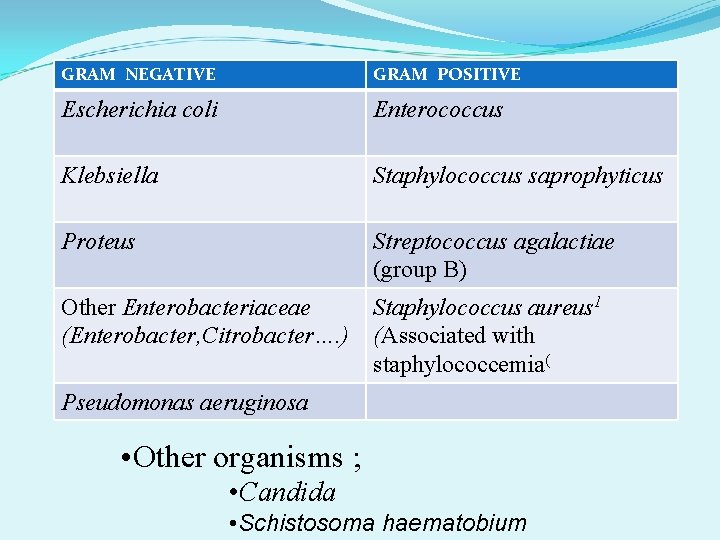
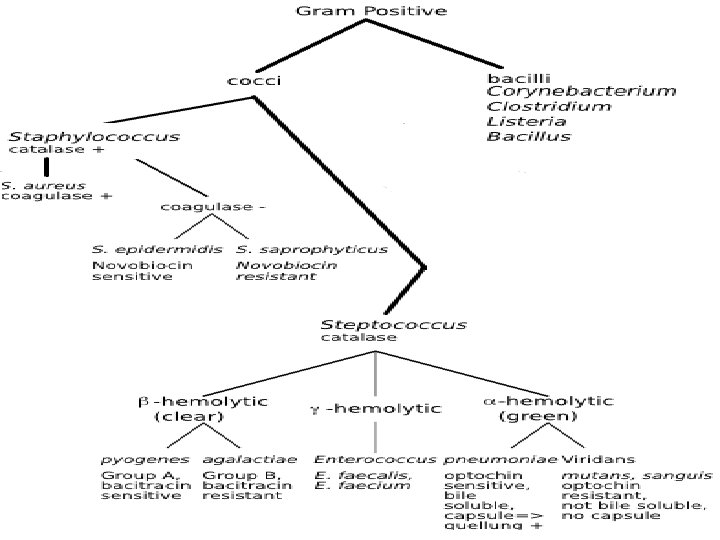
GRAM NEGATIVE GRAM POSITIVE Escherichia coli Enterococcus Klebsiella Staphylococcus saprophyticus Proteus Streptococcus agalactiae (group B) Other Enterobacteriaceae (Enterobacter, Citrobacter…. ) Staphylococcus aureus 1 (Associated with staphylococcemia( Pseudomonas aeruginosa • Other organisms ; • Candida • Schistosoma haematobium
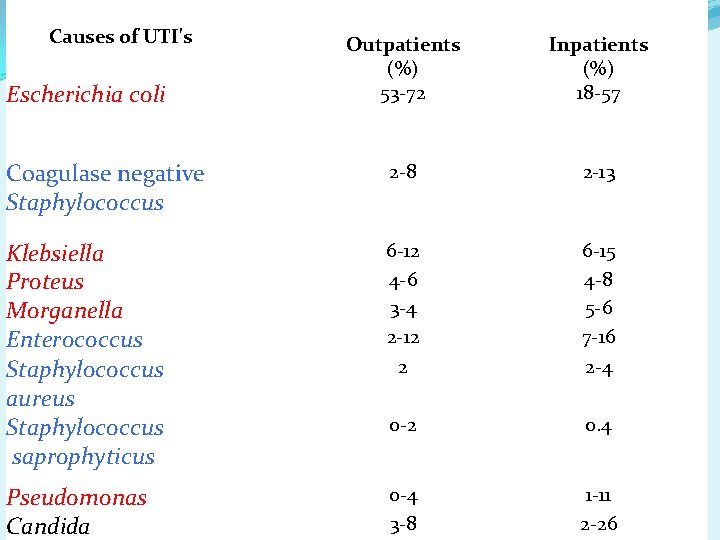
Causes of UTI's Escherichia coli Outpatients (%) 53 -72 Inpatients (%) 18 -57 (%) Coagulase negative Complicated UTI Escherichia coli Etiology Staphylococcus Klebsiella pneumoniae Enterobacter species Klebsiella Citrobacter species Proteus mirabilis Morganella Enterococcus Providencia species Staphylococcus Pseudomonas aeruginosa aureus Enterococci species Staphylococcus saprophyticus Pseudomonas Candida 2 -8 21 – 54 1. 9 – 17 6 -12 1. 9 – 9. 6 4 -6 4. 73 -4– 6. 1 2 -12 0. 9 – 9. 6 18 2 2 – 19 0 -2 6. 1 – 23 0 -4 3 -8 2 -13 6 -15 4 -8 5 -6 7 -16 2 -4 0. 4 1 -11 2 -26 12

culture media blood agar an enriched medium Mac. Conkey agar Selective and differential medium CLED agar Differential medium
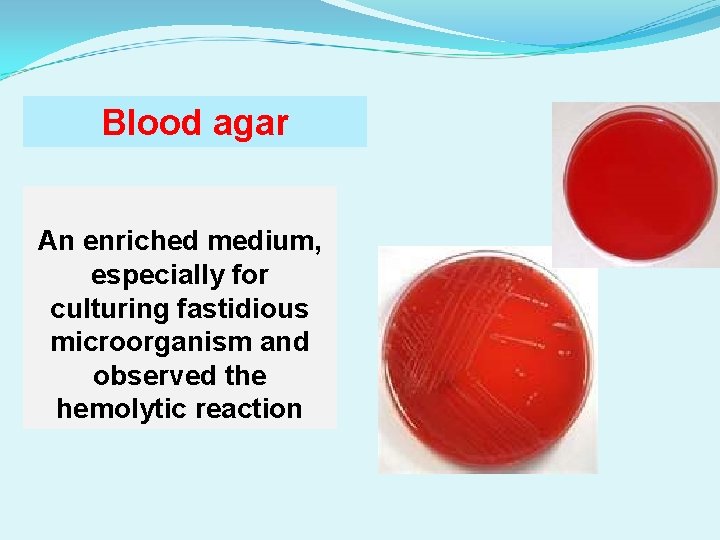
Blood agar An enriched medium, especially for culturing fastidious microorganism and observed the hemolytic reaction

Mac. Conkey's agar showing both lactose and non-lactose fermenting colonies. Lactose fermenting colonies are pink whereas non-lactose fermenting ones are colourless or appear same as the medium. |

CLED agar Differential culture medium for isolation and differentiation Of urinary pathogens
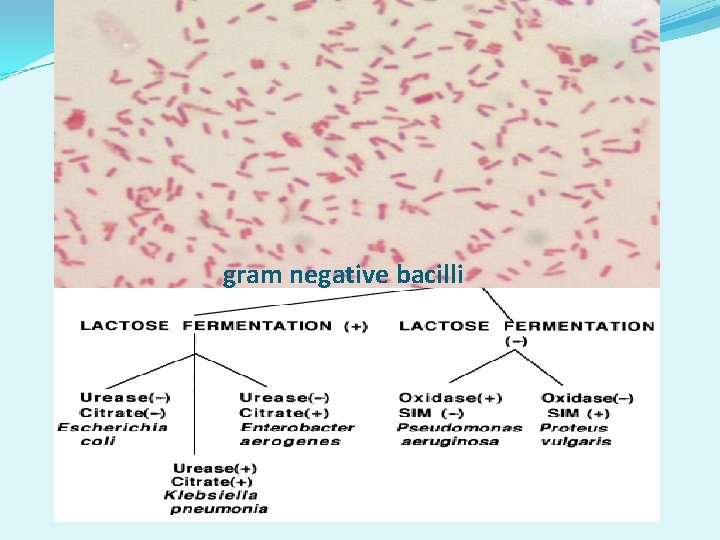
gram negative bacilli
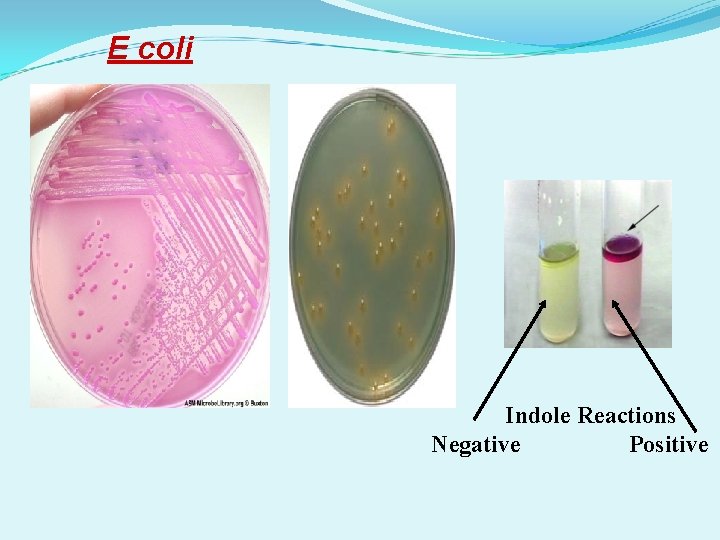
E coli Indole Reactions Negative Positive
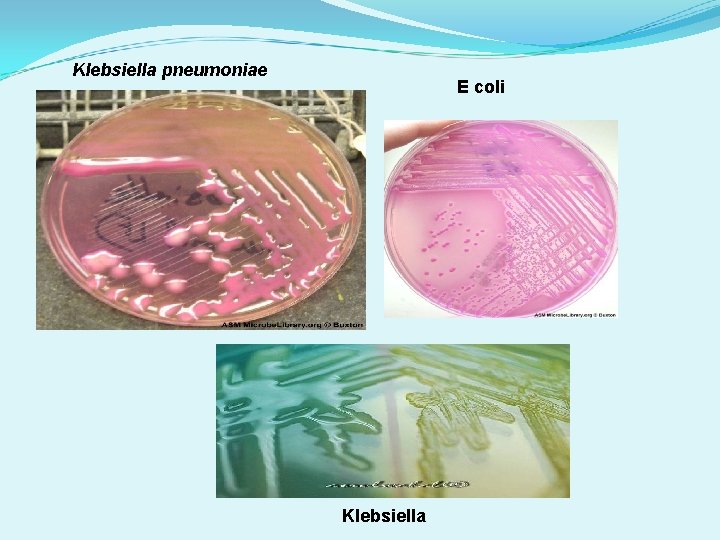
Klebsiella pneumoniae E coli Klebsiella
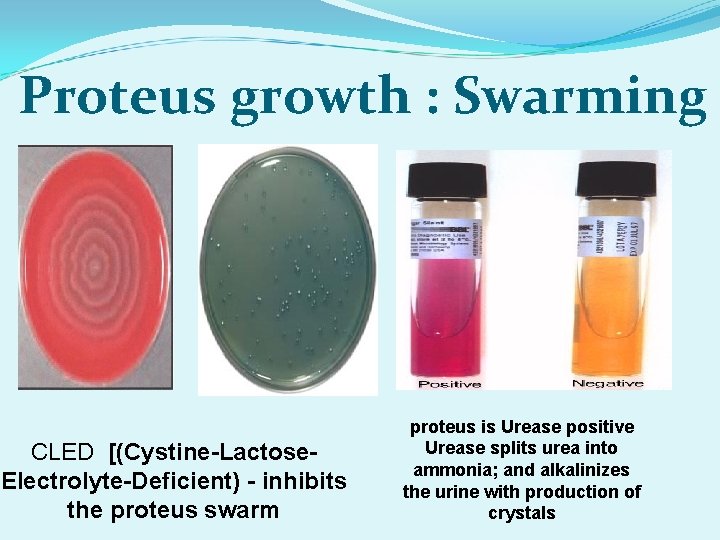
Proteus growth : Swarming CLED [(Cystine-Lactose. Electrolyte-Deficient) - inhibits the proteus swarm proteus is Urease positive Urease splits urea into ammonia; and alkalinizes the urine with production of crystals

Proteus spp,
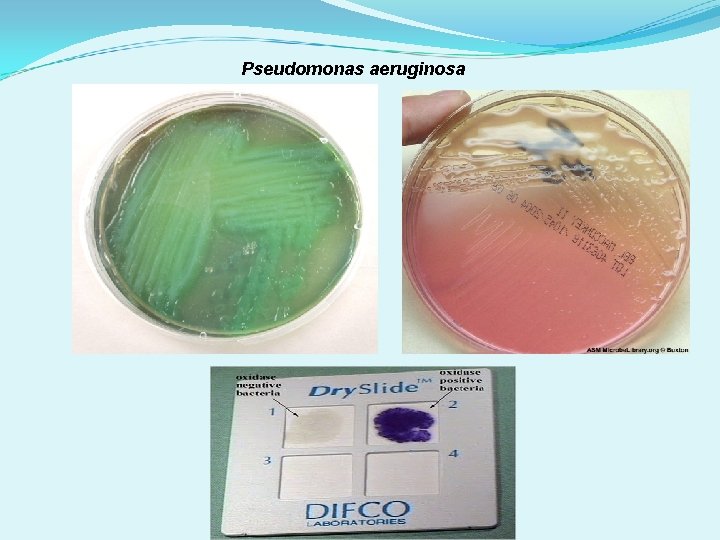
Pseudomonas aeruginosa
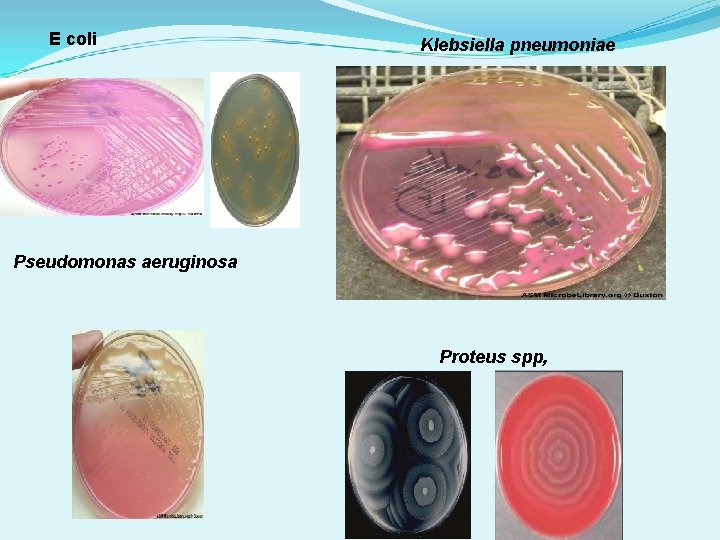
E coli Klebsiella pneumoniae Pseudomonas aeruginosa Proteus spp,
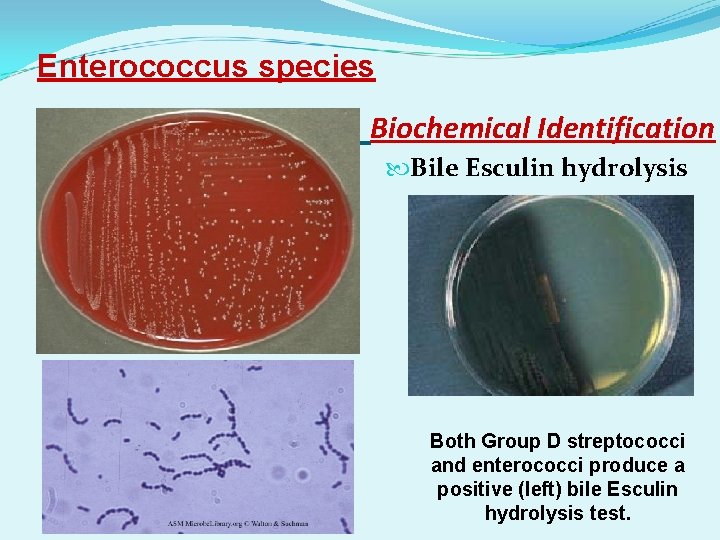
Enterococcus species Biochemical Identification Bile Esculin hydrolysis Both Group D streptococci and enterococci produce a positive (left) bile Esculin hydrolysis test.
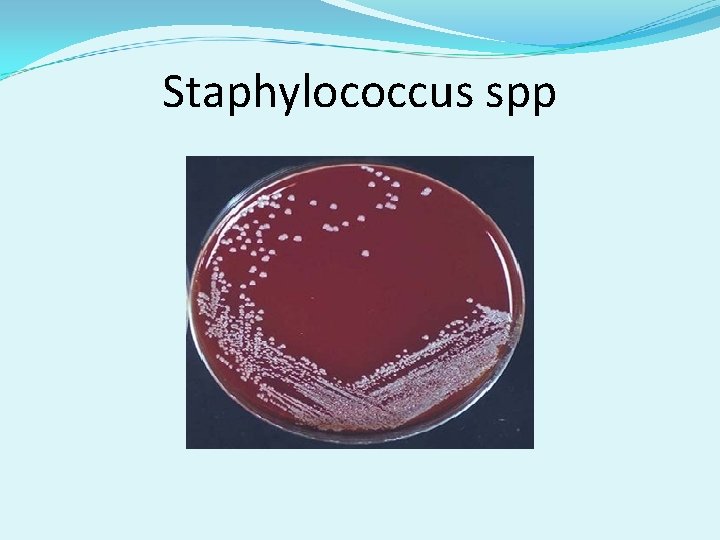
Staphylococcus spp
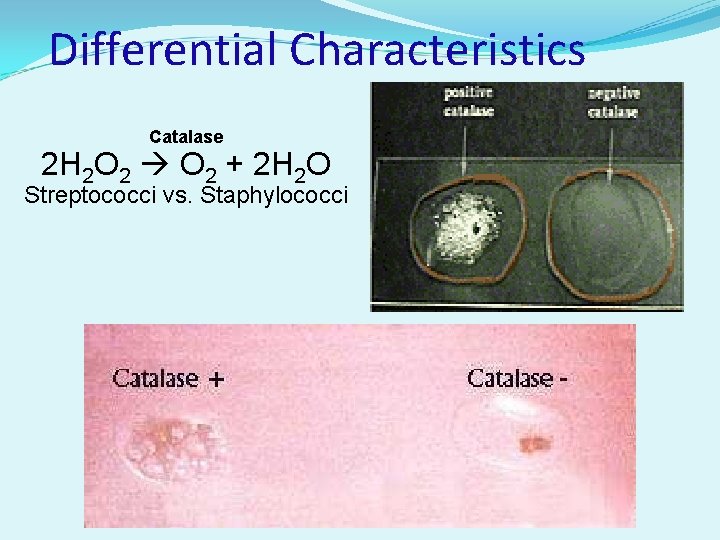
Differential Characteristics Catalase 2 H 2 O 2 + 2 H 2 O Streptococci vs. Staphylococci
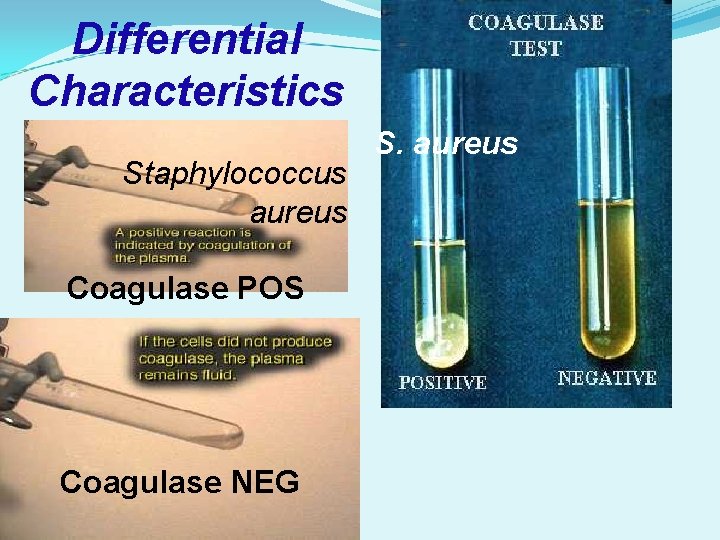
Differential Characteristics Staphylococcus aureus Coagulase POS Coagulase NEG S. aureus
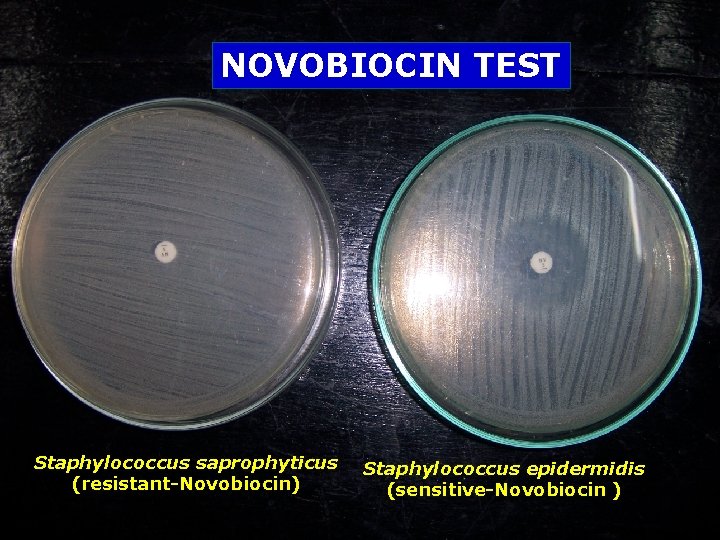
NOVOBIOCIN TEST Staphylococcus saprophyticus (resistant-Novobiocin) Staphylococcus epidermidis (sensitive-Novobiocin )
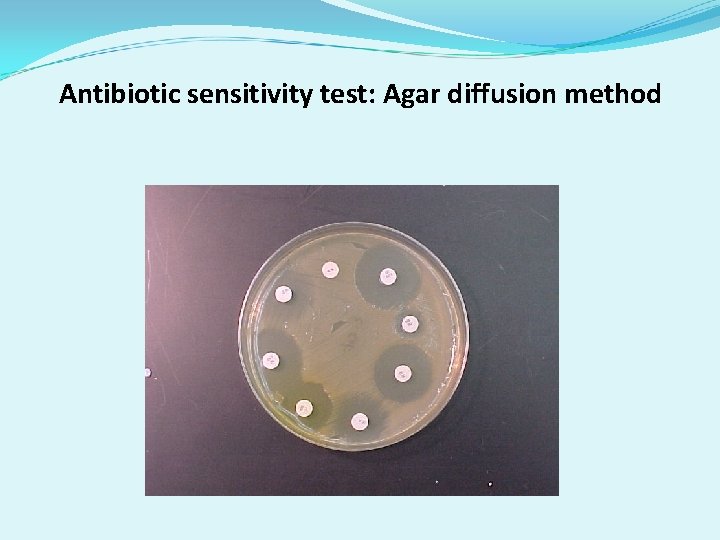
Antibiotic sensitivity test: Agar diffusion method
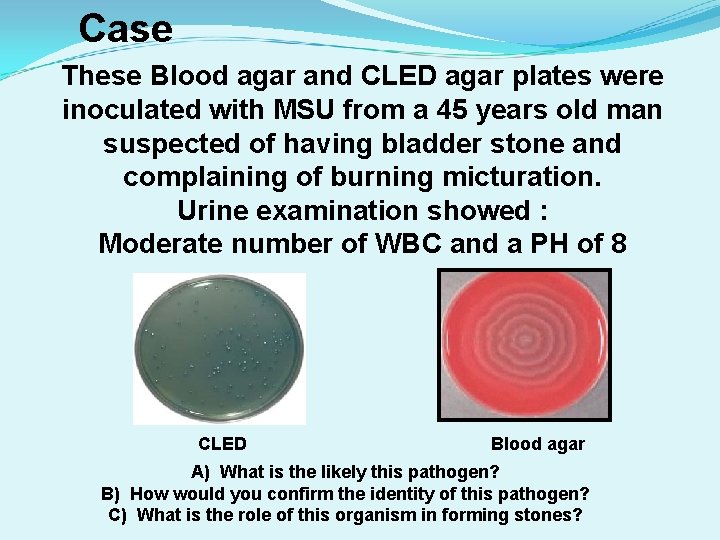
Case These Blood agar and CLED agar plates were inoculated with MSU from a 45 years old man suspected of having bladder stone and complaining of burning micturation. Urine examination showed : Moderate number of WBC and a PH of 8 CLED Blood agar A) What is the likely this pathogen? B) How would you confirm the identity of this pathogen? C) What is the role of this organism in forming stones?
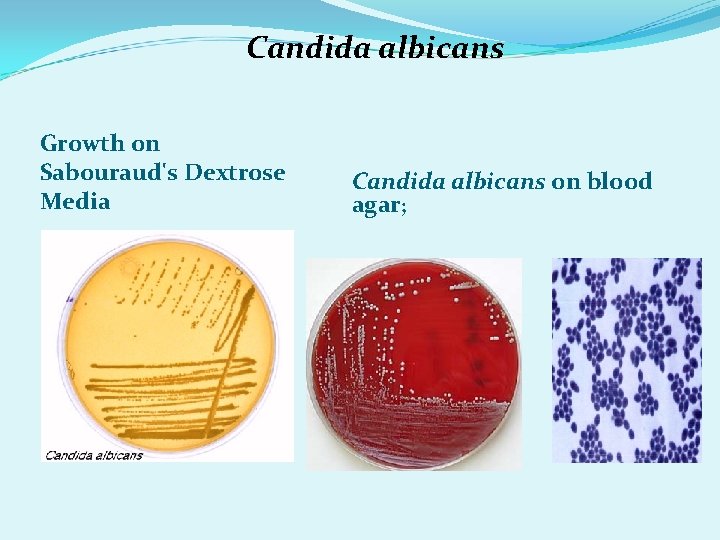
Candida albicans Growth on Sabouraud's Dextrose Media Candida albicans on blood agar;
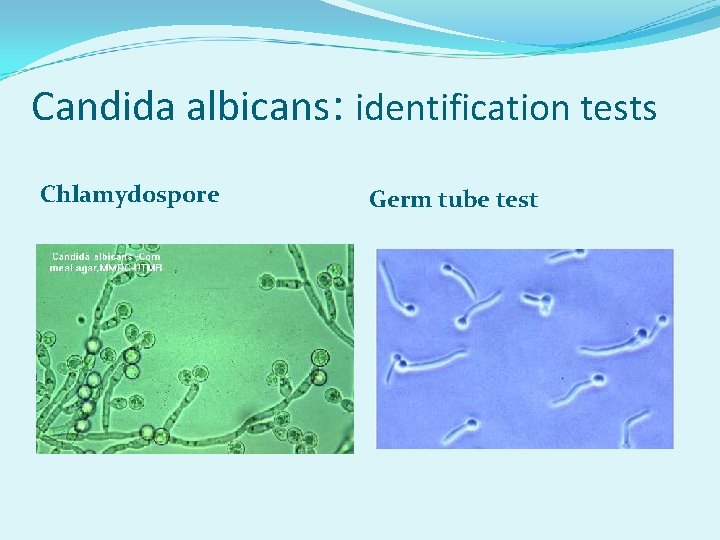
Candida albicans: identification tests Chlamydospore Germ tube test
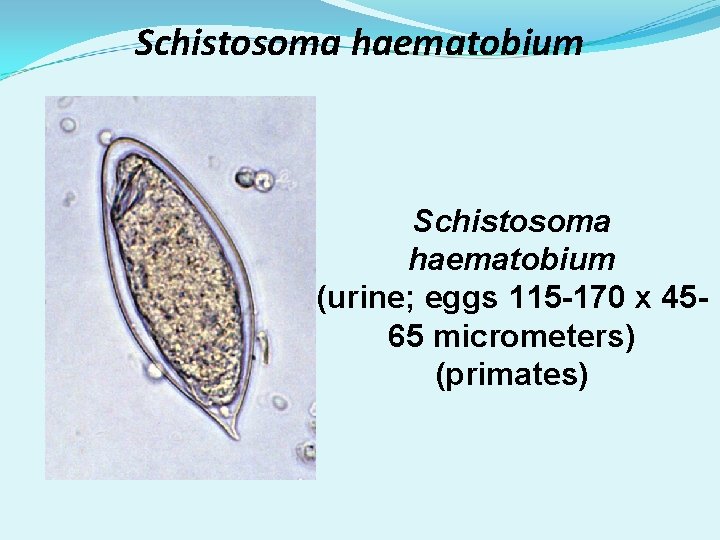
Schistosoma haematobium (urine; eggs 115 -170 x 4565 micrometers) (primates)
discussion Mention one organism from each of the following which may cause urinary tract infection A) Bacteria ………………. . B) Parasites ……………… C) Fungi ………………
- Slides: 35