
PPV diagnostic tools in relation to vaccine performance
- Slides: 28
PPV diagnostic tools in relation to vaccine performance István Kiss, SSIU-Phylaxia/SID, Budapest, Hungary
Outlin e • Parvoviruses, PPV • Considerations for diagnosis • Parvoruvax trial • Conclusions 2
Parvoviruse s • Parvoviruses infect most vertebrates and many arthropods, causing a variety of diseases. Virion is ~20 nm, Ø enveloped, 5 kb, ss-DNA • Many parvoviruses have been isolated from mammals, including humans, dogs, cats, rodents, cows, and pigs. • Parvoviruses have an icosahedral capsid consisting of 60 copies of a mixture of viral proteins (VP) 1 and 2 and, in some cases, VP 3 and VP 4 – see later. • Parvovirus capsids are an important determinant of host range, and they are the target of host protective immunity. 3
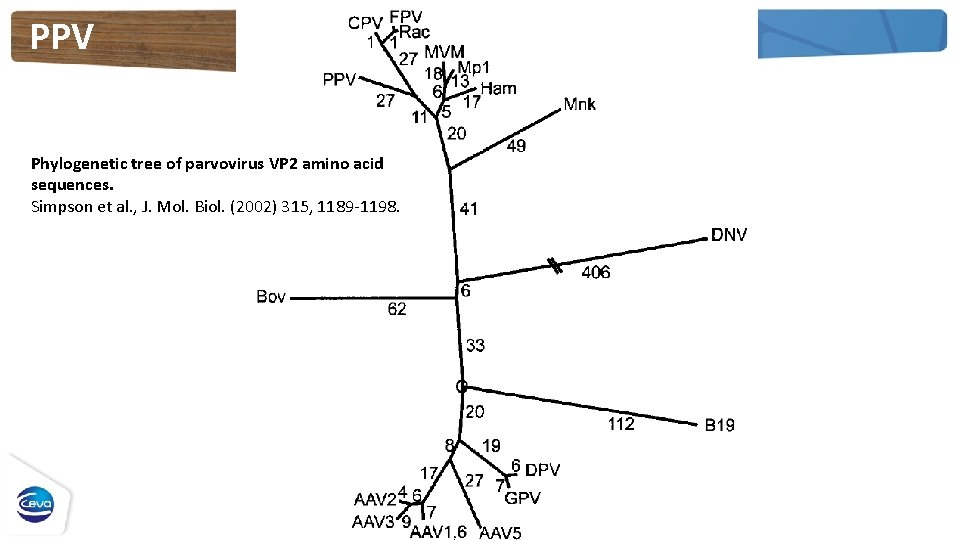
PPV Phylogenetic tree of parvovirus VP 2 amino acid sequences. Simpson et al. , J. Mol. Biol. (2002) 315, 1189 -1198. 4
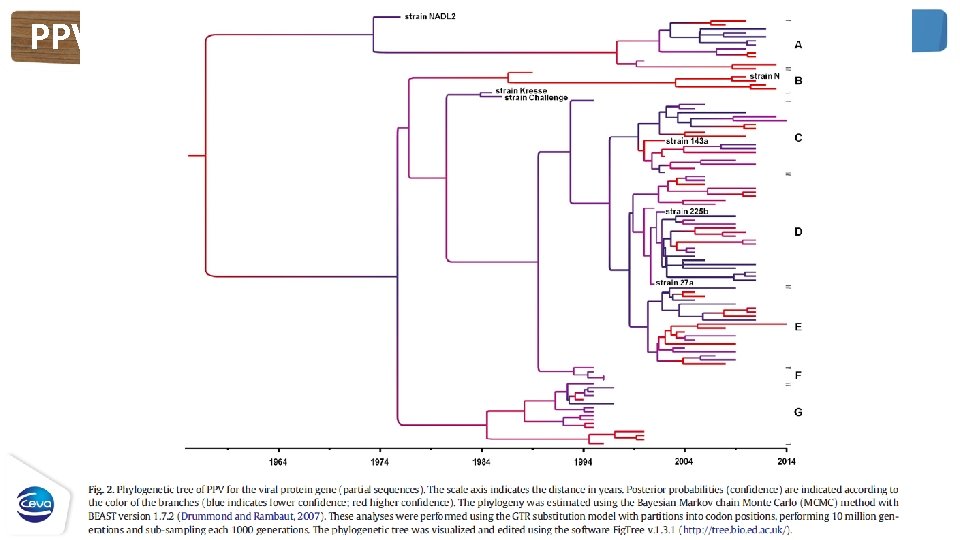
PPV • PPV 1 (Ungulate protoparvovirus 1), PPV was first isolated in Germany (Mayr et al. , 1968) from sows; SMEDI. • The PPV strains had a common ancestor ~250 years ago, • Groups I, II, and III diverged appr. 150, and 110 years ago, respectively, with no significant geographic divergence associated with the clades. • For the NS 1: 3. 03 × 10− 5, for VP 2: 1. 07 × 10− 4 substitutions/site/year was rate estimated. • No significant recombination events were detected in the complete PPV ORFs – unlike in Aleutian mink disease virus and rodent parvoviruses. 5
PPV • The PPV VP 2 s have a high degree of aa identity ranging 96. 1%– 100%. • PPV is a frequent contaminant of cell cultures and trypsin (59% and 10%, respectively)! • ORF 1 encodes three capsid proteins (VP 1 with PLA 2 activity, VP 2 (incl. SAT), and VP 3) and ORF 2 one nonstructural protein (NS 1), which encodes the NS 2 and NS 3 proteins by alternative splicing. VP 1/2 are the main subjects of phylogeny. • Early NS 1 production is critical for PPV replication and a discriminating factor between Kresse/NADL-2 strains. • PPV CPE= cell rounding, pyknosis in primary cultures (kép Edittől) of porcine cell lines, however, PPV can also establish latent infection in continuous cell lines (including bovine and monkey origin) and cause persistent infections in various hosts. • Contamination can invalidate results, depreciate products and medicines, may change susceptibility to infection by other agents. 6
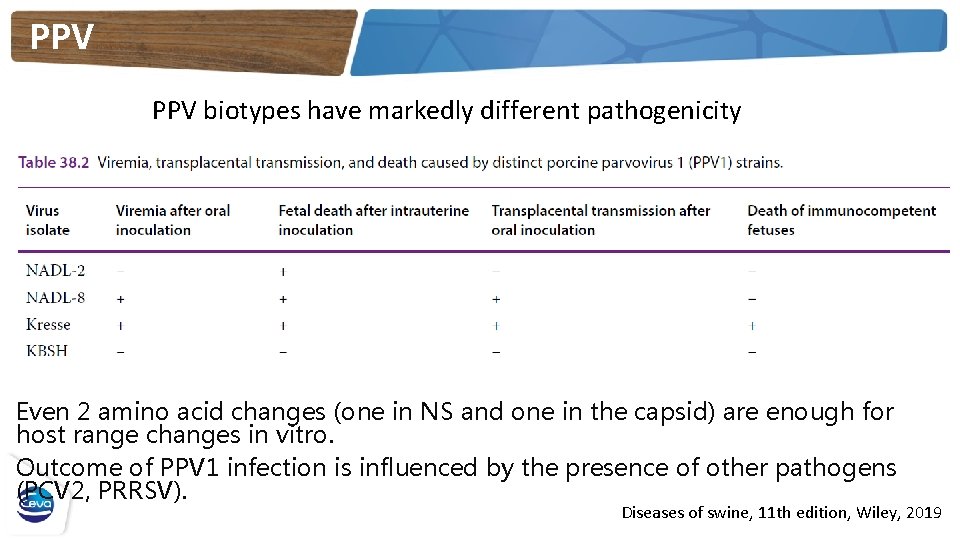
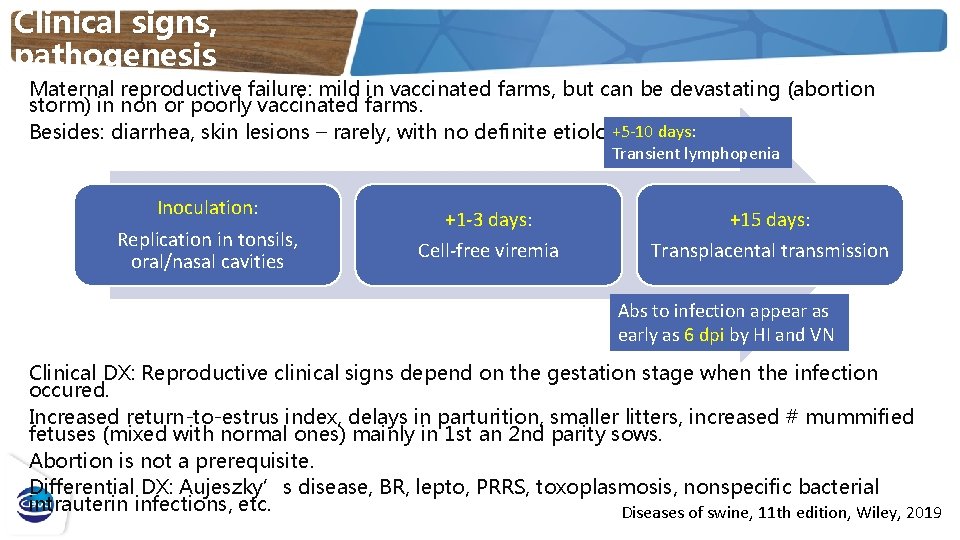
PPV biotypes have markedly different pathogenicity Even 2 amino acid changes (one in NS and one in the capsid) are enough for host range changes in vitro. Outcome of PPV 1 infection is influenced by the presence of other pathogens (PCV 2, PRRSV). Diseases of swine, 11 th edition, Wiley, 2019 7
Epidemiolo gy • Wolrdwide occurence, 70 -100% seropositivity of the herds • Clinical signs only in pregnant females • Shed by excretions, highly resistant in the environment continuous source for new & reinfections (aldehyde desinfectants and hydrogen peroxide are the most efficient) • Other resources: fomites, equipment, rodents, boars, • The virus replicates even in vaccinated pigs (sharp rise of Ab titers) circulation cannot be completely prevented by vaccination • … 8
Clinical signs, pathogenesis Maternal reproductive failure: mild in vaccinated farms, but can be devastating (abortion storm) in non or poorly vaccinated farms. +5 -10 days: Besides: diarrhea, skin lesions – rarely, with no definite etiology. Transient lymphopenia Inoculation: Replication in tonsils, oral/nasal cavities +1 -3 days: Cell-free viremia +15 days: Transplacental transmission Abs to infection appear as early as 6 dpi by HI and VN Clinical DX: Reproductive clinical signs depend on the gestation stage when the infection occured. Increased return-to-estrus index, delays in parturition, smaller litters, increased # mummified fetuses (mixed with normal ones) mainly in 1 st an 2 nd parity sows. Abortion is not a prerequisite. Differential DX: Aujeszky’s disease, BR, lepto, PRRS, toxoplasmosis, nonspecific bacterial intrauterin infections, etc. Diseases of swine, 11 th edition, Wiley, 2019 9
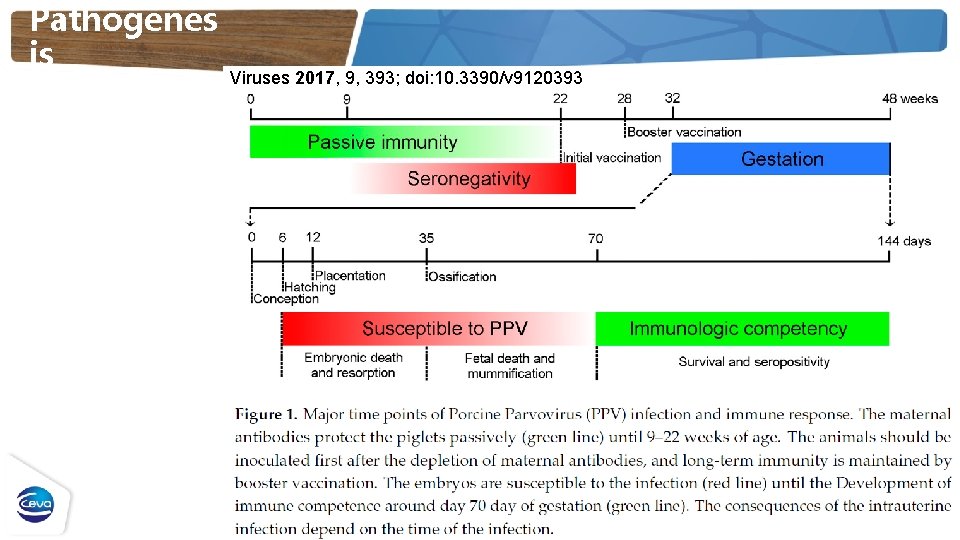
Pathogenes is Viruses 2017, 9, 393; doi: 10. 3390/v 9120393 10
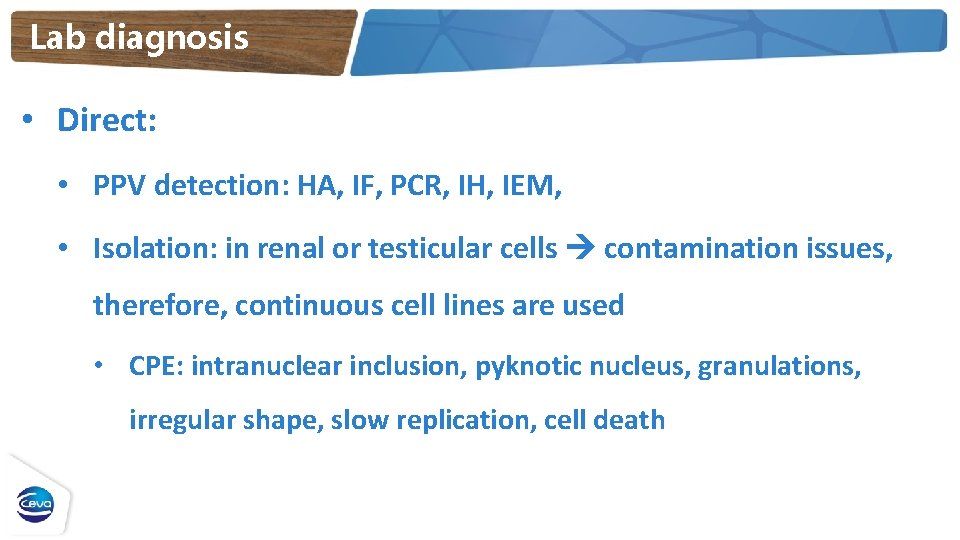
Lab diagnosis • Direct: • PPV detection: HA, IF, PCR, IH, IEM, • Isolation: in renal or testicular cells contamination issues, therefore, continuous cell lines are used • CPE: intranuclear inclusion, pyknotic nucleus, granulations, irregular shape, slow replication, cell death 11
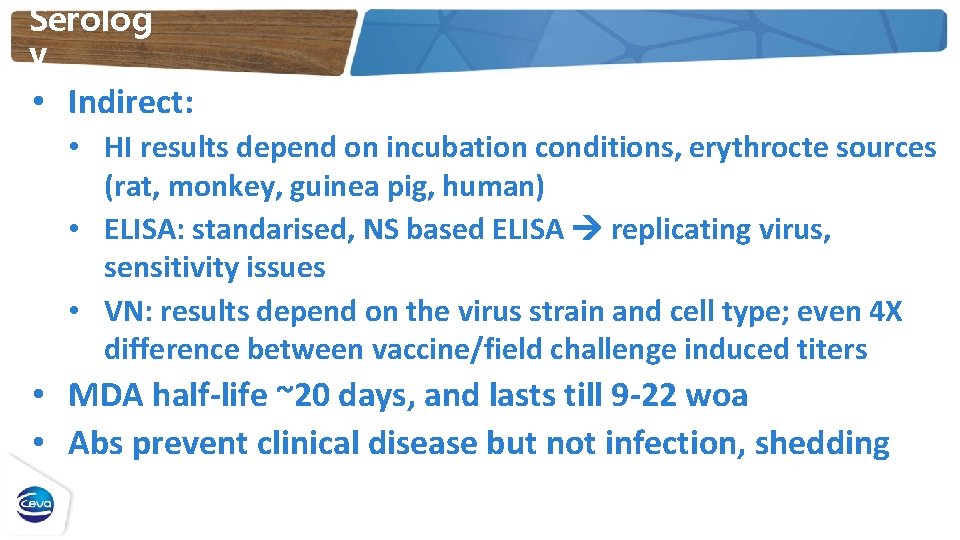
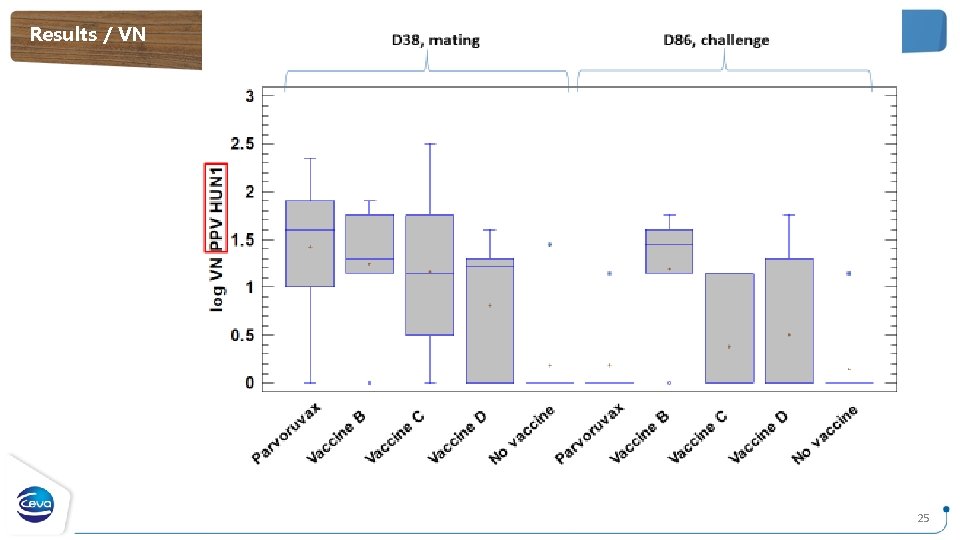
Serolog y • Indirect: • HI results depend on incubation conditions, erythrocte sources (rat, monkey, guinea pig, human) • ELISA: standarised, NS based ELISA replicating virus, sensitivity issues • VN: results depend on the virus strain and cell type; even 4 X difference between vaccine/field challenge induced titers • MDA half-life ~20 days, and lasts till 9 -22 woa • Abs prevent clinical disease but not infection, shedding 12
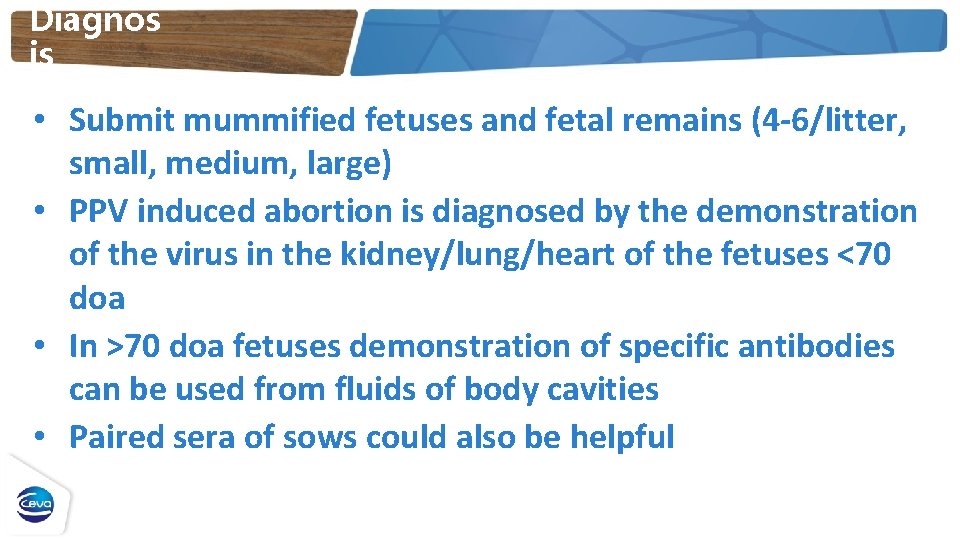
Diagnos is • Submit mummified fetuses and fetal remains (4 -6/litter, small, medium, large) • PPV induced abortion is diagnosed by the demonstration of the virus in the kidney/lung/heart of the fetuses <70 doa • In >70 doa fetuses demonstration of specific antibodies can be used from fluids of body cavities • Paired sera of sows could also be helpful 13
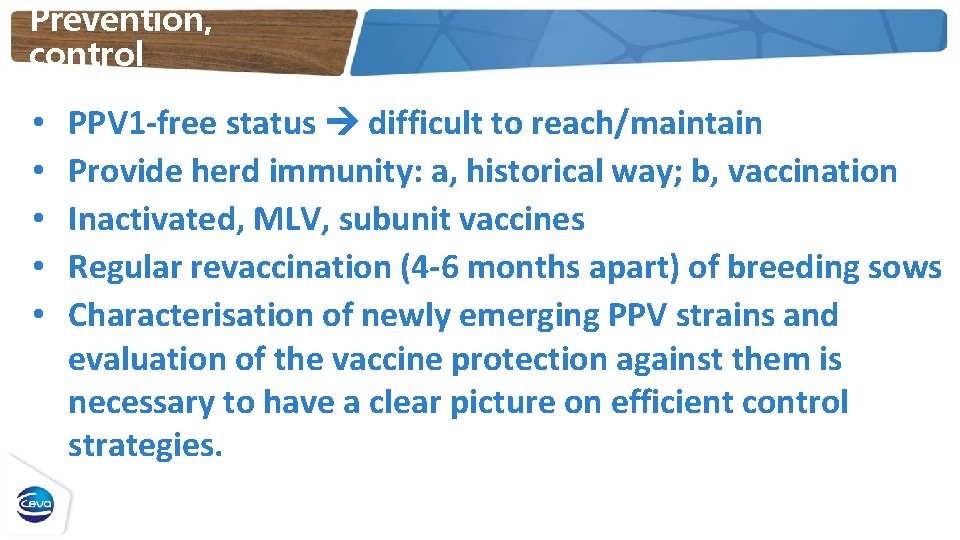
Prevention, control • • • PPV 1 -free status difficult to reach/maintain Provide herd immunity: a, historical way; b, vaccination Inactivated, MLV, subunit vaccines Regular revaccination (4 -6 months apart) of breeding sows Characterisation of newly emerging PPV strains and evaluation of the vaccine protection against them is necessary to have a clear picture on efficient control strategies. 14
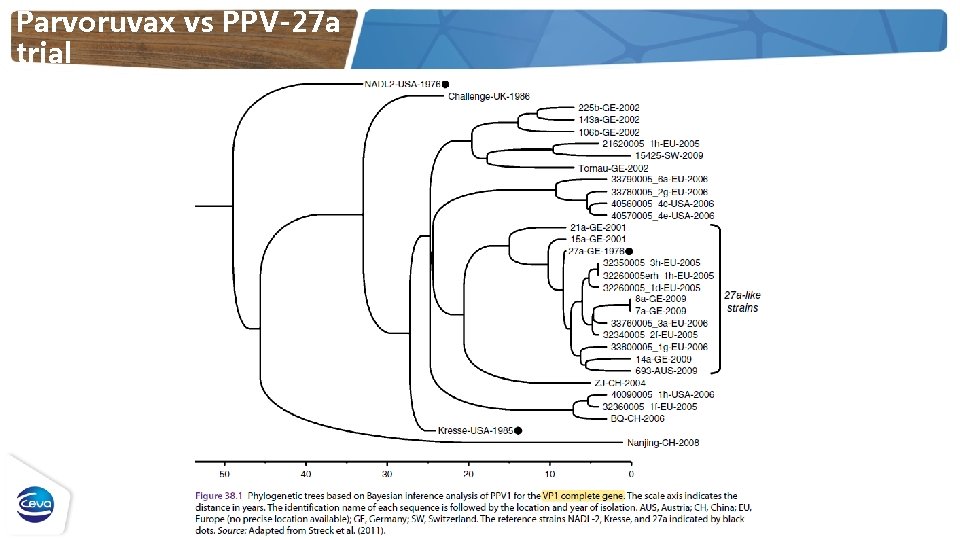
Parvoruvax vs PPV-27 a trial 15
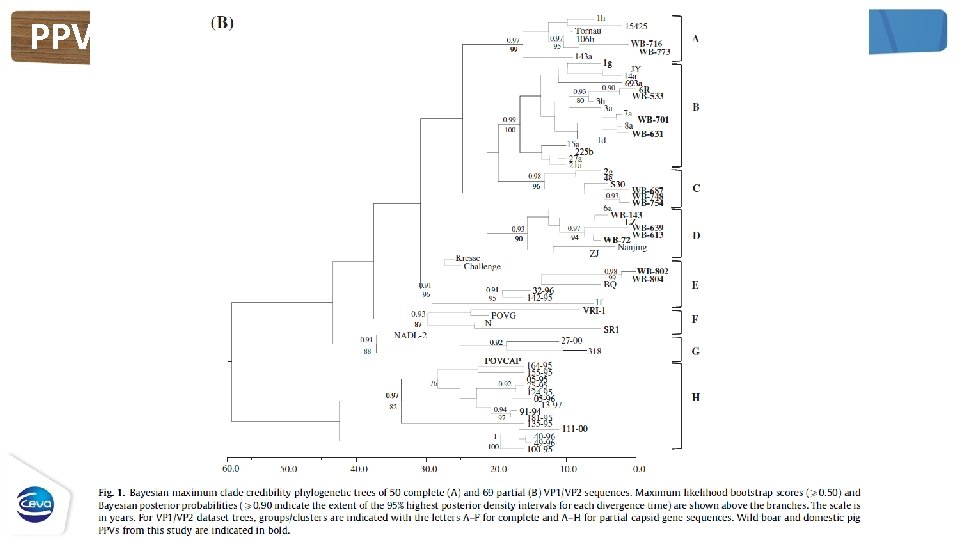
PPV 16
PPV 17
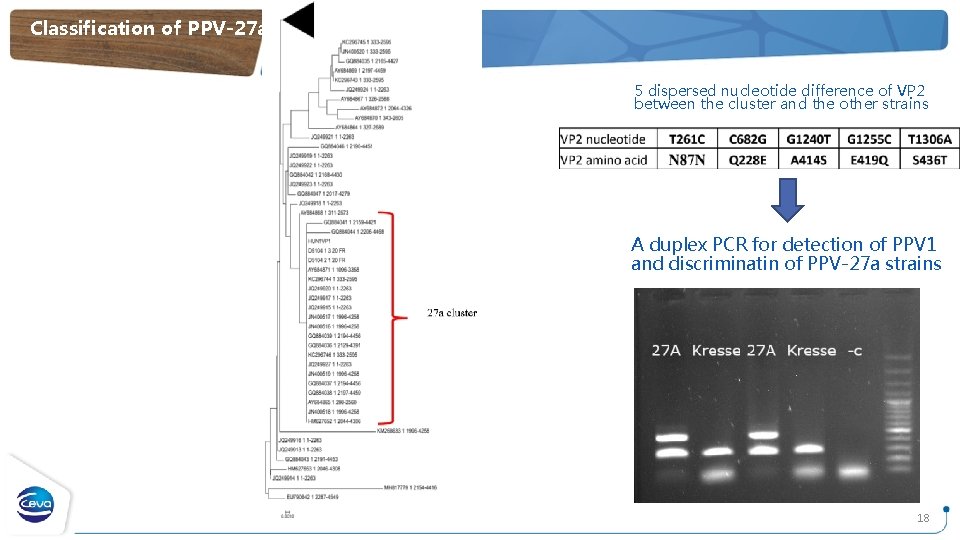
Classification of PPV-27 a 5 dispersed nucleotide difference of VP 2 between the cluster and the other strains A duplex PCR for detection of PPV 1 and discriminatin of PPV-27 a strains 18
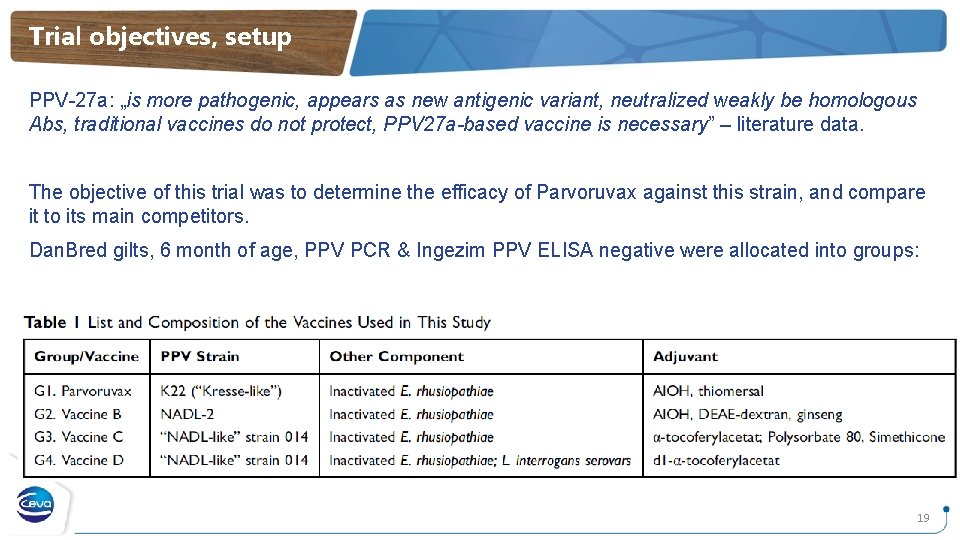
Trial objectives, setup PPV-27 a: „is more pathogenic, appears as new antigenic variant, neutralized weakly be homologous Abs, traditional vaccines do not protect, PPV 27 a-based vaccine is necessary” – literature data. The objective of this trial was to determine the efficacy of Parvoruvax against this strain, and compare it to its main competitors. Dan. Bred gilts, 6 month of age, PPV PCR & Ingezim PPV ELISA negative were allocated into groups: 19
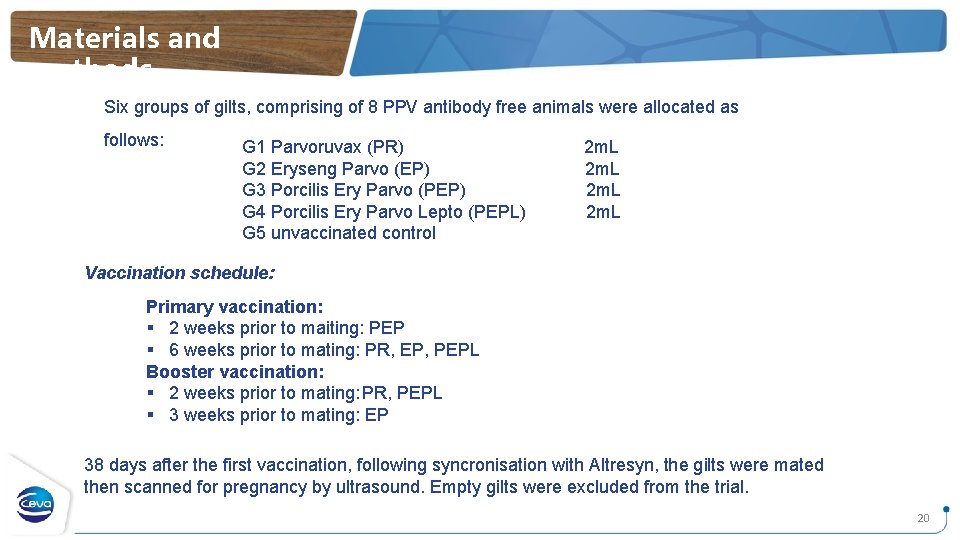
Materials and methods Six groups of gilts, comprising of 8 PPV antibody free animals were allocated as follows: G 1 Parvoruvax (PR) G 2 Eryseng Parvo (EP) G 3 Porcilis Ery Parvo (PEP) G 4 Porcilis Ery Parvo Lepto (PEPL) G 5 unvaccinated control 2 m. L Vaccination schedule: Primary vaccination: § 2 weeks prior to maiting: PEP § 6 weeks prior to mating: PR, EP, PEPL Booster vaccination: § 2 weeks prior to mating: PR, PEPL § 3 weeks prior to mating: EP 38 days after the first vaccination, following syncronisation with Altresyn, the gilts were mated then scanned for pregnancy by ultrasound. Empty gilts were excluded from the trial. 20
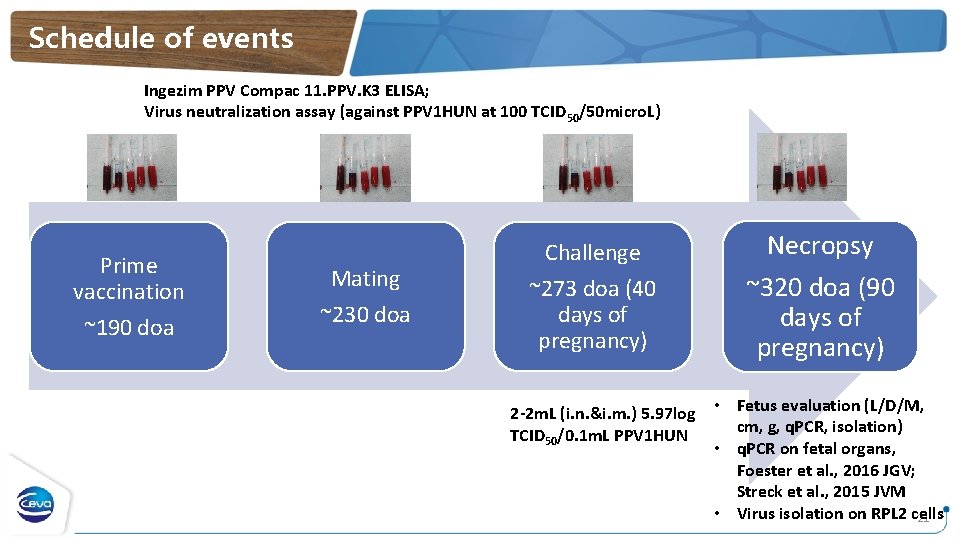
Schedule of events Ingezim PPV Compac 11. PPV. K 3 ELISA; Virus neutralization assay (against PPV 1 HUN at 100 TCID 50/50 micro. L) Prime vaccination ~190 doa Mating ~230 doa Challenge ~273 doa (40 days of pregnancy) 2 -2 m. L (i. n. &i. m. ) 5. 97 log TCID 50/0. 1 m. L PPV 1 HUN Necropsy ~320 doa (90 days of pregnancy) • Fetus evaluation (L/D/M, cm, g, q. PCR, isolation) • q. PCR on fetal organs, Foester et al. , 2016 JGV; Streck et al. , 2015 JVM • Virus isolation on RPL 2 cells 21
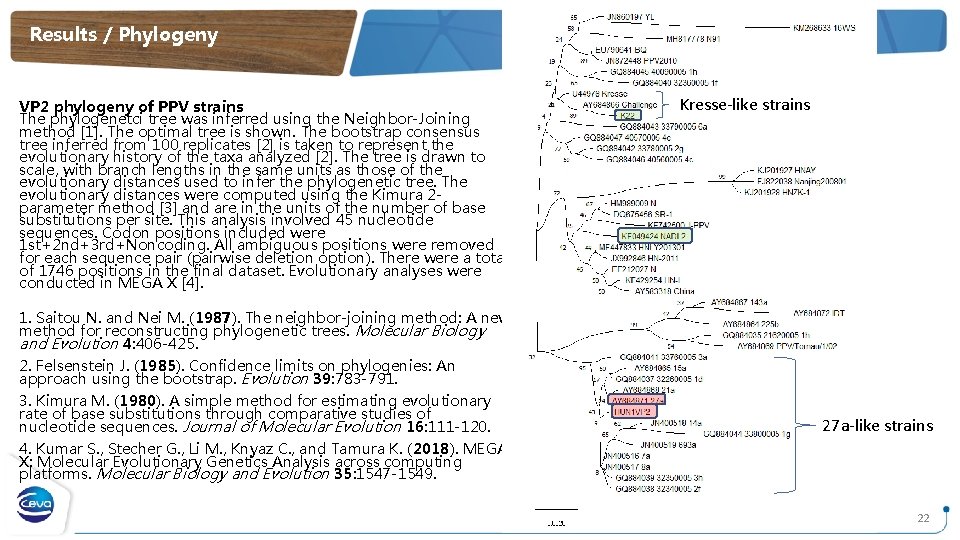
Results / Phylogeny VP 2 phylogeny of PPV strains The phylogenetci tree was inferred using the Neighbor-Joining method [1]. The optimal tree is shown. The bootstrap consensus tree inferred from 100 replicates [2] is taken to represent the evolutionary history of the taxa analyzed [2]. The tree is drawn to scale, with branch lengths in the same units as those of the evolutionary distances used to infer the phylogenetic tree. The evolutionary distances were computed using the Kimura 2 parameter method [3] and are in the units of the number of base substitutions per site. This analysis involved 45 nucleotide sequences. Codon positions included were 1 st+2 nd+3 rd+Noncoding. All ambiguous positions were removed for each sequence pair (pairwise deletion option). There were a total of 1746 positions in the final dataset. Evolutionary analyses were conducted in MEGA X [4]. Kresse-like strains 1. Saitou N. and Nei M. (1987). The neighbor-joining method: A new method for reconstructing phylogenetic trees. Molecular Biology and Evolution 4: 406 -425. 2. Felsenstein J. (1985). Confidence limits on phylogenies: An approach using the bootstrap. Evolution 39: 783 -791. 3. Kimura M. (1980). A simple method for estimating evolutionary rate of base substitutions through comparative studies of nucleotide sequences. Journal of Molecular Evolution 16: 111 -120. 27 a-like strains 4. Kumar S. , Stecher G. , Li M. , Knyaz C. , and Tamura K. (2018). MEGA X: Molecular Evolutionary Genetics Analysis across computing platforms. Molecular Biology and Evolution 35: 1547 -1549. 22
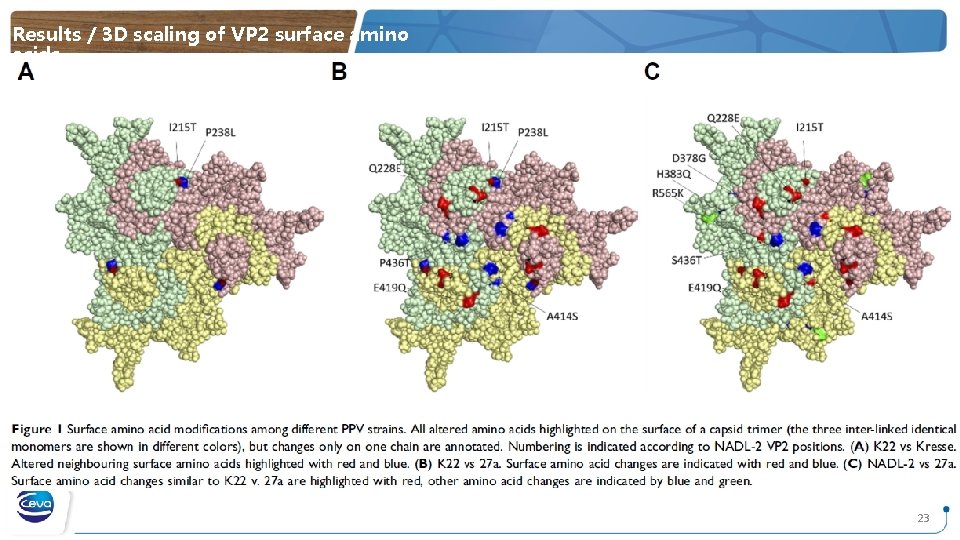
Results / 3 D scaling of VP 2 surface amino acids 23
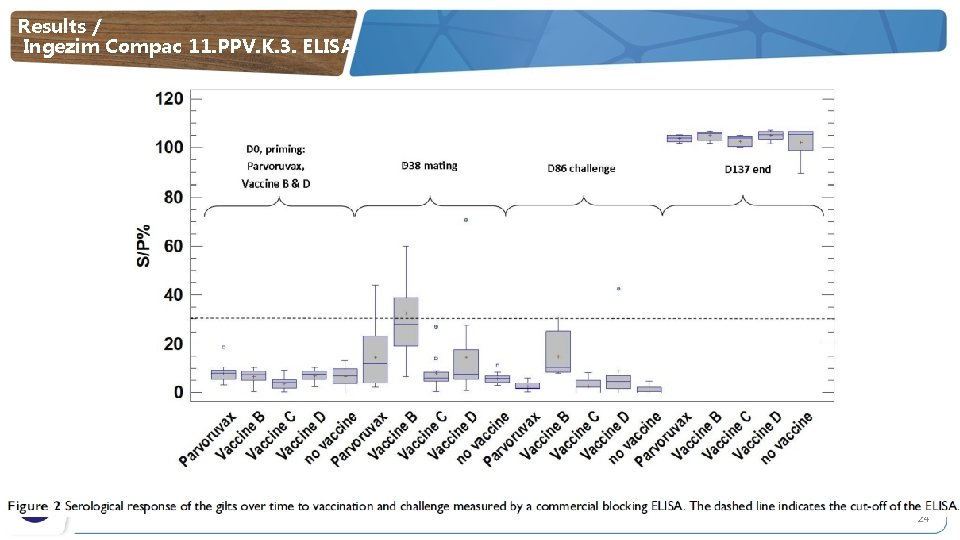
Results / Ingezim Compac 11. PPV. K. 3. ELISA 24
Results / VN 25
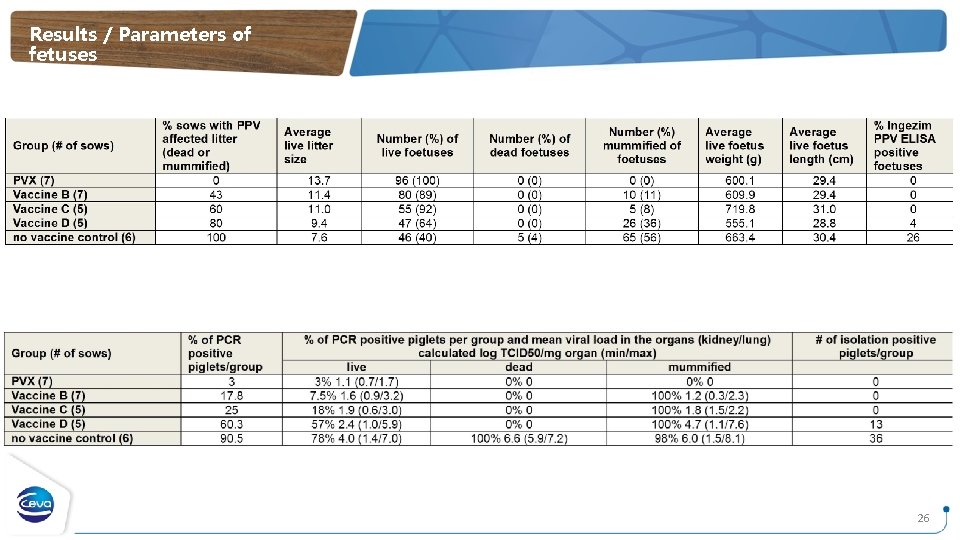
Results / Parameters of fetuses 26
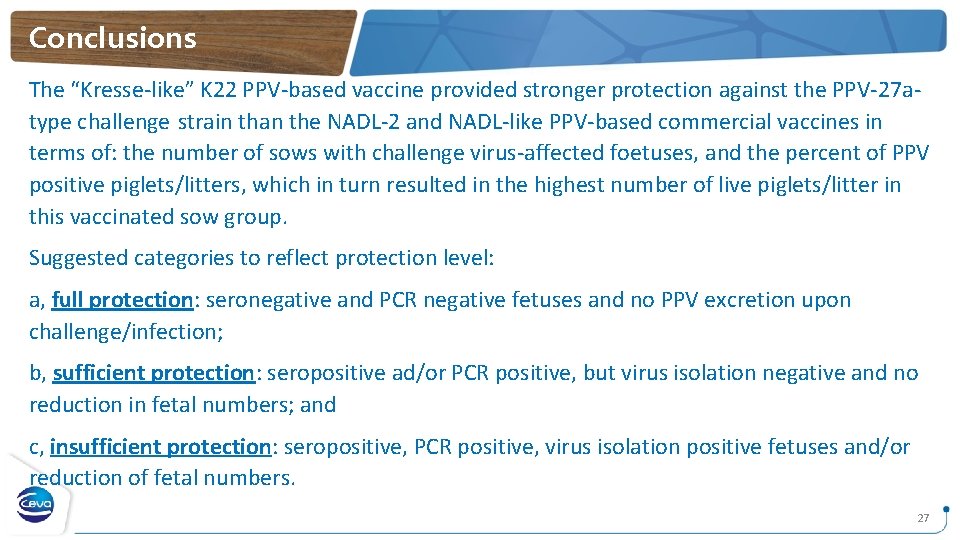
Conclusions The “Kresse-like” K 22 PPV-based vaccine provided stronger protection against the PPV-27 atype challenge strain than the NADL-2 and NADL-like PPV-based commercial vaccines in terms of: the number of sows with challenge virus-affected foetuses, and the percent of PPV positive piglets/litters, which in turn resulted in the highest number of live piglets/litter in this vaccinated sow group. Suggested categories to reflect protection level: a, full protection: seronegative and PCR negative fetuses and no PPV excretion upon challenge/infection; b, sufficient protection: seropositive ad/or PCR positive, but virus isolation negative and no reduction in fetal numbers; and c, insufficient protection: seropositive, PCR positive, virus isolation positive fetuses and/or reduction of fetal numbers. 27
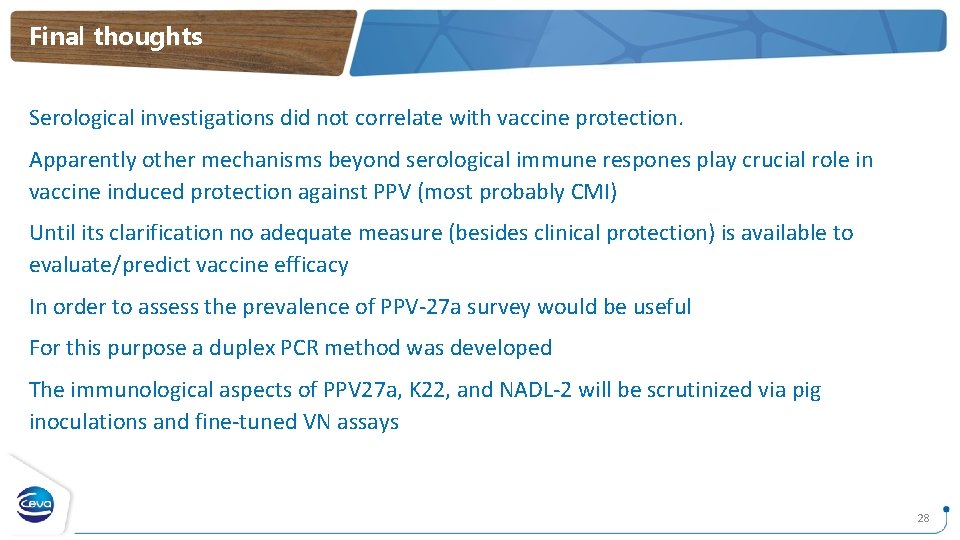
Final thoughts Serological investigations did not correlate with vaccine protection. Apparently other mechanisms beyond serological immune respones play crucial role in vaccine induced protection against PPV (most probably CMI) Until its clarification no adequate measure (besides clinical protection) is available to evaluate/predict vaccine efficacy In order to assess the prevalence of PPV-27 a survey would be useful For this purpose a duplex PCR method was developed The immunological aspects of PPV 27 a, K 22, and NADL-2 will be scrutinized via pig inoculations and fine-tuned VN assays 28