
Powering Wolverines Renewable Future Presented to Great Lakes
Powering Wolverine’s Renewable Future Presented to Great Lakes Regional Wind Institute Detroit, Michigan by John P. Miceli, Energy Market Analyst March 17, 2008
Presentation Overview • • The Coop Story Who is Wolverine? Wolverine’s involvement in project Michigan’s proposed RPS legislation Project/Business synergies Project challenges Lessons learned Project photos
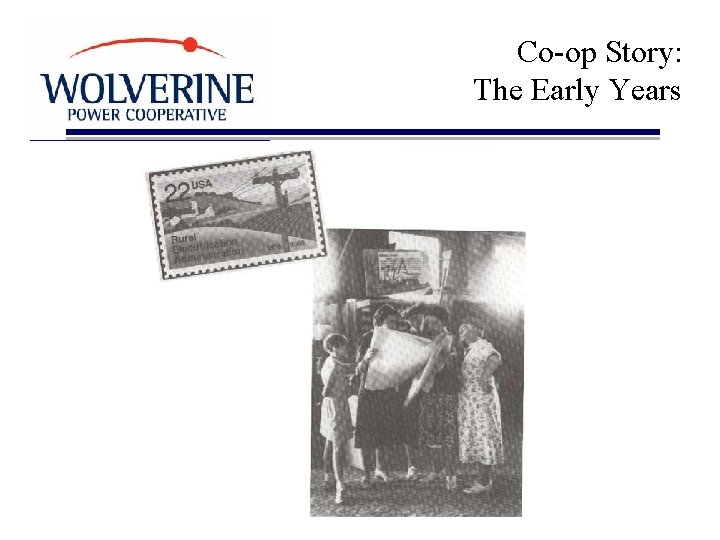
Co-op Story: The Early Years
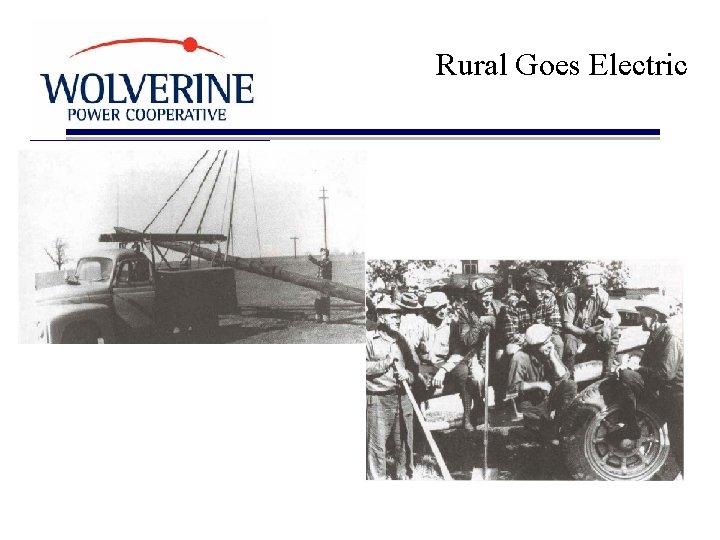
Rural Goes Electric
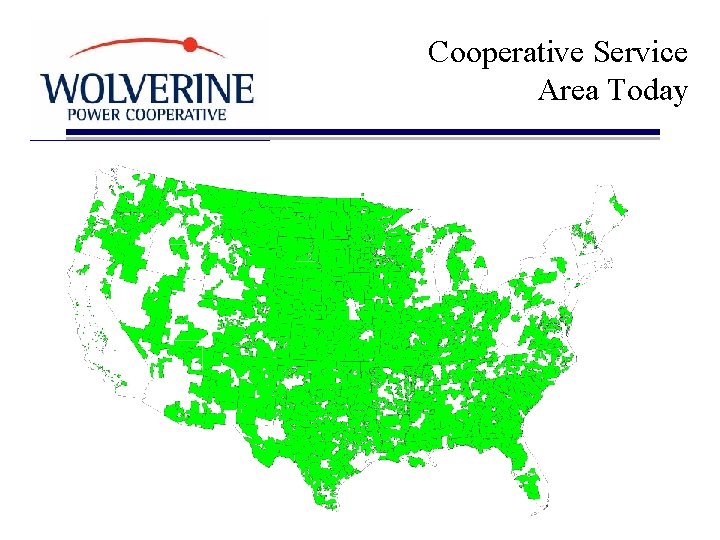
Cooperative Service Area Today
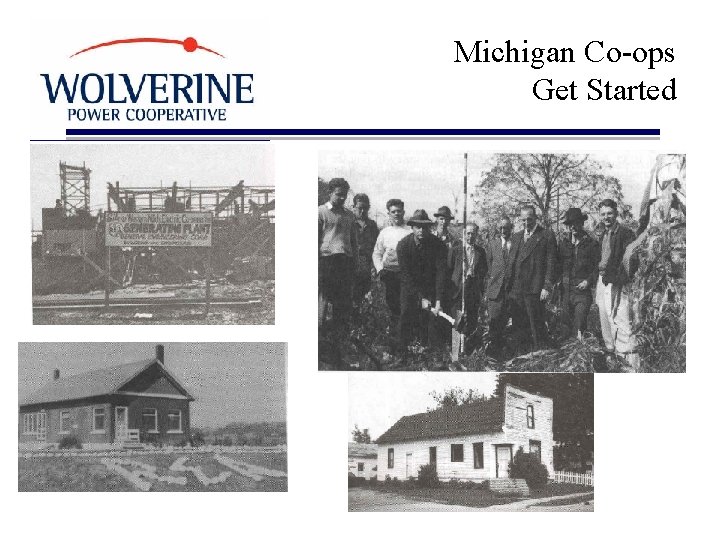
Michigan Co-ops Get Started
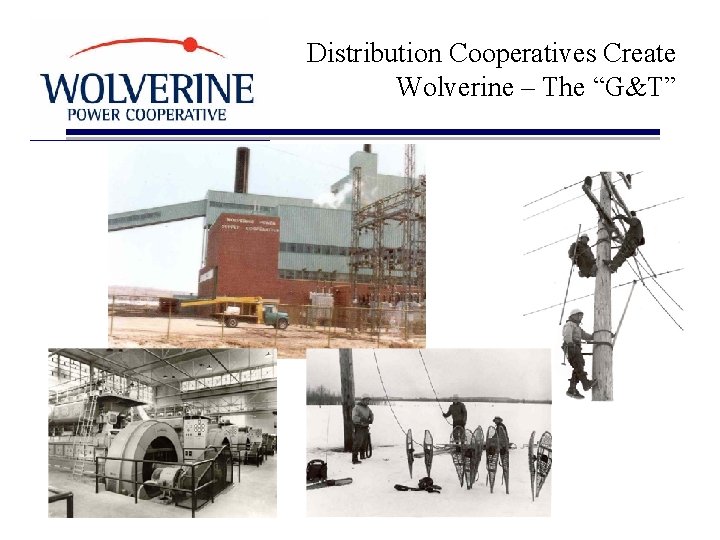
Distribution Cooperatives Create Wolverine – The “G&T”

Who is Wolverine?
Wolverine Key Facts • Not-for-profit 501(c)(12) corporation • Mission: – To provide outstanding service to our members by delivering reliable, competitive power supply • Core values: – – Member service Integrity Environmental stewardship Commitment to employees 2007 Statistics: • Number of employees – 107 • Total revenue – $ 240 million
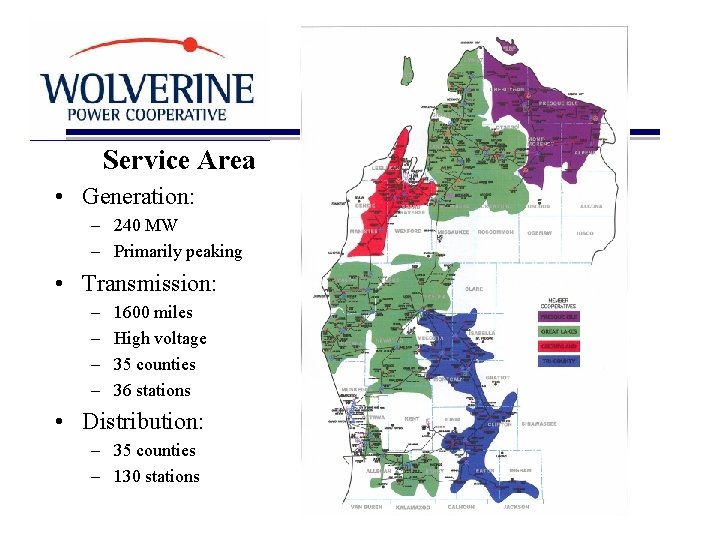
Service Area • Generation: – 240 MW – Primarily peaking • Transmission: – – 1600 miles High voltage 35 counties 36 stations • Distribution: – 35 counties – 130 stations
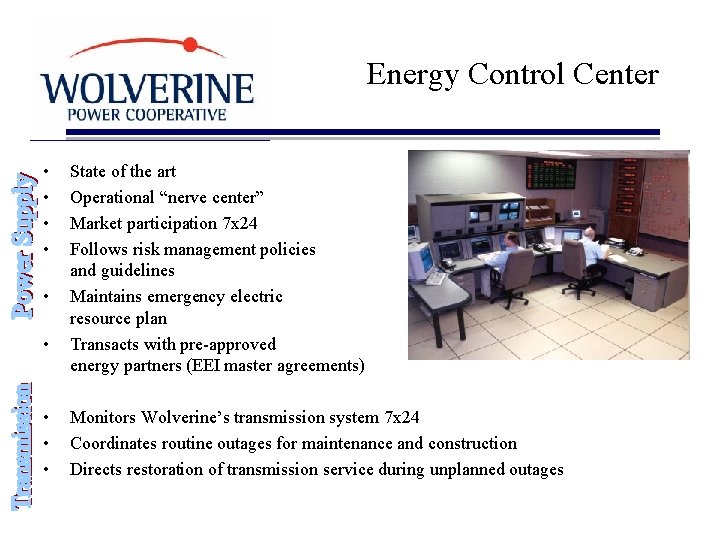
Energy Control Center • • • State of the art Operational “nerve center” Market participation 7 x 24 Follows risk management policies and guidelines Maintains emergency electric resource plan Transacts with pre-approved energy partners (EEI master agreements) Monitors Wolverine’s transmission system 7 x 24 Coordinates routine outages for maintenance and construction Directs restoration of transmission service during unplanned outages
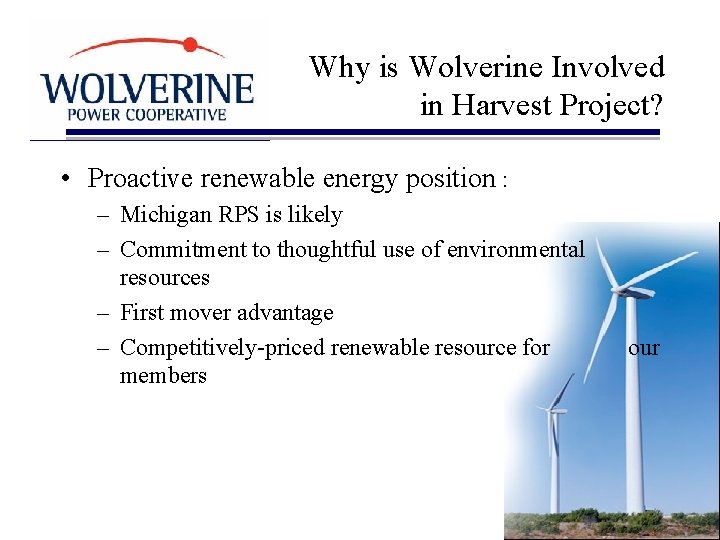
Why is Wolverine Involved in Harvest Project? • Proactive renewable energy position : – Michigan RPS is likely – Commitment to thoughtful use of environmental resources – First mover advantage – Competitively-priced renewable resource for members our
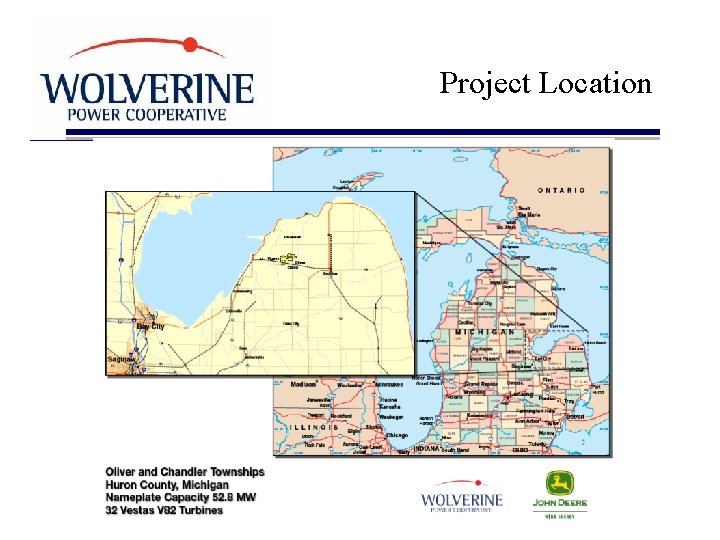
Project Location
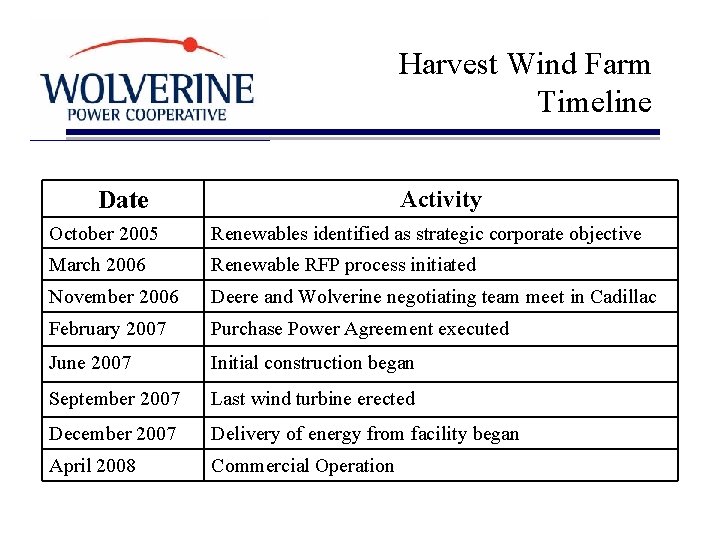
Harvest Wind Farm Timeline Activity Date October 2005 Renewables identified as strategic corporate objective March 2006 Renewable RFP process initiated November 2006 Deere and Wolverine negotiating team meet in Cadillac February 2007 Purchase Power Agreement executed June 2007 Initial construction began September 2007 Last wind turbine erected December 2007 Delivery of energy from facility began April 2008 Commercial Operation
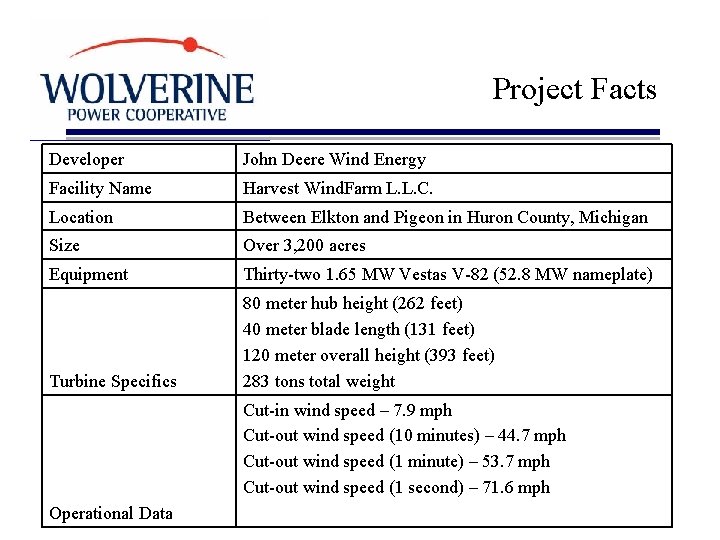
Project Facts Developer John Deere Wind Energy Facility Name Harvest Wind. Farm L. L. C. Location Between Elkton and Pigeon in Huron County, Michigan Size Over 3, 200 acres Equipment Thirty-two 1. 65 MW Vestas V-82 (52. 8 MW nameplate) Turbine Specifics 80 meter hub height (262 feet) 40 meter blade length (131 feet) 120 meter overall height (393 feet) 283 tons total weight Cut-in wind speed – 7. 9 mph Cut-out wind speed (10 minutes) – 44. 7 mph Cut-out wind speed (1 minute) – 53. 7 mph Cut-out wind speed (1 second) – 71. 6 mph Operational Data
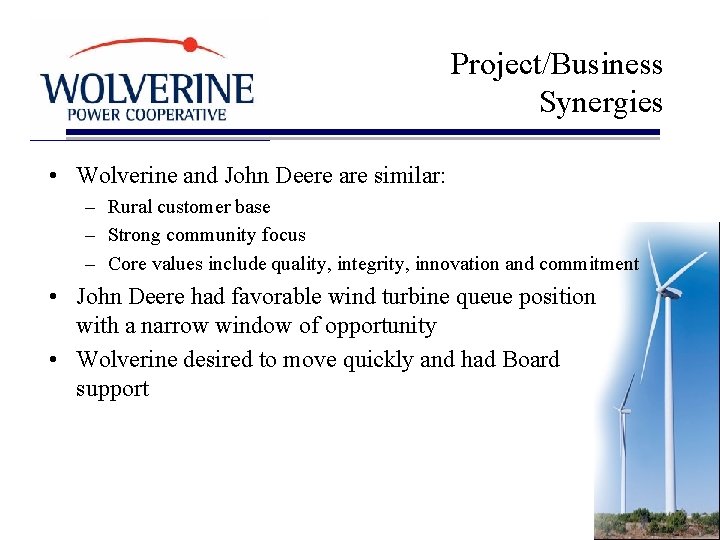
Project/Business Synergies • Wolverine and John Deere are similar: – Rural customer base – Strong community focus – Core values include quality, integrity, innovation and commitment • John Deere had favorable wind turbine queue position with a narrow window of opportunity • Wolverine desired to move quickly and had Board support
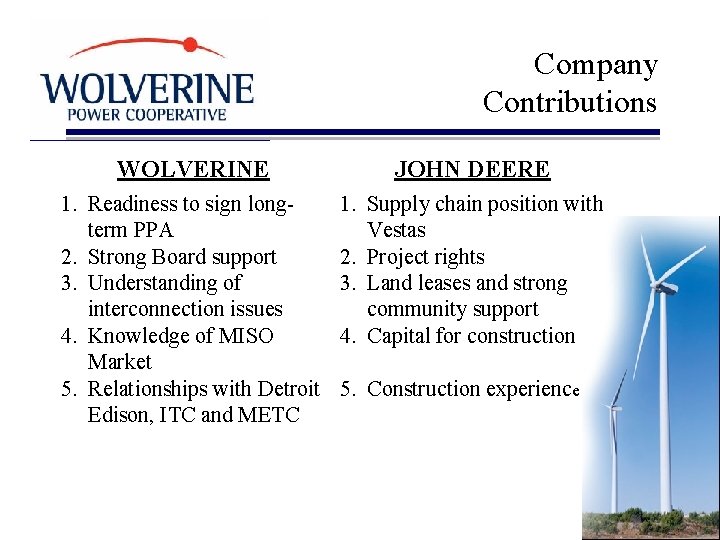
Company Contributions WOLVERINE JOHN DEERE 1. Readiness to sign longterm PPA 2. Strong Board support 3. Understanding of interconnection issues 4. Knowledge of MISO Market 5. Relationships with Detroit Edison, ITC and METC 1. Supply chain position with Vestas 2. Project rights 3. Land leases and strong community support 4. Capital for construction 5. Construction experience
Project Challenges • Justifying higher cost of wind energy to Wolverine members • RFP and PPA process • MISO queue process: – Generation Interconnection Agreement • Transmission and distribution upgrade requirements • Determining “right” size of wind farm
Justifying Higher Cost of Wind Power • Problem: – Purchasing renewable energy at a price higher than current market prices • Answers: – Expectation that renewable energy will become a requirement – Develop a willingness to pay a little more now, to gain advantage in renewable energy – Provides for supply portfolio diversity – Provides price certainty – Will provide for competively priced power in the future – Learn by doing
RFP and PPA Efforts • RFP: – – What questions should be asked? What limitations or requirements should be attached? How do we verify financial viability? How do we verify experience and capabilities? • PPA: – – What time period should the PPA cover? What terms and conditions should be included? What guarantees could or should be attached? How does Wolverine assure protection against project?
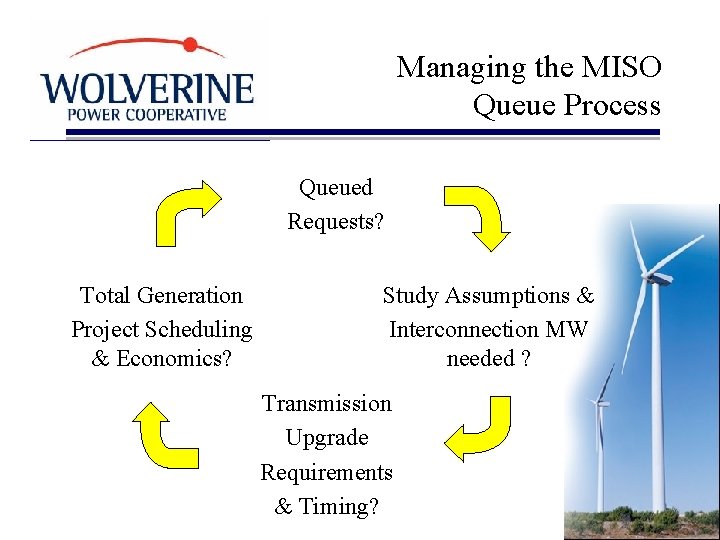
Managing the MISO Queue Process Queued Requests? Total Generation Project Scheduling & Economics? Study Assumptions & Interconnection MW needed ? Transmission Upgrade Requirements & Timing?
What is Appropriate Size for Wind Farm? • Wolverine initially desired a minimum of 25 MW of wind energy to limit risk and cost • John Deere desired a bigger farm (60 MW) to facilitate economies of scale • Solution – John Deere scaled size back to 52. 8 MW to minimize upgrade costs and keep project within budget – Wolverine agreed to purchase the full output
Lessons Learned • • • Goal of “learning by doing” paid off Gave us a real way to assess RPS direction Gained confidence to do the next project Created supply portfolio diversity Increased interest for renewable resources: – Transmission Members – Wolverine Power Marketing Cooperative – Spartan Renewable Energy
Thank you. Questions?
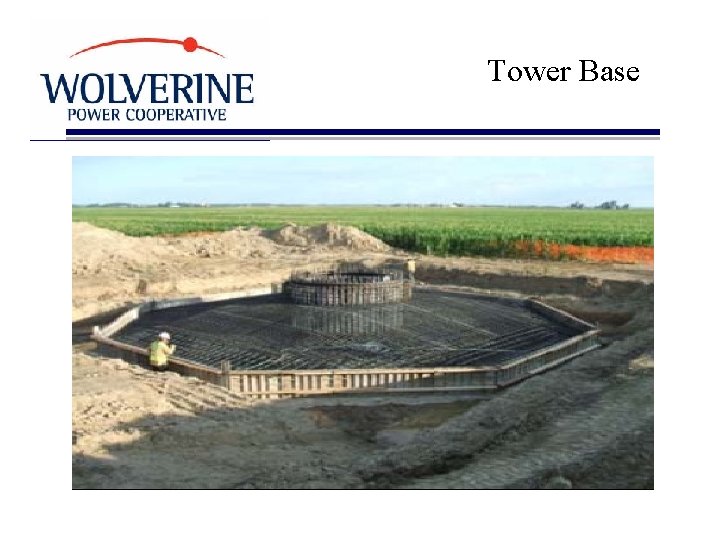
Tower Base
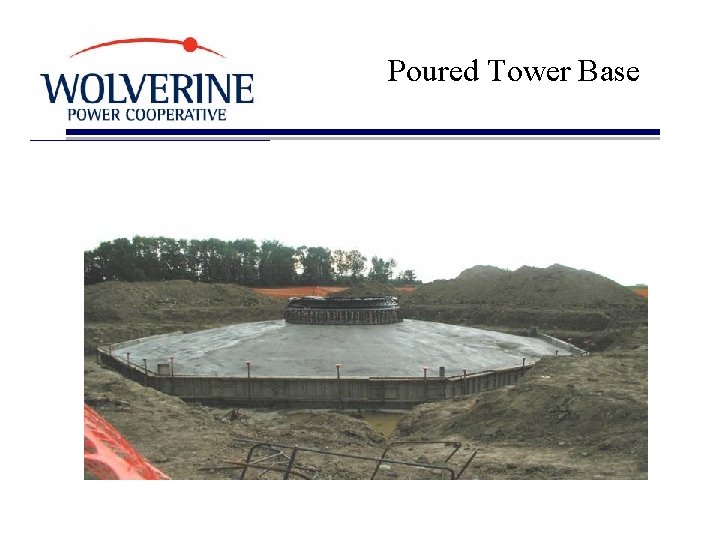
Poured Tower Base
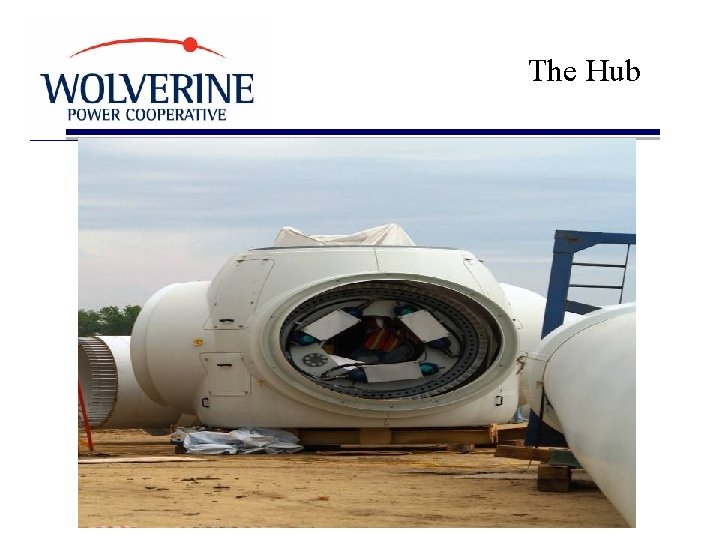
The Hub
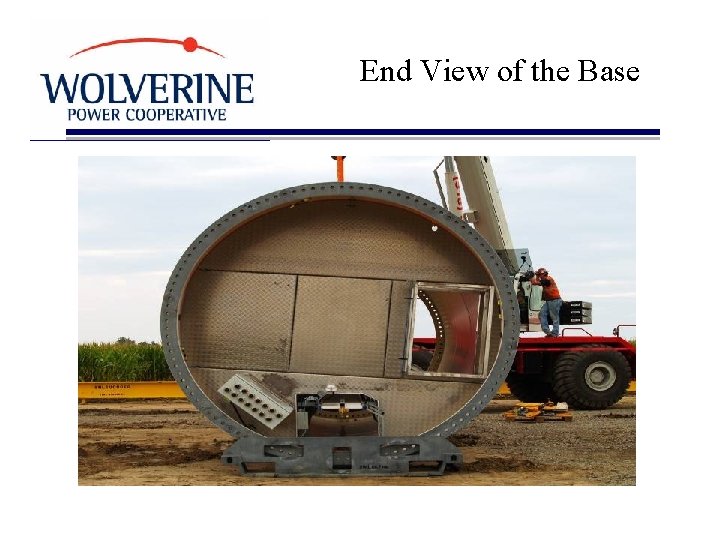
End View of the Base
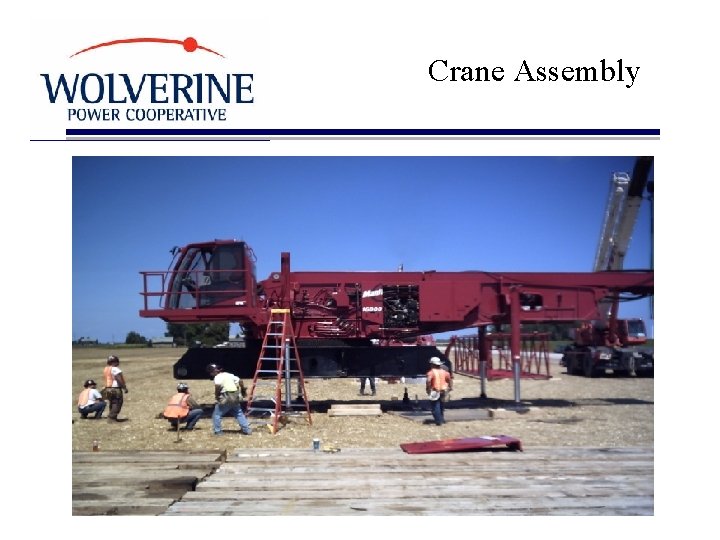
Crane Assembly
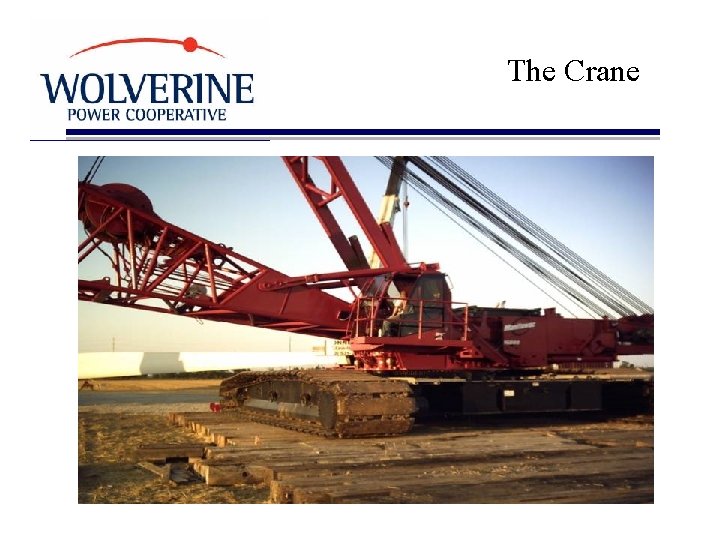
The Crane
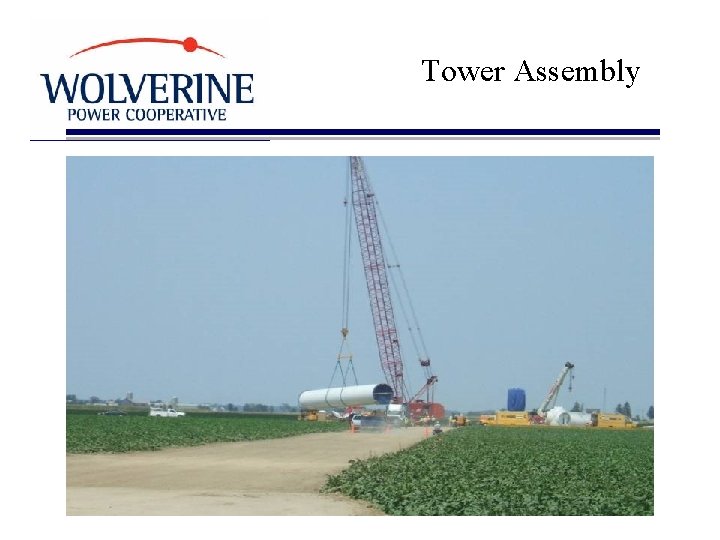
Tower Assembly
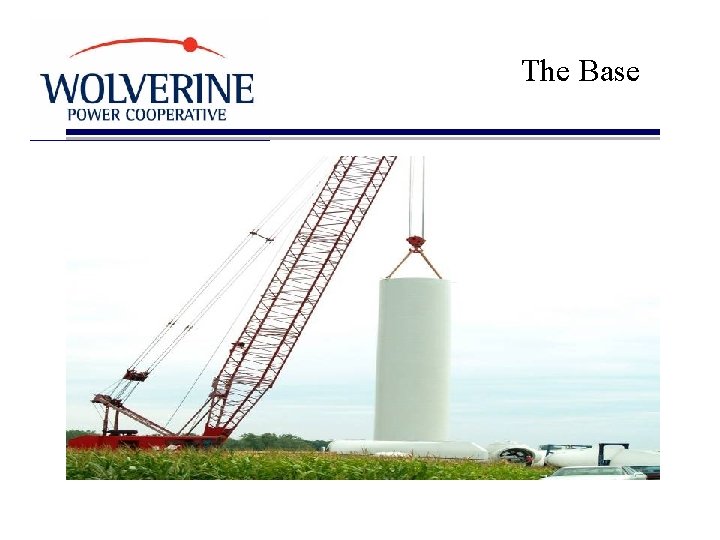
The Base
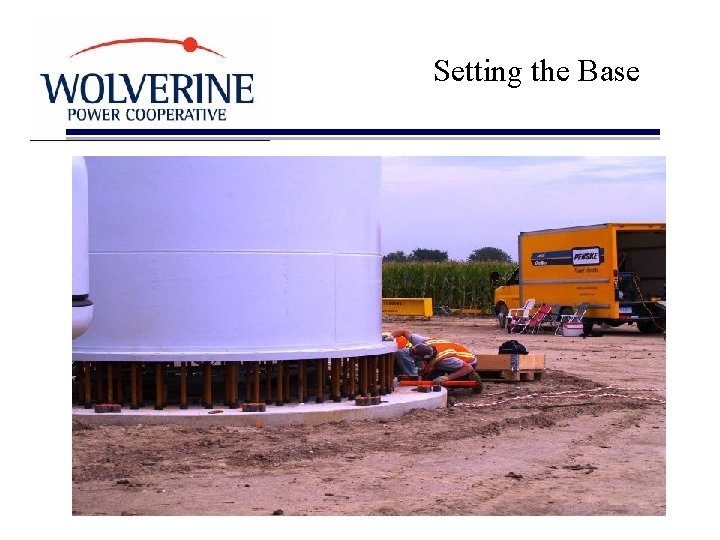
Setting the Base
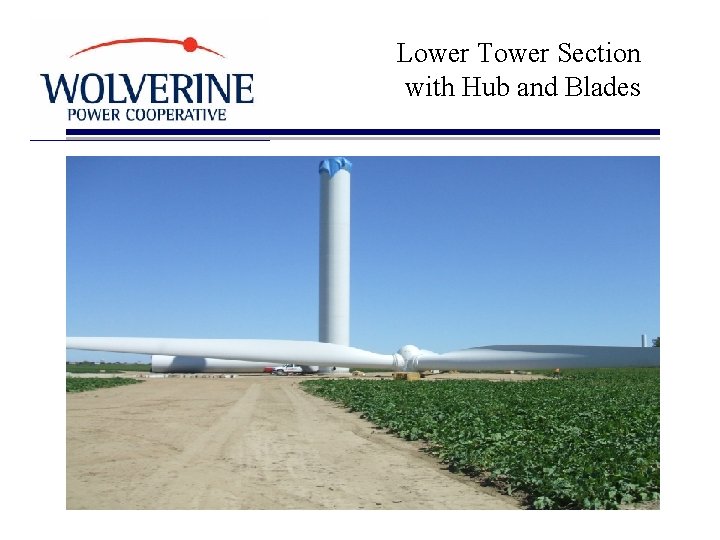
Lower Tower Section with Hub and Blades
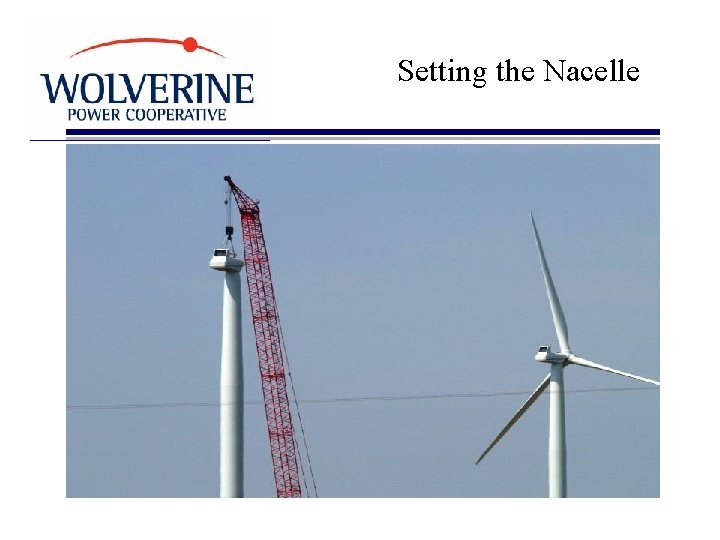
Setting the Nacelle
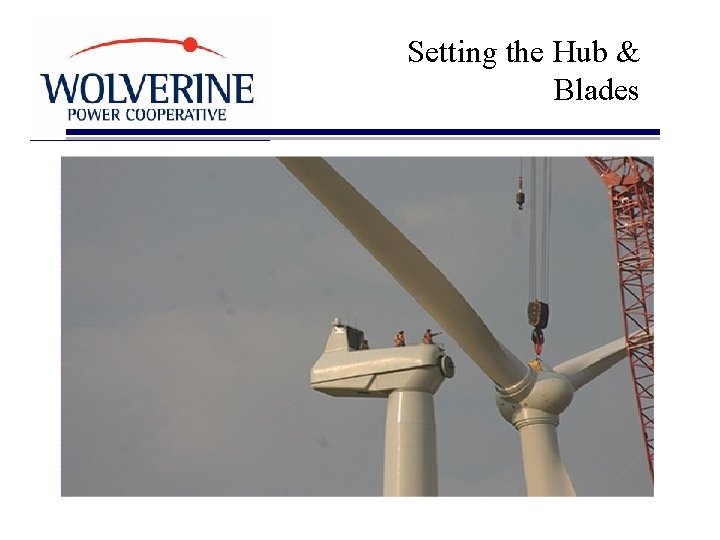
Setting the Hub & Blades
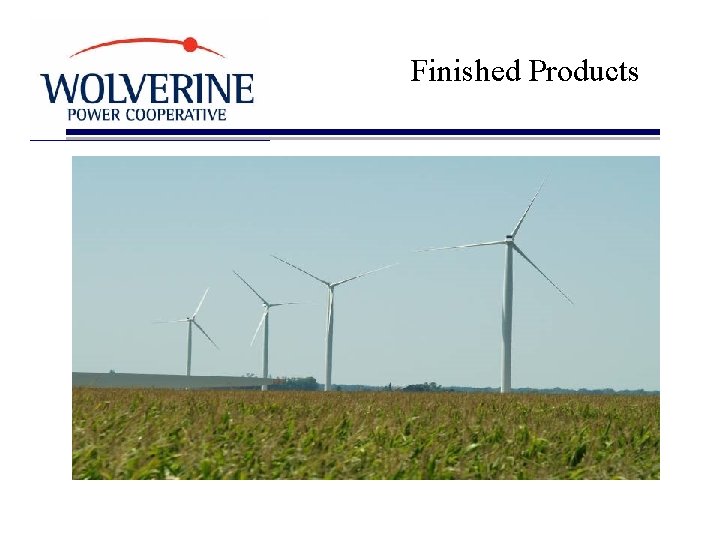
Finished Products
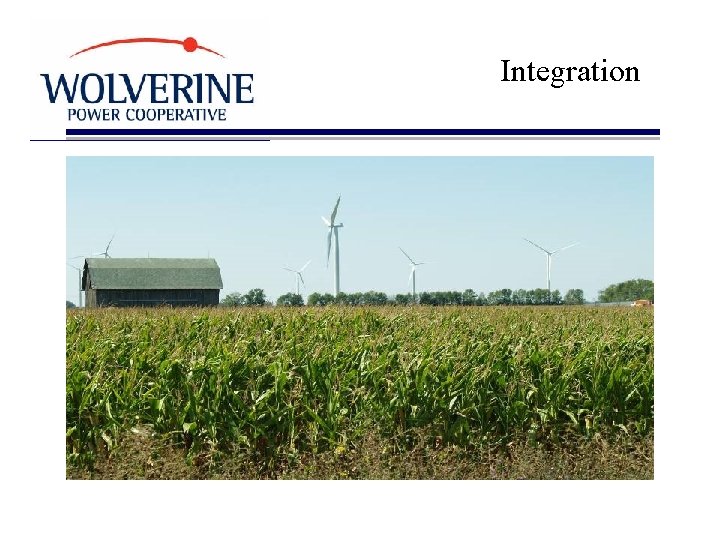
Integration
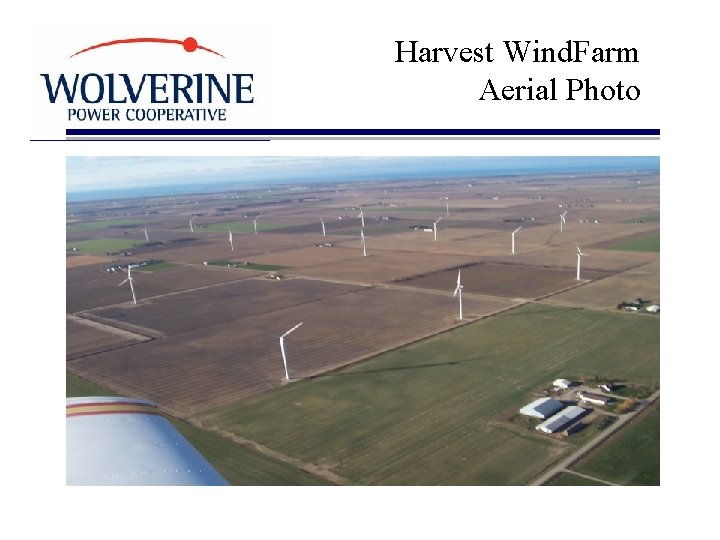
Harvest Wind. Farm Aerial Photo
- Slides: 39