
Posttreatment Followup Protocol and Management Trend of HCC

- Slides: 35
Post-treatment Follow-up Protocol and Management <Trend of HCC in Korea> Hae Won Lee MD. Ph. D. Seoul National University College of Medicine
Contents • HCC recurrence and risk factors • Adjuvant therapy after treatment • Surveillance for recurrence
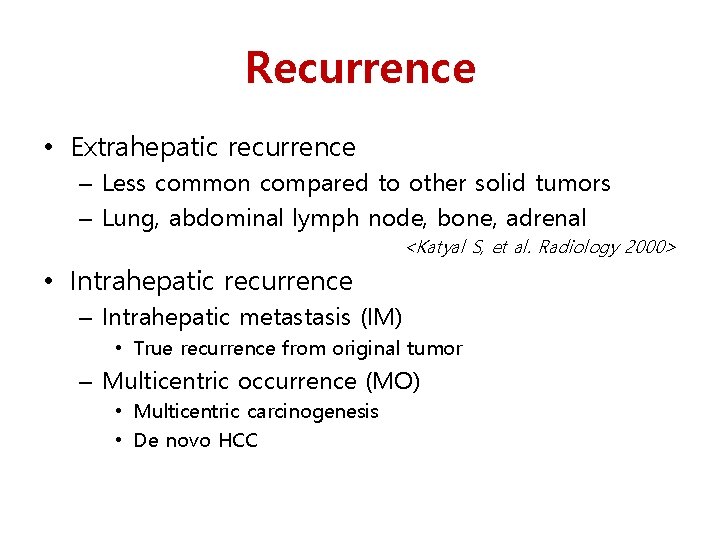
Recurrence • Extrahepatic recurrence – Less common compared to other solid tumors – Lung, abdominal lymph node, bone, adrenal <Katyal S, et al. Radiology 2000> • Intrahepatic recurrence – Intrahepatic metastasis (IM) • True recurrence from original tumor – Multicentric occurrence (MO) • Multicentric carcinogenesis • De novo HCC
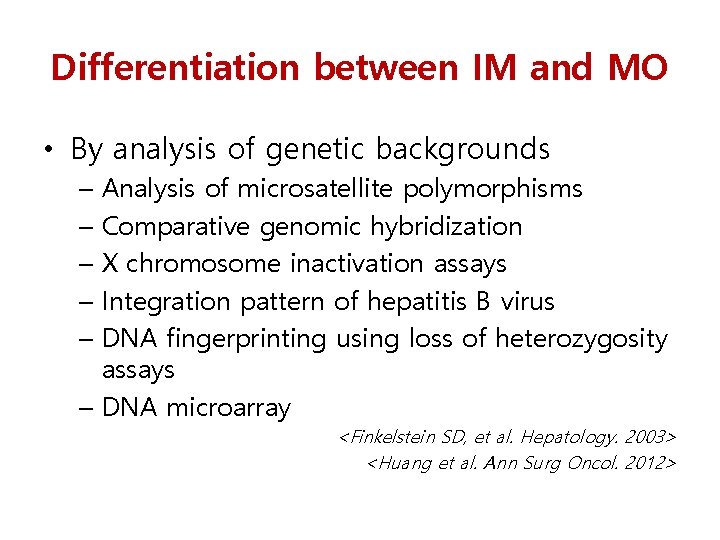
Differentiation between IM and MO • By analysis of genetic backgrounds – Analysis of microsatellite polymorphisms – Comparative genomic hybridization – X chromosome inactivation assays – Integration pattern of hepatitis B virus – DNA fingerprinting using loss of heterozygosity assays – DNA microarray <Finkelstein SD, et al. Hepatology. 2003> <Huang et al. Ann Surg Oncol. 2012>
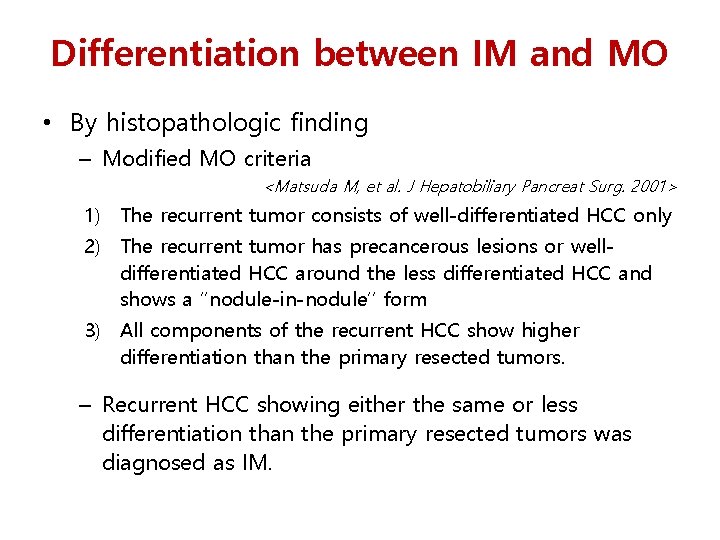
Differentiation between IM and MO • By histopathologic finding – Modified MO criteria <Matsuda M, et al. J Hepatobiliary Pancreat Surg. 2001> 1) The recurrent tumor consists of well-differentiated HCC only 2) The recurrent tumor has precancerous lesions or welldifferentiated HCC around the less differentiated HCC and shows a ‘‘nodule-in-nodule’’ form 3) All components of the recurrent HCC show higher differentiation than the primary resected tumors. – Recurrent HCC showing either the same or less differentiation than the primary resected tumors was diagnosed as IM.
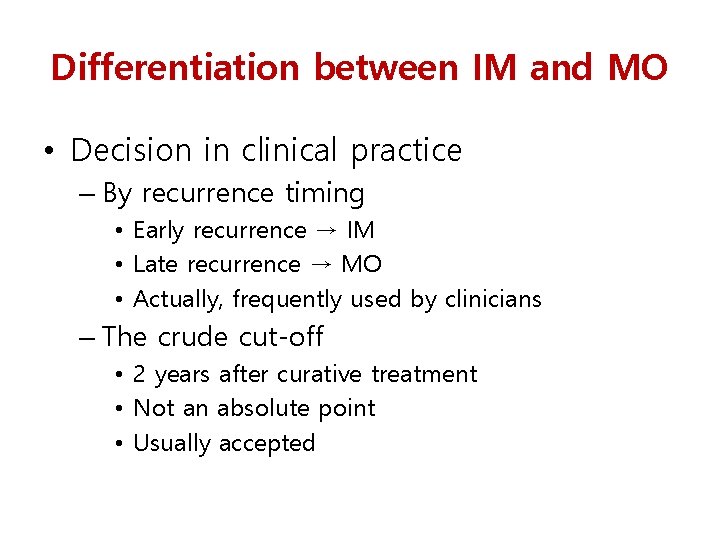
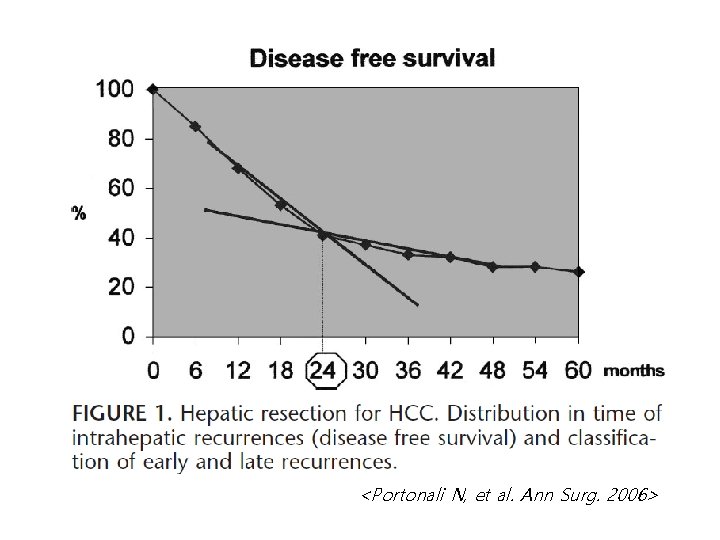
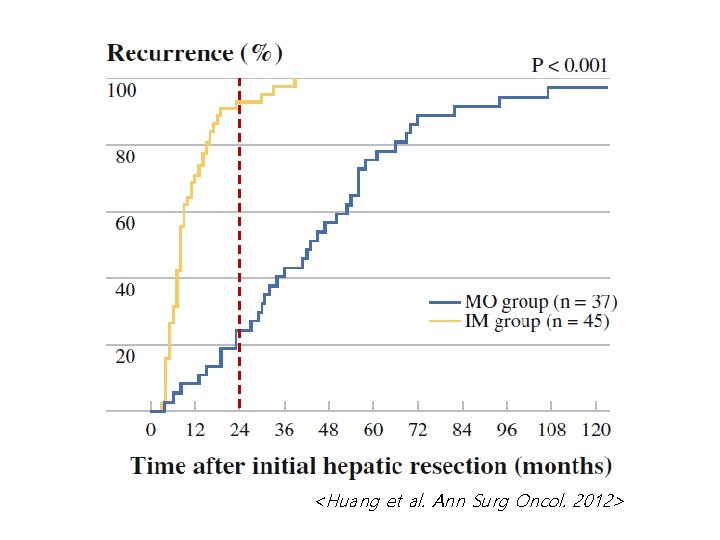
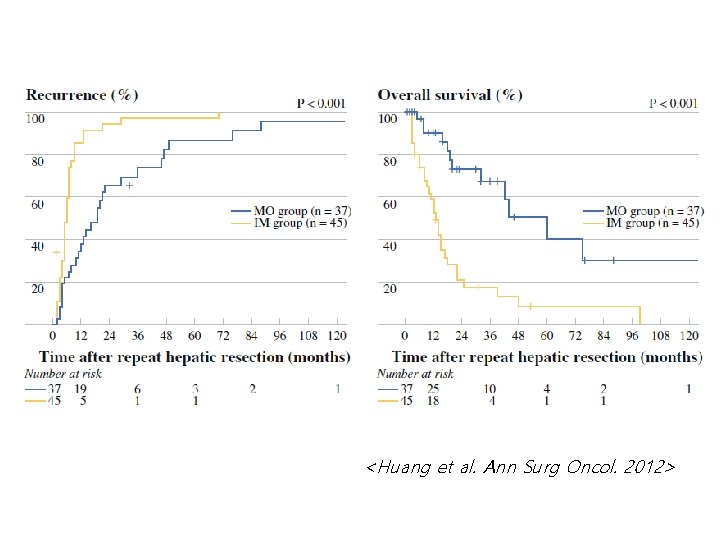
Differentiation between IM and MO • Decision in clinical practice – By recurrence timing • Early recurrence → IM • Late recurrence → MO • Actually, frequently used by clinicians – The crude cut-off • 2 years after curative treatment • Not an absolute point • Usually accepted
<Portonali N, et al. Ann Surg. 2006>
<Huang et al. Ann Surg Oncol. 2012>
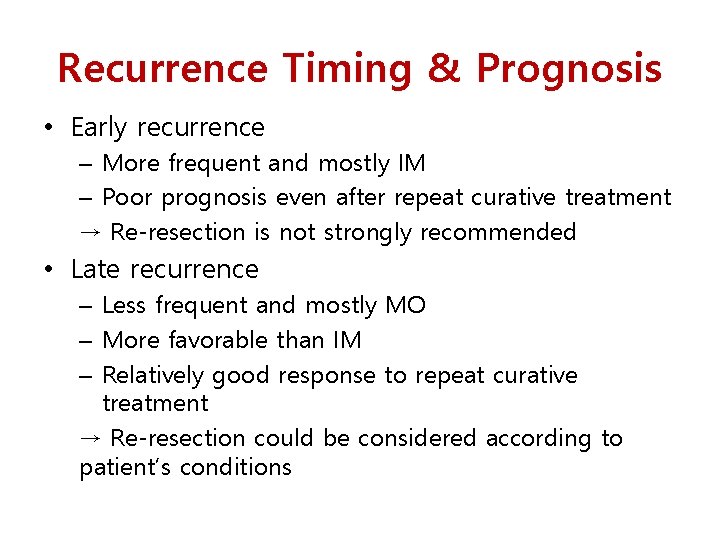
Recurrence Timing & Prognosis • Early recurrence – More frequent and mostly IM – Poor prognosis even after repeat curative treatment → Re-resection is not strongly recommended • Late recurrence – Less frequent and mostly MO – More favorable than IM – Relatively good response to repeat curative treatment → Re-resection could be considered according to patient’s conditions
<Huang et al. Ann Surg Oncol. 2012>
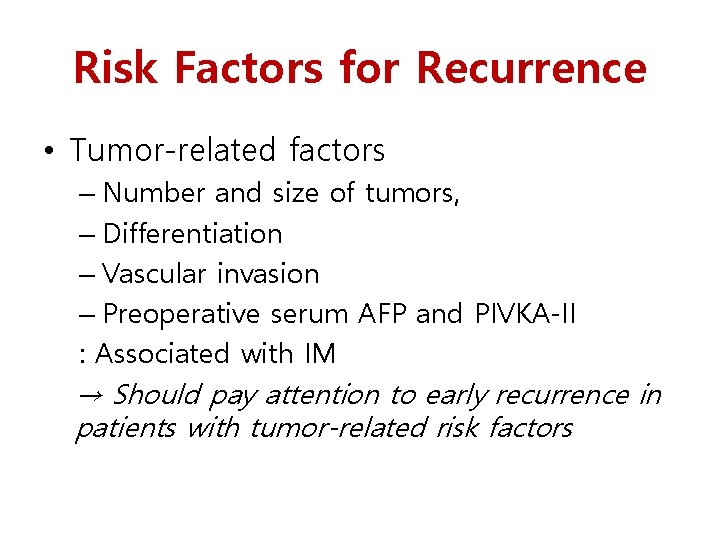
Risk Factors for Recurrence • Tumor-related factors – Number and size of tumors, – Differentiation – Vascular invasion – Preoperative serum AFP and PIVKA-II : Associated with IM → Should pay attention to early recurrence in patients with tumor-related risk factors
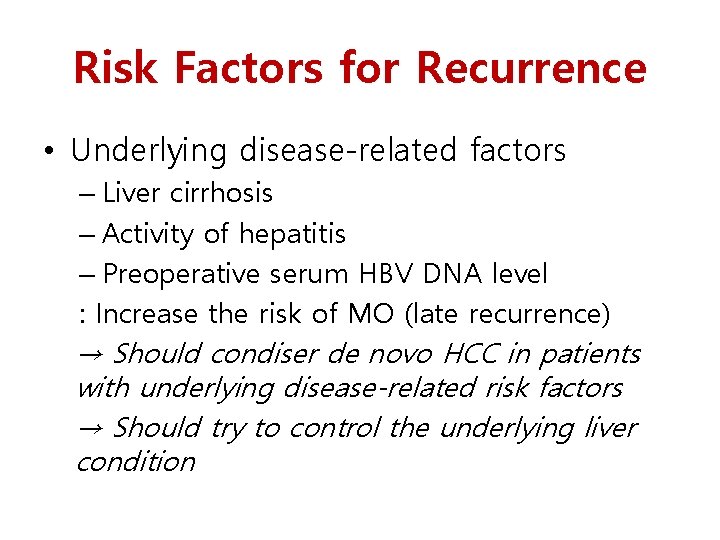
Risk Factors for Recurrence • Underlying disease-related factors – Liver cirrhosis – Activity of hepatitis – Preoperative serum HBV DNA level : Increase the risk of MO (late recurrence) → Should condiser de novo HCC in patients with underlying disease-related risk factors → Should try to control the underlying liver condition
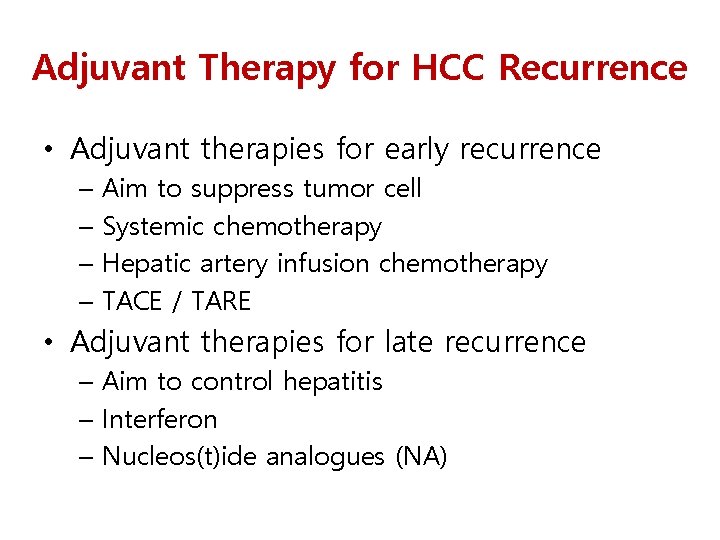
Adjuvant Therapy for HCC Recurrence • Adjuvant therapies for early recurrence – Aim to suppress tumor cell – Systemic chemotherapy – Hepatic artery infusion chemotherapy – TACE / TARE • Adjuvant therapies for late recurrence – Aim to control hepatitis – Interferon – Nucleos(t)ide analogues (NA)
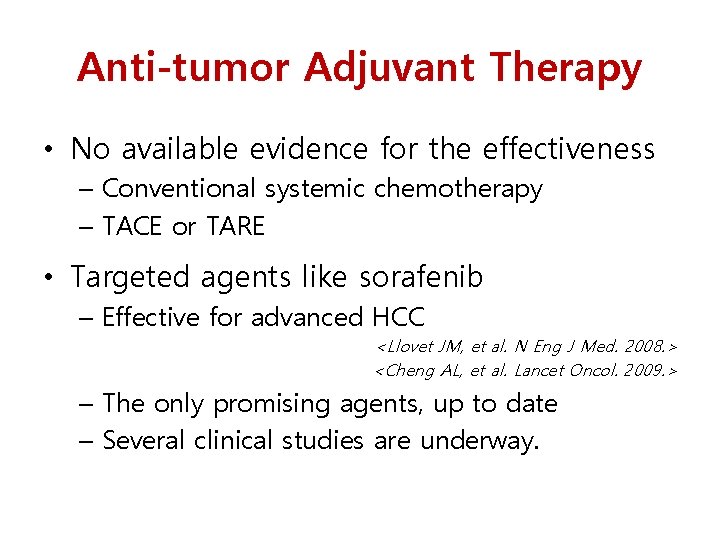
Anti-tumor Adjuvant Therapy • No available evidence for the effectiveness – Conventional systemic chemotherapy – TACE or TARE • Targeted agents like sorafenib – Effective for advanced HCC <Llovet JM, et al. N Eng J Med. 2008. > <Cheng AL, et al. Lancet Oncol. 2009. > – The only promising agents, up to date – Several clinical studies are underway.
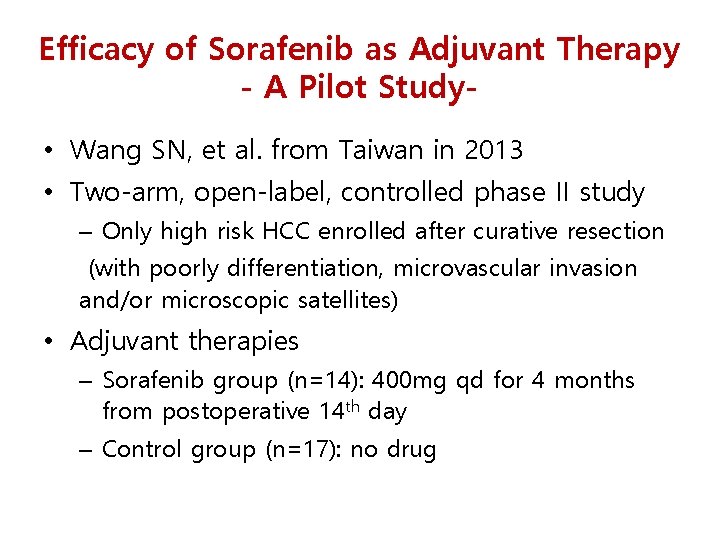
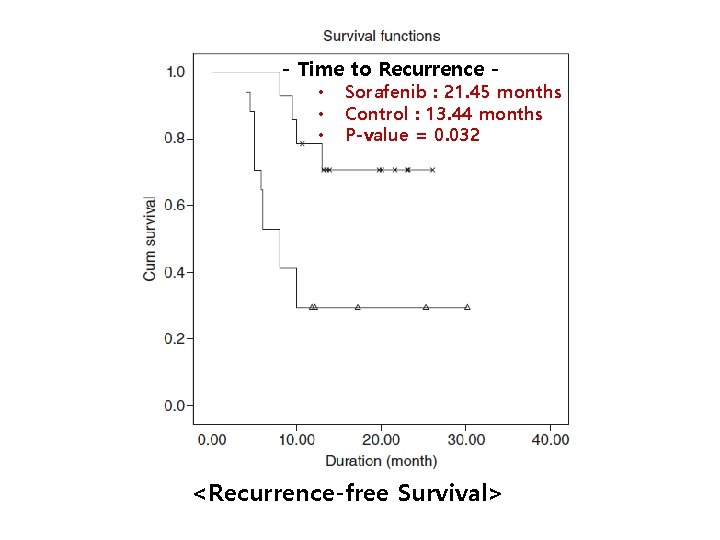
Efficacy of Sorafenib as Adjuvant Therapy - A Pilot Study • Wang SN, et al. from Taiwan in 2013 • Two-arm, open-label, controlled phase II study – Only high risk HCC enrolled after curative resection (with poorly differentiation, microvascular invasion and/or microscopic satellites) • Adjuvant therapies – Sorafenib group (n=14): 400 mg qd for 4 months from postoperative 14 th day – Control group (n=17): no drug
- Time to Recurrence • • • Sorafenib : 21. 45 months Control : 13. 44 months P-value = 0. 032 <Recurrence-free Survival>
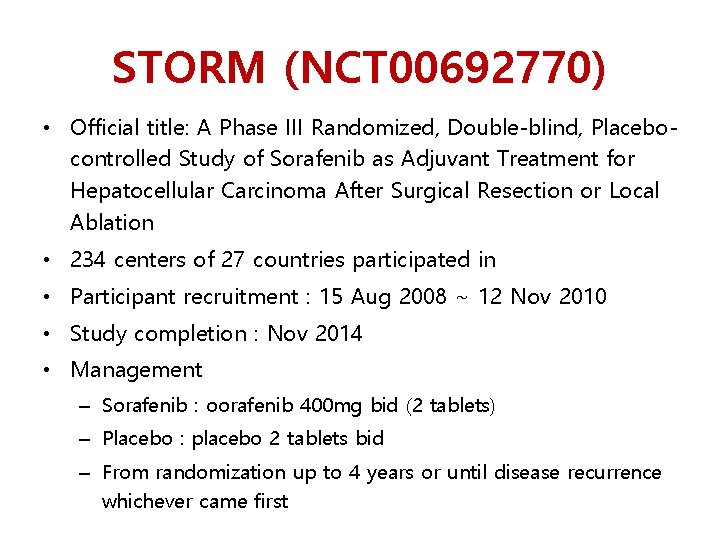
STORM (NCT 00692770) • Official title: A Phase III Randomized, Double-blind, Placebocontrolled Study of Sorafenib as Adjuvant Treatment for Hepatocellular Carcinoma After Surgical Resection or Local Ablation • 234 centers of 27 countries participated in • Participant recruitment : 15 Aug 2008 ~ 12 Nov 2010 • Study completion : Nov 2014 • Management – Sorafenib : oorafenib 400 mg bid (2 tablets) – Placebo : placebo 2 tablets bid – From randomization up to 4 years or until disease recurrence whichever came first
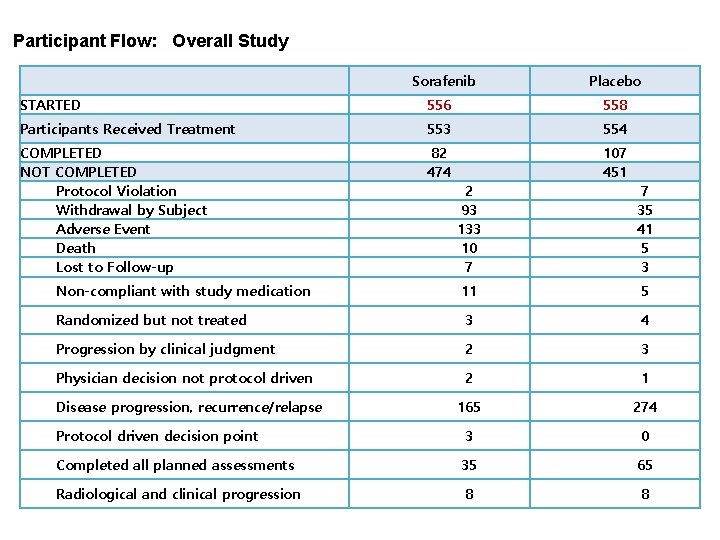
Participant Flow: Overall Study Sorafenib Placebo STARTED 556 558 Participants Received Treatment 553 554 COMPLETED NOT COMPLETED Protocol Violation Withdrawal by Subject Adverse Event Death Lost to Follow-up 82 474 107 451 2 93 133 10 7 7 35 41 5 3 Non-compliant with study medication 11 5 Randomized but not treated 3 4 Progression by clinical judgment 2 3 Physician decision not protocol driven 2 1 165 274 Protocol driven decision point 3 0 Completed all planned assessments 35 65 Radiological and clinical progression 8 8 Disease progression, recurrence/relapse
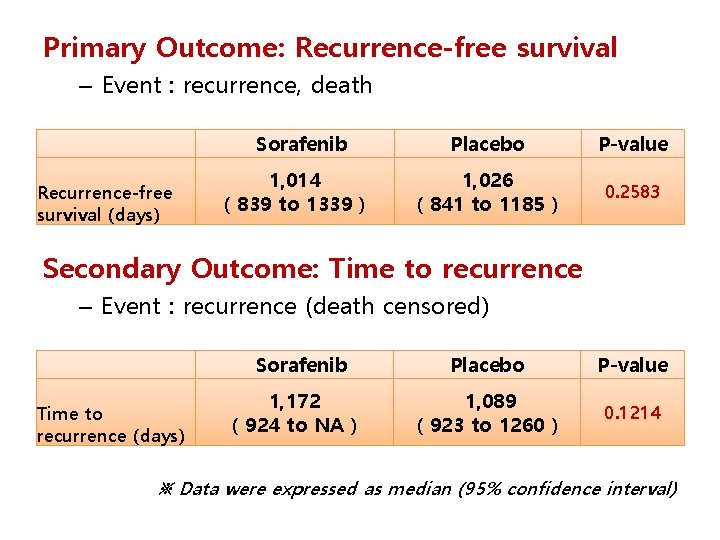
Primary Outcome: Recurrence-free survival – Event : recurrence, death Sorafenib Recurrence-free survival (days) 1, 014 ( 839 to 1339 ) Placebo P-value 1, 026 ( 841 to 1185 ) 0. 2583 Secondary Outcome: Time to recurrence – Event : recurrence (death censored) Sorafenib Time to recurrence (days) 1, 172 ( 924 to NA ) Placebo P-value 1, 089 ( 923 to 1260 ) 0. 1214 ※ Data were expressed as median (95% confidence interval)
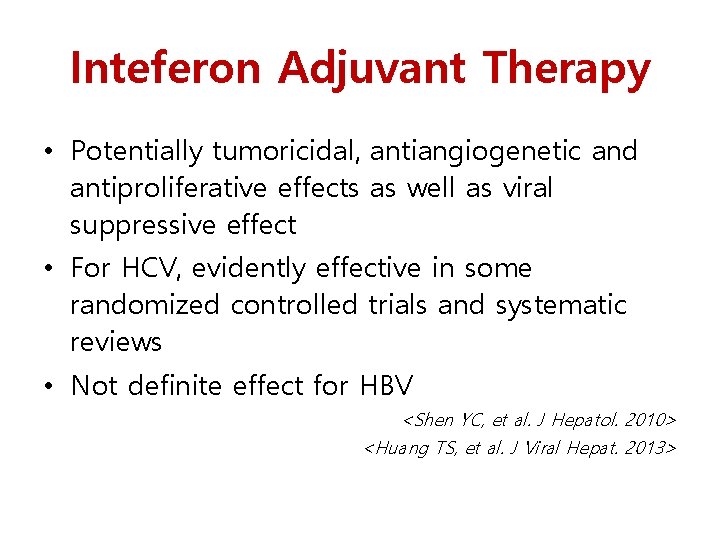
Inteferon Adjuvant Therapy • Potentially tumoricidal, antiangiogenetic and antiproliferative effects as well as viral suppressive effect • For HCV, evidently effective in some randomized controlled trials and systematic reviews • Not definite effect for HBV <Shen YC, et al. J Hepatol. 2010> <Huang TS, et al. J Viral Hepat. 2013>
Interferon Adjuvant Therapy • Problems – Restricted due to serious side-effects in many cases – Less effect for advanced HCC – No consensus about adjuvant interferon regimens (e. g. dose, timing, duration of treatment) • Not routinely recommended even for patients with HCV-related HCC • Should be considered only in selected patients
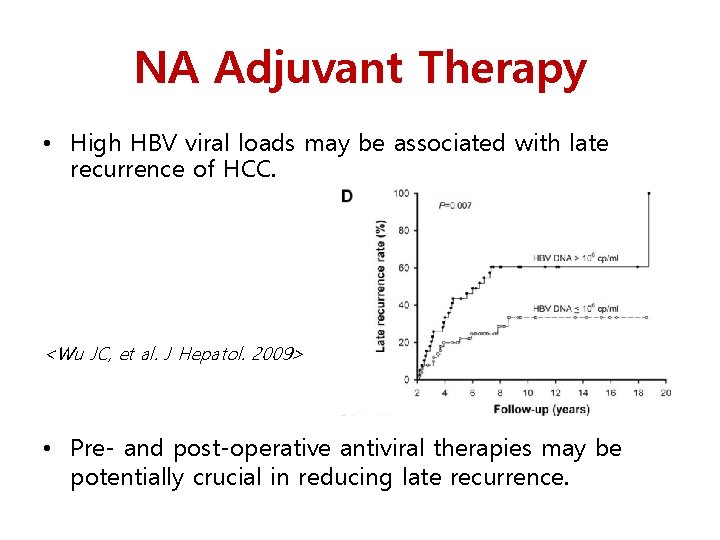
NA Adjuvant Therapy • High HBV viral loads may be associated with late recurrence of HCC. <Wu JC, et al. J Hepatol. 2009> • Pre- and post-operative antiviral therapies may be potentially crucial in reducing late recurrence.
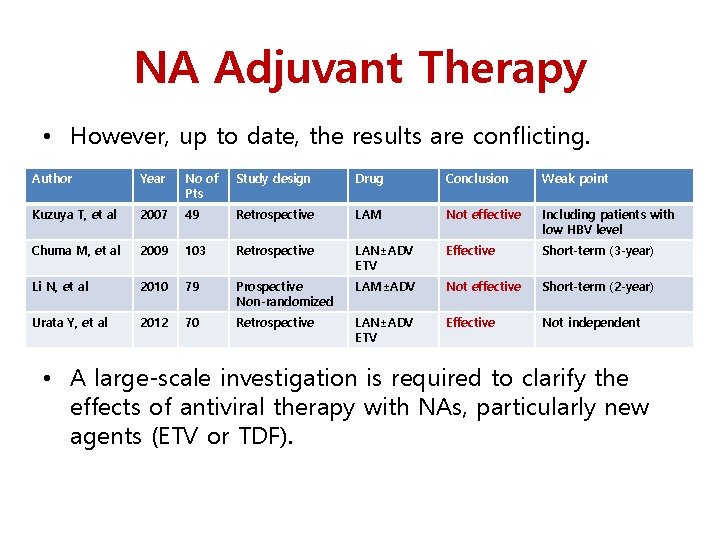
NA Adjuvant Therapy • However, up to date, the results are conflicting. Author Year No of Pts Study design Drug Conclusion Weak point Kuzuya T, et al 2007 49 Retrospective LAM Not effective Including patients with low HBV level Chuma M, et al 2009 103 Retrospective LAN±ADV ETV Effective Short-term (3 -year) Li N, et al 2010 79 Prospective Non-randomized LAM±ADV Not effective Short-term (2 -year) Urata Y, et al 2012 70 Retrospective LAN±ADV ETV Effective Not independent • A large-scale investigation is required to clarify the effects of antiviral therapy with NAs, particularly new agents (ETV or TDF).
NA Adjuvant Therapy • Recommendation at the present situation – ETV or TDF adjuvant therapy in patients with high HBV DNA level (>2, 000 IU/m. L) – Rationale • Potent agents with low drug resistant & complication rates • Covered by health insurance • Although NAs could not reduce HCC recurrence rate, they could promote postoperative viral clearance, maintain liver function, thereby significantly enhance tolerance to subsequent curative therapies for HCC recurrence.
Surveillance for Recurrence • Surveillance protocol – How long interval ? – What modalities ? → Not established
Surveillance Interval • 6 months – Recommend screening interval for general population with HCC risk factors – Not for recurrence but for de novo HCC development • Surveillance interval for HCC recurrence – Should be shorter than 6 months at least in the early period when IM are frequent
Surveillance Interval • Up to 2 years after curative treatment – More frequent recurrence, IM ≫ MO – Aim to early detect IM to obtain the best prognosis by early interventions – 3 -4 months recommended according to patient’s risk factors • After post-treatment 2 years – Less frequent recurrence, IM ≪ MO – Could be extended to 6 months
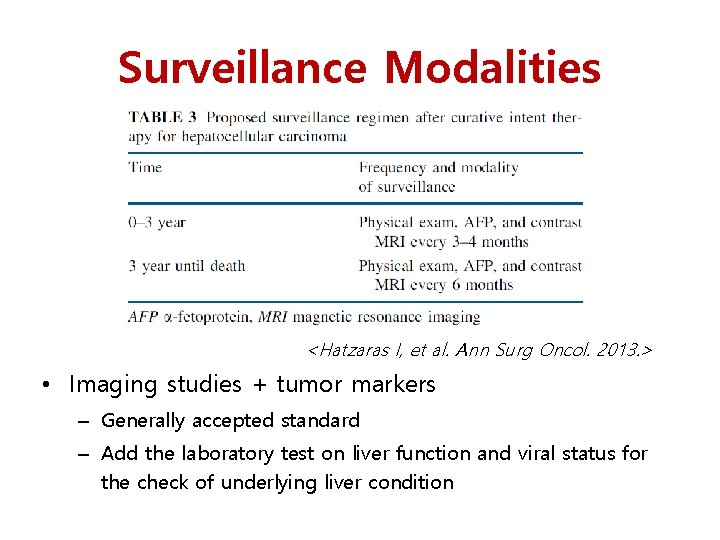
Surveillance Modalities <Hatzaras I, et al. Ann Surg Oncol. 2013. > • Imaging studies + tumor markers – Generally accepted standard – Add the laboratory test on liver function and viral status for the check of underlying liver condition
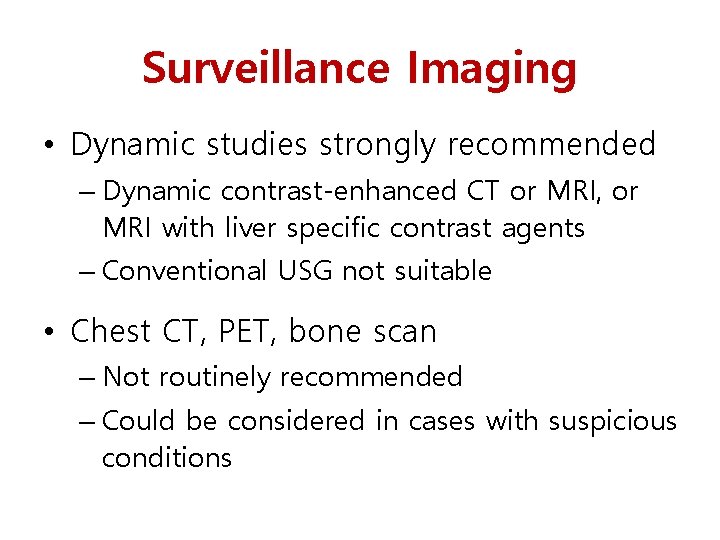
Surveillance Imaging • Dynamic studies strongly recommended – Dynamic contrast-enhanced CT or MRI, or MRI with liver specific contrast agents – Conventional USG not suitable • Chest CT, PET, bone scan – Not routinely recommended – Could be considered in cases with suspicious conditions
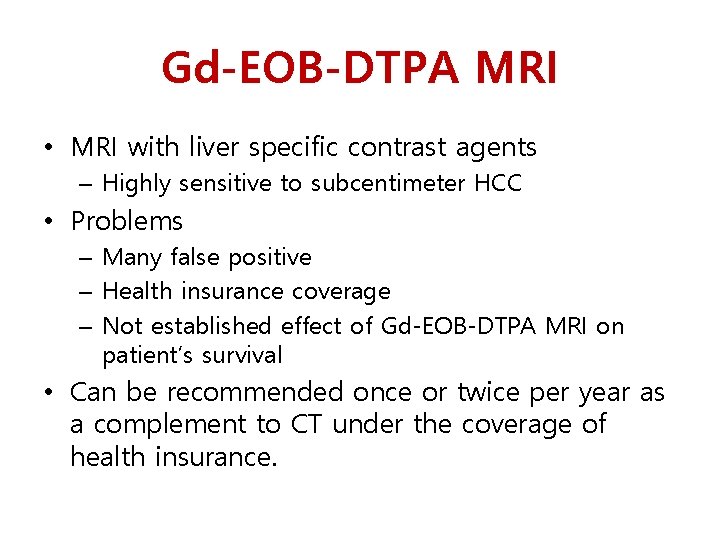
Gd-EOB-DTPA MRI • MRI with liver specific contrast agents – Highly sensitive to subcentimeter HCC • Problems – Many false positive – Health insurance coverage – Not established effect of Gd-EOB-DTPA MRI on patient’s survival • Can be recommended once or twice per year as a complement to CT under the coverage of health insurance.
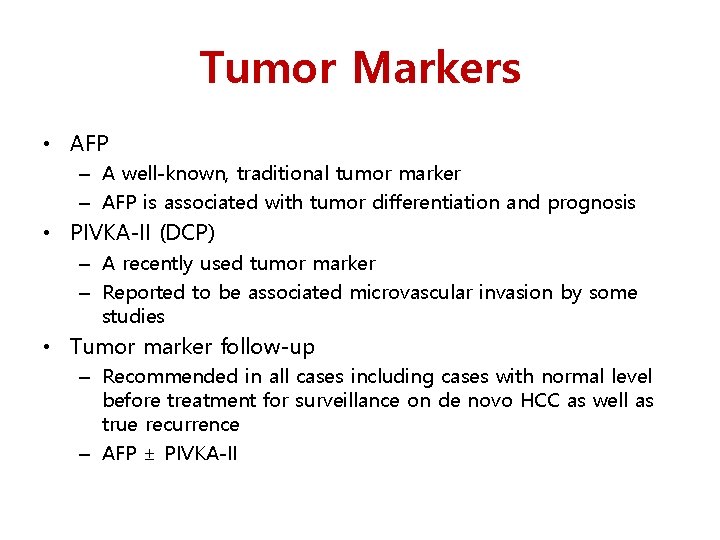
Tumor Markers • AFP – A well-known, traditional tumor marker – AFP is associated with tumor differentiation and prognosis • PIVKA-II (DCP) – A recently used tumor marker – Reported to be associated microvascular invasion by some studies • Tumor marker follow-up – Recommended in all cases including cases with normal level before treatment for surveillance on de novo HCC as well as true recurrence – AFP ± PIVKA-II
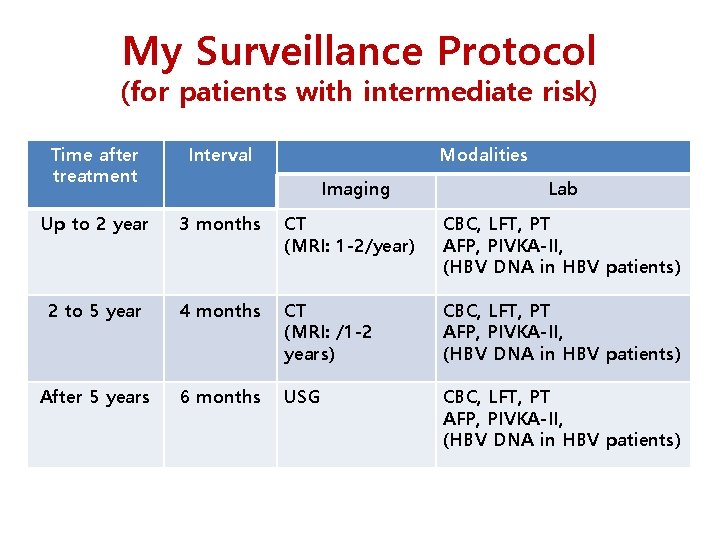
My Surveillance Protocol (for patients with intermediate risk) Time after treatment Interval Modalities Up to 2 year 3 months CT (MRI: 1 -2/year) CBC, LFT, PT AFP, PIVKA-II, (HBV DNA in HBV patients) 2 to 5 year 4 months CT (MRI: /1 -2 years) CBC, LFT, PT AFP, PIVKA-II, (HBV DNA in HBV patients) After 5 years 6 months USG CBC, LFT, PT AFP, PIVKA-II, (HBV DNA in HBV patients) Imaging Lab
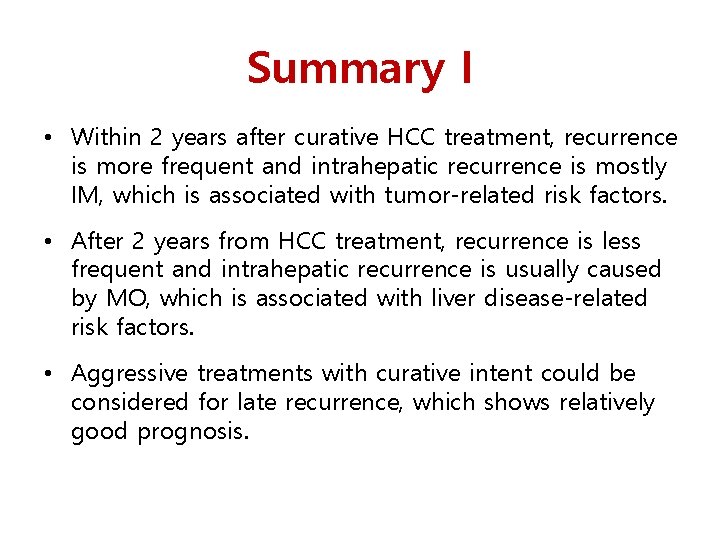
Summary I • Within 2 years after curative HCC treatment, recurrence is more frequent and intrahepatic recurrence is mostly IM, which is associated with tumor-related risk factors. • After 2 years from HCC treatment, recurrence is less frequent and intrahepatic recurrence is usually caused by MO, which is associated with liver disease-related risk factors. • Aggressive treatments with curative intent could be considered for late recurrence, which shows relatively good prognosis.
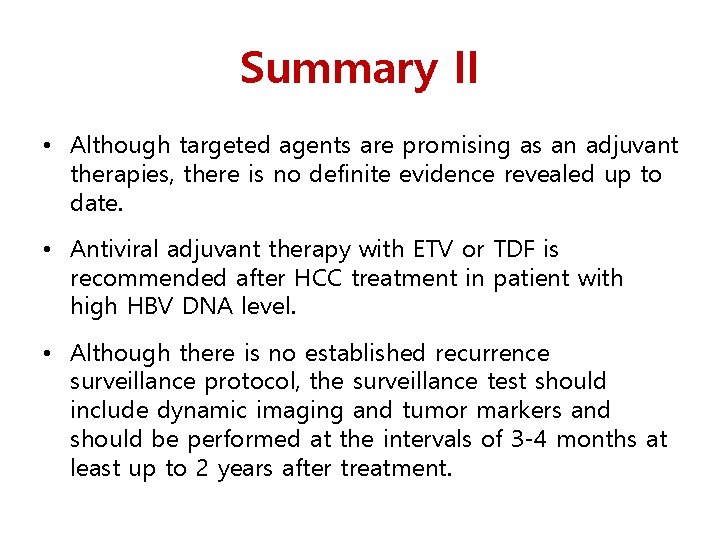
Summary II • Although targeted agents are promising as an adjuvant therapies, there is no definite evidence revealed up to date. • Antiviral adjuvant therapy with ETV or TDF is recommended after HCC treatment in patient with high HBV DNA level. • Although there is no established recurrence surveillance protocol, the surveillance test should include dynamic imaging and tumor markers and should be performed at the intervals of 3 -4 months at least up to 2 years after treatment.
Thank you for your attention