
Postoperative Assessment Management And Complications Supervised By prof
Postoperative Assessment, Management And Complications Supervised By : prof. S. Al-Salamah Khaled Al-Qarni Mansour Al-Harthi Yazeed Al-Dalilah NOTE: The prof said that 50% of the questions will be from this presentation and the other 50% will be from the reference
Overview �This tutorial composed of two topics : ▪ Post-op care ▪ Post-op surgical complications �Post operative Care Objective ▪ Understand the principles of patient management in the recovery phase immediately after surgery ▪ Understand the general management of the surgical patient in the ward ▪ Consider the initial management of common acute complications during postop period.
Definition of Postoperative care : q The management of a patient after surgery. This includes care given during the immediate postoperative period , both in the operating room and postanesthesia care unit (PACU), as well as during the days following surgery. The goal of postoperative care : 1. 2. 3. to prevent complications such as bleeding, to promote healing of the surgical incision, and to return the patient to a state of health.
�Post op care has 3 phases: Immediate post-op care (Recovery phase) Care in the ward Continued care after discharge from the hospital
Discharge from theatre �Anesthetic and surgical staff should record the following items in the patients case notes: Any anesthetic, surgical or intraoperative complications. ü Any specific treatment or prophylaxis required(eg: fluids, nutrition, antibiotics , analgesia , anti-emetic , thromboprophylaxis) ü
Postanesthesia care unit (PACU) q The patient is transferred to the PACU after the surgical procedure, anesthesia reversal, and extubation (if it was necessary). q The amount of time the patient spends in the PACU depends on the length of surgery, type of surgery, status of regional anesthesia (e. g. , spinal anesthesia), and the patient's level of consciousness. Rather than being sent to the PACU, some patients may be transferred directly to the critical care unit.
Assessment Postanesthesia care unit (PACU) • airway patency + respiratory status , vital signs , and level of consciousness. Other assessment categories: • surgical site (intact dressings with no signs of overt bleeding) • patency (proper opening) of drainage tubes/drains • body temperature (hypothermia/hyperthermia) • patency/rate of intravenous (IV) fluids • circulation/sensation in extremities after vascular or orthopedic surgery • level of sensation after regional anesthesia • pain status • nausea/vomiting
Assessment Postanesthesia care unit (PACU) � If the patient at risk of deterioration he need frequent assessment. � Risk factors for deterioration are: ü ASA grade ≥ 3 ü Emergency or high risk surgery. ü Operation takes hours.
Check list for 1 st postoperative assessment �Intraoperative Hx &postoperative instructions: ü ü ü Past medical Hx Medications Allergies Intraoperative complications Postoperative instructions Recommended Rx & prophylaxis
Check list for 1 st postoperative assessment �Respiratory assessment status: ü ü ü ü O 2 saturation. Effort of breathing. . Respiratory rate. Trachea central or not. Symmetry of inspiration and expiration. Breath sounds. Percussion.
Check list for 1 st postoperative assessment �Volume status assessment: ü ü ü ü Hands-warm or cool pink or pale. Pulse rate , volume and rhythm. blood pressure. Conjunctival pallor. Jugular venous pressure. Urine color & Out put. Drainage from drains, wound& NG tube
Check list for 1 st postoperative assessment �Mental status assessment: ü Patient conscious and normally responsive? (AVPU: Alert, respond for Verbal & Painful stimuli, unresponsive) �Finally RECORD any significant symptoms (e. g. chest pain, breathlessness) Pain and pain adequacy control.
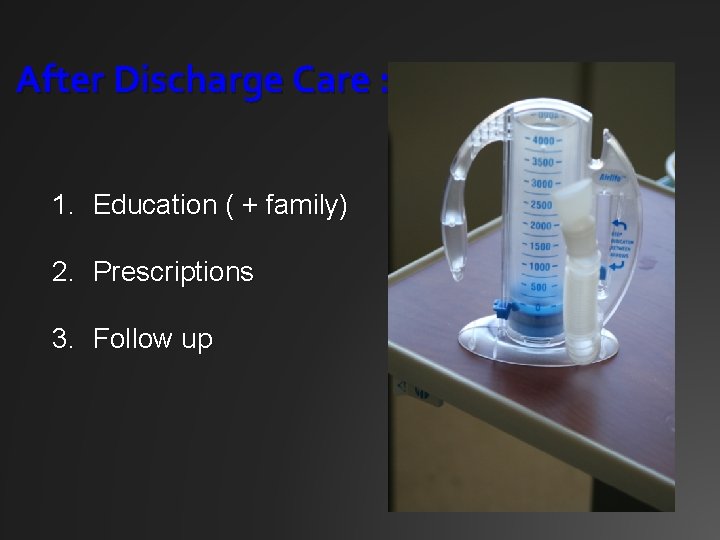
After Discharge Care : 1. Education ( + family) 2. Prescriptions 3. Follow up

Post-op Surgical Complications
General risk factors � Age both extremes (Very � Obesity � Smoking � Co-morbid conditions � Drug therapy young & Very old) e. g steroids , immunosuppressant, antibiotics and contraceptive pills
Complications maybe : I. Due to Anesthesia II. Due to Surgery
Anasthesia Complications Depend on: � The mode (General, Regional & Local) �Type of anesthetic (the anesthetic agent toxicity).
�Local Anasthesia: � Injection site: Pain, haematoma, Nerve trauma, infection � Vasoconstrictors: ( C. I in nose , fingers , penis , scrotum , ears , toes ) it may lead to ischemic necrosis � Systemic effects of LA agent: Allergic reactions, toxicity
�SPINAL, EPIDURAL & CAUDAL ANESTESIA: � Technical failure � Headache due to loss of CSF � Intrathecal bleeding � Permanent N. or spinal cord damage � Paraspinal infection � Severe hypotension � Urinary retention
General Anasthesia : � Direct trauma to mouth or pharynx. � Slow recovery from anesthesia due to drug interactions OR in-appropriate choice of drugs or dosage. � Hypothermia due to long operations with extensive fluid replacement OR cold blood transfusion.
Malignant hyperthermia!! � Malignant hyperthermia is disease passed down through families that causes a fast rise in body temperature (fever) and severe muscle contractions when the affected person gets general anesthesia. symptoms : High tempreture Tachycardia Tachypnea increased carbon dioxide production increased oxygen consumption acidosis rigid muscle & rhabdomyolysis Treatment : Discontinue the anesthesia then wrapping the patient in a cooling blanket cangeneral help reduce fever Benzodiazepine Then >>>((dantrolene)) � � � �
�Allergic agent: reactions to the anesthetic Minor effects e. g. Postoperative nausea & vomiting Major effects e. g. Cardiovascular collapse, respiratory depression)
Complications due to surgery : • Immediate (0 -24 hrs) Primary hemorrhage Basal atelactasis Shock • Early (2 days- 3 weeks) • Mental state change • Fever • 2 ndry hemorrhage • Wound infecton • Paralytic ileus • Late (Weeks –months) Bowel obstruction Incisonal hernia
Complications due to surgery : • Hemorrhage • Wound • Cardiovascular • Respiratory • Gastrointestinal • Urinary tract • Cerebral
Hemorrhage �A- primary Hemorrhage • • • Inadequate hemostasis. Unrecognized damage to blood vessels. Defective vascular anastomosis. Clotting factor deficiency. Intraoperative anticoagulants : � Early recognition & management • Surgical re-exploration is usually required
�B-secondary hemorrhage: � Usually Related to infection. � Treatment traet the Underlying cause ( infection) Note: the DR said that the infection is related to tertiary hemorrhage not 2 ndry !!!!
Wound Complications 1 - Infection: Classification 1. Superficial(skin and SC tissue) 2. deep(fascia and muscle ) 3. space (anatomical space and organ) � Causes It based on the site of operation � staph. In thoracic , neuro , vascular, breast , ophtha � G –negative for GIT and urologic operation � Strept. Head and neck Symptoms & signs hotness, redness , swelling , pain And in sever cases may lead to systemic symptoms like fever , chills and rigor Treatment 1. Superficial >> incision and drainage with or without systemic antibiotic 2. Deep >>> surgical debridement with systemic antibiotic 3. Space >>> CT scan guided percutaneous drainage and may need open drainage
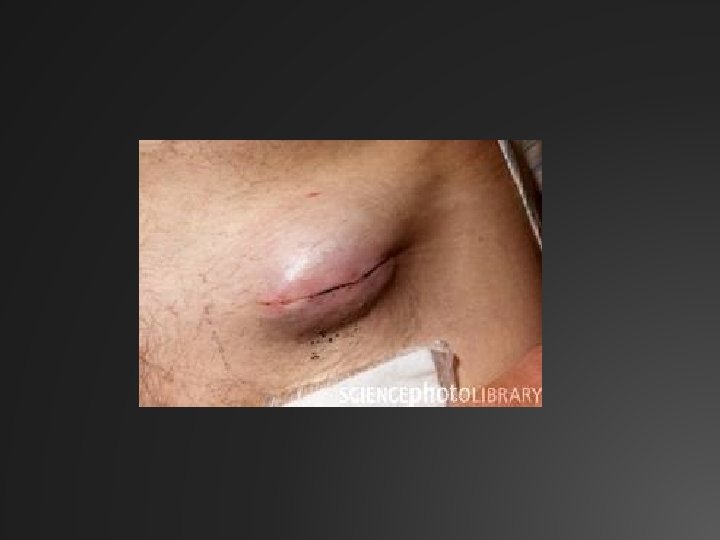
Wound Complications � 2 -Hematoma Localized collection of blood. Treatment : Small hematoma : spontaneously absorbed Large hematoma : may required drainage
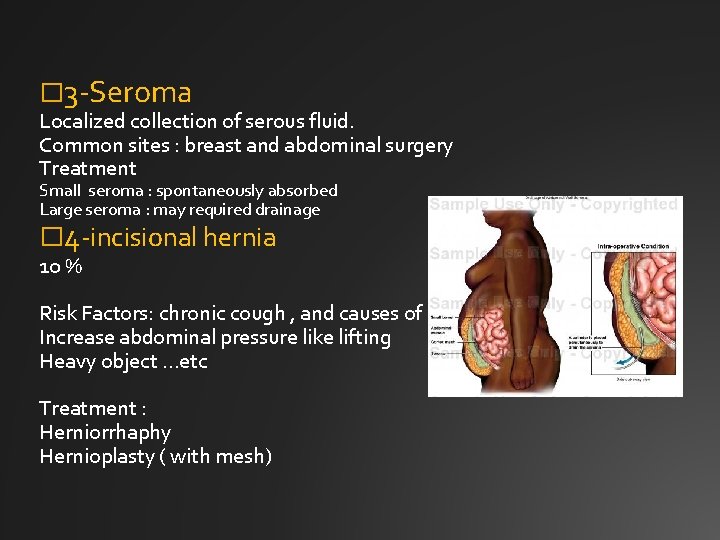
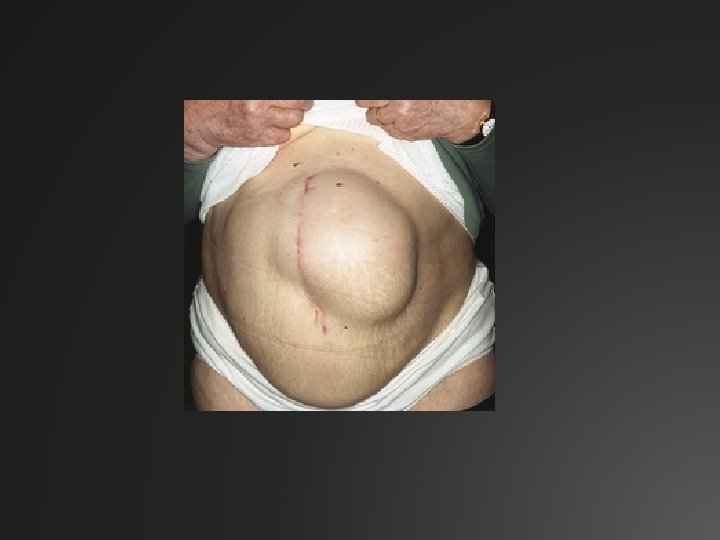
� 3 -Seroma Localized collection of serous fluid. Common sites : breast and abdominal surgery Treatment Small seroma : spontaneously absorbed Large seroma : may required drainage � 4 -incisional hernia 10 % Risk Factors: chronic cough , and causes of Increase abdominal pressure like lifting Heavy object …etc Treatment : Herniorrhaphy Hernioplasty ( with mesh)
Hypothermia � Body temperature below 35° C. � Causes : Trauma, Exposure, Cool Fluids – IV / Irrigation � Hypothermia could lead to: Coagulopathy Platelet dysfunction Increased O 2 consumption due to shivering � Mild: 32 – 35 C � Mod: 28 – 32 C � Severe: 25 – 28 C � Treatment with warmers like forced air devices and warm fluids. � Meperidine (opioid analgesic) in small doses can be used to stop the shivering.
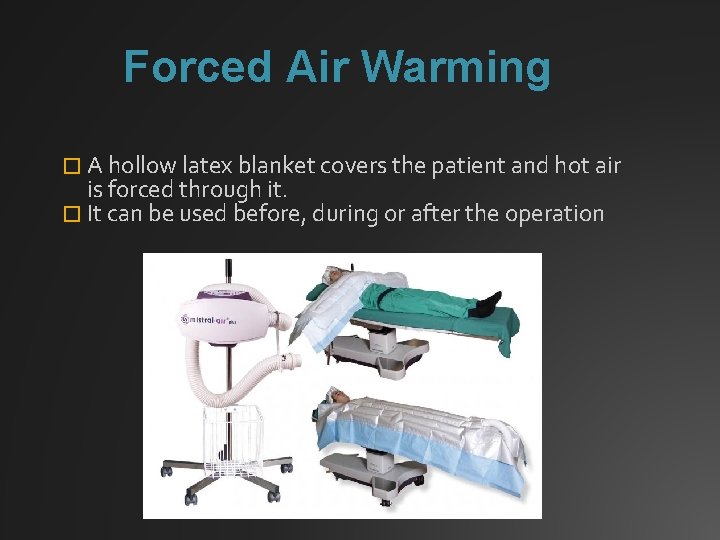
Forced Air Warming � A hollow latex blanket covers the patient and hot air is forced through it. � It can be used before, during or after the operation
Postoperative Fever � Body temperature greater than 38. 5° C � Occurs in about 40% of patients after a major surgery. � In most patients it resolves without specific treatment, however a patient must be evaluated for the following causes: • • Pneumonia Atelectasis Wound Infections UTI Deep vein thrombosisPulmonary embolism Abscess Medication
Postoperative Fever • Within 48 Hours - Usually Atelectasis • After 48 Hours - UTI Catheter related phlebitis Pneumonia • After the 5 th PO day - Wound infection - Anastomotic breakdown - Intra-Abdominal abscess • After the 7 th PO day - Deep vein thrombosis - Pulmonary embolism
Postoperative Fever • Regular work up includes: • • • CBC Blood cultures Urine analysis and urine cultures CXR Sputum cultures
Cardiovascular Complications � Could be life threatening � Incidence is reduced by preparation and correction of any existing cardiac condition pre-operatively. It includes: � MI � Arrhythmia � DVT
MI Two thirds occur between the 2 nd to 5 th day post OP Risk factors include: -Previous MI within the past 6 months -Chronic heart failure -Angina -Advanced age � Presentation: -Often asymptomatic -Symptoms include: new onset CHF, new onset dysrhythmia, hypotension, chest pain, tachycardia , nausea and vomiting. � Investigations: -ECG -Troponin I creatinine kinase MB fraction � Treatment: -Nitrates, Aspirin, Oxygen, Pain control, Heparin and ICU monitoring � �
Arrhythmia Usually due to reversible causes like hypokalemia, hypoxemia, alkalosis and stress after the operation. � Could be the 1 st sign of a post-OP MI. � Usually asymptomatic but could present with chest pain, palpitations or dyspnea. � Atrial flutterfibrillation: -If the patient is stable, the heart rate could be controlled with β-blockers, digitalis or Ca channel blockers. -If the patient is unstable (eg. In shock) cardioversion is used. -If hypokalemia is present, it should be corrected. � Premature Ventricular contractions (PVC): -Risk factors include: hypercapnia, hypoxemia, fluid overload. -Oxygen, sedation, analgesia and correction of fluidelectrolyte disturbances is the treatment of choice. � Ventricular Tachycardia: -Could lead to the life threatening ventricular fibrillation. -Lidocaine is the treatment of choice � Complete Heart Block: -Insertion of a pacemaker is necessary. �
DVT Risk Factors: Advanced age Obesity Hormonal therapy Immobilization Smoking DMHTN Symptoms: - 50% are asymptomatic -Pulmonary embolism, lower limb pain, tenderness and swelling � Homan’s sign: -Calf pain with dorsiflexion of the foot found in less than 13 of patients � investigations: -Duplex US. � • • • �
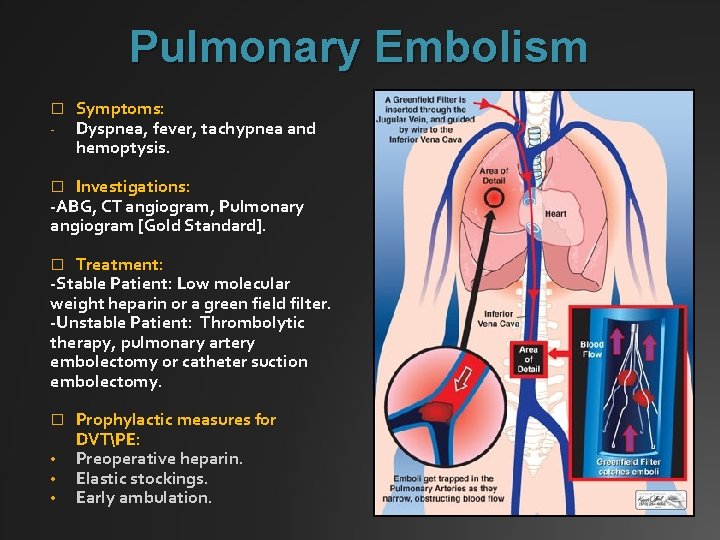
Pulmonary Embolism � - Symptoms: Dyspnea, fever, tachypnea and hemoptysis. Investigations: -ABG, CT angiogram, Pulmonary angiogram [Gold Standard]. � Treatment: -Stable Patient: Low molecular weight heparin or a green field filter. -Unstable Patient: Thrombolytic therapy, pulmonary artery embolectomy or catheter suction embolectomy. � � • • • Prophylactic measures for DVTPE: Preoperative heparin. Elastic stockings. Early ambulation.
![Respiratory Complications � Atelectasis [Most common] • • • Collapse of the alveoli. Occurs](http://slidetodoc.com/presentation_image/3f6231d5794095b50b9a5ae7506d3433/image-42.jpg "Respiratory Complications � Atelectasis [Most common] • • • Collapse of the alveoli. Occurs")
Respiratory Complications � Atelectasis [Most common] • • • Collapse of the alveoli. Occurs within the first 48 hours post op. Affects 25% of patients who have abdominal surgery. � Risk Factors: • � • Thoracicabdominal surgery, COPD, smoking, poor pain control and poor ventilation during surgery. Signs: Fever, decreased breath sounds, tachypnea, tachycardia and increased density on CXR. Treatment: Incentive spirometry, deep breathing, coughing, early ambulation and chest physical therapy. Prophylaxis Smoke cessation and good pain control.
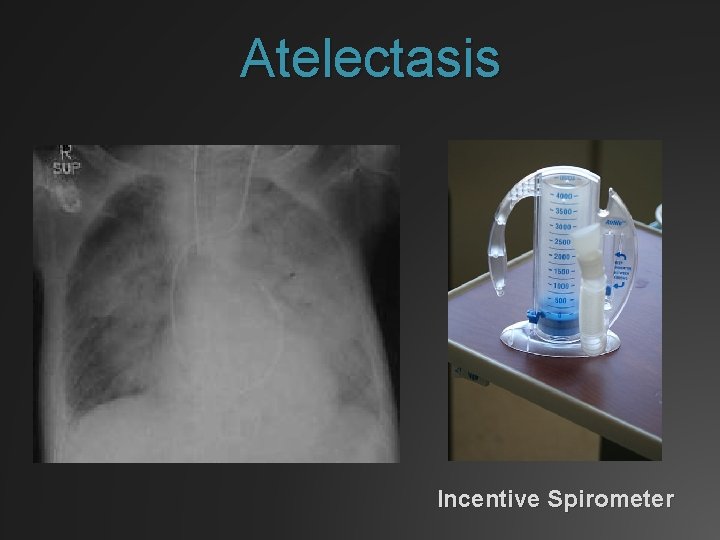
Atelectasis Incentive Spirometer
Aspiration Pneumonia • It is pneumonia after aspiration of gastric contents. � Risk Factors: • Intubationextubation, impaired consciousness, dysphagia, emergent intubation with a full stomach. � SignsSymptoms: • Respiratory failure, increased sputum production, fever, cough, tachycardia, cyanosis and infiltrates on CXR. � Investigations: • CXR, sputum gram stainculture and bronchoalveolar lavage. � Treatment: • Bronchoscopy, antibiotics (if there is an infection) and intubation (if respiratory failure occurs).
Post-OP Pneumonia � Risk Factors: • Prolonged ventilation support, peritoneal infection, atelectasis and aspiration. � SignsSymptoms: • Fever, tachypnea, increased secretions and signs of pulmonary consolidation. � Investigations: • Sputum culture and CXR showing consolidation. � Treatment: • Antibiotics and clearing the airway of secretions.
Pneumothorax • May follow insertion of a subclavian catheter, positive pressure ventilation or after an operation which has damaged the pleura. � SymptomsSigns: • Pleuritic chest pain, dyspnea, tachycardia and hyper-resonant lungs. � Investigations: • CXR and ABG. � Treatment: • Thoracostomy tube.
Cerebral complications � Cerebrovascular Accident: � Risk factors: • Advanced age and atherosclerosis. � SymptomsSigns: • Aphasia, motor and sensory deficits usually lateralizing. � Investigations: • Head CT � Treatment: • Aspirin and heparin if feasible. • Thrombolytic therapy is usually NOT an option after surgery.
Urinary Complications � Urinary Retention: • Enlarged bladder from spinal anesthesia or medication. � SymptomsSigns: • Palpable bladder and inability to void. � Treatment: • Foley catheter.
UTI � Risk Factors: • Urinary retention, preexisting contamination of urine and instrumentation. � SymptomsSigns: • Cystitis: Dysuria and mild fever. • Pyelonephritis: High fever, flank tenderness and ileus. � Diagnosis: • Urine examination and cultures. � Treatment: • Hydration, proper drainage of the bladder and antibiotics.
GI Complications � Postoperative ileus: • It is an obstruction due to paralysis of the bowel. � Risk factors: • Hypokalemia, narcotics and GI surgery. � Symptoms and signs: • Constipation, abdominal pain, absent bowel sounds and bowl distention with gases on AXR. � Treatment: • Supportive until motility returns (usually within 3 -5 days).
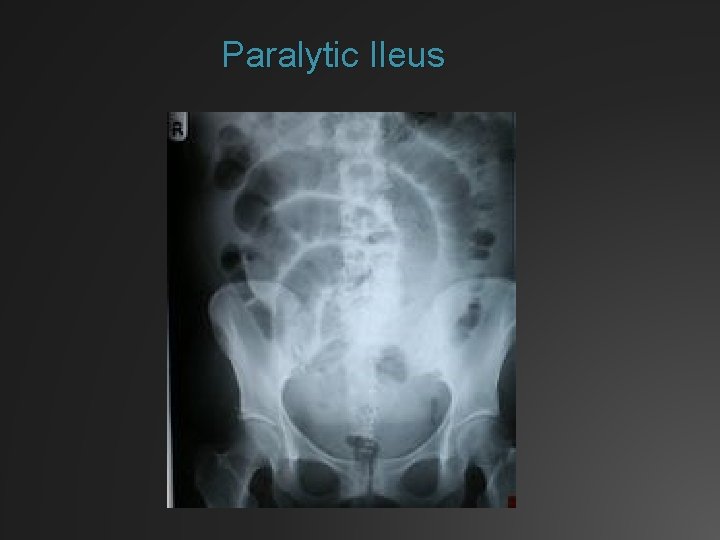
Paralytic Ileus
Pseudomembranous Colitis • It is an antibiotic associated diarrhea usually caused by clindamycin. � SymptomsSigns: • Diarrhea, fever, hypotension and tachycardia. � Diagnosis: • C. difficile toxin in stool, fecal WBCs and mucus membranes in the lumen of the colon � Treatment: • Metronidazole orally or IV.
Enterocutaneous Fistula • Fistula from GI tract to the skin. � Causes: • Anastomotic leak, traumainjury, infection , etc. � Investigations: • CT, fistulagram. � Treatment: • NPO, total parenteral nutrition, half will resolve spontaneously, but the other half will require resection of the involved bowel segment.
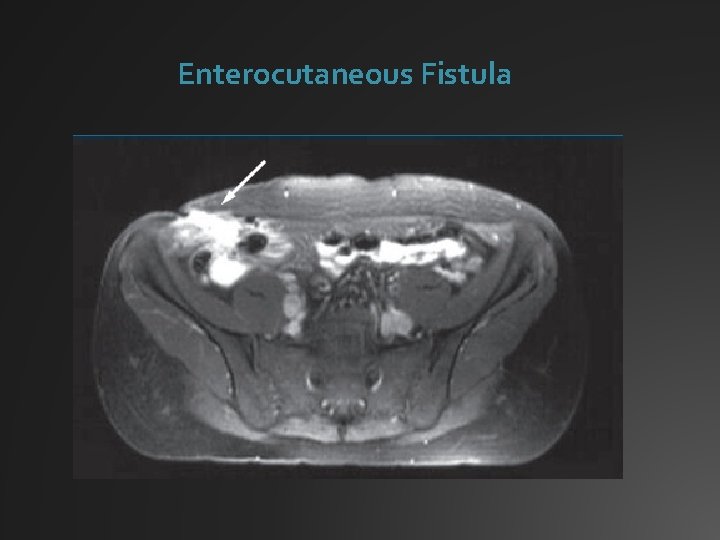
Enterocutaneous Fistula
Neurologic �Drug Induced �ICU Psychosis �Neuropsychiatric Complications �Operative Nerve Injuries
�Late Complications : � Wound: Hypertrophic scar, keloid, wound sinus, implantation dermoids, incisional hernia � Adhesions: Intestinal obstruction, strangulation � Altered anatomy/Pathophysiology: Bacterial overgrowth, short gut syndrome, postgastric surgery syndromes, etc. � Susceptibility to other diseases: Malabsorption, incidence of cancer, tuberculosis, etc.

Thank You
- Slides: 57