
Post Partum Haemorrhage PPH Dr Ismaiel Abu Mahfouz
Post Partum Haemorrhage (PPH) Dr Ismaiel Abu Mahfouz
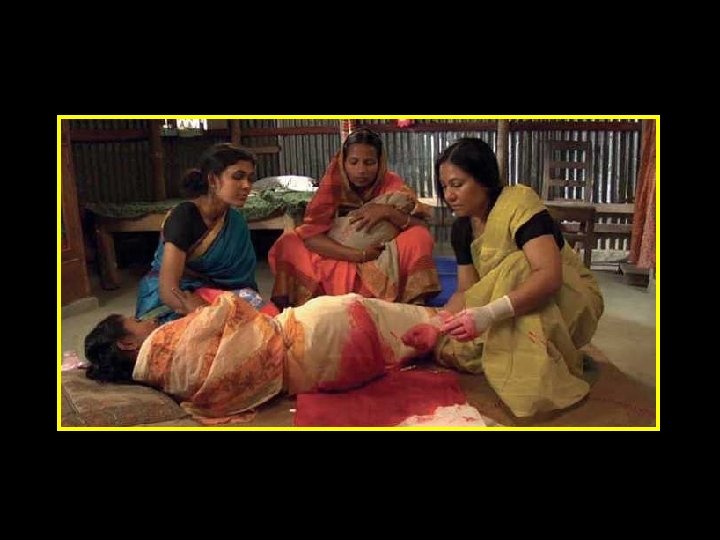

Primary PPH: Definition Primary PPH (Traditional definition) • Loss of 500 ml or more of blood from genital tract within 24 hours of delivery “after 20 weeks gestation” OR • HCT drop of 10 % OR • Need for blood transfusion
Definition Excessive bleeding that • Makes patient symptomatic: Light-headedness, dizziness , syncope • Results in signs of hypovolemia: Hypotension, tachycardia, or oliguria These changes will only occur after the patient has lost a significant amount of blood
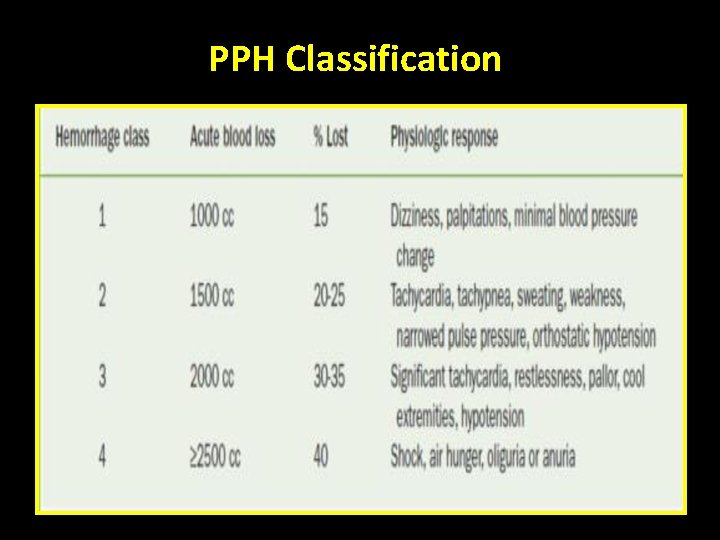
PPH Classification

Primary vs Secondary PPH Primary: • PPH within 24 hrs • Either: o Minor : 500 ml to 1000 ml o Major : > 1000 ml Sub-classified into: Moderate (1000– 2000 ml) § Severe (> 2000 ml) § Secondary > 24 hrs – 12 weeks
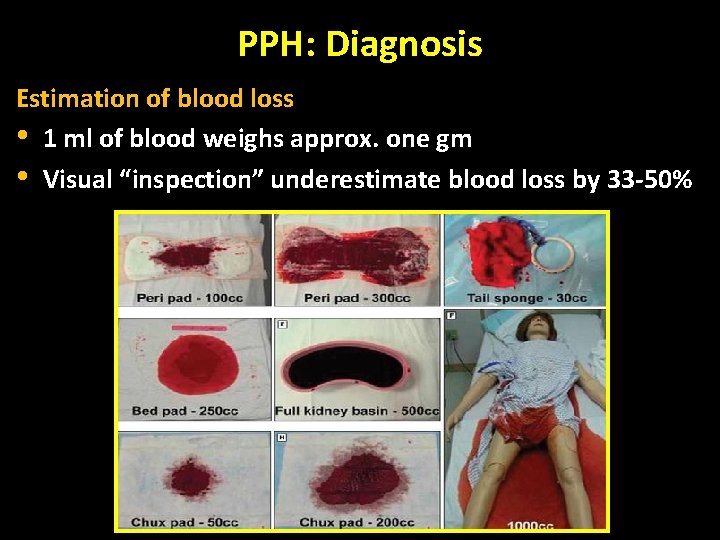
PPH: Diagnosis Estimation of blood loss • 1 ml of blood weighs approx. one gm • Visual “inspection” underestimate blood loss by 33 -50%
PPH: Major causes PPH is not a diagnosis Causes ; The 4 Ts: • Tone (Uterine atony) • Tissue (retained tissues) • Trauma • Thrombin (Abnormal coagulation)
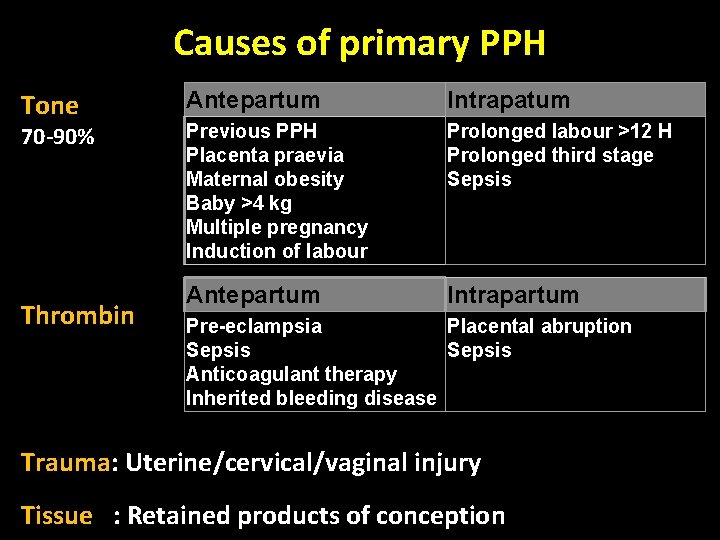
Causes of primary PPH Tone 70 -90% Thrombin Antepartum Intrapatum Previous PPH Placenta praevia Maternal obesity Baby >4 kg Multiple pregnancy Induction of labour Prolonged labour >12 H Prolonged third stage Sepsis Antepartum Intrapartum Pre-eclampsia Placental abruption Sepsis Anticoagulant therapy Inherited bleeding disease Trauma: Uterine/cervical/vaginal injury Tissue : Retained products of conception
Prevention • • Anticipate: modify care plans when risk factors are present All pregnant women should be offered screening for anaemia All pregnant women who have had a previous CS should have placental site determined (Abnormal placentation) Active management offered routinely to all women in 3 rd stage of labour

Primary PPH: Mx
Management Team Work • • • Multidisciplinary team efforts OBs, MW, RNs & Anaesthesiologists, . . . Be prepared in case of risk factors Early recognition Involve other services as necessary: Interventional radiology, haematologists Lab, blood bank, ICU…
Primary PPH; Management • • Call for HELP ABC 2 IV lines & replace blood loss, fluids Bloods for CBC, clotting profile, …. . Foley’s catheter Cross match 4 -6 units of blood Medication: o Syntocinon o Ergometrine o Combination both (Syntometrin) o Haemabate o Misoprostol
Primary PPH Tranexamic acid • • • Should be considered as early as possible Reduces blood loss Dose: 1 g IV slowly
Primary PPH; Management • Examine the uterus to rule out atony • Examine the vagina and cervix to rule out lacerations; repair if present • Explore the uterus to rule out retained placenta
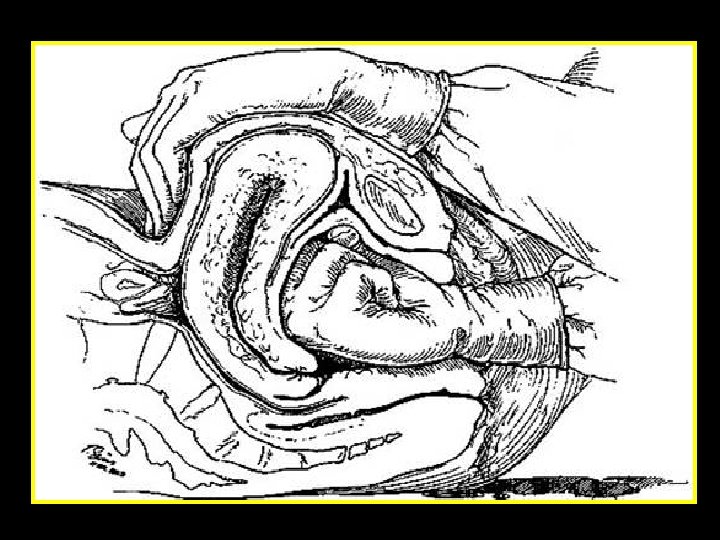
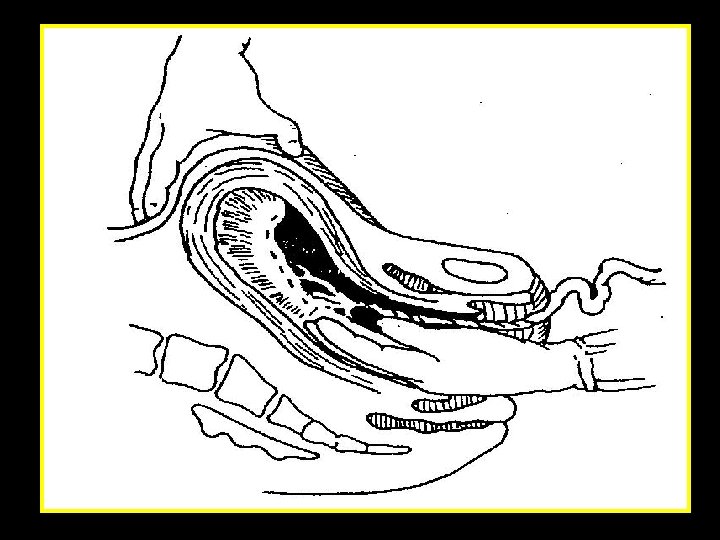
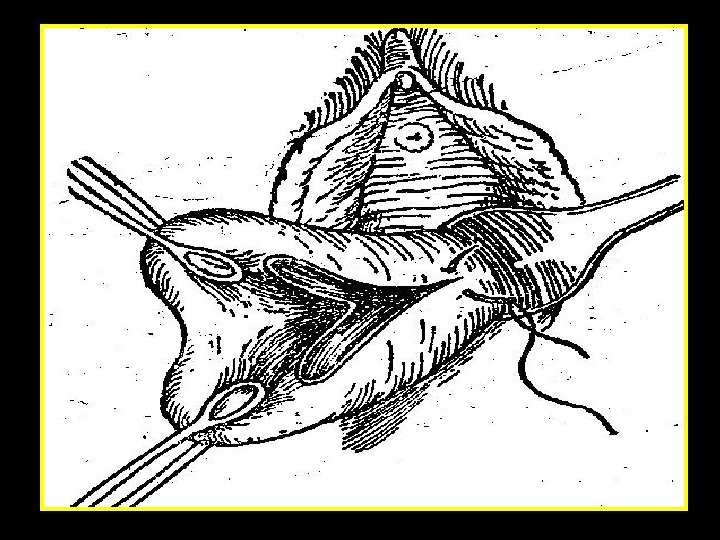
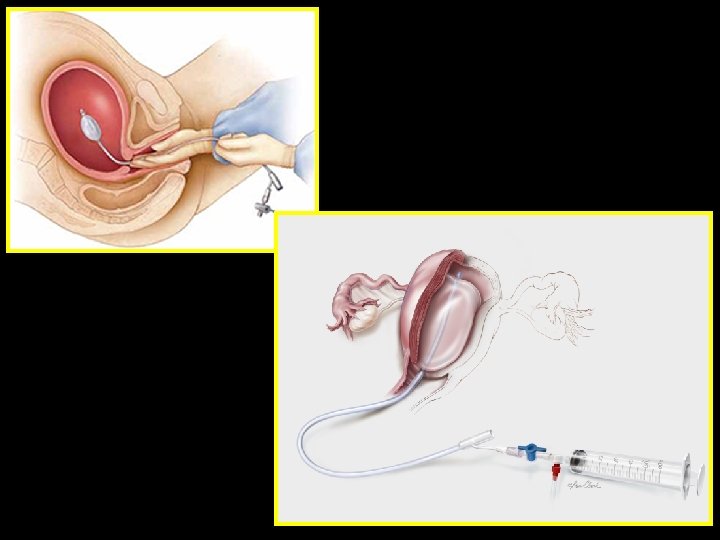
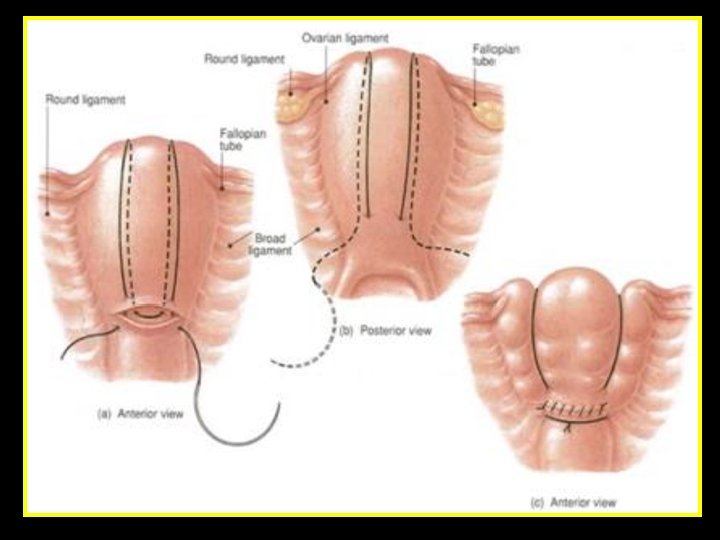
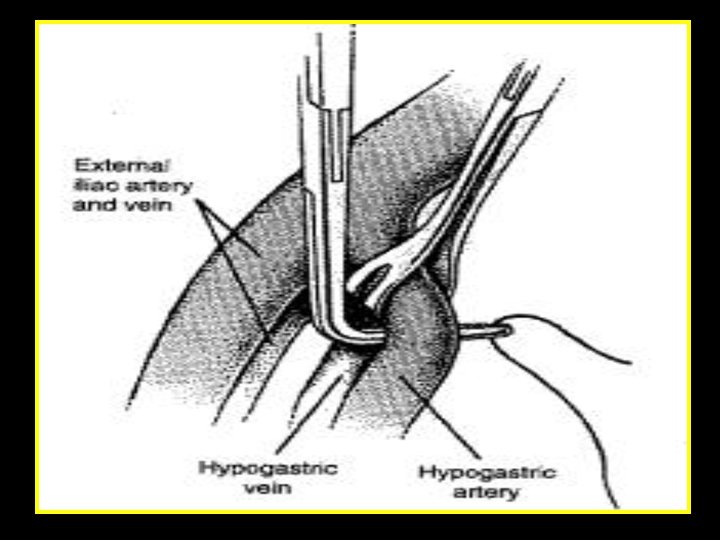
Primary PPH; Management • • Manual uterine massage Removal of retained placental tissue Packing the uterus (to compress bleeding areas) Secure bleeding vessels B- lynch suture Internal Iliac artery ligation Hysterectomy
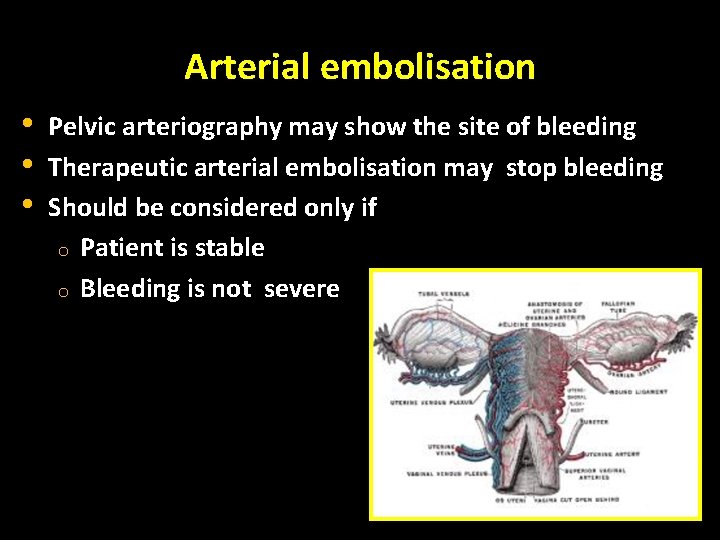
Arterial embolisation • • • Pelvic arteriography may show the site of bleeding Therapeutic arterial embolisation may stop bleeding Should be considered only if o Patient is stable o Bleeding is not severe
Recombinant Activated Factor VIIa (Novoseven) Mechanism of action • Enhances platelet aggregation • Promotes clotting through extrinsic pathway (binds to tissue factor) • Activates Factor IX & X, & generates thrombin Onset of action: controls bleeding rapidly “ 10 minutes” Adverse effects • < 1% • Fever, Headache, nausea, vomiting, dizziness Injection site reactions (pain, redness, or irritation) Short ½ life (2 hours) High cost
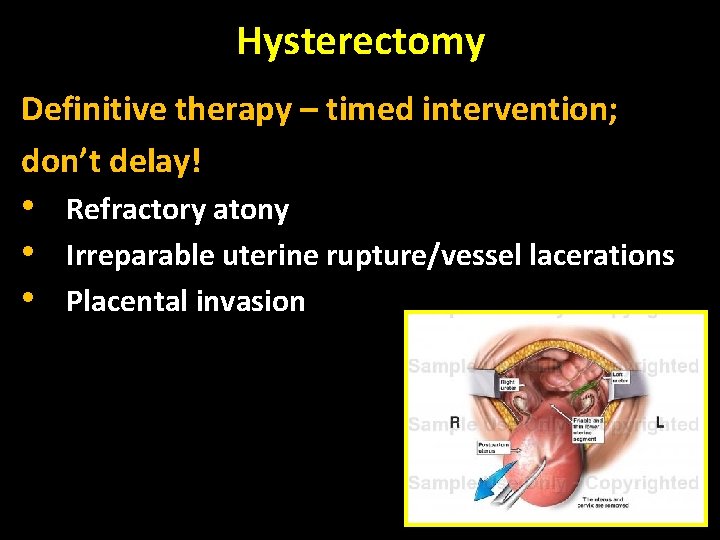
Hysterectomy Definitive therapy – timed intervention; don’t delay! • • • Refractory atony Irreparable uterine rupture/vessel lacerations Placental invasion
Complications of PPH • Sheehan’s syndrome : Pituitary ischemic injury (necrosis of the anterior lobe of the pituitary gland) • Postpartum infection • DIC • Anemia • Transfusion hepatitis • Asherman’s syndrome (Intrauterine adhesion )
PPH: After care Documentation • Accurate documentation of events is essential Debriefing • An opportunity to discuss the events surrounding the obstetric haemorrhage should be offered to the woman (possibly with family too) at a mutually convenient time • Debrief the staff involved

Secondary PPH: Mx
Causes of Secondary PPH • • Endometritis Retained placental tissue Sub-involution of placental site Ruptured pseudo-aneurysms and arteriovenous malformations (rare)
Secondary PPH Endometritis • Combination of ampicillin (clindamycin if penicillin allergic) and metronidazole • In cases of endomyometritis (tender uterus) or overt sepsis, add gentamicin Retained tissues Surgical measures (Evacuation of retained tissues) o If excessive or continuing bleeding, irrespective of USS findings o Carries a high risk for uterine perforation
PPH: Remember Anticipate Active Mx of third stage decreases risk of PPH Early identification Accurate estimation of blood loss Acute management requires a multi-disciplinary approach with the involvement of senior clinicians • Early transfusion and correction of coagulopathy is fundamental • • •
- Slides: 31