
POSITIVE BEHAVIOUR FOR LEARNING Positive Behaviour of Learning
POSITIVE BEHAVIOUR FOR LEARNING Positive Behaviour of Learning School-Wide 5 December 2012
Too much lunch aye!


Nau te rourou; nakū te rourou Ka ora ai te iwi With your contribution, and mine There will be ample

Acknowledgements • Thanks to Professor Tim Lewis, Professor George Sugai and Dr Lori Newcomer. • SWPB 4 L NZ is very grateful for the mentoring relationships developed with Warren Dawson in Queensland Jill Schofield in Sydney.
What is School-Wide Positive Behaviour for Learning? A whole-school decision making framework that guides the selection and use of the best evidence-based systemic and individualised practices, to achieve key social and learning outcomes for all students and prevent the development of problem behaviours. 5/01/2022
PB 4 L School-Wide is. . • Not a specific practice or curriculum…it’s a general approach to preventing problem behaviour. • Not limited to any particular group of students…it’s for all students. • Not new…its based on long history of behavioural practices & effective instructional design & strategies. (Sugai 2002)
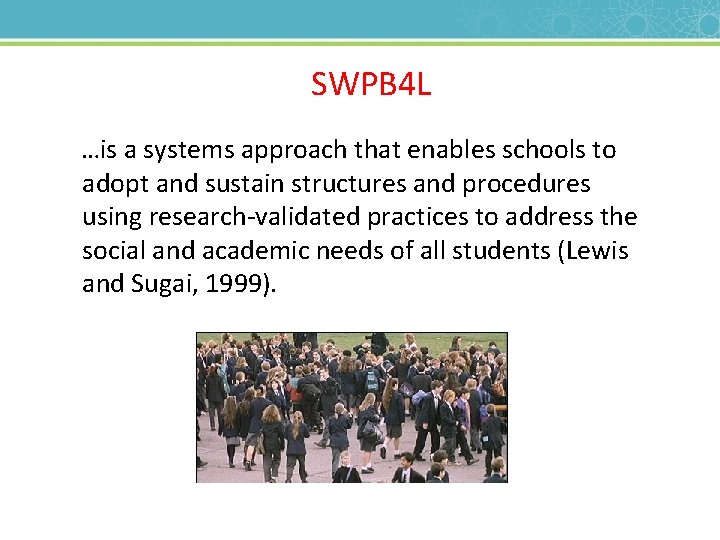
SWPB 4 L …is a systems approach that enables schools to adopt and sustain structures and procedures using research-validated practices to address the social and academic needs of all students (Lewis and Sugai, 1999).
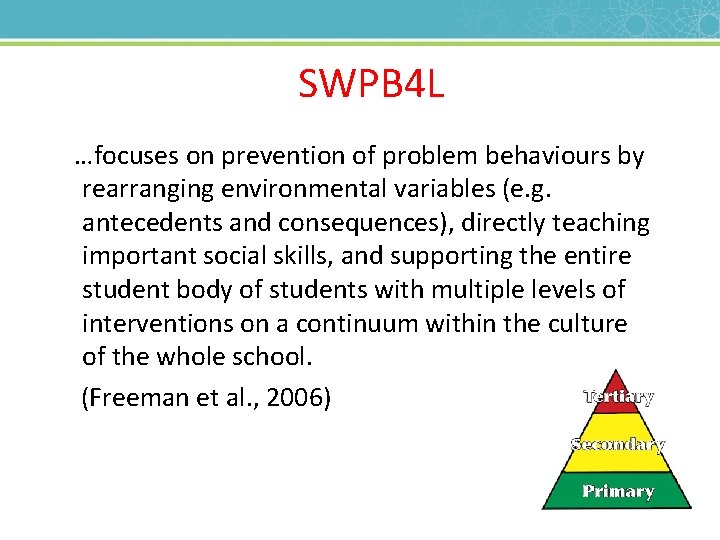
SWPB 4 L …focuses on prevention of problem behaviours by rearranging environmental variables (e. g. antecedents and consequences), directly teaching important social skills, and supporting the entire student body of students with multiple levels of interventions on a continuum within the culture of the whole school. (Freeman et al. , 2006)
The roots of SWPB 4 L. . • SWPB 4 L was started by academics and teachers supporting students with serious problem behaviour. • They found that it was ineffective to implement individual interventions in schools and classrooms in which discipline systems were unclear and inconsistently implemented. • They found that a school wide improvement in discipline leads to an improvement in the behaviour of the “high-fliers”.
What’s Different? Traditional discipline School-wide discipline • Focuses on the individual student’s problem behaviours • Teaches pro-social skills to replace inappropriate behaviours • Uses punishment to stop undesirable behaviours • Uses consistent logical consequences for undesirable behaviour • Acknowledges appropriate behaviour • Develops a predictable, consistent, respectful, and safe school environment
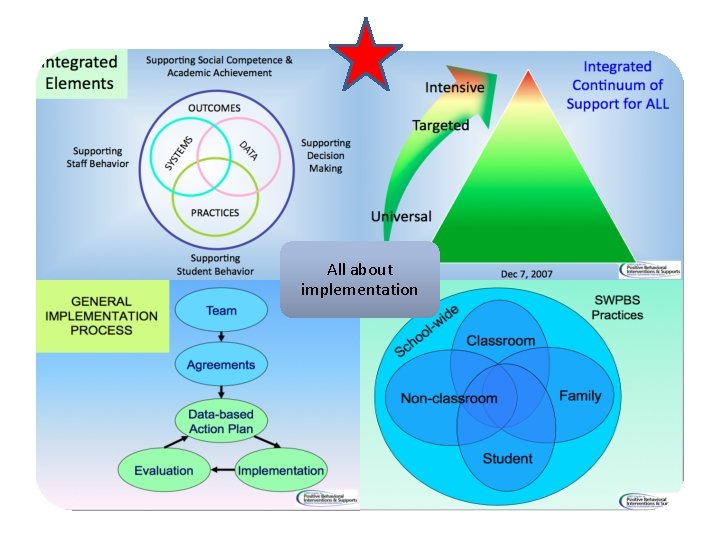
All about implementation
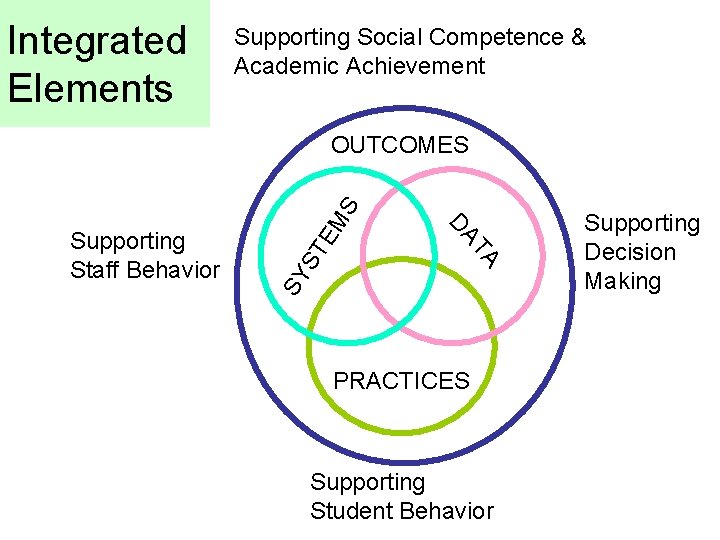
Integrated Elements Supporting Social Competence & Academic Achievement ST SY TA DA Supporting Staff Behavior EM S OUTCOMES PRACTICES Supporting Student Behavior Supporting Decision Making
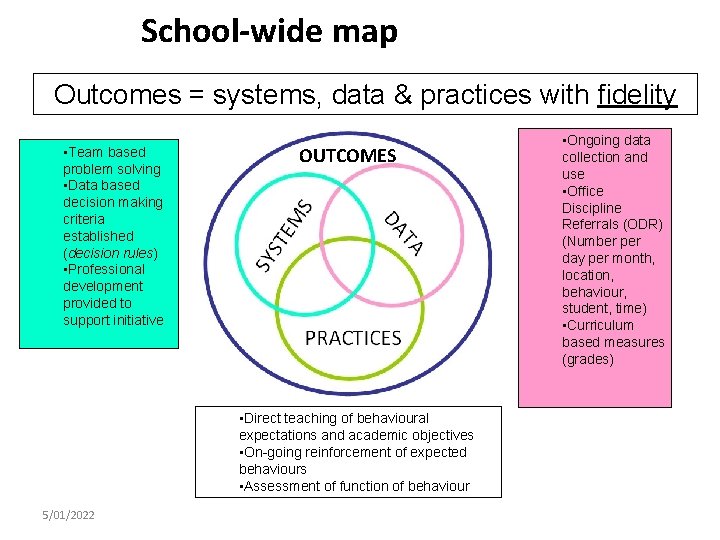
School-wide map Supporting Social Develop measurable and. Competence realistic short and long -termand objectives and OUTCOMES Academic Achievement Outcomes = systems, data & practices with fidelity • Team based problem solving • Data based decision makingto Establish SYSTEMS criteria enable adaptation of established practices and Supporting (decision rules) preparation Staff of • Professional implementers for the Behaviour development most effective, provided to efficient, andinitiative relevant support OUTCOMES use of those practices • Direct. PRACTICES teaching of(not behavioural Select necessarily Supporting Student expectations and academic objectives programs) that have demonstrated Behaviour • On-going reinforcement of expected effectiveness in achieving those behaviours • Assessmentoutcomes of function of behaviour 5/01/2022 • Ongoing data collection and use • Office Discipline Review Supporting Referralsor (ODR) information Decision (Number DATA aboutper day per month, Making your school location, behaviour, student, time) • Curriculum based measures (grades)
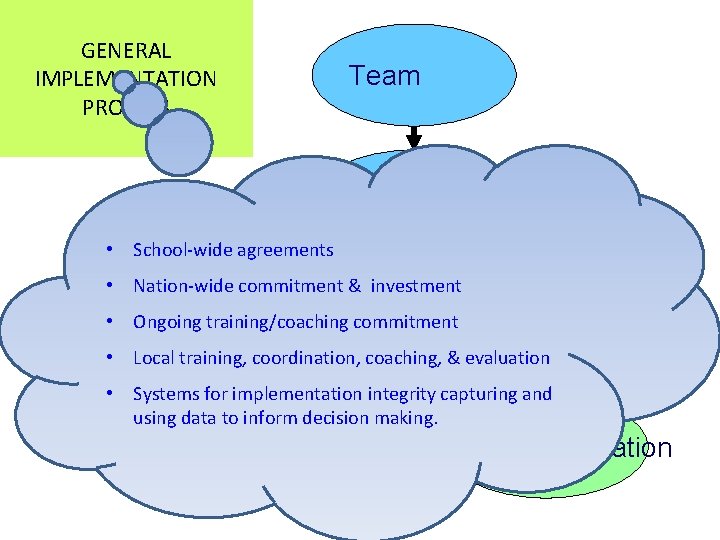
GENERAL IMPLEMENTATION PROCESS Team Agreements • School-wide agreements • Nation-wide commitment & investment • Ongoing training/coaching. Data-based commitment Action • Local training, coordination, coaching, Plan & evaluation • Systems for implementation integrity capturing and using data to inform decision making. Evaluation Implementation
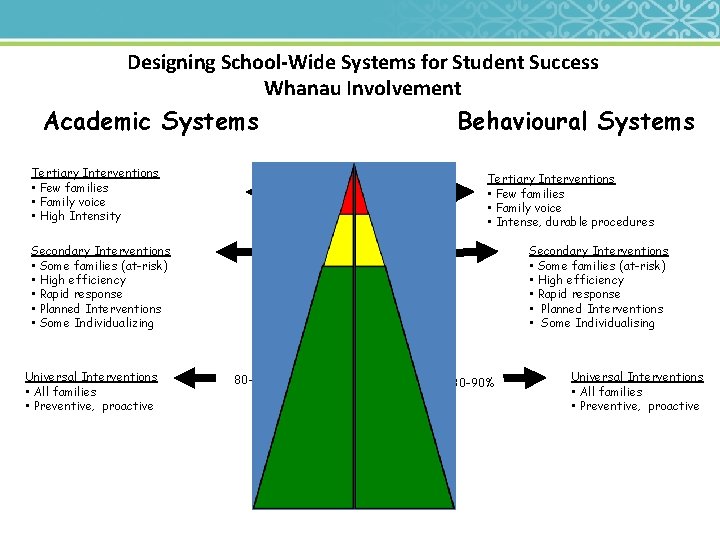
Designing School-Wide Systems for Student Success Whanau Involvement Academic Systems Behavioural Systems Tertiary Interventions • Few families • Family voice • High Intensity Secondary Interventions • Some families (at-risk) • High efficiency • Rapid response • Planned Interventions • Some Individualizing Universal Interventions • All families • Preventive, proactive 1 -5% 5 -10% 80 -90% 1 -5% Tertiary Interventions • Few families • Family voice • Intense, durable procedures 5 -10% Secondary Interventions • Some families (at-risk) • High efficiency • Rapid response • Planned Interventions • Some Individualising 80 -90% Universal Interventions • All families • Preventive, proactive
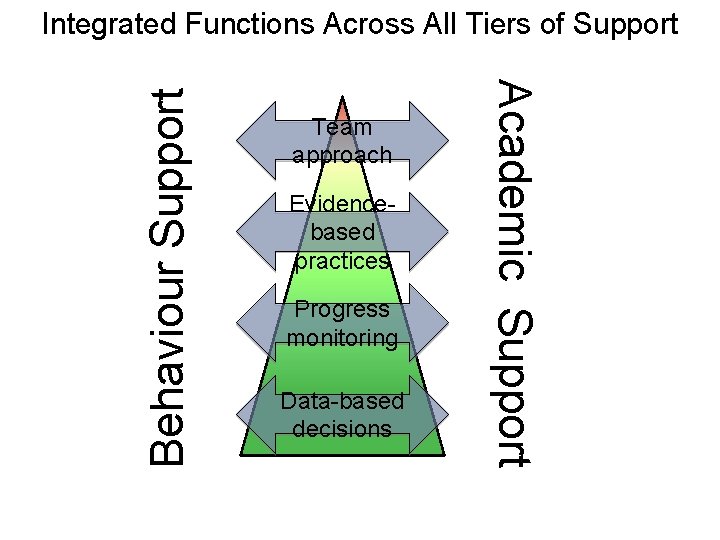
Team approach Evidencebased practices Progress monitoring Data-based decisions Academic Support Behaviour Support Integrated Functions Across All Tiers of Support
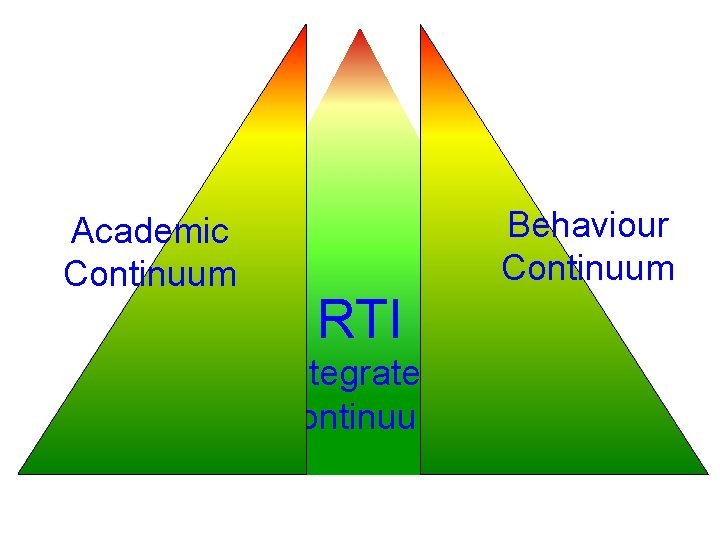
Academic Continuum Behaviour Continuum RTI Integrated Continuum
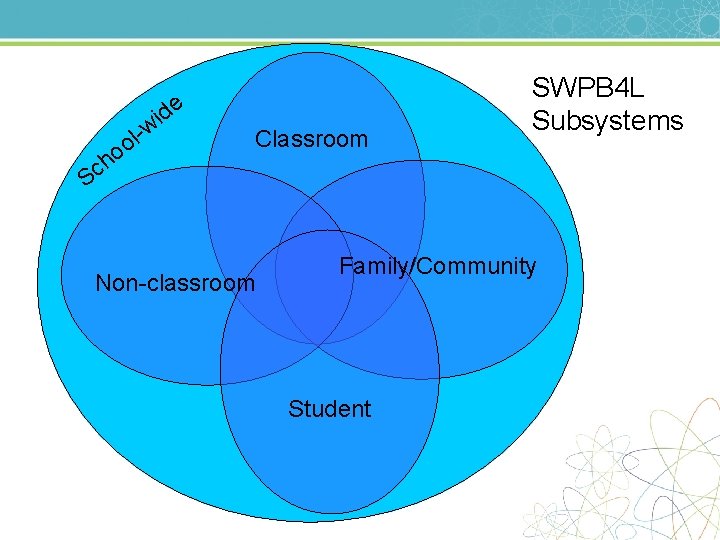
e - d i w l o o h c S Classroom Non-classroom SWPB 4 L Subsystems Family/Community Student
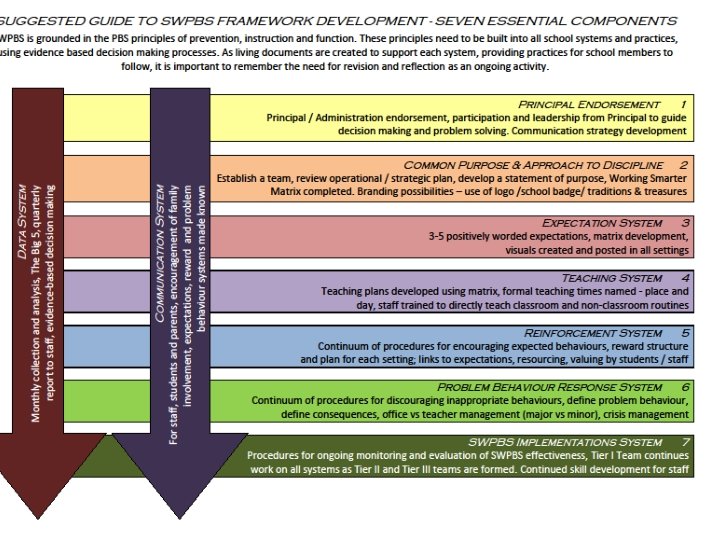
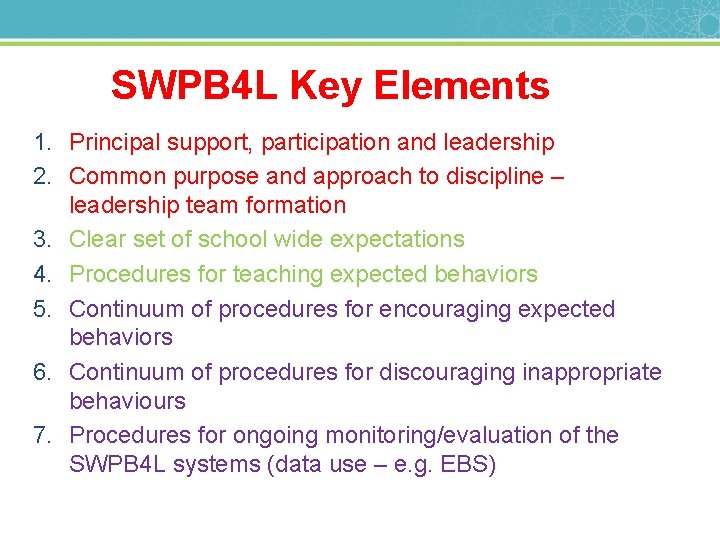
SWPB 4 L Key Elements 1. Principal support, participation and leadership 2. Common purpose and approach to discipline – leadership team formation 3. Clear set of school wide expectations 4. Procedures for teaching expected behaviors 5. Continuum of procedures for encouraging expected behaviors 6. Continuum of procedures for discouraging inappropriate behaviours 7. Procedures for ongoing monitoring/evaluation of the SWPB 4 L systems (data use – e. g. EBS)
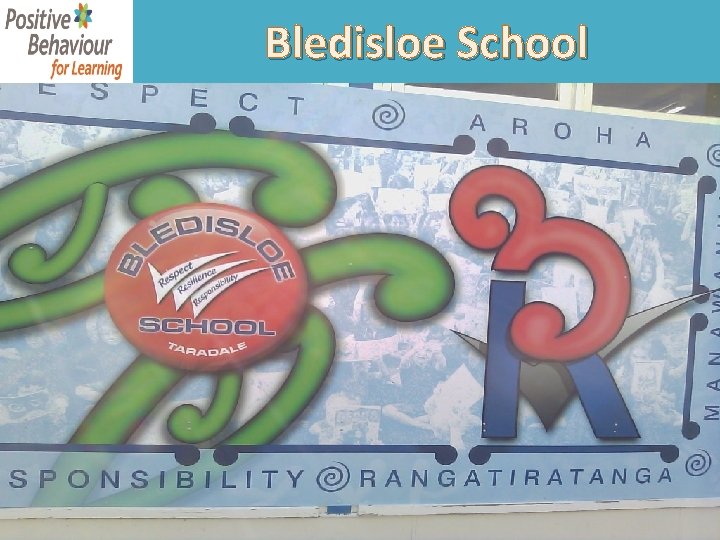
Bledisloe School
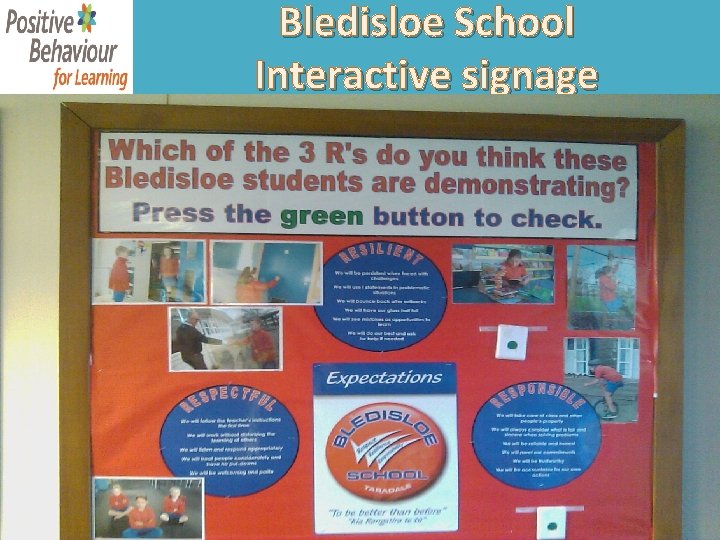
Bledisloe School Interactive signage
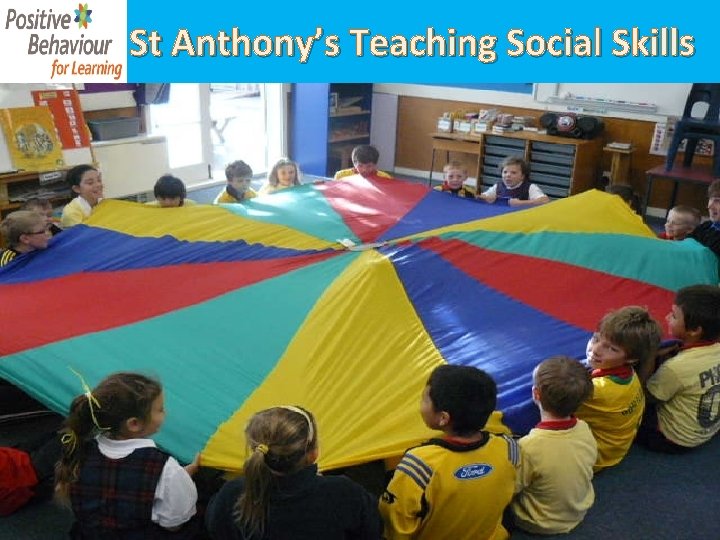
St Anthony’s Teaching Social Skills
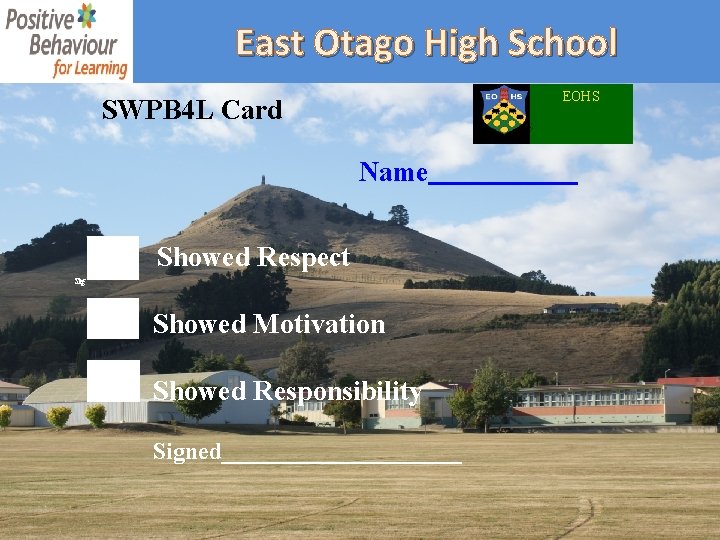
East Otago High School EOHS SWPB 4 L Card Name Showed Respect Sig Showed Motivation Showed Responsibility Signed__________
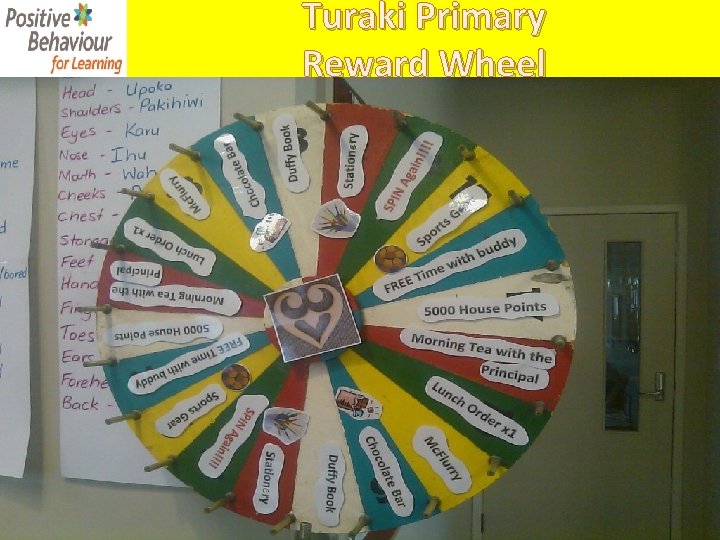
Turaki Primary Reward Wheel
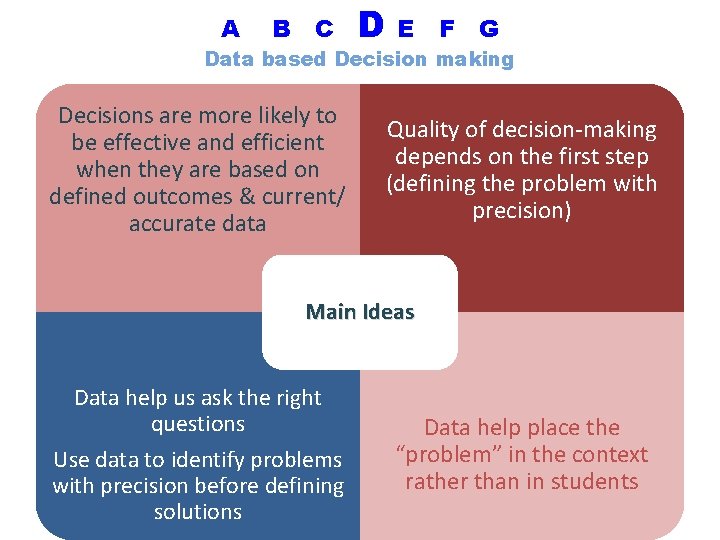
A B C D E F G Data based Decision making Decisions are more likely to be effective and efficient when they are based on defined outcomes & current/ accurate data Quality of decision-making depends on the first step (defining the problem with precision) Main Ideas Data help us ask the right questions Use data to identify problems with precision before defining solutions Data help place the “problem” in the context rather than in students
simply. . School Wide is the redesign of environments, not the redesign of individuals. 5/01/2022
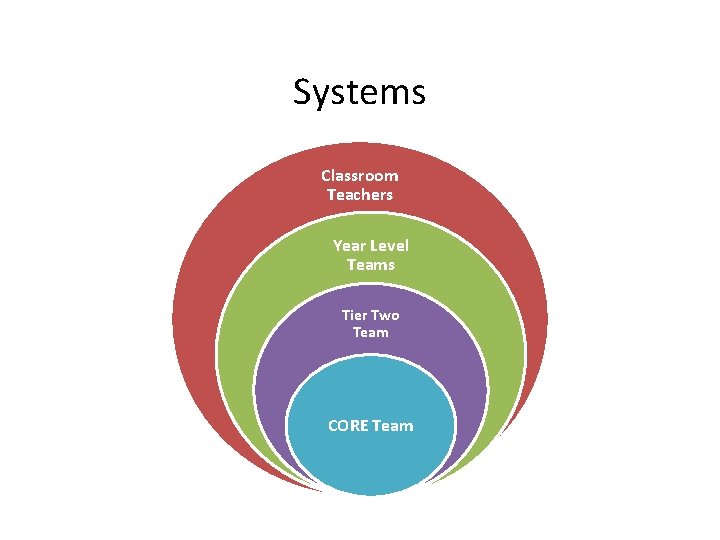
Systems Classroom Teachers Year Level Teams Tier Two Team CORE Team
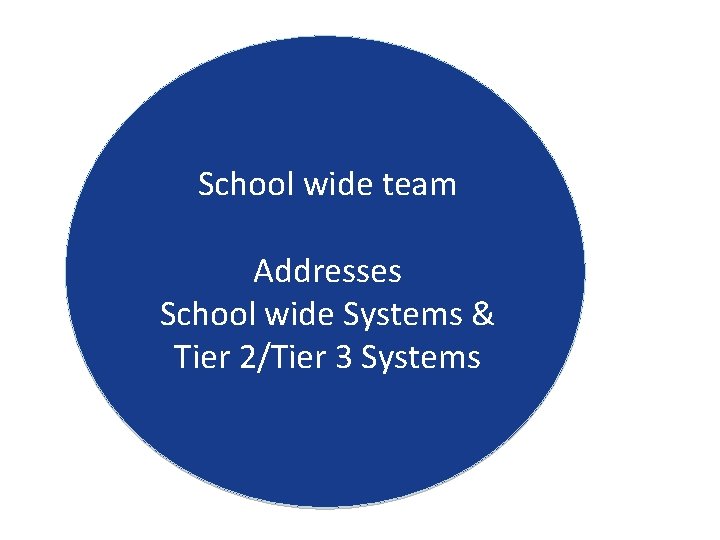
School wide team Addresses School wide Systems & Tier 2/Tier 3 Systems
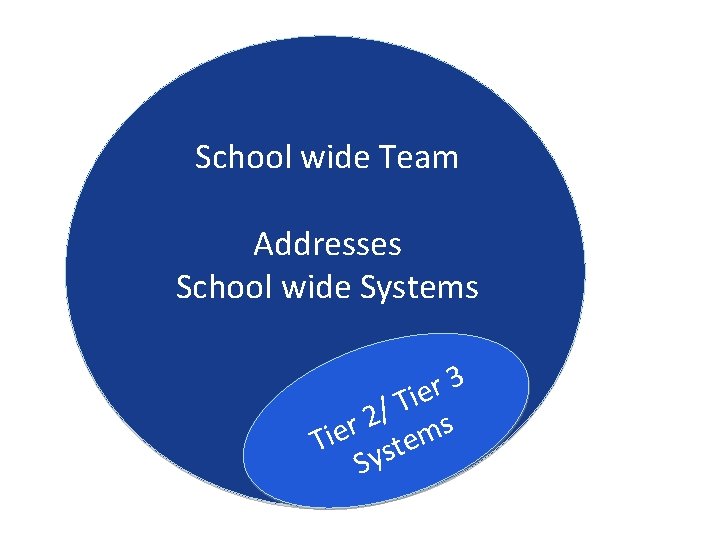
School wide Team Addresses School wide Systems 3 r e i T / 2 s r e m i T yste S
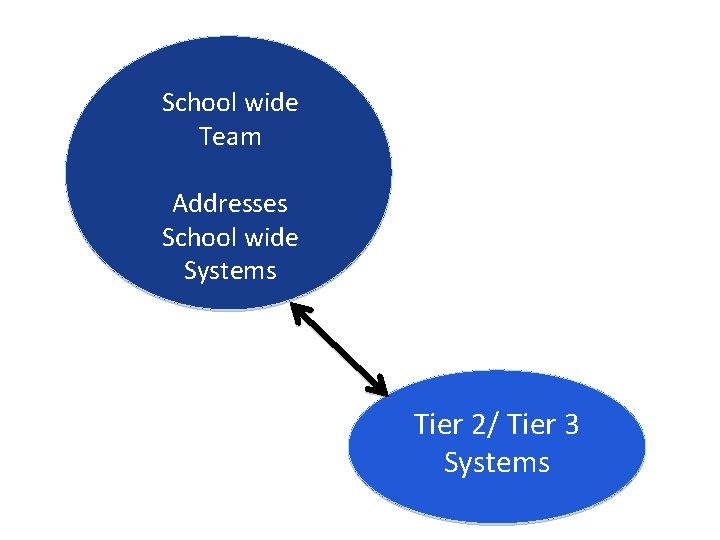
School wide Team Addresses School wide Systems Tier 2/ Tier 3 Systems
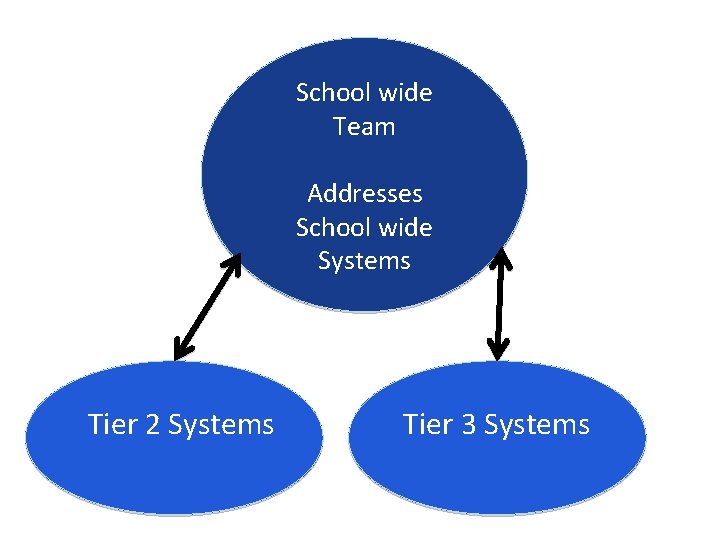
School wide Team Addresses School wide Systems Tier 2 Systems Tier 3 Systems
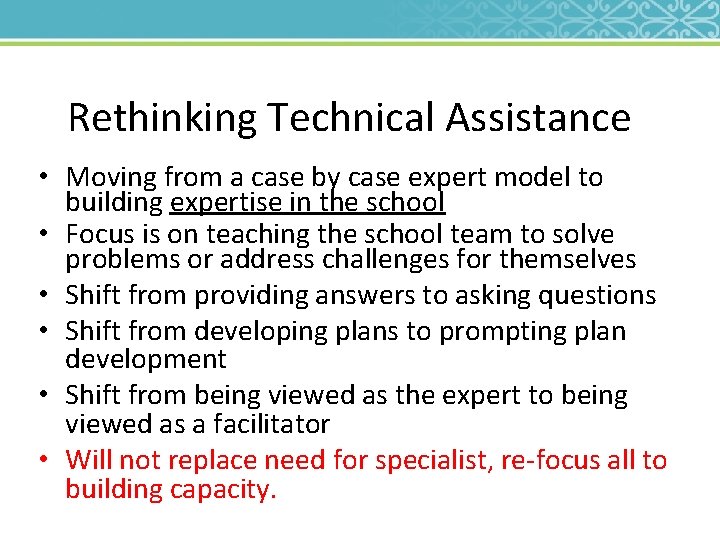
Rethinking Technical Assistance • Moving from a case by case expert model to building expertise in the school • Focus is on teaching the school team to solve problems or address challenges for themselves • Shift from providing answers to asking questions • Shift from developing plans to prompting plan development • Shift from being viewed as the expert to being viewed as a facilitator • Will not replace need for specialist, re-focus all to building capacity.
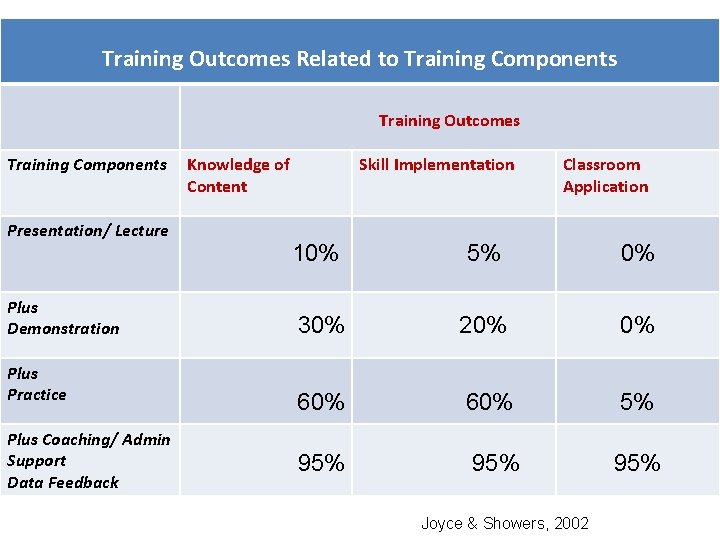
Training Outcomes Related to Training Components Training Outcomes Training Components Presentation/ Lecture Plus Demonstration Plus Practice Plus Coaching/ Admin Support Data Feedback Knowledge of Content Skill Implementation Classroom Application 10% 5% 0% 30% 20% 0% 60% 5% 95% 95% Joyce & Showers, 2002
Websites • www. PBIS. org • www. PBISmaryland. org • www. learningplace. com
“Even if you’re on the right track, you’ll get run over if you just sit there” - Will Rogers

- Slides: 43