
Populations Growth and Limiting Factors Populations A group

- Slides: 13
Populations: Growth and Limiting Factors
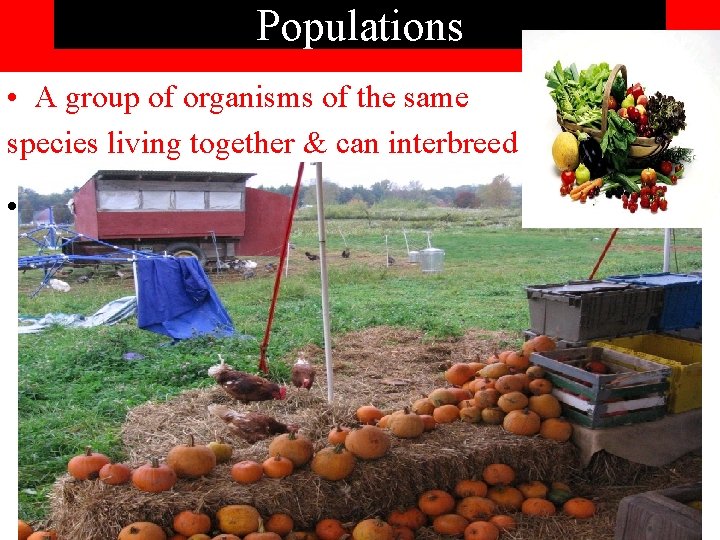
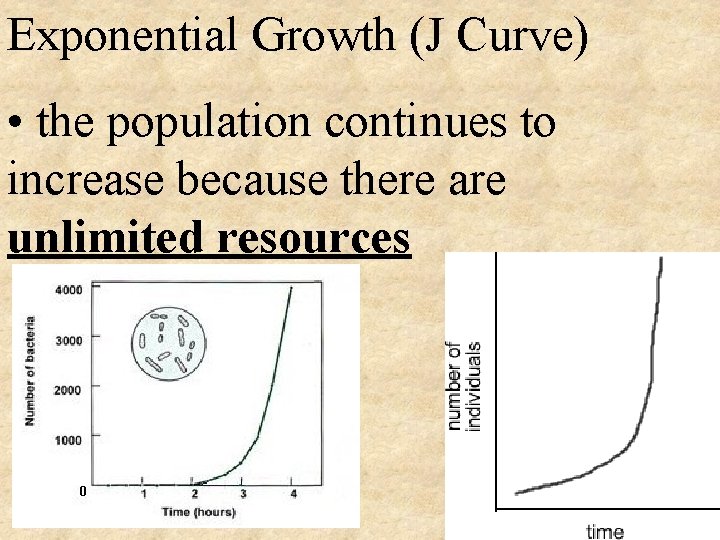
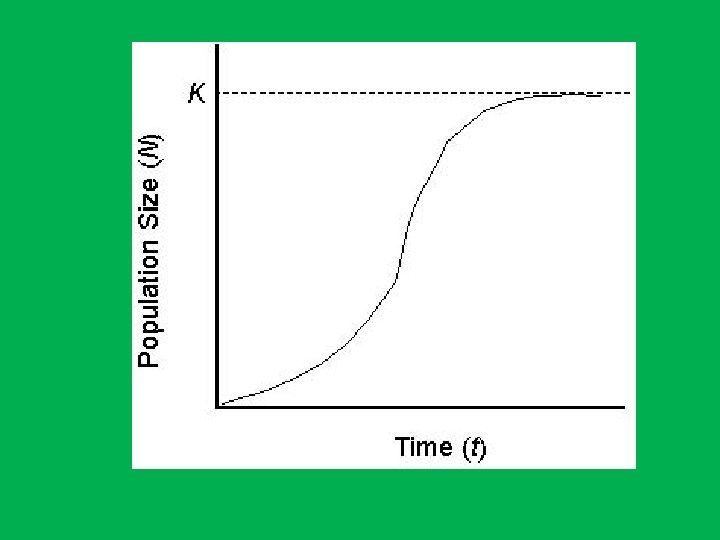
Populations • A group of organisms of the same species living together & can interbreed • Grow: – Exponentially ~ numbers increase by a certain factor • Ex: 1 min = 2 bacteria, 2 min = 4 bacteria, 3 min = 8 bacteria – Logistically ~ start w/ low number, then reaches a maximum based on carrying capacity • Ex: 24 rabbits continue to reproduce until resources become low, then reproduction slows • Carrying capacity ~largest population an environment can support @ any time (Density independent & dependent)
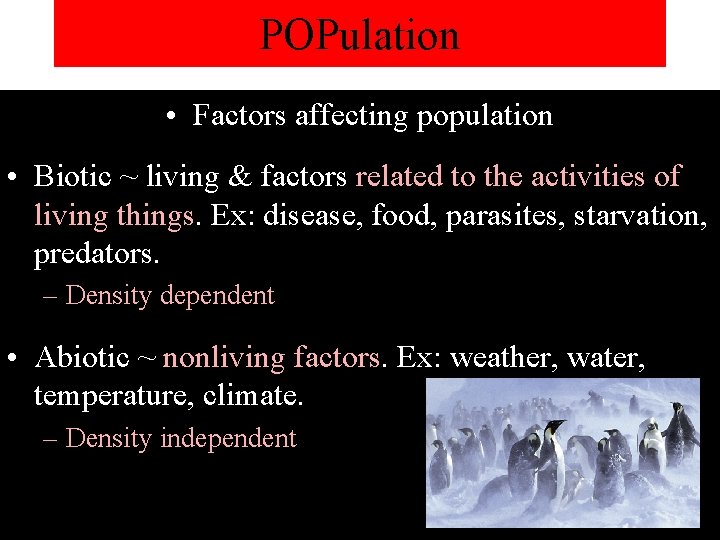
POPulation • Factors affecting population • Biotic ~ living & factors related to the activities of living things. Ex: disease, food, parasites, starvation, predators. – Density dependent • Abiotic ~ nonliving factors. Ex: weather, water, temperature, climate. – Density independent
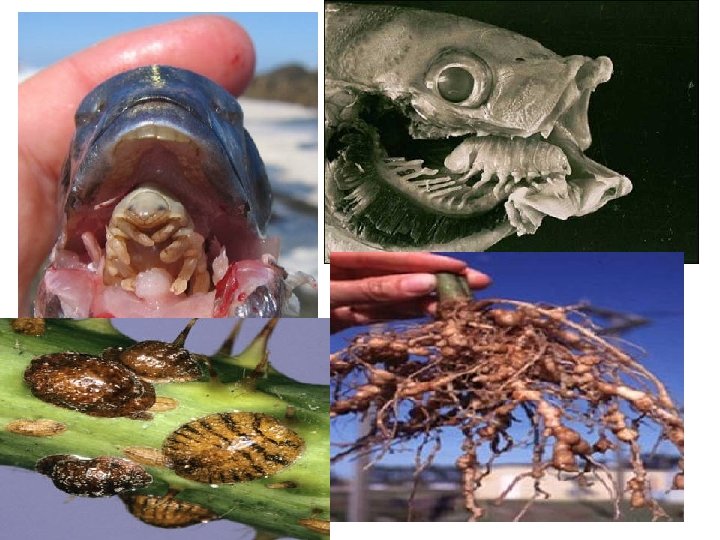
Population interactions • Pops interact to survive & maintain equilibrium • Symbiosis ~ a close association of two species • Predator/Prey interaction – Predation ~ killing an organism for food – Predator ~ kills, prey ~ is /gets killed • Parasite/Host interaction – Parasitism ~ one organism feeds on another organism – Parasite ~ feeds on organism, host ~ gets fed off of **** COEVOLUTION****
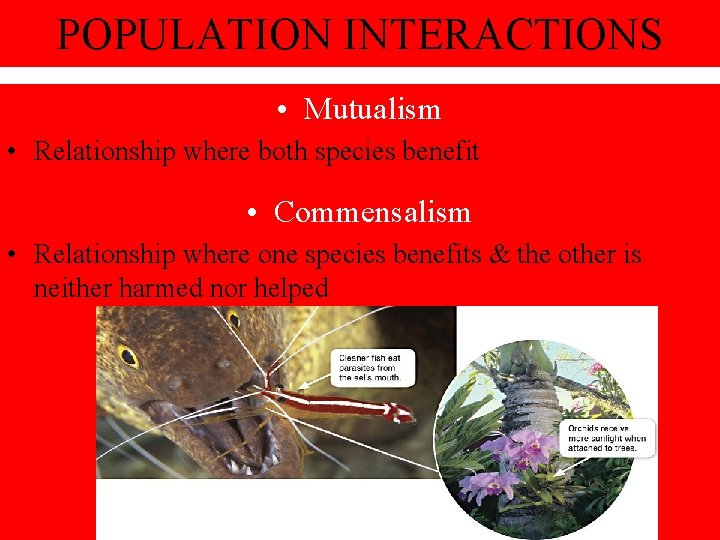
POPULATION INTERACTIONS • Mutualism • Relationship where both species benefit • Commensalism • Relationship where one species benefits & the other is neither harmed nor helped
Populations Population Density: # of individuals in a specific area at a given time Biodiversity: having a variety of organisms in a specific area
Population Growth Population Size is affected by • # of births • # of deaths • migration
Exponential Growth (J Curve) • the population continues to increase because there are unlimited resources
Logistic Growth (S curve) Population growth slows as it reaches carrying capacity Carrying capacity = the # of individuals that the environment can support
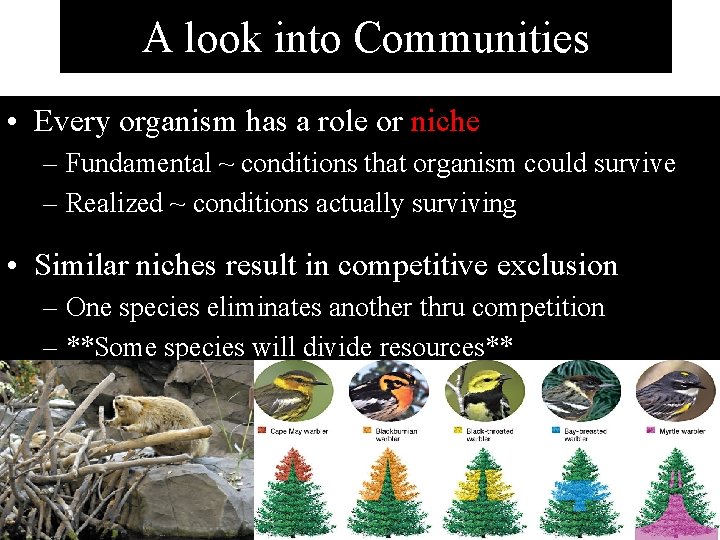
A look into Communities • Every organism has a role or niche – Fundamental ~ conditions that organism could survive – Realized ~ conditions actually surviving • Similar niches result in competitive exclusion – One species eliminates another thru competition – **Some species will divide resources**
A look into communities • It is important to remember: • Ecosystems thrive due to much biodiversity • All organism work with other organisms to maintain equilibrium. • All organisms play a role that helps to maintain the ecosystem. If one part of the ecosystem changes, so does the entire ecosystem!