
Population Genetics and Multifactorial Inheritance 2002 Consanguinity Genetic


- Slides: 41
Population Genetics and Multifactorial Inheritance 2002 • • Consanguinity Genetic drift Founder effect Selection Mutation rate Polymorphism Balanced polymorphism • Hardy-Weinberg Equilibrium
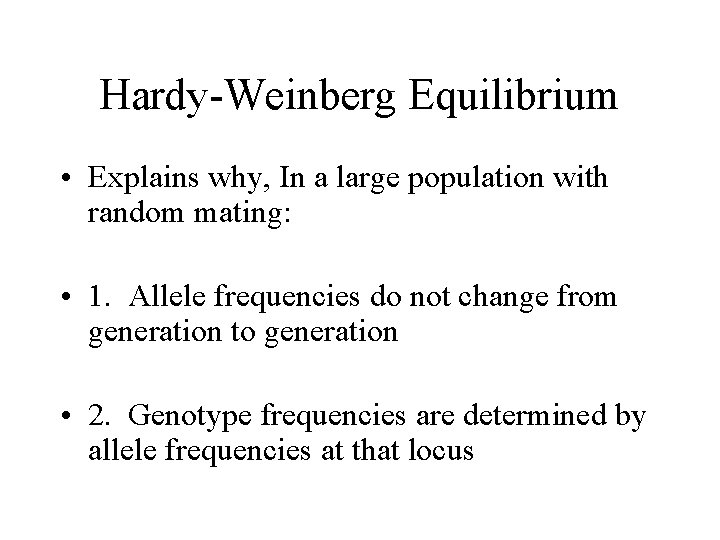
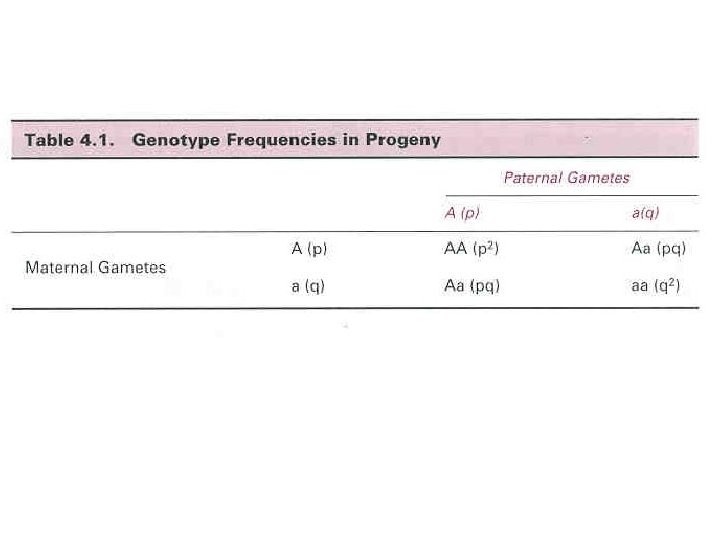
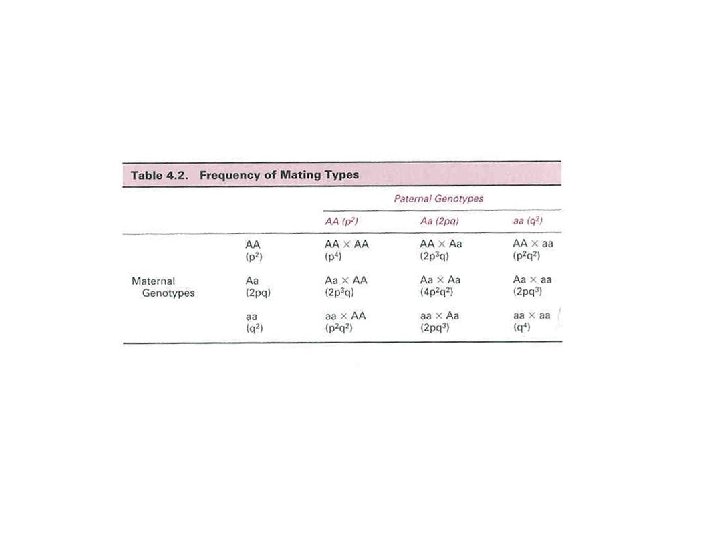
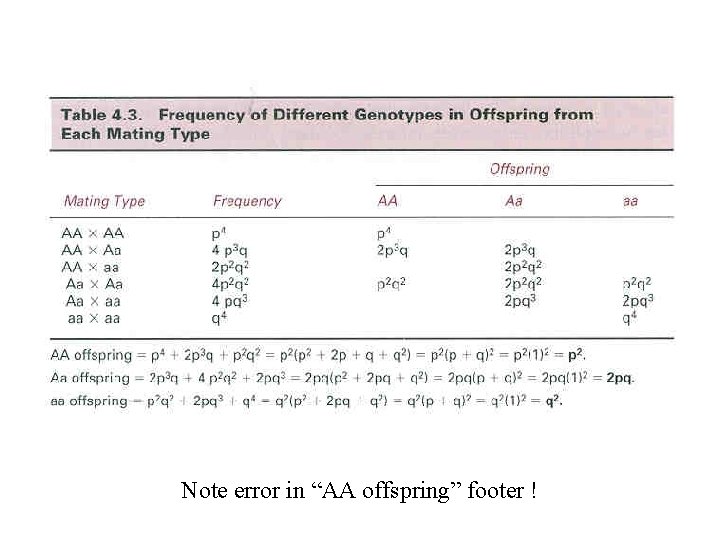
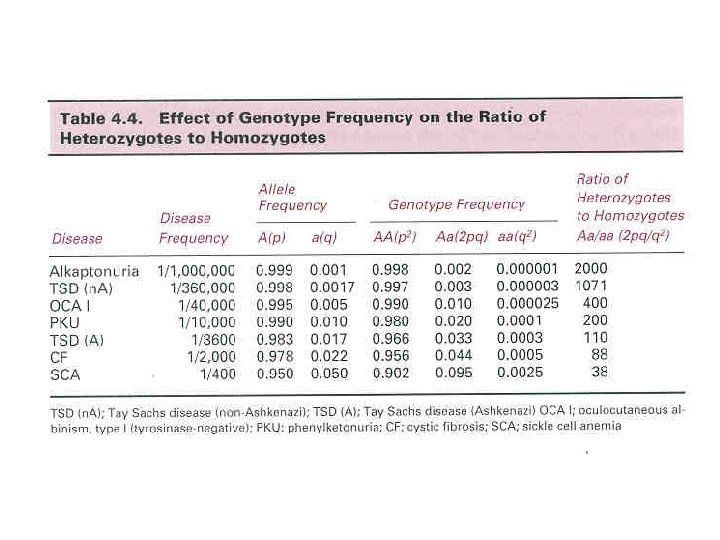
Hardy-Weinberg Equilibrium • Explains why, In a large population with random mating: • 1. Allele frequencies do not change from generation to generation • 2. Genotype frequencies are determined by allele frequencies at that locus
Note error in “AA offspring” footer !
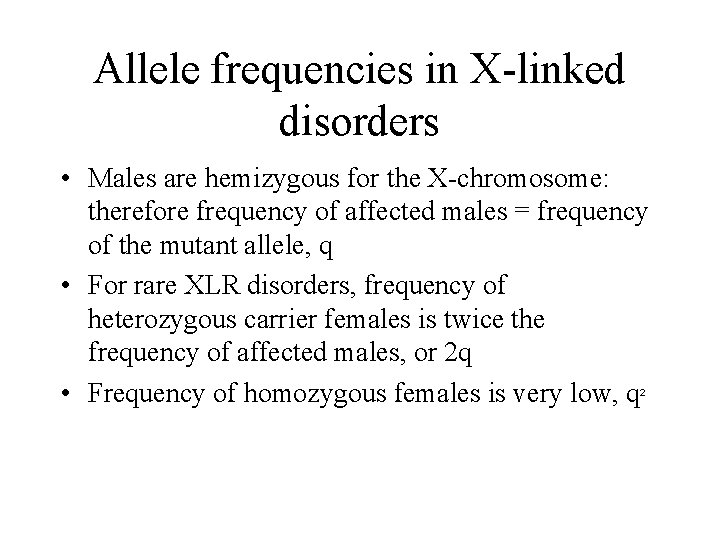
Allele frequencies in X-linked disorders • Males are hemizygous for the X-chromosome: therefore frequency of affected males = frequency of the mutant allele, q • For rare XLR disorders, frequency of heterozygous carrier females is twice the frequency of affected males, or 2 q • Frequency of homozygous females is very low, q²
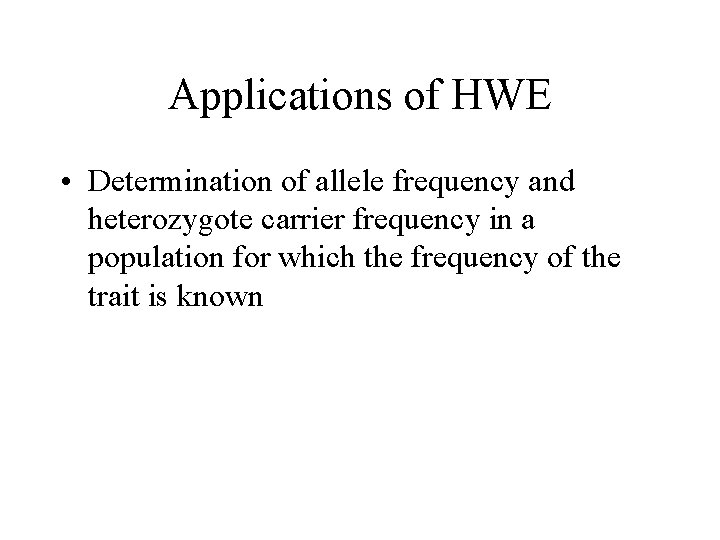
Applications of HWE • Determination of allele frequency and heterozygote carrier frequency in a population for which the frequency of the trait is known
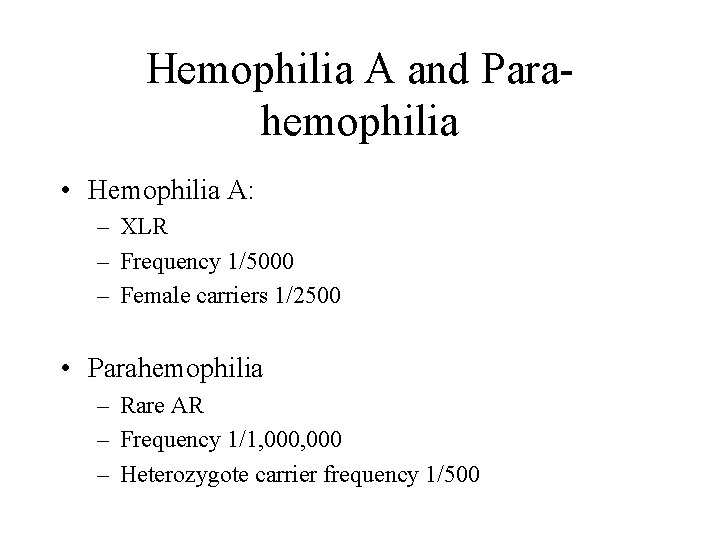
Hemophilia A and Parahemophilia • Hemophilia A: – XLR – Frequency 1/5000 – Female carriers 1/2500 • Parahemophilia – Rare AR – Frequency 1/1, 000 – Heterozygote carrier frequency 1/500
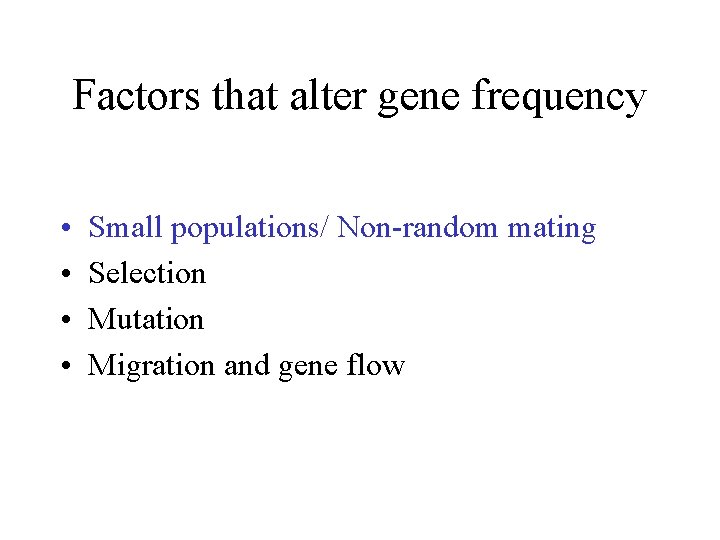
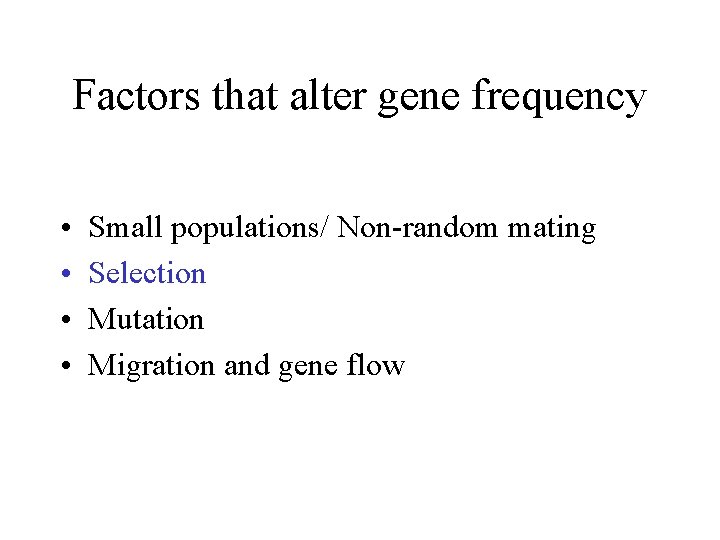
Factors that alter gene frequency • • Small populations/ Non-random mating Selection Mutation Migration and gene flow
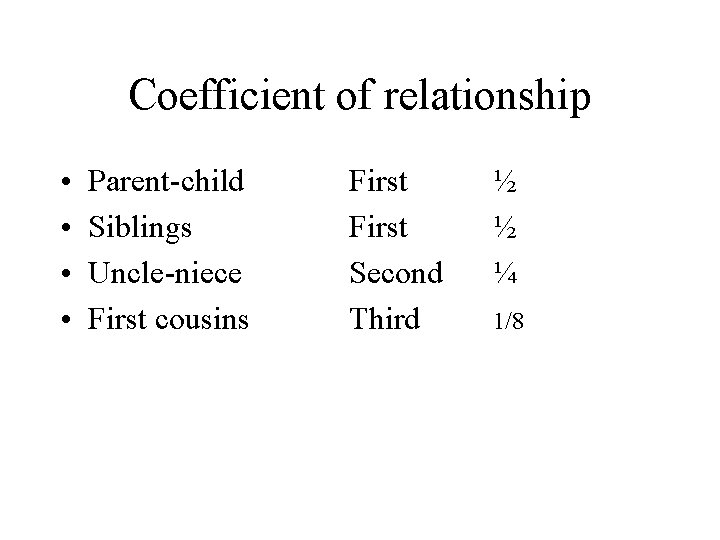
Coefficient of relationship • • Parent-child Siblings Uncle-niece First cousins First Second Third ½ ½ ¼ 1/8
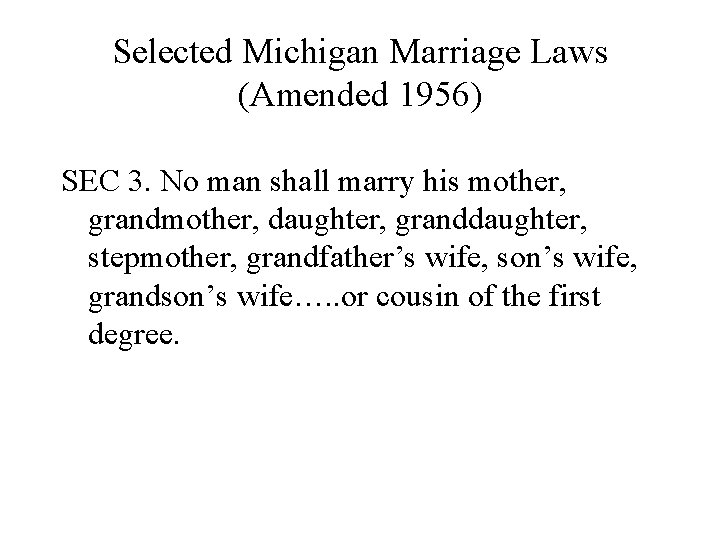
Selected Michigan Marriage Laws (Amended 1956) SEC 3. No man shall marry his mother, grandmother, daughter, granddaughter, stepmother, grandfather’s wife, son’s wife, grandson’s wife…. . or cousin of the first degree.
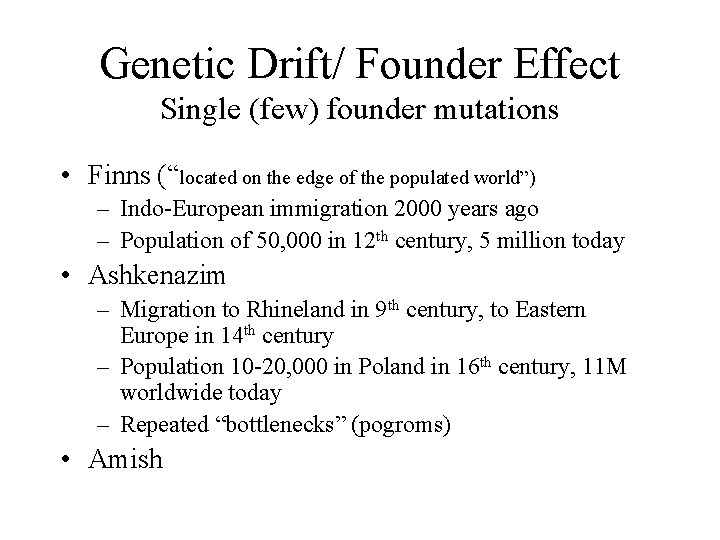
Genetic Drift/ Founder Effect Single (few) founder mutations • Finns (“located on the edge of the populated world”) – Indo-European immigration 2000 years ago – Population of 50, 000 in 12 th century, 5 million today • Ashkenazim – Migration to Rhineland in 9 th century, to Eastern Europe in 14 th century – Population 10 -20, 000 in Poland in 16 th century, 11 M worldwide today – Repeated “bottlenecks” (pogroms) • Amish
Factors that alter gene frequency • • Small populations/ Non-random mating Selection Mutation Migration and gene flow
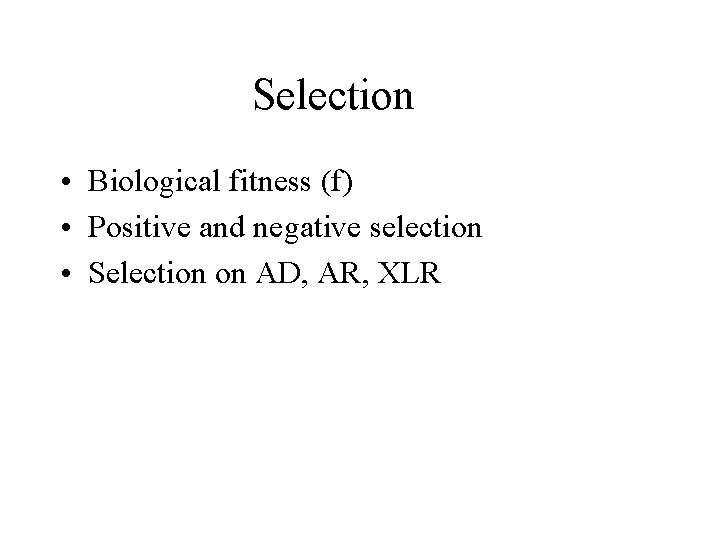
Selection • Biological fitness (f) • Positive and negative selection • Selection on AD, AR, XLR
Factors that alter gene frequency • • Small populations/ Non-random mating Selection Mutation Migration and gene flow
Mutation • Effect of gene size • Effect of paternal age • Balance between introduction of new mutant alleles by mutation and removal by negative selection
Factors that alter gene frequency • • Small populations/ Non-random mating Selection Mutation Migration and gene flow
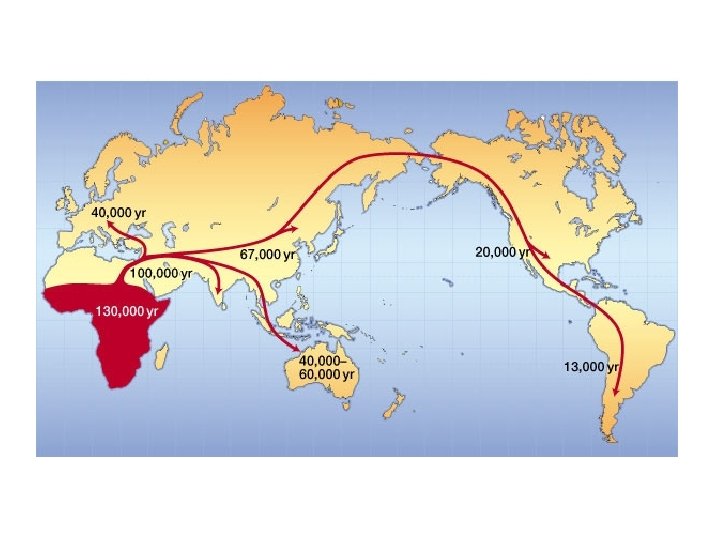
Migration and gene flow • Tracking human migrations • Cohanim • Lemba
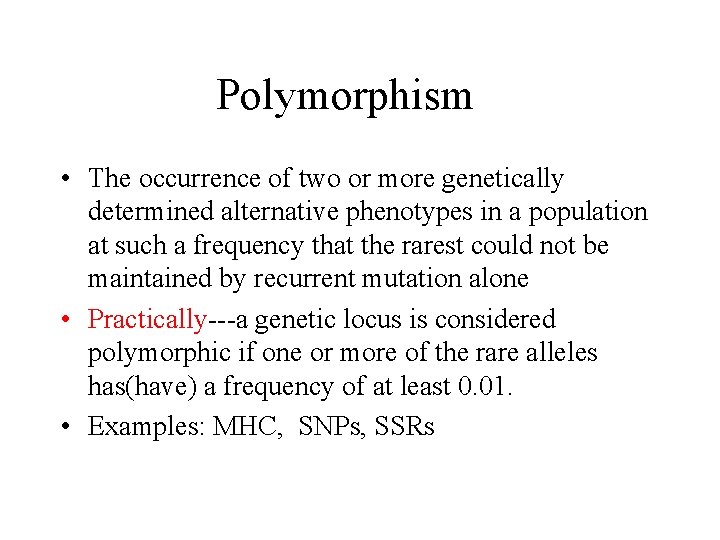
Polymorphism • The occurrence of two or more genetically determined alternative phenotypes in a population at such a frequency that the rarest could not be maintained by recurrent mutation alone • Practically---a genetic locus is considered polymorphic if one or more of the rare alleles has(have) a frequency of at least 0. 01. • Examples: MHC, SNPs, SSRs
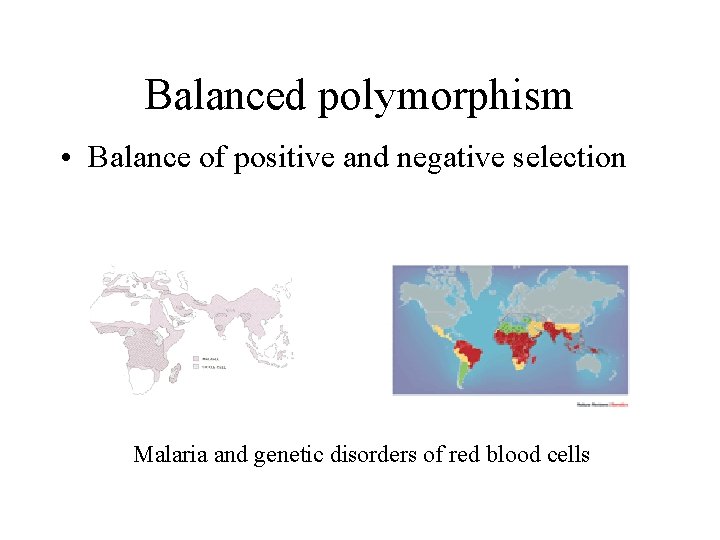
Balanced polymorphism • Balance of positive and negative selection Malaria and genetic disorders of red blood cells
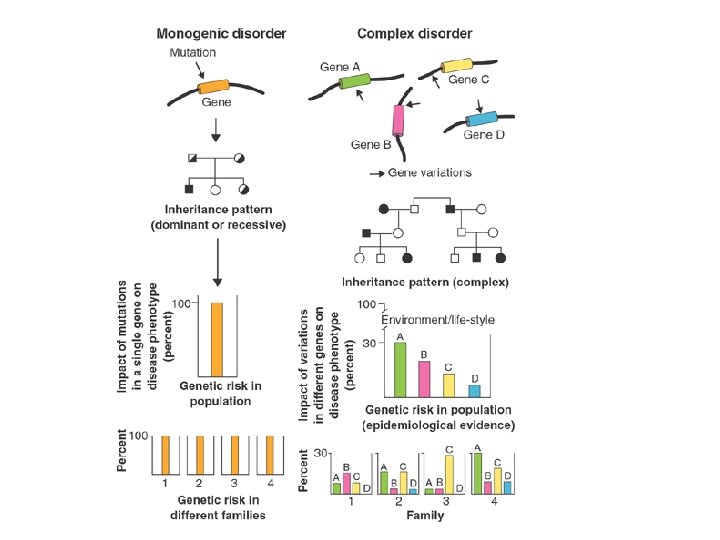
Multifactorial Inheritance Complex Common Diseases
Evidence for Genetic Factors in Common Complex Diseases • Familial aggregation • Twin studies • Mendelian forms of disease
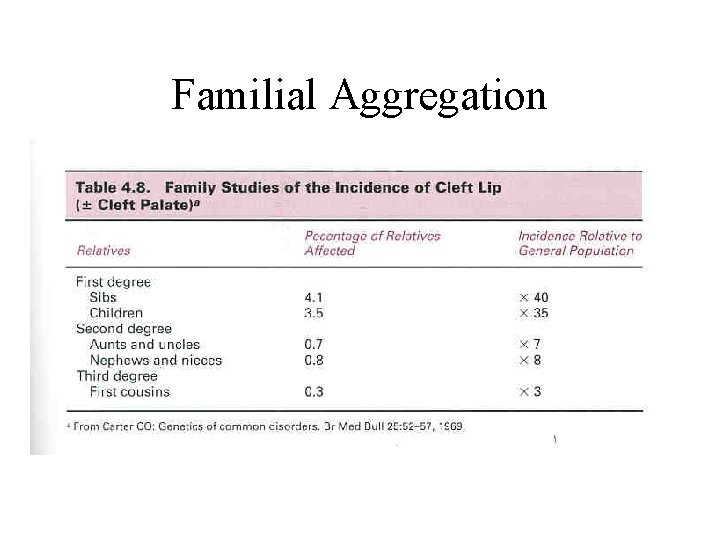
Familial Aggregation
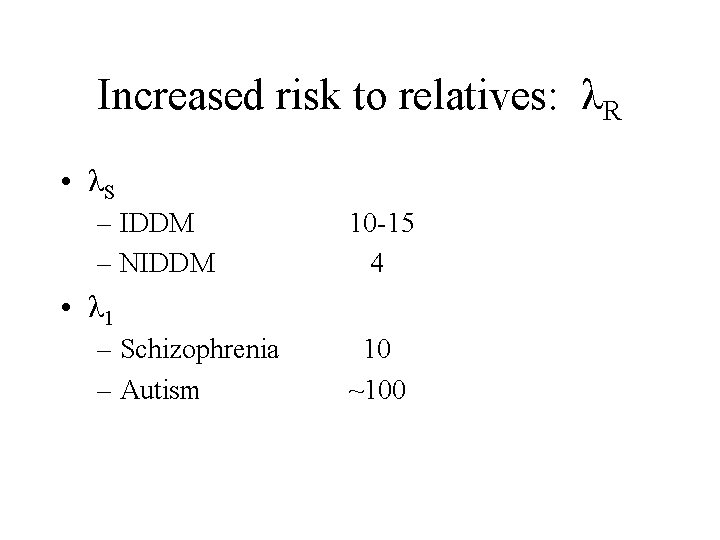
Increased risk to relatives: λR • λS – IDDM – NIDDM 10 -15 4 • λ 1 – Schizophrenia – Autism 10 ~100
MD (and MD 2 B): A chronic condition with significant physical, mental, emotional, and financial consequences • A a first degree relative (sib, parent) • B a second degree relative (aunt, uncle, grandparent • C More than one 1 st and/or 2 nd degree relative • D No affected 1 st or 2 nd degree relatives
Evidence for Genetic Factors in Common Complex Diseases • Familial aggregation • Twin studies • Mendelian forms of disease
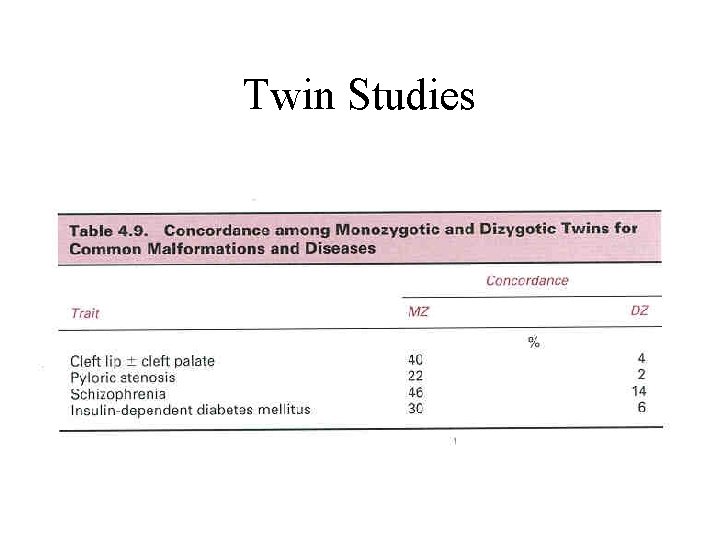
Twin Studies
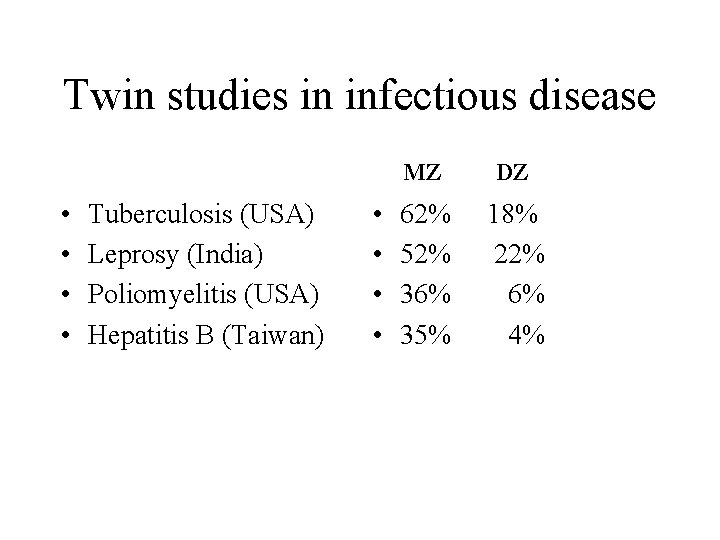
Twin studies in infectious disease • • Tuberculosis (USA) Leprosy (India) Poliomyelitis (USA) Hepatitis B (Taiwan) • • MZ DZ 62% 52% 36% 35% 18% 22% 6% 4%
Evidence for Genetic Factors in Common Complex Diseases • Familial aggregation • Twin studies • Mendelian forms of disease
Diabetes Mellitus Maturity onset diabetes of the young (MODY)
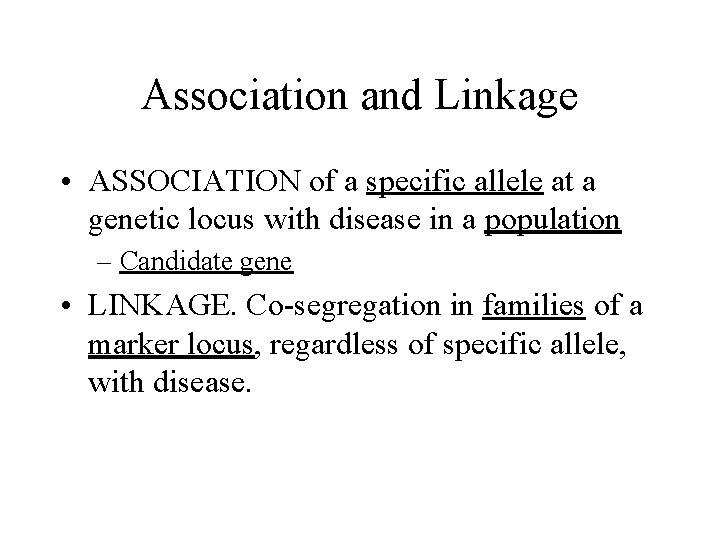
Association and Linkage • ASSOCIATION of a specific allele at a genetic locus with disease in a population – Candidate gene • LINKAGE. Co-segregation in families of a marker locus, regardless of specific allele, with disease.
Implications • Identification of genetic markers of liability to common complex disease. • Environmental triggers have greatest impact on genetically predisposed. • Identification of susceptible individuals aids identification of environmental triggers. • Medical intervention can be focused on those at greatest risk.
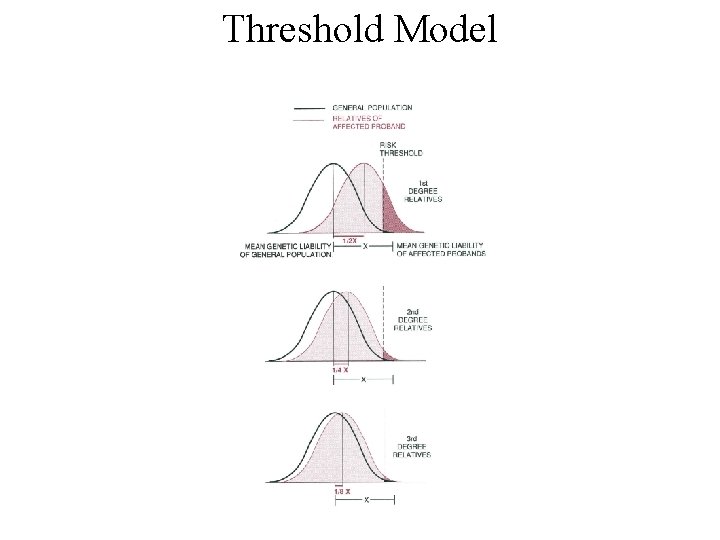
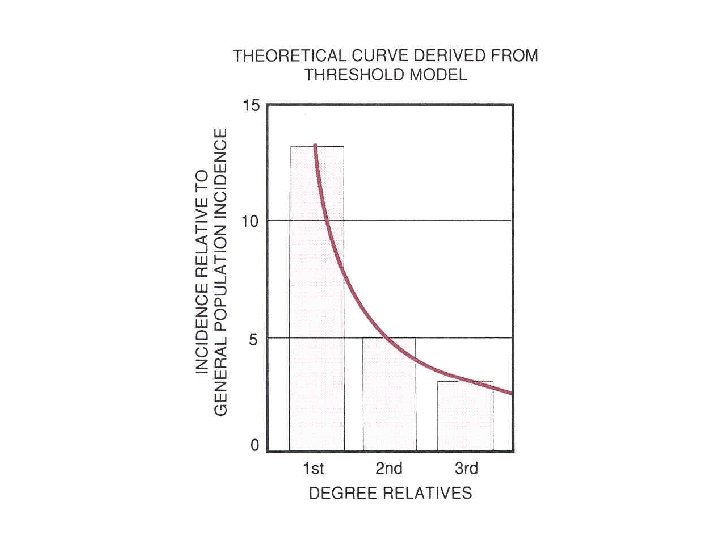
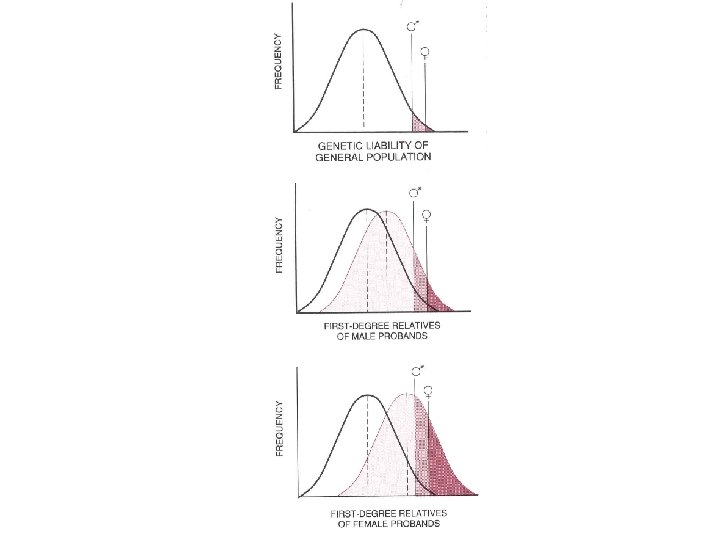
Threshold Model
Predictions from Threshold Model • Recurrence risks are average • Risk increases with # of affected relatives • Risk increases with severity of malformation • Differential risk increases as frequency decreases • Sex differences
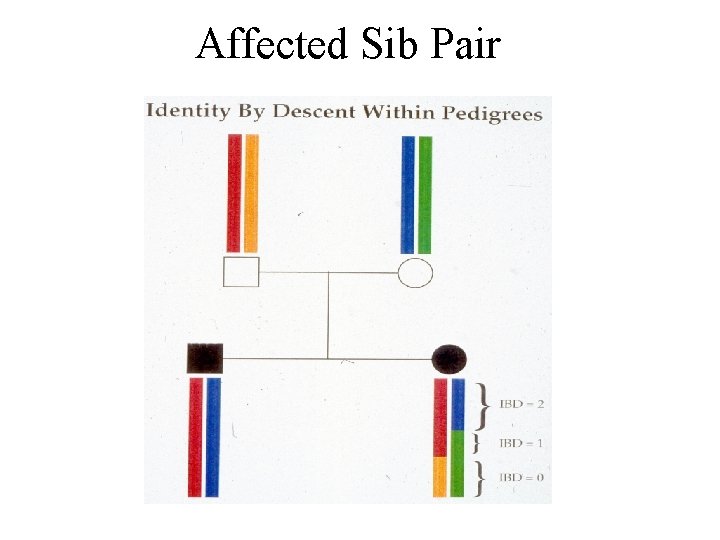
Affected Sib Pair