
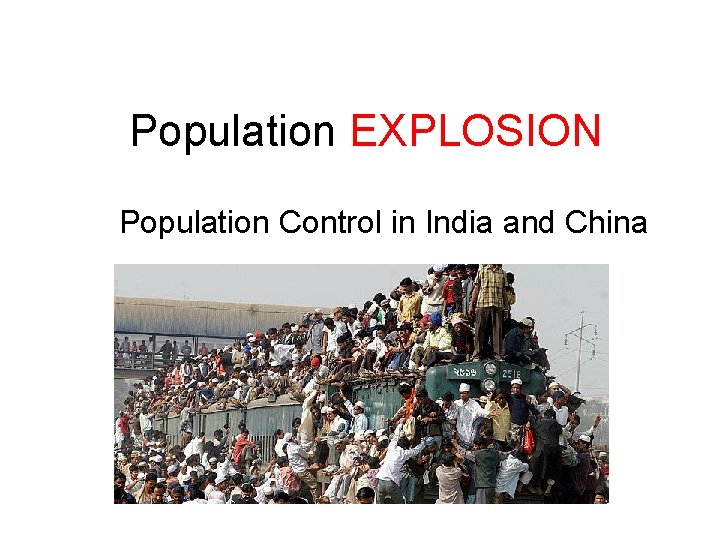
Population EXPLOSION Population Control in India and China



- Slides: 31
Population EXPLOSION Population Control in India and China
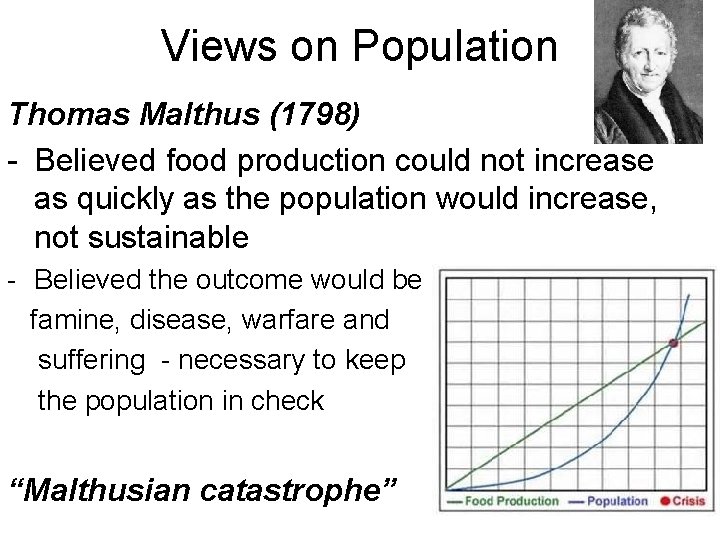
Views on Population Thomas Malthus (1798) - Believed food production could not increase as quickly as the population would increase, not sustainable - Believed the outcome would be famine, disease, warfare and suffering - necessary to keep the population in check “Malthusian catastrophe”
William Catton (1980 s) - Introduced the idea of the earth’s carrying capacity - Noted that the carrying capacity has already been reached, but we are OK because we are using all of the nonrenewable resources - Calls this the phantom carrying capacity (means it is not sustainable!)
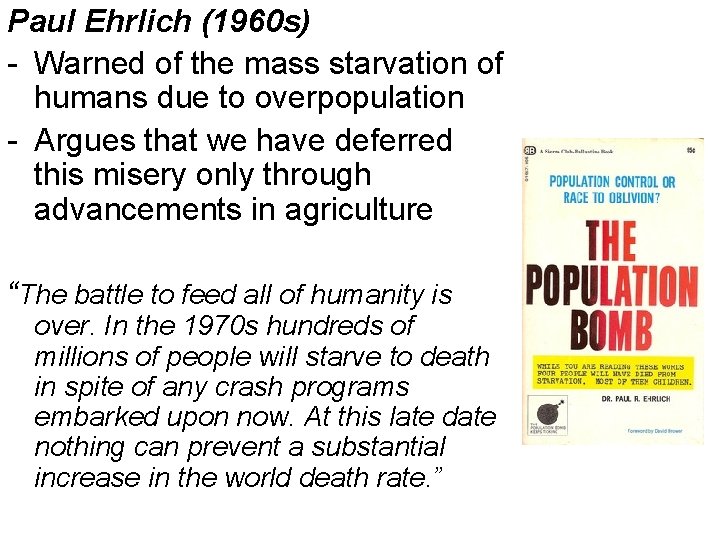
Paul Ehrlich (1960 s) - Warned of the mass starvation of humans due to overpopulation - Argues that we have deferred this misery only through advancements in agriculture “The battle to feed all of humanity is over. In the 1970 s hundreds of millions of people will starve to death in spite of any crash programs embarked upon now. At this late date nothing can prevent a substantial increase in the world death rate. ”
"We must rapidly bring the world population under control, reducing the growth rate to zero or making it negative. ”
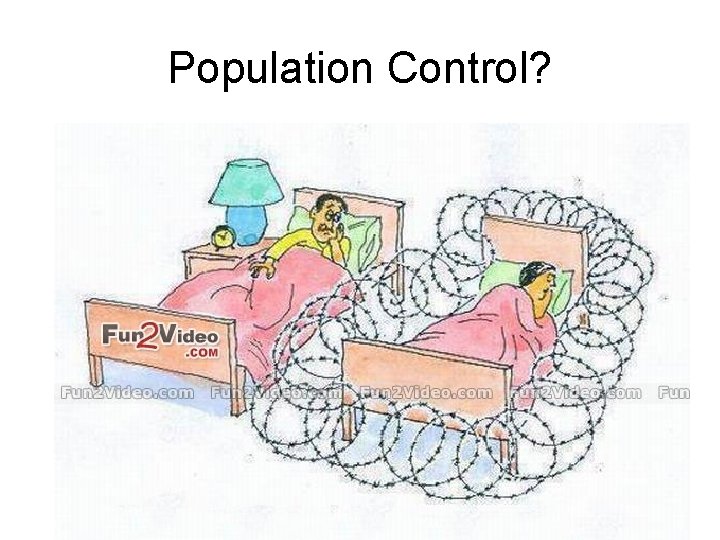
Population Control?
Discuss the following quotations: “I wouldn’t focus on the poverty stricken masses. I would focus on there being too many rich people. It’s crystal clear that we can’t support seven billion people in the style of wealthier Americans. ” - Paul Ehrlich
“I have a profound conviction that if you give women the tools they need – education, employment, contraception, safe abortion – then they will make the choices that benefit society. ” - Adrienne Germain
4 Corners Offering monetary incentives to families for remaining small is an ethical method of population control.
4 Corners Population control is a woman’s problem.
4 Corners The government has the right to interfere with the size of a family.
4 Corners Wealthy nations should not give financial aid to less developed nations unless they start to reach their population goals.
a) Offering monetary incentives to families for remaining small is an ethical method of population control. b) Population control is a woman’s problem. c) The government has the right to interfere with the size of a family. d) Wealthy nations should not give financial aid to less developed nations unless they start to reach their population goals. e) I wouldn’t focus on the poverty stricken masses. I would focus on there being too many rich people.
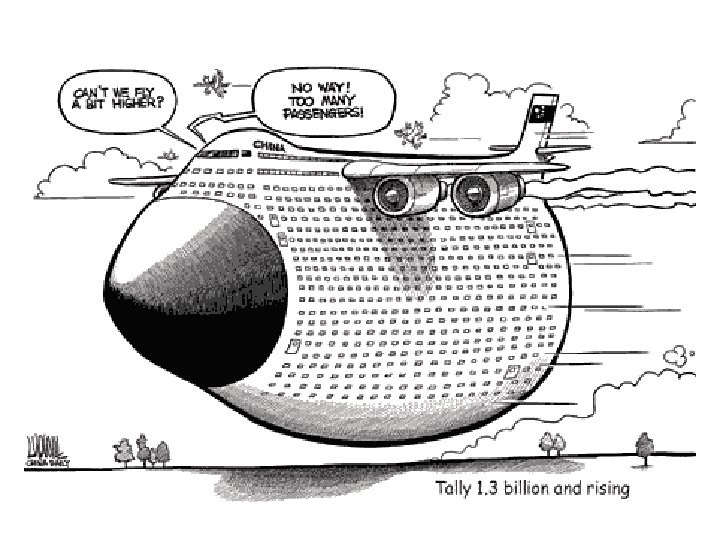
Overpopulation? - According to the U. N. , the industrial world with 1/4 of the world population uses 3/4 of its energy, 85% of its wood products, 72% of its steel. It also spits out 3/4 of all carbon-di-oxide emissions and 1/2 of the damaging greenhouse gases into the atmosphere.
Automobile use in the developed world is incredibly more damaging than a billion people who don't use cars. The lifestyle in the developed world is designed around the automobile. It is not just the things spouting out of the car, or the burning of the rubber, but there are environmental costs of building the automobile
The birth of a baby in the U. S. is on the order of 30 times as big a disaster for the global climate change, ozone layer, acid precipitation as a baby born in a poor family in Nepal, Bangladesh, or Colombia (Paul Ehrlich).
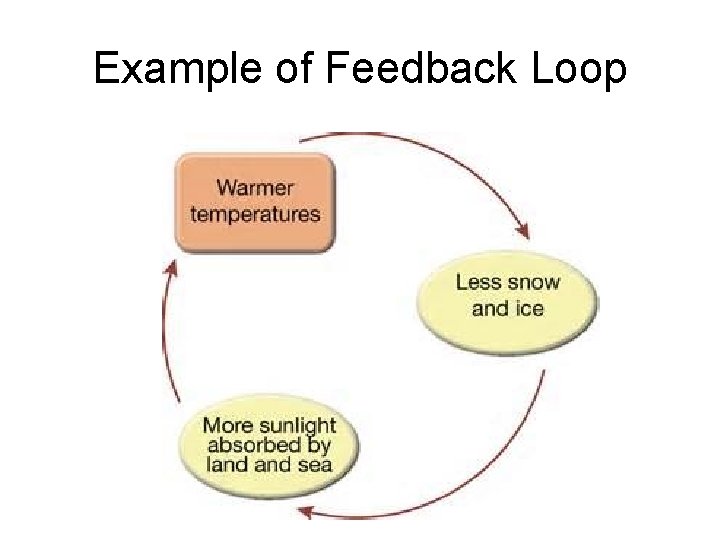
Example of Feedback Loop
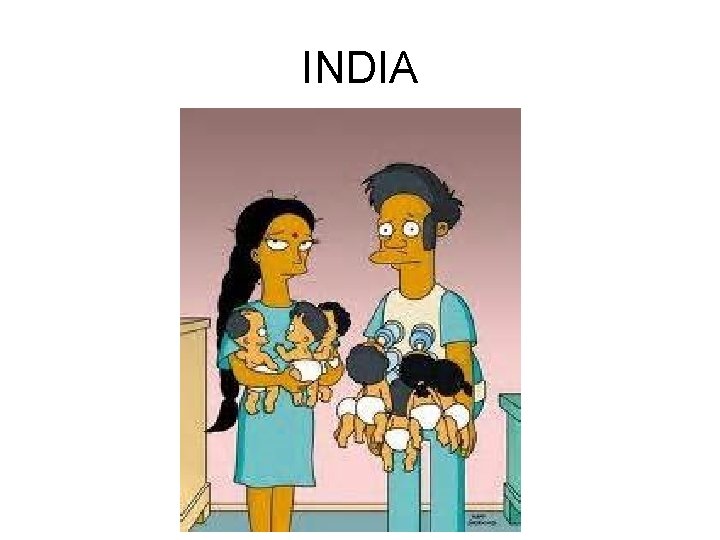
INDIA
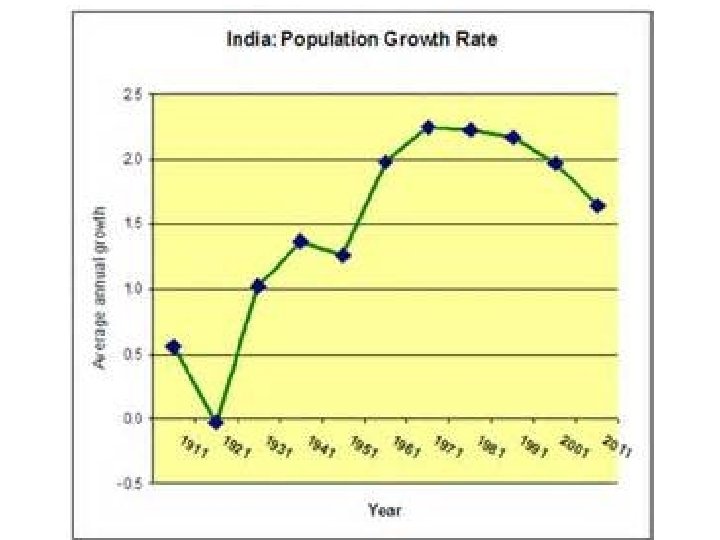
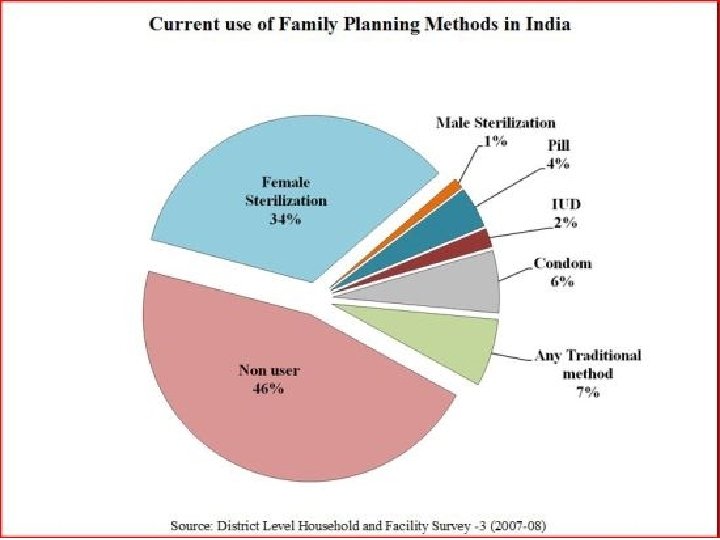
Success? • 1980 s – saw a large amount of action taken – more hospital beds allotted for sterilization, more clinics to insert IUDs, education about contraception HOWEVER…. 1992 – 30 /1000 fertility rate 1981 – 34/1000 fertility rate Still the fastest growing population in the world
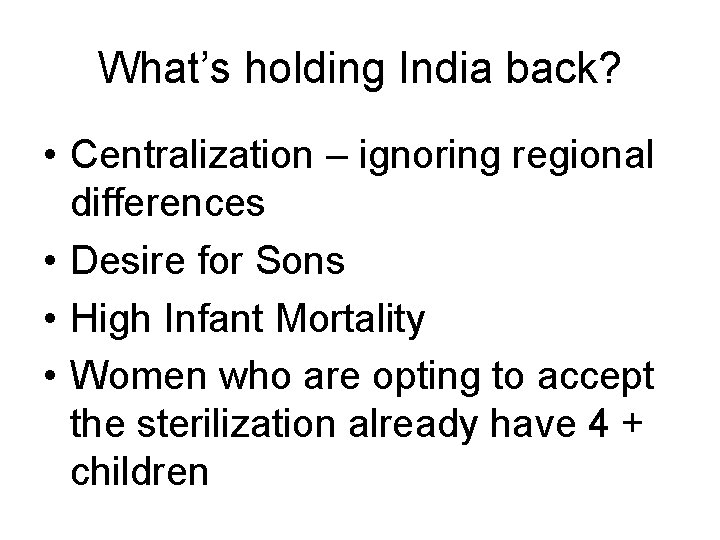
What’s holding India back? • Centralization – ignoring regional differences • Desire for Sons • High Infant Mortality • Women who are opting to accept the sterilization already have 4 + children
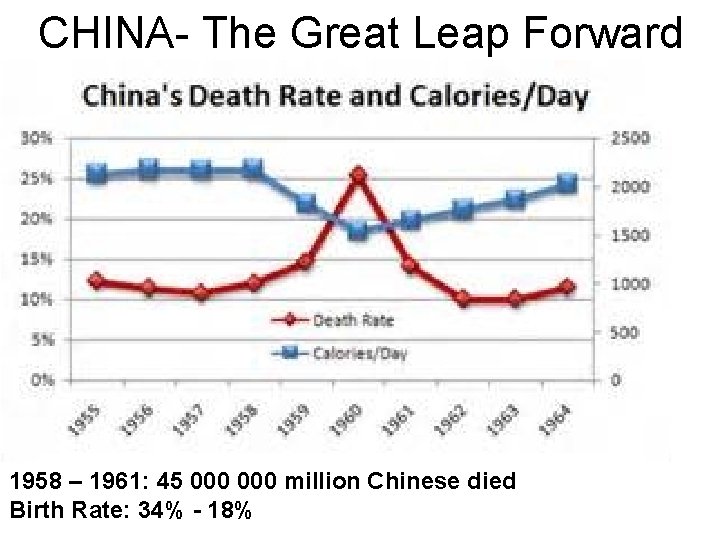
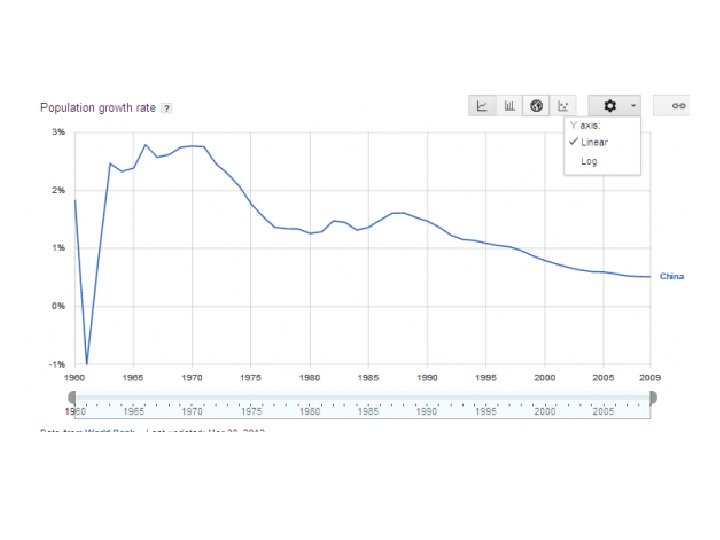
CHINA- The Great Leap Forward 1958 – 1961: 45 000 million Chinese died Birth Rate: 34% - 18%
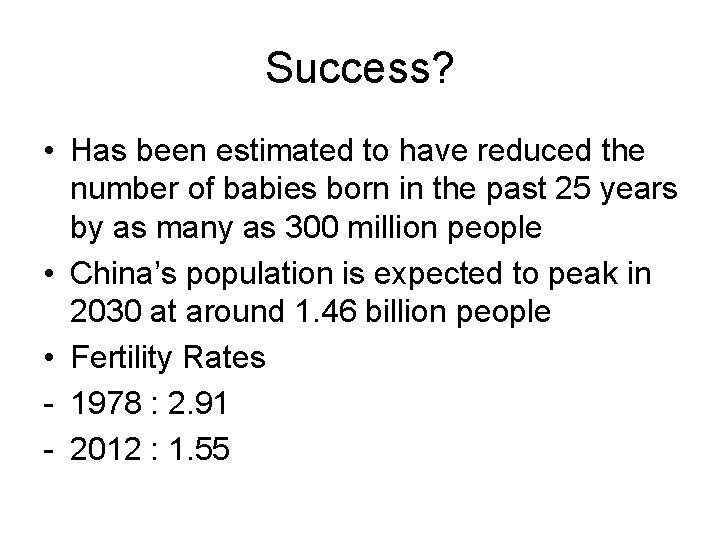
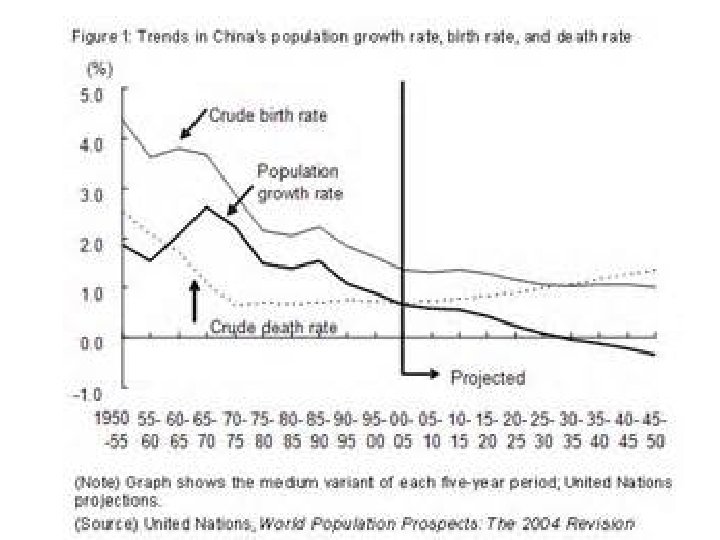
Success? • Has been estimated to have reduced the number of babies born in the past 25 years by as many as 300 million people • China’s population is expected to peak in 2030 at around 1. 46 billion people • Fertility Rates - 1978 : 2. 91 - 2012 : 1. 55
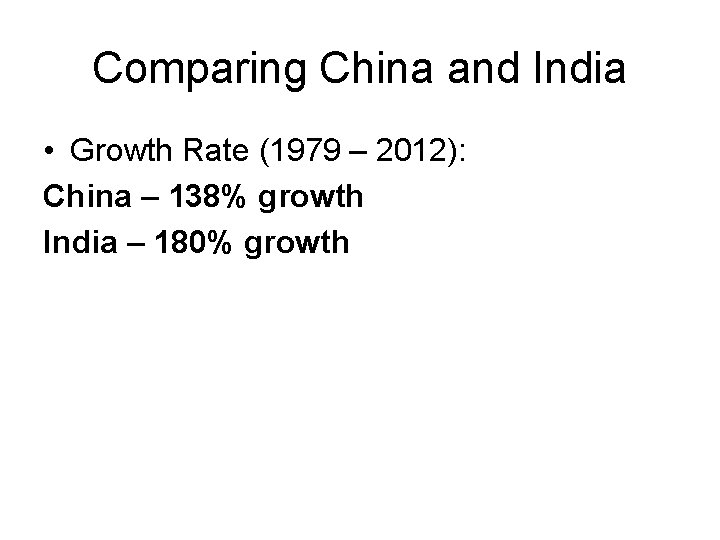
Comparing China and India • Growth Rate (1979 – 2012): China – 138% growth India – 180% growth