
Population Dynamics Population A population is a group
- Slides: 16
Population Dynamics
Population • A population is a group of organisms, all the same species, that live in a specific area together
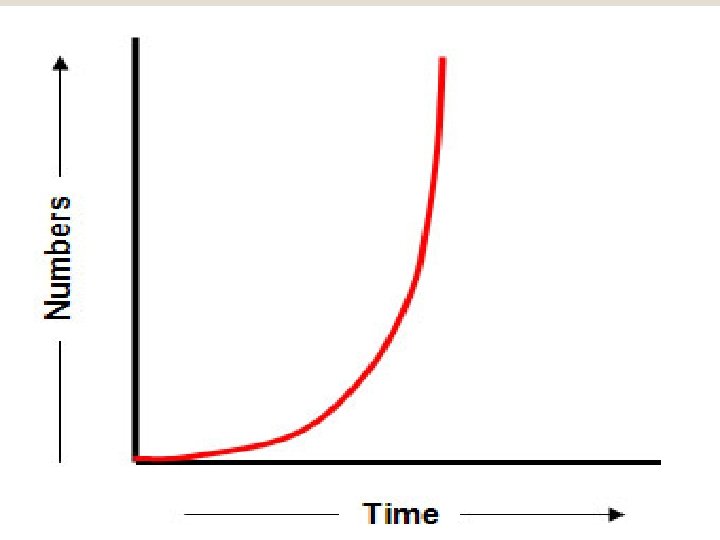
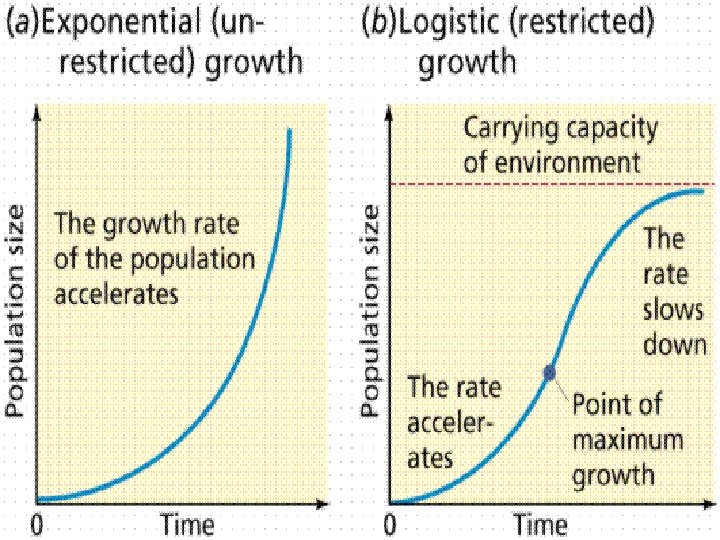
• Populations experience different types of growth • We represent the growth with different types of graphs – The initial increase is usually slow, once more organisms are reproducing the population will increase rapidly How do populations Grow?
J curves = Exponential Growth • As the population gets larger, it grows at a faster rate • Exponential growth = unchecked growth • Usually happens with bacteria or in an unstable environment
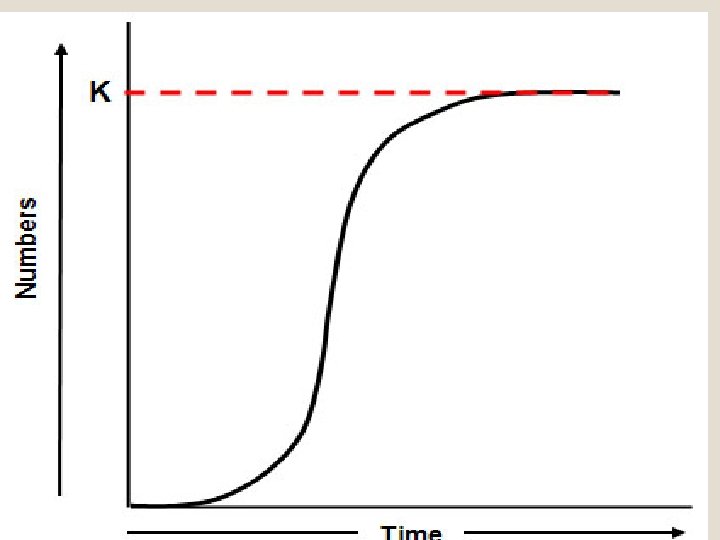
S Curve = Normal Growth Rate • Population grows until stabilized and limiting factors take effect and growth slows down
Carrying Capacity • This is when the population growth levels off • The number of organisms of a species that an environment can support indefinitely • Deaths = Births
Limiting Factors • There are factors that can restrict the growth of a population • Some limiting factors are: – – Food Disease (AIDS, influenza, TB, etc. ) Predators Lack of space
Density Factors and Population Growth • Density Dependant Factors- factors that have an increasing effect as the population increases – EX. – disease, competition, predators – Mostly biotic factors • Density Independent Factors- will affect the population regardless of its density – EX. – temperature, storms, volcanic eruptions – Mostly abiotic factors
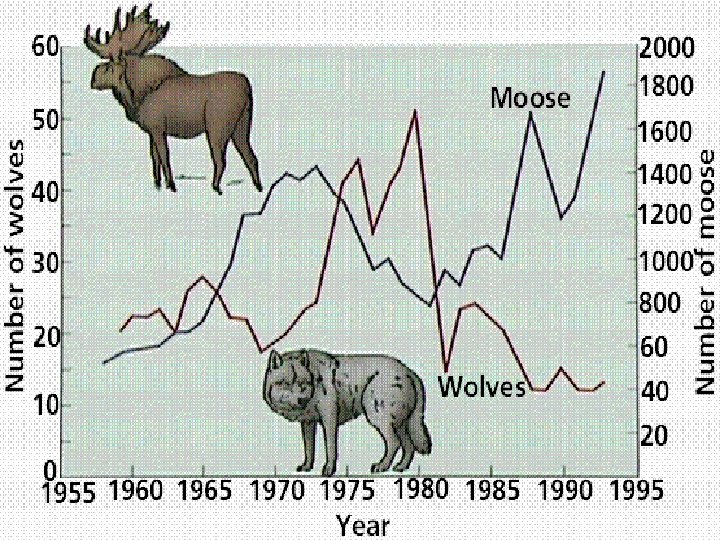
Limits of Population Size • Factors that affect population size: – Predation – Competition – Crowding
Human Population
Demography Study of human population size, density and distribution, movement, and birth and death rates • The population is growing at a rate of 80 million people per year •
Growth Rate Birthrate – Deathrate = Population growth rate (PGR) • Immigration • Emigration •