
Population Dynamics Chp 4 1 notes n Population
- Slides: 19
Population Dynamics Chp. 4. 1 notes
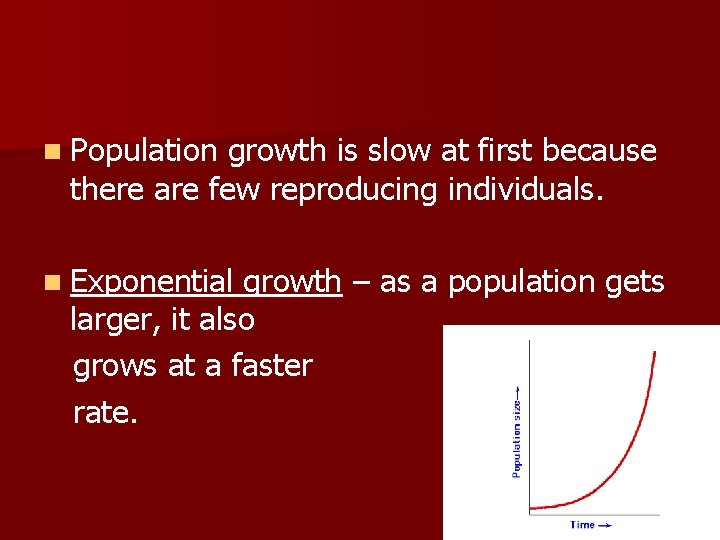
n Population growth is slow at first because there are few reproducing individuals. n Exponential growth – as a population gets larger, it also grows at a faster rate.
Limiting factors n Limiting factors on growth include: food, disease, predators, or lack of space. n Environments have a carrying capacity, which is the maximum number of organisms that can survive in an environment.
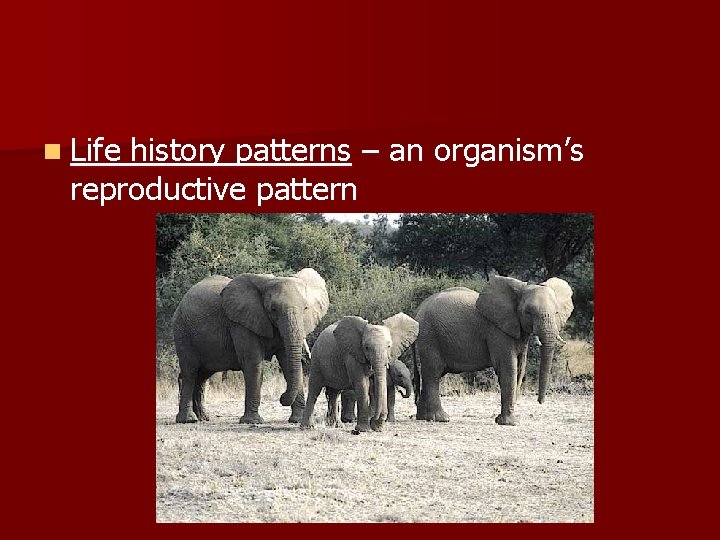
n Life history patterns – an organism’s reproductive pattern
Factors that limits growth 2. Density – dependent factors – such things as disease, competition, and predation. Ex. Disease grows as a population grows 2. Density – independent factors – such things as volcanic eruptions, temperature, or storms. Ex. A volcano can erupt at any time it does not depend on the number of organisms in a population.
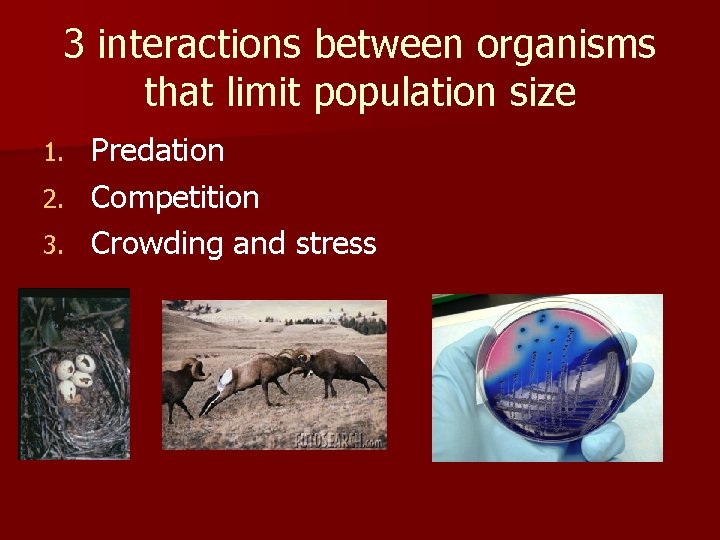
3 interactions between organisms that limit population size Predation 2. Competition 3. Crowding and stress 1.
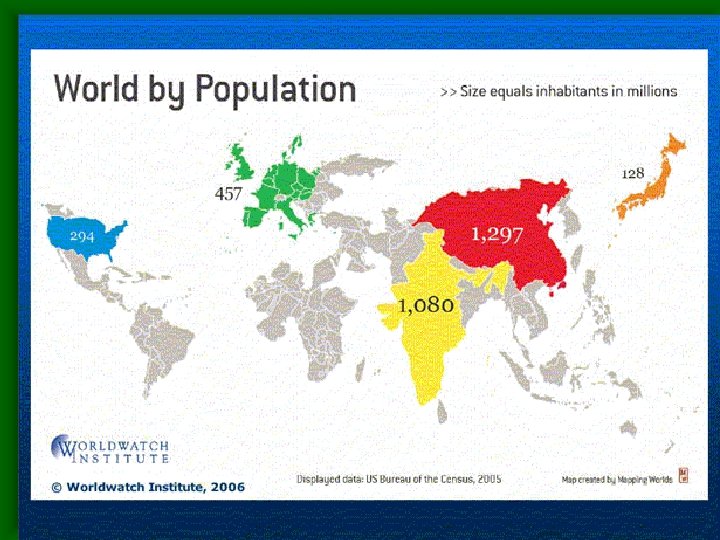
World Population
Human Population Growth • Different because humans can determine their surroundings • Technology gives humans ability to live longer than they used to
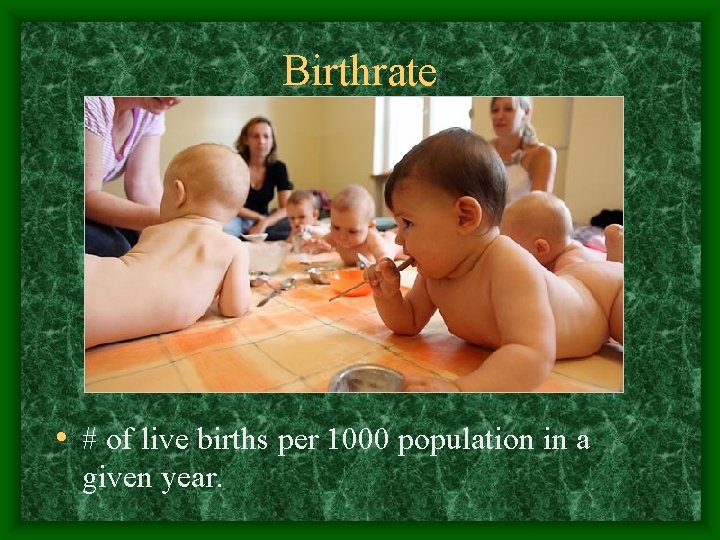
Birthrate • # of live births per 1000 population in a given year.
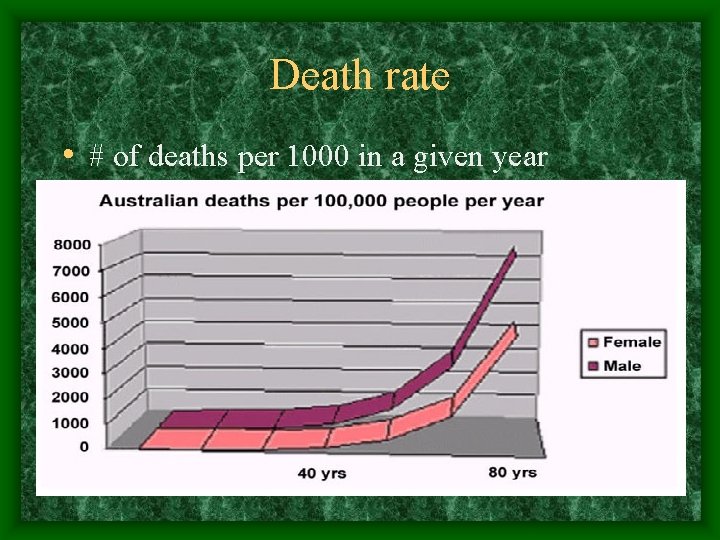
Death rate • # of deaths per 1000 in a given year
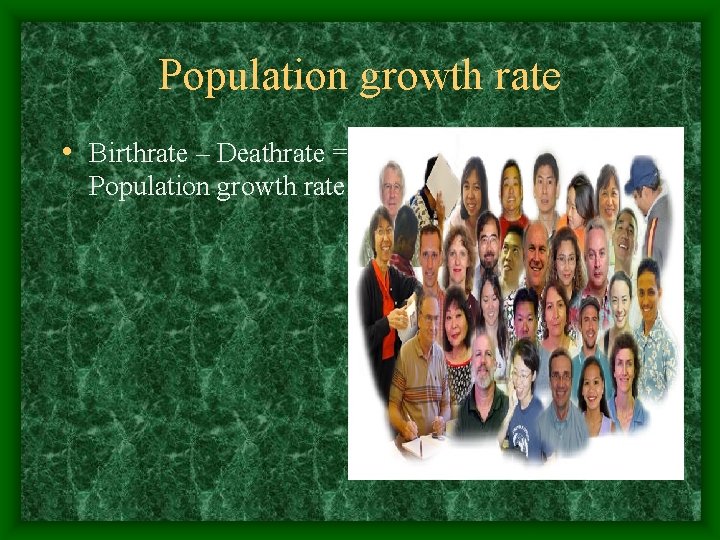
Population growth rate • Birthrate – Deathrate = Population growth rate
Doubling time • Time needed for the population to double
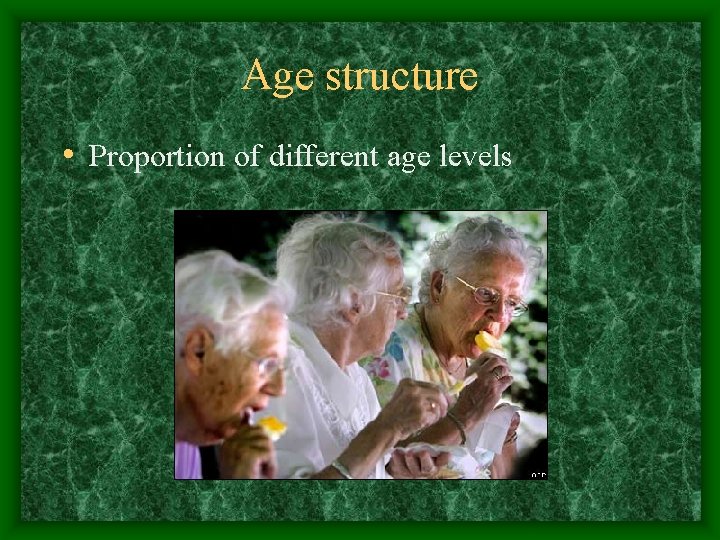
Age structure • Proportion of different age levels
Ecology and Growth • Different populations need different resources
Conservation of Biodiversity Chp. 5. 2 notes
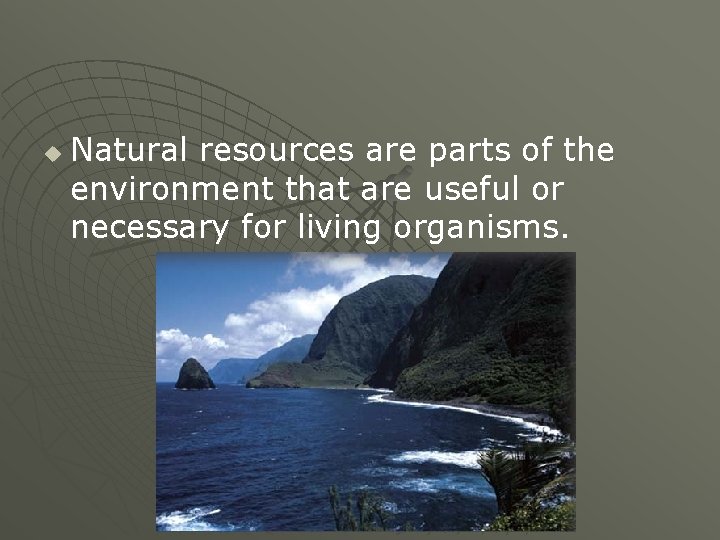
u Natural resources are parts of the environment that are useful or necessary for living organisms.
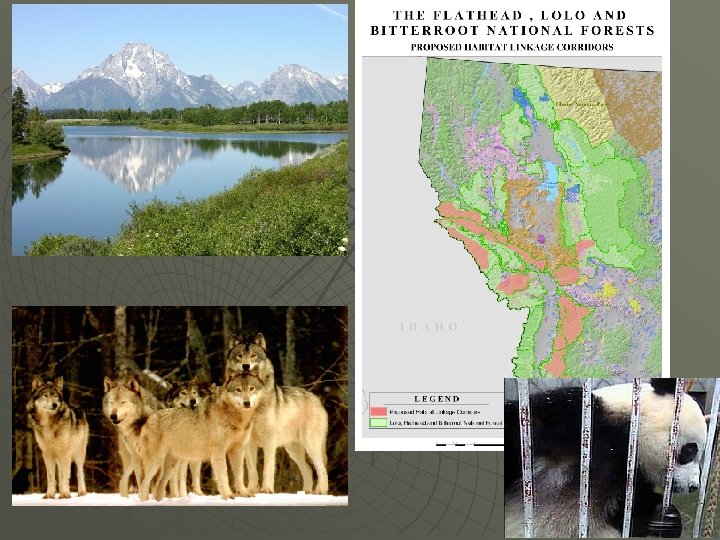
Ways to conserve biodiversity Preserve habitats u Creation of habitat corridors – which are strips of land that allow the migration of organisms from one wilderness to another. u Reintroduction programs – introduces species back into their natural habitat. u Captivity u