
Population Aging World Population Shifts and the Global
Population Aging, World Population Shifts and the Global Balance of Power
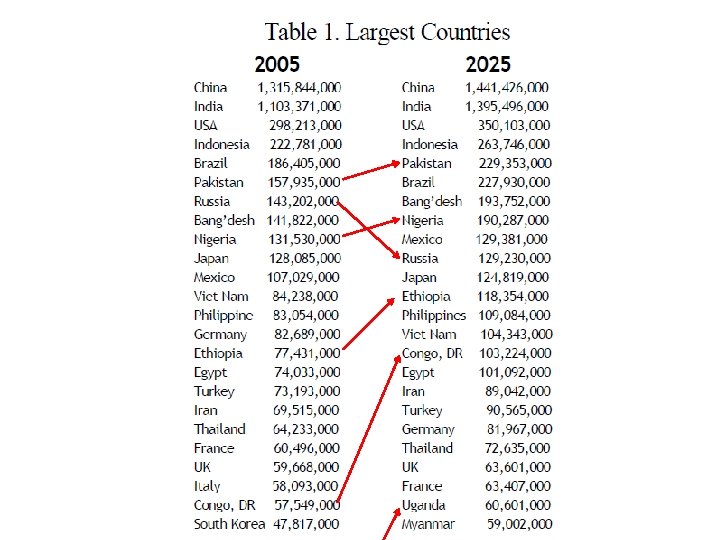
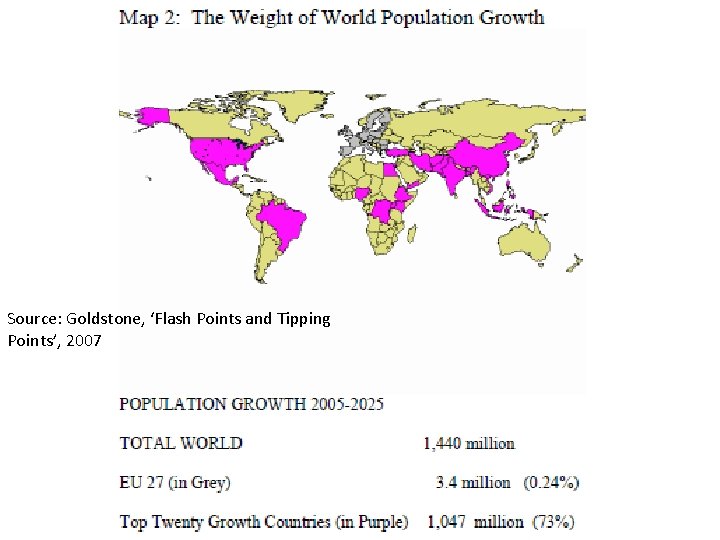
Source: Goldstone, ‘Flash Points and Tipping Points’, 2007
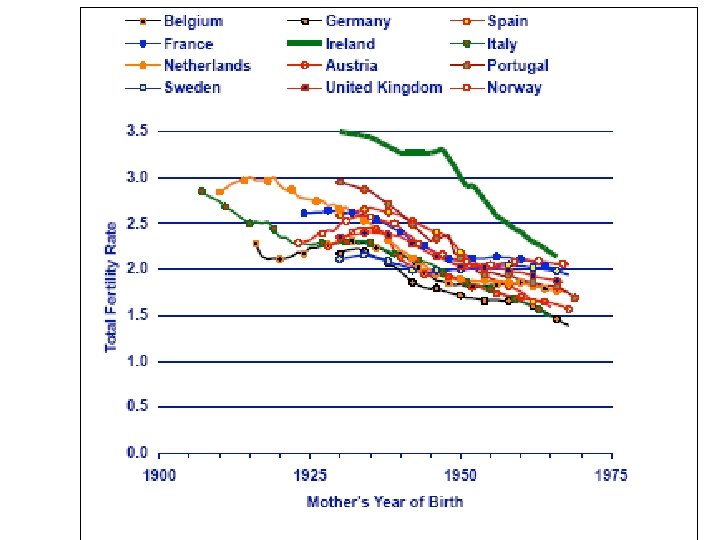
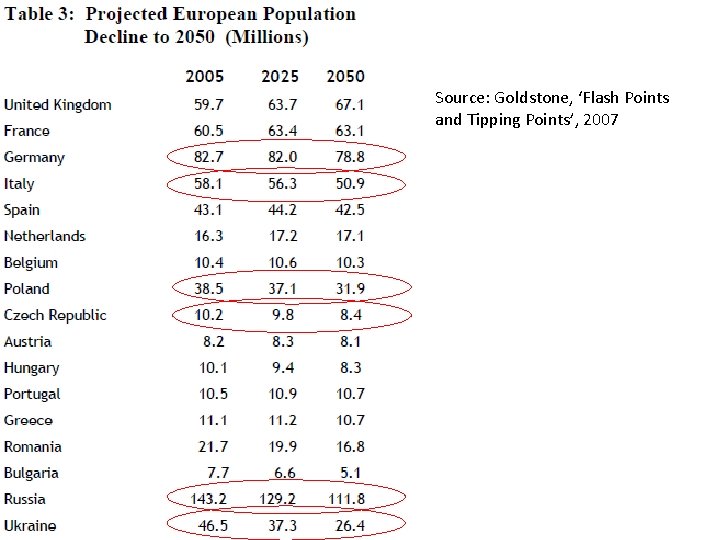
Source: Goldstone, ‘Flash Points and Tipping Points’, 2007
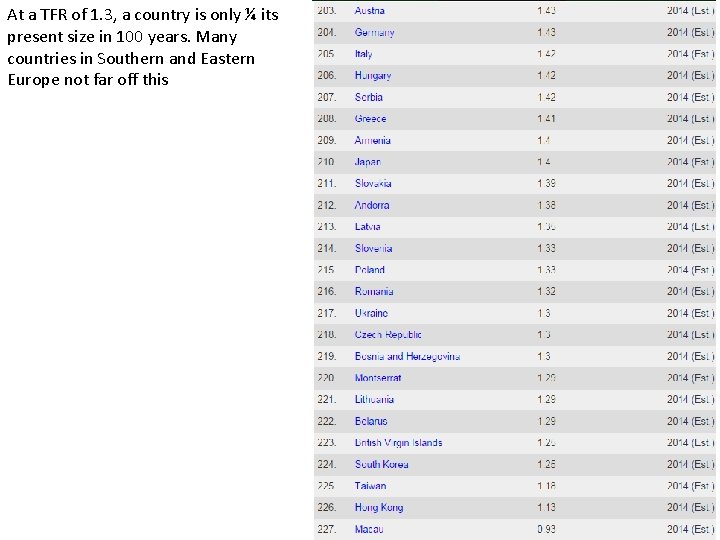
At a TFR of 1. 3, a country is only ¼ its present size in 100 years. Many countries in Southern and Eastern Europe not far off this
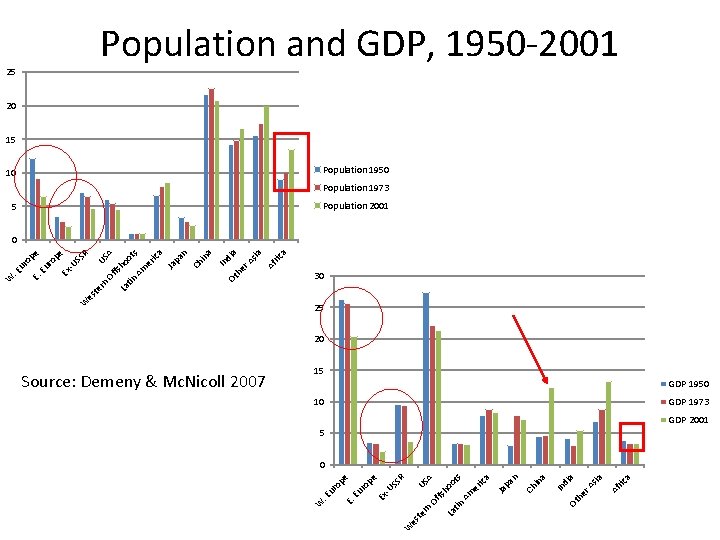
ric a Af sia di a In r. A he Ot a in Ch n pa ica er ts A US Ja Am e SS R oo fsh Of tin La te rn es W -U Ex op e 5 ur op ric a Af sia di a r. A he In a n in Ch pa ica er ts oo A US Ja Am Ot in fsh Of 10 E. E ur Source: Demeny & Mc. Nicoll 2007 W La t rn te es W o E. pe Eu ro p Ex e -U SS R . E ur W 25 Population and GDP, 1950 -2001 20 15 Population 1950 Population 1973 Population 2001 0 30 25 20 15 GDP 1950 10 GDP 1973 GDP 2001 5 0
Aging
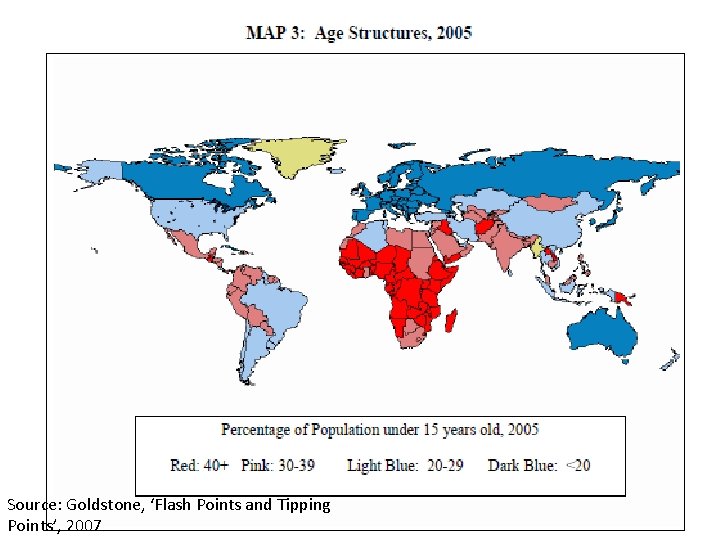
Source: Goldstone, ‘Flash Points and Tipping Points’, 2007
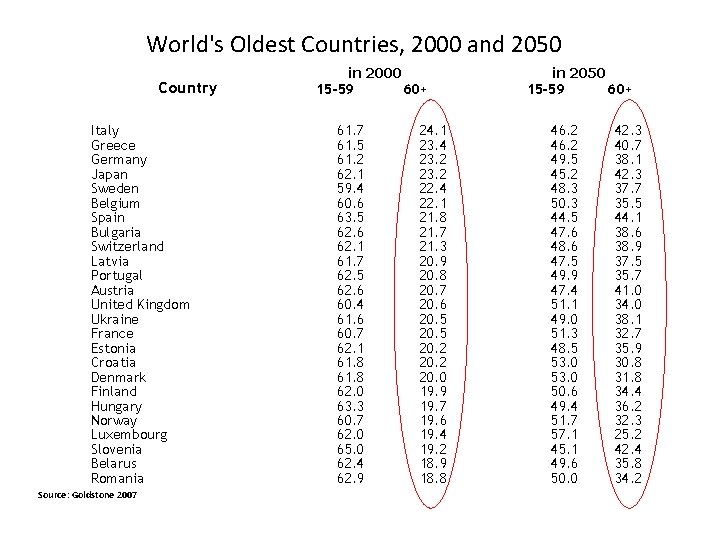
World's Oldest Countries, 2000 and 2050 Country Italy Greece Germany Japan Sweden Belgium Spain Bulgaria Switzerland Latvia Portugal Austria United Kingdom Ukraine France Estonia Croatia Denmark Finland Hungary Norway Luxembourg Slovenia Belarus Romania Source: Goldstone 2007 in 2000 15 -59 60+ 61. 7 61. 5 61. 2 62. 1 59. 4 60. 6 63. 5 62. 6 62. 1 61. 7 62. 5 62. 6 60. 4 61. 6 60. 7 62. 1 61. 8 62. 0 63. 3 60. 7 62. 0 65. 0 62. 4 62. 9 24. 1 23. 4 23. 2 22. 4 22. 1 21. 8 21. 7 21. 3 20. 9 20. 8 20. 7 20. 6 20. 5 20. 2 20. 0 19. 9 19. 7 19. 6 19. 4 19. 2 18. 9 18. 8 in 2050 15 -59 60+ 46. 2 49. 5 45. 2 48. 3 50. 3 44. 5 47. 6 48. 6 47. 5 49. 9 47. 4 51. 1 49. 0 51. 3 48. 5 53. 0 50. 6 49. 4 51. 7 57. 1 45. 1 49. 6 50. 0 42. 3 40. 7 38. 1 42. 3 37. 7 35. 5 44. 1 38. 6 38. 9 37. 5 35. 7 41. 0 34. 0 38. 1 32. 7 35. 9 30. 8 31. 8 34. 4 36. 2 32. 3 25. 2 42. 4 35. 8 34. 2
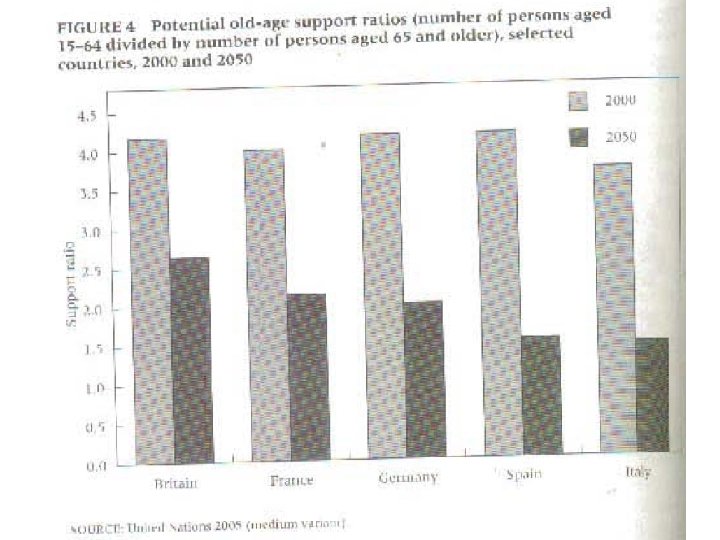
Population Aging • Future aging built into population age structure. Demographic momentum • Immigration would have to be ‘orders of magnitude higher’ (Haas) to compensate • Fertility unlikely to radically change. Decadeslong pattern • Fewer workers per dependant • Older people vote more, will vote for spending for elderly and healthcare
• Big drop in working age population to 2050: Russia -27, Germany -25, China -19, Japan -32 • *China as old as W Europe by 2035 • But rise of 17 in USA, 5 in France, 2 in UK • US in best position, but with powerful old-age lobby (AARP)
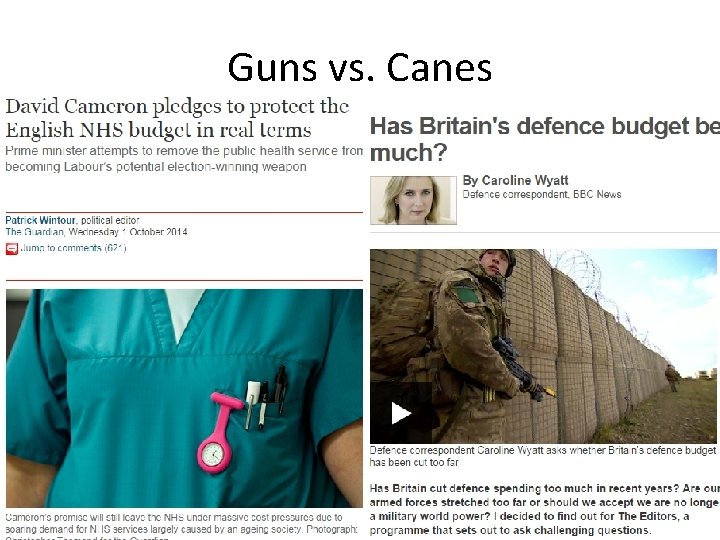
Guns vs. Canes
Aging and the Military • Decrease in tax revenue as fewer workers • Increase in spending on elderly • Decrease in savings as elderly spend lifetime savings • Less money for military expenditures
Elderly Care • Japan increase in elderly spend will be 15 x more than current military spend • Germany: 7 x, France 5 x • Cuts to military already sometimes justified in terms of more for elderly, ie Japan • Exceptions? : China – limited elderly care; Russia – low life expectancy • China has relied on families to care for elderly, yet smaller families will make that harder. Rising discontent
Weapons v Military Pensions • Not just balance of spending between military and welfare • Military budgets themselves shifting to cover personnel and obligations to military retirees • France/Ger: 60 pc of military budgets to personnel costs • Personnel v weapons: Germany – 4 x, France, Japan, Russia – 2. 5 x, USA- only 1. 3 x
Geriatric Peace? • Older countries: – smaller militaries – fewer weapons – less risk-taking? – publics less willing to risk lives of their children?
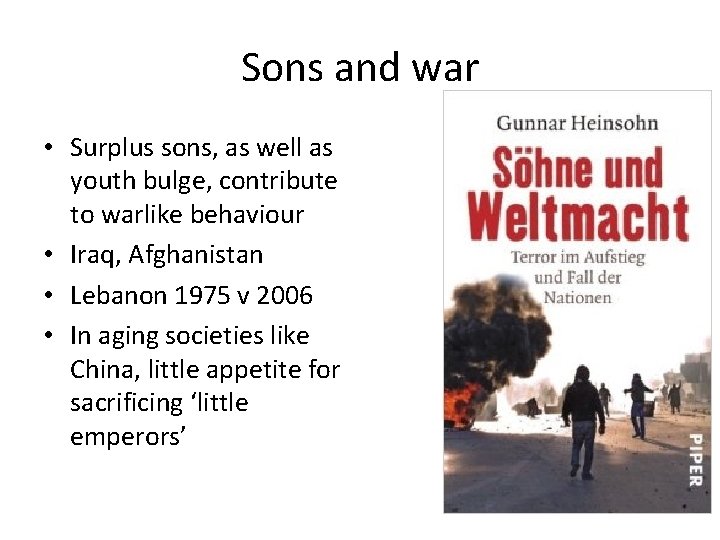
Sons and war • Surplus sons, as well as youth bulge, contribute to warlike behaviour • Iraq, Afghanistan • Lebanon 1975 v 2006 • In aging societies like China, little appetite for sacrificing ‘little emperors’
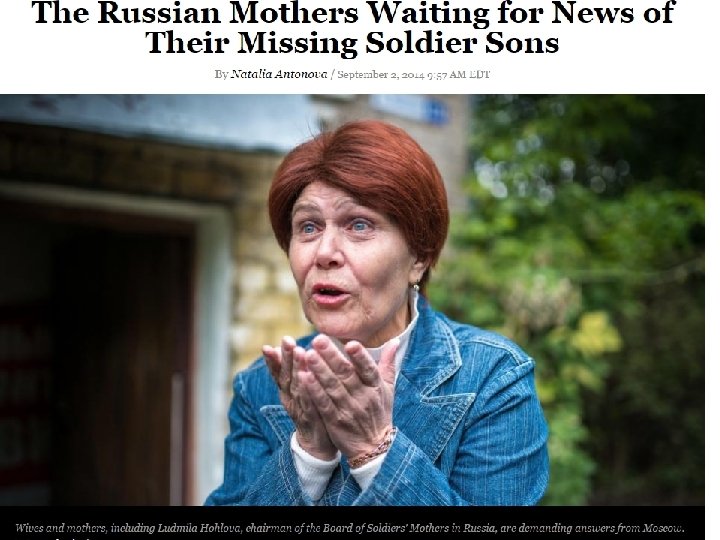
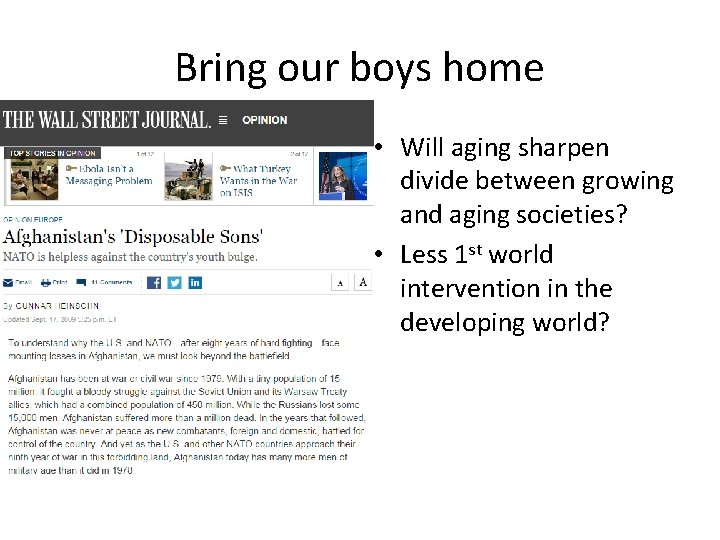
Bring our boys home • Will aging sharpen divide between growing and aging societies? • Less 1 st world intervention in the developing world?
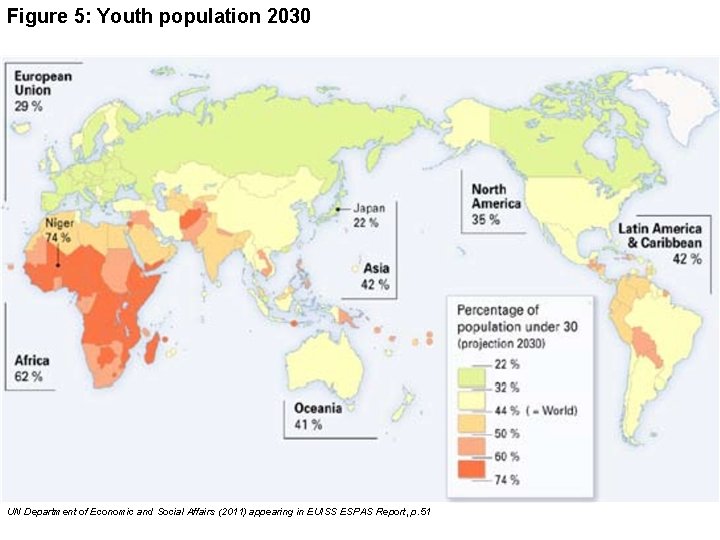
Figure 5: Youth population 2030 UN Department of Economic and Social Affairs (2011) appearing in EUISS ESPAS Report, p. 51
Power Shift to Developing World? • • • Europe, Japan and Russia in decline China not far behind US more stable Mideast, S Asia, Africa rising? Yet no obvious mideast or African power on the horizon
IR Theory • Hedley Bull: 100 million population needed for Great Power. Necessary, not sufficient • Power transition theory (Organski and others): rising powers (population, GDP, hard power) cause instability in world system
Historic Population Explosions and Power Shifts • Britain rises 19 th c, worrying France • Germany late 19 th - early 20 th c, worrying Britain and France • Russia early/mid 20 th c, worrying the West • Who now? : China? Muslim world? • Note: Link between industrialisation and population growth as well
Jackson & Howe on Social Mood • Alfred Sauvy: ‘society of old people, living in old houses, ruminating about old ideas’ • Fluid intelligence and mental agility decline with age. Nobel Prize winners’ work peaks in 30 s, declines sharply in 40 s • Less incentive to challenge status quo ideas • Of study of ‘new entrepreneurs’: 40% under 35, 69% under 45, only 9% over 55 • Stock portfolios shift to safer investments with age • Rising populations create climate of optimism which power investment, new ideas, new techniques, new products
A Skeptical View: Sciubba • Aged unlikely to lobby for themselves against younger generations • States can use policies to raise fertility • Can raise retirement age and employ more women and elderly • Innovation still mainly centred in the aging developed world (few Chinese patents, for instance) • Fewer young people may just mean they specialise more in ‘young’ functions like entrepreneurship
Maybe Europe not doomed? • Higher human capital high among elderly • European elderly can function effectively at older ages than in ‘competitor’ nations • Many jobs do not require physical labour • Population aging will not affect dependency ratio much
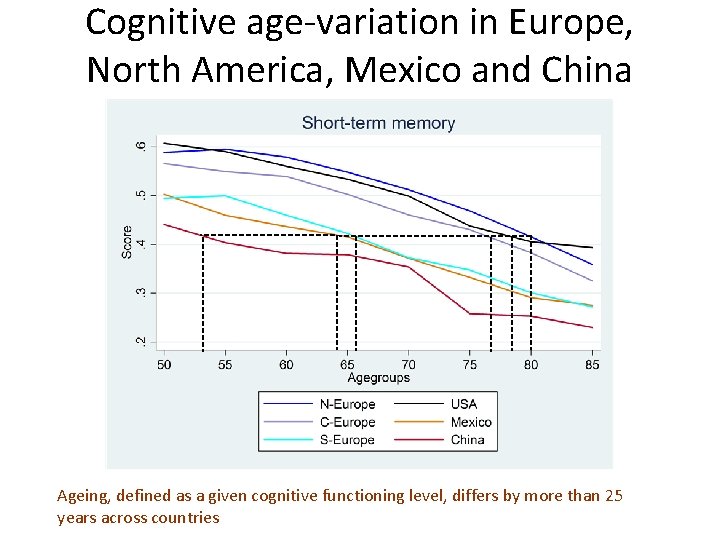
Cognitive age-variation in Europe, North America, Mexico and China Ageing, defined as a given cognitive functioning level, differs by more than 25 years across countries
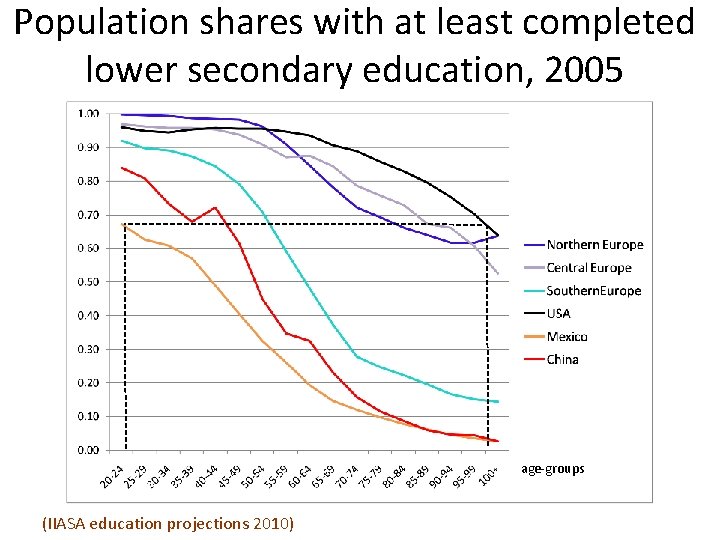
Population shares with at least completed lower secondary education, 2005 age-groups (IIASA education projections 2010)
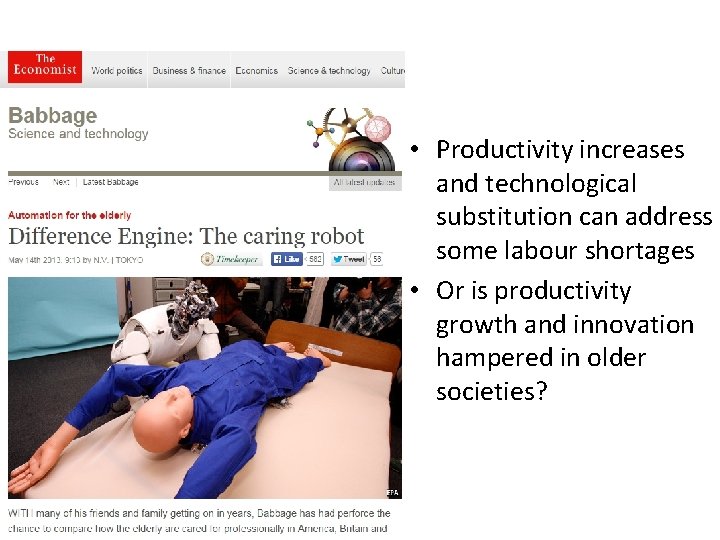
• Productivity increases and technological substitution can address some labour shortages • Or is productivity growth and innovation hampered in older societies?
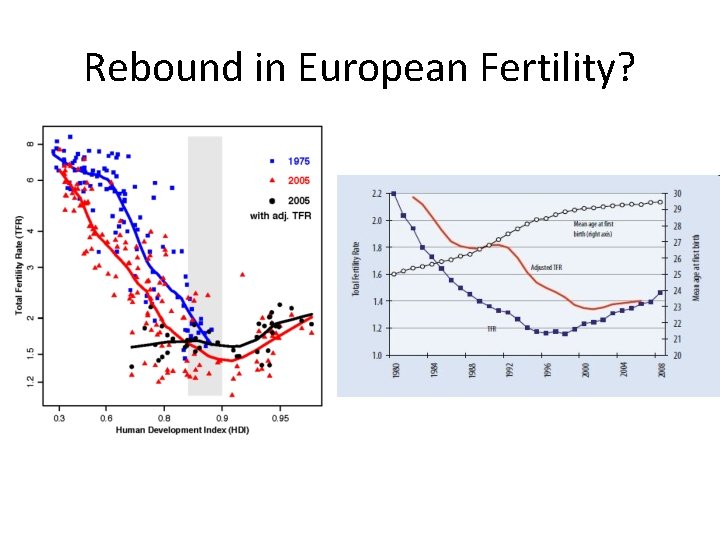
Rebound in European Fertility?
- Slides: 32