
Ponteland High School Welcome to the Year 10






- Slides: 53
Ponteland High School Welcome to the Year 10 Parents’ Information Evening Kieran Mc. Grane Headteacher 25 September 2013
Information Evening • Kieran Mc. Grane • Jim Balkwill • Larraine Tilley • David Cockburn • John Dolman • Mark Warland Staff Headteacher Assistant Headteacher Head of Year 10 RAL Maths RAD English RAL Science
Information Evening Students Maths Alex Reeman and Kim Grey English Jolie Ince, Andrew Macgowan, Charlie Bell, Georgina Hazon, Lucy Mc. Kenna, Rebekah Dale and Olivia Taylor Science Ben Eggleston, Michael Dwyer and Davinder Mahal
Supporting Your Child Jim Balkwill Assistant Headteacher Information Booklet: • Key dates • Preparing for GCSEs – parents’ roles • Revision – helping your child progress • Specification details
Information Booklet Subject information • Controlled assessment • External examinations • Setting arrangements • Homework
Supporting Study Controlled Assessments (CAs) • Controlled assessments have replaced coursework. • Restrictions on the way assessments are conducted, including – Time allowed to complete work – Conditions under which work is carried out – Amount of assistance and feedback students can receive from teachers.
Levels of Control The exam boards set different levels of control for different subjects • High Control – Exam conditions apply. Students are not allowed to communicate with other students or to bring new work in to the session (e. g. MFLs, Art and Design) • Medium Control – Students can communicate with each other but they are not allowed to collaborate with each other during the controlled assessment itself (e. g Media Studies, Graphics). • Low Control – Generally means students can work together and take resources to and from sessions to work on at home (most subjects are low control during the preparatory phase)
Managing controlled assessments √ Students must … • act on feedback provided by the teacher. • prepare thoroughly for the task beforehand using the information provided. – read guidance and prepare resources • set aside time to carry out supporting study at home whilst carrying out the assessment. • make sure that you meet all of the deadlines.
Switch to only linear examinations • There are no longer any modular examinations: – – Most exams will be sat in May and June of year 11. Exams will test the work covered over two years. CAs will take place throughout Y 10 and Y 11 Re-sits will only be available for English and Mathematics in November of year 12. • Changes required in study strategies: – Internal assessments, tests and mock exams will take on even greater significance – Students to summarise topics to aid revision – Longer revision period in Spring of Year 11 to prepare for end of course examinations
Nor. TLE, the school’s VTLE • Website – www. northumberlandvtle. net • User ID and password, obtain from teachers. • To use, students need to attach themselves to sets using ‘manage sets’ • Students should attach themselves to a set for each subject
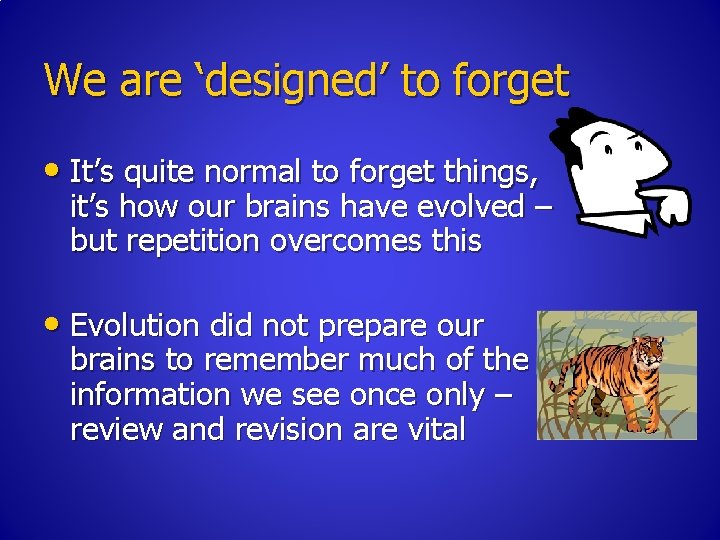
We are ‘designed’ to forget • It’s quite normal to forget things, it’s how our brains have evolved – but repetition overcomes this • Evolution did not prepare our brains to remember much of the information we see once only – review and revision are vital
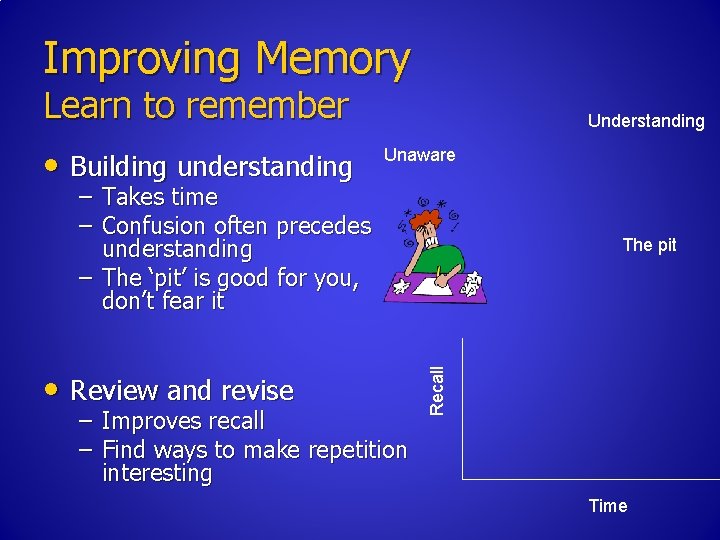
Improving Memory Learn to remember • Building understanding Unaware – Takes time – Confusion often precedes understanding – The ‘pit’ is good for you, don’t fear it – Improves recall – Find ways to make repetition interesting Recall • Review and revise The pit Time
The Year 11 s who have just left and our three previous cohorts studied a modular GCSE course with great success but… No More Modules One big exam at the end of Year 11 Foundation (C – G) Higher (A* – D )
Our top four sets will sit the higher GCSE paper in Year 11. The next four sets will sit a foundation GCSE paper at the end of Year 10. This year the remaining sets will also enter in June. Entry at the end of Year 10 earns a ticket to enter the November exam during Year 11. If candidates gain a C grade then they will be taught a condensed higher course and sit a higher GCSE paper at the end of Year 11. If they don’t get a C then they will have the opportunity to re-sit at foundation level.
Avoids the overly cautious entry into a foundation paper at the end of Year 11. Allows the department to spread out our intervention focus throughout the year to cater for more students. Targeting a real exam motivates students to ensure there are no gaps in their knowledge, giving them an excellent platform to build higher content upon.
A student gains a grade C at the end of Year 10 and loses all motivation to aim higher?
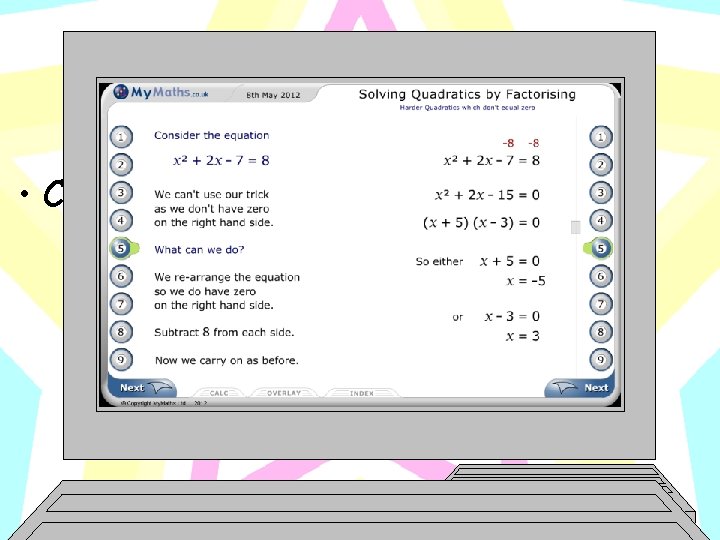
• Clear, simple, interactive lessons.
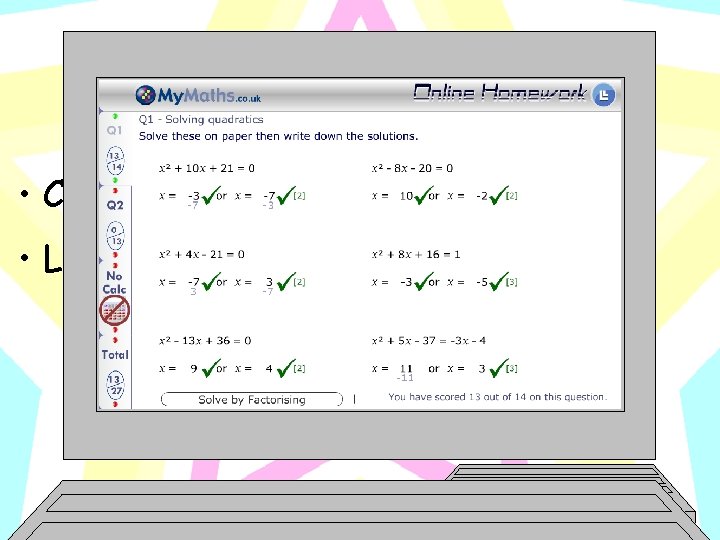
• Clear, simple, interactive lessons. • Linked tasks with instant feedback.
• If you can do everything in every past paper you should do extremely well in the real thing. • If there is something you cannot do then don’t ignore it because you can guarantee it’ll come up on the exam.
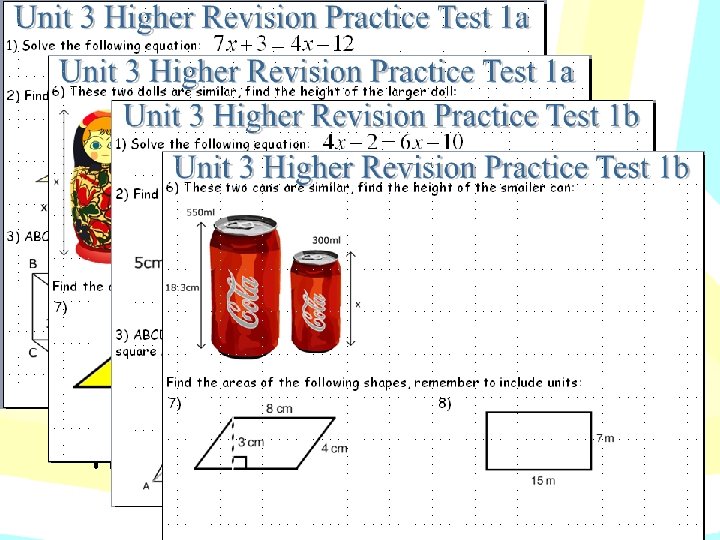
• Weekly Tests • Breaks down the course into 4 manageable chunks. • They get you revising weeks, not days before exams. • They give a sense of achievement (or a wake up call!)
• Superb for learning facts, methods and formulae. • Easy way to show your parents that you know things to get them off your back. • Shows real progress of revision.
• Spending hours revising things you can already do might make you feel better but it won’t improve your mark. • Ask yourself at the end of a revision session, “What can I do now, that I couldn’t do before? ” • Ask teachers for help at break time or lunch time.
Parents
5. Get their My. Maths Login!
4. Look over their homework.
3. Test them or ask them to explain things to you.
2. Encourage us but please don’t nag – we’re moody enough already!
1. You can’t beat rewarding effort and hard work!
GCSE English Language/ English Literature Y 10 Supporting your Child Some Practical Ideas MR DOLMAN
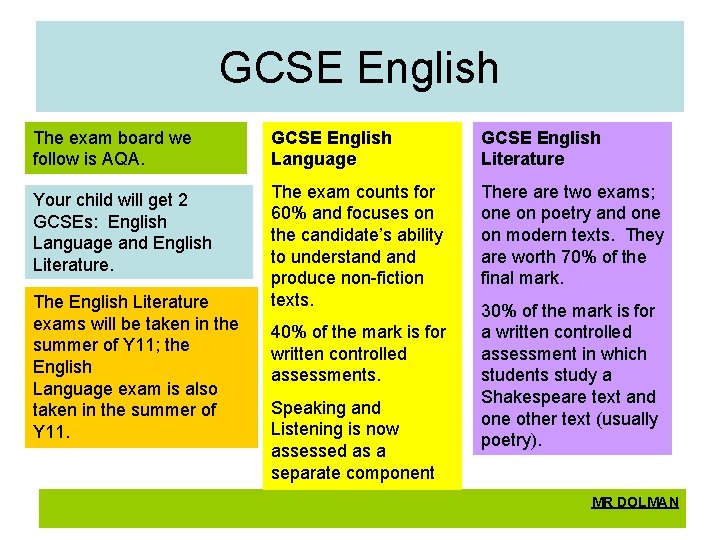
GCSE English The exam board we follow is AQA. GCSE English Language GCSE English Literature Your child will get 2 GCSEs: English Language and English Literature. The exam counts for 60% and focuses on the candidate’s ability to understand produce non-fiction texts. There are two exams; one on poetry and one on modern texts. They are worth 70% of the final mark. The English Literature exams will be taken in the summer of Y 11; the English Language exam is also taken in the summer of Y 11. 40% of the mark is for written controlled assessments. Speaking and Listening is now assessed as a separate component 30% of the mark is for a written controlled assessment in which students study a Shakespeare text and one other text (usually poetry). MR DOLMAN
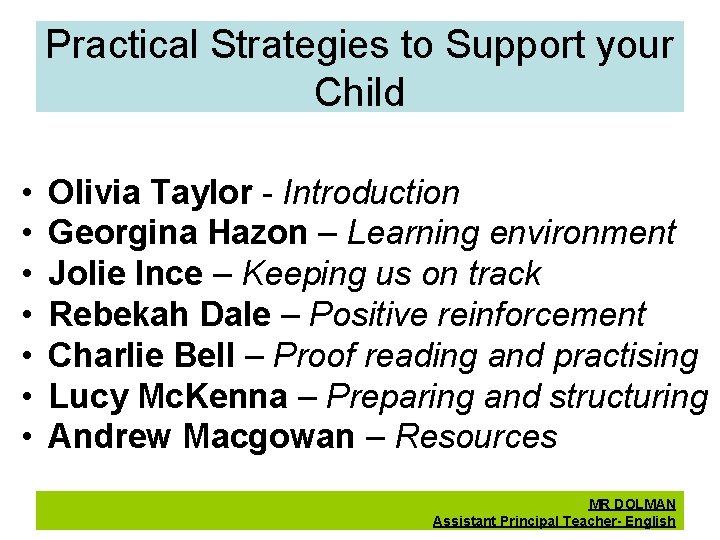
Practical Strategies to Support your Child • • Olivia Taylor - Introduction Georgina Hazon – Learning environment Jolie Ince – Keeping us on track Rebekah Dale – Positive reinforcement Charlie Bell – Proof reading and practising Lucy Mc. Kenna – Preparing and structuring Andrew Macgowan – Resources MR DOLMAN Assistant Principal Teacher- English
GCSE Sciences 2013 Ponteland High School
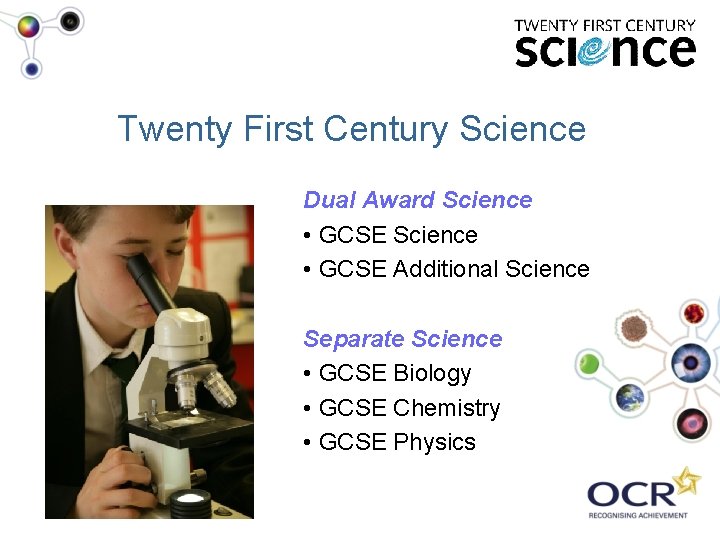
Twenty First Century Science Dual Award Science • GCSE Additional Science Separate Science • GCSE Biology • GCSE Chemistry • GCSE Physics
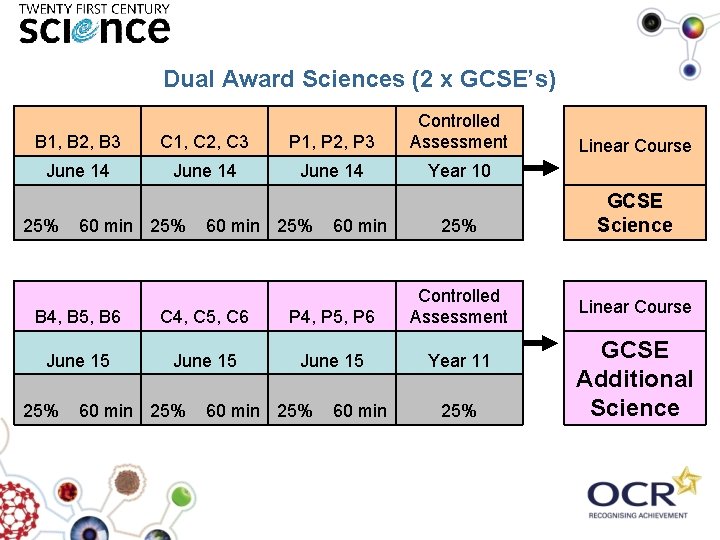
Dual Award Sciences (2 x GCSE’s) B 1, B 2, B 3 C 1, C 2, C 3 P 1, P 2, P 3 Controlled Assessment June 14 Year 10 25% 60 min 25% GCSE Science Linear Course B 4, B 5, B 6 C 4, C 5, C 6 P 4, P 5, P 6 Controlled Assessment June 15 Year 11 25% 60 min Linear Course 25% GCSE Additional Science
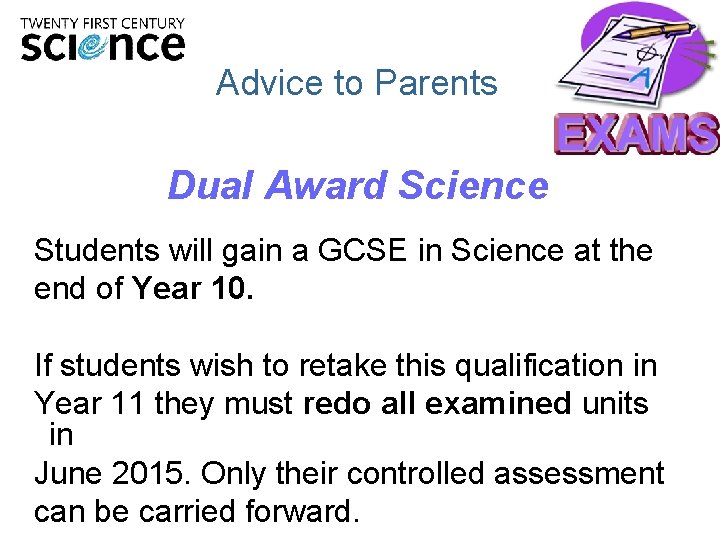
Advice to Parents Dual Award Science Students will gain a GCSE in Science at the end of Year 10. If students wish to retake this qualification in Year 11 they must redo all examined units in June 2015. Only their controlled assessment can be carried forward.
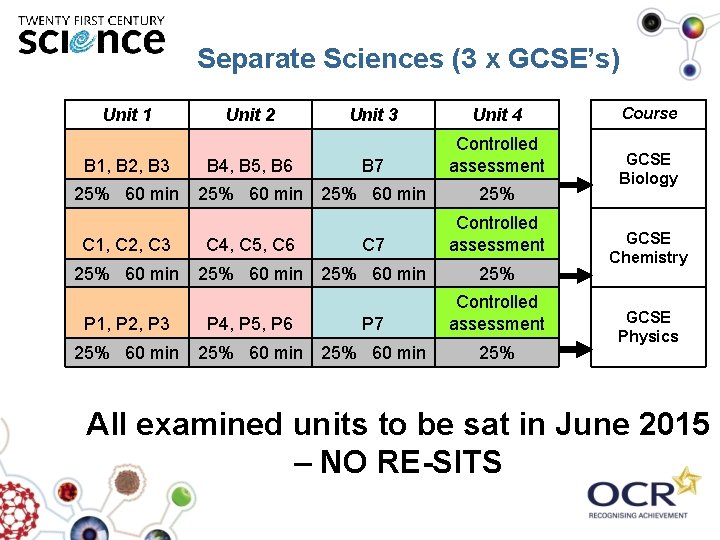
Separate Sciences (3 x GCSE’s) Unit 1 Unit 2 Unit 3 Unit 4 B 1, B 2, B 3 B 4, B 5, B 6 B 7 Controlled assessment 25% 60 min 25% C 1, C 2, C 3 C 4, C 5, C 6 C 7 Controlled assessment 25% 60 min 25% P 1, P 2, P 3 P 4, P 5, P 6 P 7 Controlled assessment 25% 60 min 25% Course GCSE Biology GCSE Chemistry GCSE Physics All examined units to be sat in June 2015 – NO RE-SITS
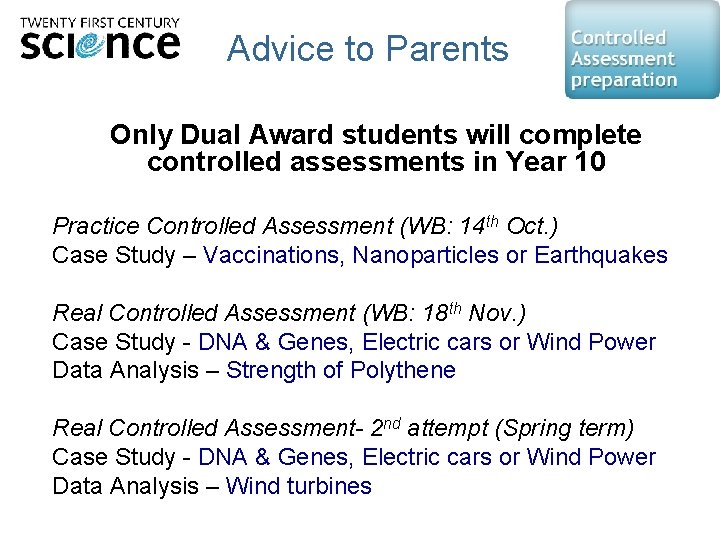
Advice to Parents Only Dual Award students will complete controlled assessments in Year 10 Practice Controlled Assessment (WB: 14 th Oct. ) Case Study – Vaccinations, Nanoparticles or Earthquakes Real Controlled Assessment (WB: 18 th Nov. ) Case Study - DNA & Genes, Electric cars or Wind Power Data Analysis – Strength of Polythene Real Controlled Assessment- 2 nd attempt (Spring term) Case Study - DNA & Genes, Electric cars or Wind Power Data Analysis – Wind turbines
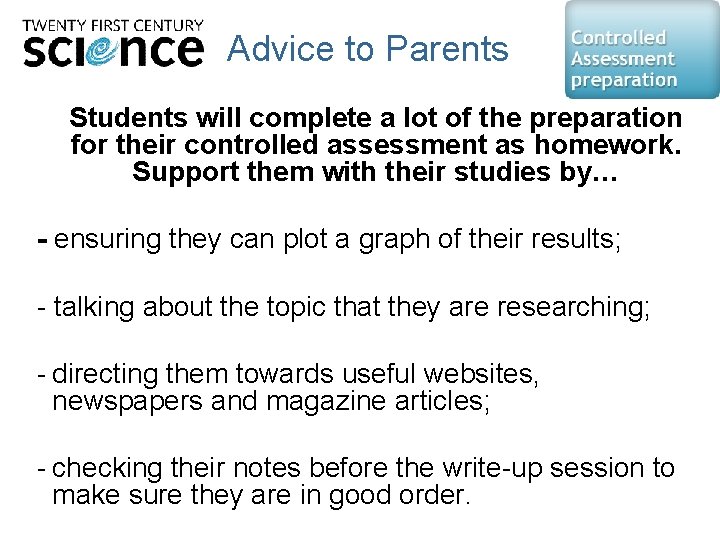
Advice to Parents Students will complete a lot of the preparation for their controlled assessment as homework. Support them with their studies by… - ensuring they can plot a graph of their results; - talking about the topic that they are researching; - directing them towards useful websites, newspapers and magazine articles; - checking their notes before the write-up session to make sure they are in good order.
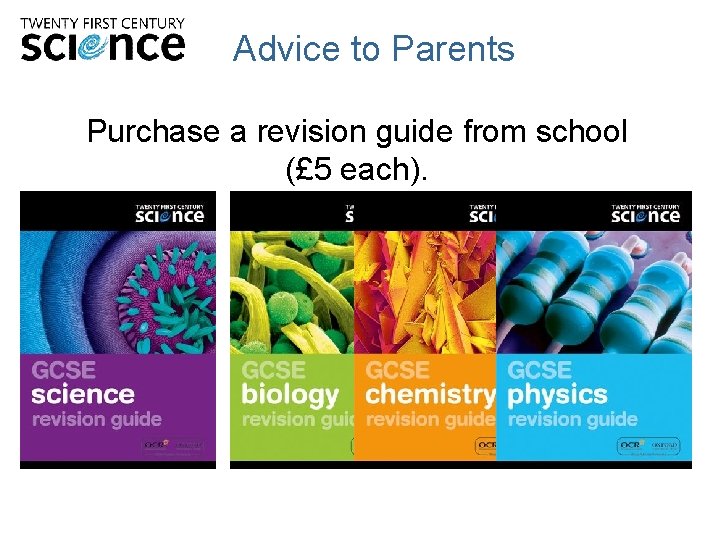
Advice to Parents Purchase a revision guide from school (£ 5 each).
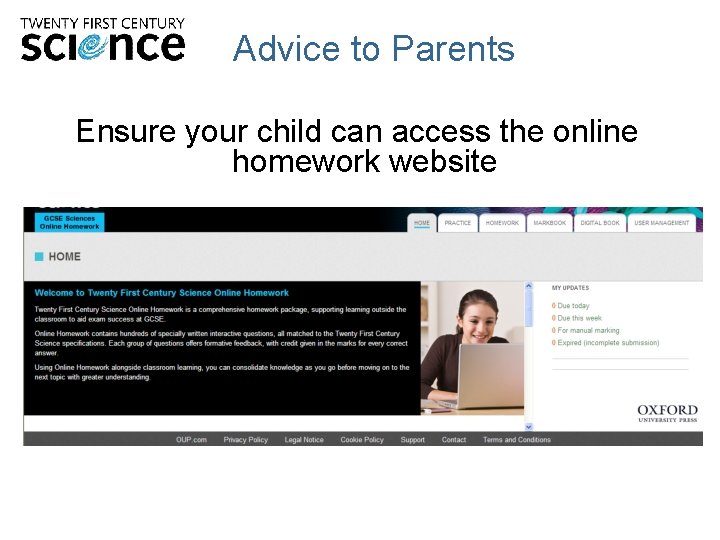
Advice to Parents Ensure your child can access the online homework website
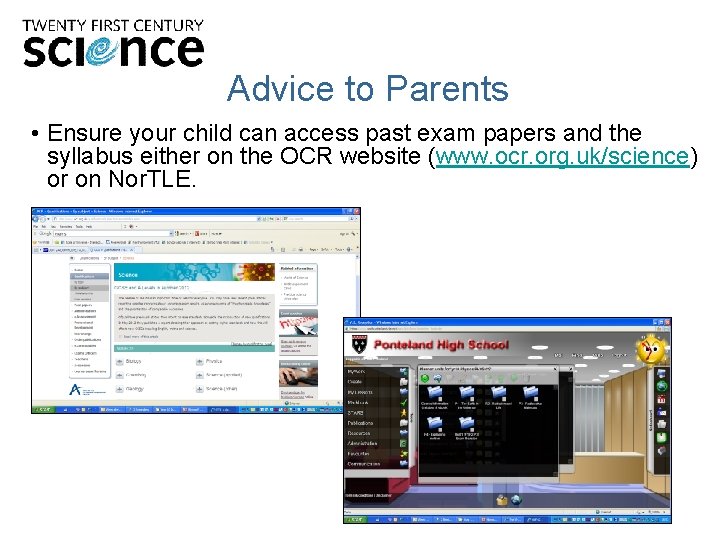
Advice to Parents • Ensure your child can access past exam papers and the syllabus either on the OCR website (www. ocr. org. uk/science) or on Nor. TLE.
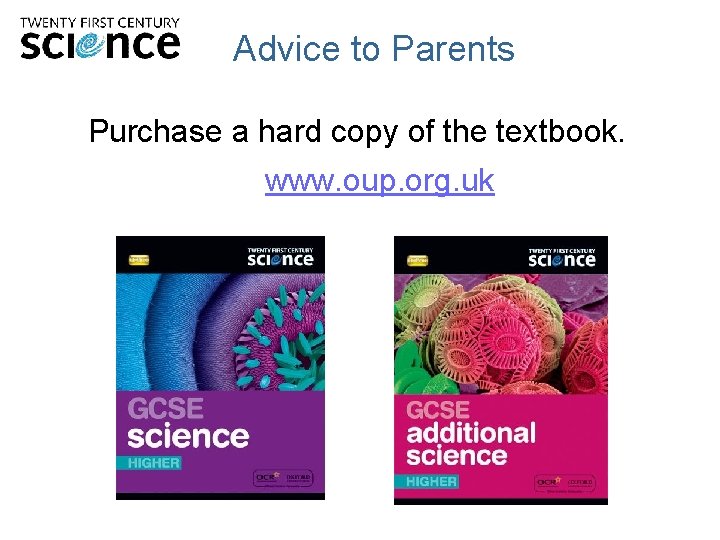
Advice to Parents Purchase a hard copy of the textbook. www. oup. org. uk
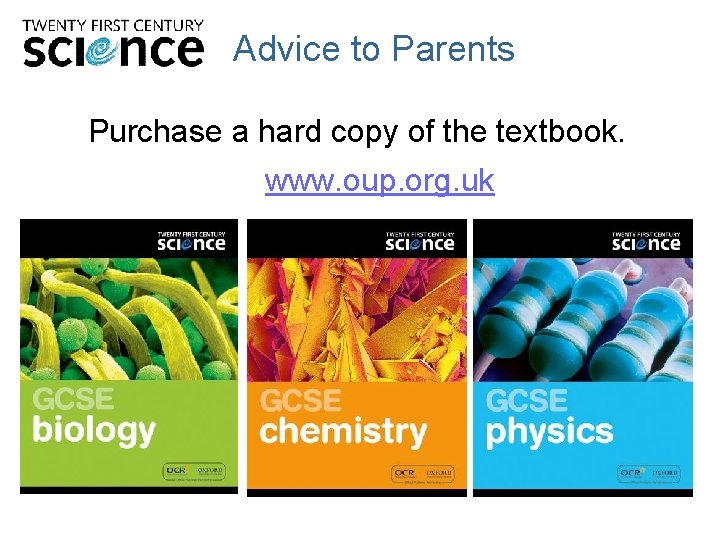
Advice to Parents Purchase a hard copy of the textbook. www. oup. org. uk
Advice to Parents • Any questions or concerns please contact the school. - Mr Mark Warland (Raising Achievement Leader– Physics) - Miss Amelia Richardson (Deputy Raising Achievement Leader– Biology) - Rev. Christian Callan (Raising Achievement Coordinator Chemistry) - Mr Graham Tulip (Raising Achievement Coordinator KS 4 Science)
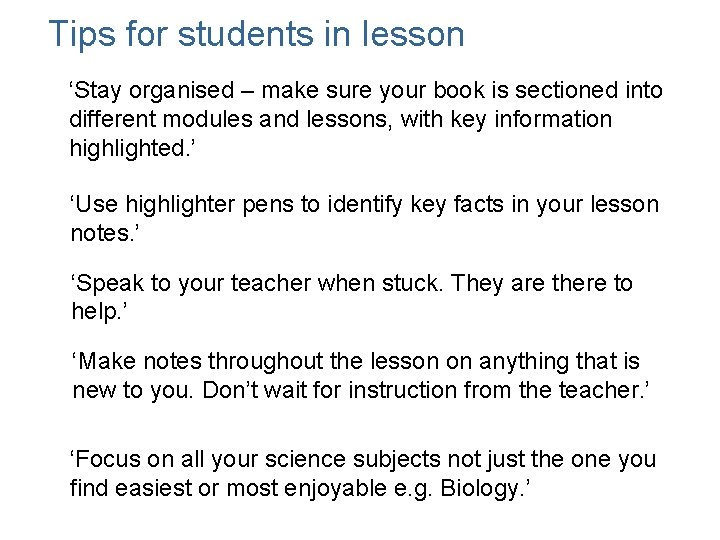
Tips for students in lesson ‘Stay organised – make sure your book is sectioned into different modules and lessons, with key information highlighted. ’ ‘Use highlighter pens to identify key facts in your lesson notes. ’ ‘Speak to your teacher when stuck. They are there to help. ’ ‘Make notes throughout the lesson on anything that is new to you. Don’t wait for instruction from the teacher. ’ ‘Focus on all your science subjects not just the one you find easiest or most enjoyable e. g. Biology. ’
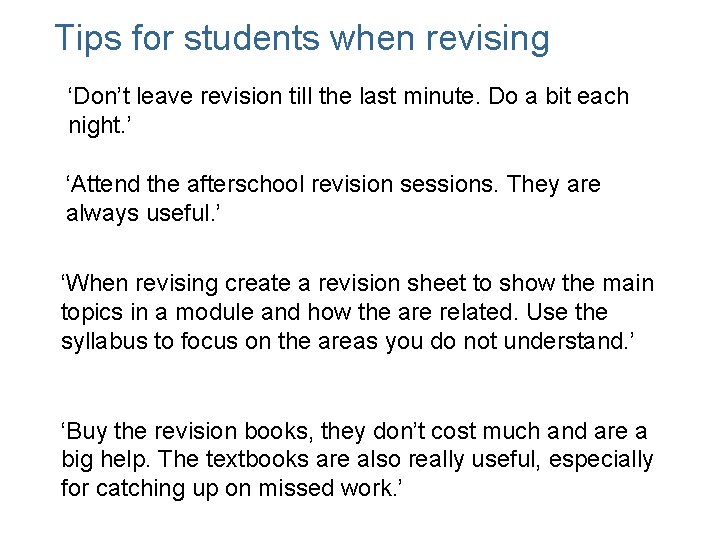
Tips for students when revising ‘Don’t leave revision till the last minute. Do a bit each night. ’ ‘Attend the afterschool revision sessions. They are always useful. ’ ‘When revising create a revision sheet to show the main topics in a module and how the are related. Use the syllabus to focus on the areas you do not understand. ’ ‘Buy the revision books, they don’t cost much and are a big help. The textbooks are also really useful, especially for catching up on missed work. ’
Raising Achievement Jim Balkwill Assistant Headteacher • Attendance • Homework • The Planner
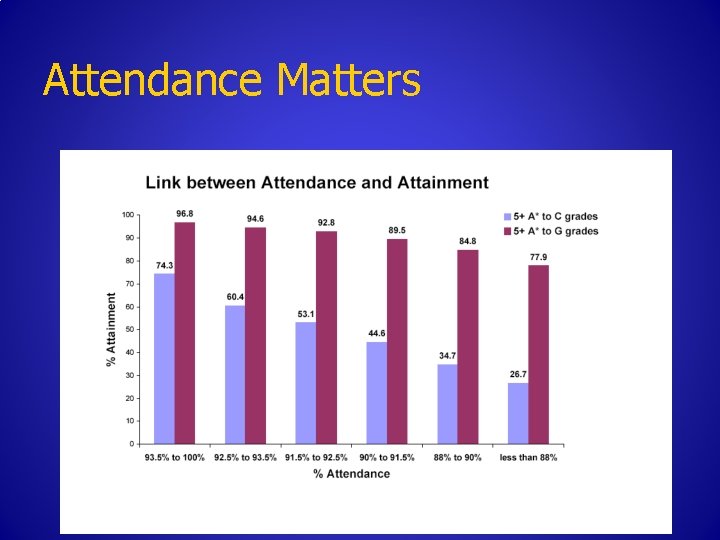
Attendance Matters
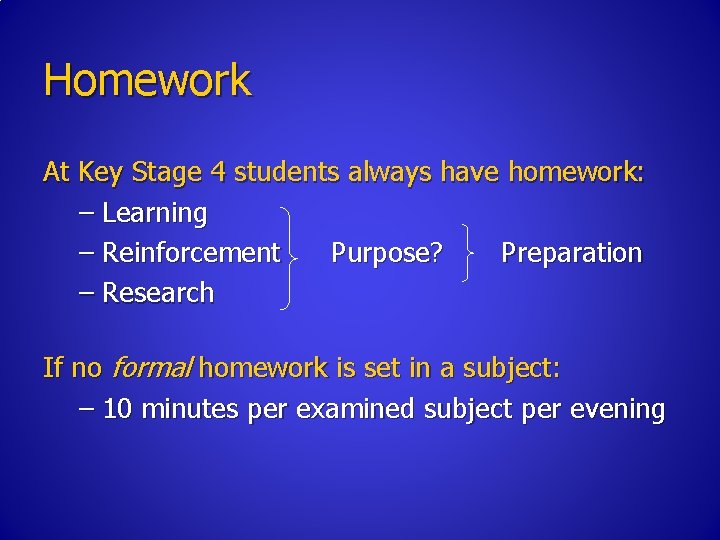
Homework At Key Stage 4 students always have homework: – Learning – Reinforcement Purpose? Preparation – Research If no formal homework is set in a subject: – 10 minutes per examined subject per evening
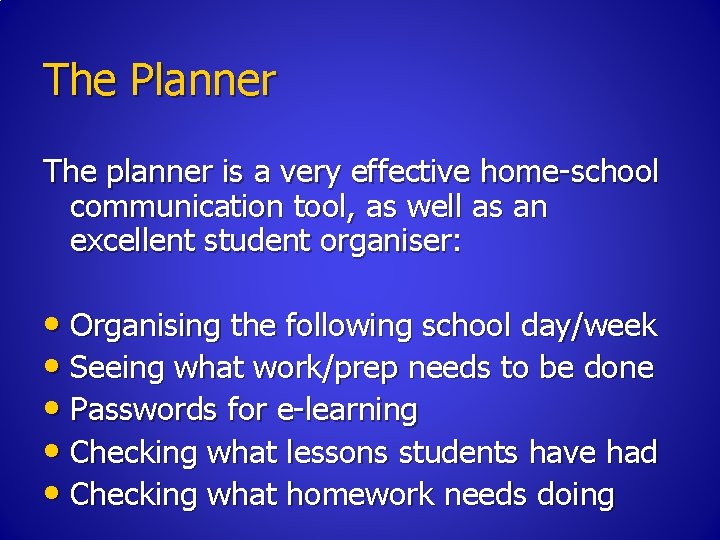
The Planner The planner is a very effective home-school communication tool, as well as an excellent student organiser: • Organising the following school day/week • Seeing what work/prep needs to be done • Passwords for e-learning • Checking what lessons students have had • Checking what homework needs doing
Closing Comments We hope this evening has been informative and useful for parents and students Staff and students are available for questions and information Please have a safe journey home