
Polytrauma Case 2 AOTrauma Masters courseSDL Polytrauma course







- Slides: 33
Polytrauma Case 2 AOTrauma Masters course—SDL Polytrauma course
Case description—Day 0 • A 19 -year-old driver in car versus large truck • Multiple fatal injuries at scene • Presented with altered mental status • Deformity of all four extremities • Intubated in emergency department
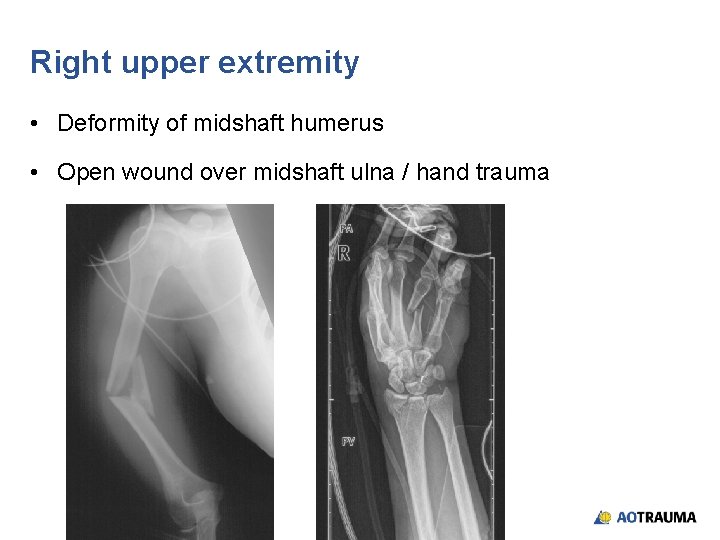
Right upper extremity • Deformity of midshaft humerus • Open wound over midshaft ulna / hand trauma
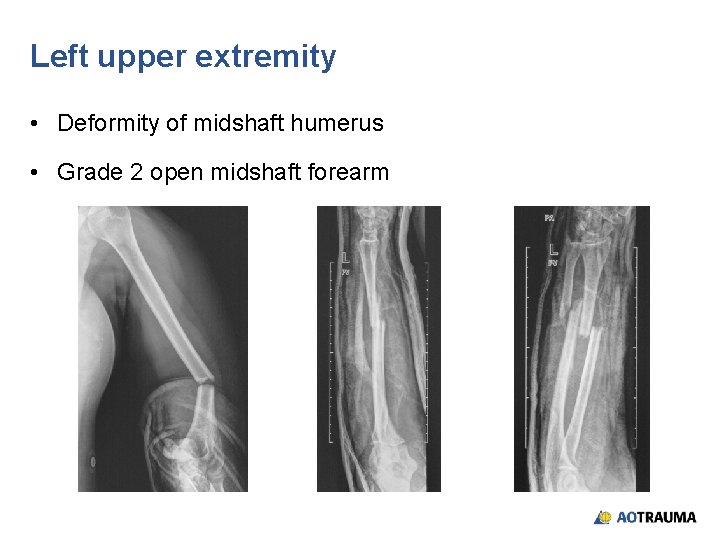
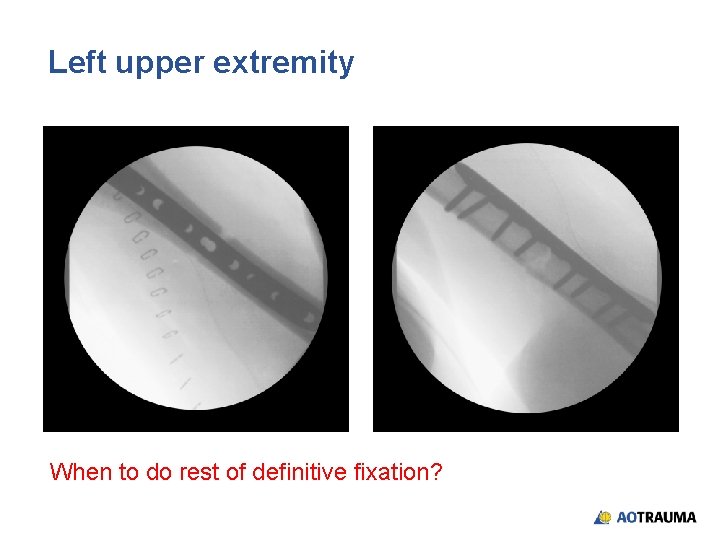
Left upper extremity • Deformity of midshaft humerus • Grade 2 open midshaft forearm
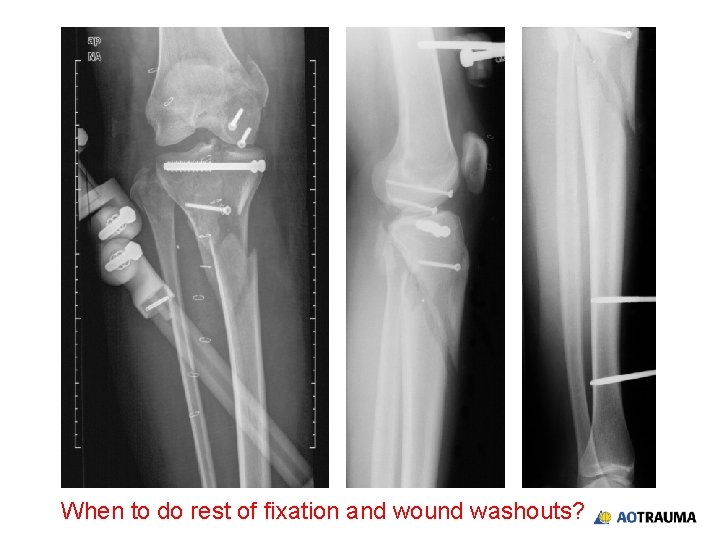
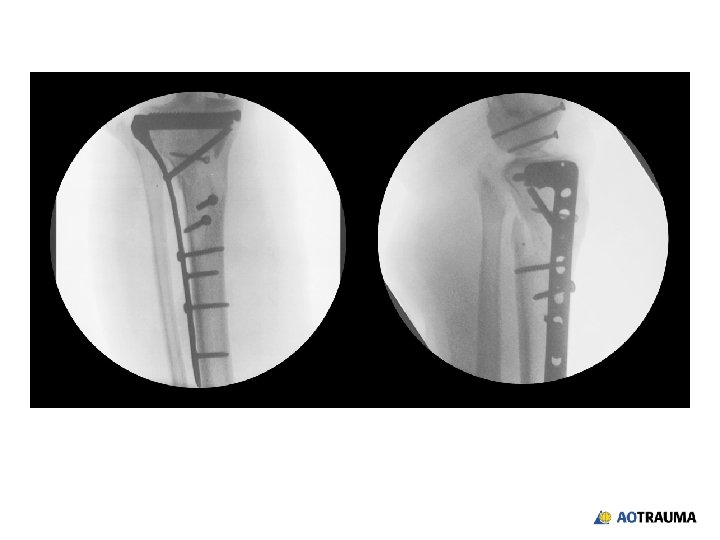
Right lower extremity • Open grade 3 anteromedial proximal tibia • Joint deformity of right knee
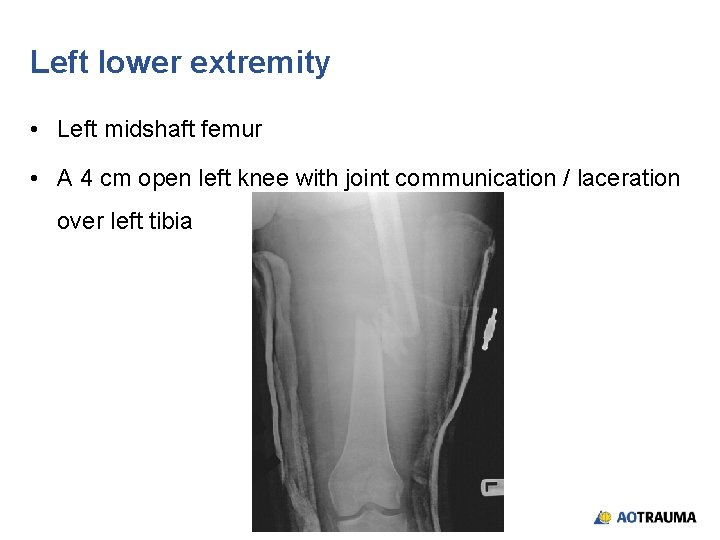
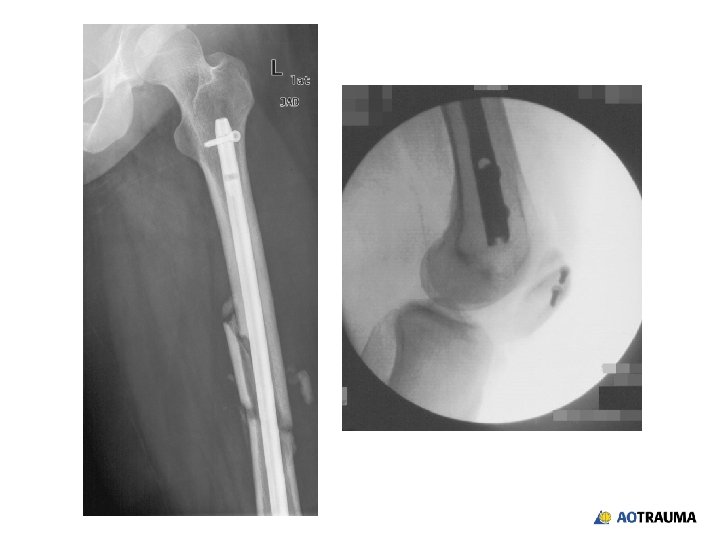
Left lower extremity • Left midshaft femur • A 4 cm open left knee with joint communication / laceration over left tibia
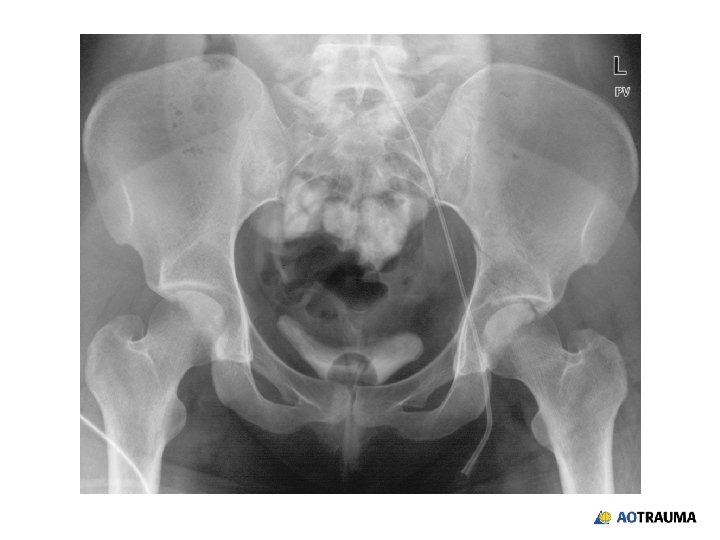
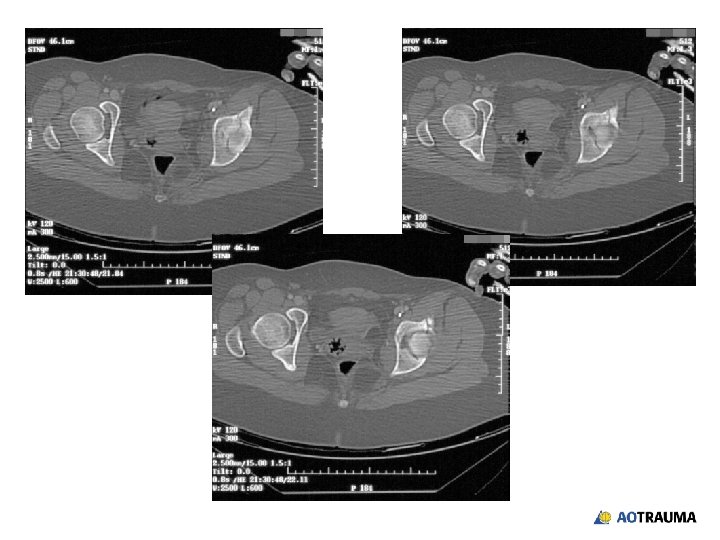
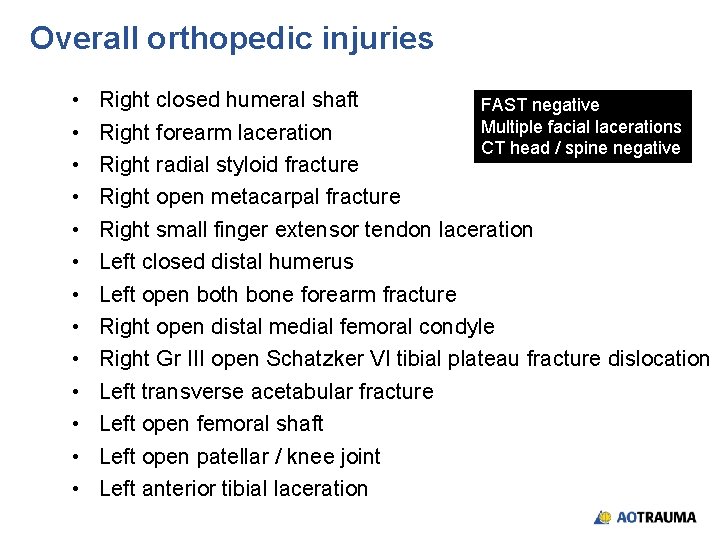
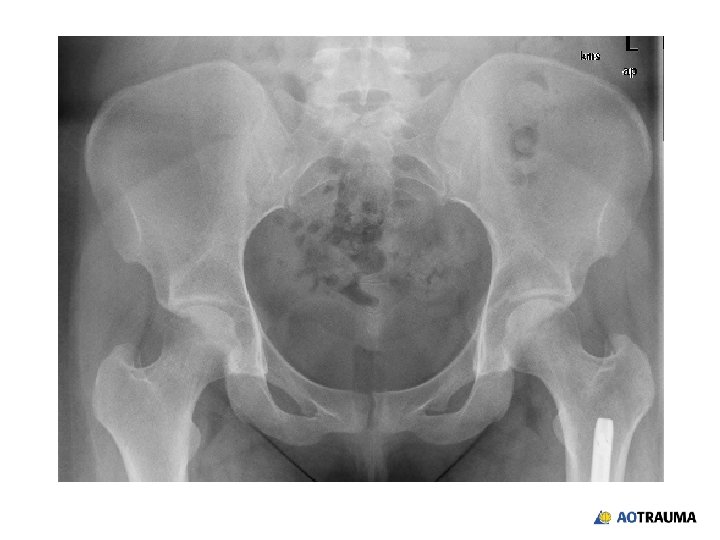
Overall orthopedic injuries • • • • Right closed humeral shaft FAST negative Multiple facial lacerations Right forearm laceration CT head / spine negative Right radial styloid fracture Right open metacarpal fracture Right small finger extensor tendon laceration Left closed distal humerus Left open both bone forearm fracture Right open distal medial femoral condyle Right Gr III open Schatzker VI tibial plateau fracture dislocation Left transverse acetabular fracture Left open femoral shaft Left open patellar / knee joint Left anterior tibial laceration
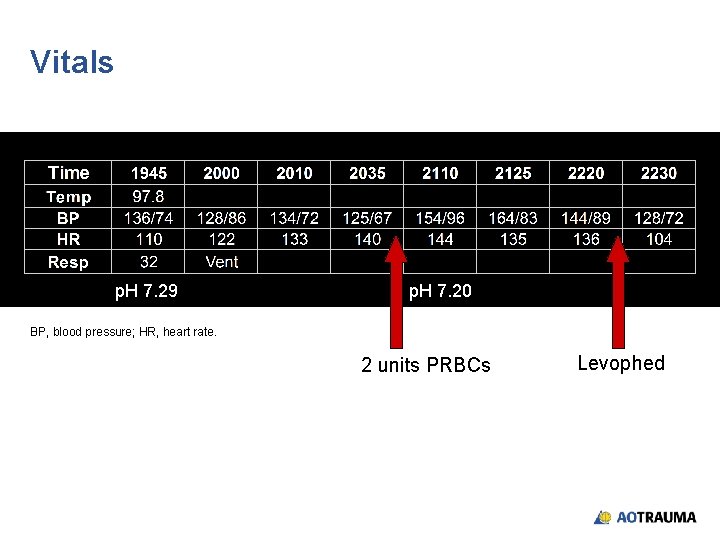
Vitals p. H 7. 29 p. H 7. 20 BP, blood pressure; HR, heart rate. 2 units PRBCs Levophed
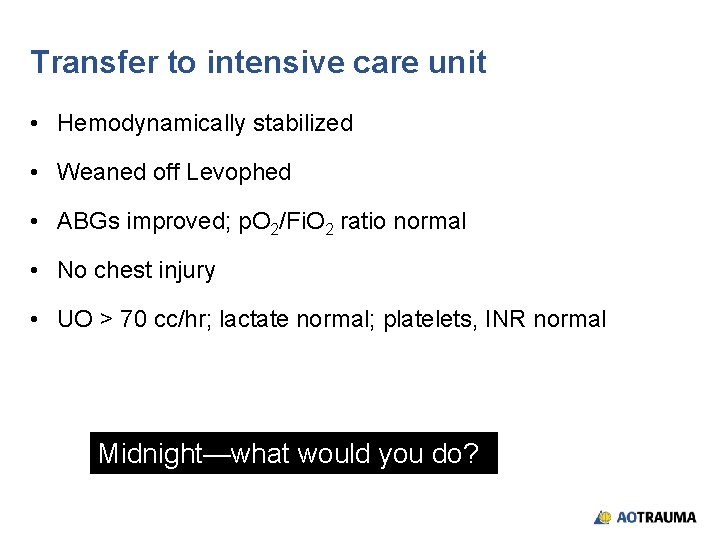
Transfer to intensive care unit • Hemodynamically stabilized • Weaned off Levophed • ABGs improved; p. O 2/Fi. O 2 ratio normal • No chest injury • UO > 70 cc/hr; lactate normal; platelets, INR normal Midnight—what would you do?
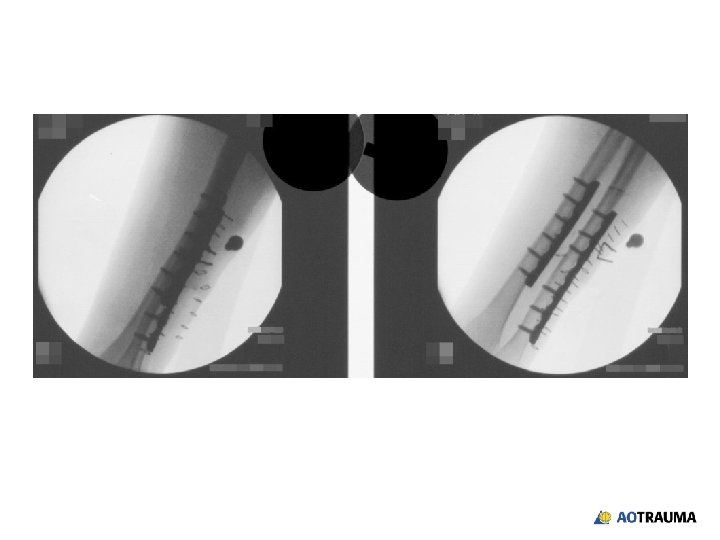
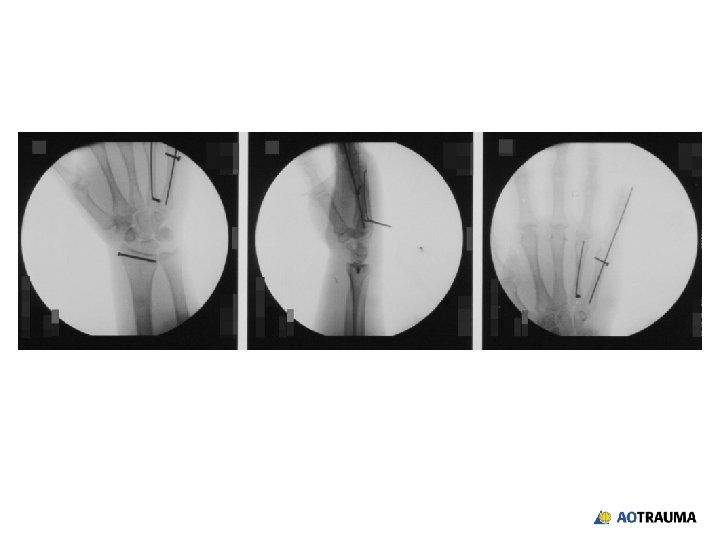
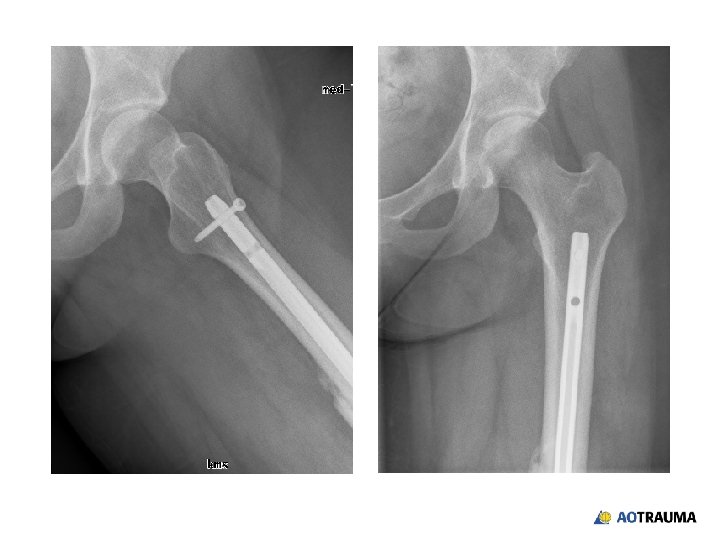
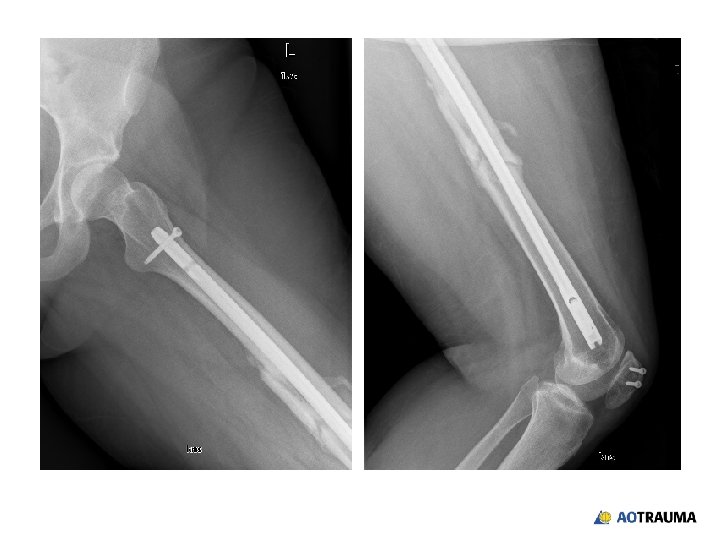
Day 1— 8 hours after polytrauma • Irrigation and debridement (I+D) of open fractures • Left femoral intramedullary (IM) rod • Open reduction and internal fixation (ORIF) of right distal femoral fracture • ORIF of left patellar fracture • Fixation of right tibial plateau fracture with external fixator • ORIF of left both bone forearm fracture • ORIF of right fourth and fifth metacarpal fractures, ORIF of radius and tendon repair
When to do rest of fixation and wound washouts?
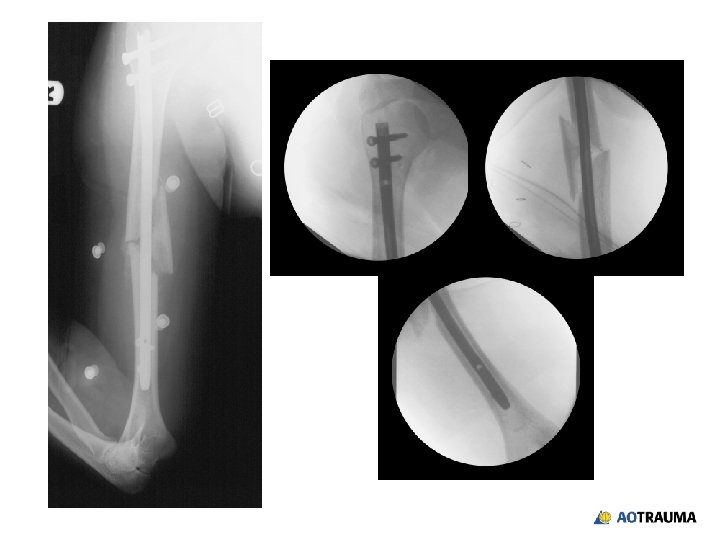
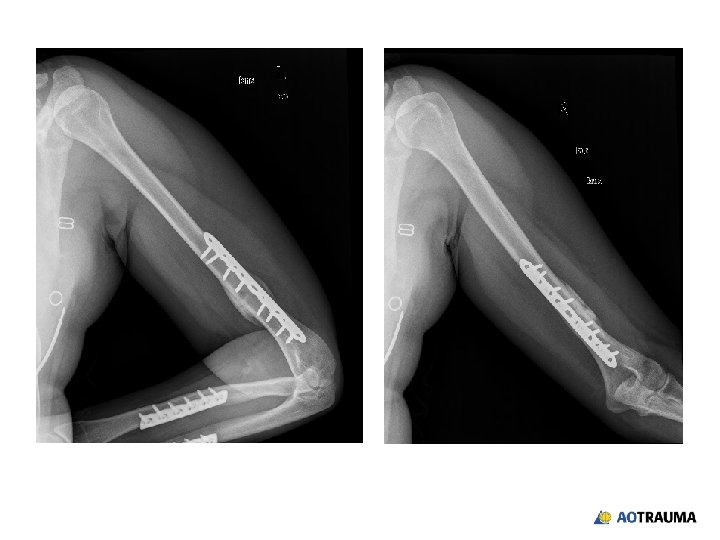
Day 3 • ORIF of left distal humerus • IM rod right humeral shaft • Repeat I+D of right knee wound
Left upper extremity When to do rest of definitive fixation?
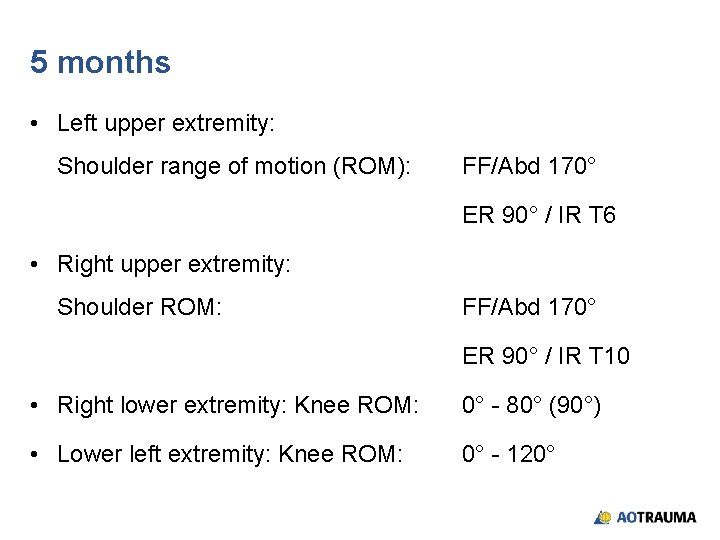
5 months • Left upper extremity: Shoulder range of motion (ROM): FF/Abd 170° ER 90° / IR T 6 • Right upper extremity: Shoulder ROM: FF/Abd 170° ER 90° / IR T 10 • Right lower extremity: Knee ROM: 0° - 80° (90°) • Lower left extremity: Knee ROM: 0° - 120°
6 months • Manipulation of right knee • Preoperative ROM: 0– 80° • Intraoperative ROM: 0– 130° • Returned to college
Currently • Lives in Florida • Works as a waitress
Take-home messages • Early total care is reasonable if all parameters point toward safe proceedings • If patient deteriorates in the operating room, then move toward damage-control orthopedics • Early appropriate care provides what the patient will accept without a severe surgical insult • Certainly nice to get surgery done early as this helps the patient with mobilization and pain