
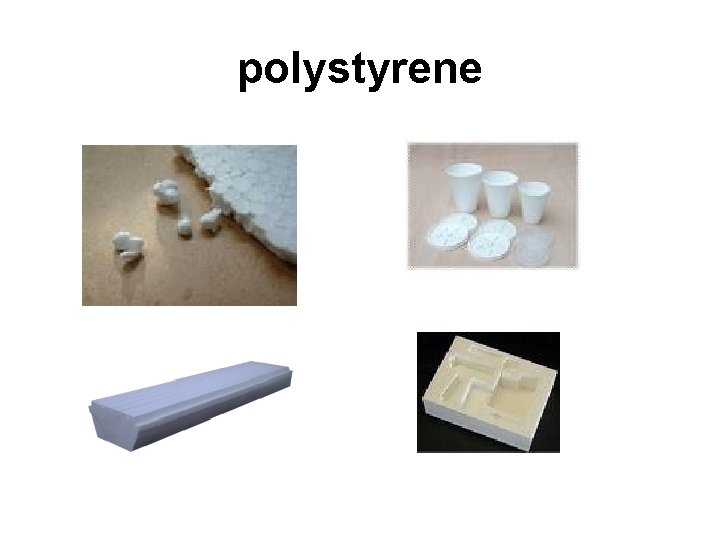
polystyrene How is expanded polystyrene EPS foam made


- Slides: 27
polystyrene
How is expanded polystyrene (EPS) foam made ?
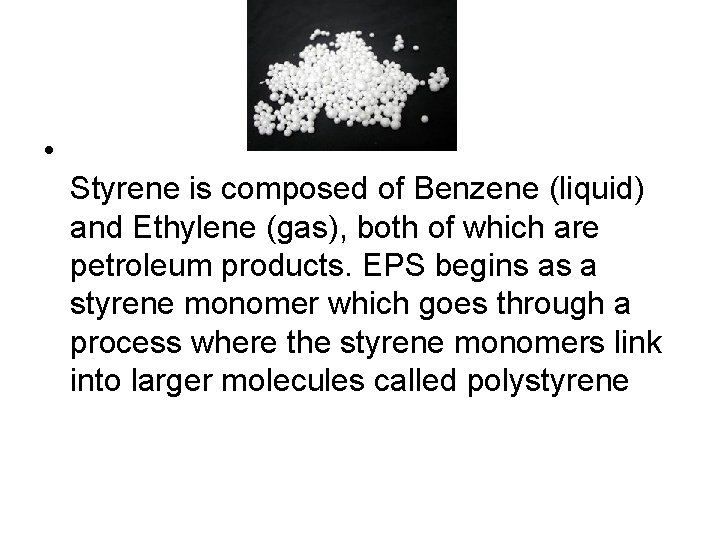
• Styrene is composed of Benzene (liquid) and Ethylene (gas), both of which are petroleum products. EPS begins as a styrene monomer which goes through a process where the styrene monomers link into larger molecules called polystyrene
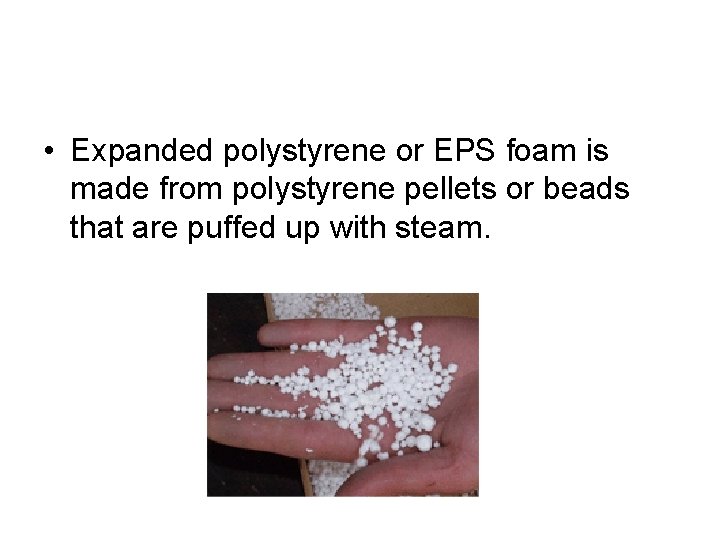
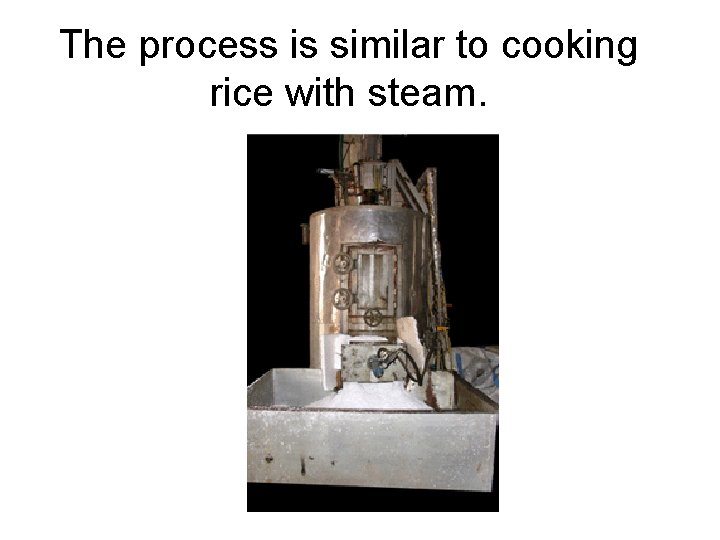
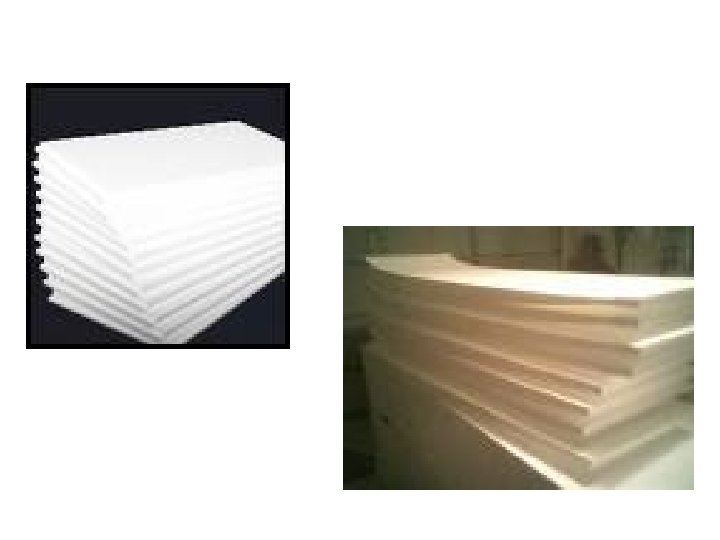
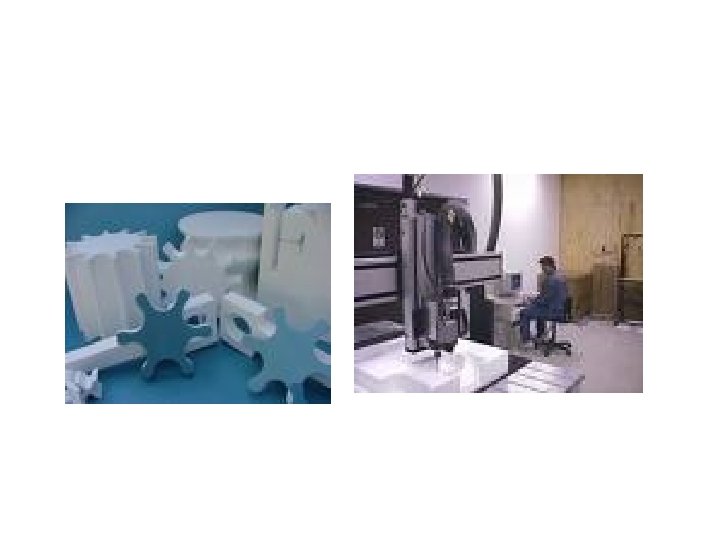
• Expanded polystyrene or EPS foam is made from polystyrene pellets or beads that are puffed up with steam.
The process is similar to cooking rice with steam.
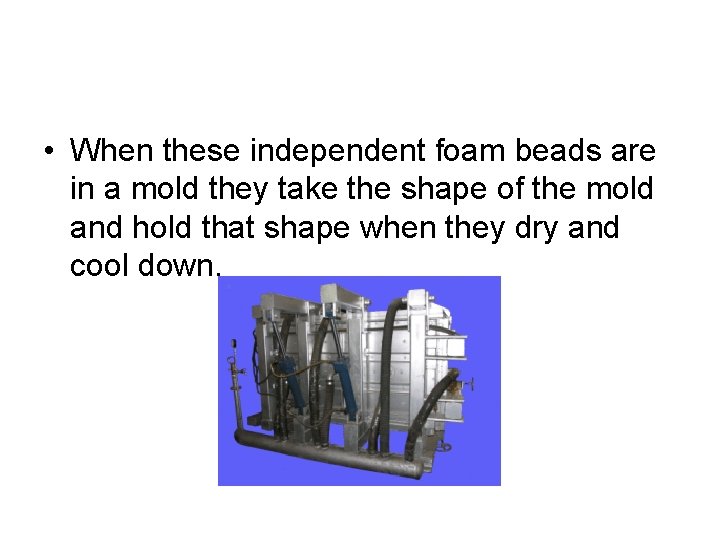
• When these independent foam beads are in a mold they take the shape of the mold and hold that shape when they dry and cool down.
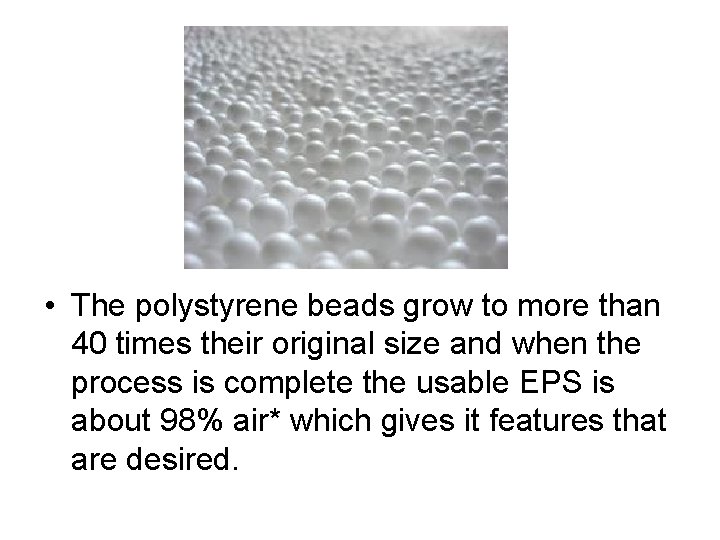
• The polystyrene beads grow to more than 40 times their original size and when the process is complete the usable EPS is about 98% air* which gives it features that are desired.
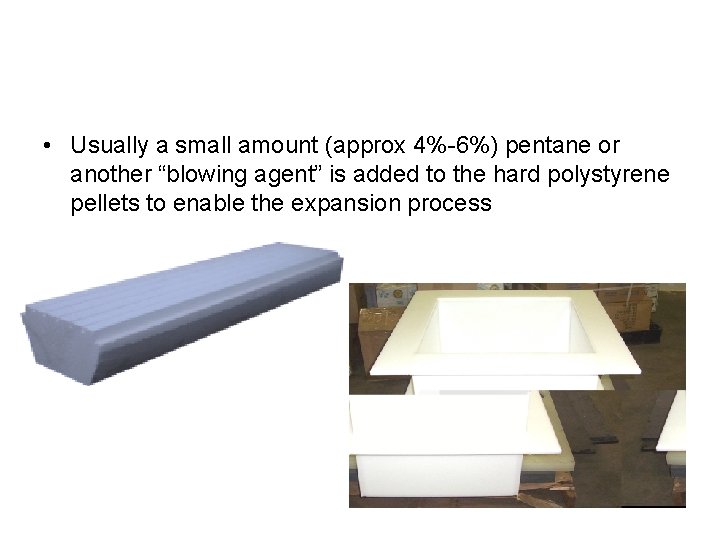
• Usually a small amount (approx 4%-6%) pentane or another “blowing agent” is added to the hard polystyrene pellets to enable the expansion process
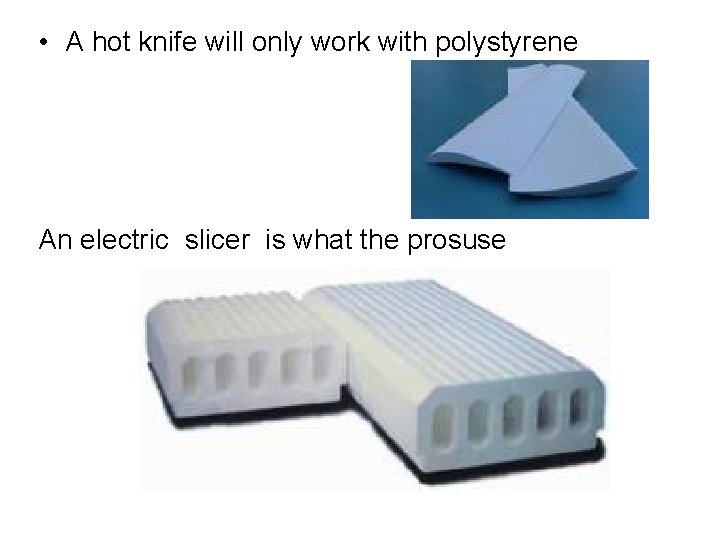
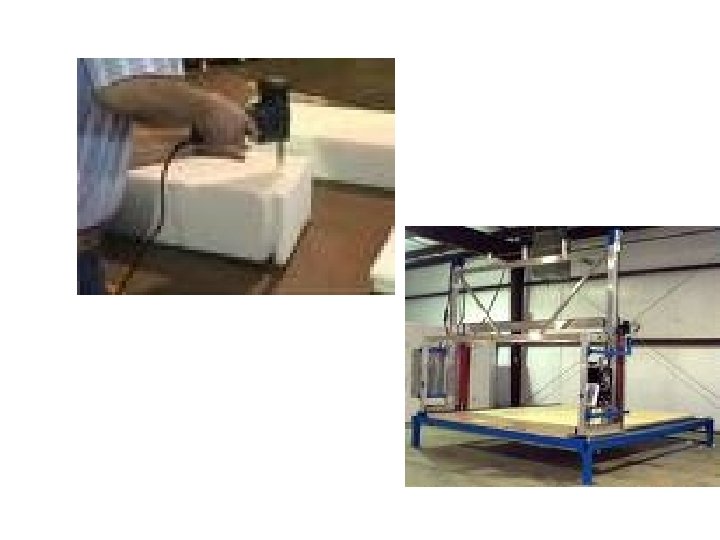
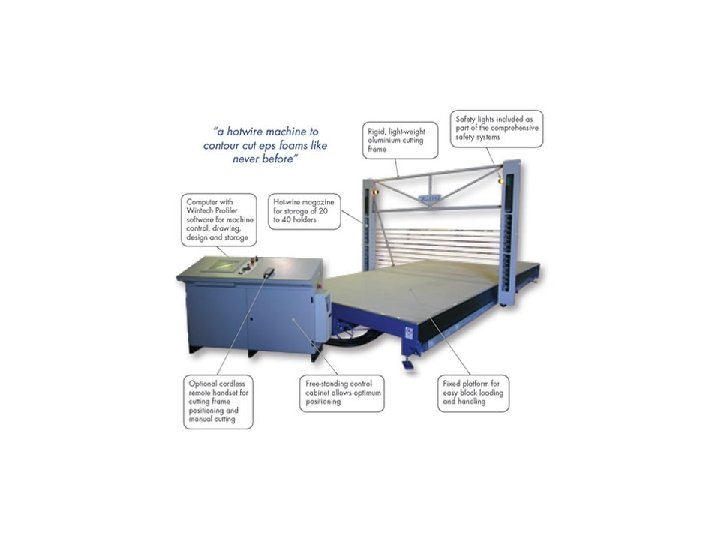
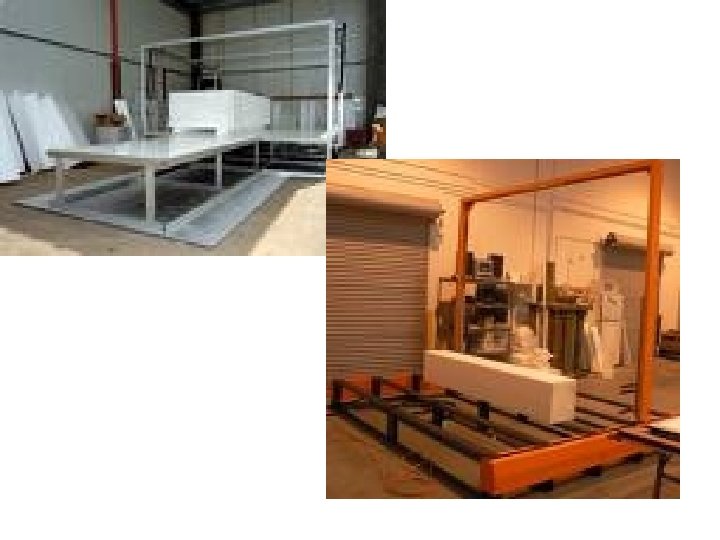
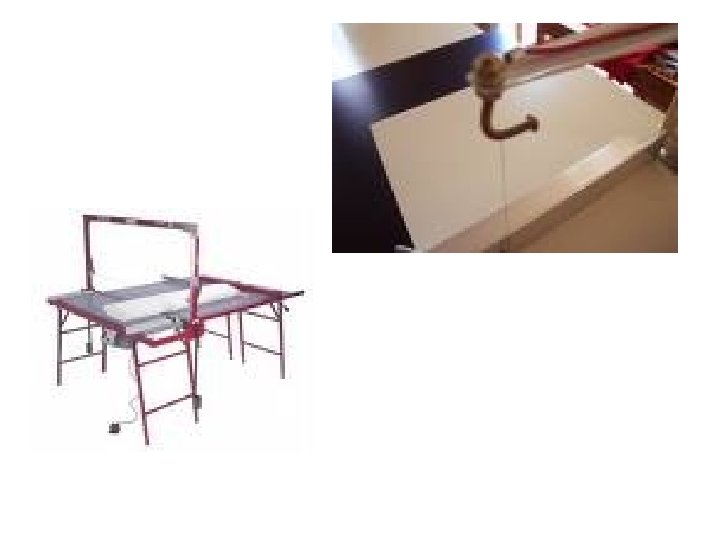
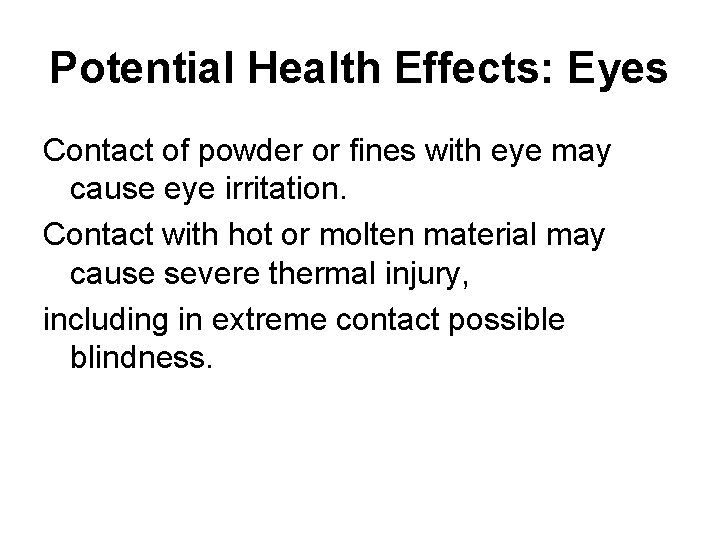
• A hot knife will only work with polystyrene An electric slicer is what the prosuse
Another thing to remember is that polystyrene give off various toxic gases when heated. It's not a good idea to breathe polystyrene fumes, either Polyethylene is pretty innocuous
Potential Health Effects: Eyes Contact of powder or fines with eye may cause eye irritation. Contact with hot or molten material may cause severe thermal injury, including in extreme contact possible blindness.
Potential Health Effects: Skin This product may cause irritation to the skin from repetitive handling. Contact with hot or molten material may cause severe thermal burns. Contact of powder or fines with skin may cause mild irritation that is increased by mechanical rubbing or if skin is dry
Potential Health Effects: Inhalation This product may cause irritation to the respiratory system. Overexposure may be harmful
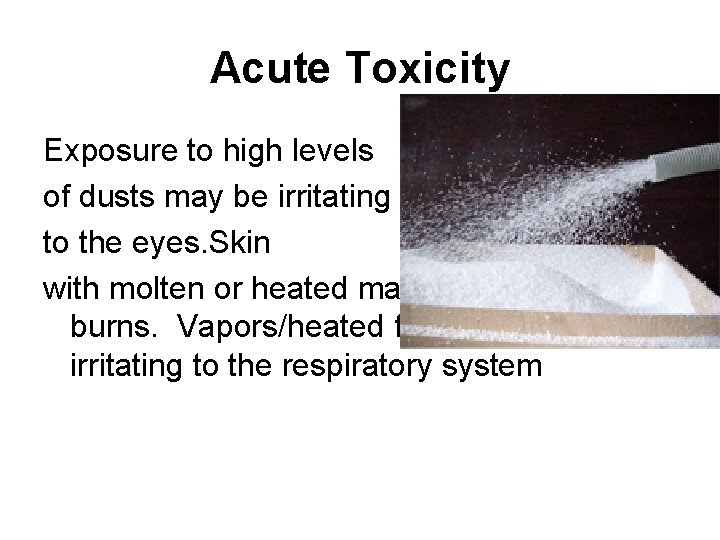
Acute Toxicity Exposure to high levels of dusts may be irritating to the eyes. Skin with molten or heated material may cause burns. Vapors/heated fumes may be irritating to the respiratory system
Pentanes, mixed - Contact can irritate the eyes and skin causing a rash and a burning sensation. Inhalation can irritate the nose, throat, and lungs causing coughing, wheezing, and shortness of breath. Inhalation of high concentrations may result in central nervous system (CNS) depression, causing headache, dizzines s, nausea,
• This product can release a gas that is highly flammable in the presence of open flames, lit cigarettes, sparks, static electricity discharges, or heat
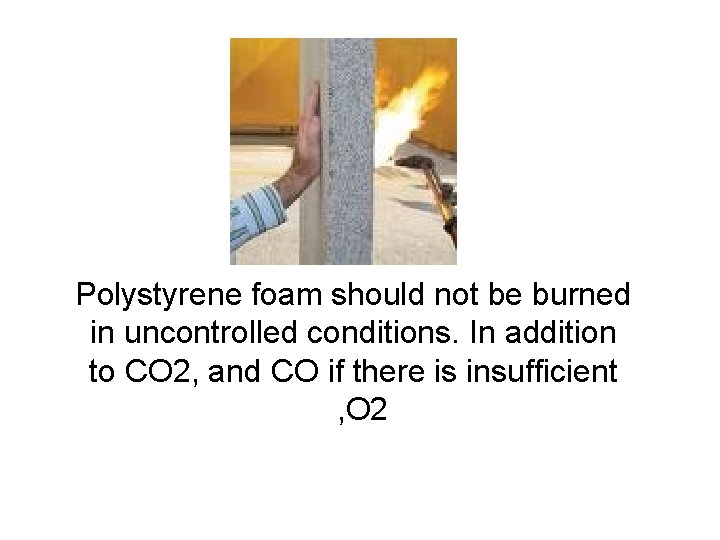
Polystyrene foam should not be burned in uncontrolled conditions. In addition to CO 2, and CO if there is insufficient , O 2