
Polymers arent very stiff Stiffness dictated by structure
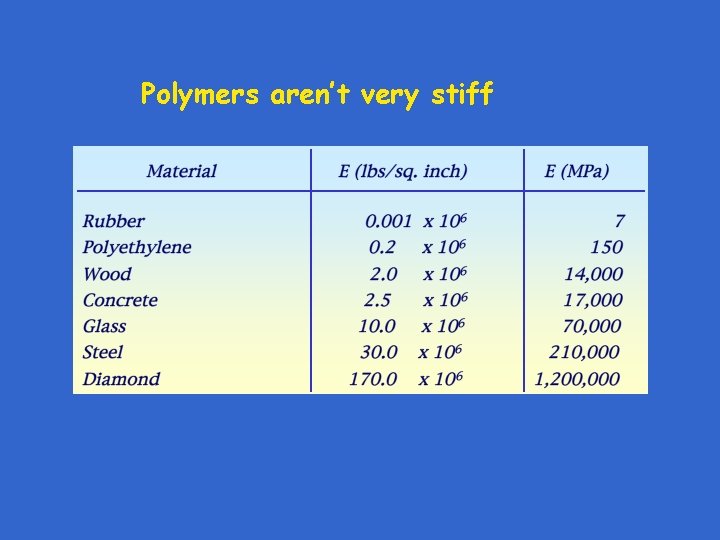
Polymers aren’t very stiff

Stiffness dictated by structure

Stiffness depends on crystallinity crosslinking Tg
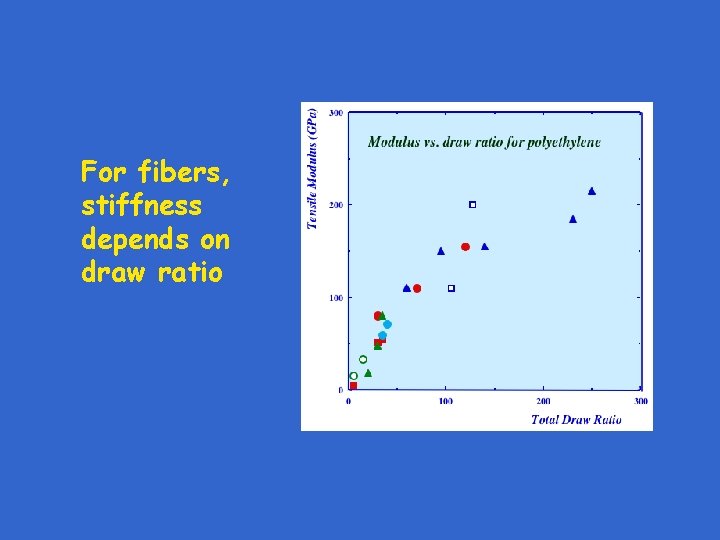
For fibers, stiffness depends on draw ratio
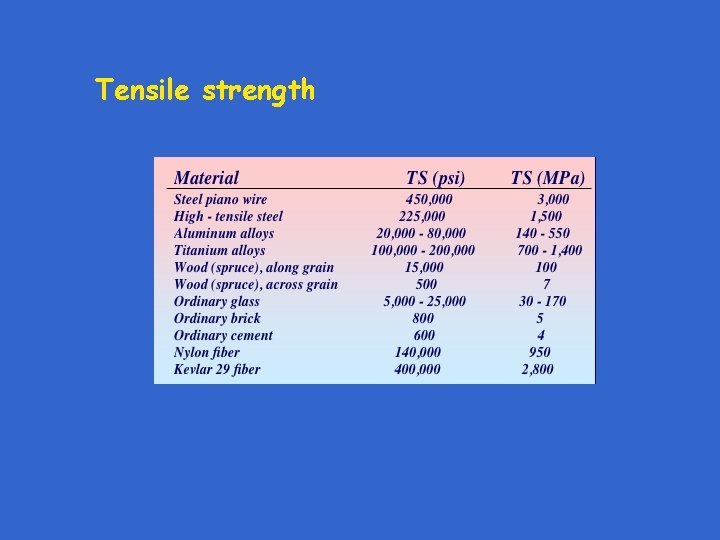
Tensile strength
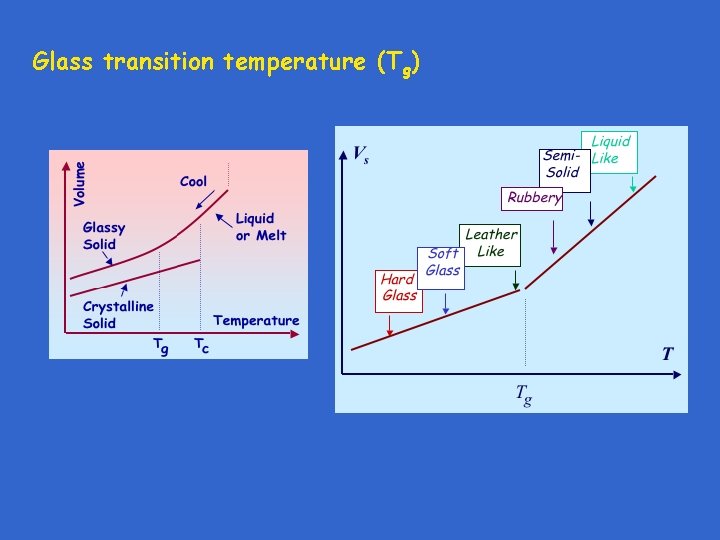
Glass transition temperature (Tg)
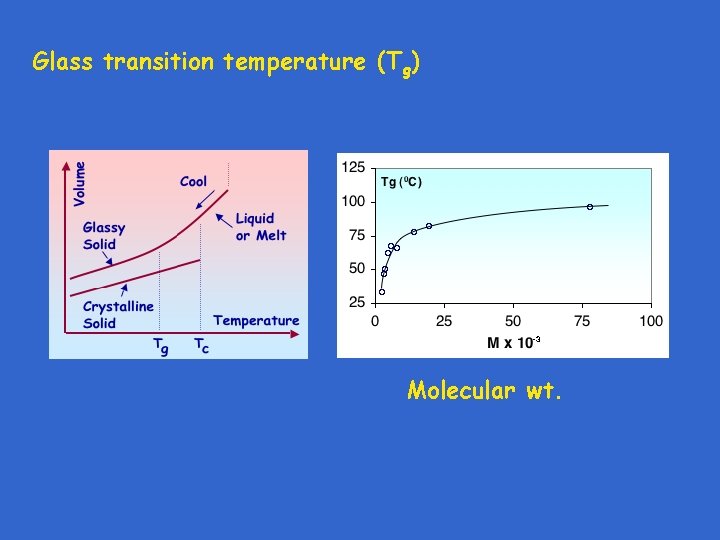
Glass transition temperature (Tg) Molecular wt.
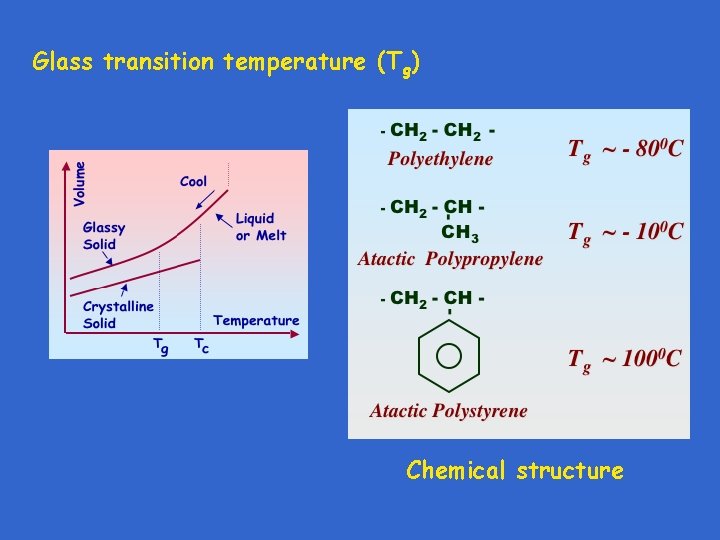
Glass transition temperature (Tg) Chemical structure

Glass transition temperature (Tg) Chain stiffness
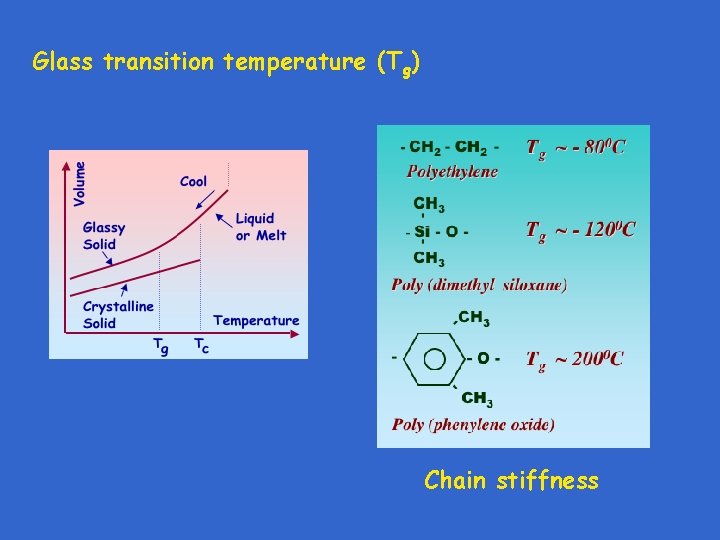
Glass transition temperature (Tg) Chain stiffness
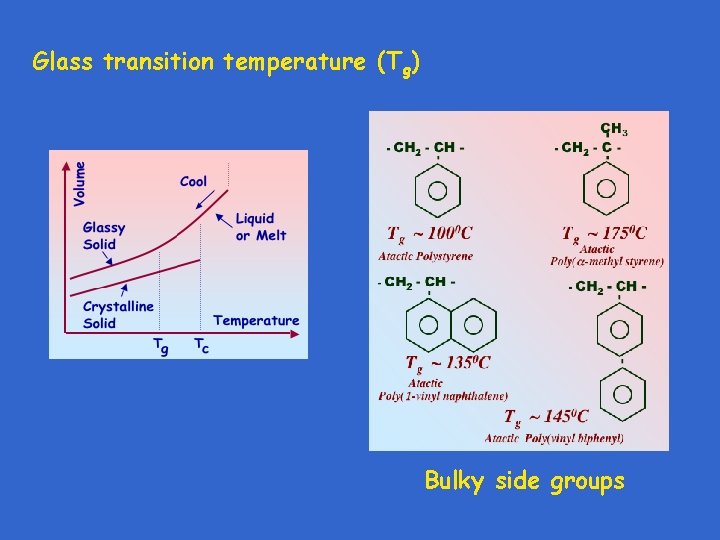
Glass transition temperature (Tg) Bulky side groups
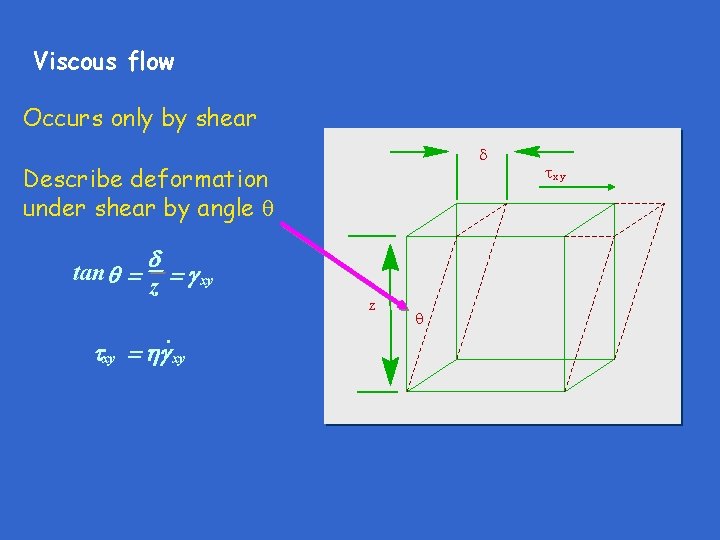
Viscous flow Occurs only by shear d Describe deformation under shear by angle q d tan q = = g xy z txy = hg˙ xy z q txy
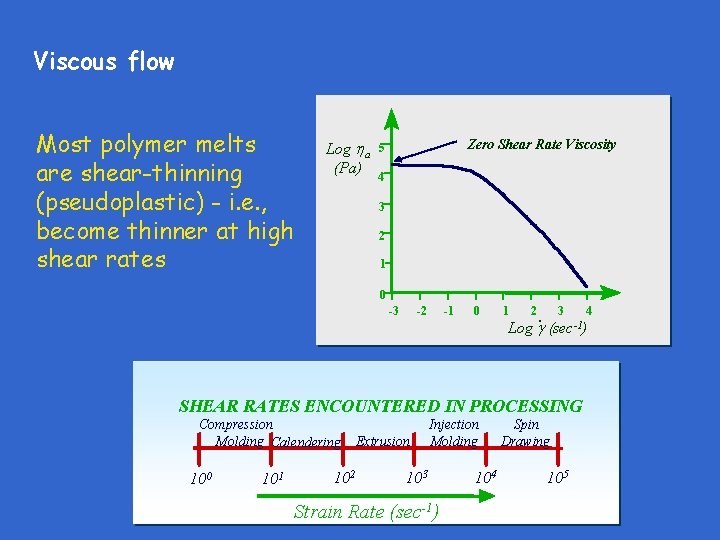
Viscous flow Most polymer melts are shear-thinning (pseudoplastic) - i. e. , become thinner at high shear rates Log ha (Pa) Zero Shear Rate Viscosity 5 4 3 2 1 0 -3 -2 -1 0 1 2 3 . Log g (sec-1) SHEAR RATES ENCOUNTERED IN PROCESSING Compression Molding Calendering 100 101 102 Extrusion Injection Molding 103 Strain Rate (sec-1) 104 4 Spin Drawing 105
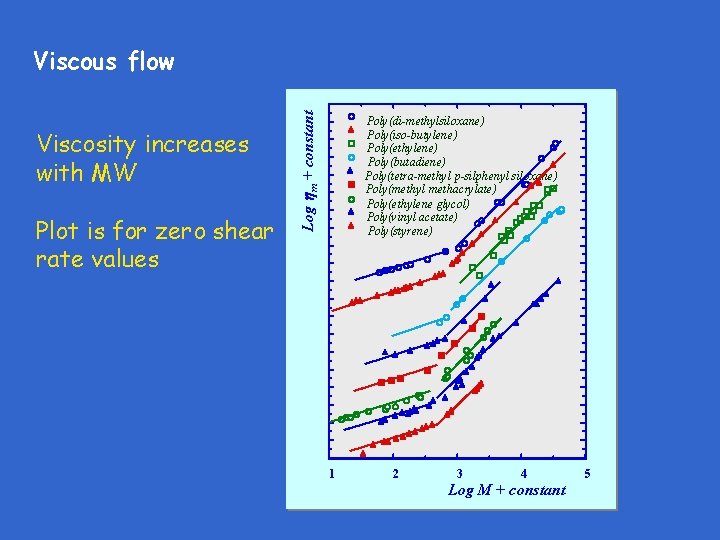
Viscosity increases with MW Plot is for zero shear rate values Log hm + constant Viscous flow Poly(di-methylsiloxane) Poly(iso-butylene) Poly(ethylene) Poly(butadiene) Poly(tetra-methyl p-silphenyl siloxane) Poly(methyl methacrylate) Poly(ethylene glycol) Poly(vinyl acetate) Poly(styrene) 1 2 3 4 Log M + constant 5
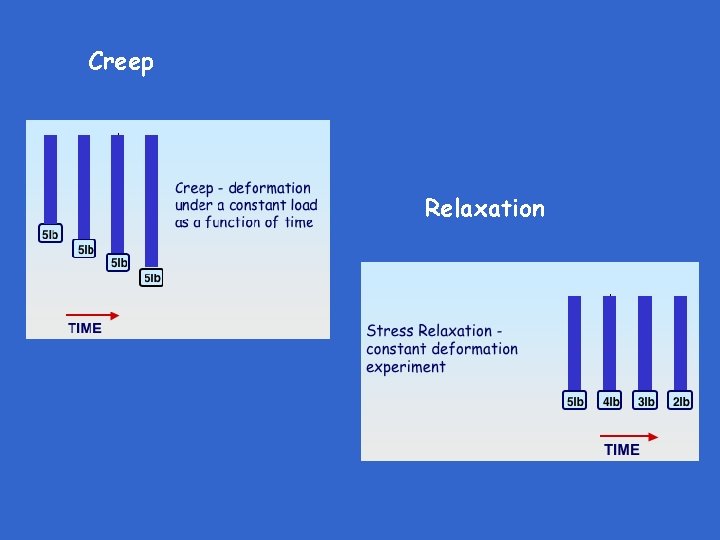
Creep Relaxation
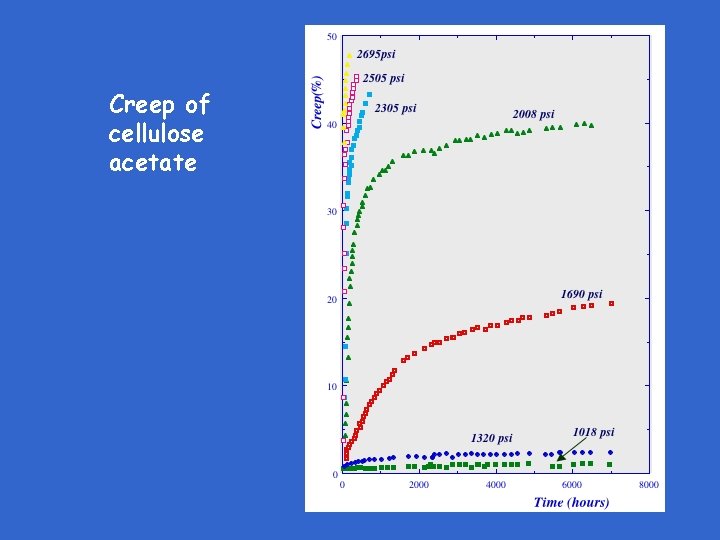
Creep of cellulose acetate
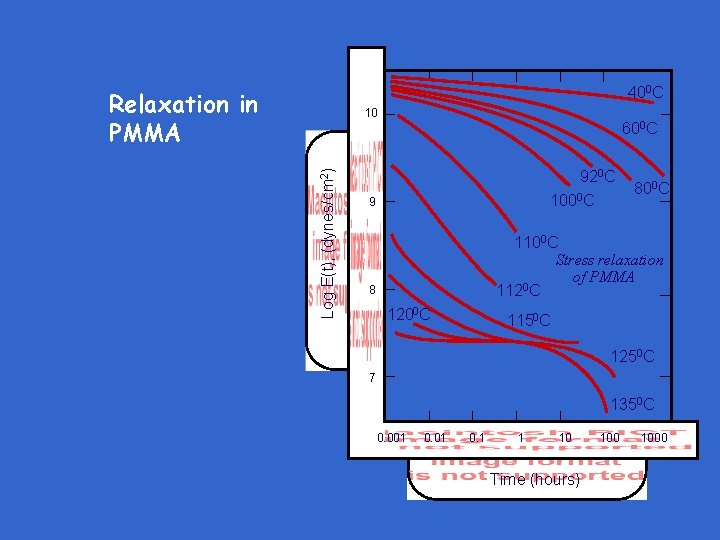
400 C Relaxation in PMMA Log E(t), (dynes/cm 2) 10 600 C 9 920 C 1000 C 8 1100 C Stress relaxation of PMMA 1120 C 1200 C 800 C 1150 C 1250 C 7 1350 C 0. 001 0. 1 1 10 Time (hours) 1000
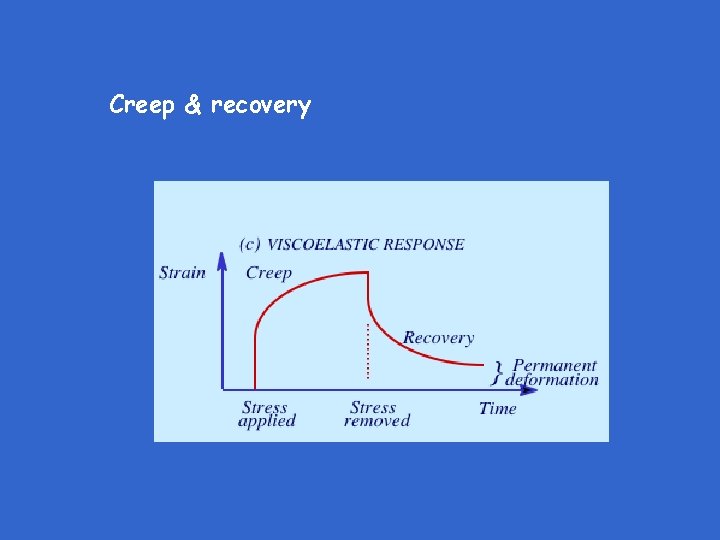
Creep & recovery
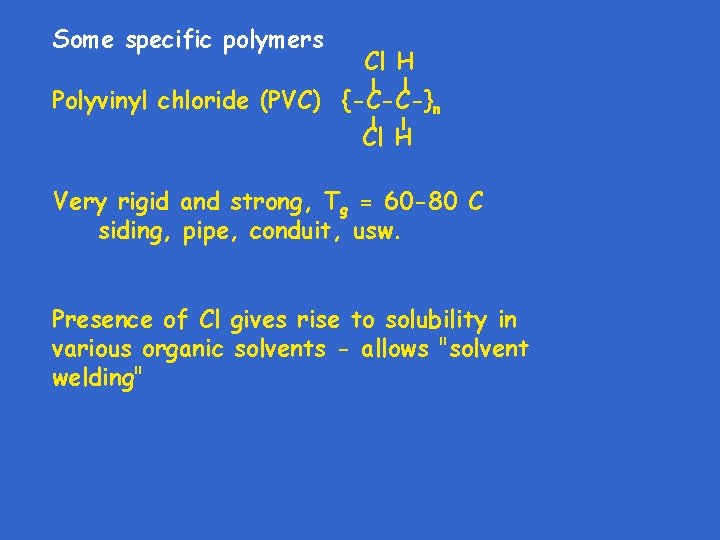
Cl H – – Some specific polymers – – Polyvinyl chloride (PVC) {-C-C-}n Cl H Very rigid and strong, Tg = 60 -80 C siding, pipe, conduit, usw. Presence of Cl gives rise to solubility in various organic solvents - allows "solvent welding"
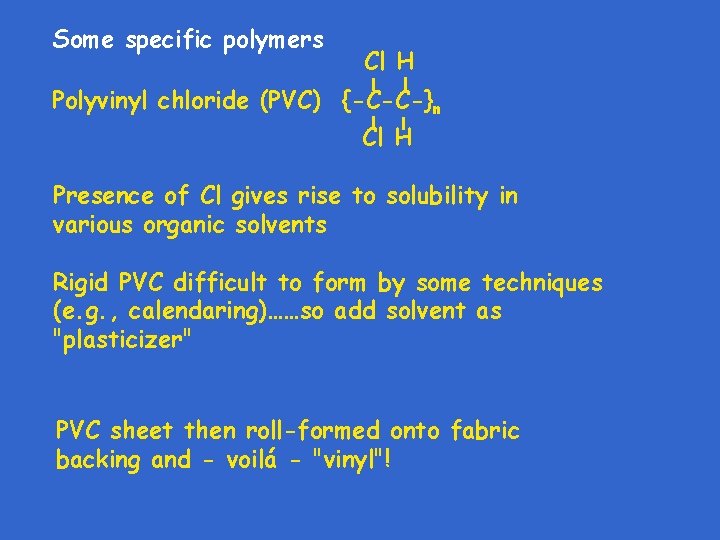
Cl H – – Some specific polymers – – Polyvinyl chloride (PVC) {-C-C-}n Cl H Presence of Cl gives rise to solubility in various organic solvents Rigid PVC difficult to form by some techniques (e. g. , calendaring)……so add solvent as "plasticizer" PVC sheet then roll-formed onto fabric backing and - voilá - "vinyl"!
Some specific polymers Rigid PVC difficult to form by some techniques (e. g. , calendaring)……so add solvent as "plasticizer" PVC sheet then roll-formed onto fabric backing and - voilá - "vinyl"! Problem: solvent slowly evaporates, exp. when (auto) vinyl seats & fascia heated by sun Soln: Armorall! Periodically put solvent back into polymer
- Slides: 21