
Polygenic and Multifactorial Inheritance Chapter 10 Central Points

- Slides: 40
Polygenic and Multifactorial Inheritance Chapter 10
Central Points § Polygenic traits controlled by two or more genes § Multifactorial traits are polygenic with an environmental component § Spina bifida is a multifactorial trait § Many other multifactorial traits
Case A: Prenatal Pills § Vera Smith found out she is pregnant § Went to doctor after three months § Nurse asked if she was taking vitamins with folic acid § Reduces chance baby born with spina bifida (SB)
10. 1 Polygenic Traits § Determined by two or more gene pairs § Examples: immune system, color of skin, hair, and eyes § Cause slight and often variable range of differences throughout population § Trait value: measurable aspect of the phenotype (height, skin color, and sizes of body parts)
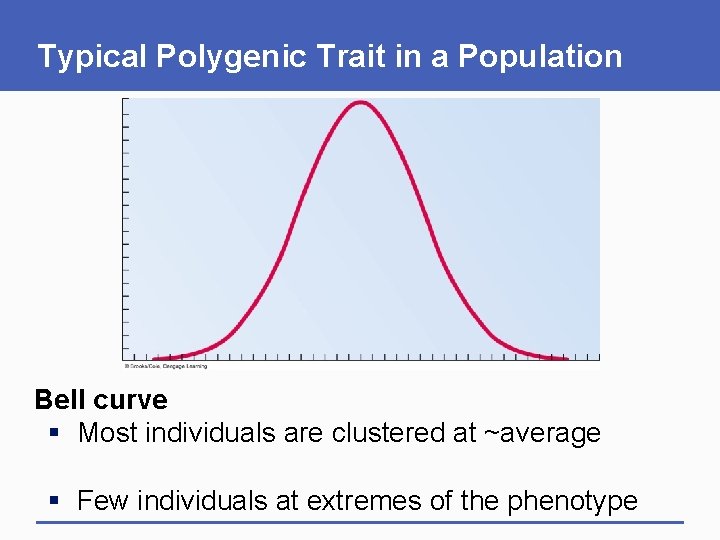
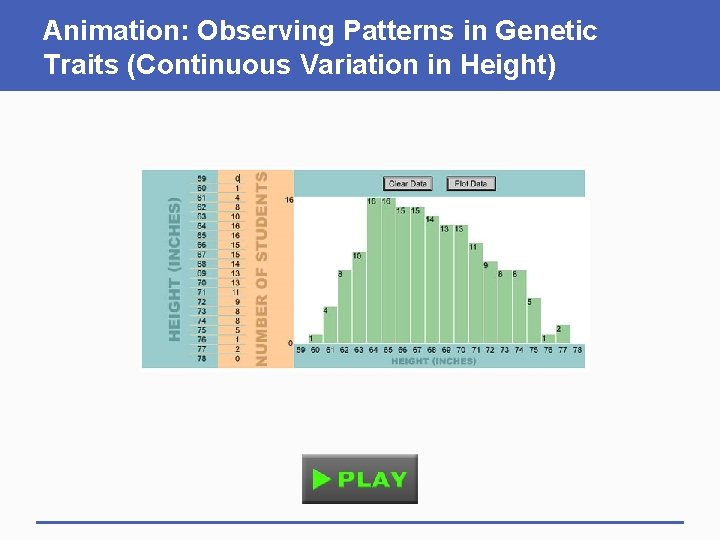
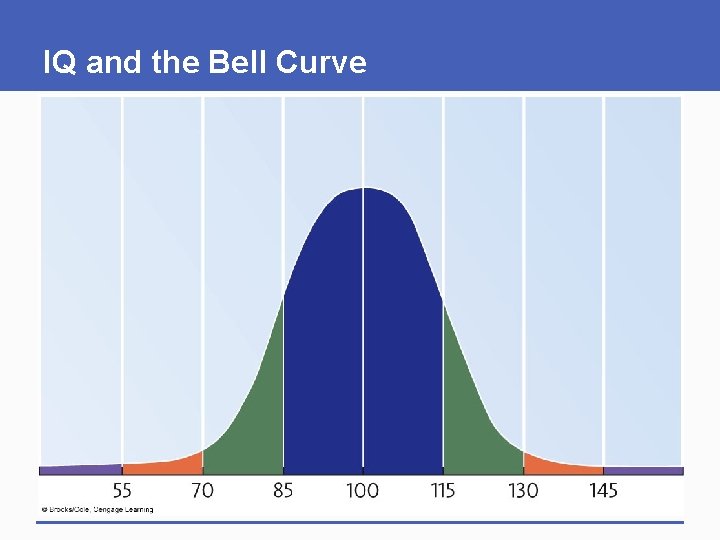
Typical Polygenic Trait in a Population Bell curve § Most individuals are clustered at ~average § Few individuals at extremes of the phenotype
10. 2 What Is a Multifactorial Trait? § Controlled by two or more genes and affected by environmental factors § Example: Height § Genes inherited in Mendelian fashion § Interaction of genes with environment produce many different phenotypes
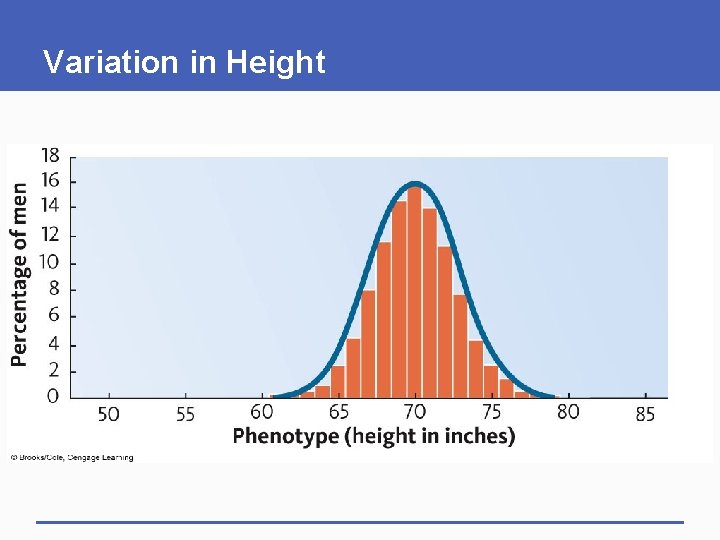
Variation in Height
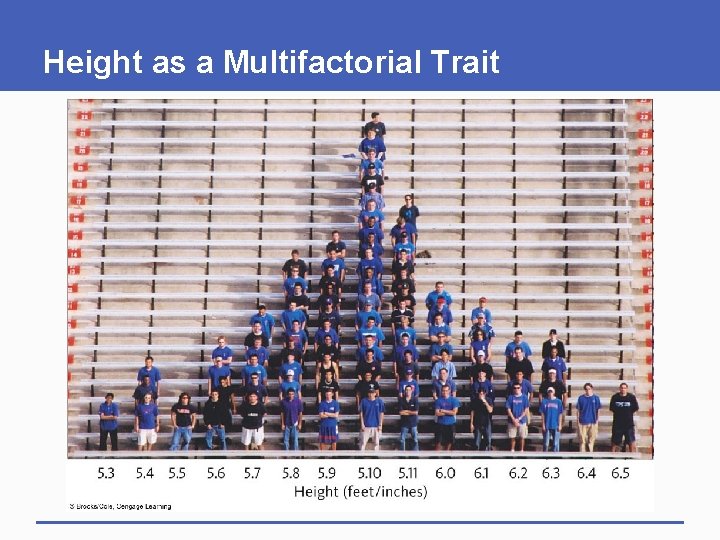
Height as a Multifactorial Trait
Characteristics of Multifactorial Traits (1) § Several genes control trait § Not inherited as dominant or recessive § Genes controlling trait contribute a small amount to phenotype § Environmental factors interact with genes to produce phenotype
Characteristics of Multifactorial Traits (2) § Many phenotypic differences in trait § Distributions of phenotypes form a bell-shaped curve
How Many Genes Control Trait? § As the number of genes increases, phenotypic differences among people decreases § As differences among people decrease, more likely environmental factor, blending the phenotypes together § Environmental factors for height: hormones and diet
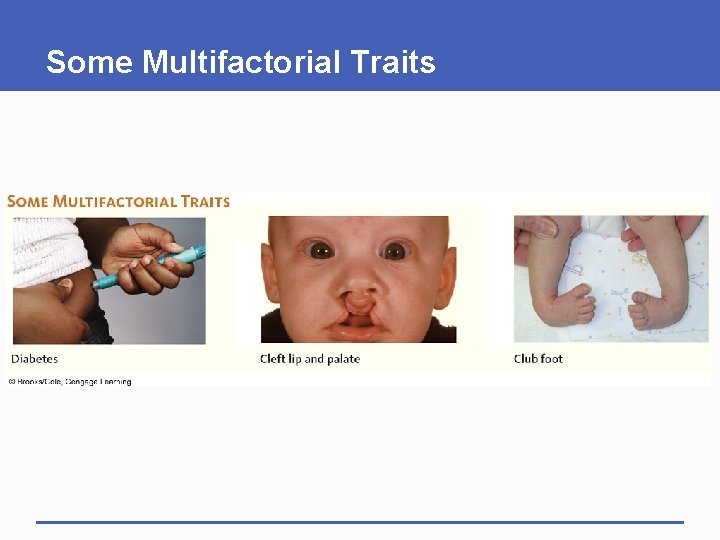
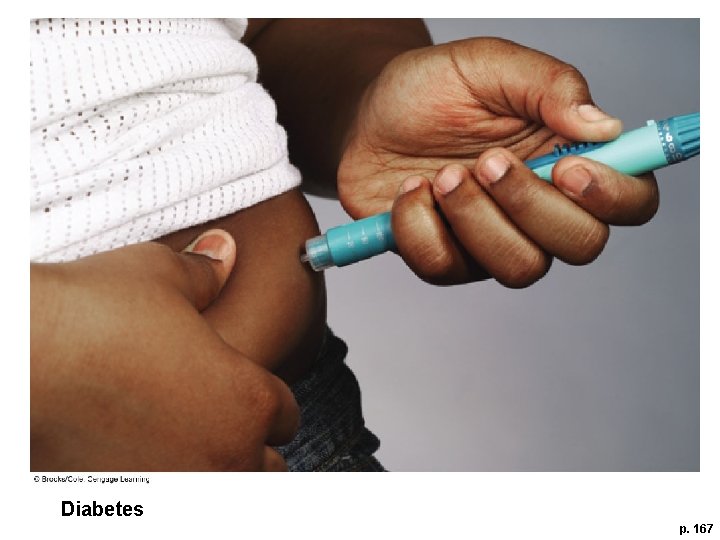
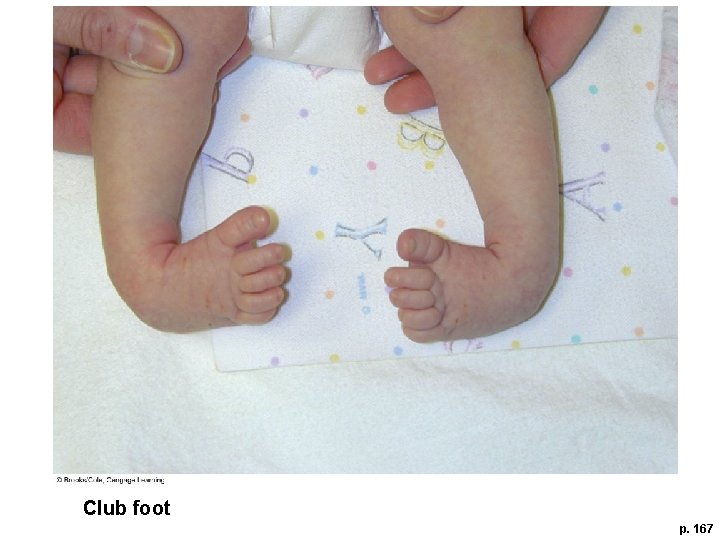
Multifactorial Diseases § Diabetes § Spina bifida § Club foot § Cancer § Hypertension and cardiovascular disease
Some Multifactorial Traits
Diabetes p. 167
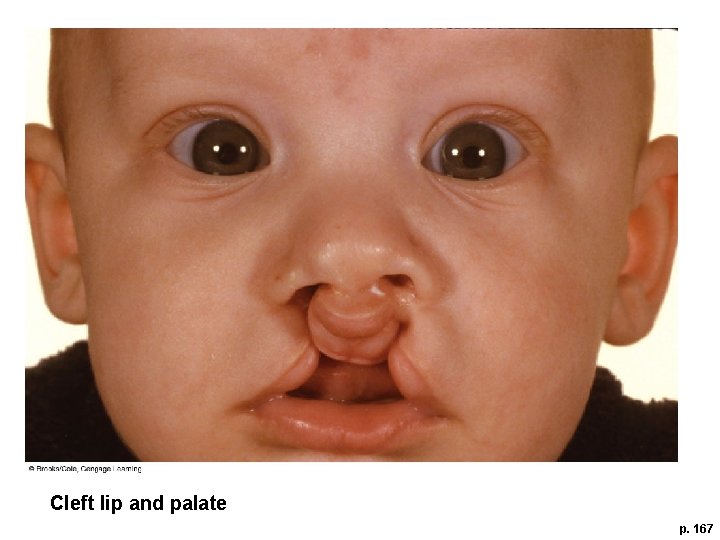
Cleft lip and palate p. 167
Club foot p. 167
Animation: Observing Patterns in Genetic Traits (Continuous Variation in Height)
10. 3 Spina Bifida § Birth defect involving nervous system § Occurs first month of embryonic development § Type of neural tube defect § Problems in development of spinal cord and related parts of nervous system
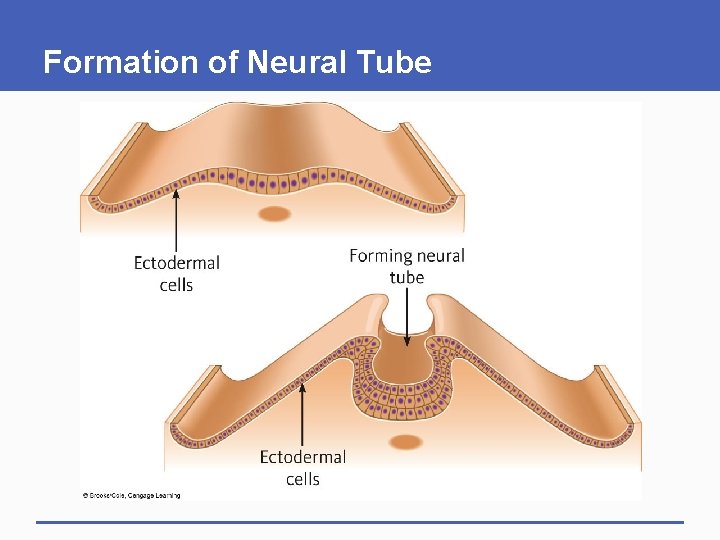
Neural Tube § Gives rise to: • Brain • Spinal cord • Meninges: membranes that cover and protect brain and spinal cord
Formation of Neural Tube
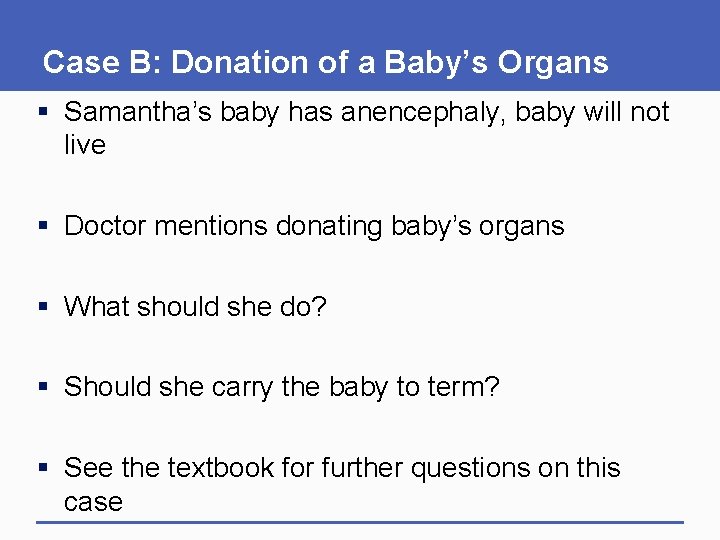
Anencephaly § Extreme form of a neural tube defect, head end of neural tube does not close § Major portions of brain and skull do not form, remaining portions may not be enclosed in skull § Can survive only within mother, most stillborn § If survive, die within a few hours or days from heart and breathing problems
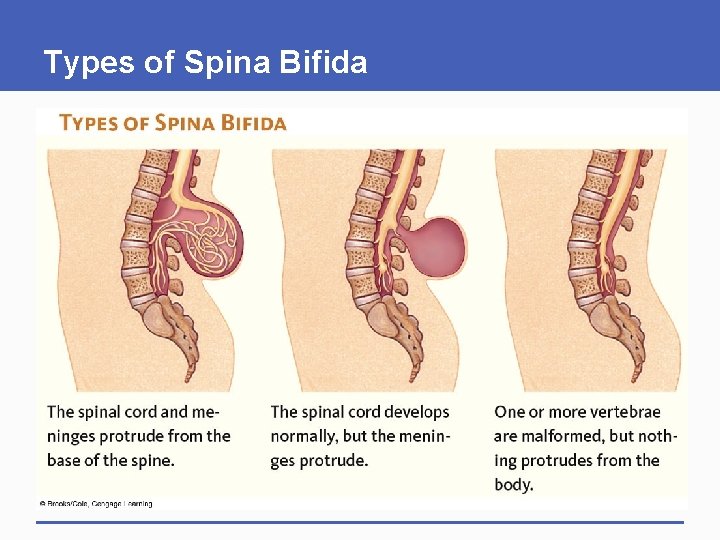
Types of Spina Bifida
Spina Bifida § Opening and damage can be surgically repaired, damage to nervous system permanent § Varying degrees of paralysis § Learning disabilities § Bowel and bladder problems § No cure for SB but most live into adulthood
Is Spina Bifida a Multifactorial Trait? § Yes § Tends to cluster in families § Risk of second child with SB or another neural tube defect increases significantly § Environmental factors include dietary deficiencies in folic acid
Environmental Risk Factor for SB § Diets deficient in folic acid, a B vitamin § Need 0. 4 mg/day for at least three months before pregnancy, and until week 12 • Reduces risk of SB and related conditions by ~70% § How folic acid interacts with genes in formation of neural tube unknown
Case A Questions § Should Vera be skeptical about folic acid because its action is unknown? § Should Vera just take the pills? § What if she takes the pills and her child is born with SB? § See the textbook for further questions on this case
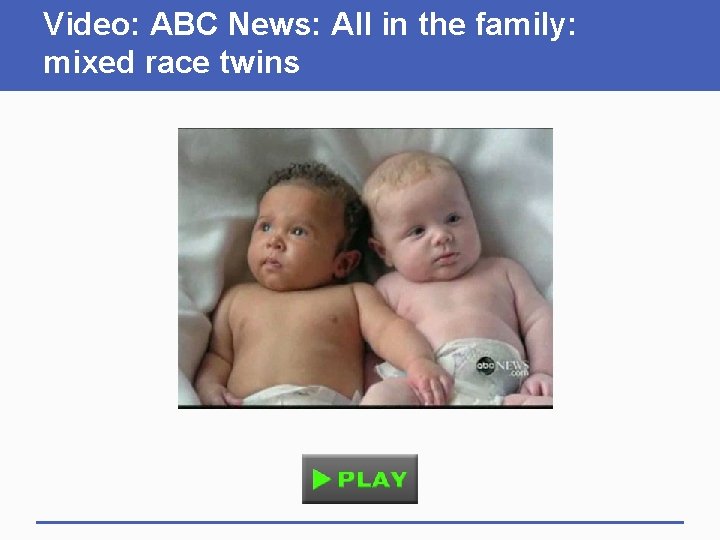
Video: ABC News: All in the family: mixed race twins
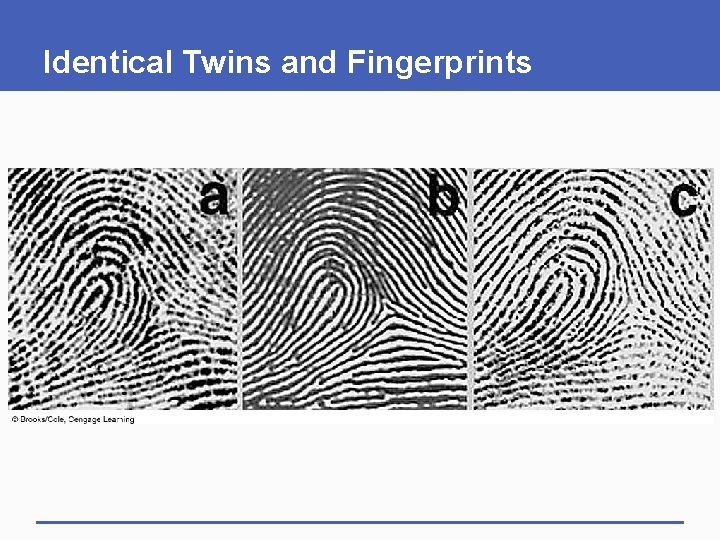
10. 4 Other Multifactorial Traits § Fingerprints: a polygenic trait § Dermatoglyphics: ridges on fingers, palm, toes, and feet § Influenced by prenatal environment • Nutrition of the mother • Rate of finger formation and growth § Even identical twins have unique fingerprints
Identical Twins and Fingerprints
Obesity: A Multifactorial Trait? § Twin studies used to estimate how much of obesity is genetic § Identical twins, monozygotic (MZ) twins, genetically identical, form from same zygote § Occurs in both MZ twins ~70% of the time: 70% concordance
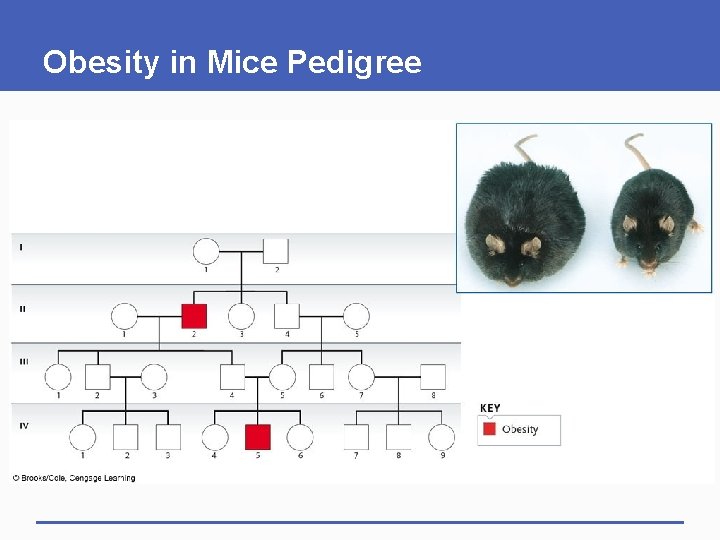
Obesity in Mice Pedigree
Mouse ob Gene § Encodes weight-controlling hormone leptin, produced in fat cells § Along with cell receptors in brain, controls how energy used § Human gene for leptin, equivalent to mouse ob gene, is on chromosome 7 § Mutations result in obesity
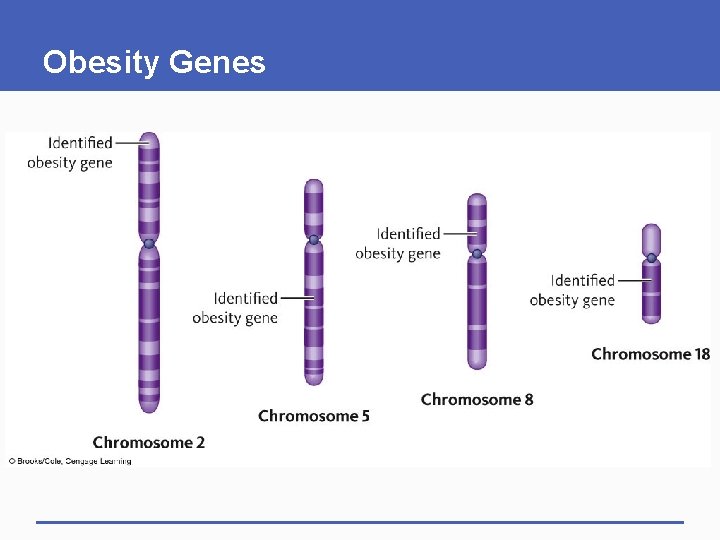
Obesity § Complex disorder involving action and interaction of multiple genes and environment § Important genes for obesity located on chromosomes 2, 3, 5, 6, 7, 10, 11, 17, and 20 § Further work to ID additional genes and how these genes interact with environmental factors
Obesity Genes
Is Intelligence a Multifactorial Trait? § Head size was used to determine intelligence § Early 20 th century, psychological rather than physical methods § Intelligence quotient (IQ) assumes that intelligence is a biological property § Concordance in MZ twins raised together and apart indicates genetic and environmental factors
Genes that Control Intelligence § Searching for single genes that control aspects of learning, memory, and spatial perception § Drosophila and the mouse models • Drosophila has many biochemical pathways identical to those in humans § Pathways play important roles in learning and memory
Quantitative Trait Loci (QTLs) § Use information from Human Genome Project § Associated with reading disability (developmental dyslexia) § Genes on chromosomes 6, 15, and 4 for cognitive ability § Accumulated results indicate intelligence is polygenic and multifactorial trait
Case B: Donation of a Baby’s Organs § Samantha’s baby has anencephaly, baby will not live § Doctor mentions donating baby’s organs § What should she do? § Should she carry the baby to term? § See the textbook for further questions on this case
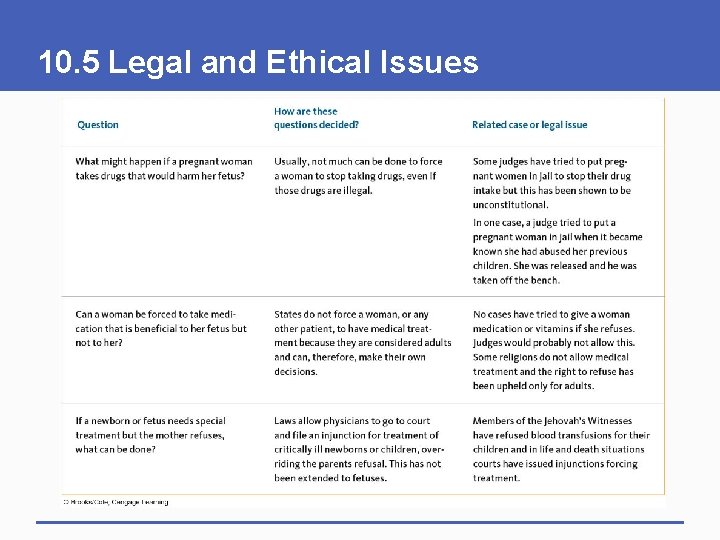
10. 5 Legal and Ethical Issues
IQ and the Bell Curve