
Pollution at Sea The Impact of Human Activity
- Slides: 16
Pollution at Sea The Impact of Human Activity on Earth’s Oceans
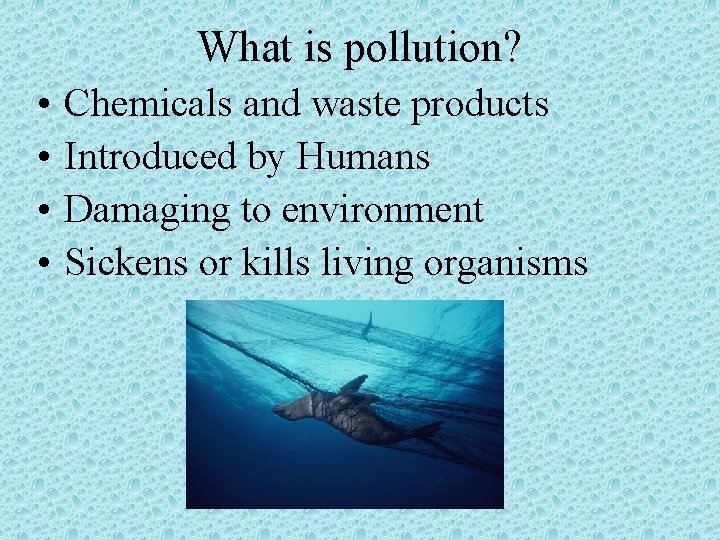
What is pollution? • • Chemicals and waste products Introduced by Humans Damaging to environment Sickens or kills living organisms
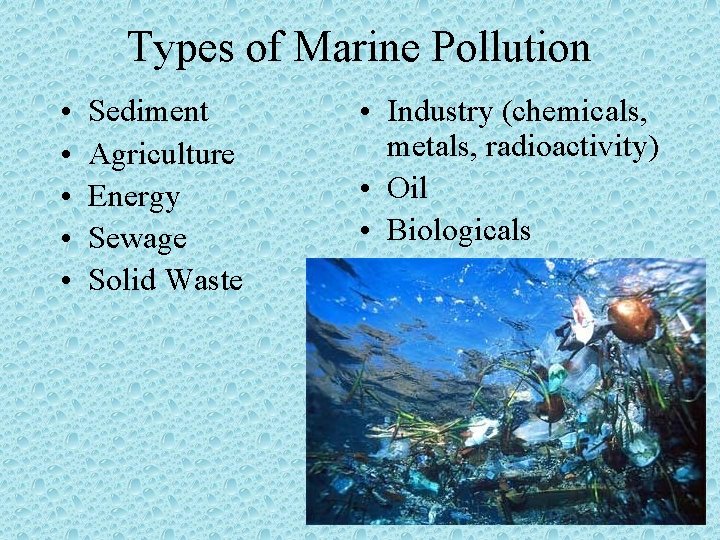
Types of Marine Pollution • • • Sediment Agriculture Energy Sewage Solid Waste • Industry (chemicals, metals, radioactivity) • Oil • Biologicals
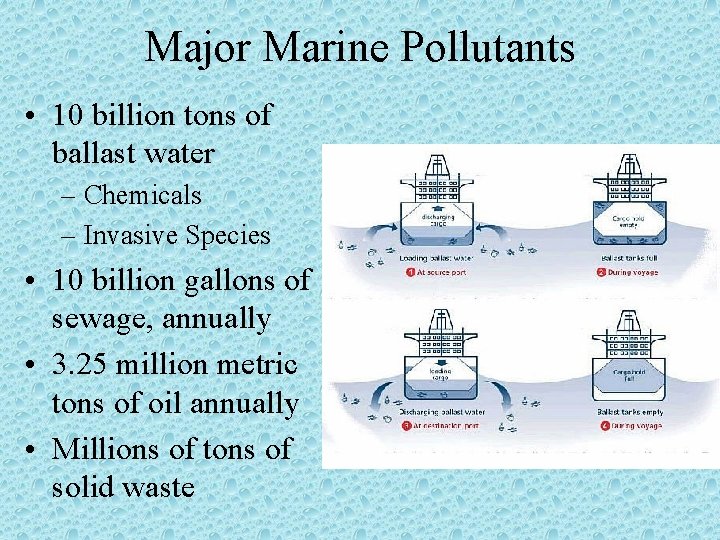
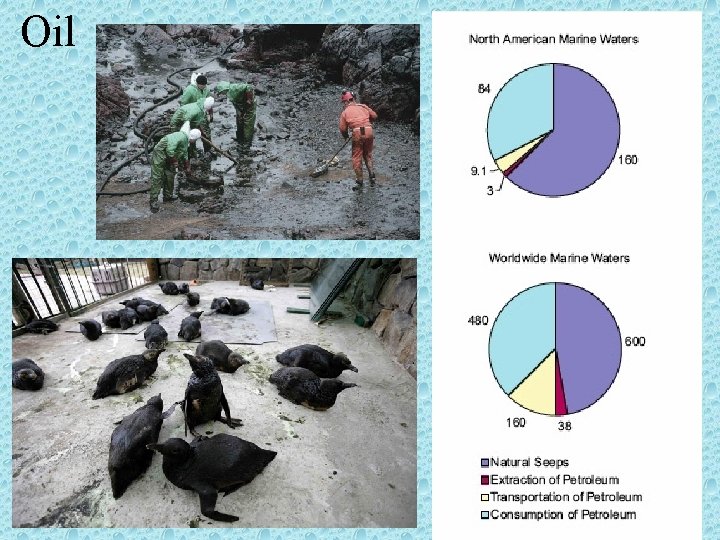
Major Marine Pollutants • 10 billion tons of ballast water – Chemicals – Invasive Species • 10 billion gallons of sewage, annually • 3. 25 million metric tons of oil annually • Millions of tons of solid waste
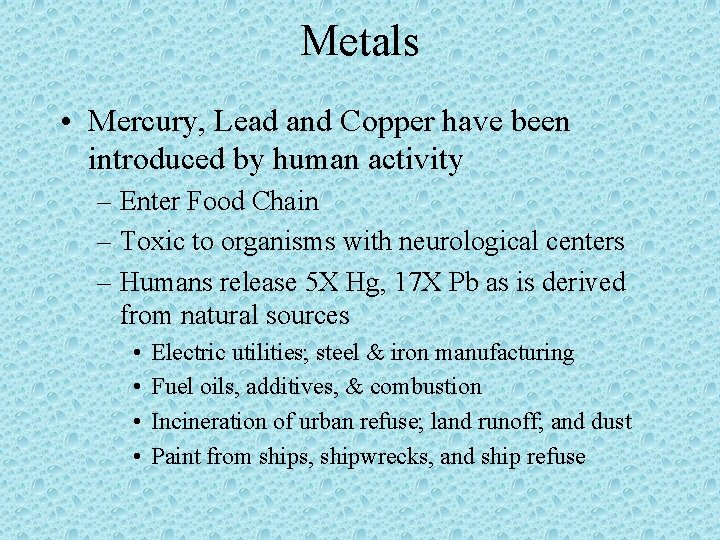
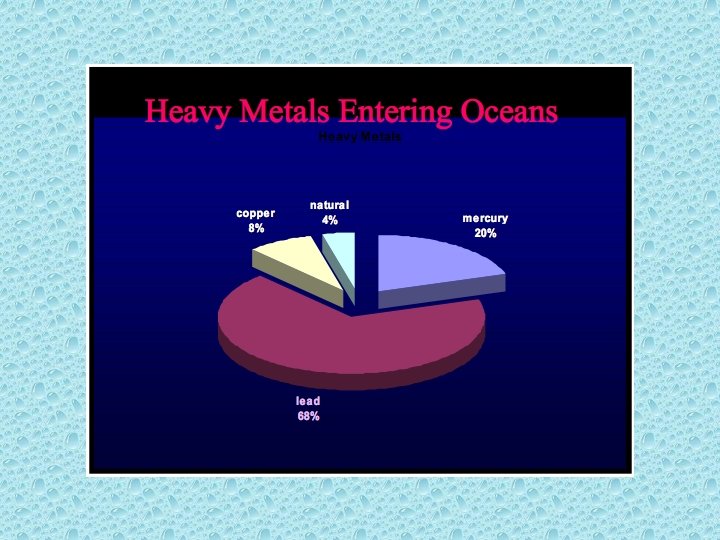
Metals • Mercury, Lead and Copper have been introduced by human activity – Enter Food Chain – Toxic to organisms with neurological centers – Humans release 5 X Hg, 17 X Pb as is derived from natural sources • • Electric utilities; steel & iron manufacturing Fuel oils, additives, & combustion Incineration of urban refuse; land runoff; and dust Paint from ships, shipwrecks, and ship refuse
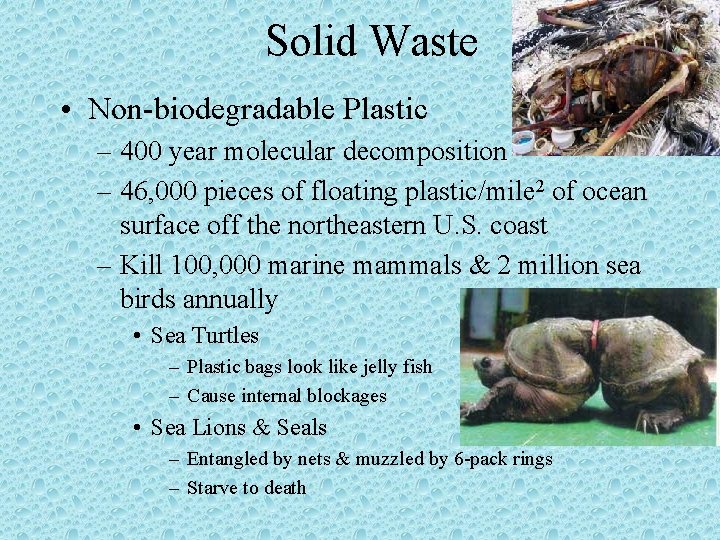
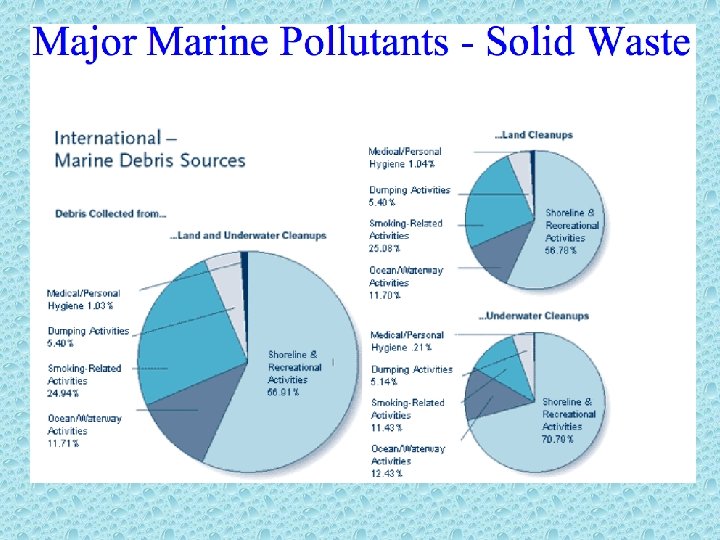
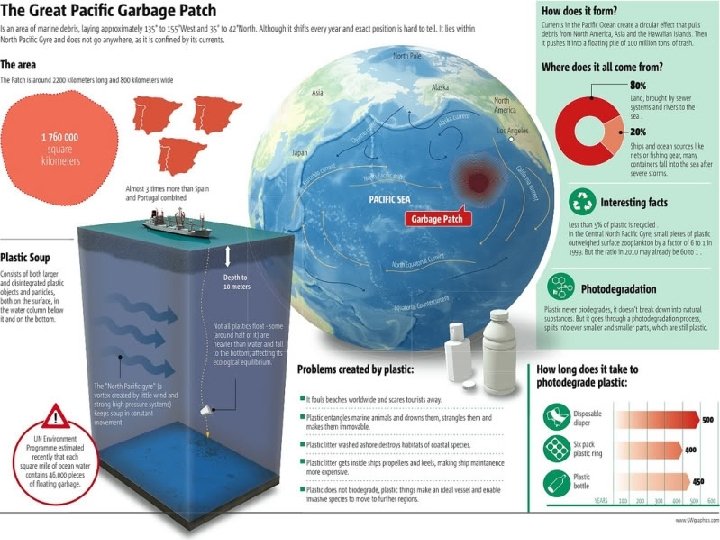
Solid Waste • Non-biodegradable Plastic – 400 year molecular decomposition – 46, 000 pieces of floating plastic/mile 2 of ocean surface off the northeastern U. S. coast – Kill 100, 000 marine mammals & 2 million sea birds annually • Sea Turtles – Plastic bags look like jelly fish – Cause internal blockages • Sea Lions & Seals – Entangled by nets & muzzled by 6 -pack rings – Starve to death
Oil
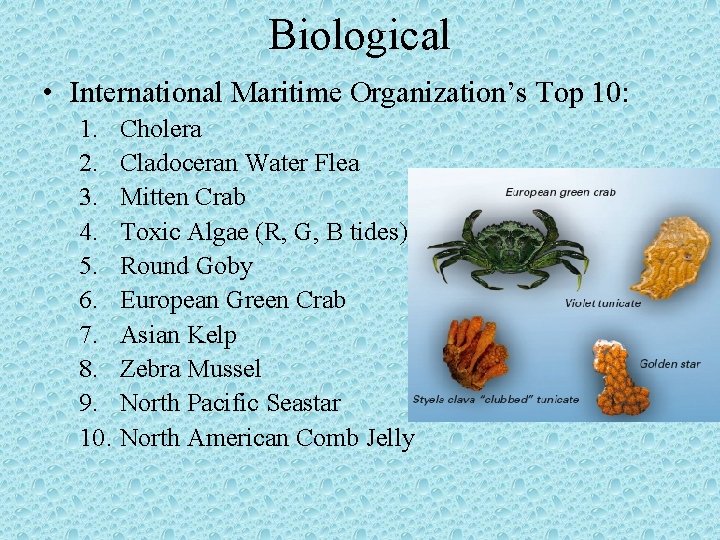
Biological • International Maritime Organization’s Top 10: 1. Cholera 2. Cladoceran Water Flea 3. Mitten Crab 4. Toxic Algae (R, G, B tides) 5. Round Goby 6. European Green Crab 7. Asian Kelp 8. Zebra Mussel 9. North Pacific Seastar 10. North American Comb Jelly
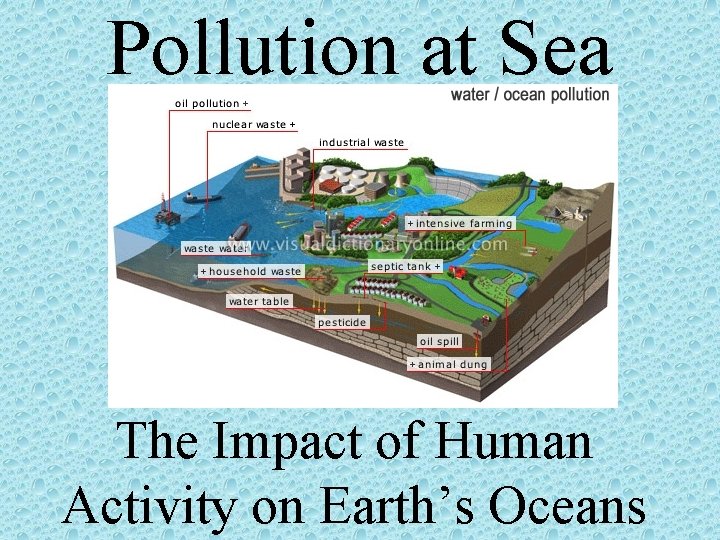
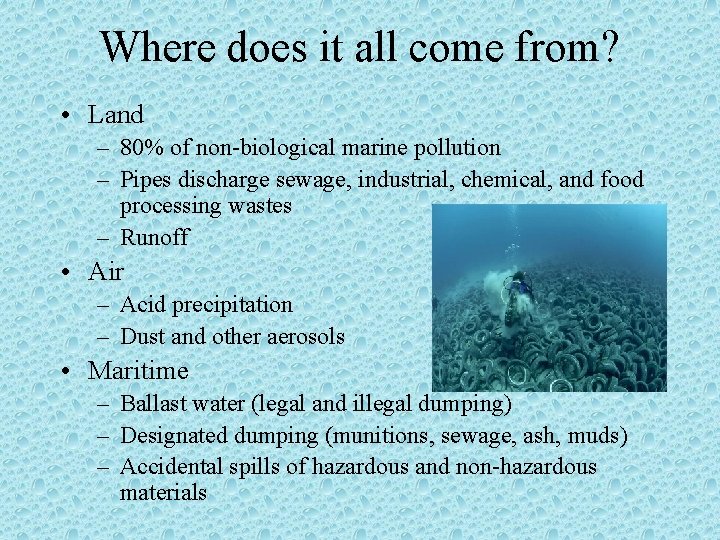
Where does it all come from? • Land – 80% of non-biological marine pollution – Pipes discharge sewage, industrial, chemical, and food processing wastes – Runoff • Air – Acid precipitation – Dust and other aerosols • Maritime – Ballast water (legal and illegal dumping) – Designated dumping (munitions, sewage, ash, muds) – Accidental spills of hazardous and non-hazardous materials
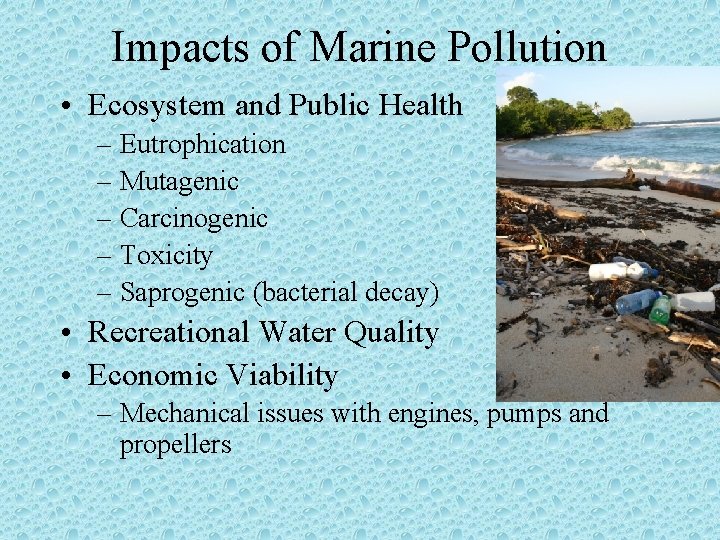
Impacts of Marine Pollution • Ecosystem and Public Health – Eutrophication – Mutagenic – Carcinogenic – Toxicity – Saprogenic (bacterial decay) • Recreational Water Quality • Economic Viability – Mechanical issues with engines, pumps and propellers
Cost of Marine Pollution • 3. 25 million metric tons of wasted oil (Jamaica uses 3. 4 million metric tons of oil annually) • 100, 000 mammal and 2 million bird deaths annually • Reduction of GDP by decreasing fishery resources and lost tourism earnings • Loss of biodiversity and potential life saving medicines
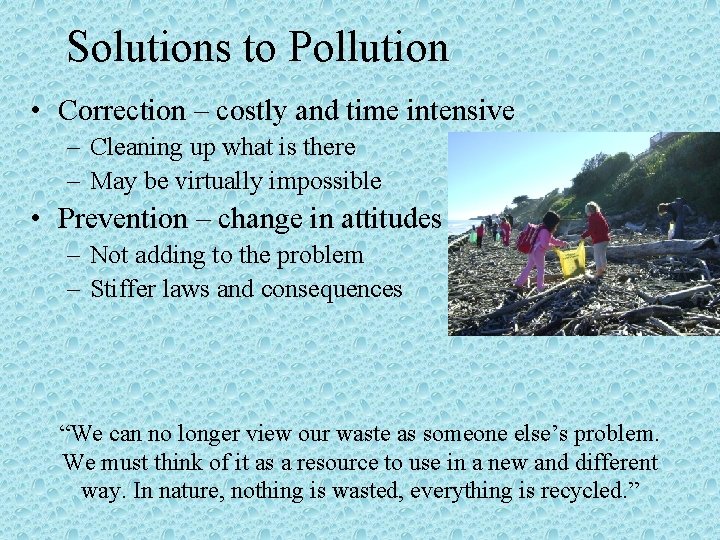
Solutions to Pollution • Correction – costly and time intensive – Cleaning up what is there – May be virtually impossible • Prevention – change in attitudes – Not adding to the problem – Stiffer laws and consequences “We can no longer view our waste as someone else’s problem. We must think of it as a resource to use in a new and different way. In nature, nothing is wasted, everything is recycled. ”
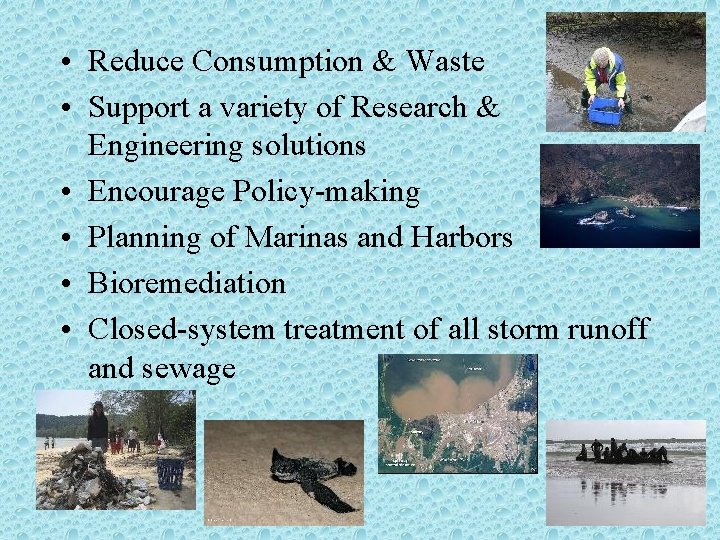
• Reduce Consumption & Waste • Support a variety of Research & Engineering solutions • Encourage Policy-making • Planning of Marinas and Harbors • Bioremediation • Closed-system treatment of all storm runoff and sewage