
Political System First Dimension 1 Collectivism 2 Individualism



- Slides: 52
Political System �First Dimension 1. Collectivism? 2. Individualism? � Second Dimension 1. Democratic? 2. Totalitarian?
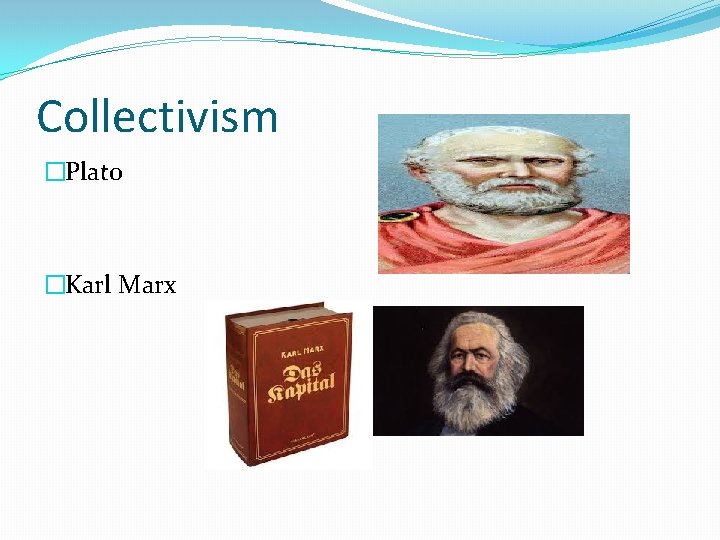
Collectivism �Plato �Karl Marx
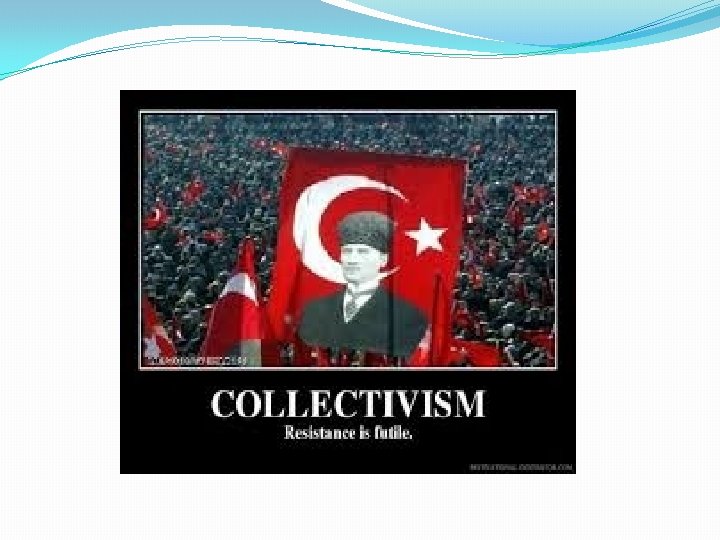
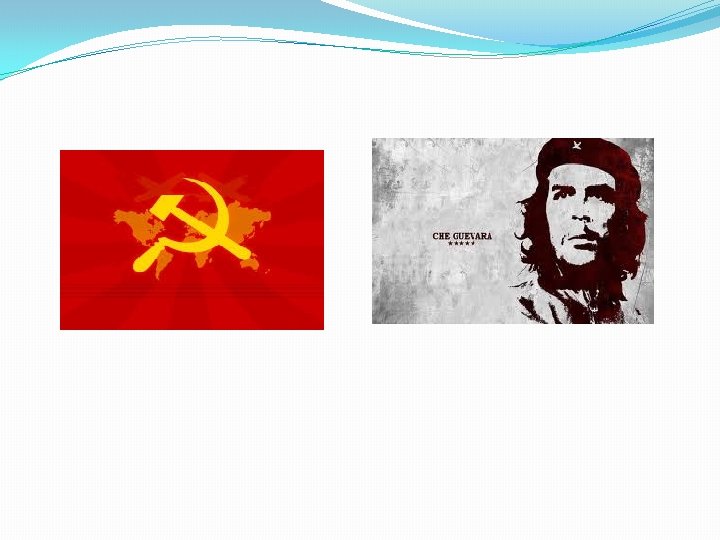
… 1. State ownership of distribution and exchange � Communists and Social Democrats
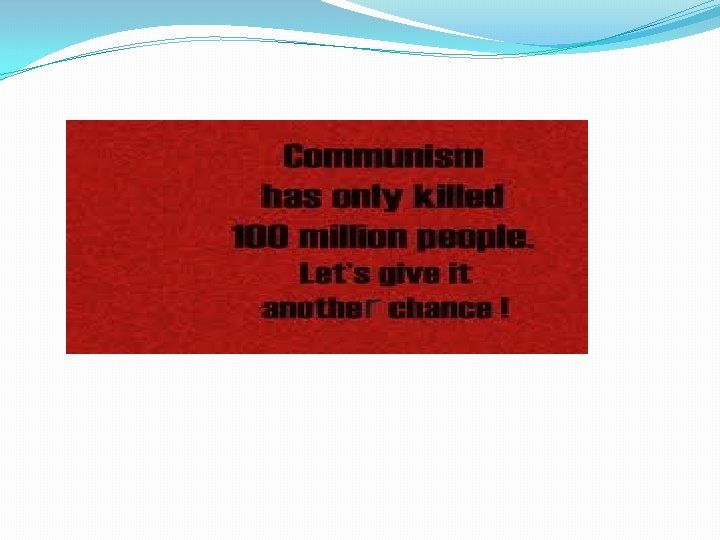
Communism � 1970 s? � 1995? �Present?
Social Democrats �Great Britain in 1970 s �Late 1970 s and early 80 s � 1997
Individualism �Aristotle
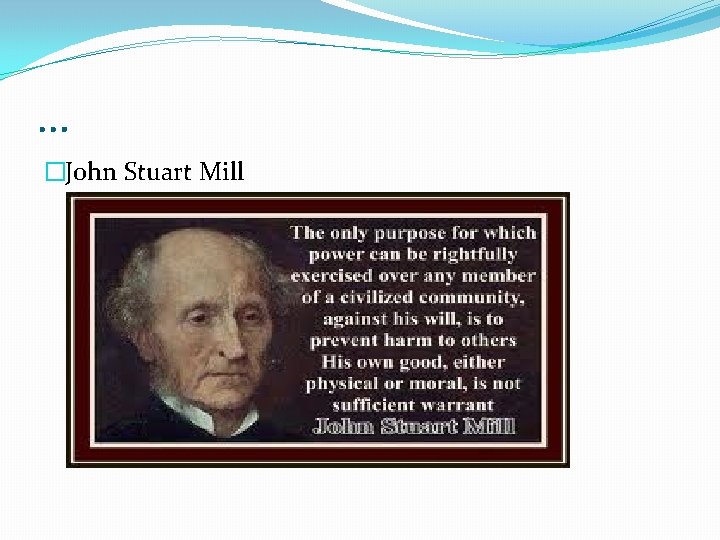
First tenet of Individualism �Individual freedom and expression
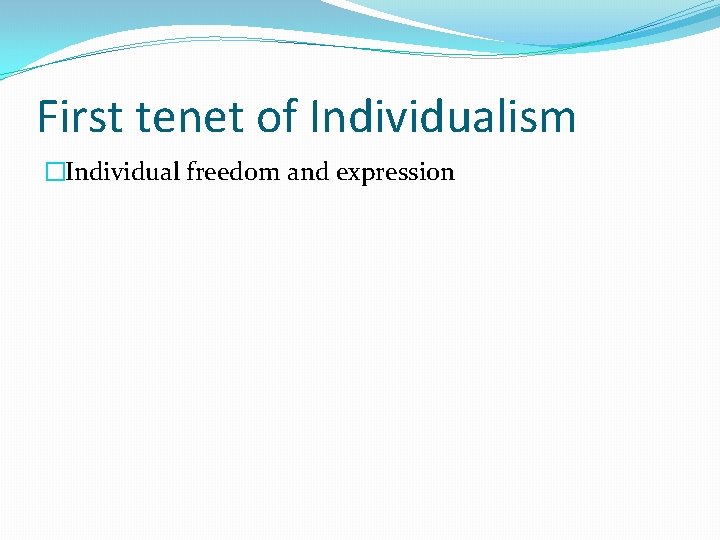
David Hume 1701 -1776
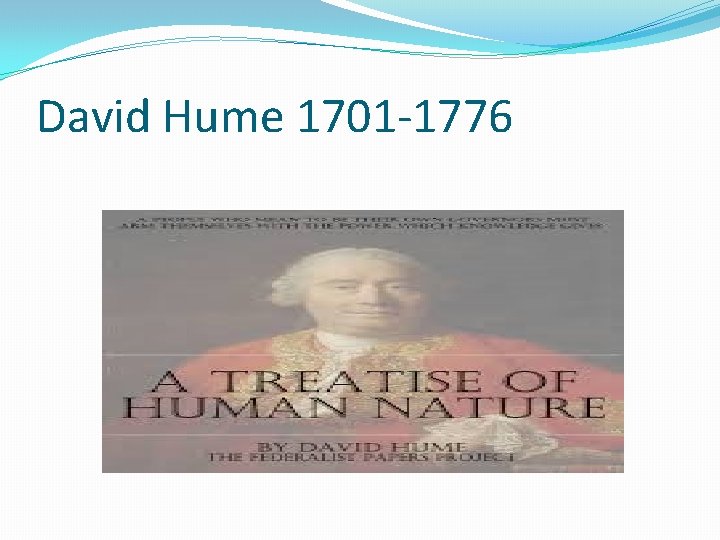
… �John Stuart Mill
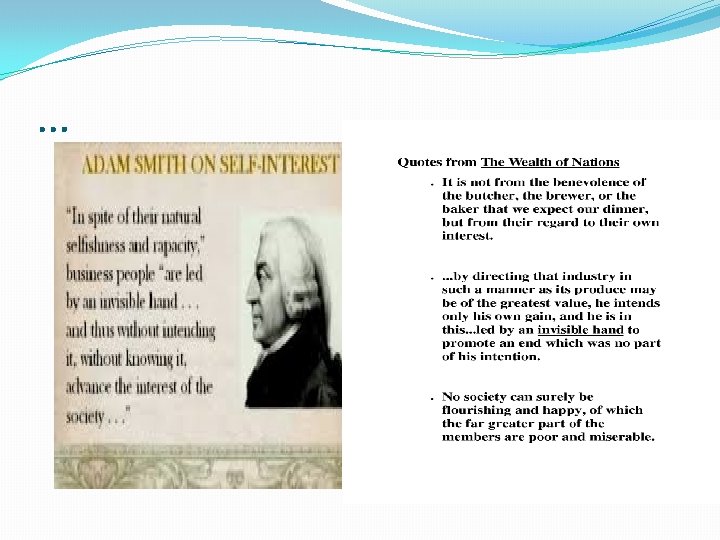
nd 2 tenet of Individualism �Welfare of the society is best served by letting people pursue their own economic interest
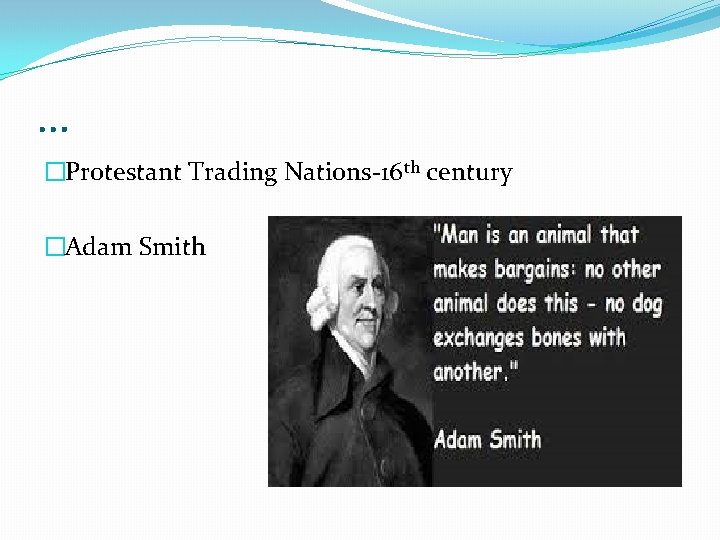
… �Protestant Trading Nations-16 th century �Adam Smith
Democracy �Representative Democracy � 1. Right to freedom of expression � 2. free media � 3. Regular Election � 4. Universal Adult Suffrage � 5. Limited Term � 6. Fair Court System � 7. Non-Political state Bureaucracy � 8. Non-political police force and armed service � 9. Relatively free access to state information
Features of Capitalist System �Economic Sovereignty �Right to private property �Labor power as a commodity �Private ownership of means of production �Price Mechanism �Exploitation of Labor �Growing wealth of capitalist �Class Contradiction �Emergence of the working class
Socialism �Prof. H. D. Dickenson, “Socialism is an economic organisation of society in which the material means of production are owned by the whole community and operated by organs representative of and responsible to the community according to a general economic plan, all members of the community being entitled to benefit from the results of such socialised planned production on the basis of equal rights”
Features of Socialism �State Ownership �Equality of Opportunity �Equality of Income �Social Welfare Motive �Economic Planning �Classless Society �Absence of individual freedom �Often at the cost of democracy (Leads to communist Totalitarianism) �Lack of Innovation and Dynamism �Slow Economic Growth
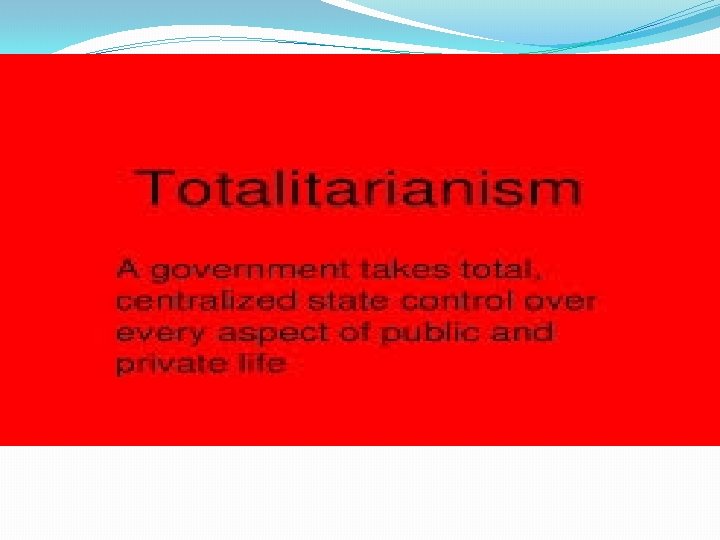
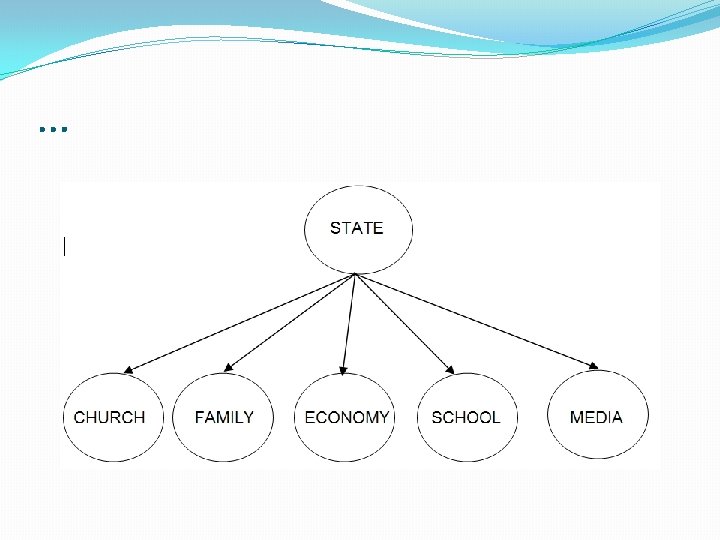
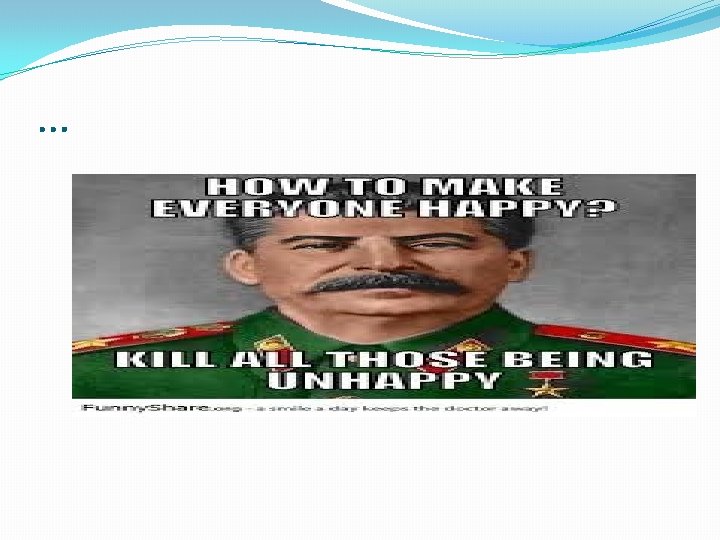
Communist totalitarianism �…
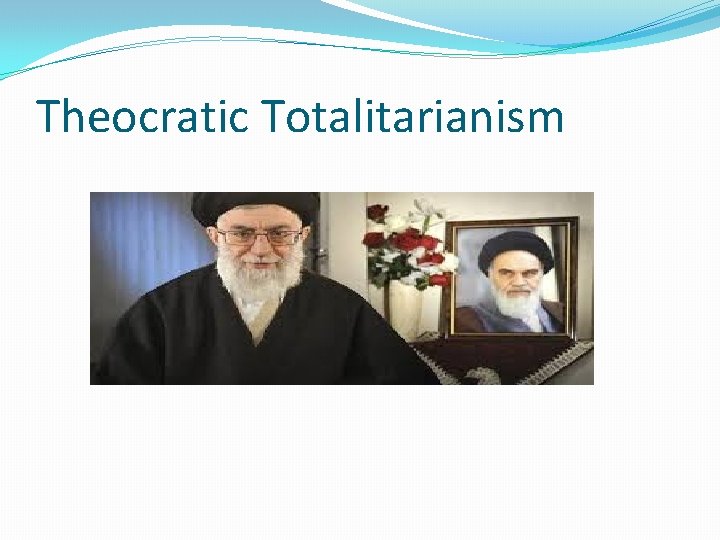
Theocratic Totalitarianism
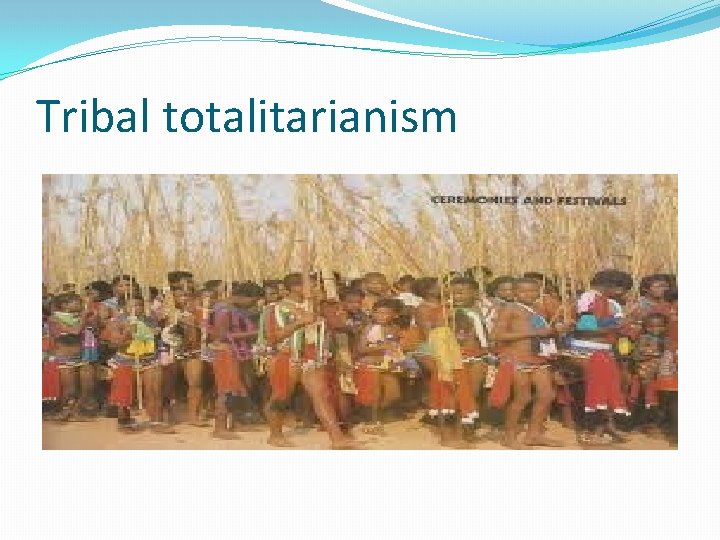
Tribal totalitarianism
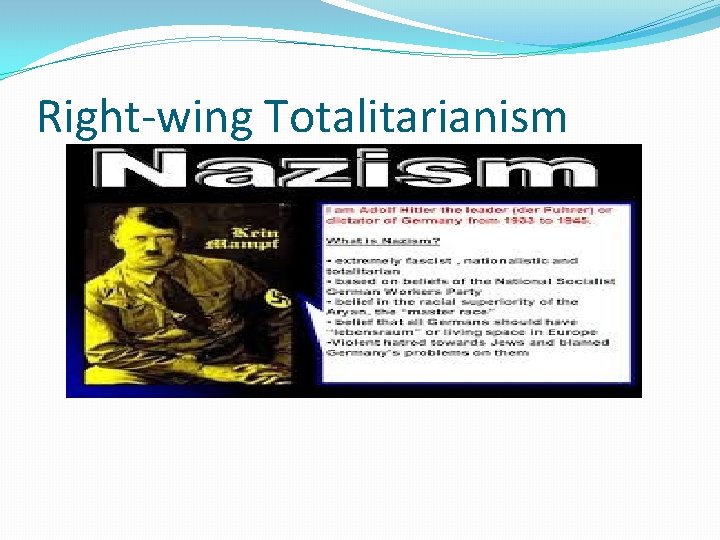
Right-wing Totalitarianism
Economic System Way to do business. . !
Market Economy �Interaction of Supply and Demand �Consumer is THE KING �Unrestricted Supply �Incentive to lower production costs �Innovation
Role of Government �Ensure Vigorous free and fair competition
Command Economy �Planned by the government-Goods and services, price and quantity �Allocate resources “for the good of the society” �In pure command economy, all businesses are state owned �Communist Nations and their demise �India and France
Reasons for failure �Little incentive to control costs and be efficient �Abolition of private ownership �Dynamism and Innovation are absent �Economies tend to Stagnate
Mixed Economies �GB, France and Sweden were mixed Economies. . ! �Brazil, Italy �India �Mixed Economies are becoming less common
Economic Conditions �Stage of business cycle �Inflation rate �Prevailing Interest Rates �Unemployment Level �Labor Costs �Levels of Disposable Income �Income Distribution �Taxes �Tariffs
Economic Conditions �GDP �Per Capita Income �Market for goods and services �Availability of capital �Foreign exchange reserve �Growth of foreign trade �Strength of foreign trade
Economic Policies �Industrial Policy �Monetary Policy �Fiscal Policy �Foreign Investment Policy �Export-Import Policy